


1897 Results
Form:
books
books
Actions:
Price:
$31.00
(available in store)
Summary:
Although postmodern architecture reaches giddy heights in the cinema multiplexes and shopping malls on the outskirts of town, its services have been in greatest demand in the centre of London. The fun, brash style dominated architecture from its radical inception at the end of the 1970's to its soggy death by cul-de-sac developments in the 90's. Why did the postmodern(...)
$31.00
(available in store)
Summary:
Although postmodern architecture reaches giddy heights in the cinema multiplexes and shopping malls on the outskirts of town, its services have been in greatest demand in the centre of London. The fun, brash style dominated architecture from its radical inception at the end of the 1970's to its soggy death by cul-de-sac developments in the 90's. Why did the postmodern(...)
Title:
Postmodern architecture in London
Actions:
Price:
$31.00
(available in store)
Summary:
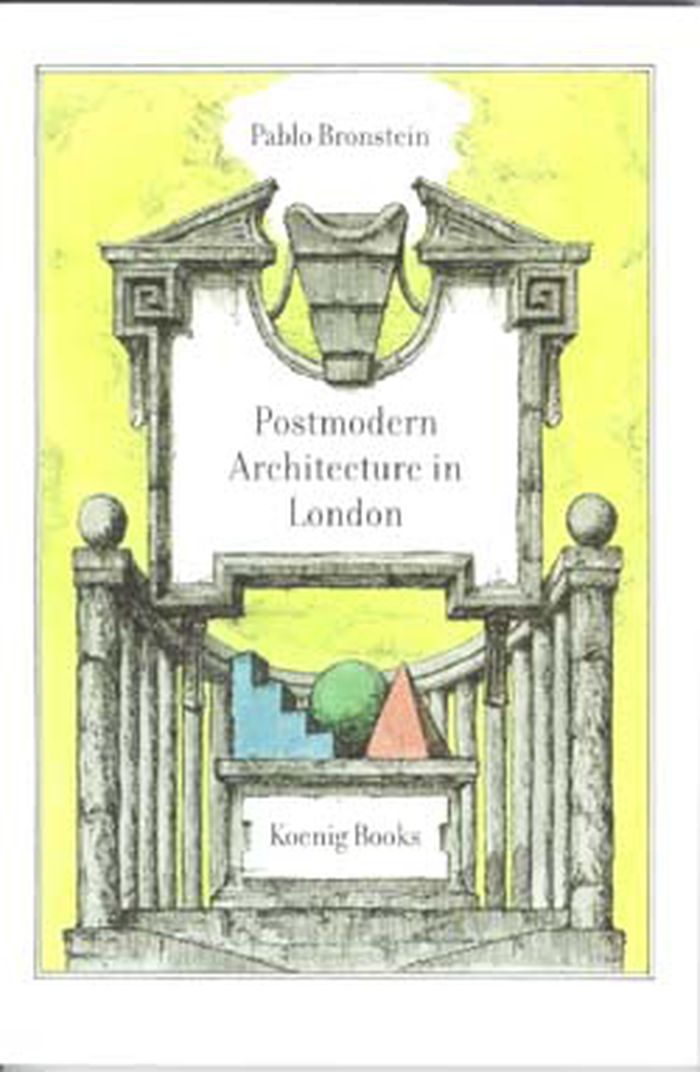
Although postmodern architecture reaches giddy heights in the cinema multiplexes and shopping malls on the outskirts of town, its services have been in greatest demand in the centre of London. The fun, brash style dominated architecture from its radical inception at the end of the 1970's to its soggy death by cul-de-sac developments in the 90's. Why did the postmodern expire? A change of fashion, maybe? It can certainly be too much at times, all those Plaudoh pediments, Lego walls and cheap multicoloured facings. A victim of its own popularity? We live and work in countless postmodern low-rise houses and offices all over the city; so ubiquitous is it that not a street has been spared.
Postmodern architecture in London
Actions:
Price:
$31.00
(available in store)
Summary:
Although postmodern architecture reaches giddy heights in the cinema multiplexes and shopping malls on the outskirts of town, its services have been in greatest demand in the centre of London. The fun, brash style dominated architecture from its radical inception at the end of the 1970's to its soggy death by cul-de-sac developments in the 90's. Why did the postmodern expire? A change of fashion, maybe? It can certainly be too much at times, all those Plaudoh pediments, Lego walls and cheap multicoloured facings. A victim of its own popularity? We live and work in countless postmodern low-rise houses and offices all over the city; so ubiquitous is it that not a street has been spared.
Form:
books
books
Publication:
December 2007, London
December 2007, London
Subject:
City Guides
City Guides
Form:
books
books
Actions:
Price:
$73.95
(available to order)
Summary:
Taking as a guide Banham’s habit of structuring his writings around dialectical tensions, Todd Gannon sheds new light on Banham’s early engagement with the New Brutalism of Alison and Peter Smithson, his measured enthusiasm for the ''clip-on'' approach developed by Cedric Price and the Archigram group, his advocacy of ''well-tempered environments'' fostered by integrated(...)
$73.95
(available to order)
Summary:
Taking as a guide Banham’s habit of structuring his writings around dialectical tensions, Todd Gannon sheds new light on Banham’s early engagement with the New Brutalism of Alison and Peter Smithson, his measured enthusiasm for the ''clip-on'' approach developed by Cedric Price and the Archigram group, his advocacy of ''well-tempered environments'' fostered by integrated(...)
Title:
Reyner Banham and the paradoxes of high tech
Actions:
Price:
$73.95
(available to order)
Summary:
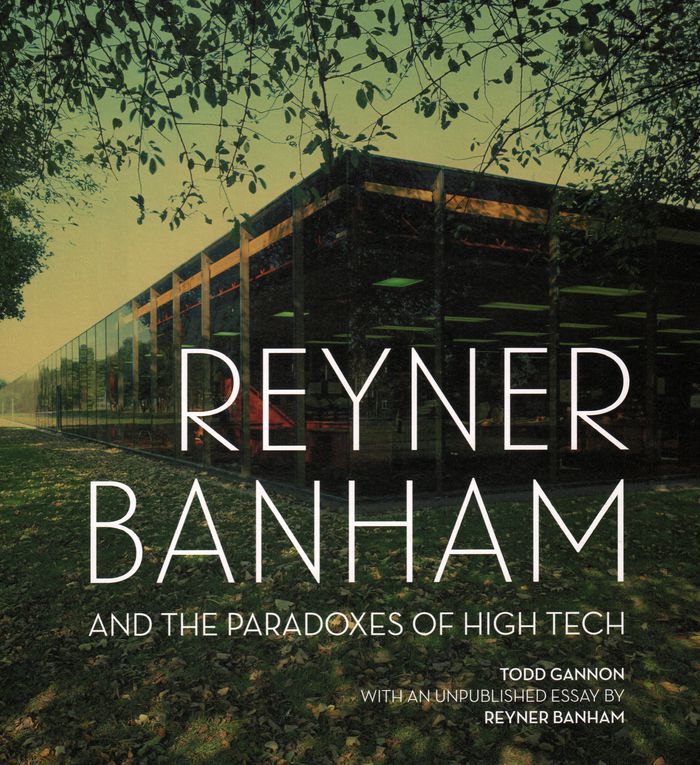
Taking as a guide Banham’s habit of structuring his writings around dialectical tensions, Todd Gannon sheds new light on Banham’s early engagement with the New Brutalism of Alison and Peter Smithson, his measured enthusiasm for the ''clip-on'' approach developed by Cedric Price and the Archigram group, his advocacy of ''well-tempered environments'' fostered by integrated mechanical and electrical systems, and his late-career assessments of High Tech practitioners such as Norman Foster, Richard Rogers, and Renzo Piano. Gannon devotes significant attention to Banham’s late work, including fresh archival materials related to 'Making Architecture: The Paradoxes of High Tech', the manuscript he left unfinished at his death in 1988. For the first time, readers will have access to Banham’s previously unpublished draft introduction to that book.
Reyner Banham and the paradoxes of high tech
Actions:
Price:
$73.95
(available to order)
Summary:
Taking as a guide Banham’s habit of structuring his writings around dialectical tensions, Todd Gannon sheds new light on Banham’s early engagement with the New Brutalism of Alison and Peter Smithson, his measured enthusiasm for the ''clip-on'' approach developed by Cedric Price and the Archigram group, his advocacy of ''well-tempered environments'' fostered by integrated mechanical and electrical systems, and his late-career assessments of High Tech practitioners such as Norman Foster, Richard Rogers, and Renzo Piano. Gannon devotes significant attention to Banham’s late work, including fresh archival materials related to 'Making Architecture: The Paradoxes of High Tech', the manuscript he left unfinished at his death in 1988. For the first time, readers will have access to Banham’s previously unpublished draft introduction to that book.
Form:
books
books
Publication:
January 2017
January 2017
Subject:
Architectural Theory
Architectural Theory
Form:
books
books
Actions:
Price:
$21.95
(available to order)
Summary:
“Behind every image, something has disappeared. And that is the source of its fascination,” writes French theorist Jean Baudrillard in Why Hasn’t Everything Already Disappeared? In this, one of the last texts written before his death in March 2007, Baudrillard meditates poignantly on the question of disappearance. Throughout, he weaves an intricate set of variations on(...)
$21.95
(available to order)
Summary:
“Behind every image, something has disappeared. And that is the source of its fascination,” writes French theorist Jean Baudrillard in Why Hasn’t Everything Already Disappeared? In this, one of the last texts written before his death in March 2007, Baudrillard meditates poignantly on the question of disappearance. Throughout, he weaves an intricate set of variations on(...)
Title:
Why hasn't everything already disappeared?
Actions:
Price:
$21.95
(available to order)
Summary:
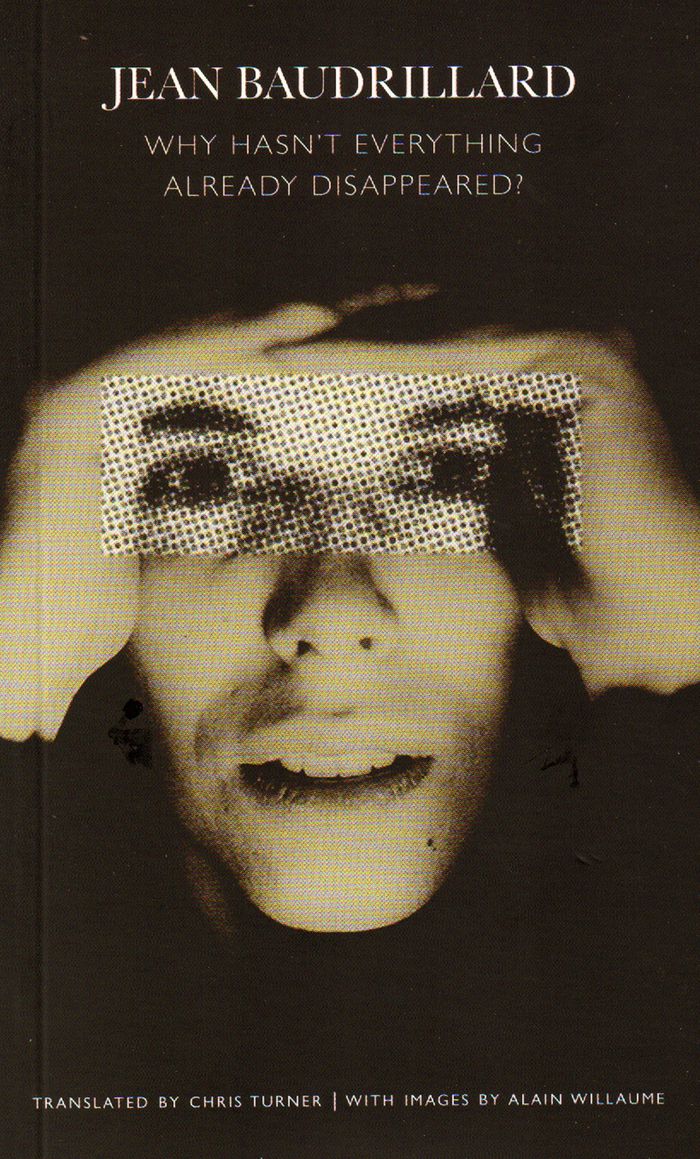
“Behind every image, something has disappeared. And that is the source of its fascination,” writes French theorist Jean Baudrillard in Why Hasn’t Everything Already Disappeared? In this, one of the last texts written before his death in March 2007, Baudrillard meditates poignantly on the question of disappearance. Throughout, he weaves an intricate set of variations on his theme, ranging from the potential disappearance of humanity as a result of the fulfillment of its goal of world mastery to the vanishing of reality due to the continual transmutation of the real into the virtual. Along the way, he takes in the more conventional question of the philosophical “subject,” whose disappearance has, in his view, been caused by a “pulverization of consciousness into all the interstices of reality.”
Why hasn't everything already disappeared?
Actions:
Price:
$21.95
(available to order)
Summary:
“Behind every image, something has disappeared. And that is the source of its fascination,” writes French theorist Jean Baudrillard in Why Hasn’t Everything Already Disappeared? In this, one of the last texts written before his death in March 2007, Baudrillard meditates poignantly on the question of disappearance. Throughout, he weaves an intricate set of variations on his theme, ranging from the potential disappearance of humanity as a result of the fulfillment of its goal of world mastery to the vanishing of reality due to the continual transmutation of the real into the virtual. Along the way, he takes in the more conventional question of the philosophical “subject,” whose disappearance has, in his view, been caused by a “pulverization of consciousness into all the interstices of reality.”
Form:
books
books
Publication:
October 2016
October 2016
Subject:
Critical Theory
Critical Theory
Form:
books
books
Actions:
Price:
$39.95
(available to order)
Summary:
In this study, Jean-Pierre Vernant delineates a compelling new vision of ancient Greece. The book takes us far from the calm and familiar images of Polykleitos and the Parthenon to reveal a fundamentally other culture — one of slavery, of masks and death, of scapegoats, of ritual hunting, and of ecstasies. Vernant’s discussions of various institutions and practices(...)
$39.95
(available to order)
Summary:
In this study, Jean-Pierre Vernant delineates a compelling new vision of ancient Greece. The book takes us far from the calm and familiar images of Polykleitos and the Parthenon to reveal a fundamentally other culture — one of slavery, of masks and death, of scapegoats, of ritual hunting, and of ecstasies. Vernant’s discussions of various institutions and practices(...)
Title:
Myth and society in ancient Greece
Actions:
Price:
$39.95
(available to order)
Summary:
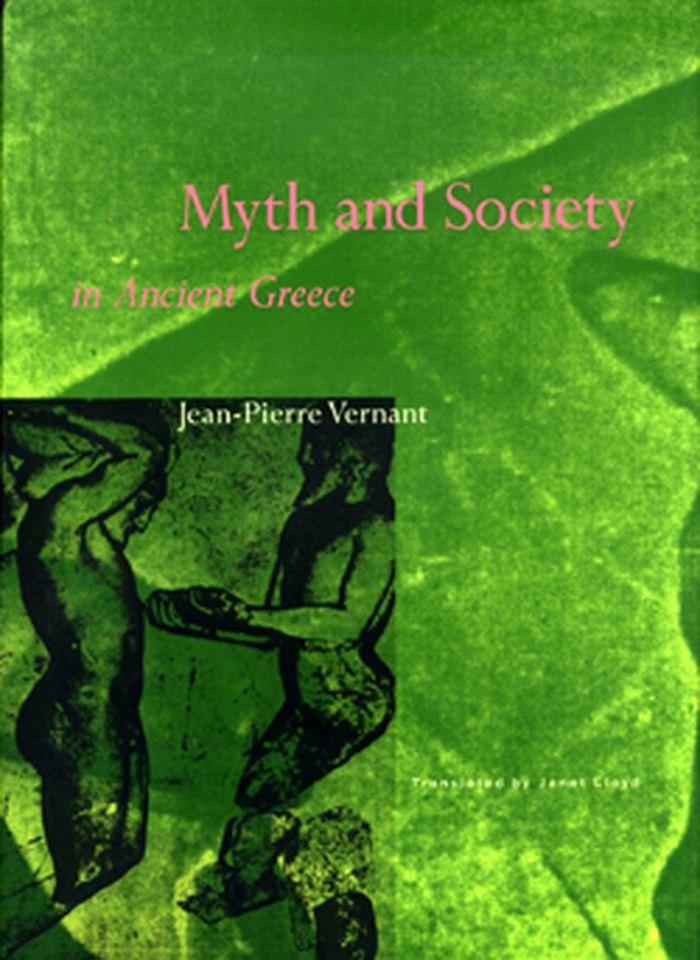
In this study, Jean-Pierre Vernant delineates a compelling new vision of ancient Greece. The book takes us far from the calm and familiar images of Polykleitos and the Parthenon to reveal a fundamentally other culture — one of slavery, of masks and death, of scapegoats, of ritual hunting, and of ecstasies. Vernant’s discussions of various institutions and practices (including war, marriage, and sacrifice) detail the complex intersection of the religious, social, and political structures of ancient Greece. The book concludes with Vernant’s authoritative genealogy of the study of myth from Antiquity to structuralism and beyond. “Myth,” he writes, “brings into operation a form of logic which we may describe, unlike the logic of noncontradiction of the philosophers, as a logic of the ambiguous and the equivocal.”
Myth and society in ancient Greece
Actions:
Price:
$39.95
(available to order)
Summary:
In this study, Jean-Pierre Vernant delineates a compelling new vision of ancient Greece. The book takes us far from the calm and familiar images of Polykleitos and the Parthenon to reveal a fundamentally other culture — one of slavery, of masks and death, of scapegoats, of ritual hunting, and of ecstasies. Vernant’s discussions of various institutions and practices (including war, marriage, and sacrifice) detail the complex intersection of the religious, social, and political structures of ancient Greece. The book concludes with Vernant’s authoritative genealogy of the study of myth from Antiquity to structuralism and beyond. “Myth,” he writes, “brings into operation a form of logic which we may describe, unlike the logic of noncontradiction of the philosophers, as a logic of the ambiguous and the equivocal.”
Form:
books
books
Publication:
November 1988, New York
November 1988, New York
Subject:
Critical Theory
Critical Theory
Form:
books
books
Title:
The information bomb
The information bomb
Actions:
Price:
$33.00
(available to order)
Summary:
"Civilization or the militarization of science?" With this typically hyperbolic and provocative question as a starting point, Paul Virilio explores the dominion of techno-science, cyberwar and the new information technologies over our lives . . . and deaths. After the era of the atomic bomb, Virilio(...)
$33.00
(available to order)
Summary:
"Civilization or the militarization of science?" With this typically hyperbolic and provocative question as a starting point, Paul Virilio explores the dominion of techno-science, cyberwar and the new information technologies over our lives . . . and deaths. After the era of the atomic bomb, Virilio(...)
Title:
The information bomb
Actions:
Price:
$33.00
(available to order)
Summary:
"Civilization or the militarization of science?" With this typically hyperbolic and provocative question as a starting point, Paul Virilio explores the dominion of techno-science, cyberwar and the new information technologies over our lives . . . and deaths. After the era of the atomic bomb, Virilio posits an era of genetic and information bombs which replace the apocalyptic bang of nuclear death with the whimper of a subliminally reinforced eugenics. We are entering the age of euthanasia. These exhilarating bulletins from the information war extend the range of Virilio's work. "The Information Bomb" spans everything from Fukuyama to Larry Flynt, the Sensation exhibition of New British Art to space travel, all seen through the optic of Virilio's trenchant and committed theoretical position.
The information bomb
Actions:
Price:
$33.00
(available to order)
Summary:
"Civilization or the militarization of science?" With this typically hyperbolic and provocative question as a starting point, Paul Virilio explores the dominion of techno-science, cyberwar and the new information technologies over our lives . . . and deaths. After the era of the atomic bomb, Virilio posits an era of genetic and information bombs which replace the apocalyptic bang of nuclear death with the whimper of a subliminally reinforced eugenics. We are entering the age of euthanasia. These exhilarating bulletins from the information war extend the range of Virilio's work. "The Information Bomb" spans everything from Fukuyama to Larry Flynt, the Sensation exhibition of New British Art to space travel, all seen through the optic of Virilio's trenchant and committed theoretical position.
Form:
books
books
Publication:
January 1900, London
January 1900, London
Subject:
Architectural Theory
Architectural Theory
Form:
books
books
Title:
The drawings of Al Taylor
The drawings of Al Taylor
Actions:
Price:
$54.00
(available to order)
Summary:
This book investigates Al Taylor’s drawings, which numbered over five thousand at the time of his death. It includes a chronological survey of Taylor’s drawings from the mid-1970s to the late 1990s, highlighting the combination of technical refinement, humor, and sensuousness that characterizes his works on paper. Reproductions of the works, which were inspired by such(...)
$54.00
(available to order)
Summary:
This book investigates Al Taylor’s drawings, which numbered over five thousand at the time of his death. It includes a chronological survey of Taylor’s drawings from the mid-1970s to the late 1990s, highlighting the combination of technical refinement, humor, and sensuousness that characterizes his works on paper. Reproductions of the works, which were inspired by such(...)
Title:
The drawings of Al Taylor
Actions:
Price:
$54.00
(available to order)
Summary:
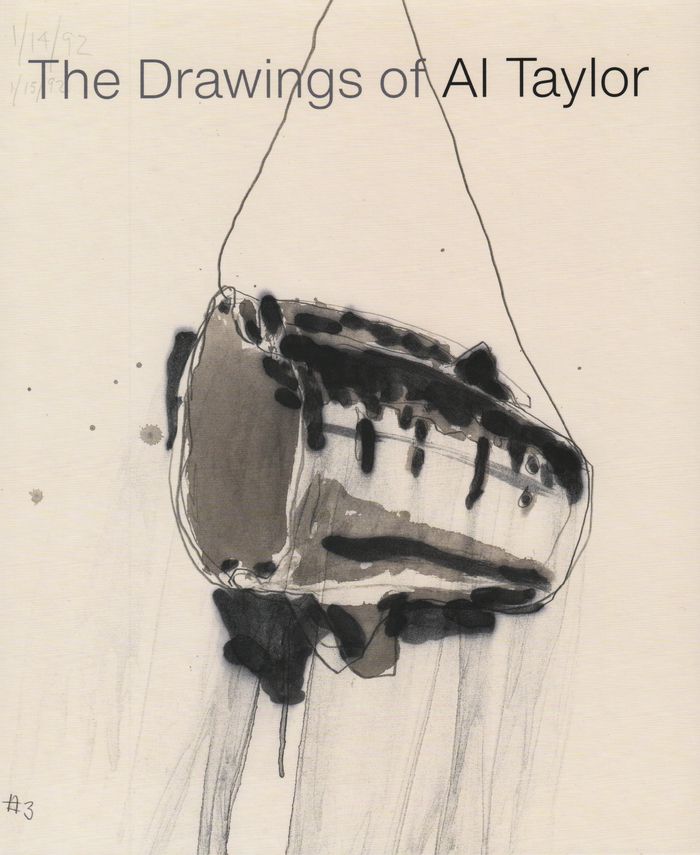
This book investigates Al Taylor’s drawings, which numbered over five thousand at the time of his death. It includes a chronological survey of Taylor’s drawings from the mid-1970s to the late 1990s, highlighting the combination of technical refinement, humor, and sensuousness that characterizes his works on paper. Reproductions of the works, which were inspired by such ordinary things as tin cans, pet s tains, and broomsticks, reveal the drawings’ minute details, nuanced shading, and playfully agile pencil lines. Texts explore how the rich and complex visual sensibilities of Taylor’s drawings resonate with that of late Renaissance and Baroque Old Masters. The book also examines Taylor’s innovative approach to process and materials, such as photocopier toner, with its intense black, and the extreme white of correction fluid.
The drawings of Al Taylor
Actions:
Price:
$54.00
(available to order)
Summary:
This book investigates Al Taylor’s drawings, which numbered over five thousand at the time of his death. It includes a chronological survey of Taylor’s drawings from the mid-1970s to the late 1990s, highlighting the combination of technical refinement, humor, and sensuousness that characterizes his works on paper. Reproductions of the works, which were inspired by such ordinary things as tin cans, pet s tains, and broomsticks, reveal the drawings’ minute details, nuanced shading, and playfully agile pencil lines. Texts explore how the rich and complex visual sensibilities of Taylor’s drawings resonate with that of late Renaissance and Baroque Old Masters. The book also examines Taylor’s innovative approach to process and materials, such as photocopier toner, with its intense black, and the extreme white of correction fluid.
Form:
books
books
Publication:
February 2020
February 2020
Subject:
Contemporary Art Monographs
Contemporary Art Monographs
Form:
books
books
Actions:
Price:
$88.00
(available to order)
Summary:
Gio Ponti - architect, designer, art director, writer, poet, professor, and critic - was one of the most renowned protagonists of Italian architecture and design in the 20th century. Forty years after his death, the Museo nazionale delle arti del XXI secolo (MAXXI) in Rome is dedicating a major retrospective to this exceptional figure. Beginning with his architecture,(...)
$88.00
(available to order)
Summary:
Gio Ponti - architect, designer, art director, writer, poet, professor, and critic - was one of the most renowned protagonists of Italian architecture and design in the 20th century. Forty years after his death, the Museo nazionale delle arti del XXI secolo (MAXXI) in Rome is dedicating a major retrospective to this exceptional figure. Beginning with his architecture,(...)
Subject:
Architecture Monographs
Architecture Monographs
Publication:
February 2020
February 2020
Title:
Gio Ponti: Loving architecture / Amare l'architettura
Actions:
Price:
$88.00
(available to order)
Summary:
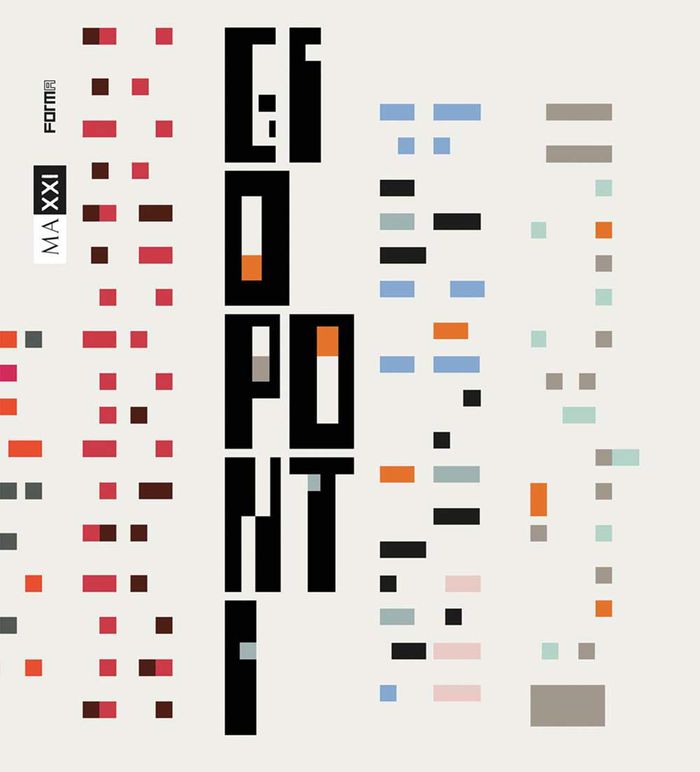
Gio Ponti - architect, designer, art director, writer, poet, professor, and critic - was one of the most renowned protagonists of Italian architecture and design in the 20th century. Forty years after his death, the Museo nazionale delle arti del XXI secolo (MAXXI) in Rome is dedicating a major retrospective to this exceptional figure. Beginning with his architecture, which can be charaterised as a unique and original synthesis of tradition and modernity, history and design, elite culture and everyday life, the show explores his many-faceted talent, selecting projects that concretely illustrate the key concepts found throughout his architecture and design work. Included here are archival materials, models, photographs, books, magazines and objects which illustrate the many achievements of his six decade career.
Gio Ponti: Loving architecture / Amare l'architettura
Actions:
Price:
$88.00
(available to order)
Summary:
Gio Ponti - architect, designer, art director, writer, poet, professor, and critic - was one of the most renowned protagonists of Italian architecture and design in the 20th century. Forty years after his death, the Museo nazionale delle arti del XXI secolo (MAXXI) in Rome is dedicating a major retrospective to this exceptional figure. Beginning with his architecture, which can be charaterised as a unique and original synthesis of tradition and modernity, history and design, elite culture and everyday life, the show explores his many-faceted talent, selecting projects that concretely illustrate the key concepts found throughout his architecture and design work. Included here are archival materials, models, photographs, books, magazines and objects which illustrate the many achievements of his six decade career.
Form:
books
books
Publication:
February 2020
February 2020
Subject:
Architecture Monographs
Architecture Monographs
Form:
books
books
Title:
Reyner Banham revisited
Reyner Banham revisited
Actions:
Price:
$50.00
(available to order)
Summary:
Reyner Banham (1922–88) was a prolific, iconoclastic critic of modern architecture, cities, and mass culture in Britain and the United States, and his provocative writings are inescapable in these areas. His 1971 book on Los Angeles was groundbreaking in what it told Californians about their own metropolis, and architects about what cities might be if freed from(...)
$50.00
(available to order)
Summary:
Reyner Banham (1922–88) was a prolific, iconoclastic critic of modern architecture, cities, and mass culture in Britain and the United States, and his provocative writings are inescapable in these areas. His 1971 book on Los Angeles was groundbreaking in what it told Californians about their own metropolis, and architects about what cities might be if freed from(...)
Title:
Reyner Banham revisited
Actions:
Price:
$50.00
(available to order)
Summary:
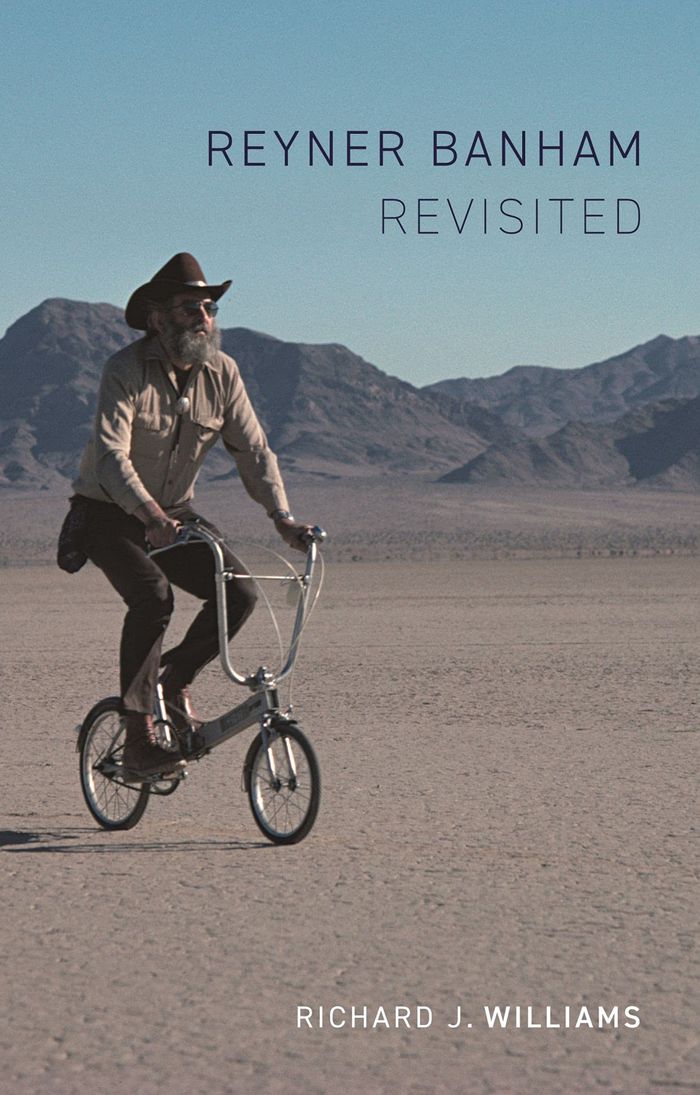
Reyner Banham (1922–88) was a prolific, iconoclastic critic of modern architecture, cities, and mass culture in Britain and the United States, and his provocative writings are inescapable in these areas. His 1971 book on Los Angeles was groundbreaking in what it told Californians about their own metropolis, and architects about what cities might be if freed from tradition. Banham’s obsession with technology, and his talent for thinking the unthinkable, mean his work still resonates now, more than thirty years after his death. This book explores the full breadth of his career and his legacy, dealing not only with his major books, but a wide range of his journalism and media outputs, as well as the singular character of Banham himself.
Reyner Banham revisited
Actions:
Price:
$50.00
(available to order)
Summary:
Reyner Banham (1922–88) was a prolific, iconoclastic critic of modern architecture, cities, and mass culture in Britain and the United States, and his provocative writings are inescapable in these areas. His 1971 book on Los Angeles was groundbreaking in what it told Californians about their own metropolis, and architects about what cities might be if freed from tradition. Banham’s obsession with technology, and his talent for thinking the unthinkable, mean his work still resonates now, more than thirty years after his death. This book explores the full breadth of his career and his legacy, dealing not only with his major books, but a wide range of his journalism and media outputs, as well as the singular character of Banham himself.
Form:
books
books
Publication:
July 2021
July 2021
Subject:
Architectural Theory
Architectural Theory
Form:
books
books

Title:
The Neutral
The Neutral
Actions:
Price:
$50.00
(available to order)
Summary:
"I define the Neutral as that which outplays the paradigm, or rather I call Neutral everything that baffles paradigm." With these words, Roland Barthes describes a concept that profoundly shaped his work and was the subject of a landmark series of lectures delivered in 1978 at the College de France, just two years before his death. Not published in France until 2002, and(...)
$50.00
(available to order)
Summary:
"I define the Neutral as that which outplays the paradigm, or rather I call Neutral everything that baffles paradigm." With these words, Roland Barthes describes a concept that profoundly shaped his work and was the subject of a landmark series of lectures delivered in 1978 at the College de France, just two years before his death. Not published in France until 2002, and(...)
Title:
The Neutral
Actions:
Price:
$50.00
(available to order)
Summary:
"I define the Neutral as that which outplays the paradigm, or rather I call Neutral everything that baffles paradigm." With these words, Roland Barthes describes a concept that profoundly shaped his work and was the subject of a landmark series of lectures delivered in 1978 at the College de France, just two years before his death. Not published in France until 2002, and appearing in English for the first time, these creative and engaging lectures deepen our understanding of Roland Barthes' intellectual itinerary and reveal his distinctive style as thinker and teacher. "The Neutral" ( le neutre), as Barthes describes it, escapes or undoes the paradigmatic binary oppositions that structure and produce meaning in Western thought and discourse. These binaries are found in all aspects of human society ranging from language to sexuality to politics. For Barthes, the attempt to deconstruct or escape from these binaries has profound ethical, philosophical, and linguistic implications. "The Neutral" is comprised of the prewritten texts from which Barthes lectured and centers around 23 "figures," also referred to as "traits" or "twinklings," that are possible embodiments of the Neutral (sleep, silence, tact, etc.) or of the anti-Neutral (anger, arrogance, conflict, etc.). His lectures draw on a diverse set of authors and intellectual traditions, including Lao-tzu, Tolstoy, German mysticism, classical philosophy, Rousseau, Baudelaire, Walter Benjamin, and John Cage. Barthes' idiosyncratic approach to his subjects gives the lectures a playful, personal, and even joyous quality that enhances his rich insights. In addition to his reflections on a variety of literary and scholarly works, Barthes' personal convictions and the events of his life shaped the course and content of the lectures. Most prominently, as Barthes admits, the recent death of his mother and the idea of mourning shape several of his lectures.
The Neutral
Actions:
Price:
$50.00
(available to order)
Summary:
"I define the Neutral as that which outplays the paradigm, or rather I call Neutral everything that baffles paradigm." With these words, Roland Barthes describes a concept that profoundly shaped his work and was the subject of a landmark series of lectures delivered in 1978 at the College de France, just two years before his death. Not published in France until 2002, and appearing in English for the first time, these creative and engaging lectures deepen our understanding of Roland Barthes' intellectual itinerary and reveal his distinctive style as thinker and teacher. "The Neutral" ( le neutre), as Barthes describes it, escapes or undoes the paradigmatic binary oppositions that structure and produce meaning in Western thought and discourse. These binaries are found in all aspects of human society ranging from language to sexuality to politics. For Barthes, the attempt to deconstruct or escape from these binaries has profound ethical, philosophical, and linguistic implications. "The Neutral" is comprised of the prewritten texts from which Barthes lectured and centers around 23 "figures," also referred to as "traits" or "twinklings," that are possible embodiments of the Neutral (sleep, silence, tact, etc.) or of the anti-Neutral (anger, arrogance, conflict, etc.). His lectures draw on a diverse set of authors and intellectual traditions, including Lao-tzu, Tolstoy, German mysticism, classical philosophy, Rousseau, Baudelaire, Walter Benjamin, and John Cage. Barthes' idiosyncratic approach to his subjects gives the lectures a playful, personal, and even joyous quality that enhances his rich insights. In addition to his reflections on a variety of literary and scholarly works, Barthes' personal convictions and the events of his life shaped the course and content of the lectures. Most prominently, as Barthes admits, the recent death of his mother and the idea of mourning shape several of his lectures.
Form:
books
books
Publication:
September 2007, New York
September 2007, New York
Subject:
Critical Theory
Critical Theory
Form:
books
books
Price:
$28.50
(available to order)
Summary:
"Downtown America" was once the vibrant urban center romanticized in the Petula Clark song-a place where the lights were brighter, where people went to spend their money and forget their worries. But in the second half of the twentieth century, "downtown" became a shadow of its former self, succumbing to economic competition and commercial decline. And the death of Main(...)
$28.50
(available to order)
Summary:
"Downtown America" was once the vibrant urban center romanticized in the Petula Clark song-a place where the lights were brighter, where people went to spend their money and forget their worries. But in the second half of the twentieth century, "downtown" became a shadow of its former self, succumbing to economic competition and commercial decline. And the death of Main(...)
Title:
Downtown America : a history of the place and the people who made it
Actions:
Price:
$28.50
(available to order)
Summary:
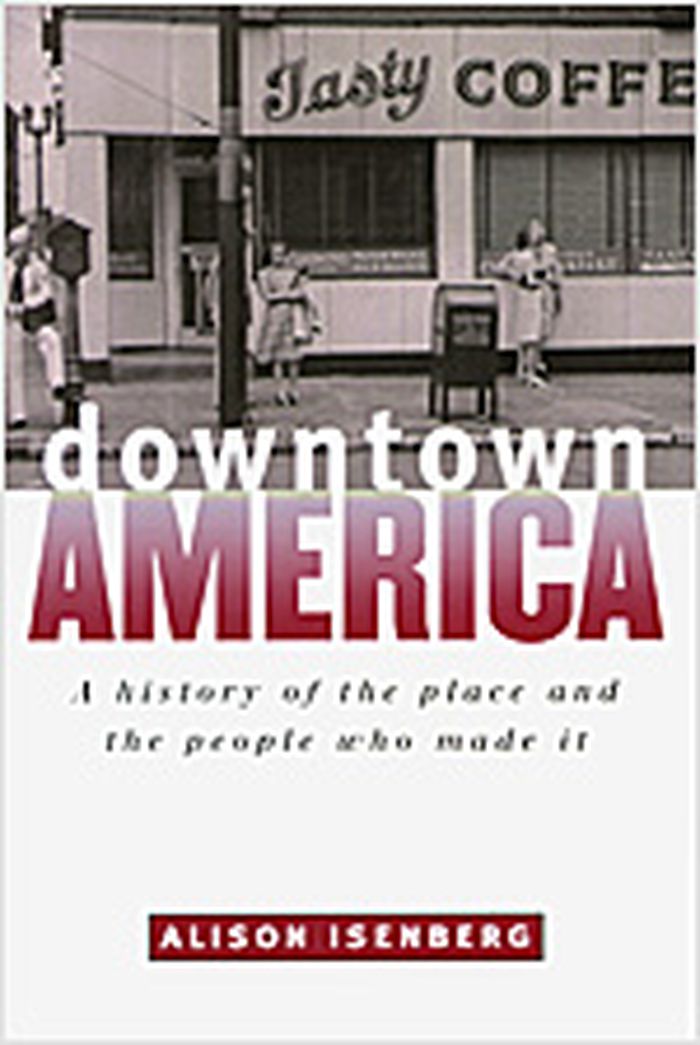
"Downtown America" was once the vibrant urban center romanticized in the Petula Clark song-a place where the lights were brighter, where people went to spend their money and forget their worries. But in the second half of the twentieth century, "downtown" became a shadow of its former self, succumbing to economic competition and commercial decline. And the death of Main Streets across the country came to be seen as sadly inexorable, like the passing of an aged loved one. "Downtown America" cuts beneath the archetypal story of downtown's rise and fall and offers a new story of urban development in the United States. Moving beyond conventional narratives, Alison Isenberg shows that downtown's trajectory was not dictated by inevitable free market forces or natural life-and-death cycles. Instead, it was the product of human actors-the contested creation of retailers, developers, government leaders, architects, and planners, as well as political activists, consumers, civic clubs, real estate appraisers, even postcard artists. Throughout the twentieth century, conflicts over downtown's mundane conditions-what it should look like and who should walk its streets-pointed to fundamental disagreements over American values. Isenberg reveals how the innovative efforts of these participants infused Main Street with its resonant symbolism, while still accounting for pervasive uncertainty and fears of decline. Readers of this work will find anything but a story of inevitability. Even some of the downtown's darkest moments-the Great Depression's collapse in land values, the rioting and looting of the 1960s, or abandonment and vacancy during the 1970s-illuminate how core cultural values have animated and intertwined with economic investment to reinvent the physical form and social experiences of urban commerce. "Downtown America"-its empty stores, revitalized marketplaces, and romanticized past-will never look quite the same again.
Downtown America : a history of the place and the people who made it
Actions:
Price:
$28.50
(available to order)
Summary:
"Downtown America" was once the vibrant urban center romanticized in the Petula Clark song-a place where the lights were brighter, where people went to spend their money and forget their worries. But in the second half of the twentieth century, "downtown" became a shadow of its former self, succumbing to economic competition and commercial decline. And the death of Main Streets across the country came to be seen as sadly inexorable, like the passing of an aged loved one. "Downtown America" cuts beneath the archetypal story of downtown's rise and fall and offers a new story of urban development in the United States. Moving beyond conventional narratives, Alison Isenberg shows that downtown's trajectory was not dictated by inevitable free market forces or natural life-and-death cycles. Instead, it was the product of human actors-the contested creation of retailers, developers, government leaders, architects, and planners, as well as political activists, consumers, civic clubs, real estate appraisers, even postcard artists. Throughout the twentieth century, conflicts over downtown's mundane conditions-what it should look like and who should walk its streets-pointed to fundamental disagreements over American values. Isenberg reveals how the innovative efforts of these participants infused Main Street with its resonant symbolism, while still accounting for pervasive uncertainty and fears of decline. Readers of this work will find anything but a story of inevitability. Even some of the downtown's darkest moments-the Great Depression's collapse in land values, the rioting and looting of the 1960s, or abandonment and vacancy during the 1970s-illuminate how core cultural values have animated and intertwined with economic investment to reinvent the physical form and social experiences of urban commerce. "Downtown America"-its empty stores, revitalized marketplaces, and romanticized past-will never look quite the same again.
Form:
books
books
Publication:
January 1900, Chicago, London
January 1900, Chicago, London
Subject:
Urban Theory
Urban Theory


