


1897 Results
Form:
books
books
Title:
Inverted world
Inverted world
Actions:
Price:
$16.95
(available to order)
Summary:
The city is winched along tracks through a devastated land full of hostile tribes. Rails must be freshly laid ahead of the city and carefully removed in its wake. Rivers and mountains present nearly insurmountable challenges to the ingenuity of the city’s engineers. But if the city does not move, it will fall farther and farther behind the “optimum” into the crushing(...)
$16.95
(available to order)
Summary:
The city is winched along tracks through a devastated land full of hostile tribes. Rails must be freshly laid ahead of the city and carefully removed in its wake. Rivers and mountains present nearly insurmountable challenges to the ingenuity of the city’s engineers. But if the city does not move, it will fall farther and farther behind the “optimum” into the crushing(...)
Title:
Inverted world
Actions:
Price:
$16.95
(available to order)
Summary:
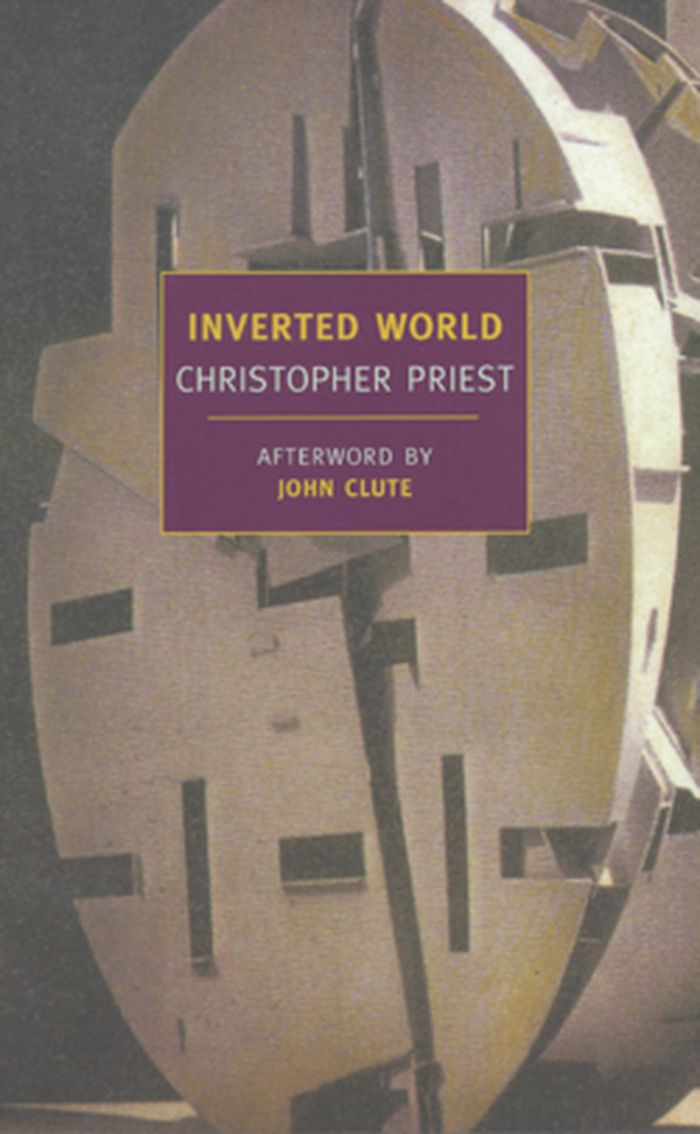
The city is winched along tracks through a devastated land full of hostile tribes. Rails must be freshly laid ahead of the city and carefully removed in its wake. Rivers and mountains present nearly insurmountable challenges to the ingenuity of the city’s engineers. But if the city does not move, it will fall farther and farther behind the “optimum” into the crushing gravitational field that has transformed life on Earth. The only alternative to progress is death. The secret directorate that governs the city makes sure that its inhabitants know nothing of this. Raised in common in crèches, nurtured on synthetic food, prevented above all from venturing outside the closed circuit of the city, they are carefully sheltered from the dire necessities that have come to define human existence. And yet the city is in crisis. The people are growing restive, the population is dwindling, and the rulers know that, for all their efforts, slowly but surely the city is slipping ever farther behind the optimum. Helward Mann is a member of the city’s elite. Better than anyone, he knows how tenuous is the city’s continued existence. But the world—he is about to discover—is infinitely stranger than the strange world he believes he knows so well.
Inverted world
Actions:
Price:
$16.95
(available to order)
Summary:
The city is winched along tracks through a devastated land full of hostile tribes. Rails must be freshly laid ahead of the city and carefully removed in its wake. Rivers and mountains present nearly insurmountable challenges to the ingenuity of the city’s engineers. But if the city does not move, it will fall farther and farther behind the “optimum” into the crushing gravitational field that has transformed life on Earth. The only alternative to progress is death. The secret directorate that governs the city makes sure that its inhabitants know nothing of this. Raised in common in crèches, nurtured on synthetic food, prevented above all from venturing outside the closed circuit of the city, they are carefully sheltered from the dire necessities that have come to define human existence. And yet the city is in crisis. The people are growing restive, the population is dwindling, and the rulers know that, for all their efforts, slowly but surely the city is slipping ever farther behind the optimum. Helward Mann is a member of the city’s elite. Better than anyone, he knows how tenuous is the city’s continued existence. But the world—he is about to discover—is infinitely stranger than the strange world he believes he knows so well.
Form:
books
books
Publication:
July 2008, New York
July 2008, New York
Subject:
Architectural Theory
Architectural Theory
Form:
books
books
Actions:
Price:
$118.50
(available to order)
Summary:
Harrie Thomas Lindeberg (1879-1959) was one of America's most prominent 20th century domestic architects. He designed refined country houses throughout the United States for an elite clientele, and his name became synonymous with the rich man's country estate. Royal Cortissoz, in his introduction, cited Lindeberg's distinctive artistic personality as a key to his success(...)
$118.50
(available to order)
Summary:
Harrie Thomas Lindeberg (1879-1959) was one of America's most prominent 20th century domestic architects. He designed refined country houses throughout the United States for an elite clientele, and his name became synonymous with the rich man's country estate. Royal Cortissoz, in his introduction, cited Lindeberg's distinctive artistic personality as a key to his success(...)
Title:
Domestic architecture of H.T. Lindeberg
Actions:
Price:
$118.50
(available to order)
Summary:
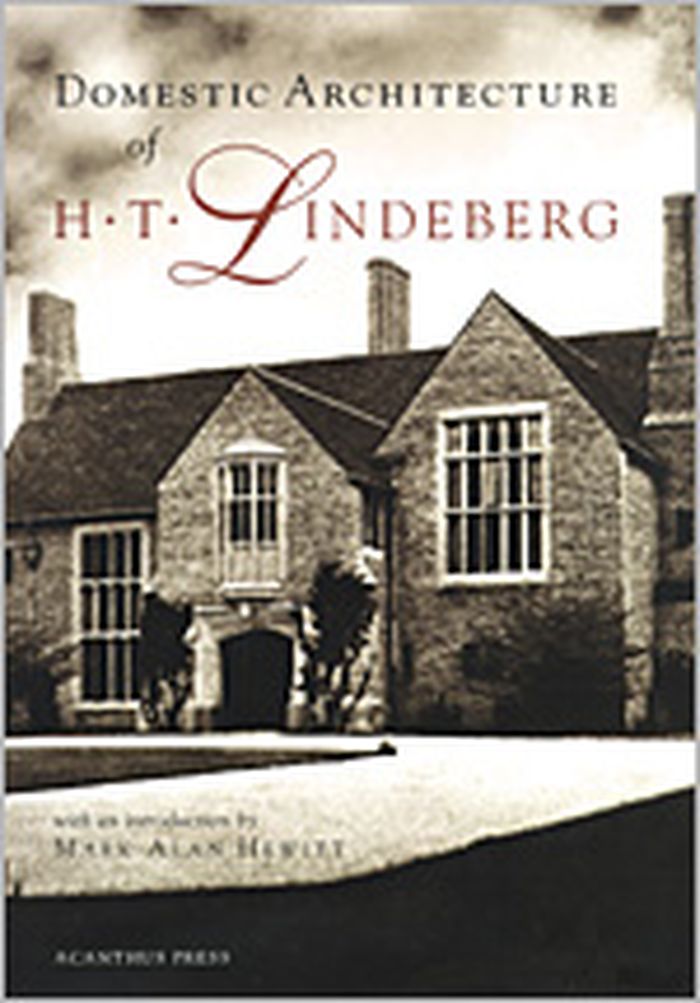
Harrie Thomas Lindeberg (1879-1959) was one of America's most prominent 20th century domestic architects. He designed refined country houses throughout the United States for an elite clientele, and his name became synonymous with the rich man's country estate. Royal Cortissoz, in his introduction, cited Lindeberg's distinctive artistic personality as a key to his success and put him on a par with Charles McKim, Charles Platt, Henry Bacon, Stanford White, and John Russell Pope. Lindeberg was one of a large group of American architects who trained in the offices of McKim, Mead and White. Born in New Jersey, he served as an assistant to Stanford White on prestigious domestic commissions prior to White's death in 1906. Shortly thereafter he formed a partnership with his colleague Lewis Colt Albro and quickly became a sought-after designer of rustic country houses for the elite of American society. His style was urbane, refined and elegant, yet was always touched with a hint of idiosyncratic wit, much like that of his English contemporary Edwin Lutyens. His 1940 monograph is a rare and beautiful example of the folio retrospectives that chronicled the careers of leading domestic architects of the early 20th century. Virtually all of his major commissions are represented in large-format photographs and plans.
Domestic architecture of H.T. Lindeberg
Actions:
Price:
$118.50
(available to order)
Summary:
Harrie Thomas Lindeberg (1879-1959) was one of America's most prominent 20th century domestic architects. He designed refined country houses throughout the United States for an elite clientele, and his name became synonymous with the rich man's country estate. Royal Cortissoz, in his introduction, cited Lindeberg's distinctive artistic personality as a key to his success and put him on a par with Charles McKim, Charles Platt, Henry Bacon, Stanford White, and John Russell Pope. Lindeberg was one of a large group of American architects who trained in the offices of McKim, Mead and White. Born in New Jersey, he served as an assistant to Stanford White on prestigious domestic commissions prior to White's death in 1906. Shortly thereafter he formed a partnership with his colleague Lewis Colt Albro and quickly became a sought-after designer of rustic country houses for the elite of American society. His style was urbane, refined and elegant, yet was always touched with a hint of idiosyncratic wit, much like that of his English contemporary Edwin Lutyens. His 1940 monograph is a rare and beautiful example of the folio retrospectives that chronicled the careers of leading domestic architects of the early 20th century. Virtually all of his major commissions are represented in large-format photographs and plans.
Form:
books
books
Publication:
January 1998, New York
January 1998, New York
Subject:
Architecture Monographs
Architecture Monographs
Form:
books
books
Title:
Radical intimacy
Radical intimacy
Actions:
Price:
$29.95
(available in store)
Summary:
Capitalist ideology wants us to believe that there is an optimal way to live. 'Making connections' means networking for work. Our emotional needs are to be fulfilled by a single romantic partner, and self-care equates to taking personal responsibility for our suffering. We must be productive and heterosexual, we must have babies and buy a house. But the kicker is most(...)
$29.95
(available in store)
Summary:
Capitalist ideology wants us to believe that there is an optimal way to live. 'Making connections' means networking for work. Our emotional needs are to be fulfilled by a single romantic partner, and self-care equates to taking personal responsibility for our suffering. We must be productive and heterosexual, we must have babies and buy a house. But the kicker is most(...)
Title:
Radical intimacy
Actions:
Price:
$29.95
(available in store)
Summary:
Capitalist ideology wants us to believe that there is an optimal way to live. 'Making connections' means networking for work. Our emotional needs are to be fulfilled by a single romantic partner, and self-care equates to taking personal responsibility for our suffering. We must be productive and heterosexual, we must have babies and buy a house. But the kicker is most people cannot and do not want to achieve all, or any of these life goals. Instead we are left feeling atomised, exhausted and disempowered. ''Radical intimacy'' shows that it doesn't need to be this way. A punchy and impassioned account of inspiring ideas about alternative ways to live, Sophie K Rosa demands we use our radical imagination to discover a new form of intimacy and to transform our personal lives and in turn society as a whole. Including critiques of the 'wellness' industry that ignores rising poverty rates, the mental health crisis and racist and misogynist state violence; transcending love and sex under capitalism to move towards feminist, decolonial and queer thinking; asking whether we should abolish the family; interrogating the framing of ageing and death and much more, ''Radical intimacy'' is the compassionate antidote to a callous society.
Radical intimacy
Actions:
Price:
$29.95
(available in store)
Summary:
Capitalist ideology wants us to believe that there is an optimal way to live. 'Making connections' means networking for work. Our emotional needs are to be fulfilled by a single romantic partner, and self-care equates to taking personal responsibility for our suffering. We must be productive and heterosexual, we must have babies and buy a house. But the kicker is most people cannot and do not want to achieve all, or any of these life goals. Instead we are left feeling atomised, exhausted and disempowered. ''Radical intimacy'' shows that it doesn't need to be this way. A punchy and impassioned account of inspiring ideas about alternative ways to live, Sophie K Rosa demands we use our radical imagination to discover a new form of intimacy and to transform our personal lives and in turn society as a whole. Including critiques of the 'wellness' industry that ignores rising poverty rates, the mental health crisis and racist and misogynist state violence; transcending love and sex under capitalism to move towards feminist, decolonial and queer thinking; asking whether we should abolish the family; interrogating the framing of ageing and death and much more, ''Radical intimacy'' is the compassionate antidote to a callous society.
Form:
books
books
Publication:
April 2023
April 2023
Subject:
Social
Social
Form:
books
books
Title:
Sophie Calle: Picalso
Sophie Calle: Picalso
Actions:
Price:
$106.95
(available in store)
Summary:
On the occasion of the 50th anniversary of the death of Pablo Picasso, the Parisian museum dedicated to the painter invited Sophie Calle to take over the Hôtel Salé. Confronted with the figure of one of the masters of modern art, she chose to completely empty the spaces of the museum – Picasso was expelled! – in order to install her furniture and personal objects there,(...)
$106.95
(available in store)
Summary:
On the occasion of the 50th anniversary of the death of Pablo Picasso, the Parisian museum dedicated to the painter invited Sophie Calle to take over the Hôtel Salé. Confronted with the figure of one of the masters of modern art, she chose to completely empty the spaces of the museum – Picasso was expelled! – in order to install her furniture and personal objects there,(...)
Title:
Sophie Calle: Picalso
Actions:
Price:
$106.95
(available in store)
Summary:
On the occasion of the 50th anniversary of the death of Pablo Picasso, the Parisian museum dedicated to the painter invited Sophie Calle to take over the Hôtel Salé. Confronted with the figure of one of the masters of modern art, she chose to completely empty the spaces of the museum – Picasso was expelled! – in order to install her furniture and personal objects there, on the upper floors, and to unfurl, on the ground floor, a fresco imagined as an echo of the famous Guernica but composed like an immense collage of the works she has been exchanging for years with other artists. To accompany this exhibition, ''À toi de faire, ma mignon,'' Sophie Calle has imagined a work in which she lists her ''rendezvous'' with Picasso. Testimonies from guards, paintings packed during confinement, etc. : so many stories presented in this art of storytelling so particular to Sophie Calle. Designed like an artist's book with its intimate format and its alternations of Bible and creative papers, Picalso immerses the reader in the funny, poetic and singular universe of the artist. An essay by Yve-Alain Bois, entitled Picassiette , recontextualizes these ''rendezvous'' in the work of Sophie Calle and revisits her favorite themes of memory, lack, disappearance or even absence.
Sophie Calle: Picalso
Actions:
Price:
$106.95
(available in store)
Summary:
On the occasion of the 50th anniversary of the death of Pablo Picasso, the Parisian museum dedicated to the painter invited Sophie Calle to take over the Hôtel Salé. Confronted with the figure of one of the masters of modern art, she chose to completely empty the spaces of the museum – Picasso was expelled! – in order to install her furniture and personal objects there, on the upper floors, and to unfurl, on the ground floor, a fresco imagined as an echo of the famous Guernica but composed like an immense collage of the works she has been exchanging for years with other artists. To accompany this exhibition, ''À toi de faire, ma mignon,'' Sophie Calle has imagined a work in which she lists her ''rendezvous'' with Picasso. Testimonies from guards, paintings packed during confinement, etc. : so many stories presented in this art of storytelling so particular to Sophie Calle. Designed like an artist's book with its intimate format and its alternations of Bible and creative papers, Picalso immerses the reader in the funny, poetic and singular universe of the artist. An essay by Yve-Alain Bois, entitled Picassiette , recontextualizes these ''rendezvous'' in the work of Sophie Calle and revisits her favorite themes of memory, lack, disappearance or even absence.
Form:
books
books
Publication:
September 2023
September 2023
Subject:
Contemporary Art Monographs
Contemporary Art Monographs
Form:
books
books
Actions:
Price:
$27.00
(available to order)
Summary:
After the economic disaster of the Great Leap Forward that claimed tens of millions of lives from 1958–1962, an aging Mao Zedong launched an ambitious scheme to shore up his reputation and eliminate those he viewed as a threat to his legacy. The Cultural Revolution's goal was to purge the country of bourgeois, capitalistic elements he claimed were threatening genuine(...)
$27.00
(available to order)
Summary:
After the economic disaster of the Great Leap Forward that claimed tens of millions of lives from 1958–1962, an aging Mao Zedong launched an ambitious scheme to shore up his reputation and eliminate those he viewed as a threat to his legacy. The Cultural Revolution's goal was to purge the country of bourgeois, capitalistic elements he claimed were threatening genuine(...)
Title:
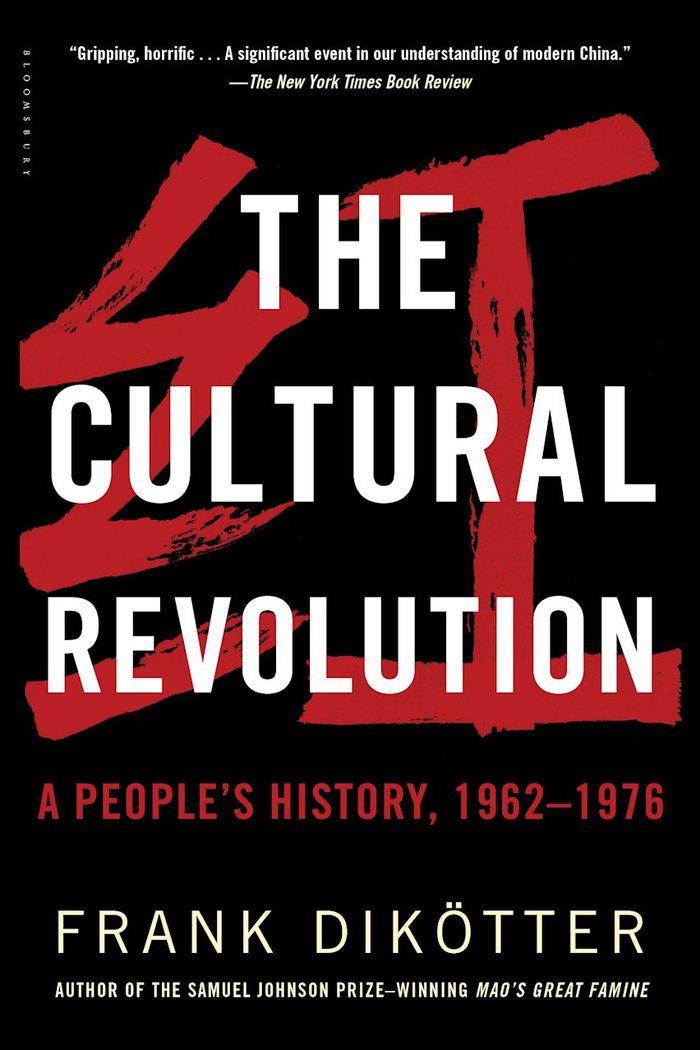
The cultural revolution: A people's history, 1962-1976
Actions:
Price:
$27.00
(available to order)
Summary:
After the economic disaster of the Great Leap Forward that claimed tens of millions of lives from 1958–1962, an aging Mao Zedong launched an ambitious scheme to shore up his reputation and eliminate those he viewed as a threat to his legacy. The Cultural Revolution's goal was to purge the country of bourgeois, capitalistic elements he claimed were threatening genuine communist ideology. Young students formed the Red Guards, vowing to defend the Chairman to the death, but soon rival factions started fighting each other in the streets with semiautomatic weapons in the name of revolutionary purity. As the country descended into chaos, the military intervened, turning China into a garrison state marked by bloody purges that crushed as many as one in fifty people. ''The Cultural Revolution: A People's History, 1962–1976'' draws for the first time on hundreds of previously classified party documents, from secret police reports to unexpurgated versions of leadership speeches. After the army itself fell victim to the Cultural Revolution, ordinary people used the political chaos to resurrect the market and hollow out the party's ideology. By showing how economic reform from below was an unintended consequence of a decade of violent purges and entrenched fear, ''The Cultural Revolution'' casts China's most tumultuous era in a wholly new light.
The cultural revolution: A people's history, 1962-1976
Actions:
Price:
$27.00
(available to order)
Summary:
After the economic disaster of the Great Leap Forward that claimed tens of millions of lives from 1958–1962, an aging Mao Zedong launched an ambitious scheme to shore up his reputation and eliminate those he viewed as a threat to his legacy. The Cultural Revolution's goal was to purge the country of bourgeois, capitalistic elements he claimed were threatening genuine communist ideology. Young students formed the Red Guards, vowing to defend the Chairman to the death, but soon rival factions started fighting each other in the streets with semiautomatic weapons in the name of revolutionary purity. As the country descended into chaos, the military intervened, turning China into a garrison state marked by bloody purges that crushed as many as one in fifty people. ''The Cultural Revolution: A People's History, 1962–1976'' draws for the first time on hundreds of previously classified party documents, from secret police reports to unexpurgated versions of leadership speeches. After the army itself fell victim to the Cultural Revolution, ordinary people used the political chaos to resurrect the market and hollow out the party's ideology. By showing how economic reform from below was an unintended consequence of a decade of violent purges and entrenched fear, ''The Cultural Revolution'' casts China's most tumultuous era in a wholly new light.
Form:
books
books
Publication:
December 2025
December 2025
Subject:
Current Exhibitions
Current Exhibitions
Form:
books
books
Actions:
Price:
$30.00
(available to order)
Summary:
The 12 artists in Phantasmagoria: Specters of Absence--Christian Boltanski, Jim Campbell, Michel Delacroix, Laurent Grasso, Jeppe Hein, William Kentridge, Rafael Lozano-Hemmer, Teresa Margolles, Oscar Munoz, Julie Nord, Rosangela Renno and Regina Silveira--draw on forms of representation associated with phantasmagoria and reframe them around contemporary notions of(...)
$30.00
(available to order)
Summary:
The 12 artists in Phantasmagoria: Specters of Absence--Christian Boltanski, Jim Campbell, Michel Delacroix, Laurent Grasso, Jeppe Hein, William Kentridge, Rafael Lozano-Hemmer, Teresa Margolles, Oscar Munoz, Julie Nord, Rosangela Renno and Regina Silveira--draw on forms of representation associated with phantasmagoria and reframe them around contemporary notions of(...)
Title:
Phantasmagoria : Specters of absence
Actions:
Price:
$30.00
(available to order)
Summary:
The 12 artists in Phantasmagoria: Specters of Absence--Christian Boltanski, Jim Campbell, Michel Delacroix, Laurent Grasso, Jeppe Hein, William Kentridge, Rafael Lozano-Hemmer, Teresa Margolles, Oscar Munoz, Julie Nord, Rosangela Renno and Regina Silveira--draw on forms of representation associated with phantasmagoria and reframe them around contemporary notions of absence and loss, using spectral effects and immaterial media such as shadows, fog, mist and breath. A "phantasmagoria" was a pre-cinematic theatrical show, devised in France in the late eighteenth century, which gained popularity throughout Europe in the nineteenth century. Long before blockbuster art exhibitions, crowds were wowed by these traveling shows, in which stories were performed with magic lanterns and rear projections that created dancing shadows and frightening melodramatic effects. These lively, interactive events incorporated narrative, mythology and theater in a single art form; they entertained a wide audience and provided a space to consider the otherworldly, mobilizing viewers' anxieties regarding death and the afterlife. This catalogue, produced for the traveling exhibition of the same name, includes a text by curator Jose Roca and his interviews with the 12 artists, as well as a newly commissioned short-fiction piece by Bruce Sterling. The exhibition is co-organized by the Museo de Arte del Banco de la Republica, Bogota, Columbia.
Phantasmagoria : Specters of absence
Actions:
Price:
$30.00
(available to order)
Summary:
The 12 artists in Phantasmagoria: Specters of Absence--Christian Boltanski, Jim Campbell, Michel Delacroix, Laurent Grasso, Jeppe Hein, William Kentridge, Rafael Lozano-Hemmer, Teresa Margolles, Oscar Munoz, Julie Nord, Rosangela Renno and Regina Silveira--draw on forms of representation associated with phantasmagoria and reframe them around contemporary notions of absence and loss, using spectral effects and immaterial media such as shadows, fog, mist and breath. A "phantasmagoria" was a pre-cinematic theatrical show, devised in France in the late eighteenth century, which gained popularity throughout Europe in the nineteenth century. Long before blockbuster art exhibitions, crowds were wowed by these traveling shows, in which stories were performed with magic lanterns and rear projections that created dancing shadows and frightening melodramatic effects. These lively, interactive events incorporated narrative, mythology and theater in a single art form; they entertained a wide audience and provided a space to consider the otherworldly, mobilizing viewers' anxieties regarding death and the afterlife. This catalogue, produced for the traveling exhibition of the same name, includes a text by curator Jose Roca and his interviews with the 12 artists, as well as a newly commissioned short-fiction piece by Bruce Sterling. The exhibition is co-organized by the Museo de Arte del Banco de la Republica, Bogota, Columbia.
Form:
books
books
Publication:
October 2007, New York
October 2007, New York
Subject:
Contemporary Art Monographs
Contemporary Art Monographs
Form:
books
books
Title:
Campo Santo
Campo Santo
Actions:
Price:
$8.95
(available to order)
Summary:
This brief volume is the latest and reportedly last collection of essays by German novelist and critic Sebald, who has seemed more prolific since his death in 2001 than in life. Despite the masterful translation, these essays fail to cohere, though they contain elements common to most of Sebald's work: an integration of art, politics and memory, framed by the writer's own(...)
$8.95
(available to order)
Summary:
This brief volume is the latest and reportedly last collection of essays by German novelist and critic Sebald, who has seemed more prolific since his death in 2001 than in life. Despite the masterful translation, these essays fail to cohere, though they contain elements common to most of Sebald's work: an integration of art, politics and memory, framed by the writer's own(...)
Title:
Campo Santo
Actions:
Price:
$8.95
(available to order)
Summary:
This brief volume is the latest and reportedly last collection of essays by German novelist and critic Sebald, who has seemed more prolific since his death in 2001 than in life. Despite the masterful translation, these essays fail to cohere, though they contain elements common to most of Sebald's work: an integration of art, politics and memory, framed by the writer's own curmudgeonly presence. The essays, however, feel unfinished, lacking polish and structural integrity. The collection is split into two parts, "Prose" and "Essays," with the first—a series of considerations of the landscape, history and social milieu of the island of Corsica—by far the more successful. The second, longer section contains an assortment of literary critical pieces, some detailed, such as a long essay about novelists writing about the destruction of German cities during WWII; others discursive, such as an apparently unfinished review of a book about Kafka's relationship with film that wanders from films Sebald himself viewed to films Kafka may or may not have seen. Although Sebald was a beautiful and intelligent writer, it's hard to see how these essays will appeal to anyone outside of scholars and already committed Sebald fans eager to read every word he ever set to paper.
Campo Santo
Actions:
Price:
$8.95
(available to order)
Summary:
This brief volume is the latest and reportedly last collection of essays by German novelist and critic Sebald, who has seemed more prolific since his death in 2001 than in life. Despite the masterful translation, these essays fail to cohere, though they contain elements common to most of Sebald's work: an integration of art, politics and memory, framed by the writer's own curmudgeonly presence. The essays, however, feel unfinished, lacking polish and structural integrity. The collection is split into two parts, "Prose" and "Essays," with the first—a series of considerations of the landscape, history and social milieu of the island of Corsica—by far the more successful. The second, longer section contains an assortment of literary critical pieces, some detailed, such as a long essay about novelists writing about the destruction of German cities during WWII; others discursive, such as an apparently unfinished review of a book about Kafka's relationship with film that wanders from films Sebald himself viewed to films Kafka may or may not have seen. Although Sebald was a beautiful and intelligent writer, it's hard to see how these essays will appeal to anyone outside of scholars and already committed Sebald fans eager to read every word he ever set to paper.
Form:
books
books
Publication:
January 1900, New York
January 1900, New York
Subject:
sale books
sale books
Form:
journals and magazines
journals and magazines
Title:
Cabinet 24 : shadows
Cabinet 24 : shadows
Actions:
Price:
$11.00
(available to order)
Summary:
The inherently contingent physics of shadows--never things in themselves but instead always "cast" signs of other things; tangible yet insubstantial--has long been a rich source of inspiration for thinkers and artists. From the Biblical valley where humanity is stalked by the "shadow of death" to the purported supernatural phenomenon of the shadow people, the idea has(...)
$11.00
(available to order)
Summary:
The inherently contingent physics of shadows--never things in themselves but instead always "cast" signs of other things; tangible yet insubstantial--has long been a rich source of inspiration for thinkers and artists. From the Biblical valley where humanity is stalked by the "shadow of death" to the purported supernatural phenomenon of the shadow people, the idea has(...)
Title:
Cabinet 24 : shadows
Actions:
Price:
$11.00
(available to order)
Summary:
The inherently contingent physics of shadows--never things in themselves but instead always "cast" signs of other things; tangible yet insubstantial--has long been a rich source of inspiration for thinkers and artists. From the Biblical valley where humanity is stalked by the "shadow of death" to the purported supernatural phenomenon of the shadow people, the idea has always suggested forces of the unseen, of the Other, its relational quality evoking a sense a duality that haunts our supposedly integral identities. Cabinet 24 includes interviews with Michael Baxandall on the Enlightenment's attitude toward shadows and with Victor Stoichita on the battle between light and dark, Kris Lee on Comte de Silhouette and the rise of phrenology, Julia Bryan-Wilson on the perpetually shaded Swiss town of Rattenberg, Trevor Paglen on the secret patches from clandestine divisions of the U.S. Armed Forces and George Pendle on Otto Neurath and his Everyman informational figures. Artist projects include a portfolio of shadow drawings and an unwitting contribution by a celebrated artist secretly trailed by a private detective hired by Cabinet. Plus, Jocko Weyland on the AP archive; Tony Wood on Konstantin Melnikov's proposal for a collectivized Soviet dormitory system; Amelie Hastie on eating at the cinema and Daniel Handler on the color violet.
Cabinet 24 : shadows
Actions:
Price:
$11.00
(available to order)
Summary:
The inherently contingent physics of shadows--never things in themselves but instead always "cast" signs of other things; tangible yet insubstantial--has long been a rich source of inspiration for thinkers and artists. From the Biblical valley where humanity is stalked by the "shadow of death" to the purported supernatural phenomenon of the shadow people, the idea has always suggested forces of the unseen, of the Other, its relational quality evoking a sense a duality that haunts our supposedly integral identities. Cabinet 24 includes interviews with Michael Baxandall on the Enlightenment's attitude toward shadows and with Victor Stoichita on the battle between light and dark, Kris Lee on Comte de Silhouette and the rise of phrenology, Julia Bryan-Wilson on the perpetually shaded Swiss town of Rattenberg, Trevor Paglen on the secret patches from clandestine divisions of the U.S. Armed Forces and George Pendle on Otto Neurath and his Everyman informational figures. Artist projects include a portfolio of shadow drawings and an unwitting contribution by a celebrated artist secretly trailed by a private detective hired by Cabinet. Plus, Jocko Weyland on the AP archive; Tony Wood on Konstantin Melnikov's proposal for a collectivized Soviet dormitory system; Amelie Hastie on eating at the cinema and Daniel Handler on the color violet.
Form:
journals and magazines
journals and magazines
Publication:
February 2007, New York
February 2007, New York
Subject:
Magazines
Magazines
Form:
books
books
Title:
Inferno: the trash project
Inferno: the trash project
Actions:
Price:
$29.95
(available to order)
Summary:
Why do we find ourselves so attracted to the cheap and vulgar, the discarded, the misshapen and the abject? What do we really mean when we say that something is “so bad it's good,” and what finally does it say about us? Part personal confession and part historical roadmap of tales from the underground and exploitation movie scene in America during the 1960s, ''Inferno''(...)
$29.95
(available to order)
Summary:
Why do we find ourselves so attracted to the cheap and vulgar, the discarded, the misshapen and the abject? What do we really mean when we say that something is “so bad it's good,” and what finally does it say about us? Part personal confession and part historical roadmap of tales from the underground and exploitation movie scene in America during the 1960s, ''Inferno''(...)
Title:
Inferno: the trash project
Actions:
Price:
$29.95
(available to order)
Summary:
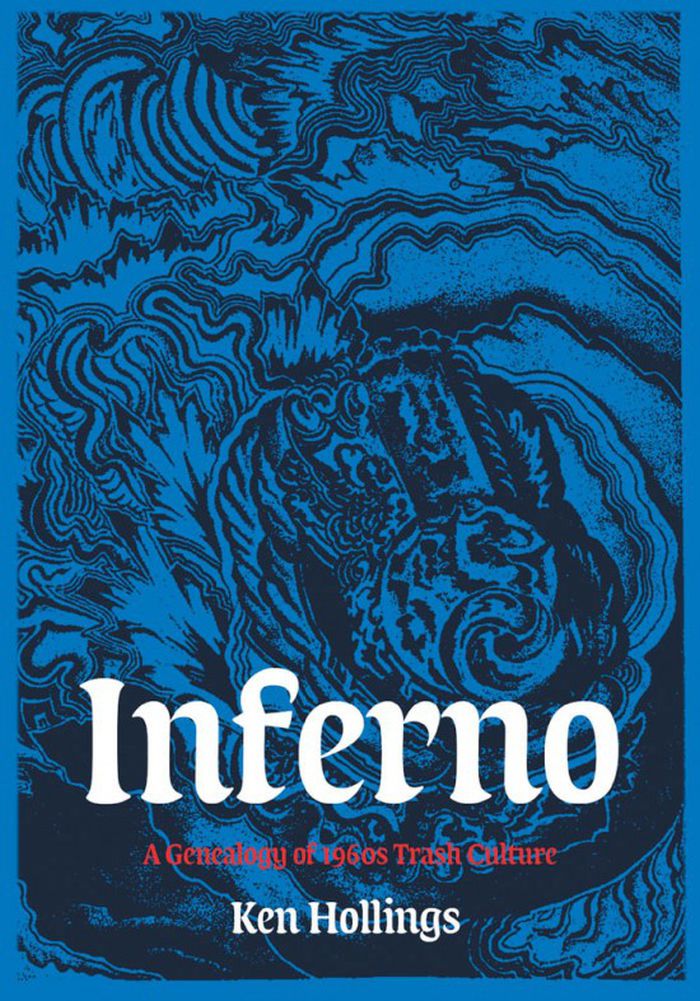
Why do we find ourselves so attracted to the cheap and vulgar, the discarded, the misshapen and the abject? What do we really mean when we say that something is “so bad it's good,” and what finally does it say about us? Part personal confession and part historical roadmap of tales from the underground and exploitation movie scene in America during the 1960s, ''Inferno'' takes the reader on a journey deep into the heart of the trash experience. With this publication, Hollings offers a complex and intricate timeline of connections, coincidences, and resonances that have mostly gone unnoticed. He traces the transmission of “the Purple Death,” a deadly and exotic virus first depicted in an old episode of a Flash Gordon movie serial, through the films of Jack Smith, Andy Warhol, and Kenneth Anger and into the output of such exploitation pioneers as Ray Dennis Steckler, Hershel Gordon Lewis, and Russ Meyer. Hollings also turns his idiosyncratic gaze upon key aspects of teenage culture during the 1960s, including hot rods, “Rat Fink,” surfers, bikers, and beach parties, uncovering a secretive and hidden universe of masks, fake identities, and secret desires. Even Dante would think twice about taking this trip into Hell.
Inferno: the trash project
Actions:
Price:
$29.95
(available to order)
Summary:
Why do we find ourselves so attracted to the cheap and vulgar, the discarded, the misshapen and the abject? What do we really mean when we say that something is “so bad it's good,” and what finally does it say about us? Part personal confession and part historical roadmap of tales from the underground and exploitation movie scene in America during the 1960s, ''Inferno'' takes the reader on a journey deep into the heart of the trash experience. With this publication, Hollings offers a complex and intricate timeline of connections, coincidences, and resonances that have mostly gone unnoticed. He traces the transmission of “the Purple Death,” a deadly and exotic virus first depicted in an old episode of a Flash Gordon movie serial, through the films of Jack Smith, Andy Warhol, and Kenneth Anger and into the output of such exploitation pioneers as Ray Dennis Steckler, Hershel Gordon Lewis, and Russ Meyer. Hollings also turns his idiosyncratic gaze upon key aspects of teenage culture during the 1960s, including hot rods, “Rat Fink,” surfers, bikers, and beach parties, uncovering a secretive and hidden universe of masks, fake identities, and secret desires. Even Dante would think twice about taking this trip into Hell.
Form:
books
books
Publication:
May 2019
May 2019
Subject:
Critical Theory
Critical Theory
Form:
books
books
Actions:
Price:
$56.95
(available to order)
Summary:
How do we live well? The first sentence of ''Grace and gravity'' raises the fundamental question that constantly occupies our minds-and of all those who lived before us. Paradoxically, the impossibility of answering this question opens up the very room needed to find ways of living well. It is the gap where all disciplines fall short, where architecture does not fit its(...)
$56.95
(available to order)
Summary:
How do we live well? The first sentence of ''Grace and gravity'' raises the fundamental question that constantly occupies our minds-and of all those who lived before us. Paradoxically, the impossibility of answering this question opens up the very room needed to find ways of living well. It is the gap where all disciplines fall short, where architecture does not fit its(...)
Title:
Grace and gravity: Architectures of the figure
Actions:
Price:
$56.95
(available to order)
Summary:
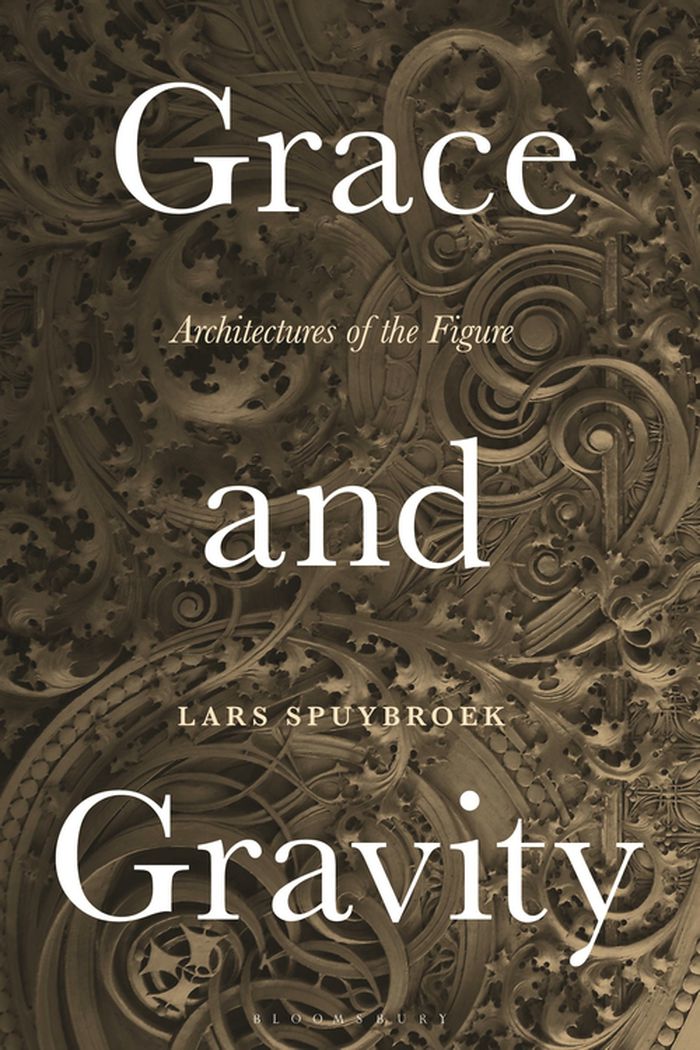
How do we live well? The first sentence of ''Grace and gravity'' raises the fundamental question that constantly occupies our minds-and of all those who lived before us. Paradoxically, the impossibility of answering this question opens up the very room needed to find ways of living well. It is the gap where all disciplines fall short, where architecture does not fit its inhabitants, where economy is not based on shortage, where religion cannot be explained by its followers, and where technology works far beyond its own principles. According to Lars Spuybroek, the prize-winning former architect, this marks the point where the “paradoxical machine” of grace reveals its powers, a point where we “cannot say if we are moving or being moved”. Following the trail of grace leads him to a new form of analysis that transcends the age-old opposition between appearances and technology. Linking up a dazzling and often delightful variety of sources-monkeys, paintings, lamp posts, octopuses, tattoos, bleeding fingers, rose windows, robots, smart phones, spirits, saints, and fossils-with profound meditations on living, death, consciousness, and existence, ''Grace and gravity'' offers an eye-opening provocation to a wide range of art historians, architects, theologians, anthropologists, artists, media theorists and philosophers.
Grace and gravity: Architectures of the figure
Actions:
Price:
$56.95
(available to order)
Summary:
How do we live well? The first sentence of ''Grace and gravity'' raises the fundamental question that constantly occupies our minds-and of all those who lived before us. Paradoxically, the impossibility of answering this question opens up the very room needed to find ways of living well. It is the gap where all disciplines fall short, where architecture does not fit its inhabitants, where economy is not based on shortage, where religion cannot be explained by its followers, and where technology works far beyond its own principles. According to Lars Spuybroek, the prize-winning former architect, this marks the point where the “paradoxical machine” of grace reveals its powers, a point where we “cannot say if we are moving or being moved”. Following the trail of grace leads him to a new form of analysis that transcends the age-old opposition between appearances and technology. Linking up a dazzling and often delightful variety of sources-monkeys, paintings, lamp posts, octopuses, tattoos, bleeding fingers, rose windows, robots, smart phones, spirits, saints, and fossils-with profound meditations on living, death, consciousness, and existence, ''Grace and gravity'' offers an eye-opening provocation to a wide range of art historians, architects, theologians, anthropologists, artists, media theorists and philosophers.
Form:
books
books
Publication:
November 2020
November 2020
Subject:
Architectural Theory
Architectural Theory


