


183 Résultats
Classification:
livres
livres
Actions:
Prix:
$45.95
(disponible en magasin)
Résumé:
For decades, David Harvey has been teaching Marx's work, particularly Capital, to great acclaim. He has analysed chapter by chapter - sometimes line-by-line - Marx's three volumes and the Grundrisse. This new book opens up the mental universe of that work for a general reader. In ''The Story of Capital'', Harvey takes a synoptic approach to the conceptual architecture(...)
$45.95
(disponible en magasin)
Résumé:
For decades, David Harvey has been teaching Marx's work, particularly Capital, to great acclaim. He has analysed chapter by chapter - sometimes line-by-line - Marx's three volumes and the Grundrisse. This new book opens up the mental universe of that work for a general reader. In ''The Story of Capital'', Harvey takes a synoptic approach to the conceptual architecture(...)
Titre:
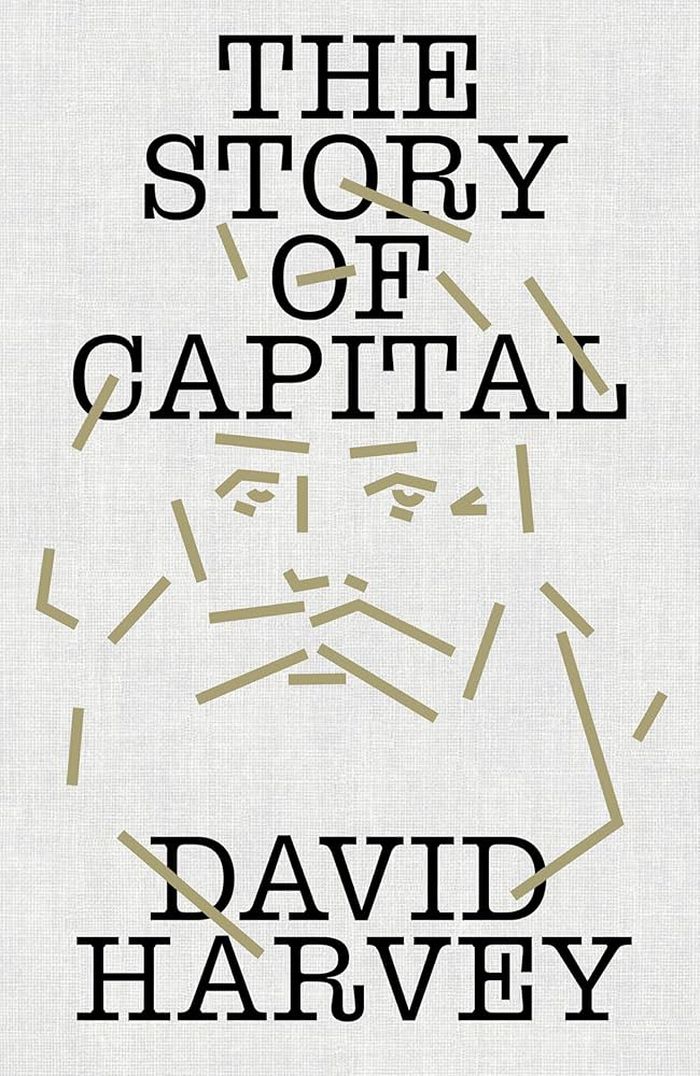
The story of capital: What everyone should know about how capital works
Actions:
Prix:
$45.95
(disponible en magasin)
Résumé:
For decades, David Harvey has been teaching Marx's work, particularly Capital, to great acclaim. He has analysed chapter by chapter - sometimes line-by-line - Marx's three volumes and the Grundrisse. This new book opens up the mental universe of that work for a general reader. In ''The Story of Capital'', Harvey takes a synoptic approach to the conceptual architecture as a whole and guides us through the key moments, from labour and technology to the state and geopolitics, via the profit rate, social reproduction, the relationship to nature, fictitious capital and the return of the rentiers. In doing so, Harvey has produced a work which will become a key reference for all those trying to grasp the nature of contemporary capitalism.
The story of capital: What everyone should know about how capital works
Actions:
Prix:
$45.95
(disponible en magasin)
Résumé:
For decades, David Harvey has been teaching Marx's work, particularly Capital, to great acclaim. He has analysed chapter by chapter - sometimes line-by-line - Marx's three volumes and the Grundrisse. This new book opens up the mental universe of that work for a general reader. In ''The Story of Capital'', Harvey takes a synoptic approach to the conceptual architecture as a whole and guides us through the key moments, from labour and technology to the state and geopolitics, via the profit rate, social reproduction, the relationship to nature, fictitious capital and the return of the rentiers. In doing so, Harvey has produced a work which will become a key reference for all those trying to grasp the nature of contemporary capitalism.
Classification:
livres
livres
Publication:
avril 2026
avril 2026
Sujet:
Social
Social
Classification:
livres
livres
Actions:
Prix:
$75.00
(disponible en magasin)
Résumé:
Curated and written by her great-nieces, who lived in the house throughout their lives, this book offers an unparalleled glimpse into Frida Kahlo, opening a new perspective into this iconic artist’s family home and refuge. Casa Kahlo was more than a second home—it was a place where Frida could truly be herself away from the house she shared with her husband, the artist(...)
$75.00
(disponible en magasin)
Résumé:
Curated and written by her great-nieces, who lived in the house throughout their lives, this book offers an unparalleled glimpse into Frida Kahlo, opening a new perspective into this iconic artist’s family home and refuge. Casa Kahlo was more than a second home—it was a place where Frida could truly be herself away from the house she shared with her husband, the artist(...)
Publication:
avril 2026
avril 2026
Titre:
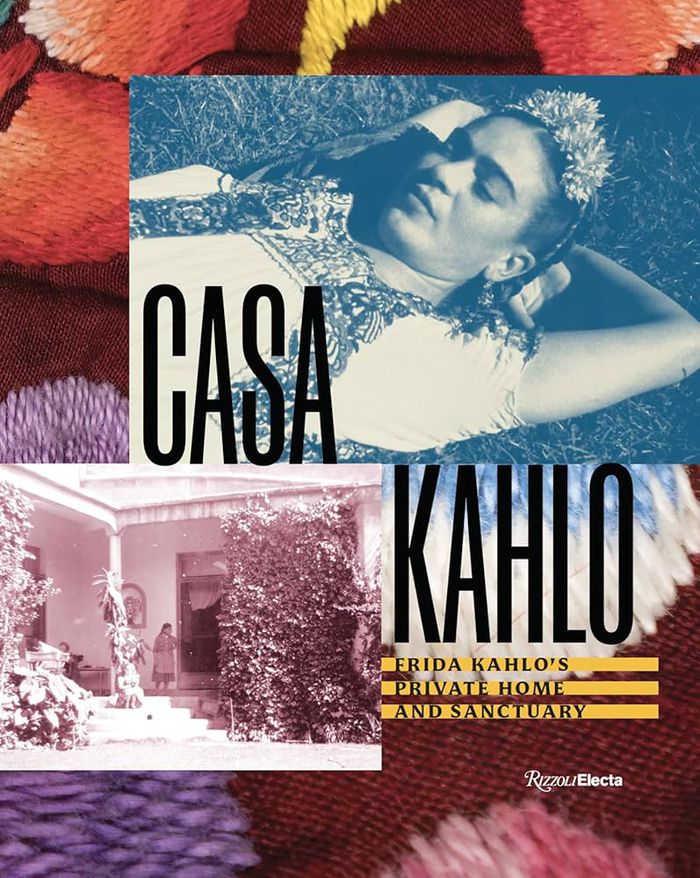
Casa Kahlo: Frida Kahlo's home and sanctuary
Actions:
Prix:
$75.00
(disponible en magasin)
Résumé:
Curated and written by her great-nieces, who lived in the house throughout their lives, this book offers an unparalleled glimpse into Frida Kahlo, opening a new perspective into this iconic artist’s family home and refuge. Casa Kahlo was more than a second home—it was a place where Frida could truly be herself away from the house she shared with her husband, the artist Diego Rivera. At Casa Kahlo—surrounded by her artistic family and the vibrant Indigenous culture she immersed herself in—she spent time with her closest confidantes (her sisters), her friends, and her lovers. The house also served as an additional studio space for Kahlo where she taught art classes to a legion of loyal students who referred to themselves as Los Fridos. Remarkably, Casa Kahlo has been occupied by Frida’s family since they bought the house in 1930. Meticulously documenting the interiors, this book features a rich array of personal items and never-before-published letters and postcards to her sisters, her mother, and her most beloved niece Isolda. Hundreds of personal items offer an intimate view into her artistic environment and personal life: from her early drawings and paintings (including the first painting she showed Rivera at eighteen years old) to later drawings; her distinctive jewelry and clothing; key documents, including her birth and marriage certificates; artworks; and keepsakes ranging from dolls to her taxidermy butterfly collection.
Casa Kahlo: Frida Kahlo's home and sanctuary
Actions:
Prix:
$75.00
(disponible en magasin)
Résumé:
Curated and written by her great-nieces, who lived in the house throughout their lives, this book offers an unparalleled glimpse into Frida Kahlo, opening a new perspective into this iconic artist’s family home and refuge. Casa Kahlo was more than a second home—it was a place where Frida could truly be herself away from the house she shared with her husband, the artist Diego Rivera. At Casa Kahlo—surrounded by her artistic family and the vibrant Indigenous culture she immersed herself in—she spent time with her closest confidantes (her sisters), her friends, and her lovers. The house also served as an additional studio space for Kahlo where she taught art classes to a legion of loyal students who referred to themselves as Los Fridos. Remarkably, Casa Kahlo has been occupied by Frida’s family since they bought the house in 1930. Meticulously documenting the interiors, this book features a rich array of personal items and never-before-published letters and postcards to her sisters, her mother, and her most beloved niece Isolda. Hundreds of personal items offer an intimate view into her artistic environment and personal life: from her early drawings and paintings (including the first painting she showed Rivera at eighteen years old) to later drawings; her distinctive jewelry and clothing; key documents, including her birth and marriage certificates; artworks; and keepsakes ranging from dolls to her taxidermy butterfly collection.
Classification:
livres
livres
Publication:
avril 2026
avril 2026
Classification:
périodiques
périodiques
Titre:
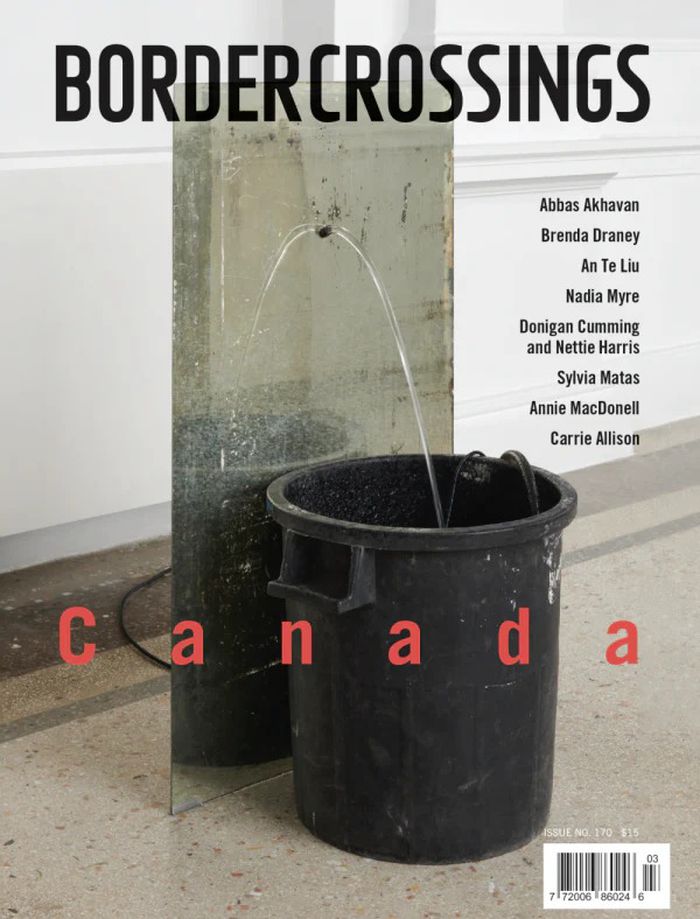
Border Crossings 170: Canada
Border Crossings 170: Canada
Actions:
Prix:
$15.00
(disponible en magasin)
Résumé:
Issue #170 of Border Crossings explores contemporary Canadian art, examining social themes, materiality, and notable practises. Feature interviews in this issue include artists Abbas Akhavan, Brenda Draney, and Nadia Myre. Works by Carrie Allison, Donigan Cumming, Sylvia Matas, Annie MacDonell, An Te Liu, Shannon Bool, Bea Parsons, and M.E. Sparks are covered. Plus pages(...)
$15.00
(disponible en magasin)
Résumé:
Issue #170 of Border Crossings explores contemporary Canadian art, examining social themes, materiality, and notable practises. Feature interviews in this issue include artists Abbas Akhavan, Brenda Draney, and Nadia Myre. Works by Carrie Allison, Donigan Cumming, Sylvia Matas, Annie MacDonell, An Te Liu, Shannon Bool, Bea Parsons, and M.E. Sparks are covered. Plus pages(...)
Titre:
Border Crossings 170: Canada
Actions:
Prix:
$15.00
(disponible en magasin)
Résumé:
Issue #170 of Border Crossings explores contemporary Canadian art, examining social themes, materiality, and notable practises. Feature interviews in this issue include artists Abbas Akhavan, Brenda Draney, and Nadia Myre. Works by Carrie Allison, Donigan Cumming, Sylvia Matas, Annie MacDonell, An Te Liu, Shannon Bool, Bea Parsons, and M.E. Sparks are covered. Plus pages from the Border Crossings' archive.
Border Crossings 170: Canada
Actions:
Prix:
$15.00
(disponible en magasin)
Résumé:
Issue #170 of Border Crossings explores contemporary Canadian art, examining social themes, materiality, and notable practises. Feature interviews in this issue include artists Abbas Akhavan, Brenda Draney, and Nadia Myre. Works by Carrie Allison, Donigan Cumming, Sylvia Matas, Annie MacDonell, An Te Liu, Shannon Bool, Bea Parsons, and M.E. Sparks are covered. Plus pages from the Border Crossings' archive.
Classification:
périodiques
périodiques
Publication:
mai 2026
mai 2026
Sujet:
Revues
Revues
Classification:
périodiques
périodiques
Titre:
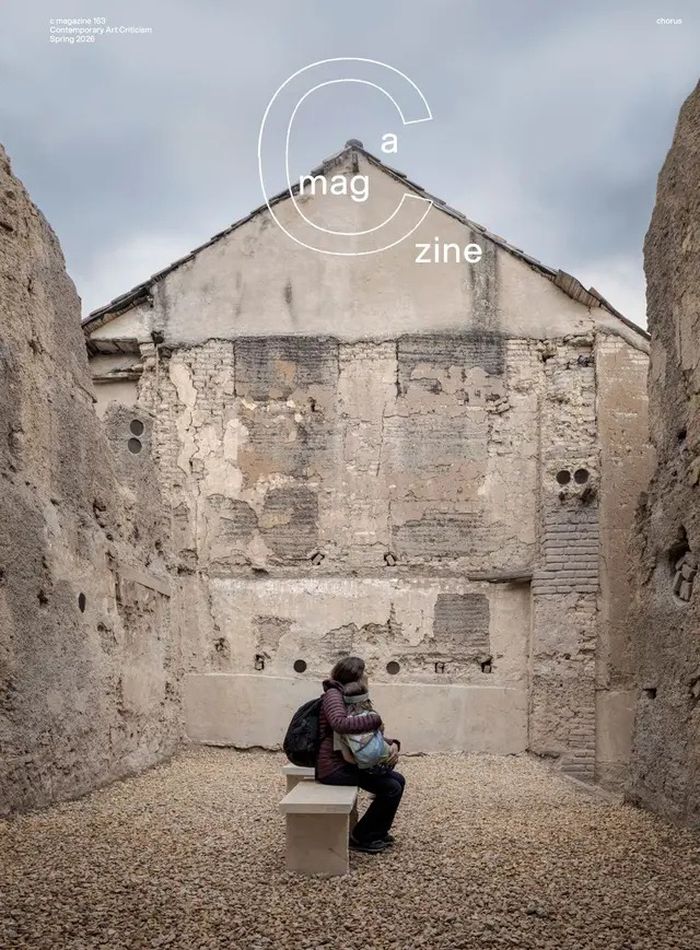
C magaine 163: chorus
C magaine 163: chorus
Actions:
Prix:
$15.00
(disponible en magasin)
Résumé:
C’s Chorus issue marks the beginning of our new print look, shaped by Hwa-Jin Jun, where we also ask what becomes possible if we embrace changing physical formats and materials as an ethos. We think of chorus as a collective noun: for voices, noises, expressions (of rage, solidarity, and otherwise). This issue embraces polyphony, or simultaneity, a chorus that does not(...)
$15.00
(disponible en magasin)
Résumé:
C’s Chorus issue marks the beginning of our new print look, shaped by Hwa-Jin Jun, where we also ask what becomes possible if we embrace changing physical formats and materials as an ethos. We think of chorus as a collective noun: for voices, noises, expressions (of rage, solidarity, and otherwise). This issue embraces polyphony, or simultaneity, a chorus that does not(...)
Titre:
C magaine 163: chorus
Actions:
Prix:
$15.00
(disponible en magasin)
Résumé:
C’s Chorus issue marks the beginning of our new print look, shaped by Hwa-Jin Jun, where we also ask what becomes possible if we embrace changing physical formats and materials as an ethos. We think of chorus as a collective noun: for voices, noises, expressions (of rage, solidarity, and otherwise). This issue embraces polyphony, or simultaneity, a chorus that does not dissolve distinction within the collective. From voice as infrastructure, a way of rehearsing coordination and collective power amidst spreading fascist logics, to the dispersal of seeds, anti-colonial cosmologies, melancholic sound in the colour blue, attuning to ancestors in museum collections, and the subtle accumulations in working-class time, we bring a cacophony of grievance and desire.
C magaine 163: chorus
Actions:
Prix:
$15.00
(disponible en magasin)
Résumé:
C’s Chorus issue marks the beginning of our new print look, shaped by Hwa-Jin Jun, where we also ask what becomes possible if we embrace changing physical formats and materials as an ethos. We think of chorus as a collective noun: for voices, noises, expressions (of rage, solidarity, and otherwise). This issue embraces polyphony, or simultaneity, a chorus that does not dissolve distinction within the collective. From voice as infrastructure, a way of rehearsing coordination and collective power amidst spreading fascist logics, to the dispersal of seeds, anti-colonial cosmologies, melancholic sound in the colour blue, attuning to ancestors in museum collections, and the subtle accumulations in working-class time, we bring a cacophony of grievance and desire.
Classification:
périodiques
périodiques
Publication:
avril 2026
avril 2026
Sujet:
Revues
Revues
Classification:
livres
livres
Actions:
Prix:
$13.95
(disponible en magasin)
Résumé:
Sellafield, Europe's largest nuclear site, began being decommissioned in 2022. Its primary purpose was to produce weapons-grade plutonium for the UK's nuclear weapons programme, but they also generated electrical power for the National Grid from 1956-2003 and reprocessed nuclear fuel from 1952 to 2022. In 1985, Barry Lewis photographed part of the plant for The Sunday(...)
$13.95
(disponible en magasin)
Résumé:
Sellafield, Europe's largest nuclear site, began being decommissioned in 2022. Its primary purpose was to produce weapons-grade plutonium for the UK's nuclear weapons programme, but they also generated electrical power for the National Grid from 1956-2003 and reprocessed nuclear fuel from 1952 to 2022. In 1985, Barry Lewis photographed part of the plant for The Sunday(...)
Titre:
Barry Lewis: Sellafield Nuclear Site 1985
Actions:
Prix:
$13.95
(disponible en magasin)
Résumé:
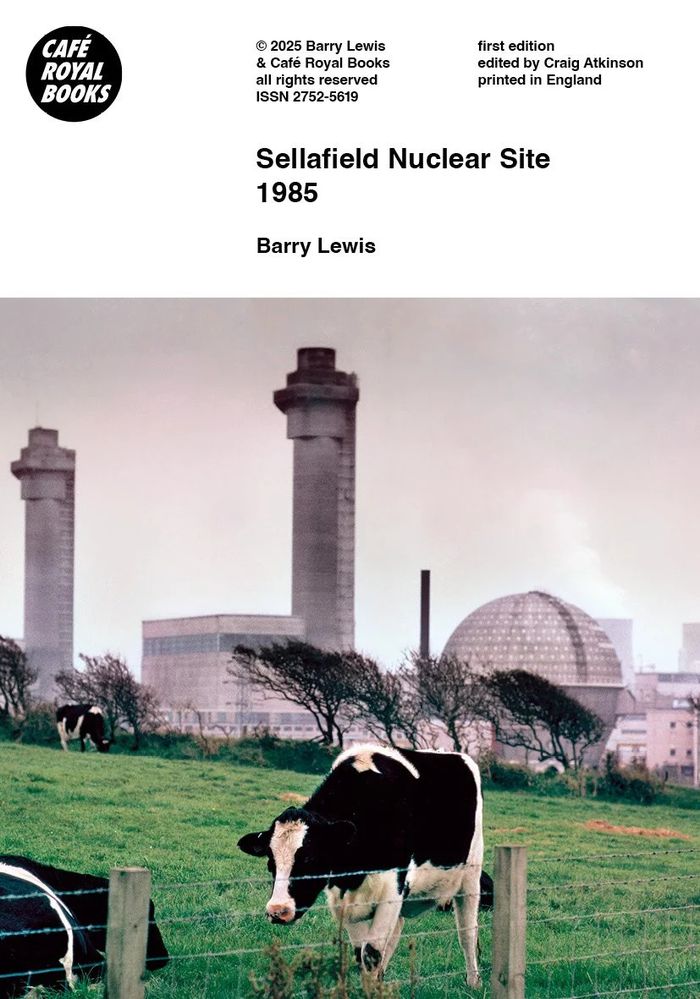
Sellafield, Europe's largest nuclear site, began being decommissioned in 2022. Its primary purpose was to produce weapons-grade plutonium for the UK's nuclear weapons programme, but they also generated electrical power for the National Grid from 1956-2003 and reprocessed nuclear fuel from 1952 to 2022. In 1985, Barry Lewis photographed part of the plant for The Sunday Times Magazine after reports found an increased incidence of leukaemia and non-Hodgkin lymphoma in children and young adults under 25 years of age living in Seascale, a village near Sellafield on the west coast of Cumbria. A government report suggested that these spikes were unlikely to have been caused by radiation exposure though the causes of these clusters of leukaemia around Sellafield was still not clear. 100Kg of plutonium had been pumped out of Sellafield into the Irish sea during the previous 40 years and 60Kg was unaccounted for. Any plutonium dust that is washed inshore, and when the tide goes out, could dry and blow inland. A single speck of plutonium inhaled is enough to trigger cancer. Sellafield is now a sprawling rubbish dump on the Cumbrian coast, with the world's largest store of plutonium that stores and treats decades of nuclear waste from atomic power generation and weapons programmes.The buildings are expected to be finally torn down by 2125 at a cost of approaching £100 billion and have its nuclear waste buried deep underground at a location still undecided.
Barry Lewis: Sellafield Nuclear Site 1985
Actions:
Prix:
$13.95
(disponible en magasin)
Résumé:
Sellafield, Europe's largest nuclear site, began being decommissioned in 2022. Its primary purpose was to produce weapons-grade plutonium for the UK's nuclear weapons programme, but they also generated electrical power for the National Grid from 1956-2003 and reprocessed nuclear fuel from 1952 to 2022. In 1985, Barry Lewis photographed part of the plant for The Sunday Times Magazine after reports found an increased incidence of leukaemia and non-Hodgkin lymphoma in children and young adults under 25 years of age living in Seascale, a village near Sellafield on the west coast of Cumbria. A government report suggested that these spikes were unlikely to have been caused by radiation exposure though the causes of these clusters of leukaemia around Sellafield was still not clear. 100Kg of plutonium had been pumped out of Sellafield into the Irish sea during the previous 40 years and 60Kg was unaccounted for. Any plutonium dust that is washed inshore, and when the tide goes out, could dry and blow inland. A single speck of plutonium inhaled is enough to trigger cancer. Sellafield is now a sprawling rubbish dump on the Cumbrian coast, with the world's largest store of plutonium that stores and treats decades of nuclear waste from atomic power generation and weapons programmes.The buildings are expected to be finally torn down by 2125 at a cost of approaching £100 billion and have its nuclear waste buried deep underground at a location still undecided.
Classification:
livres
livres
Publication:
avril 2026
avril 2026
Sujet:
Monographies photo
Monographies photo
Classification:
livres
livres
Titre:
Ian Clegg: Manchester 1992
Ian Clegg: Manchester 1992
Actions:
Prix:
$13.95
(disponible en magasin)
Résumé:
Ian Clegg's archive of Manchester, 1992.
$13.95
(disponible en magasin)
Résumé:
Ian Clegg's archive of Manchester, 1992.
Titre:
Ian Clegg: Manchester 1992
Actions:
Prix:
$13.95
(disponible en magasin)
Résumé:
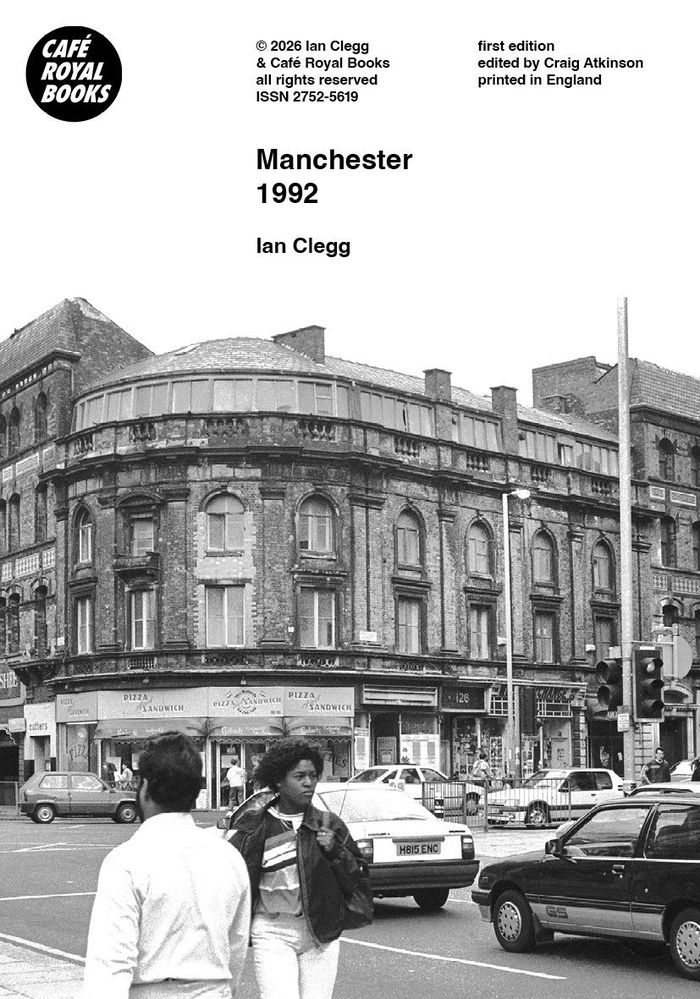
Ian Clegg's archive of Manchester, 1992.
Ian Clegg: Manchester 1992
Actions:
Prix:
$13.95
(disponible en magasin)
Résumé:
Ian Clegg's archive of Manchester, 1992.
Classification:
livres
livres
Publication:
avril 2026
avril 2026
Sujet:
Monographies photo
Monographies photo
Classification:
livres
livres
Actions:
Prix:
$13.95
(disponible en magasin)
Résumé:
Mark McEvoy’s archive of the Notting Carnival, between 1984 and 1992.
$13.95
(disponible en magasin)
Résumé:
Mark McEvoy’s archive of the Notting Carnival, between 1984 and 1992.
Titre:
Mark McEvoy: Notting Hill Carnival 1987-1992
Actions:
Prix:
$13.95
(disponible en magasin)
Résumé:
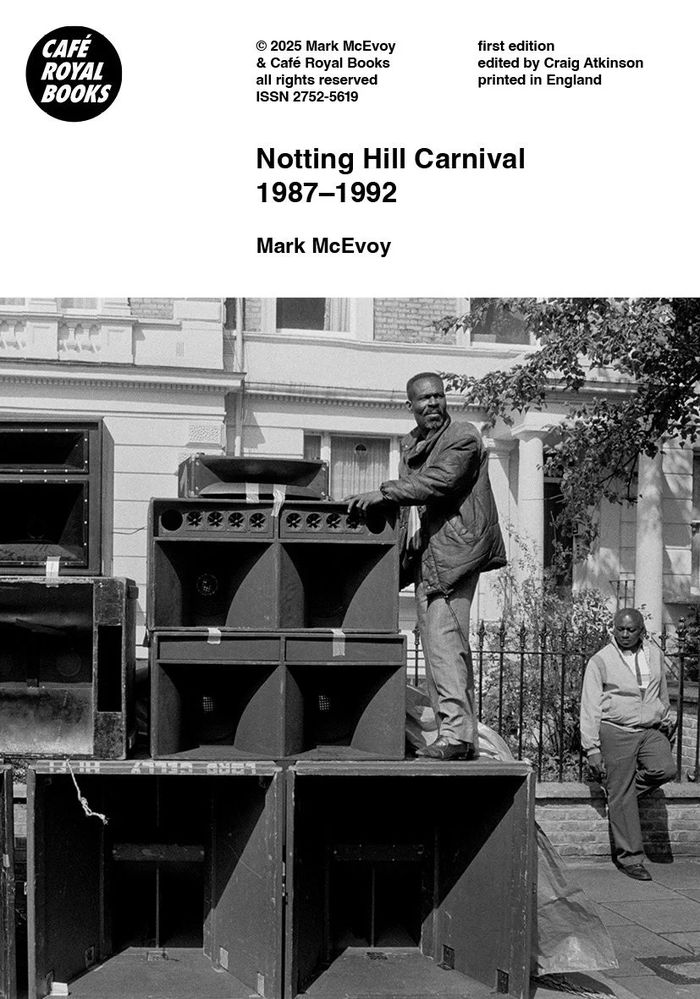
Mark McEvoy’s archive of the Notting Carnival, between 1984 and 1992.
Mark McEvoy: Notting Hill Carnival 1987-1992
Actions:
Prix:
$13.95
(disponible en magasin)
Résumé:
Mark McEvoy’s archive of the Notting Carnival, between 1984 and 1992.
Classification:
livres
livres
Publication:
avril 2026
avril 2026
Sujet:
Monographies photo
Monographies photo
Classification:
livres
livres
Prix:
$38.00
(disponible en magasin)
Résumé:
''Common Treasures'' is a new series of books about the challenges faced by rural communities, written by people who are working on the ground and in the fields. Each volume gathers the very best essays about climate adaptation, food production and land use, and presents them as alternatives to the prevailing political discourse. This anthology, the second in the(...)
$38.00
(disponible en magasin)
Résumé:
''Common Treasures'' is a new series of books about the challenges faced by rural communities, written by people who are working on the ground and in the fields. Each volume gathers the very best essays about climate adaptation, food production and land use, and presents them as alternatives to the prevailing political discourse. This anthology, the second in the(...)
Sujet:
Théorie de l’architecture
Théorie de l’architecture
Publication:
février 2026
février 2026
Titre:
Common treasures. Vol.2: Housing, planning & construction
Actions:
Prix:
$38.00
(disponible en magasin)
Résumé:
''Common Treasures'' is a new series of books about the challenges faced by rural communities, written by people who are working on the ground and in the fields. Each volume gathers the very best essays about climate adaptation, food production and land use, and presents them as alternatives to the prevailing political discourse. This anthology, the second in the ''Common Treasures'' project, developed from a series of conversations between the architecture collective Assemble and the arts organisation Common Ground. It takes as its premise the idea that approaches to housing that are grounded in greater levels of community ownership, management and maintenance have the potential to empower communities, overcome the opposition to local development and create conditions in which skilled rural workers are part of stronger local networks of industry and agriculture. Housing built by, for and with the people who live in it makes characterful neighbourhoods that last well, are able to be maintained by their residents and facilitate investment in local labour, materials and skilled workmanship. The contributors to this anthology share their work to overcome the many obstacles to this way of working, and offer a vision which is grounded, imaginative and hopeful.
Common treasures. Vol.2: Housing, planning & construction
Actions:
Prix:
$38.00
(disponible en magasin)
Résumé:
''Common Treasures'' is a new series of books about the challenges faced by rural communities, written by people who are working on the ground and in the fields. Each volume gathers the very best essays about climate adaptation, food production and land use, and presents them as alternatives to the prevailing political discourse. This anthology, the second in the ''Common Treasures'' project, developed from a series of conversations between the architecture collective Assemble and the arts organisation Common Ground. It takes as its premise the idea that approaches to housing that are grounded in greater levels of community ownership, management and maintenance have the potential to empower communities, overcome the opposition to local development and create conditions in which skilled rural workers are part of stronger local networks of industry and agriculture. Housing built by, for and with the people who live in it makes characterful neighbourhoods that last well, are able to be maintained by their residents and facilitate investment in local labour, materials and skilled workmanship. The contributors to this anthology share their work to overcome the many obstacles to this way of working, and offer a vision which is grounded, imaginative and hopeful.
Classification:
livres
livres
Publication:
février 2026
février 2026
Sujet:
Théorie de l’architecture
Théorie de l’architecture
Classification:
livres
livres
Actions:
Prix:
$38.00
(disponible en magasin)
Résumé:
''Common Treasures'' is a new series of books about the challenges faced by rural communities, written by people who are working on the ground and in the fields. Each volume gathers the very best essays about climate adaptation, food production and land use, and presents them as alternatives to the prevailing political discourse. Ambitious thinking about the future of(...)
$38.00
(disponible en magasin)
Résumé:
''Common Treasures'' is a new series of books about the challenges faced by rural communities, written by people who are working on the ground and in the fields. Each volume gathers the very best essays about climate adaptation, food production and land use, and presents them as alternatives to the prevailing political discourse. Ambitious thinking about the future of(...)
Sujet:
Théorie de l’architecture
Théorie de l’architecture
Publication:
février 2026
février 2026
Titre:
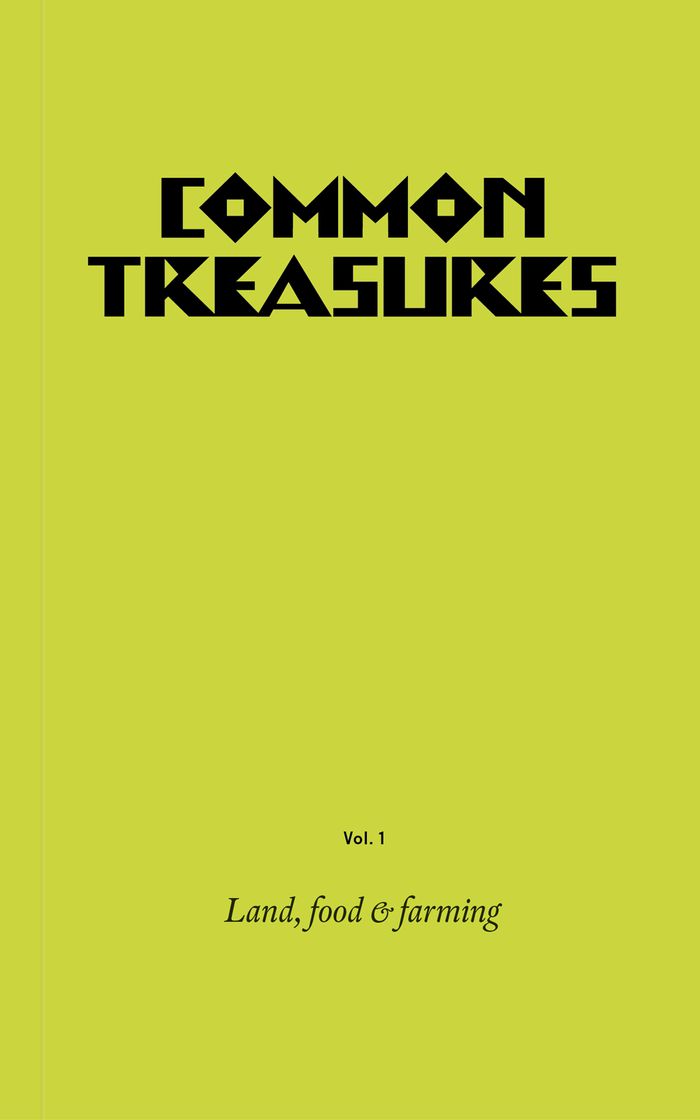
Common treasures. Vol. I: Food, farming & land
Actions:
Prix:
$38.00
(disponible en magasin)
Résumé:
''Common Treasures'' is a new series of books about the challenges faced by rural communities, written by people who are working on the ground and in the fields. Each volume gathers the very best essays about climate adaptation, food production and land use, and presents them as alternatives to the prevailing political discourse. Ambitious thinking about the future of rural places requires connecting traditionally separate disciplines: architecture with agriculture; planning law with land workers’ livelihoods; food systems with local economies; community resilience with land ownership; and housing development with regenerative land use. From essays considering the reintroduction of British wool and flax, more sustainable ways to produce food, to the issues caused by second home ownership and the setting up of community land trusts, these books are a practical and inspirational blueprint created by those whose lives and work is engaged with the countryside every day.
Common treasures. Vol. I: Food, farming & land
Actions:
Prix:
$38.00
(disponible en magasin)
Résumé:
''Common Treasures'' is a new series of books about the challenges faced by rural communities, written by people who are working on the ground and in the fields. Each volume gathers the very best essays about climate adaptation, food production and land use, and presents them as alternatives to the prevailing political discourse. Ambitious thinking about the future of rural places requires connecting traditionally separate disciplines: architecture with agriculture; planning law with land workers’ livelihoods; food systems with local economies; community resilience with land ownership; and housing development with regenerative land use. From essays considering the reintroduction of British wool and flax, more sustainable ways to produce food, to the issues caused by second home ownership and the setting up of community land trusts, these books are a practical and inspirational blueprint created by those whose lives and work is engaged with the countryside every day.
Classification:
livres
livres
Publication:
février 2026
février 2026
Sujet:
Théorie de l’architecture
Théorie de l’architecture
Classification:
livres
livres
Actions:
Prix:
$40.00
(disponible en magasin)
Résumé:
Livre d’artiste alliant la littérature au design graphique, « Deux cent soixante-quatorze personnages » est une collection de quidams. D’une poésie minimale — la rencontre d’un prénom et d’un nom — cet inventaire chaotique rassemble des figures improbables, inventées ou réelles, croisées par l’auteur ou empruntées à la culture populaire. Chaque page déploie une amorce et(...)
$40.00
(disponible en magasin)
Résumé:
Livre d’artiste alliant la littérature au design graphique, « Deux cent soixante-quatorze personnages » est une collection de quidams. D’une poésie minimale — la rencontre d’un prénom et d’un nom — cet inventaire chaotique rassemble des figures improbables, inventées ou réelles, croisées par l’auteur ou empruntées à la culture populaire. Chaque page déploie une amorce et(...)
Publication:
avril 2026
avril 2026
Titre:
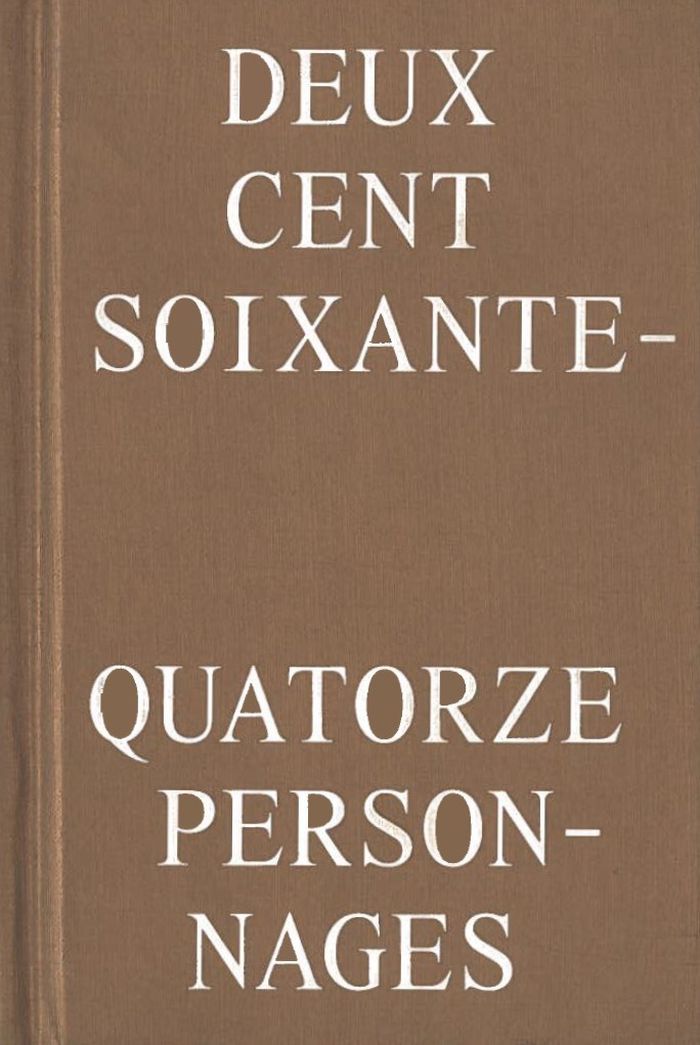
Deux cent soixante-quatorze personnages
Actions:
Prix:
$40.00
(disponible en magasin)
Résumé:
Livre d’artiste alliant la littérature au design graphique, « Deux cent soixante-quatorze personnages » est une collection de quidams. D’une poésie minimale — la rencontre d’un prénom et d’un nom — cet inventaire chaotique rassemble des figures improbables, inventées ou réelles, croisées par l’auteur ou empruntées à la culture populaire. Chaque page déploie une amorce et une chute, faisant naître un jeu de mots ou de sonorités, une rencontre vive entre des éléments culturels hétérogènes. D’une taille modeste pourtant imposante, « Deux cent soixante-quatorze personnages » est un objet singulier, un livre à la facture rare, entièrement doré — pages, tranches, couverture, dos. Par sa matérialité assumée, l’objet donne envie d’être tenu en main, feuilleté et conservé, comme le plus solennel des bréviaires. La mise en forme et la conception graphique ont été assurées par Criterium, studio de design graphique établi à Québec et dirigé par Maxime Rheault.
Deux cent soixante-quatorze personnages
Actions:
Prix:
$40.00
(disponible en magasin)
Résumé:
Livre d’artiste alliant la littérature au design graphique, « Deux cent soixante-quatorze personnages » est une collection de quidams. D’une poésie minimale — la rencontre d’un prénom et d’un nom — cet inventaire chaotique rassemble des figures improbables, inventées ou réelles, croisées par l’auteur ou empruntées à la culture populaire. Chaque page déploie une amorce et une chute, faisant naître un jeu de mots ou de sonorités, une rencontre vive entre des éléments culturels hétérogènes. D’une taille modeste pourtant imposante, « Deux cent soixante-quatorze personnages » est un objet singulier, un livre à la facture rare, entièrement doré — pages, tranches, couverture, dos. Par sa matérialité assumée, l’objet donne envie d’être tenu en main, feuilleté et conservé, comme le plus solennel des bréviaires. La mise en forme et la conception graphique ont été assurées par Criterium, studio de design graphique établi à Québec et dirigé par Maxime Rheault.
Classification:
livres
livres
Publication:
avril 2026
avril 2026


