


2 Résultats
Classification:
livres
livres
Actions:
Prix:
$79.95
(disponible en magasin)
Résumé:
This research by a+t research group proposes an alternative reading of the history of housing. Rather than being organised around architectural styles or movements, it is structured through five essential conditions that define the lived experience of inhabitation: Opulence, Precarity, Dignity, Prosperity, and Fraternity. Drawing on 178 case studies—ranging from the onset(...)
$79.95
(disponible en magasin)
Résumé:
This research by a+t research group proposes an alternative reading of the history of housing. Rather than being organised around architectural styles or movements, it is structured through five essential conditions that define the lived experience of inhabitation: Opulence, Precarity, Dignity, Prosperity, and Fraternity. Drawing on 178 case studies—ranging from the onset(...)
Titre:
Housing Loops - Opulence, Precarity, Dignity, Prosperity and Fraternity
Actions:
Prix:
$79.95
(disponible en magasin)
Résumé:
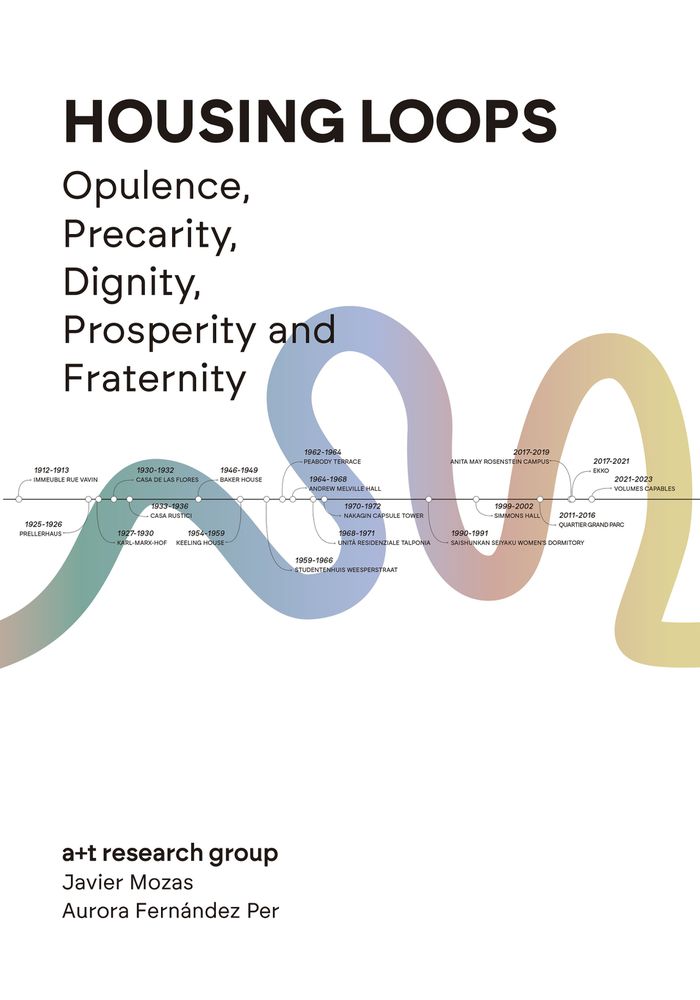
This research by a+t research group proposes an alternative reading of the history of housing. Rather than being organised around architectural styles or movements, it is structured through five essential conditions that define the lived experience of inhabitation: Opulence, Precarity, Dignity, Prosperity, and Fraternity. Drawing on 178 case studies—ranging from the onset of the Industrial Revolution in the mid-eighteenth century to the second decade of the twenty-first—this critical chronology maps the evolution of collective housing in relation to the social demands of each historical period. The timeline identifies key patterns in housing design, recurring spatial loops that transcend eras, advances in construction technologies, and the transformation of the domestic unit as a nucleus of cohabitation.
Housing Loops - Opulence, Precarity, Dignity, Prosperity and Fraternity
Actions:
Prix:
$79.95
(disponible en magasin)
Résumé:
This research by a+t research group proposes an alternative reading of the history of housing. Rather than being organised around architectural styles or movements, it is structured through five essential conditions that define the lived experience of inhabitation: Opulence, Precarity, Dignity, Prosperity, and Fraternity. Drawing on 178 case studies—ranging from the onset of the Industrial Revolution in the mid-eighteenth century to the second decade of the twenty-first—this critical chronology maps the evolution of collective housing in relation to the social demands of each historical period. The timeline identifies key patterns in housing design, recurring spatial loops that transcend eras, advances in construction technologies, and the transformation of the domestic unit as a nucleus of cohabitation.
Classification:
livres
livres
Publication:
novembre 2025
novembre 2025
Sujet:
Architecture résidentielle
Architecture résidentielle
Classification:
livres
livres
Titre:
Why density?
Why density?
Actions:
Prix:
$72.00
(disponible sur commande)
Résumé:
What is density? This question is the starting point of an investigation into the nature of density in the contemporary urban environment. In analysing projects located throughout Europe, the research proposes that density is not about volumetric exploitation, but based on the interaction between three elements: agents, fluxes, and territory. This book documents the(...)
$72.00
(disponible sur commande)
Résumé:
What is density? This question is the starting point of an investigation into the nature of density in the contemporary urban environment. In analysing projects located throughout Europe, the research proposes that density is not about volumetric exploitation, but based on the interaction between three elements: agents, fluxes, and territory. This book documents the(...)
Titre:
Why density?
Actions:
Prix:
$72.00
(disponible sur commande)
Résumé:
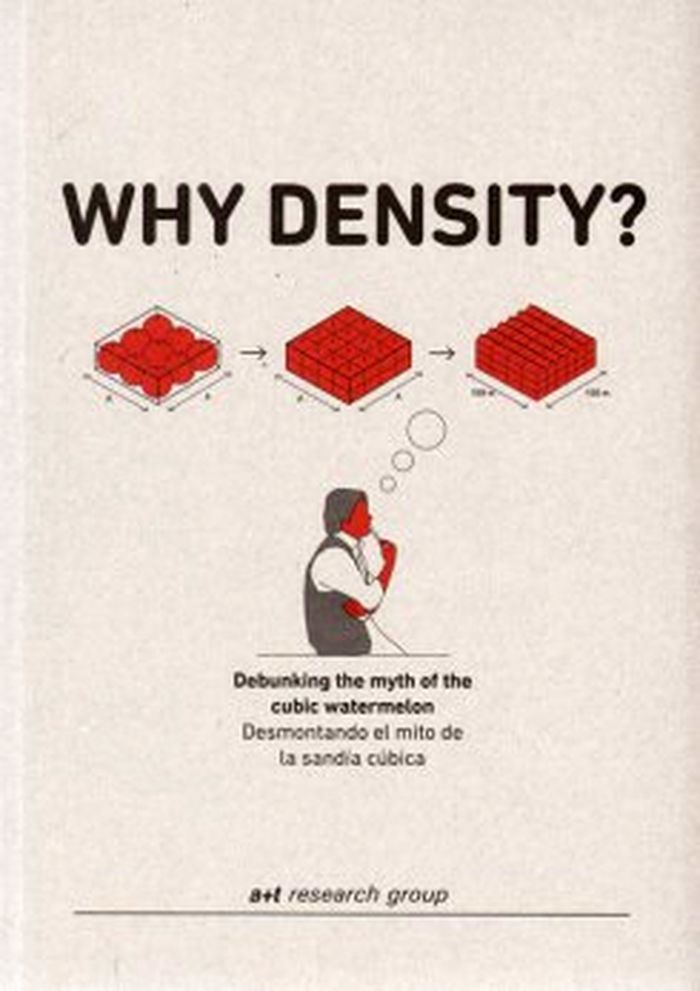
What is density? This question is the starting point of an investigation into the nature of density in the contemporary urban environment. In analysing projects located throughout Europe, the research proposes that density is not about volumetric exploitation, but based on the interaction between three elements: agents, fluxes, and territory. This book documents the findings, detailing individual buildings, cataloguing specific urban forms, and drawing conclusions as to performance and quality, also in an ecological sense. It also offers a case study concerning the former site of the Renault factory in Paris, examining how an experimental opportunity can lead to a vibrant piece of city.
Why density?
Actions:
Prix:
$72.00
(disponible sur commande)
Résumé:
What is density? This question is the starting point of an investigation into the nature of density in the contemporary urban environment. In analysing projects located throughout Europe, the research proposes that density is not about volumetric exploitation, but based on the interaction between three elements: agents, fluxes, and territory. This book documents the findings, detailing individual buildings, cataloguing specific urban forms, and drawing conclusions as to performance and quality, also in an ecological sense. It also offers a case study concerning the former site of the Renault factory in Paris, examining how an experimental opportunity can lead to a vibrant piece of city.
Classification:
livres
livres
Publication:
juin 2015
juin 2015
Sujet:
Théorie de l’architecture
Théorie de l’architecture


