


2 Résultats
Classification:
livres
livres
Titre:
Knots
Knots
Actions:
Prix:
$49.00
(disponible en magasin)
Résumé:
“How are city transformations to be read? How are we to interpret the incessant metamorphosis of places and social relationships that has characterized urban contexts since their inception?” These questions drive ''Knots'', a collaborative research project by the Politecnico di Milano’s Department of Architecture and Urban Studies (DAStU) and Prospekt, a(...)
$49.00
(disponible en magasin)
Résumé:
“How are city transformations to be read? How are we to interpret the incessant metamorphosis of places and social relationships that has characterized urban contexts since their inception?” These questions drive ''Knots'', a collaborative research project by the Politecnico di Milano’s Department of Architecture and Urban Studies (DAStU) and Prospekt, a(...)
Sujet:
Théorie de l’urbanisme
Théorie de l’urbanisme
Publication:
octobre 2025
octobre 2025
Titre:
Knots
Actions:
Prix:
$49.00
(disponible en magasin)
Résumé:
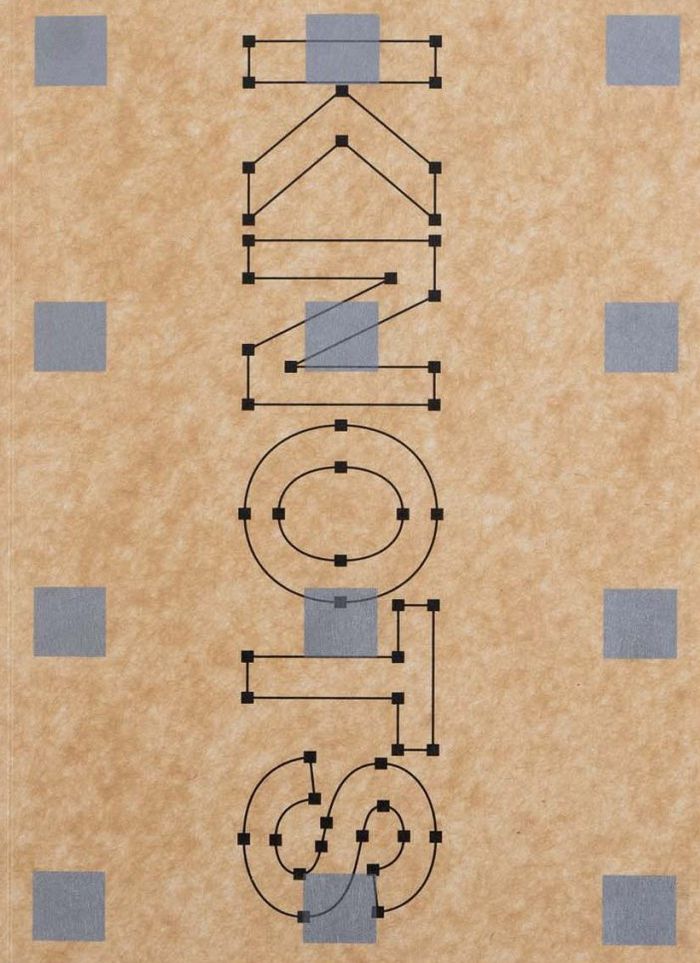
“How are city transformations to be read? How are we to interpret the incessant metamorphosis of places and social relationships that has characterized urban contexts since their inception?” These questions drive ''Knots'', a collaborative research project by the Politecnico di Milano’s Department of Architecture and Urban Studies (DAStU) and Prospekt, a photojournalism agency dedicated to chronicling urban issues worldwide. By reshaping how we question urban transformations, ''Knots'' seeks to uncover overlooked dimensions of change, particularly in Milan’s Scali. Showcasing outcomes from interdisciplinary workshops, the book highlights the value of crossing disciplinary boundaries to spark critical yet grounded discussions on the ways cities and their social fabrics evolve
Knots
Actions:
Prix:
$49.00
(disponible en magasin)
Résumé:
“How are city transformations to be read? How are we to interpret the incessant metamorphosis of places and social relationships that has characterized urban contexts since their inception?” These questions drive ''Knots'', a collaborative research project by the Politecnico di Milano’s Department of Architecture and Urban Studies (DAStU) and Prospekt, a photojournalism agency dedicated to chronicling urban issues worldwide. By reshaping how we question urban transformations, ''Knots'' seeks to uncover overlooked dimensions of change, particularly in Milan’s Scali. Showcasing outcomes from interdisciplinary workshops, the book highlights the value of crossing disciplinary boundaries to spark critical yet grounded discussions on the ways cities and their social fabrics evolve
Classification:
livres
livres
Publication:
octobre 2025
octobre 2025
Sujet:
Théorie de l’urbanisme
Théorie de l’urbanisme
Classification:
livres
livres
Actions:
Prix:
$81.50
(disponible sur commande)
Résumé:
By 2020, some 400 Chinese new towns will have been built, representing an unprecedented urban growth. While some of these massive developments are still empty today, others have been rather successful. The substantial effort on the part of the Chinese government is to absorb up to 250 million people, chiefly migrants from the rural parts of the country. Unlike in Europe(...)
$81.50
(disponible sur commande)
Résumé:
By 2020, some 400 Chinese new towns will have been built, representing an unprecedented urban growth. While some of these massive developments are still empty today, others have been rather successful. The substantial effort on the part of the Chinese government is to absorb up to 250 million people, chiefly migrants from the rural parts of the country. Unlike in Europe(...)
Publication:
mai 2019
mai 2019
Titre:
The city after chinese new towns: spaces and imaginaries from contemporary urban China
Actions:
Prix:
$81.50
(disponible sur commande)
Résumé:
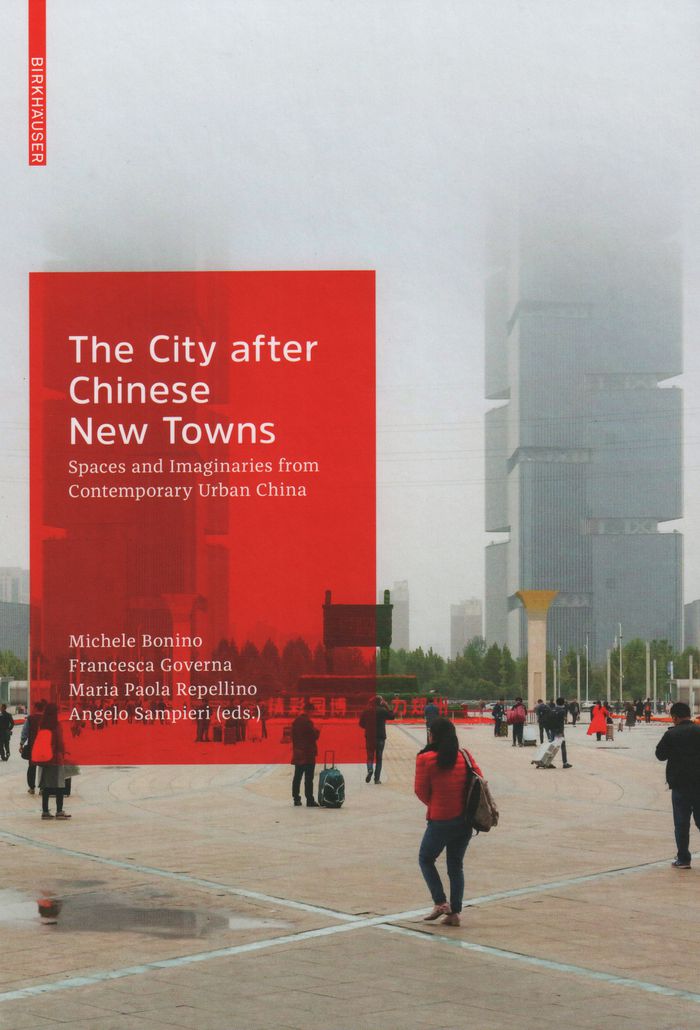
By 2020, some 400 Chinese new towns will have been built, representing an unprecedented urban growth. While some of these massive developments are still empty today, others have been rather successful. The substantial effort on the part of the Chinese government is to absorb up to 250 million people, chiefly migrants from the rural parts of the country. Unlike in Europe and North America, where new towns grew in accordance to the local industries, these new Chinese cities are mostly built to the point of near completion before introducing people. The interdisciplinary publication, written by architects, planners and geographers, explores the new urbanistic phenomenon of "Chinese new towns". Especially commissioned photographs and maps illustrate many examples of these new settlements.
The city after chinese new towns: spaces and imaginaries from contemporary urban China
Actions:
Prix:
$81.50
(disponible sur commande)
Résumé:
By 2020, some 400 Chinese new towns will have been built, representing an unprecedented urban growth. While some of these massive developments are still empty today, others have been rather successful. The substantial effort on the part of the Chinese government is to absorb up to 250 million people, chiefly migrants from the rural parts of the country. Unlike in Europe and North America, where new towns grew in accordance to the local industries, these new Chinese cities are mostly built to the point of near completion before introducing people. The interdisciplinary publication, written by architects, planners and geographers, explores the new urbanistic phenomenon of "Chinese new towns". Especially commissioned photographs and maps illustrate many examples of these new settlements.
Classification:
livres
livres
Publication:
mai 2019
mai 2019


