


12 Résultats
Classification:
livres
livres
Actions:
Prix:
$54.00
(disponible sur commande)
Résumé:
Spanning from the 1970s until today, this monograph traces the development of the Chilean-born, New York-based conceptualist--from his earliest public interventions to his latest installations. Working with public interventions, installations, photography and video, Jaar examines the nature of images and their viewers' relationships to them. His work tackles the very(...)
$54.00
(disponible sur commande)
Résumé:
Spanning from the 1970s until today, this monograph traces the development of the Chilean-born, New York-based conceptualist--from his earliest public interventions to his latest installations. Working with public interventions, installations, photography and video, Jaar examines the nature of images and their viewers' relationships to them. His work tackles the very(...)
Sujet:
Théorie de la photographie
Théorie de la photographie
Publication:
septembre 2009
septembre 2009
Titre:
Alfredo Jaar: la politique des images
Actions:
Prix:
$54.00
(disponible sur commande)
Résumé:
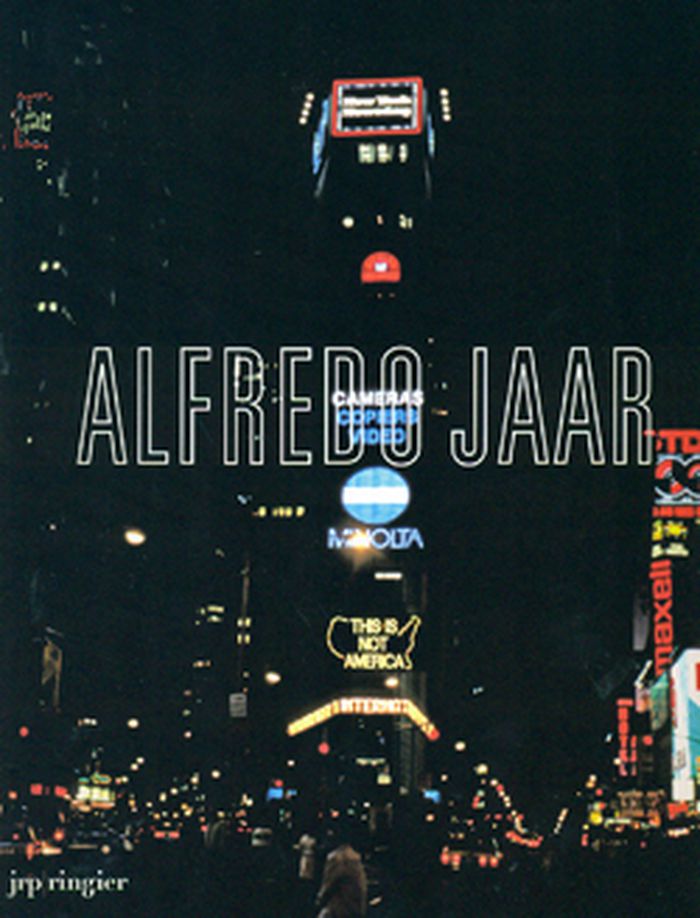
Spanning from the 1970s until today, this monograph traces the development of the Chilean-born, New York-based conceptualist--from his earliest public interventions to his latest installations. Working with public interventions, installations, photography and video, Jaar examines the nature of images and their viewers' relationships to them. His work tackles the very possibility of producing art based on events that we would prefer to ignore, and of creating images in a context characterized both by their over-abundance and, paradoxically, by their invisibility.
Alfredo Jaar: la politique des images
Actions:
Prix:
$54.00
(disponible sur commande)
Résumé:
Spanning from the 1970s until today, this monograph traces the development of the Chilean-born, New York-based conceptualist--from his earliest public interventions to his latest installations. Working with public interventions, installations, photography and video, Jaar examines the nature of images and their viewers' relationships to them. His work tackles the very possibility of producing art based on events that we would prefer to ignore, and of creating images in a context characterized both by their over-abundance and, paradoxically, by their invisibility.
Classification:
livres
livres
Publication:
septembre 2009
septembre 2009
Sujet:
Théorie de la photographie
Théorie de la photographie
Classification:
livres
livres
Actions:
Prix:
$13.95
(disponible sur commande)
Résumé:
Au-delà des débats sur la crise de l'art ou la mort de l'image qui rejouent l'interminable scène de la fin des utopies, le présent texte voudrait établir quelques conditions d'intelligibilité du lien qui noue esthétique et politique. Il propose pour cela d'en revenir à l'inscription première des pratiques artistiques dans le découpage des temps et des espaces, du visible(...)
$13.95
(disponible sur commande)
Résumé:
Au-delà des débats sur la crise de l'art ou la mort de l'image qui rejouent l'interminable scène de la fin des utopies, le présent texte voudrait établir quelques conditions d'intelligibilité du lien qui noue esthétique et politique. Il propose pour cela d'en revenir à l'inscription première des pratiques artistiques dans le découpage des temps et des espaces, du visible(...)
Titre:
Le partage du sensible : esthétique et politique
Actions:
Prix:
$13.95
(disponible sur commande)
Résumé:
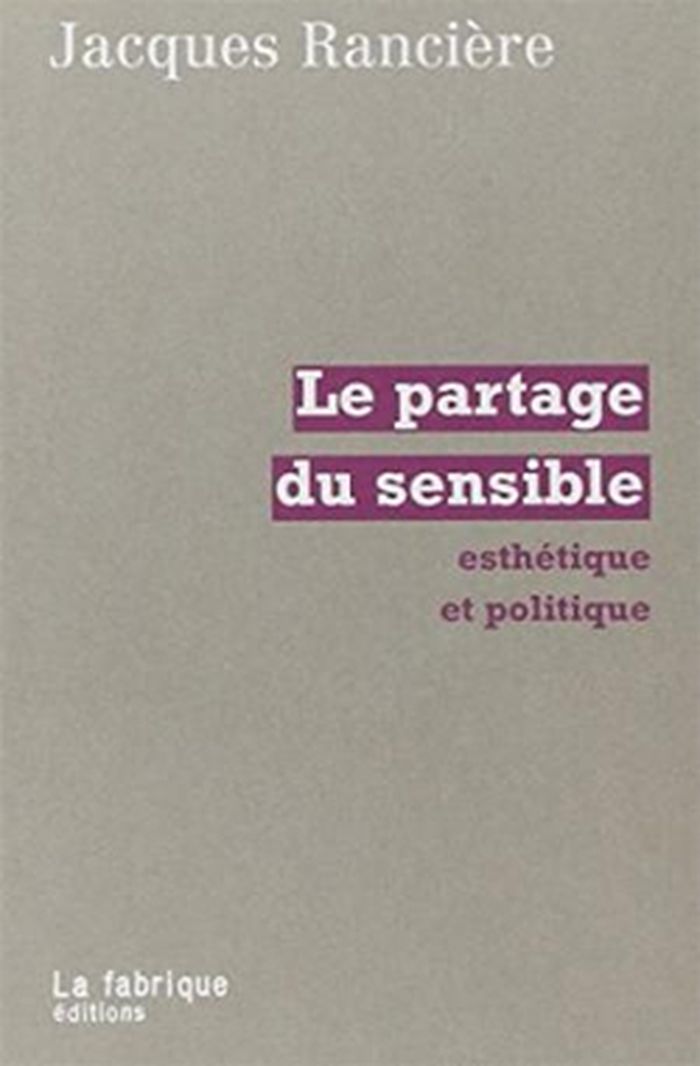
Au-delà des débats sur la crise de l'art ou la mort de l'image qui rejouent l'interminable scène de la fin des utopies, le présent texte voudrait établir quelques conditions d'intelligibilité du lien qui noue esthétique et politique. Il propose pour cela d'en revenir à l'inscription première des pratiques artistiques dans le découpage des temps et des espaces, du visible et de l'invisible, de la parole et du bruit, qui définit à la fois le lieu et l'enjeu de la politique. On peut alors distinguer des régimes historiques des arts comme formes spécifiques de ce rapport et renvoyer les spéculations sur le destin fatal ou glorieux de la «modernité» à l'analyse d'une de ces formes. On peut aussi comprendre comment un même régime de pensée fonde la proclamation de l'autonomie de l'art et son identification à une forme de l'expérience collective. Les arts ne prêtent aux entreprises de la domination ou de l'émancipation que ce qu'ils peuvent leur prêter, soit simplement ce qu'ils ont de commun avec elles: des positions et des mouvements des corps, des fonctions de la parole, des répartitions du visible et de l'invisible.
Le partage du sensible : esthétique et politique
Actions:
Prix:
$13.95
(disponible sur commande)
Résumé:
Au-delà des débats sur la crise de l'art ou la mort de l'image qui rejouent l'interminable scène de la fin des utopies, le présent texte voudrait établir quelques conditions d'intelligibilité du lien qui noue esthétique et politique. Il propose pour cela d'en revenir à l'inscription première des pratiques artistiques dans le découpage des temps et des espaces, du visible et de l'invisible, de la parole et du bruit, qui définit à la fois le lieu et l'enjeu de la politique. On peut alors distinguer des régimes historiques des arts comme formes spécifiques de ce rapport et renvoyer les spéculations sur le destin fatal ou glorieux de la «modernité» à l'analyse d'une de ces formes. On peut aussi comprendre comment un même régime de pensée fonde la proclamation de l'autonomie de l'art et son identification à une forme de l'expérience collective. Les arts ne prêtent aux entreprises de la domination ou de l'émancipation que ce qu'ils peuvent leur prêter, soit simplement ce qu'ils ont de commun avec elles: des positions et des mouvements des corps, des fonctions de la parole, des répartitions du visible et de l'invisible.
Classification:
livres
livres
Publication:
janvier 2013
janvier 2013
Sujet:
Théorie de l’art
Théorie de l’art


