


2 Résultats
Classification:
livres
livres
Prix:
$70.00
(disponible sur commande)
Résumé:
Mapping has been one of the most fertile areas of exploration for architecture and landscape in the past few decades. While documenting this shift in representation from the material and physical description toward the depiction of the unseen and often immaterial, ''Cartographic Grounds'' takes a critical view toward the current use of data mapping and visualization and(...)
$70.00
(disponible sur commande)
Résumé:
Mapping has been one of the most fertile areas of exploration for architecture and landscape in the past few decades. While documenting this shift in representation from the material and physical description toward the depiction of the unseen and often immaterial, ''Cartographic Grounds'' takes a critical view toward the current use of data mapping and visualization and(...)
Titre:
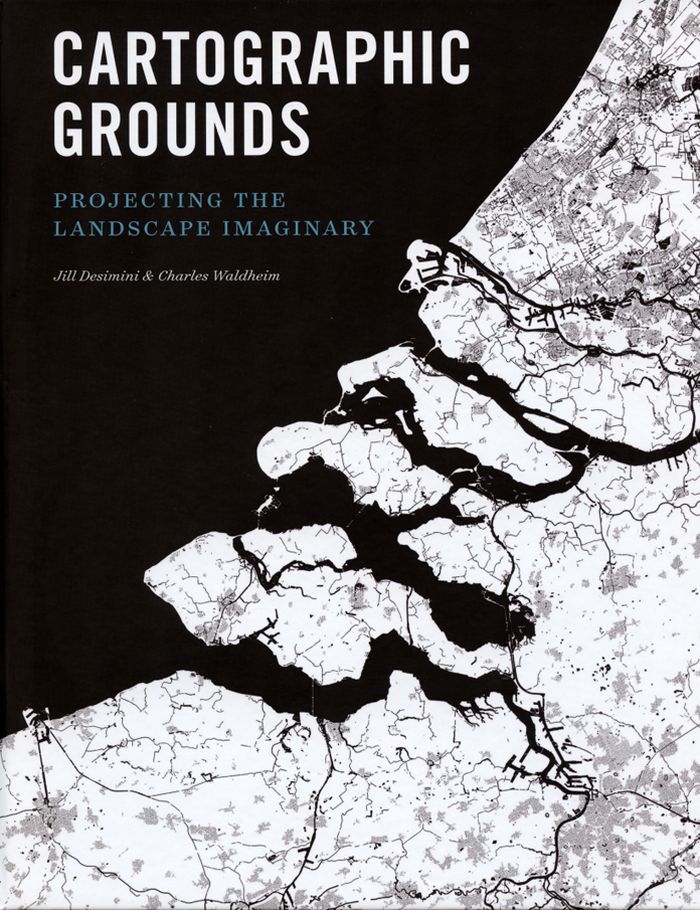
Cartographic grounds: projecting the landscape imaginary
Actions:
Prix:
$70.00
(disponible sur commande)
Résumé:
Mapping has been one of the most fertile areas of exploration for architecture and landscape in the past few decades. While documenting this shift in representation from the material and physical description toward the depiction of the unseen and often immaterial, ''Cartographic Grounds'' takes a critical view toward the current use of data mapping and visualization and calls for a return to traditional cartographic techniques to reimagine the manifestation and manipulation of the ground itself.
Cartographic grounds: projecting the landscape imaginary
Actions:
Prix:
$70.00
(disponible sur commande)
Résumé:
Mapping has been one of the most fertile areas of exploration for architecture and landscape in the past few decades. While documenting this shift in representation from the material and physical description toward the depiction of the unseen and often immaterial, ''Cartographic Grounds'' takes a critical view toward the current use of data mapping and visualization and calls for a return to traditional cartographic techniques to reimagine the manifestation and manipulation of the ground itself.
Classification:
livres
livres
Publication:
juin 2016
juin 2016
Sujet:
Théorie du paysage
Théorie du paysage
Classification:
livres
livres
Actions:
Prix:
$57.95
(disponible sur commande)
Résumé:
As cities evolve and resources shift with time, spaces within those cities are often left fallow and abandoned. "Cyclical City" tells the stories behind these sites, from Philadelphia's Liberty Lands park to Lisbon's Green Plan, and it looks at the ways in which these narratives can be leveraged toward future engagement and use. Jill Desimini posits a fundamental role for(...)
$57.95
(disponible sur commande)
Résumé:
As cities evolve and resources shift with time, spaces within those cities are often left fallow and abandoned. "Cyclical City" tells the stories behind these sites, from Philadelphia's Liberty Lands park to Lisbon's Green Plan, and it looks at the ways in which these narratives can be leveraged toward future engagement and use. Jill Desimini posits a fundamental role for(...)
Titre:
Cyclical city: Five stories of urban transformation
Actions:
Prix:
$57.95
(disponible sur commande)
Résumé:
As cities evolve and resources shift with time, spaces within those cities are often left fallow and abandoned. "Cyclical City" tells the stories behind these sites, from Philadelphia's Liberty Lands park to Lisbon's Green Plan, and it looks at the ways in which these narratives can be leveraged toward future engagement and use. Jill Desimini posits a fundamental role for spatial design practice to transform abandoned urban landscapes through time. She argues for approaches that promote the specific affordances of the land itself (hydrology, vegetation, topography, geology, infrastructural capacity, occupation potential); the importance of cyclical change; and the particularities of the cultural, political, and physical context. These themes are explored in five cities: Philadelphia, Berlin, Lisbon, Amsterdam, and Saint Louis, and across centuries, from periods of great upheaval to ones of relative stability and even economic growth.
Cyclical city: Five stories of urban transformation
Actions:
Prix:
$57.95
(disponible sur commande)
Résumé:
As cities evolve and resources shift with time, spaces within those cities are often left fallow and abandoned. "Cyclical City" tells the stories behind these sites, from Philadelphia's Liberty Lands park to Lisbon's Green Plan, and it looks at the ways in which these narratives can be leveraged toward future engagement and use. Jill Desimini posits a fundamental role for spatial design practice to transform abandoned urban landscapes through time. She argues for approaches that promote the specific affordances of the land itself (hydrology, vegetation, topography, geology, infrastructural capacity, occupation potential); the importance of cyclical change; and the particularities of the cultural, political, and physical context. These themes are explored in five cities: Philadelphia, Berlin, Lisbon, Amsterdam, and Saint Louis, and across centuries, from periods of great upheaval to ones of relative stability and even economic growth.
Classification:
livres
livres
Publication:
février 2022
février 2022
Sujet:
Théorie de l’urbanisme
Théorie de l’urbanisme


