


1 Résultats
Classification:
livres
livres
Actions:
Prix:
$22.95
(disponible sur commande)
Résumé:
At the turn of the last century, Adolf Loos wrote: "The evolution of culture is synonymous with the removal of ornament from objects of daily use." Ornament had exhausted its purpose, and the persistence of it, Loos argued, was indicative of a degenerative culture. The simple, undecorated form was celebrated as a signal of the movement of modern man toward some truer,(...)
$22.95
(disponible sur commande)
Résumé:
At the turn of the last century, Adolf Loos wrote: "The evolution of culture is synonymous with the removal of ornament from objects of daily use." Ornament had exhausted its purpose, and the persistence of it, Loos argued, was indicative of a degenerative culture. The simple, undecorated form was celebrated as a signal of the movement of modern man toward some truer,(...)
Sujet:
Théorie de l’architecture
Théorie de l’architecture
Publication:
janvier 1900, Toronto
janvier 1900, Toronto
Titre:
Crime and ornament : the arts and popular culture in the shadow of Adolf Loos
Actions:
Prix:
$22.95
(disponible sur commande)
Résumé:
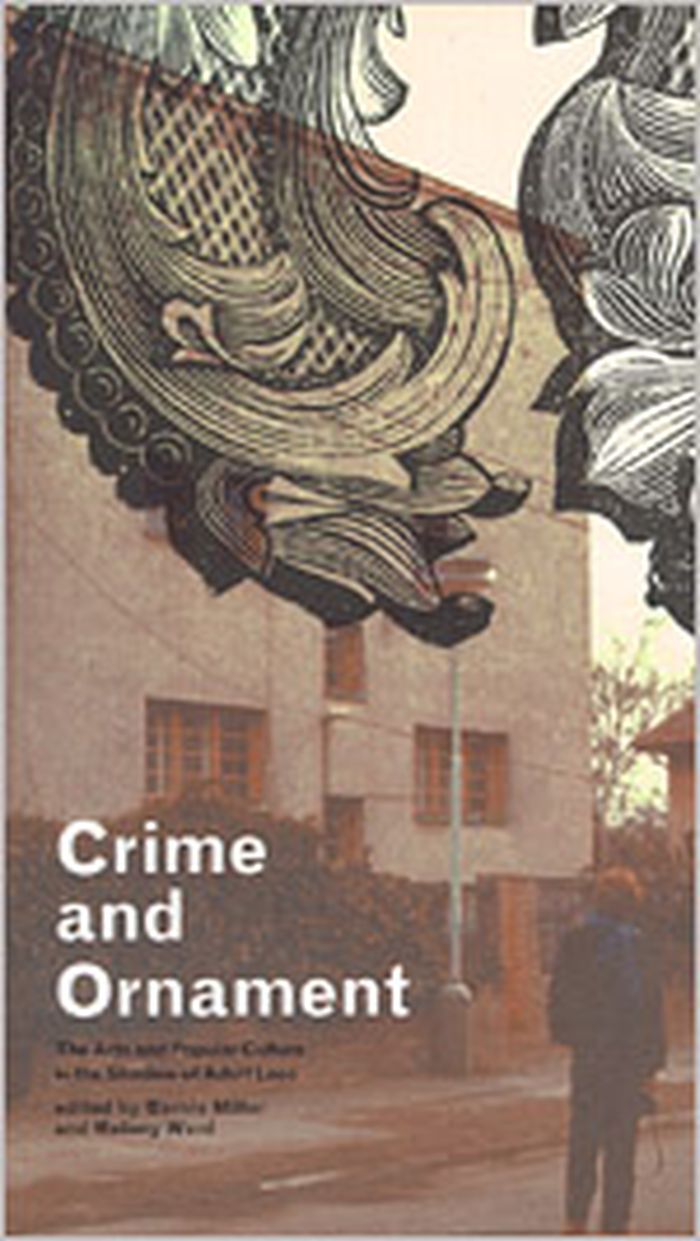
At the turn of the last century, Adolf Loos wrote: "The evolution of culture is synonymous with the removal of ornament from objects of daily use." Ornament had exhausted its purpose, and the persistence of it, Loos argued, was indicative of a degenerative culture. The simple, undecorated form was celebrated as a signal of the movement of modern man toward some truer, more powerful expression of his self. Debates about ornament have returned: recent thinking questions the assumption that ornament is inessential, and its artistic and political implications continue to be hotly debated. The writers in "Crime and Ornament" bring these debates together by addressing the role of ornament in a variety of disciplines: film, visual art, video, literature, fashion, sports, gay imagery and, of course, architecture are explored in relation to this key concept. With a distinguished group of contributors including Felicity Scott, Brian Pronger, Jeanne Randolph, Ignasi de Solà-Morales, Graham Ramsay, Katherine Milligan, Jan Zwicky, Jim Drobnick, "Crime and Ornament" provides a diverse, multi-disciplinary approach to a salient concern in architectural, artistic and aesthetic discourse.
Crime and ornament : the arts and popular culture in the shadow of Adolf Loos
Actions:
Prix:
$22.95
(disponible sur commande)
Résumé:
At the turn of the last century, Adolf Loos wrote: "The evolution of culture is synonymous with the removal of ornament from objects of daily use." Ornament had exhausted its purpose, and the persistence of it, Loos argued, was indicative of a degenerative culture. The simple, undecorated form was celebrated as a signal of the movement of modern man toward some truer, more powerful expression of his self. Debates about ornament have returned: recent thinking questions the assumption that ornament is inessential, and its artistic and political implications continue to be hotly debated. The writers in "Crime and Ornament" bring these debates together by addressing the role of ornament in a variety of disciplines: film, visual art, video, literature, fashion, sports, gay imagery and, of course, architecture are explored in relation to this key concept. With a distinguished group of contributors including Felicity Scott, Brian Pronger, Jeanne Randolph, Ignasi de Solà-Morales, Graham Ramsay, Katherine Milligan, Jan Zwicky, Jim Drobnick, "Crime and Ornament" provides a diverse, multi-disciplinary approach to a salient concern in architectural, artistic and aesthetic discourse.
Classification:
livres
livres
Publication:
janvier 1900, Toronto
janvier 1900, Toronto
Sujet:
Théorie de l’architecture
Théorie de l’architecture


