


1 Résultats
Classification:
livres
livres
Actions:
Prix:
$44.95
(disponible sur commande)
Résumé:
The Villa Tugendhat, designed by Mies van der Rohe in 1928, is an icon of architectural modernism and a UNESCO World Heritage site. This book tells the true story of the large family connected to it, who rose to prominence through industrial textile manufacturing. It traces the transformations in the life of the family, from their roots in a Jewish ghetto to part of the(...)
$44.95
(disponible sur commande)
Résumé:
The Villa Tugendhat, designed by Mies van der Rohe in 1928, is an icon of architectural modernism and a UNESCO World Heritage site. This book tells the true story of the large family connected to it, who rose to prominence through industrial textile manufacturing. It traces the transformations in the life of the family, from their roots in a Jewish ghetto to part of the(...)
Titre:
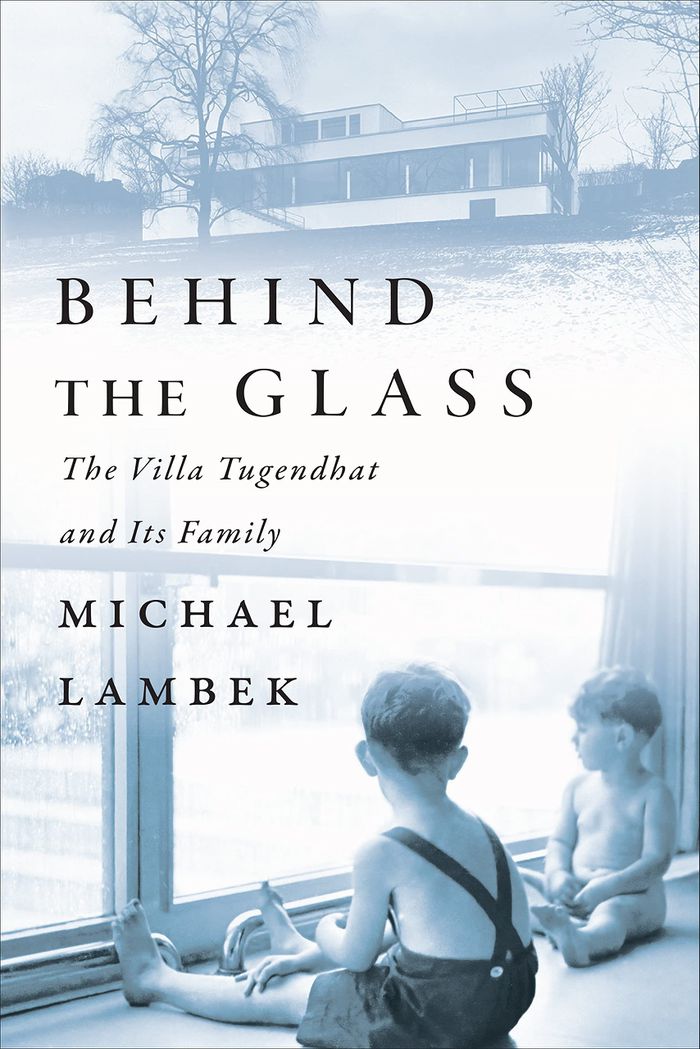
Behind the glass: The Villa Tugendhat and its family
Actions:
Prix:
$44.95
(disponible sur commande)
Résumé:
The Villa Tugendhat, designed by Mies van der Rohe in 1928, is an icon of architectural modernism and a UNESCO World Heritage site. This book tells the true story of the large family connected to it, who rose to prominence through industrial textile manufacturing. It traces the transformations in the life of the family, from their roots in a Jewish ghetto to part of the wealthy bourgeoisie in the Austro-Hungarian Empire to adaptation in interwar independent Czechoslovakia and flight in the face of Nazi invasion. Michael Lambek examines the generation born in the first decade of the twentieth century, especially Grete Tugendhat – Lambek’s maternal grandmother – who commissioned, inhabited, championed, and relinquished the distinctive modern house.The book also provides unpublished correspondence between Martin Heidegger and Ernst Tugendhat, Grete’s son, as well as a description of the impact of a 2017 family reunion.
Behind the glass: The Villa Tugendhat and its family
Actions:
Prix:
$44.95
(disponible sur commande)
Résumé:
The Villa Tugendhat, designed by Mies van der Rohe in 1928, is an icon of architectural modernism and a UNESCO World Heritage site. This book tells the true story of the large family connected to it, who rose to prominence through industrial textile manufacturing. It traces the transformations in the life of the family, from their roots in a Jewish ghetto to part of the wealthy bourgeoisie in the Austro-Hungarian Empire to adaptation in interwar independent Czechoslovakia and flight in the face of Nazi invasion. Michael Lambek examines the generation born in the first decade of the twentieth century, especially Grete Tugendhat – Lambek’s maternal grandmother – who commissioned, inhabited, championed, and relinquished the distinctive modern house.The book also provides unpublished correspondence between Martin Heidegger and Ernst Tugendhat, Grete’s son, as well as a description of the impact of a 2017 family reunion.
Classification:
livres
livres
Publication:
novembre 2022
novembre 2022
Sujet:
Théorie de l’architecture
Théorie de l’architecture


