


14 Résultats
Classification:
livres
livres
Actions:
Prix:
$68.95
(disponible en magasin)
Résumé:
As part of the 2019 Biennale d’architecture et de paysage in Versailles, France, MOS constructed Petite École, a small, open-air pavilion to house educational workshops for children. It is a place for looking and making, and for making and looking, constructed with 688 aluminum pieces modeled, flattened, cut, folded, prefabricated, shipped, and then assembled onsite. It(...)
$68.95
(disponible en magasin)
Résumé:
As part of the 2019 Biennale d’architecture et de paysage in Versailles, France, MOS constructed Petite École, a small, open-air pavilion to house educational workshops for children. It is a place for looking and making, and for making and looking, constructed with 688 aluminum pieces modeled, flattened, cut, folded, prefabricated, shipped, and then assembled onsite. It(...)
Publication:
mars 2023
mars 2023
Titre:
MOS: A book on making a Petite École
Actions:
Prix:
$68.95
(disponible en magasin)
Résumé:
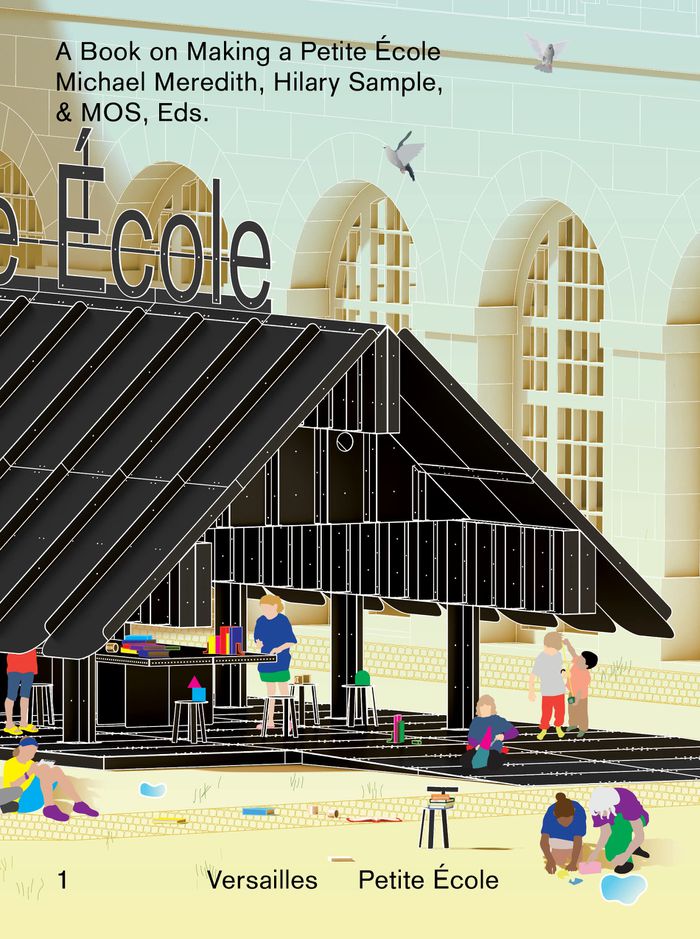
As part of the 2019 Biennale d’architecture et de paysage in Versailles, France, MOS constructed Petite École, a small, open-air pavilion to house educational workshops for children. It is a place for looking and making, and for making and looking, constructed with 688 aluminum pieces modeled, flattened, cut, folded, prefabricated, shipped, and then assembled onsite. It is made to be taken down and reassembled elsewhere. It is designed to be easily understood, made of simple building elements: a long, low roof with columns and stacked beams holding it up. Undertaken during various design workshops, single page design exercises written by architects were assembled into a large book and given to children. "A Book on Making a Petite École" features an expanded collection of these exercises. Each exercise includes playful illustrations of its steps, starting a conversation about how designers look at, think about, teach, and imagine the foundations of design.
MOS: A book on making a Petite École
Actions:
Prix:
$68.95
(disponible en magasin)
Résumé:
As part of the 2019 Biennale d’architecture et de paysage in Versailles, France, MOS constructed Petite École, a small, open-air pavilion to house educational workshops for children. It is a place for looking and making, and for making and looking, constructed with 688 aluminum pieces modeled, flattened, cut, folded, prefabricated, shipped, and then assembled onsite. It is made to be taken down and reassembled elsewhere. It is designed to be easily understood, made of simple building elements: a long, low roof with columns and stacked beams holding it up. Undertaken during various design workshops, single page design exercises written by architects were assembled into a large book and given to children. "A Book on Making a Petite École" features an expanded collection of these exercises. Each exercise includes playful illustrations of its steps, starting a conversation about how designers look at, think about, teach, and imagine the foundations of design.
Classification:
livres
livres
Publication:
mars 2023
mars 2023
Classification:
livres
livres
Prix:
$53.50
(disponible sur commande)
Résumé:
Beginning with material, this book revolves around physical material making and design decisions that emerge from material interaction. Combining essays from both practice and academia, this book presents some of the most significant projects and thoughts on materiality from the last decade. Beautifully illustrated with a great deal of technical information(...)
$53.50
(disponible sur commande)
Résumé:
Beginning with material, this book revolves around physical material making and design decisions that emerge from material interaction. Combining essays from both practice and academia, this book presents some of the most significant projects and thoughts on materiality from the last decade. Beautifully illustrated with a great deal of technical information(...)
Titre:
Matter: Material processes in architectural production
Actions:
Prix:
$53.50
(disponible sur commande)
Résumé:
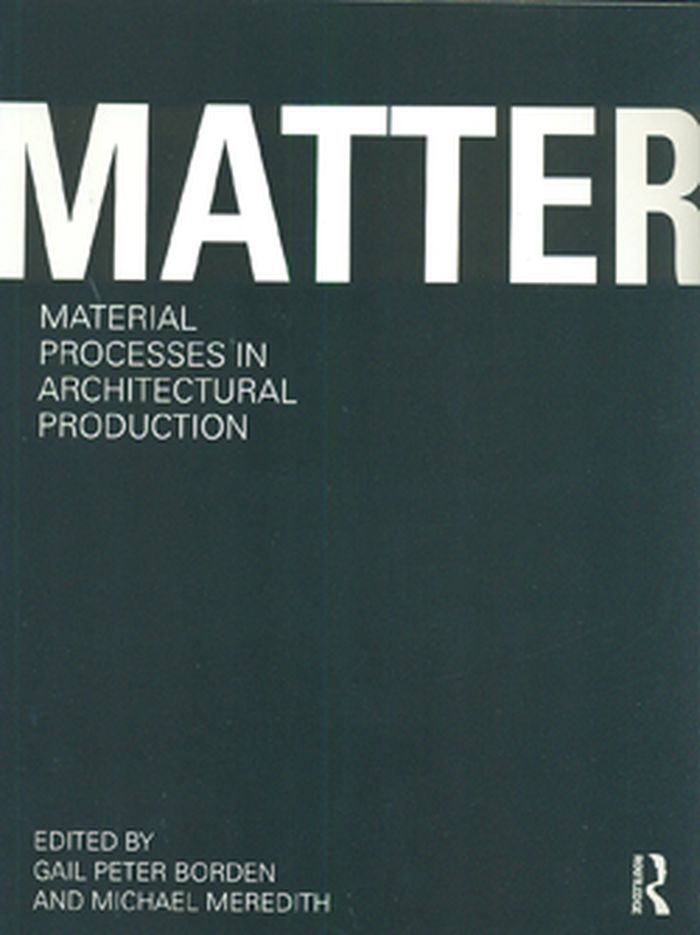
Beginning with material, this book revolves around physical material making and design decisions that emerge from material interaction. Combining essays from both practice and academia, this book presents some of the most significant projects and thoughts on materiality from the last decade. Beautifully illustrated with a great deal of technical information throughout, it shows work, technical technique and process, and positions it within a broader theoretical intention. By assembling a range of voices, here is a multifaceted portrait of material design today. Students and design professionals alike should find in this book an essential resource for understanding this increasingly important aspect of design.
Matter: Material processes in architectural production
Actions:
Prix:
$53.50
(disponible sur commande)
Résumé:
Beginning with material, this book revolves around physical material making and design decisions that emerge from material interaction. Combining essays from both practice and academia, this book presents some of the most significant projects and thoughts on materiality from the last decade. Beautifully illustrated with a great deal of technical information throughout, it shows work, technical technique and process, and positions it within a broader theoretical intention. By assembling a range of voices, here is a multifaceted portrait of material design today. Students and design professionals alike should find in this book an essential resource for understanding this increasingly important aspect of design.
Classification:
livres
livres
Publication:
août 2011
août 2011
Sujet:
Matériaux et éclairage
Matériaux et éclairage
Classification:
livres
livres
Actions:
Prix:
$28.95
(disponible sur commande)
Résumé:
An exploration into media and architecture, Everything All at Once features the experimental work of the New York City-based studio MOS. By exchanging plans and sections for software and film, the firm moves beyond the static forms of traditional architectural discourse and exposes a working technique that is inventive, playful and primitive. In this vibrant publication,(...)
$28.95
(disponible sur commande)
Résumé:
An exploration into media and architecture, Everything All at Once features the experimental work of the New York City-based studio MOS. By exchanging plans and sections for software and film, the firm moves beyond the static forms of traditional architectural discourse and exposes a working technique that is inventive, playful and primitive. In this vibrant publication,(...)
Titre:
Everything all at once : the software, videos and architecture of MOS, Michael Meredith and Hilary Sample
Actions:
Prix:
$28.95
(disponible sur commande)
Résumé:
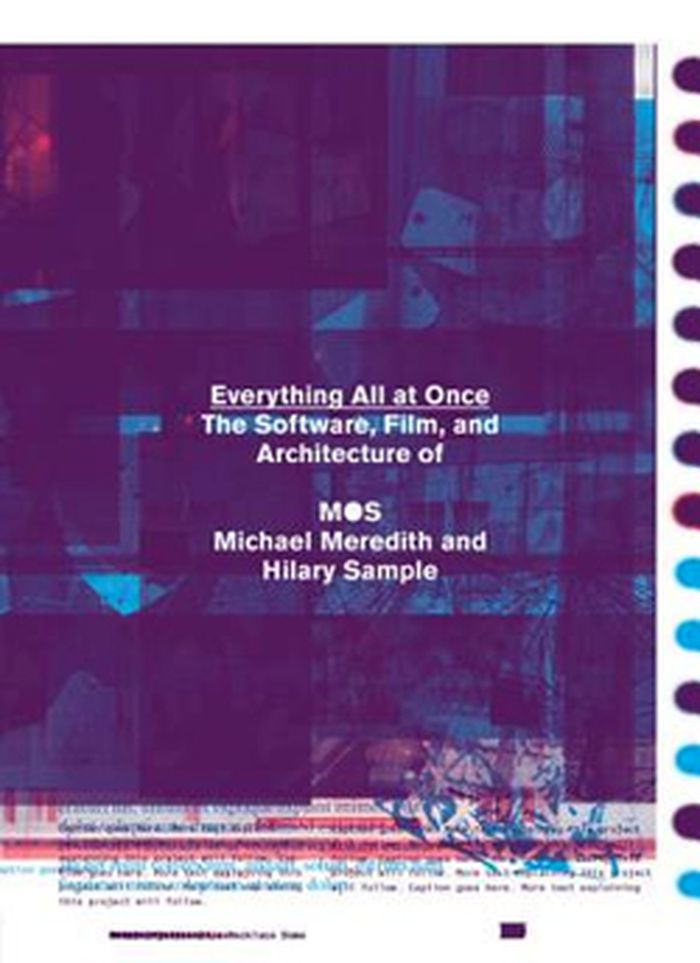
An exploration into media and architecture, Everything All at Once features the experimental work of the New York City-based studio MOS. By exchanging plans and sections for software and film, the firm moves beyond the static forms of traditional architectural discourse and exposes a working technique that is inventive, playful and primitive. In this vibrant publication, partners Michael Meredith and Hilary Sample weave together a visual narrative of computation, representation and design. Showcasing over twenty five projects on screen and in built form, including the acclaimed thatch covered structures from the 2009 PS1 After Party and the mylar weather balloon installation at the 2010 Venice Biennale, the book provides a unique look at the process of one of the most innovative firms at work today.
Everything all at once : the software, videos and architecture of MOS, Michael Meredith and Hilary Sample
Actions:
Prix:
$28.95
(disponible sur commande)
Résumé:
An exploration into media and architecture, Everything All at Once features the experimental work of the New York City-based studio MOS. By exchanging plans and sections for software and film, the firm moves beyond the static forms of traditional architectural discourse and exposes a working technique that is inventive, playful and primitive. In this vibrant publication, partners Michael Meredith and Hilary Sample weave together a visual narrative of computation, representation and design. Showcasing over twenty five projects on screen and in built form, including the acclaimed thatch covered structures from the 2009 PS1 After Party and the mylar weather balloon installation at the 2010 Venice Biennale, the book provides a unique look at the process of one of the most innovative firms at work today.
Classification:
livres
livres
Publication:
août 2012
août 2012
Sujet:
Architecture, monographies
Architecture, monographies
Classification:
livres
livres
Titre:
MOS: selected works
MOS: selected works
Actions:
Prix:
$58.00
(disponible sur commande)
Résumé:
Their work has been described as experimental and innovative, qualities front-and-center in their previous collection Everything All at Once. In just ten years, Michael Meredith and Hilary Sample have established MOS as one of the leading young architecture practices in the country. Selected Works, the first monograph on the built work of the New York–based firm, follows(...)
$58.00
(disponible sur commande)
Résumé:
Their work has been described as experimental and innovative, qualities front-and-center in their previous collection Everything All at Once. In just ten years, Michael Meredith and Hilary Sample have established MOS as one of the leading young architecture practices in the country. Selected Works, the first monograph on the built work of the New York–based firm, follows(...)
Titre:
MOS: selected works
Actions:
Prix:
$58.00
(disponible sur commande)
Résumé:
Their work has been described as experimental and innovative, qualities front-and-center in their previous collection Everything All at Once. In just ten years, Michael Meredith and Hilary Sample have established MOS as one of the leading young architecture practices in the country. Selected Works, the first monograph on the built work of the New York–based firm, follows the design studio's evolution from their earliest works to their most celebrated houses and institutional buildings. The thirty-two projects featured range from the sophisticated to the absurd—from the serene Floating House in Ontario, Canada, and the sustainable Kathmandu Orphanage in Nepal to the playful puppet theater at Harvard's Carpenter Center and the appropriately named Rainbow Vomit installation in New York, a digital, interactive, computational heap of building blocks in a constant state of near collapse. The collection also includes a selection of the couple's unorthodox writings, including their satirical "Office Policy" employee manual.
MOS: selected works
Actions:
Prix:
$58.00
(disponible sur commande)
Résumé:
Their work has been described as experimental and innovative, qualities front-and-center in their previous collection Everything All at Once. In just ten years, Michael Meredith and Hilary Sample have established MOS as one of the leading young architecture practices in the country. Selected Works, the first monograph on the built work of the New York–based firm, follows the design studio's evolution from their earliest works to their most celebrated houses and institutional buildings. The thirty-two projects featured range from the sophisticated to the absurd—from the serene Floating House in Ontario, Canada, and the sustainable Kathmandu Orphanage in Nepal to the playful puppet theater at Harvard's Carpenter Center and the appropriately named Rainbow Vomit installation in New York, a digital, interactive, computational heap of building blocks in a constant state of near collapse. The collection also includes a selection of the couple's unorthodox writings, including their satirical "Office Policy" employee manual.
Classification:
livres
livres
Publication:
janvier 2015
janvier 2015
Sujet:
Architecture, monographies
Architecture, monographies


