


2 Résultats
Classification:
livres
livres
Titre:
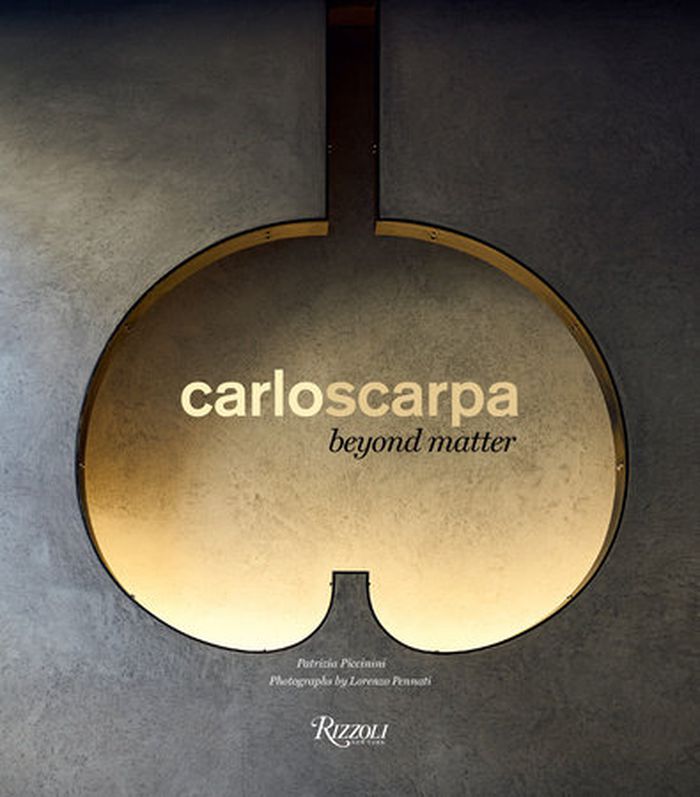
Carlo Scarpa: Beyond matter
Carlo Scarpa: Beyond matter
Actions:
Prix:
$75.00
(disponible sur commande)
Résumé:
Carlo Scarpa was one of the great masters of postwar Italian architecture. This book proposes a photographic itinerary that unfurls through Venice, Treviso, Verona and Bologna, before reaching the Dolomites. The projects featured in the book alternate between overviews and close-ups. They are all briefly introduced by a text that describes their genesis, explains the(...)
$75.00
(disponible sur commande)
Résumé:
Carlo Scarpa was one of the great masters of postwar Italian architecture. This book proposes a photographic itinerary that unfurls through Venice, Treviso, Verona and Bologna, before reaching the Dolomites. The projects featured in the book alternate between overviews and close-ups. They are all briefly introduced by a text that describes their genesis, explains the(...)
Titre:
Carlo Scarpa: Beyond matter
Actions:
Prix:
$75.00
(disponible sur commande)
Résumé:
Carlo Scarpa was one of the great masters of postwar Italian architecture. This book proposes a photographic itinerary that unfurls through Venice, Treviso, Verona and Bologna, before reaching the Dolomites. The projects featured in the book alternate between overviews and close-ups. They are all briefly introduced by a text that describes their genesis, explains the context in which they were made and focuses on the details that best represent Scarpa's style, with a summary and clear key to understanding the architect's work.
Carlo Scarpa: Beyond matter
Actions:
Prix:
$75.00
(disponible sur commande)
Résumé:
Carlo Scarpa was one of the great masters of postwar Italian architecture. This book proposes a photographic itinerary that unfurls through Venice, Treviso, Verona and Bologna, before reaching the Dolomites. The projects featured in the book alternate between overviews and close-ups. They are all briefly introduced by a text that describes their genesis, explains the context in which they were made and focuses on the details that best represent Scarpa's style, with a summary and clear key to understanding the architect's work.
Classification:
livres
livres
Publication:
mars 2021
mars 2021
Sujet:
Architecture, monographies
Architecture, monographies
Classification:
livres
livres
Prix:
$90.00
(disponible sur commande)
Résumé:
This volume is dedicated to Piero Portaluppi (1888-1967), a significant and recently rediscovered figure of Italian twentieth-century architecture. Long neglected by critics, his work has been revisited and rightly reappraised thanks to the opening of Villa Necchi in Milan to the public. The book traces Portaluppi’s work through three design typologies: living spaces,(...)
$90.00
(disponible sur commande)
Résumé:
This volume is dedicated to Piero Portaluppi (1888-1967), a significant and recently rediscovered figure of Italian twentieth-century architecture. Long neglected by critics, his work has been revisited and rightly reappraised thanks to the opening of Villa Necchi in Milan to the public. The book traces Portaluppi’s work through three design typologies: living spaces,(...)
Titre:
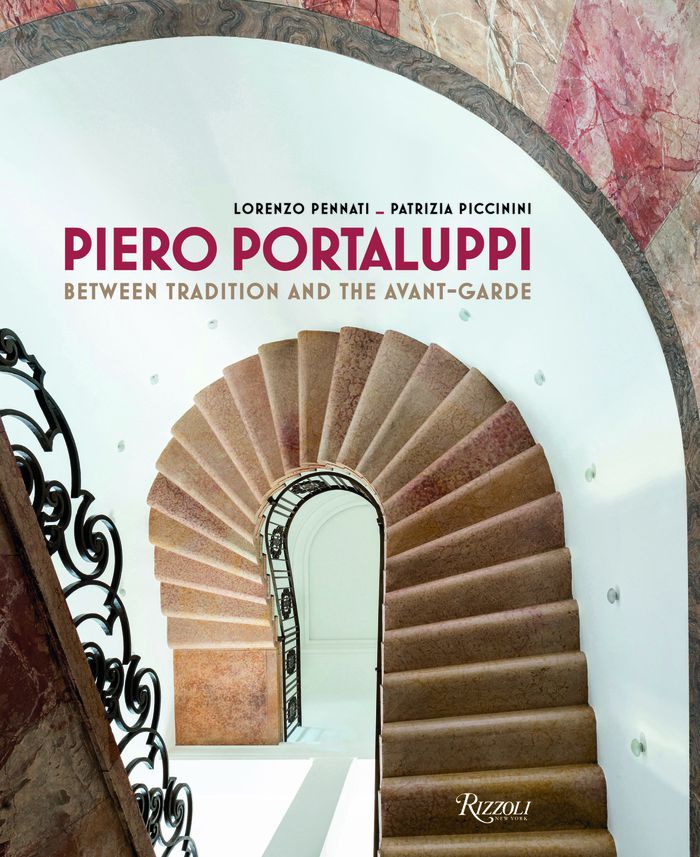
Piero Portaluppi: Between tradition and the avant-garde
Actions:
Prix:
$90.00
(disponible sur commande)
Résumé:
This volume is dedicated to Piero Portaluppi (1888-1967), a significant and recently rediscovered figure of Italian twentieth-century architecture. Long neglected by critics, his work has been revisited and rightly reappraised thanks to the opening of Villa Necchi in Milan to the public. The book traces Portaluppi’s work through three design typologies: living spaces, the aesthetics of industrial structures and public places. Notable examples of the industrial spaces include the power plants that Portalupi lovingly constructed from 1910 to 1930, real architectural gems with an eclectic taste.
Piero Portaluppi: Between tradition and the avant-garde
Actions:
Prix:
$90.00
(disponible sur commande)
Résumé:
This volume is dedicated to Piero Portaluppi (1888-1967), a significant and recently rediscovered figure of Italian twentieth-century architecture. Long neglected by critics, his work has been revisited and rightly reappraised thanks to the opening of Villa Necchi in Milan to the public. The book traces Portaluppi’s work through three design typologies: living spaces, the aesthetics of industrial structures and public places. Notable examples of the industrial spaces include the power plants that Portalupi lovingly constructed from 1910 to 1930, real architectural gems with an eclectic taste.
Classification:
livres
livres
Publication:
mars 2022
mars 2022
Sujet:
Architecture, monographies
Architecture, monographies


