


14 Résultats
Classification:
livres
livres
Actions:
Prix:
$47.00
(disponible sur commande)
Résumé:
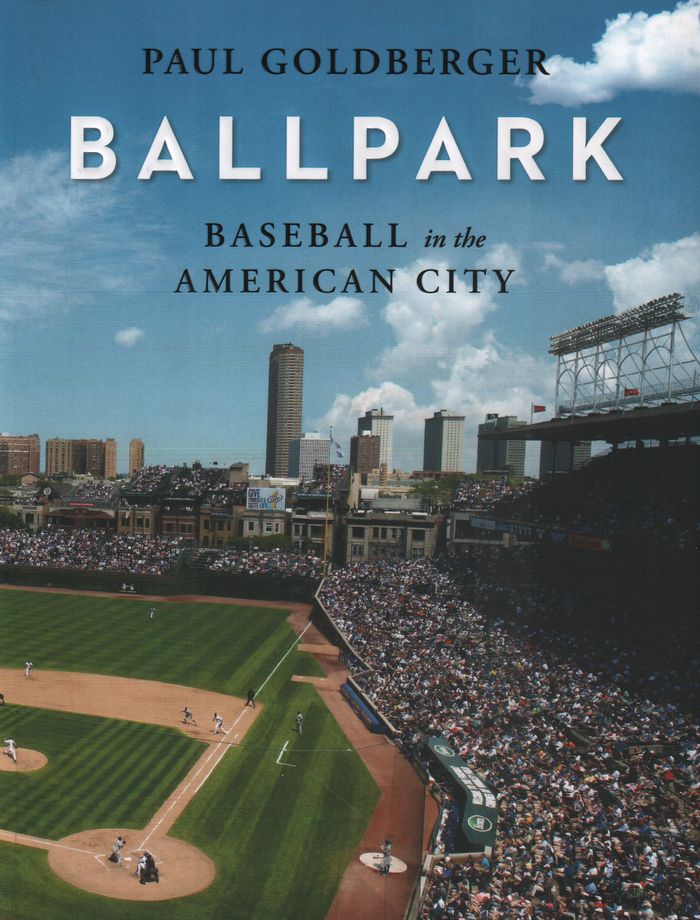
A new look at the history of baseball, told through the stories of the vibrant and ever-changing ballparks where the game was and is staged. In the changing locations and architecture of our ballparks, architectural critic Paul Goldberger reveals the manifestations of a changing society.
$47.00
(disponible sur commande)
Résumé:
A new look at the history of baseball, told through the stories of the vibrant and ever-changing ballparks where the game was and is staged. In the changing locations and architecture of our ballparks, architectural critic Paul Goldberger reveals the manifestations of a changing society.
Titre:
Ballpark: baseball in the American city
Actions:
Prix:
$47.00
(disponible sur commande)
Résumé:
A new look at the history of baseball, told through the stories of the vibrant and ever-changing ballparks where the game was and is staged. In the changing locations and architecture of our ballparks, architectural critic Paul Goldberger reveals the manifestations of a changing society.
Ballpark: baseball in the American city
Actions:
Prix:
$47.00
(disponible sur commande)
Résumé:
A new look at the history of baseball, told through the stories of the vibrant and ever-changing ballparks where the game was and is staged. In the changing locations and architecture of our ballparks, architectural critic Paul Goldberger reveals the manifestations of a changing society.
Classification:
livres
livres
Publication:
mai 2019
mai 2019
Classification:
livres
livres
Titre:
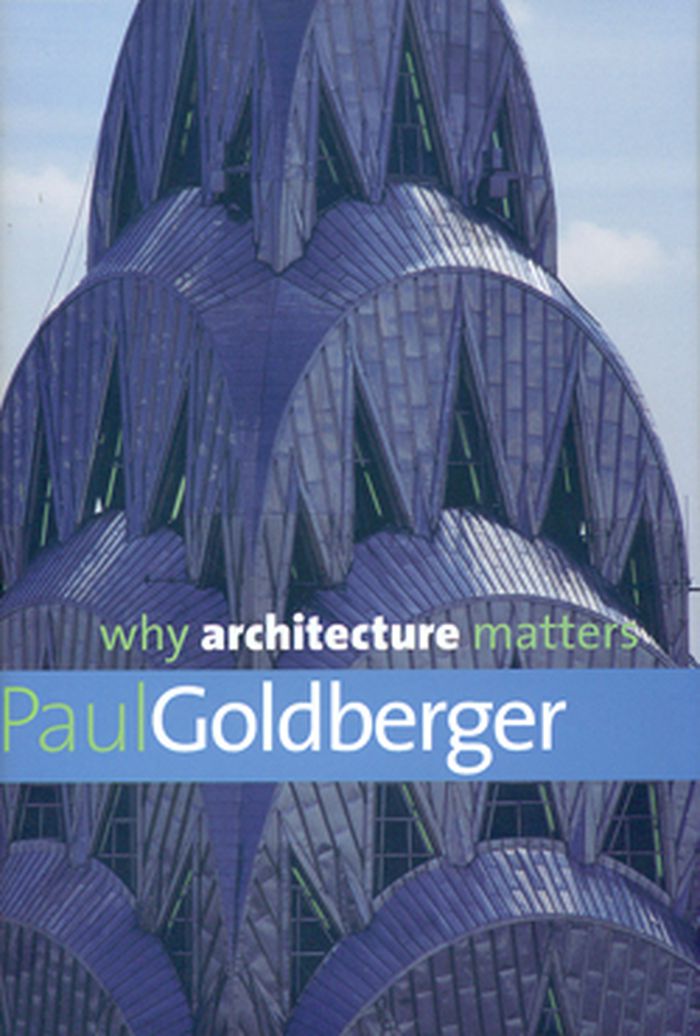
Why architecture matters
Why architecture matters
Actions:
Prix:
$28.99
(disponible sur commande)
Résumé:
This book is not a work of architectural history or a guide to the styles or an architectural dictionary, though it contains elements of all three. The purpose of this book is to 'come to grips with how things feel to us when we stand before them, with how architecture affects us emotionally as well as intellectually' - with its impact on our lives. 'Architecture begins(...)
$28.99
(disponible sur commande)
Résumé:
This book is not a work of architectural history or a guide to the styles or an architectural dictionary, though it contains elements of all three. The purpose of this book is to 'come to grips with how things feel to us when we stand before them, with how architecture affects us emotionally as well as intellectually' - with its impact on our lives. 'Architecture begins(...)
Titre:
Why architecture matters
Actions:
Prix:
$28.99
(disponible sur commande)
Résumé:
This book is not a work of architectural history or a guide to the styles or an architectural dictionary, though it contains elements of all three. The purpose of this book is to 'come to grips with how things feel to us when we stand before them, with how architecture affects us emotionally as well as intellectually' - with its impact on our lives. 'Architecture begins to matter', writes Paul Goldberger, 'when it brings delight and sadness and perplexity and awe along with a roof over our heads'.
Why architecture matters
Actions:
Prix:
$28.99
(disponible sur commande)
Résumé:
This book is not a work of architectural history or a guide to the styles or an architectural dictionary, though it contains elements of all three. The purpose of this book is to 'come to grips with how things feel to us when we stand before them, with how architecture affects us emotionally as well as intellectually' - with its impact on our lives. 'Architecture begins to matter', writes Paul Goldberger, 'when it brings delight and sadness and perplexity and awe along with a roof over our heads'.
Classification:
livres
livres
Publication:
novembre 2009
novembre 2009
Sujet:
Théorie de l’architecture
Théorie de l’architecture
Classification:
livres
livres
Actions:
Prix:
$40.00
(disponible sur commande)
Résumé:
Pulitzer Prize–winning critic Paul Goldberger’s tenure at The New Yorker has documented a captivating era in the world of architecture, one in which larger-than-life buildings, urban schemes, historic preservation battles, and personalities have commanded an international stage. Goldberger’s keen observations and sharp wit make him one of the most insightful and(...)
$40.00
(disponible sur commande)
Résumé:
Pulitzer Prize–winning critic Paul Goldberger’s tenure at The New Yorker has documented a captivating era in the world of architecture, one in which larger-than-life buildings, urban schemes, historic preservation battles, and personalities have commanded an international stage. Goldberger’s keen observations and sharp wit make him one of the most insightful and(...)
Titre:
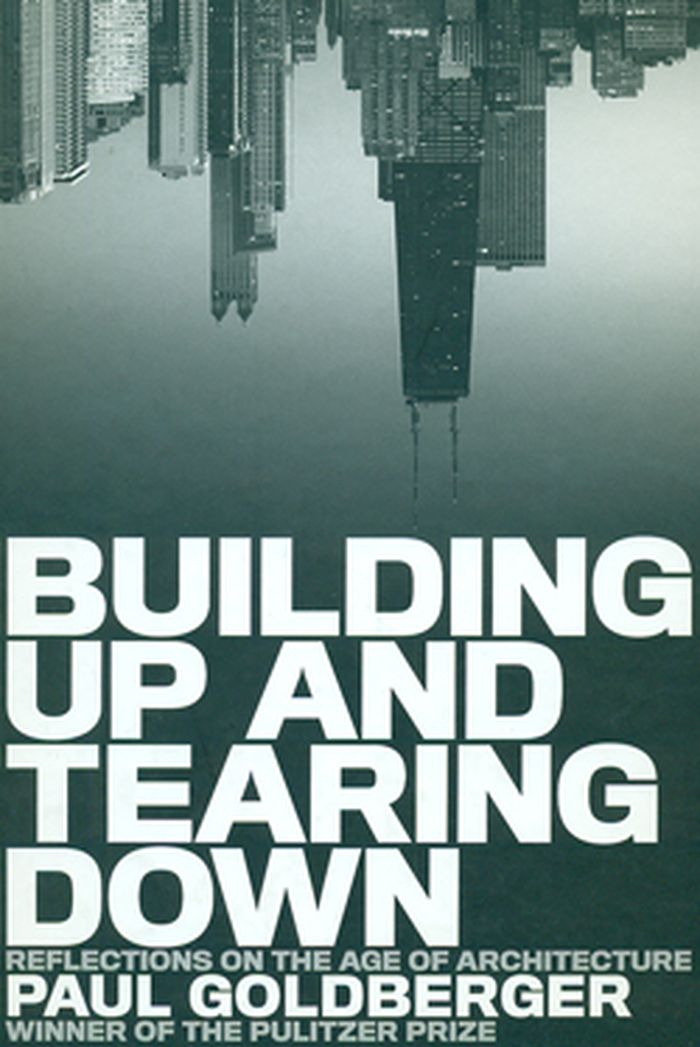
Building up and tearing down: reflections on the age of architecture
Actions:
Prix:
$40.00
(disponible sur commande)
Résumé:
Pulitzer Prize–winning critic Paul Goldberger’s tenure at The New Yorker has documented a captivating era in the world of architecture, one in which larger-than-life buildings, urban schemes, historic preservation battles, and personalities have commanded an international stage. Goldberger’s keen observations and sharp wit make him one of the most insightful and passionate architectural voices of our time. In this collection of fifty-seven essays, the critic Tracy Kidder called “America’s foremost interpreter of public architecture” ranges from Havana to Beijing, from Chicago to Las Vegas, dissecting everything from skyscrapers by Norman Foster and museums by Tadao Ando to airports, monuments, suburban shopping malls, and white-brick apartment houses. This is a comprehensive account of the best—and the worst—of the “age of architecture.”
Building up and tearing down: reflections on the age of architecture
Actions:
Prix:
$40.00
(disponible sur commande)
Résumé:
Pulitzer Prize–winning critic Paul Goldberger’s tenure at The New Yorker has documented a captivating era in the world of architecture, one in which larger-than-life buildings, urban schemes, historic preservation battles, and personalities have commanded an international stage. Goldberger’s keen observations and sharp wit make him one of the most insightful and passionate architectural voices of our time. In this collection of fifty-seven essays, the critic Tracy Kidder called “America’s foremost interpreter of public architecture” ranges from Havana to Beijing, from Chicago to Las Vegas, dissecting everything from skyscrapers by Norman Foster and museums by Tadao Ando to airports, monuments, suburban shopping malls, and white-brick apartment houses. This is a comprehensive account of the best—and the worst—of the “age of architecture.”
Classification:
livres
livres
Publication:
octobre 2009
octobre 2009
Sujet:
Théorie de l’architecture
Théorie de l’architecture
Classification:
livres
livres
Actions:
Prix:
$45.00
(disponible sur commande)
Résumé:
Building Art shows the full range of Gehry’s work, from early houses constructed of plywood and chain-link fencing to lamps made in the shape of fish to the triumphant success of such late projects as the spectacular art museum of glass in Paris. It tells the story behind Gehry’s own house, which upset his neighbors and excited the world with its mix of the traditional(...)
$45.00
(disponible sur commande)
Résumé:
Building Art shows the full range of Gehry’s work, from early houses constructed of plywood and chain-link fencing to lamps made in the shape of fish to the triumphant success of such late projects as the spectacular art museum of glass in Paris. It tells the story behind Gehry’s own house, which upset his neighbors and excited the world with its mix of the traditional(...)
Titre:
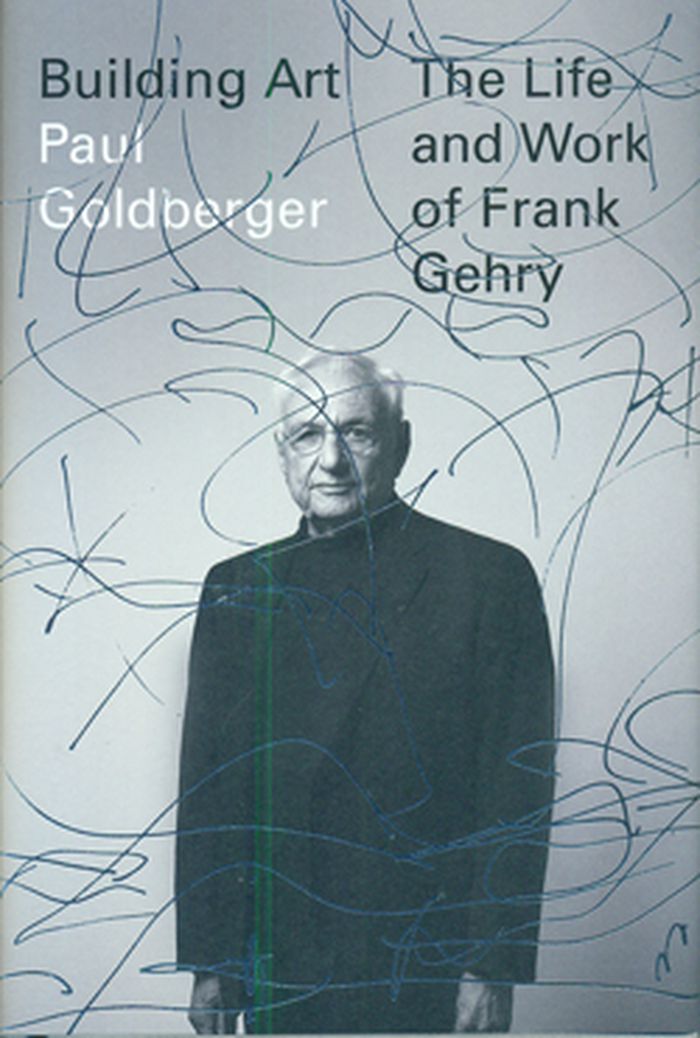
Building art: the life and work of Frank Gehry
Actions:
Prix:
$45.00
(disponible sur commande)
Résumé:
Building Art shows the full range of Gehry’s work, from early houses constructed of plywood and chain-link fencing to lamps made in the shape of fish to the triumphant success of such late projects as the spectacular art museum of glass in Paris. It tells the story behind Gehry’s own house, which upset his neighbors and excited the world with its mix of the traditional and the extraordinary, and recounts how Gehry came to design the Guggenheim Museum in Bilbao, Spain, his remarkable structure of swirling titanium that changed a declining city into a destination spot.
Building art: the life and work of Frank Gehry
Actions:
Prix:
$45.00
(disponible sur commande)
Résumé:
Building Art shows the full range of Gehry’s work, from early houses constructed of plywood and chain-link fencing to lamps made in the shape of fish to the triumphant success of such late projects as the spectacular art museum of glass in Paris. It tells the story behind Gehry’s own house, which upset his neighbors and excited the world with its mix of the traditional and the extraordinary, and recounts how Gehry came to design the Guggenheim Museum in Bilbao, Spain, his remarkable structure of swirling titanium that changed a declining city into a destination spot.
Classification:
livres
livres
Publication:
septembre 2015
septembre 2015
Sujet:
Architecture, monographies
Architecture, monographies


