


3 Résultats
Classification:
livres
livres
Prix:
$41.99
(disponible en magasin)
Résumé:
Americans spend, on average, 90 percent of their lives indoors, with two-thirds of that time spent in their homes. Globally, the construction and maintenance of residential buildings account for a staggering portion of carbon emissions. In this timely and fascinating work, architect and urban-planning scholar Stefan Al deftly weaves together archaeology, engineering,(...)
$41.99
(disponible en magasin)
Résumé:
Americans spend, on average, 90 percent of their lives indoors, with two-thirds of that time spent in their homes. Globally, the construction and maintenance of residential buildings account for a staggering portion of carbon emissions. In this timely and fascinating work, architect and urban-planning scholar Stefan Al deftly weaves together archaeology, engineering,(...)
Titre:
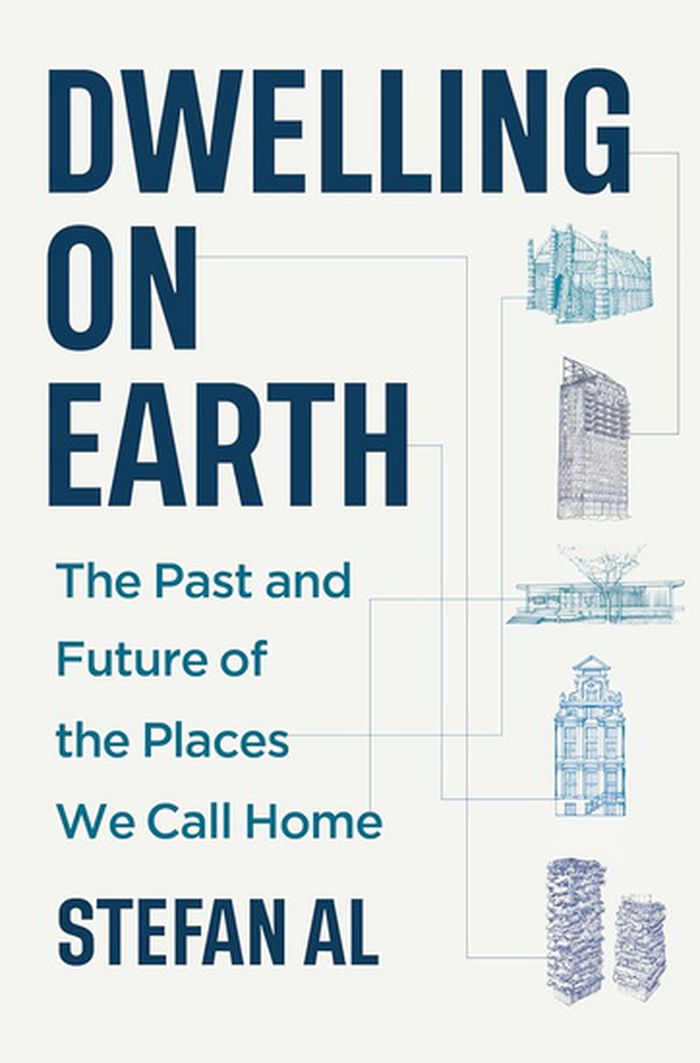
Dwelling on Earth: the past and future of the places we call home
Actions:
Prix:
$41.99
(disponible en magasin)
Résumé:
Americans spend, on average, 90 percent of their lives indoors, with two-thirds of that time spent in their homes. Globally, the construction and maintenance of residential buildings account for a staggering portion of carbon emissions. In this timely and fascinating work, architect and urban-planning scholar Stefan Al deftly weaves together archaeology, engineering, social history, and environmental science to explain how our homes have developed through the ages and in turn shaped civilization and the planet itself. From tiny pit-houses in the Levant and Mesoamerica thousands of years ago to soaring skyscrapers in Dubai, New York, and Shanghai today, ''Dwelling on Earth'' takes readers on a swift and absorbing tour of the evolution of human habitation. Whisking readers from ancient Pompeii to contemporary Hong Kong, industrial-age Liverpool to postwar Levittown, Al shows how our choices in housing have both reflected and affected ideas about gender roles, privacy, and comfort. Discover how seemingly mundane elements—like door-knockers and corridors—have altered everyday interactions, and how material choices have remade the planet's surface. He also confronts the darker side of domesticity, exposing the unintended consequences of our architectural choices across millennia, including smoke-filled Neolithic dwellings, deadly fires in crowded Roman apartment buildings, and worsening social isolation in car-dependent suburbs. Finally, he examines the myths and reality of future housing, including 3D-printed homes and space architecture built by robots.
Dwelling on Earth: the past and future of the places we call home
Actions:
Prix:
$41.99
(disponible en magasin)
Résumé:
Americans spend, on average, 90 percent of their lives indoors, with two-thirds of that time spent in their homes. Globally, the construction and maintenance of residential buildings account for a staggering portion of carbon emissions. In this timely and fascinating work, architect and urban-planning scholar Stefan Al deftly weaves together archaeology, engineering, social history, and environmental science to explain how our homes have developed through the ages and in turn shaped civilization and the planet itself. From tiny pit-houses in the Levant and Mesoamerica thousands of years ago to soaring skyscrapers in Dubai, New York, and Shanghai today, ''Dwelling on Earth'' takes readers on a swift and absorbing tour of the evolution of human habitation. Whisking readers from ancient Pompeii to contemporary Hong Kong, industrial-age Liverpool to postwar Levittown, Al shows how our choices in housing have both reflected and affected ideas about gender roles, privacy, and comfort. Discover how seemingly mundane elements—like door-knockers and corridors—have altered everyday interactions, and how material choices have remade the planet's surface. He also confronts the darker side of domesticity, exposing the unintended consequences of our architectural choices across millennia, including smoke-filled Neolithic dwellings, deadly fires in crowded Roman apartment buildings, and worsening social isolation in car-dependent suburbs. Finally, he examines the myths and reality of future housing, including 3D-printed homes and space architecture built by robots.
Classification:
livres
livres
Publication:
avril 2026
avril 2026
Sujet:
Social
Social
Classification:
livres
livres
Titre:
The Strip
The Strip
Actions:
Prix:
$46.95
(disponible sur commande)
Résumé:
The Las Vegas Strip has impersonated the Wild West, with saloon doors and wagon wheels; it has decked itself out in midcentury modern sleekness. It has illuminated itself with twenty-story-high neon signs, then junked them. After that came Disney-like theme parks featuring castles and pirates, followed by replicas of Venetian canals, New York skyscrapers, and the Eiffel(...)
$46.95
(disponible sur commande)
Résumé:
The Las Vegas Strip has impersonated the Wild West, with saloon doors and wagon wheels; it has decked itself out in midcentury modern sleekness. It has illuminated itself with twenty-story-high neon signs, then junked them. After that came Disney-like theme parks featuring castles and pirates, followed by replicas of Venetian canals, New York skyscrapers, and the Eiffel(...)
Titre:
The Strip
Actions:
Prix:
$46.95
(disponible sur commande)
Résumé:
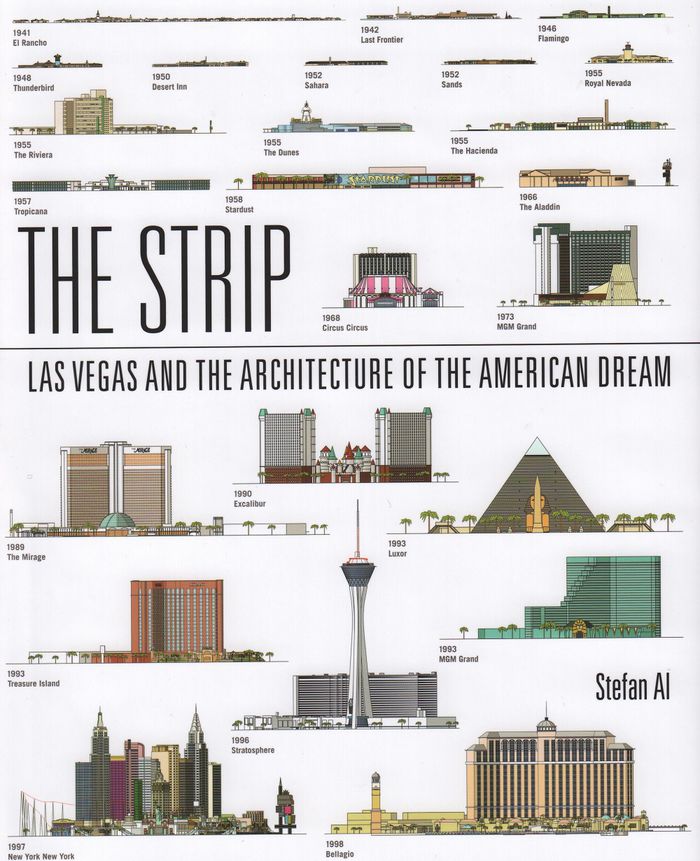
The Las Vegas Strip has impersonated the Wild West, with saloon doors and wagon wheels; it has decked itself out in midcentury modern sleekness. It has illuminated itself with twenty-story-high neon signs, then junked them. After that came Disney-like theme parks featuring castles and pirates, followed by replicas of Venetian canals, New York skyscrapers, and the Eiffel Tower. (It might be noted that forty-two million people visited Las Vegas in 2015—ten million more than visited the real Paris.) More recently, the Strip decided to get classy, with casinos designed by famous architects and zillion-dollar collections of art. Las Vegas became the “implosion capital of the world” as developers, driven by competition, got rid of the old to make way for the new—offering a non-metaphorical definition of “creative destruction.” In "The StripW, Stefan Al examines the many transformations of the Las Vegas Strip, arguing that they mirror transformations in America itself. The Strip is not, as popularly supposed, a display of architectural freaks but representative of architectural trends and a record of social, cultural, and economic change.
The Strip
Actions:
Prix:
$46.95
(disponible sur commande)
Résumé:
The Las Vegas Strip has impersonated the Wild West, with saloon doors and wagon wheels; it has decked itself out in midcentury modern sleekness. It has illuminated itself with twenty-story-high neon signs, then junked them. After that came Disney-like theme parks featuring castles and pirates, followed by replicas of Venetian canals, New York skyscrapers, and the Eiffel Tower. (It might be noted that forty-two million people visited Las Vegas in 2015—ten million more than visited the real Paris.) More recently, the Strip decided to get classy, with casinos designed by famous architects and zillion-dollar collections of art. Las Vegas became the “implosion capital of the world” as developers, driven by competition, got rid of the old to make way for the new—offering a non-metaphorical definition of “creative destruction.” In "The StripW, Stefan Al examines the many transformations of the Las Vegas Strip, arguing that they mirror transformations in America itself. The Strip is not, as popularly supposed, a display of architectural freaks but representative of architectural trends and a record of social, cultural, and economic change.
Classification:
livres
livres
Publication:
mars 2017
mars 2017
Sujet:
Théorie de l’urbanisme
Théorie de l’urbanisme
Classification:
livres
livres
Prix:
$25.00
(disponible sur commande)
Résumé:
Most consumer products come primarily from the Pearl River Delta, the "factory of the world" with the largest industrial region on earth. The delta has attracted millions of poor rural residents to settle in factory towns in hopes for a better life. Factory Towns of South China opens a window on these walled compounds, exposing the gritty establishments, crowded(...)
$25.00
(disponible sur commande)
Résumé:
Most consumer products come primarily from the Pearl River Delta, the "factory of the world" with the largest industrial region on earth. The delta has attracted millions of poor rural residents to settle in factory towns in hopes for a better life. Factory Towns of South China opens a window on these walled compounds, exposing the gritty establishments, crowded(...)
Titre:
Factory towns of South China: an illustrated guidebook
Actions:
Prix:
$25.00
(disponible sur commande)
Résumé:
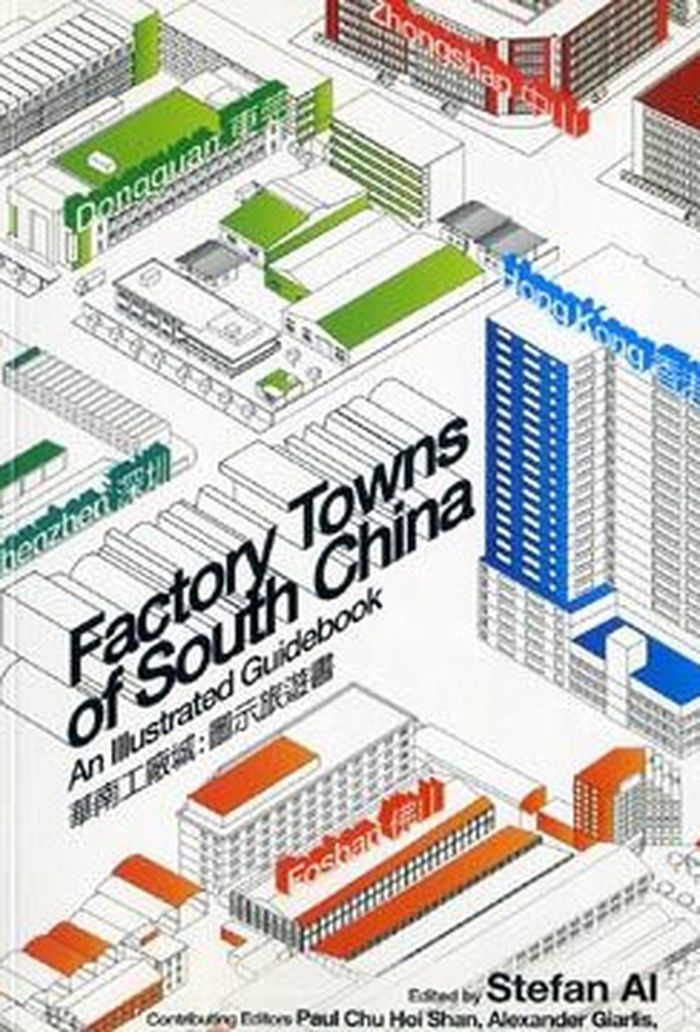
Most consumer products come primarily from the Pearl River Delta, the "factory of the world" with the largest industrial region on earth. The delta has attracted millions of poor rural residents to settle in factory towns in hopes for a better life. Factory Towns of South China opens a window on these walled compounds, exposing the gritty establishments, crowded dormitories and monotonous labor carried out by workers. Some function as self-contained cities, with their own fire brigade, hospital, bank, TV station and as many as half a million workers living within the compounds. Other factories are scattered in larger villages to mask their existence and evade governmental crackdowns on the production of fake consumer goods and illegal casino machines.
Factory towns of South China: an illustrated guidebook
Actions:
Prix:
$25.00
(disponible sur commande)
Résumé:
Most consumer products come primarily from the Pearl River Delta, the "factory of the world" with the largest industrial region on earth. The delta has attracted millions of poor rural residents to settle in factory towns in hopes for a better life. Factory Towns of South China opens a window on these walled compounds, exposing the gritty establishments, crowded dormitories and monotonous labor carried out by workers. Some function as self-contained cities, with their own fire brigade, hospital, bank, TV station and as many as half a million workers living within the compounds. Other factories are scattered in larger villages to mask their existence and evade governmental crackdowns on the production of fake consumer goods and illegal casino machines.
Classification:
livres
livres
Publication:
septembre 2012
septembre 2012
Sujet:
Logements collectifs
Logements collectifs


