


168 Résultats
Classification:
livres
livres
Prix:
$82.50
(disponible sur commande)
Résumé:
This is at once a compendium for designers and an essay on the architecture of Bali. Landscape and architectural designer Made Wijaya draws on his photographic archives, compiled over the past thirty years, to present a visual study of Balinese architecture: its origins, elements, variations, and vagaries.
$82.50
(disponible sur commande)
Résumé:
This is at once a compendium for designers and an essay on the architecture of Bali. Landscape and architectural designer Made Wijaya draws on his photographic archives, compiled over the past thirty years, to present a visual study of Balinese architecture: its origins, elements, variations, and vagaries.
Titre:
Architecture of Bali : source book of traditional and modern forms
Actions:
Prix:
$82.50
(disponible sur commande)
Résumé:
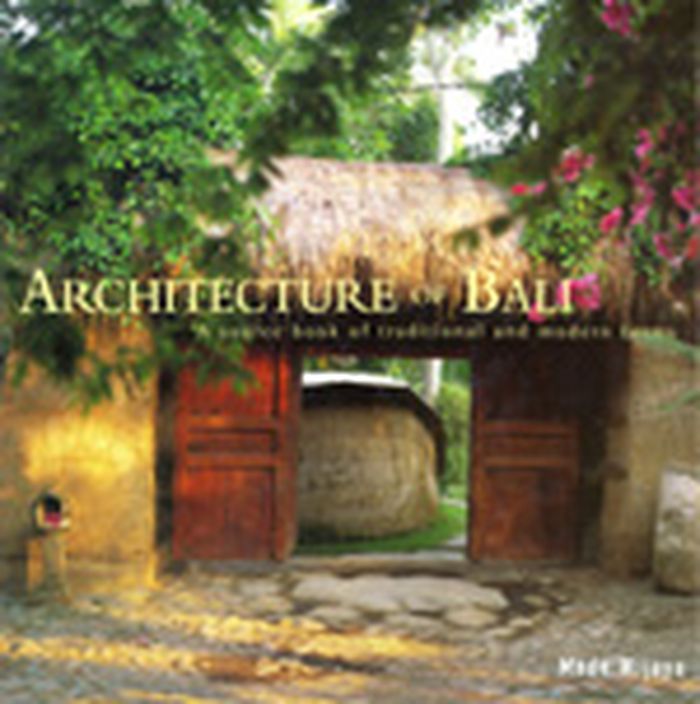
This is at once a compendium for designers and an essay on the architecture of Bali. Landscape and architectural designer Made Wijaya draws on his photographic archives, compiled over the past thirty years, to present a visual study of Balinese architecture: its origins, elements, variations, and vagaries.
Architecture of Bali : source book of traditional and modern forms
Actions:
Prix:
$82.50
(disponible sur commande)
Résumé:
This is at once a compendium for designers and an essay on the architecture of Bali. Landscape and architectural designer Made Wijaya draws on his photographic archives, compiled over the past thirty years, to present a visual study of Balinese architecture: its origins, elements, variations, and vagaries.
Classification:
livres
livres
Publication:
janvier 2003, Honolulu
janvier 2003, Honolulu
Sujet:
Arch Moyen-Orient
Arch Moyen-Orient
Classification:
livres
livres
Actions:
Prix:
$52.50
(disponible sur commande)
Résumé:
The volume focuses on the development of numerous regional centers of art in Spain, North Africa, Egypt, Syria, Anatolia, Iraq, and Yemen, as well as the western and northeastern provinces of Iran. It traces the cultural and artistic evolution of such centers in the early Islamic period and examines the different ways of creating a beautiful environment. The book(...)
$52.50
(disponible sur commande)
Résumé:
The volume focuses on the development of numerous regional centers of art in Spain, North Africa, Egypt, Syria, Anatolia, Iraq, and Yemen, as well as the western and northeastern provinces of Iran. It traces the cultural and artistic evolution of such centers in the early Islamic period and examines the different ways of creating a beautiful environment. The book(...)
Sujet:
Arch Moyen-Orient
Arch Moyen-Orient
Publication:
août 2003, New Haven
août 2003, New Haven
Titre:
Islamic art and architecture 650-1250
Actions:
Prix:
$52.50
(disponible sur commande)
Résumé:
The volume focuses on the development of numerous regional centers of art in Spain, North Africa, Egypt, Syria, Anatolia, Iraq, and Yemen, as well as the western and northeastern provinces of Iran. It traces the cultural and artistic evolution of such centers in the early Islamic period and examines the different ways of creating a beautiful environment. The book approaches the arts with new classifications of architecture and architectural decoration, the art of the object, and the art of the book.
Islamic art and architecture 650-1250
Actions:
Prix:
$52.50
(disponible sur commande)
Résumé:
The volume focuses on the development of numerous regional centers of art in Spain, North Africa, Egypt, Syria, Anatolia, Iraq, and Yemen, as well as the western and northeastern provinces of Iran. It traces the cultural and artistic evolution of such centers in the early Islamic period and examines the different ways of creating a beautiful environment. The book approaches the arts with new classifications of architecture and architectural decoration, the art of the object, and the art of the book.
Classification:
livres
livres
Publication:
août 2003, New Haven
août 2003, New Haven
Sujet:
Arch Moyen-Orient
Arch Moyen-Orient
Classification:
livres
livres
Prix:
$72.00
(disponible sur commande)
Résumé:
Dès la conquête, les occupants ibériques, espagnols d'abord, portugais ensuite, ont développé une stratégie de création de villes dans les somptueux paysages latino-américains. Localisation, fondation, urbanisme, architecture et peuplement, rien ne fut laissé au hasard. Que ce soit dans les sites vierges ou sur les emplacements des anciennes cités précolombiennes,(...)
$72.00
(disponible sur commande)
Résumé:
Dès la conquête, les occupants ibériques, espagnols d'abord, portugais ensuite, ont développé une stratégie de création de villes dans les somptueux paysages latino-américains. Localisation, fondation, urbanisme, architecture et peuplement, rien ne fut laissé au hasard. Que ce soit dans les sites vierges ou sur les emplacements des anciennes cités précolombiennes,(...)
Titre:
Cruauté & utopie : villes et paysages d'Amérique latine
Actions:
Prix:
$72.00
(disponible sur commande)
Résumé:
Dès la conquête, les occupants ibériques, espagnols d'abord, portugais ensuite, ont développé une stratégie de création de villes dans les somptueux paysages latino-américains. Localisation, fondation, urbanisme, architecture et peuplement, rien ne fut laissé au hasard. Que ce soit dans les sites vierges ou sur les emplacements des anciennes cités précolombiennes, règlements, lois et théories étaient à l'œuvre sous la férule des dirigeants pour assurer le pouvoir de Dieu et du Roi pour le bien des colons et des indigènes. Les échanges et influences réciproques entre l' « ancien » et le « nouveau » monde vont jusqu'à nos jours transformer utopies et réalités dans un fantastique laboratoire grandeur nature. La plus récente expérience en fut la modernité, courant international qui permit aux latino-américains, par son application locale, de s'inventer une identité contemporaine. Sous la direction de Jean-François Lejeune, des spécialistes américains et européens explorent cinq siècles de vies et de villes.
Cruauté & utopie : villes et paysages d'Amérique latine
Actions:
Prix:
$72.00
(disponible sur commande)
Résumé:
Dès la conquête, les occupants ibériques, espagnols d'abord, portugais ensuite, ont développé une stratégie de création de villes dans les somptueux paysages latino-américains. Localisation, fondation, urbanisme, architecture et peuplement, rien ne fut laissé au hasard. Que ce soit dans les sites vierges ou sur les emplacements des anciennes cités précolombiennes, règlements, lois et théories étaient à l'œuvre sous la férule des dirigeants pour assurer le pouvoir de Dieu et du Roi pour le bien des colons et des indigènes. Les échanges et influences réciproques entre l' « ancien » et le « nouveau » monde vont jusqu'à nos jours transformer utopies et réalités dans un fantastique laboratoire grandeur nature. La plus récente expérience en fut la modernité, courant international qui permit aux latino-américains, par son application locale, de s'inventer une identité contemporaine. Sous la direction de Jean-François Lejeune, des spécialistes américains et européens explorent cinq siècles de vies et de villes.
Classification:
livres
livres
Publication:
janvier 1900, Bruxelles
janvier 1900, Bruxelles
Sujet:
Arch Moyen-Orient
Arch Moyen-Orient
Classification:
livres
livres
Prix:
$93.00
(disponible sur commande)
Résumé:
Le style moghol est la création délibérée d'une lignée de souverains qui, dans l'Inde du XVIe au XIXe siècle, encouragèrent, employèrent et financèrent des générations d'architectes, de calligraphes, de peintres, de tisserands et d'artisans du métal. Puisant au cœur des arts du monde islamique plus vaste, notamment la Perse et l'Asie Centrale, mais solidement enraciné(...)
$93.00
(disponible sur commande)
Résumé:
Le style moghol est la création délibérée d'une lignée de souverains qui, dans l'Inde du XVIe au XIXe siècle, encouragèrent, employèrent et financèrent des générations d'architectes, de calligraphes, de peintres, de tisserands et d'artisans du métal. Puisant au cœur des arts du monde islamique plus vaste, notamment la Perse et l'Asie Centrale, mais solidement enraciné(...)
Titre:
Spendeurs Mogholes : art et architecture dans l'Inde islamique
Actions:
Prix:
$93.00
(disponible sur commande)
Résumé:
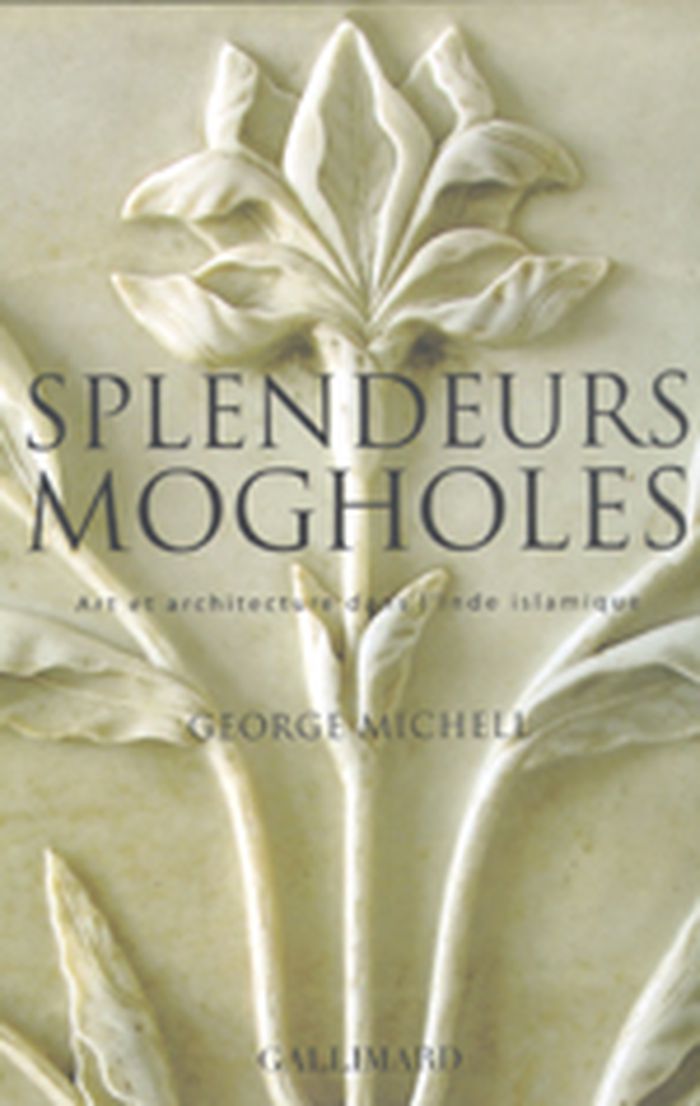
Le style moghol est la création délibérée d'une lignée de souverains qui, dans l'Inde du XVIe au XIXe siècle, encouragèrent, employèrent et financèrent des générations d'architectes, de calligraphes, de peintres, de tisserands et d'artisans du métal. Puisant au cœur des arts du monde islamique plus vaste, notamment la Perse et l'Asie Centrale, mais solidement enraciné dans les traditions indiennes, ce style imprégna le moindre aspect de la vie des empereurs moghols, de Babur à Aurangzeb, de leur aristocratie et des membres de leur famille. Il influença leurs manières et l'étiquette de la cour, les plats et les coupes à vin qu'ils utilisaient, leurs riches vêtements et leurs somptueux bijoux, les opulents intérieurs de leurs palais ornées de magnifiques tapis et de brocarts, et les majestueux monuments - tel le Taj Mahal ou les Forts rouges d'Agra et de Delhi - qui proclamaient leur richesse et leur puissance.
Spendeurs Mogholes : art et architecture dans l'Inde islamique
Actions:
Prix:
$93.00
(disponible sur commande)
Résumé:
Le style moghol est la création délibérée d'une lignée de souverains qui, dans l'Inde du XVIe au XIXe siècle, encouragèrent, employèrent et financèrent des générations d'architectes, de calligraphes, de peintres, de tisserands et d'artisans du métal. Puisant au cœur des arts du monde islamique plus vaste, notamment la Perse et l'Asie Centrale, mais solidement enraciné dans les traditions indiennes, ce style imprégna le moindre aspect de la vie des empereurs moghols, de Babur à Aurangzeb, de leur aristocratie et des membres de leur famille. Il influença leurs manières et l'étiquette de la cour, les plats et les coupes à vin qu'ils utilisaient, leurs riches vêtements et leurs somptueux bijoux, les opulents intérieurs de leurs palais ornées de magnifiques tapis et de brocarts, et les majestueux monuments - tel le Taj Mahal ou les Forts rouges d'Agra et de Delhi - qui proclamaient leur richesse et leur puissance.
Classification:
livres
livres
Publication:
janvier 2008, Paris
janvier 2008, Paris
Sujet:
Arch Moyen-Orient
Arch Moyen-Orient
Classification:
livres
livres
Actions:
Prix:
$110.00
(disponible sur commande)
Résumé:
Until the early 1990s the southern and eastern towns of Yemen were extremely difficult to reach. The result of nearly two decades of research, this is the first book to offer an in-depth investigation into the characteristic architecture of the region. The author's first-hand research provides detailed insights into building techniques and methods that, though still(...)
$110.00
(disponible sur commande)
Résumé:
Until the early 1990s the southern and eastern towns of Yemen were extremely difficult to reach. The result of nearly two decades of research, this is the first book to offer an in-depth investigation into the characteristic architecture of the region. The author's first-hand research provides detailed insights into building techniques and methods that, though still(...)
Titre:
The architecture of Yemen: from Yafi to Hadramut
Actions:
Prix:
$110.00
(disponible sur commande)
Résumé:
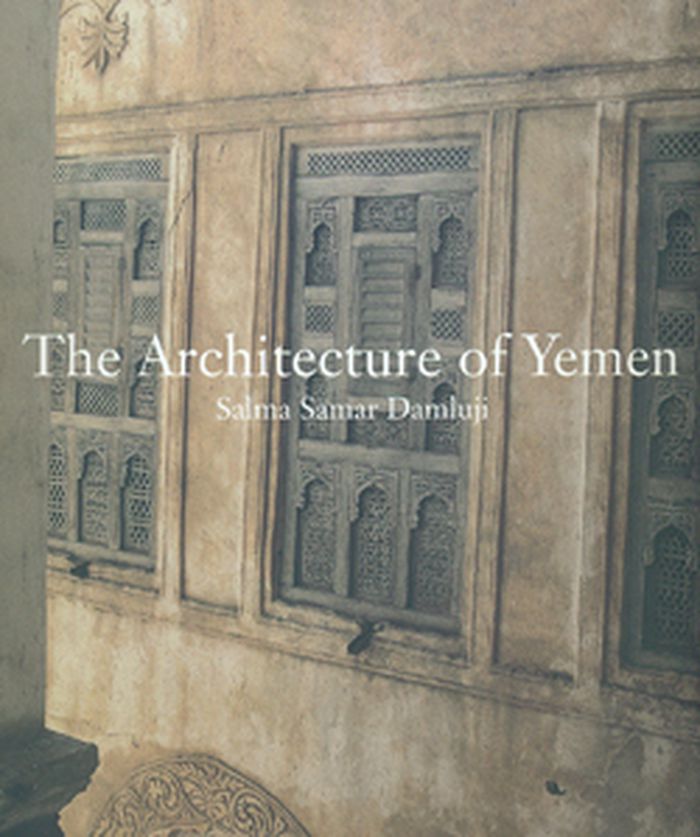
Until the early 1990s the southern and eastern towns of Yemen were extremely difficult to reach. The result of nearly two decades of research, this is the first book to offer an in-depth investigation into the characteristic architecture of the region. The author's first-hand research provides detailed insights into building techniques and methods that, though still practised, are little known outside the area.
The architecture of Yemen: from Yafi to Hadramut
Actions:
Prix:
$110.00
(disponible sur commande)
Résumé:
Until the early 1990s the southern and eastern towns of Yemen were extremely difficult to reach. The result of nearly two decades of research, this is the first book to offer an in-depth investigation into the characteristic architecture of the region. The author's first-hand research provides detailed insights into building techniques and methods that, though still practised, are little known outside the area.
Classification:
livres
livres
Publication:
octobre 2009
octobre 2009
Sujet:
Arch Moyen-Orient
Arch Moyen-Orient
Classification:
livres
livres
Prix:
$58.95
(disponible sur commande)
Résumé:
After seizing Jerusalem's eastern precincts from Jordan at the conclusion of the Six-Day War in 1967, Israel unilaterally unified the city and plunged into an ambitious building program, eager to transform the very meaning of one of the world's most emotionally charged urban spaces. The goal was as simple as it was controversial: to both Judaize and modernize Jerusalem.(...)
$58.95
(disponible sur commande)
Résumé:
After seizing Jerusalem's eastern precincts from Jordan at the conclusion of the Six-Day War in 1967, Israel unilaterally unified the city and plunged into an ambitious building program, eager to transform the very meaning of one of the world's most emotionally charged urban spaces. The goal was as simple as it was controversial: to both Judaize and modernize Jerusalem.(...)
Titre:
Seizing Jerusalem: the architectures of unilateral unification
Actions:
Prix:
$58.95
(disponible sur commande)
Résumé:
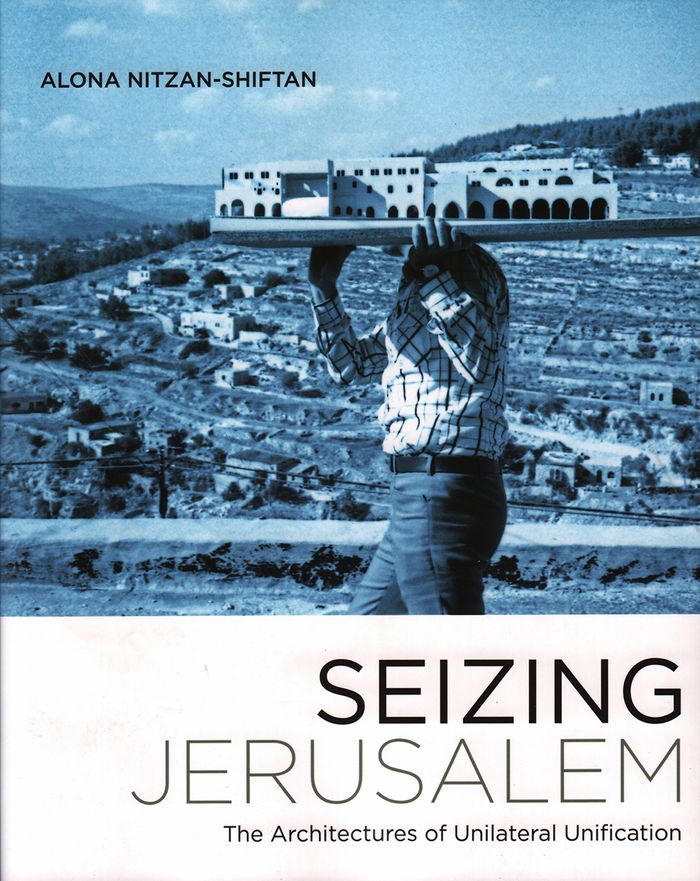
After seizing Jerusalem's eastern precincts from Jordan at the conclusion of the Six-Day War in 1967, Israel unilaterally unified the city and plunged into an ambitious building program, eager to transform the very meaning of one of the world's most emotionally charged urban spaces. The goal was as simple as it was controversial: to both Judaize and modernize Jerusalem. Seizing Jerusalem, the first architectural history of "united Jerusalem," chronicles how numerous disciplines, including architecture, landscape design, and urban planning, as well as everyone from municipal politicians to state bureaucrats, from Israeli-born architects to international luminaries such as Louis Kahn, Buckminster Fuller, and Bruno Zevi, competed to create Jerusalem's new image. This decade-long competition happened with the Palestinian residents still living in the city, even as the new image was inspired by the city's Arab legacy. The politics of space in the Holy City, still contested today, were shaped in this post-1967 decade not only by the legacy of the war and the politics of dispossession, but curiously also by emerging trends in postwar architectural culture.Drawing on previously unexamined archival documents and in-depth interviews with architects, planners, and politicians, Alona Nitzan-Shiftan analyzes the cultural politics of the Israeli state and, in particular, of Jerusalem's influential mayor, Teddy Kollek, whose efforts to legitimate Israeli rule over Jerusalem provided architects a unique, real-world laboratory to explore the possibilities and limits of modernist design--as built form as well as political and social action. Seizing Jerusalem reveals architecture as an active agent in the formation of urban and national identity, and demonstrates how contemporary debates about Zionism, and the crisis within the discipline of architecture over postwar modernism, affected Jerusalem's built environment in ways that continue to resonate today.
Seizing Jerusalem: the architectures of unilateral unification
Actions:
Prix:
$58.95
(disponible sur commande)
Résumé:
After seizing Jerusalem's eastern precincts from Jordan at the conclusion of the Six-Day War in 1967, Israel unilaterally unified the city and plunged into an ambitious building program, eager to transform the very meaning of one of the world's most emotionally charged urban spaces. The goal was as simple as it was controversial: to both Judaize and modernize Jerusalem. Seizing Jerusalem, the first architectural history of "united Jerusalem," chronicles how numerous disciplines, including architecture, landscape design, and urban planning, as well as everyone from municipal politicians to state bureaucrats, from Israeli-born architects to international luminaries such as Louis Kahn, Buckminster Fuller, and Bruno Zevi, competed to create Jerusalem's new image. This decade-long competition happened with the Palestinian residents still living in the city, even as the new image was inspired by the city's Arab legacy. The politics of space in the Holy City, still contested today, were shaped in this post-1967 decade not only by the legacy of the war and the politics of dispossession, but curiously also by emerging trends in postwar architectural culture.Drawing on previously unexamined archival documents and in-depth interviews with architects, planners, and politicians, Alona Nitzan-Shiftan analyzes the cultural politics of the Israeli state and, in particular, of Jerusalem's influential mayor, Teddy Kollek, whose efforts to legitimate Israeli rule over Jerusalem provided architects a unique, real-world laboratory to explore the possibilities and limits of modernist design--as built form as well as political and social action. Seizing Jerusalem reveals architecture as an active agent in the formation of urban and national identity, and demonstrates how contemporary debates about Zionism, and the crisis within the discipline of architecture over postwar modernism, affected Jerusalem's built environment in ways that continue to resonate today.
Classification:
livres
livres
Publication:
juin 2017
juin 2017
Sujet:
Arch Moyen-Orient
Arch Moyen-Orient
Classification:
livres
livres
Prix:
$24.00
(disponible sur commande)
Résumé:
A beautifully written rumination on memory and forgetting, place and displacement, this essay uncovers the ramifying layers of one great city's buried history as it asks what it means, everywhere, to be foreign and to belong.
$24.00
(disponible sur commande)
Résumé:
A beautifully written rumination on memory and forgetting, place and displacement, this essay uncovers the ramifying layers of one great city's buried history as it asks what it means, everywhere, to be foreign and to belong.
Titre:
Till we have built Jerusalem: architects of a new city
Actions:
Prix:
$24.00
(disponible sur commande)
Résumé:
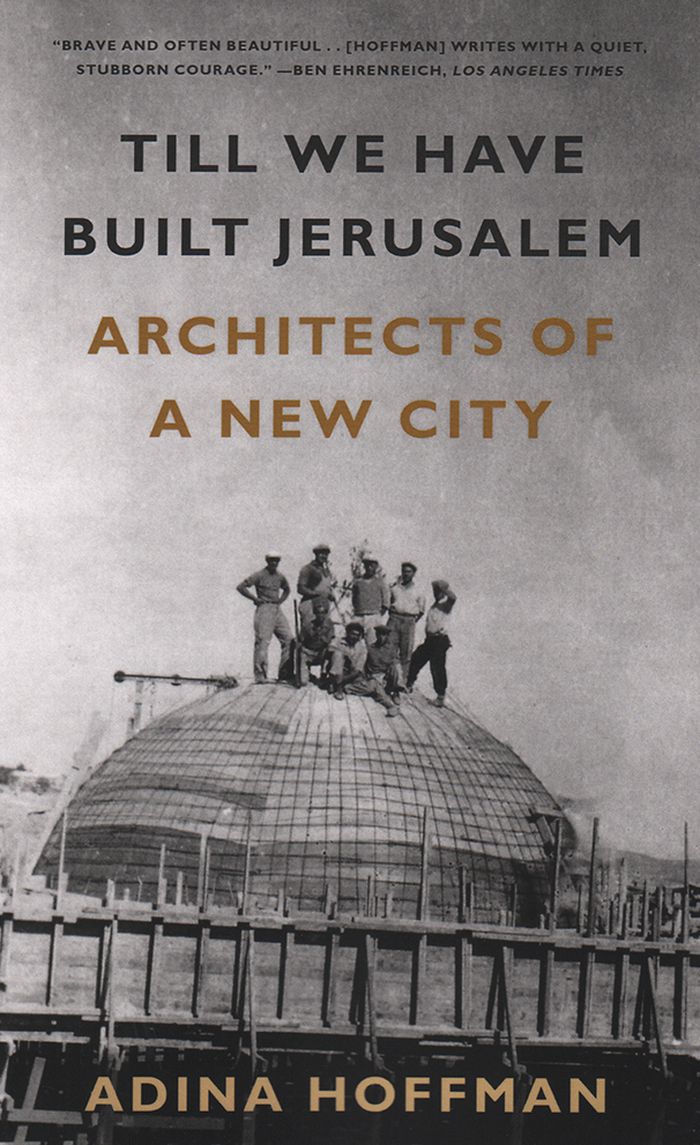
A beautifully written rumination on memory and forgetting, place and displacement, this essay uncovers the ramifying layers of one great city's buried history as it asks what it means, everywhere, to be foreign and to belong.
Till we have built Jerusalem: architects of a new city
Actions:
Prix:
$24.00
(disponible sur commande)
Résumé:
A beautifully written rumination on memory and forgetting, place and displacement, this essay uncovers the ramifying layers of one great city's buried history as it asks what it means, everywhere, to be foreign and to belong.
Classification:
livres
livres
Publication:
avril 2017
avril 2017
Sujet:
Arch Moyen-Orient
Arch Moyen-Orient
Classification:
livres
livres
Actions:
Prix:
$44.50
(disponible sur commande)
Résumé:
"Chandigarh rethink" captures the rich, ongoing discourse on radically transforming urbanities within the Global South with specific reference to India's social, historical, economic and cultural repositioning. It examines urban edge 'figures' and their rural 'grounds', relevant not just to Chandigarh, but also to cities in general, while suggesting narrative strategies(...)
$44.50
(disponible sur commande)
Résumé:
"Chandigarh rethink" captures the rich, ongoing discourse on radically transforming urbanities within the Global South with specific reference to India's social, historical, economic and cultural repositioning. It examines urban edge 'figures' and their rural 'grounds', relevant not just to Chandigarh, but also to cities in general, while suggesting narrative strategies(...)
Titre:
Chandigarh rethink: transforming ruralities & edeg(ness) in global urbanities
Actions:
Prix:
$44.50
(disponible sur commande)
Résumé:
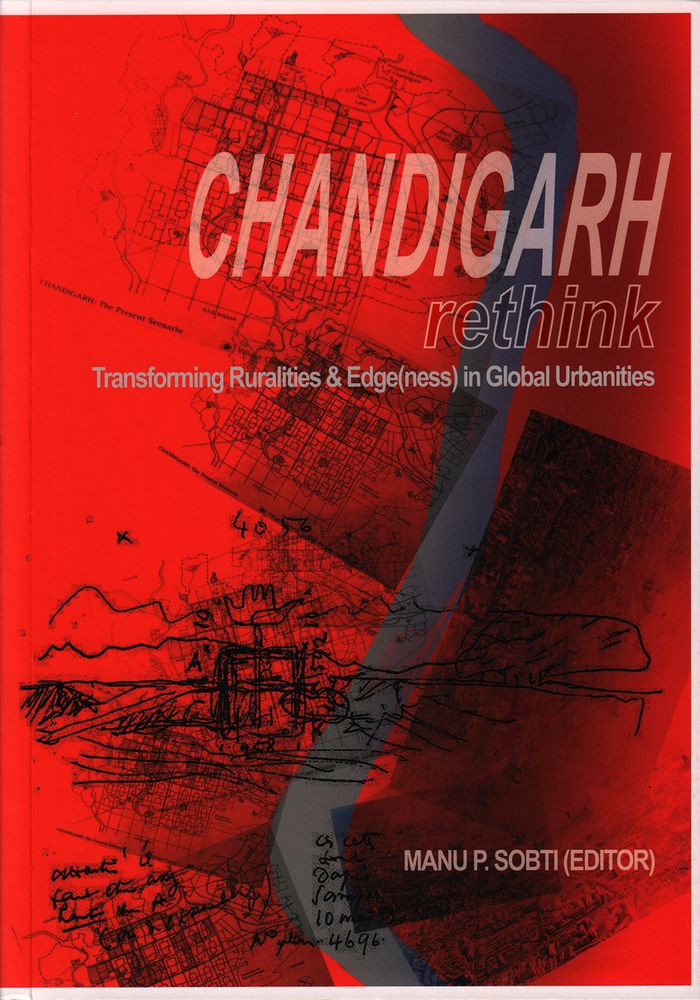
"Chandigarh rethink" captures the rich, ongoing discourse on radically transforming urbanities within the Global South with specific reference to India's social, historical, economic and cultural repositioning. It examines urban edge 'figures' and their rural 'grounds', relevant not just to Chandigarh, but also to cities in general, while suggesting narrative strategies via provocative design studio design work. These introspections are framed within themed contributions from a globally recognized group of scholars who represent the diverse disciplines of architecture, planning, urban design, landscape ecologies and the humanities. As a topical publication on global urbanities transforming a 'signature' urban project, "Chandigarh rethink" anticipates the Buildings-Landscapes-Cultures (blc) program and SARUP's efforts to uniquely aligning urban research, pedagogy and critical design practice towards examining global urbanities that continue to defy normative urban analysis. Beyond serving as an exemplar for globally aware architectural schools nationwide and beyond, it is also directed to serve as an instructive primer for design students and instructors examining global urban sites.
Chandigarh rethink: transforming ruralities & edeg(ness) in global urbanities
Actions:
Prix:
$44.50
(disponible sur commande)
Résumé:
"Chandigarh rethink" captures the rich, ongoing discourse on radically transforming urbanities within the Global South with specific reference to India's social, historical, economic and cultural repositioning. It examines urban edge 'figures' and their rural 'grounds', relevant not just to Chandigarh, but also to cities in general, while suggesting narrative strategies via provocative design studio design work. These introspections are framed within themed contributions from a globally recognized group of scholars who represent the diverse disciplines of architecture, planning, urban design, landscape ecologies and the humanities. As a topical publication on global urbanities transforming a 'signature' urban project, "Chandigarh rethink" anticipates the Buildings-Landscapes-Cultures (blc) program and SARUP's efforts to uniquely aligning urban research, pedagogy and critical design practice towards examining global urbanities that continue to defy normative urban analysis. Beyond serving as an exemplar for globally aware architectural schools nationwide and beyond, it is also directed to serve as an instructive primer for design students and instructors examining global urban sites.
Classification:
livres
livres
Publication:
juin 2017
juin 2017
Sujet:
Arch Moyen-Orient
Arch Moyen-Orient
Classification:
livres
livres
Actions:
Prix:
$57.50
(disponible sur commande)
Résumé:
Compiled by Mexico City–based architects Miquel Adrià and Andrea Griborio, this volume features projects in Argentina, Brazil, Chile, Colombia, Costa Rica, Ecuador, El Salvador, Guatemala, Mexico, Paraguay, Peru, Uruguay and Venezuela, offering a panoramic view of some of the freshest work in contemporary Latin American architecture.
$57.50
(disponible sur commande)
Résumé:
Compiled by Mexico City–based architects Miquel Adrià and Andrea Griborio, this volume features projects in Argentina, Brazil, Chile, Colombia, Costa Rica, Ecuador, El Salvador, Guatemala, Mexico, Paraguay, Peru, Uruguay and Venezuela, offering a panoramic view of some of the freshest work in contemporary Latin American architecture.
Titre:
Radical: 50 Latin American Architectures
Actions:
Prix:
$57.50
(disponible sur commande)
Résumé:
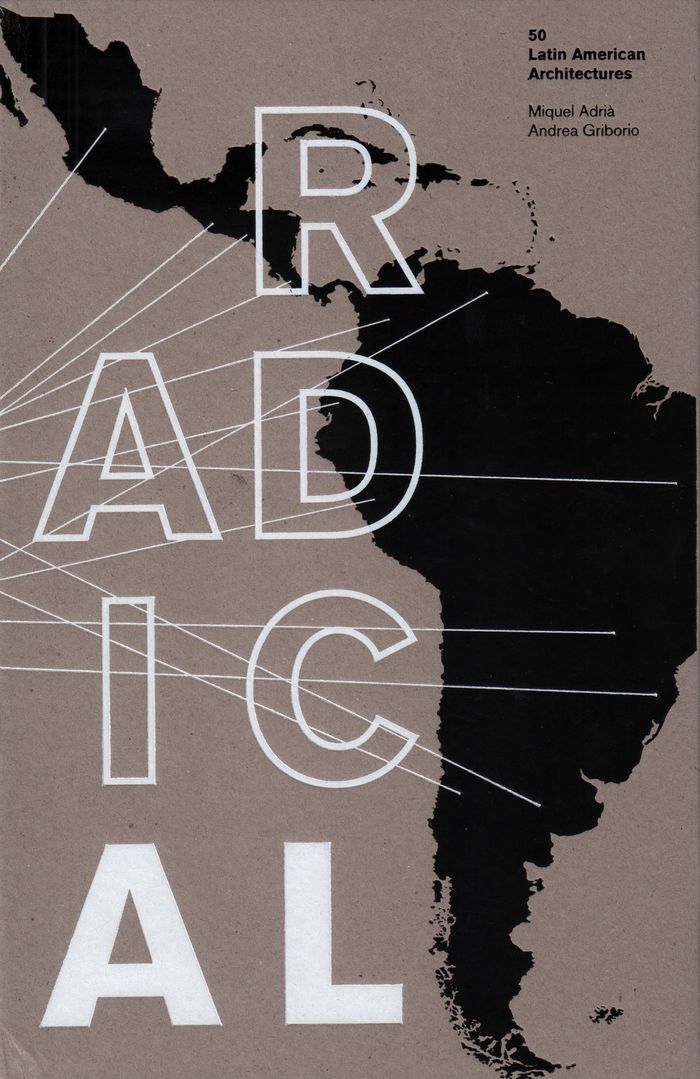
Compiled by Mexico City–based architects Miquel Adrià and Andrea Griborio, this volume features projects in Argentina, Brazil, Chile, Colombia, Costa Rica, Ecuador, El Salvador, Guatemala, Mexico, Paraguay, Peru, Uruguay and Venezuela, offering a panoramic view of some of the freshest work in contemporary Latin American architecture.
Radical: 50 Latin American Architectures
Actions:
Prix:
$57.50
(disponible sur commande)
Résumé:
Compiled by Mexico City–based architects Miquel Adrià and Andrea Griborio, this volume features projects in Argentina, Brazil, Chile, Colombia, Costa Rica, Ecuador, El Salvador, Guatemala, Mexico, Paraguay, Peru, Uruguay and Venezuela, offering a panoramic view of some of the freshest work in contemporary Latin American architecture.
Classification:
livres
livres
Publication:
novembre 2017
novembre 2017
Sujet:
Arch Moyen-Orient
Arch Moyen-Orient
Classification:
livres
livres
Actions:
Prix:
$77.95
(disponible sur commande)
Résumé:
Entre le début de l'exploitation des ressources pétrolières (fin des années 1940) et l'invasion du pays par l'armée irakienne (fin des années 1980 ) en passant par l'indépendance (1961), le Koweït a connu de profondes transformations qui se reflètent dans le patrimoine bâti. L'autonomie politique et l'élévation du niveau de vie ont eu pour conséquence une modification(...)
$77.95
(disponible sur commande)
Résumé:
Entre le début de l'exploitation des ressources pétrolières (fin des années 1940) et l'invasion du pays par l'armée irakienne (fin des années 1980 ) en passant par l'indépendance (1961), le Koweït a connu de profondes transformations qui se reflètent dans le patrimoine bâti. L'autonomie politique et l'élévation du niveau de vie ont eu pour conséquence une modification(...)
Sujet:
Arch Moyen-Orient
Arch Moyen-Orient
Publication:
mai 2016
mai 2016
Titre:
Modern architecture Kuwait, 1949-1989
Actions:
Prix:
$77.95
(disponible sur commande)
Résumé:
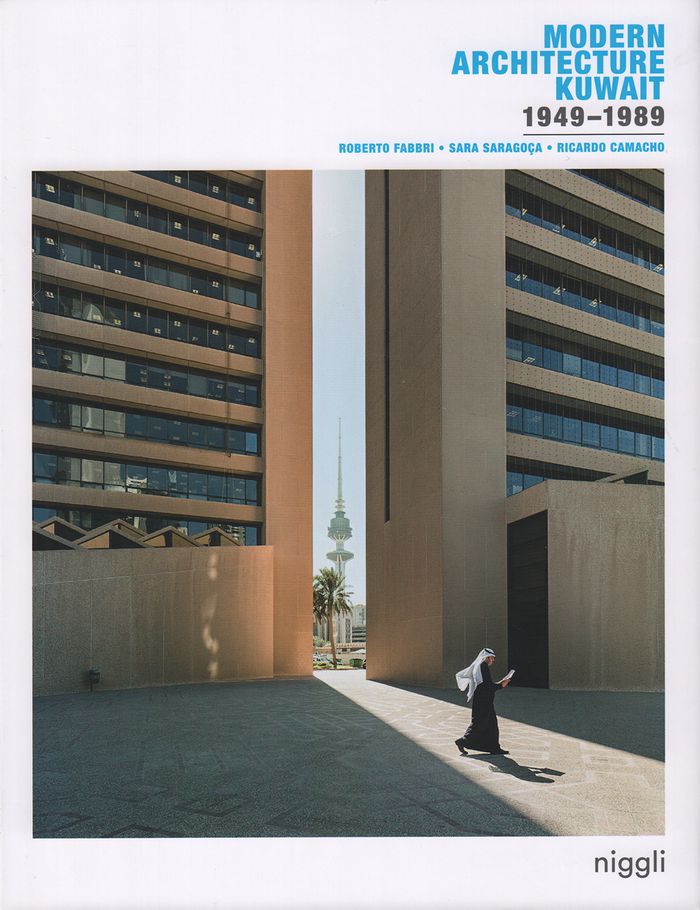
Entre le début de l'exploitation des ressources pétrolières (fin des années 1940) et l'invasion du pays par l'armée irakienne (fin des années 1980 ) en passant par l'indépendance (1961), le Koweït a connu de profondes transformations qui se reflètent dans le patrimoine bâti. L'autonomie politique et l'élévation du niveau de vie ont eu pour conséquence une modification radicale de la ville historique située sur la côte du golfe Persique. Les grands projets d'architecture et d'urbanisme lancés durant ces quatre décennies ont fourni à de grands architectes locaux et internationaux l'occasion de construire une ville nouvelle, de sorte que Koweït City présente aujourd'hui de nombreux exemples de l'architecture moderne classique. Résultat de plusieurs années de recherches interdisciplinaires, le présent ouvrage répertorie plus de cent cinquante bâtiments présentés avec des textes et des photos permettant de saisir la dynamique de changement qu'ils incarnent. Ces bâtiments reflètent une typologie et des styles très variés, mettent en évidence les différents moyens de s'adapter aux conditions climatiques locales et sont systématiquement présentés dans leur contexte urbanistique.
Modern architecture Kuwait, 1949-1989
Actions:
Prix:
$77.95
(disponible sur commande)
Résumé:
Entre le début de l'exploitation des ressources pétrolières (fin des années 1940) et l'invasion du pays par l'armée irakienne (fin des années 1980 ) en passant par l'indépendance (1961), le Koweït a connu de profondes transformations qui se reflètent dans le patrimoine bâti. L'autonomie politique et l'élévation du niveau de vie ont eu pour conséquence une modification radicale de la ville historique située sur la côte du golfe Persique. Les grands projets d'architecture et d'urbanisme lancés durant ces quatre décennies ont fourni à de grands architectes locaux et internationaux l'occasion de construire une ville nouvelle, de sorte que Koweït City présente aujourd'hui de nombreux exemples de l'architecture moderne classique. Résultat de plusieurs années de recherches interdisciplinaires, le présent ouvrage répertorie plus de cent cinquante bâtiments présentés avec des textes et des photos permettant de saisir la dynamique de changement qu'ils incarnent. Ces bâtiments reflètent une typologie et des styles très variés, mettent en évidence les différents moyens de s'adapter aux conditions climatiques locales et sont systématiquement présentés dans leur contexte urbanistique.
Classification:
livres
livres
Publication:
mai 2016
mai 2016
Sujet:
Arch Moyen-Orient
Arch Moyen-Orient


