


2227 Résultats
Classification:
livres
livres
Actions:
Prix:
$49.95
(disponible sur commande)
Résumé:
Despite attempts to promote the aesthetics of ruins in Russia - from Catherine the Great's construction of fake ruins in imperial parks to Josef Brodsky's elegiac meditations - ruins have never achieved the status they enjoy in Western Europe. While the Soviet Union was notorious for leveling churches, post-Soviet Russia has only intensified the practice of massive(...)
$49.95
(disponible sur commande)
Résumé:
Despite attempts to promote the aesthetics of ruins in Russia - from Catherine the Great's construction of fake ruins in imperial parks to Josef Brodsky's elegiac meditations - ruins have never achieved the status they enjoy in Western Europe. While the Soviet Union was notorious for leveling churches, post-Soviet Russia has only intensified the practice of massive(...)
Titre:
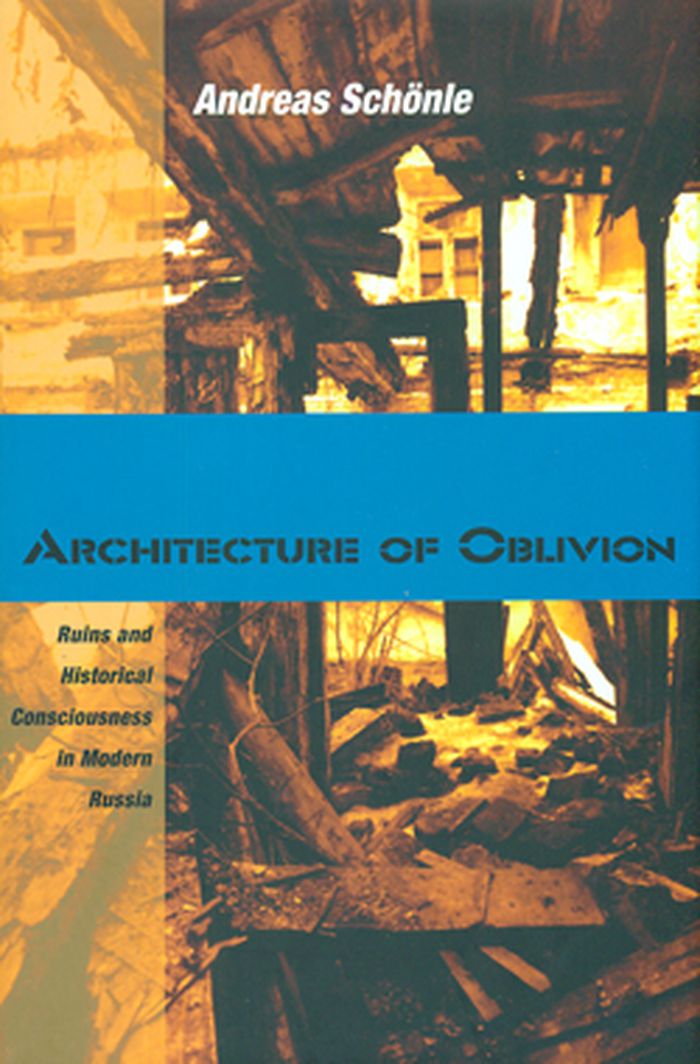
Architecture of oblivion : ruins and historical consciousness in modern Russia
Actions:
Prix:
$49.95
(disponible sur commande)
Résumé:
Despite attempts to promote the aesthetics of ruins in Russia - from Catherine the Great's construction of fake ruins in imperial parks to Josef Brodsky's elegiac meditations - ruins have never achieved the status they enjoy in Western Europe. While the Soviet Union was notorious for leveling churches, post-Soviet Russia has only intensified the practice of massive destruction and reconstruction. "Architecture of Oblivion "examines the role of ruins in the development of Russia's historical consciousness from the 18th century to the present. This original work from a leading authority on the subject will appeal to historians of Russian culture and thought, literature and art scholars, and general readers interested in ruins.
Architecture of oblivion : ruins and historical consciousness in modern Russia
Actions:
Prix:
$49.95
(disponible sur commande)
Résumé:
Despite attempts to promote the aesthetics of ruins in Russia - from Catherine the Great's construction of fake ruins in imperial parks to Josef Brodsky's elegiac meditations - ruins have never achieved the status they enjoy in Western Europe. While the Soviet Union was notorious for leveling churches, post-Soviet Russia has only intensified the practice of massive destruction and reconstruction. "Architecture of Oblivion "examines the role of ruins in the development of Russia's historical consciousness from the 18th century to the present. This original work from a leading authority on the subject will appeal to historians of Russian culture and thought, literature and art scholars, and general readers interested in ruins.
Classification:
livres
livres
Publication:
juin 2011
juin 2011
Sujet:
Théorie de l’architecture
Théorie de l’architecture
Classification:
livres
livres
Titre:
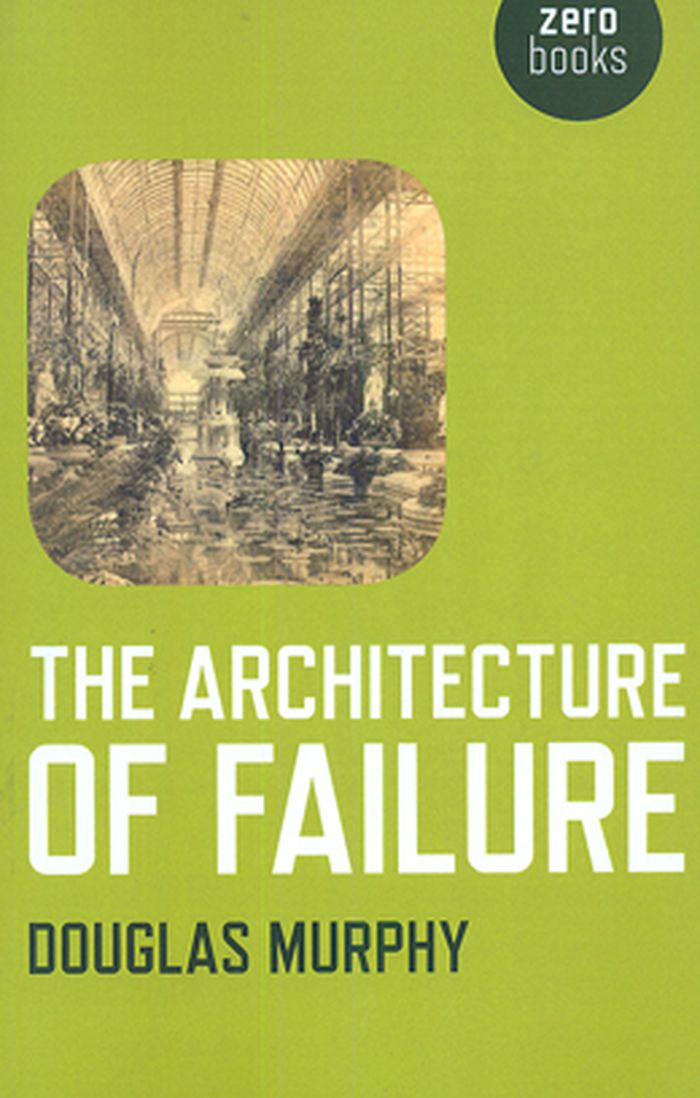
The architecture of failure
The architecture of failure
Actions:
Prix:
$25.95
(disponible sur commande)
Résumé:
The Architecture of Failure exposes the ways in which failure has been suppressed, ignored and denied in the way we design our cities. It examines the 19th century fantasy architecture of the iron and glass exhibition palaces, strange, unprecedented, dream-like structures, almost all now lost, existing only as melancholy archive fragments; it traces the cultural legacy of(...)
$25.95
(disponible sur commande)
Résumé:
The Architecture of Failure exposes the ways in which failure has been suppressed, ignored and denied in the way we design our cities. It examines the 19th century fantasy architecture of the iron and glass exhibition palaces, strange, unprecedented, dream-like structures, almost all now lost, existing only as melancholy archive fragments; it traces the cultural legacy of(...)
Titre:
The architecture of failure
Actions:
Prix:
$25.95
(disponible sur commande)
Résumé:
The Architecture of Failure exposes the ways in which failure has been suppressed, ignored and denied in the way we design our cities. It examines the 19th century fantasy architecture of the iron and glass exhibition palaces, strange, unprecedented, dream-like structures, almost all now lost, existing only as melancholy archive fragments; it traces the cultural legacy of these buildings through the heroics of the early 20th century, post-war radicals and recent developments, discussing related themes in art, literature, politics and philosophy.
The architecture of failure
Actions:
Prix:
$25.95
(disponible sur commande)
Résumé:
The Architecture of Failure exposes the ways in which failure has been suppressed, ignored and denied in the way we design our cities. It examines the 19th century fantasy architecture of the iron and glass exhibition palaces, strange, unprecedented, dream-like structures, almost all now lost, existing only as melancholy archive fragments; it traces the cultural legacy of these buildings through the heroics of the early 20th century, post-war radicals and recent developments, discussing related themes in art, literature, politics and philosophy.
Classification:
livres
livres
Publication:
février 2012
février 2012
Sujet:
Théorie de l’architecture
Théorie de l’architecture
Classification:
livres
livres
Titre:
Théorie des maisons
Théorie des maisons
Actions:
Prix:
$24.95
(disponible sur commande)
Résumé:
Théorie des maisons vise à mettre au jour - chez les penseurs modernes et contemporains parmi lesquels Benjamin, Deleuze, Derrida, Heidegger et Lévinas - une architecture qui, très souvent, ne se manifeste pas explicitement. L'auteur se propose de nommer cette architecture cachée : "une maison", la maison des philosophes. Cette maison, qui n'est pas toujours thématisée(...)
$24.95
(disponible sur commande)
Résumé:
Théorie des maisons vise à mettre au jour - chez les penseurs modernes et contemporains parmi lesquels Benjamin, Deleuze, Derrida, Heidegger et Lévinas - une architecture qui, très souvent, ne se manifeste pas explicitement. L'auteur se propose de nommer cette architecture cachée : "une maison", la maison des philosophes. Cette maison, qui n'est pas toujours thématisée(...)
Titre:
Théorie des maisons
Actions:
Prix:
$24.95
(disponible sur commande)
Résumé:
Théorie des maisons vise à mettre au jour - chez les penseurs modernes et contemporains parmi lesquels Benjamin, Deleuze, Derrida, Heidegger et Lévinas - une architecture qui, très souvent, ne se manifeste pas explicitement. L'auteur se propose de nommer cette architecture cachée : "une maison", la maison des philosophes. Cette maison, qui n'est pas toujours thématisée et dessinée dans ses contours, il s'agit de chercher à la localiser et à la rendre perceptible, comme dans ces jeux de devinette où une figure surgit d'un coup et saute aux yeux. Cet essai engage ainsi à un déplacement du regard. La "maison" ne se réduit plus aux visions du monde que le lecteur serait invité à habiter.
Théorie des maisons
Actions:
Prix:
$24.95
(disponible sur commande)
Résumé:
Théorie des maisons vise à mettre au jour - chez les penseurs modernes et contemporains parmi lesquels Benjamin, Deleuze, Derrida, Heidegger et Lévinas - une architecture qui, très souvent, ne se manifeste pas explicitement. L'auteur se propose de nommer cette architecture cachée : "une maison", la maison des philosophes. Cette maison, qui n'est pas toujours thématisée et dessinée dans ses contours, il s'agit de chercher à la localiser et à la rendre perceptible, comme dans ces jeux de devinette où une figure surgit d'un coup et saute aux yeux. Cet essai engage ainsi à un déplacement du regard. La "maison" ne se réduit plus aux visions du monde que le lecteur serait invité à habiter.
Classification:
livres
livres
Publication:
novembre 2011
novembre 2011
Sujet:
Théorie de l’architecture
Théorie de l’architecture
Classification:
livres
livres
Titre:
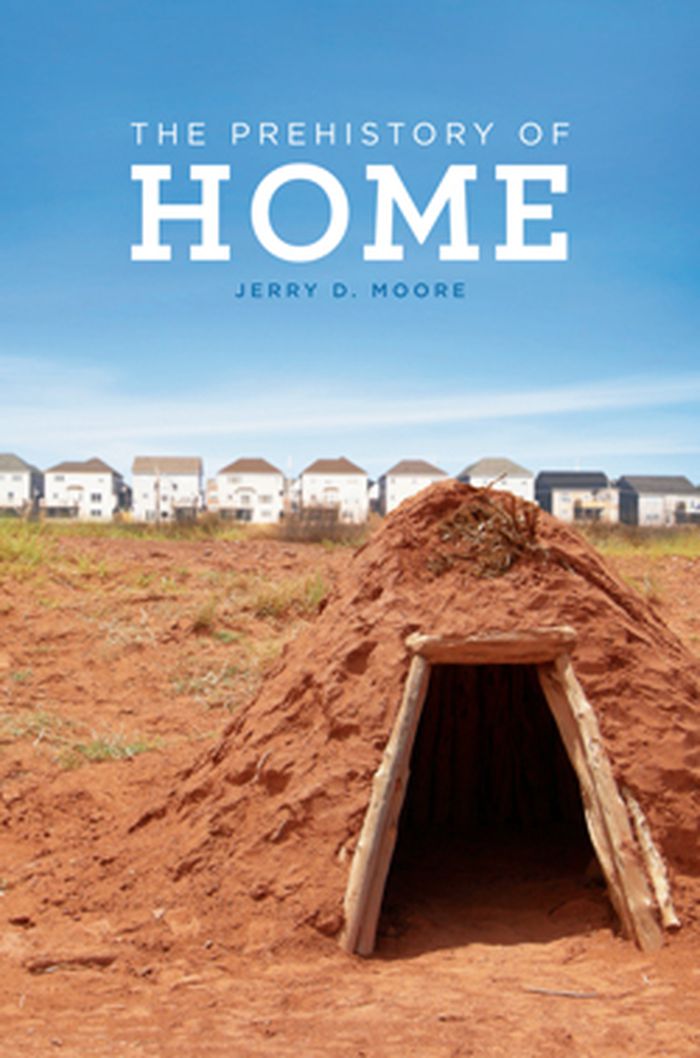
The prehistory of home
The prehistory of home
Actions:
Prix:
$34.95
(disponible sur commande)
Résumé:
Many animals build shelters, but only humans build homes. No other species creates such a variety of dwellings. Drawing examples from across the archaeological record and around the world, archaeologist Jerry D. Moore recounts the cultural development of the uniquely human imperative to maintain domestic dwellings. He shows how our houses allow us to physically adapt to(...)
$34.95
(disponible sur commande)
Résumé:
Many animals build shelters, but only humans build homes. No other species creates such a variety of dwellings. Drawing examples from across the archaeological record and around the world, archaeologist Jerry D. Moore recounts the cultural development of the uniquely human imperative to maintain domestic dwellings. He shows how our houses allow us to physically adapt to(...)
Titre:
The prehistory of home
Actions:
Prix:
$34.95
(disponible sur commande)
Résumé:
Many animals build shelters, but only humans build homes. No other species creates such a variety of dwellings. Drawing examples from across the archaeological record and around the world, archaeologist Jerry D. Moore recounts the cultural development of the uniquely human imperative to maintain domestic dwellings. He shows how our houses allow us to physically adapt to the environment and conceptually order the cosmos, and explains how we fabricate dwellings and, in the process, construct our lives. The Prehistory of Home points out how houses function as symbols of equality or proclaim the social divides between people, and how they shield us not only from the elements, but increasingly from inchoate fear.
The prehistory of home
Actions:
Prix:
$34.95
(disponible sur commande)
Résumé:
Many animals build shelters, but only humans build homes. No other species creates such a variety of dwellings. Drawing examples from across the archaeological record and around the world, archaeologist Jerry D. Moore recounts the cultural development of the uniquely human imperative to maintain domestic dwellings. He shows how our houses allow us to physically adapt to the environment and conceptually order the cosmos, and explains how we fabricate dwellings and, in the process, construct our lives. The Prehistory of Home points out how houses function as symbols of equality or proclaim the social divides between people, and how they shield us not only from the elements, but increasingly from inchoate fear.
Classification:
livres
livres
Publication:
mai 2012
mai 2012
Sujet:
Théorie de l’architecture
Théorie de l’architecture
Classification:
livres
livres
Actions:
Prix:
$47.95
(disponible en magasin)
Résumé:
Non sans paradoxe, c’est à Paris que Walter Benjamin trouve les traces de ce qui lui permet de déchiffrer la nature, mieux la vérité de la modernité. Charles Baudelaire lui a servi de guide dans ces nouveaux temples du culte marchand que sont les passages couverts. Mais, en 1930, le luxe n’y est plus, tout comme le flâneur, c’est donc à une autre réalité que s’attache(...)
$47.95
(disponible en magasin)
Résumé:
Non sans paradoxe, c’est à Paris que Walter Benjamin trouve les traces de ce qui lui permet de déchiffrer la nature, mieux la vérité de la modernité. Charles Baudelaire lui a servi de guide dans ces nouveaux temples du culte marchand que sont les passages couverts. Mais, en 1930, le luxe n’y est plus, tout comme le flâneur, c’est donc à une autre réalité que s’attache(...)
Titre:
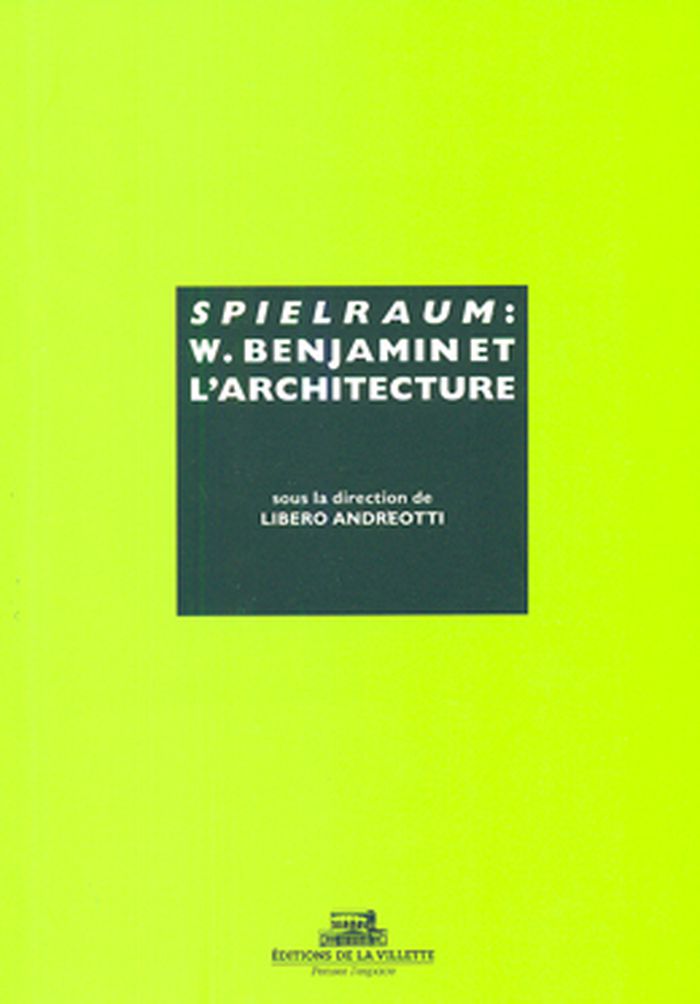
Spielraum : Walter Benjamin et l'architecture
Actions:
Prix:
$47.95
(disponible en magasin)
Résumé:
Non sans paradoxe, c’est à Paris que Walter Benjamin trouve les traces de ce qui lui permet de déchiffrer la nature, mieux la vérité de la modernité. Charles Baudelaire lui a servi de guide dans ces nouveaux temples du culte marchand que sont les passages couverts. Mais, en 1930, le luxe n’y est plus, tout comme le flâneur, c’est donc à une autre réalité que s’attache alors Benjamin, une réalité où l’aura a disparu. L’ouvrage examine les travaux de Benjamin dans une perspective historique, philosophique et théorique.
Spielraum : Walter Benjamin et l'architecture
Actions:
Prix:
$47.95
(disponible en magasin)
Résumé:
Non sans paradoxe, c’est à Paris que Walter Benjamin trouve les traces de ce qui lui permet de déchiffrer la nature, mieux la vérité de la modernité. Charles Baudelaire lui a servi de guide dans ces nouveaux temples du culte marchand que sont les passages couverts. Mais, en 1930, le luxe n’y est plus, tout comme le flâneur, c’est donc à une autre réalité que s’attache alors Benjamin, une réalité où l’aura a disparu. L’ouvrage examine les travaux de Benjamin dans une perspective historique, philosophique et théorique.
Classification:
livres
livres
Publication:
janvier 2012
janvier 2012
Sujet:
Théorie de l’architecture
Théorie de l’architecture
Classification:
livres
livres
Actions:
Prix:
$53.95
(disponible en magasin)
Résumé:
With contributions from some of the world's most advanced thinkers on this subject, this book is essential reading for anyone looking at new ways of thinking about the digital within architecture. It speculates upon implications of Persistent Modelling for architectural practice, reconsidering the relationship between architectural representation and architectural(...)
$53.95
(disponible en magasin)
Résumé:
With contributions from some of the world's most advanced thinkers on this subject, this book is essential reading for anyone looking at new ways of thinking about the digital within architecture. It speculates upon implications of Persistent Modelling for architectural practice, reconsidering the relationship between architectural representation and architectural(...)
Titre:
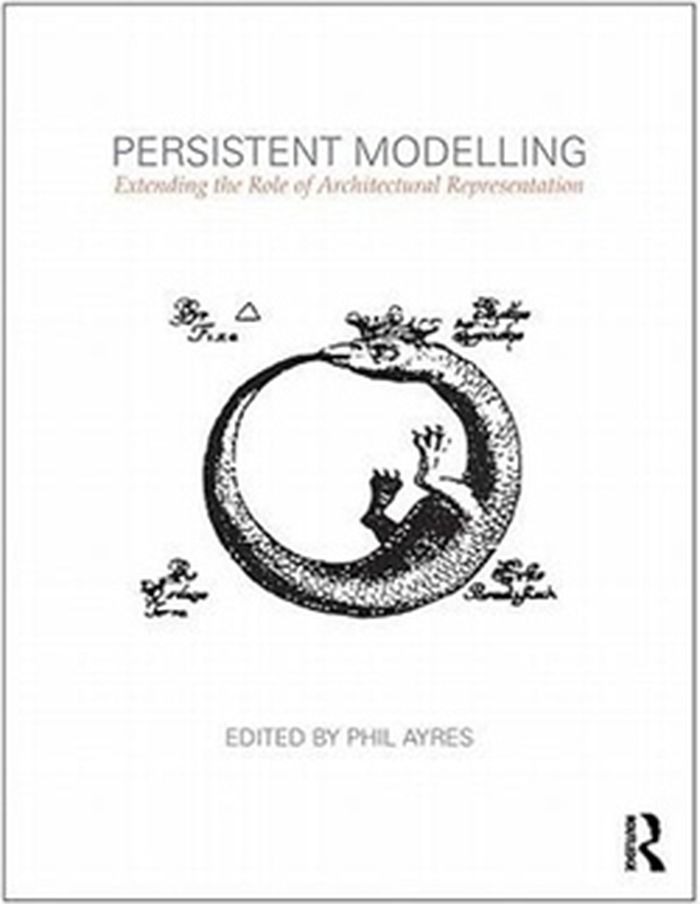
Persistent modelling : extending the role of architectural representation
Actions:
Prix:
$53.95
(disponible en magasin)
Résumé:
With contributions from some of the world's most advanced thinkers on this subject, this book is essential reading for anyone looking at new ways of thinking about the digital within architecture. It speculates upon implications of Persistent Modelling for architectural practice, reconsidering the relationship between architectural representation and architectural artefact particularly in the fields of responsive and adaptive architectures.
Persistent modelling : extending the role of architectural representation
Actions:
Prix:
$53.95
(disponible en magasin)
Résumé:
With contributions from some of the world's most advanced thinkers on this subject, this book is essential reading for anyone looking at new ways of thinking about the digital within architecture. It speculates upon implications of Persistent Modelling for architectural practice, reconsidering the relationship between architectural representation and architectural artefact particularly in the fields of responsive and adaptive architectures.
Classification:
livres
livres
Publication:
mars 2012
mars 2012
Sujet:
Théorie de l’architecture
Théorie de l’architecture
Classification:
livres
livres
Actions:
Prix:
$54.95
(disponible en magasin)
Résumé:
C’est la question de la modernité qui rassemble ces inédits et articles de Roger-Henri Guerrand. Elle offre une première lecture des champs et des méthodes que M. Guerrand a ouverts dans le domaine de l’histoire sociale, dans des textes dont la qualité scientifique n’altère en rien l’esprit caustique. Au-delà de la démocratisation de l’hygiène et du confort, l’auteur(...)
$54.95
(disponible en magasin)
Résumé:
C’est la question de la modernité qui rassemble ces inédits et articles de Roger-Henri Guerrand. Elle offre une première lecture des champs et des méthodes que M. Guerrand a ouverts dans le domaine de l’histoire sociale, dans des textes dont la qualité scientifique n’altère en rien l’esprit caustique. Au-delà de la démocratisation de l’hygiène et du confort, l’auteur(...)
Titre:
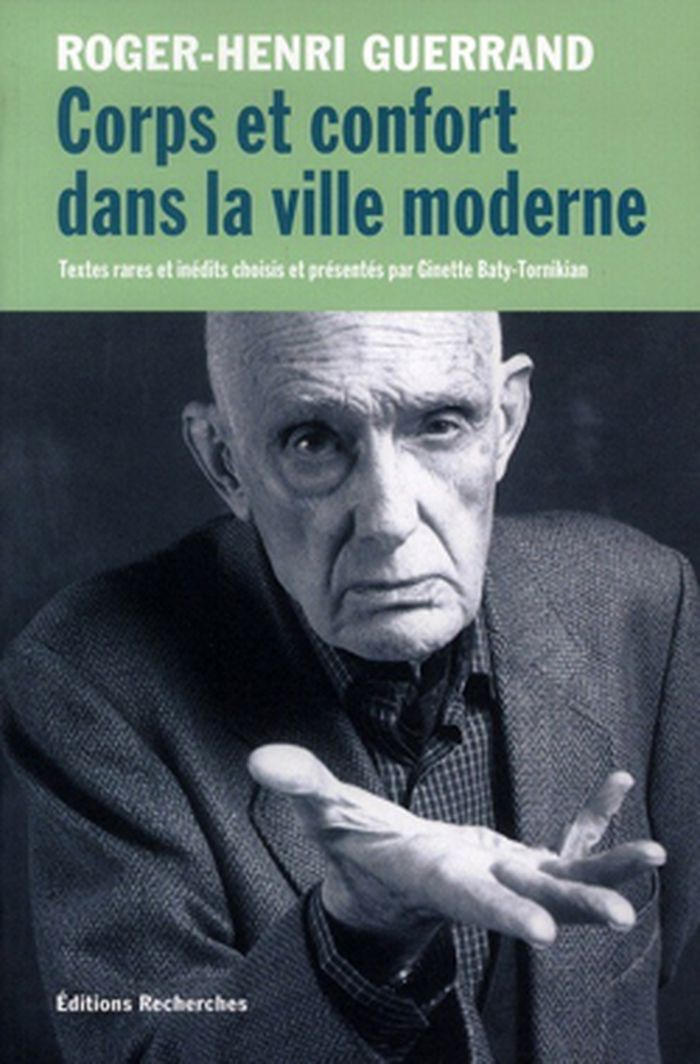
Corps et confort dans la ville moderne
Actions:
Prix:
$54.95
(disponible en magasin)
Résumé:
C’est la question de la modernité qui rassemble ces inédits et articles de Roger-Henri Guerrand. Elle offre une première lecture des champs et des méthodes que M. Guerrand a ouverts dans le domaine de l’histoire sociale, dans des textes dont la qualité scientifique n’altère en rien l’esprit caustique. Au-delà de la démocratisation de l’hygiène et du confort, l’auteur analyse la diffusion de l‘idée du bien-être pour tous.
Corps et confort dans la ville moderne
Actions:
Prix:
$54.95
(disponible en magasin)
Résumé:
C’est la question de la modernité qui rassemble ces inédits et articles de Roger-Henri Guerrand. Elle offre une première lecture des champs et des méthodes que M. Guerrand a ouverts dans le domaine de l’histoire sociale, dans des textes dont la qualité scientifique n’altère en rien l’esprit caustique. Au-delà de la démocratisation de l’hygiène et du confort, l’auteur analyse la diffusion de l‘idée du bien-être pour tous.
Classification:
livres
livres
Publication:
février 2012
février 2012
Sujet:
Théorie de l’architecture
Théorie de l’architecture
Classification:
livres
livres
Titre:
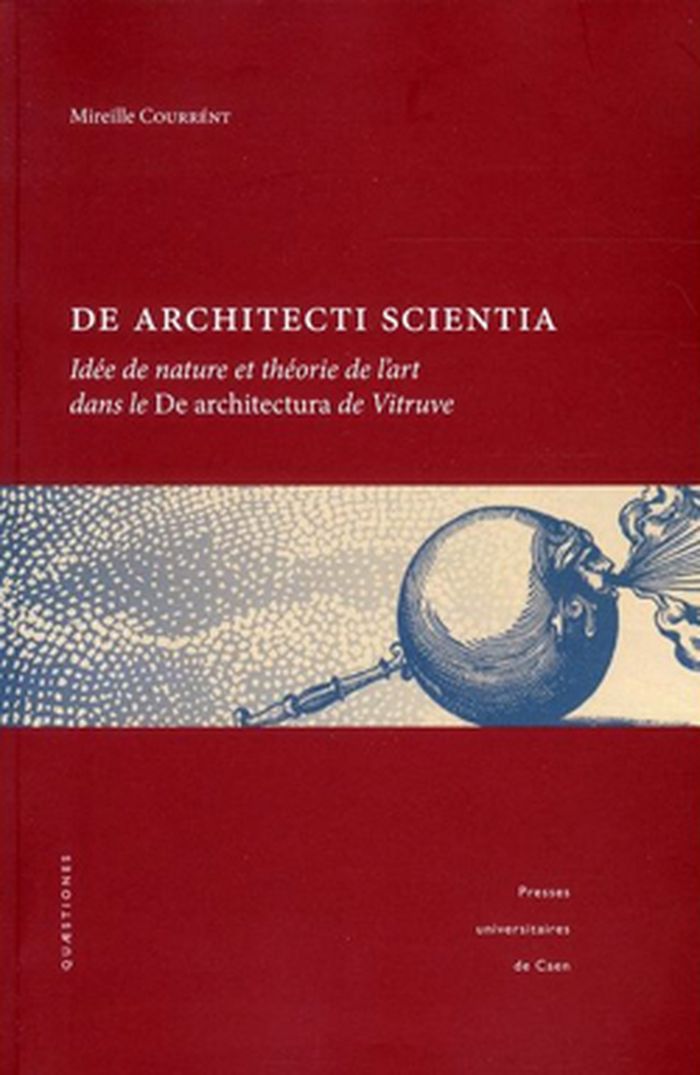
De architecti scientia : idée de nature et théorie de l'art dans le De architectura de Vitruve
De architecti scientia : idée de nature et théorie de l'art dans le De architectura de Vitruve
Actions:
Prix:
$49.95
(disponible sur commande)
Résumé:
Vitruve, ingénieur et mécanicien, a pensé le De architectura non comme un manuel technique destiné à des professionnels, mais comme une invitation à la réflexion pour un public de Romains cultivés chargés de superviser des travaux d'architecture, publique ou privée. Imprégné des idées hellénistiques en vogue à Rome à la fin de la République et se fondant sur la culture(...)
$49.95
(disponible sur commande)
Résumé:
Vitruve, ingénieur et mécanicien, a pensé le De architectura non comme un manuel technique destiné à des professionnels, mais comme une invitation à la réflexion pour un public de Romains cultivés chargés de superviser des travaux d'architecture, publique ou privée. Imprégné des idées hellénistiques en vogue à Rome à la fin de la République et se fondant sur la culture(...)
Titre:
De architecti scientia : idée de nature et théorie de l'art dans le De architectura de Vitruve
Actions:
Prix:
$49.95
(disponible sur commande)
Résumé:
Vitruve, ingénieur et mécanicien, a pensé le De architectura non comme un manuel technique destiné à des professionnels, mais comme une invitation à la réflexion pour un public de Romains cultivés chargés de superviser des travaux d'architecture, publique ou privée. Imprégné des idées hellénistiques en vogue à Rome à la fin de la République et se fondant sur la culture philosophique et scientifique de ses lecteurs, il expose une théorie de son art qui repose sur une analyse, par les lois de la mécanique, des phénomènes naturels en jeu dans la pratique de l'architecte.
De architecti scientia : idée de nature et théorie de l'art dans le De architectura de Vitruve
Actions:
Prix:
$49.95
(disponible sur commande)
Résumé:
Vitruve, ingénieur et mécanicien, a pensé le De architectura non comme un manuel technique destiné à des professionnels, mais comme une invitation à la réflexion pour un public de Romains cultivés chargés de superviser des travaux d'architecture, publique ou privée. Imprégné des idées hellénistiques en vogue à Rome à la fin de la République et se fondant sur la culture philosophique et scientifique de ses lecteurs, il expose une théorie de son art qui repose sur une analyse, par les lois de la mécanique, des phénomènes naturels en jeu dans la pratique de l'architecte.
Classification:
livres
livres
Publication:
février 2012
février 2012
Sujet:
Théorie de l’architecture
Théorie de l’architecture
Classification:
livres
livres
Titre:
Action architecture
Action architecture
Actions:
Prix:
$32.95
(disponible sur commande)
Résumé:
Conditionnée longtemps par la fabrication d'objets pour eux même selon une visée séculaire, donc faite pour durer et donner du sens ou du moins incarner des valeurs collectives, l'architecture contemporaine énonce les transformations en cours. En cela, elle est action, spectacle, enjeu de marketing tout autant que mégapolitaine, spectrale ou hyper. A lui seul, le musée(...)
$32.95
(disponible sur commande)
Résumé:
Conditionnée longtemps par la fabrication d'objets pour eux même selon une visée séculaire, donc faite pour durer et donner du sens ou du moins incarner des valeurs collectives, l'architecture contemporaine énonce les transformations en cours. En cela, elle est action, spectacle, enjeu de marketing tout autant que mégapolitaine, spectrale ou hyper. A lui seul, le musée(...)
Titre:
Action architecture
Actions:
Prix:
$32.95
(disponible sur commande)
Résumé:
Conditionnée longtemps par la fabrication d'objets pour eux même selon une visée séculaire, donc faite pour durer et donner du sens ou du moins incarner des valeurs collectives, l'architecture contemporaine énonce les transformations en cours. En cela, elle est action, spectacle, enjeu de marketing tout autant que mégapolitaine, spectrale ou hyper. A lui seul, le musée Guggenheim de Bilbao incarne ce processus de transformations où l'architecture devient événement au même titre que Disneyland, une stratégie de l'action et du spectaculaire dont, dès les années 1960, Guy Debord soupçonnait l'avènement. Surenchère économique, performativité, flux, hypermédias noient la notion d'oeuvre dans l'instant qui dilue toute production et accepte tous les simulacres. Auparavant lieu d'anticipation, le projet d'architecture devient le lieu de récits, de fictions que hante la technologie. Au site donné et contextuel, succèdent l'hyper- territoire et l'hyper-ville que décrivent André Corboz et Rem Koolhaas. Une technologie triomphante s'impose dans les outils mobilisés pour concevoir les édifices et les construire : aucunes des formes courbes, gauches, plissées actuelles ne seraient possibles sans d'importantes innovations permettant de les dessiner puis de les fabriquer.
Action architecture
Actions:
Prix:
$32.95
(disponible sur commande)
Résumé:
Conditionnée longtemps par la fabrication d'objets pour eux même selon une visée séculaire, donc faite pour durer et donner du sens ou du moins incarner des valeurs collectives, l'architecture contemporaine énonce les transformations en cours. En cela, elle est action, spectacle, enjeu de marketing tout autant que mégapolitaine, spectrale ou hyper. A lui seul, le musée Guggenheim de Bilbao incarne ce processus de transformations où l'architecture devient événement au même titre que Disneyland, une stratégie de l'action et du spectaculaire dont, dès les années 1960, Guy Debord soupçonnait l'avènement. Surenchère économique, performativité, flux, hypermédias noient la notion d'oeuvre dans l'instant qui dilue toute production et accepte tous les simulacres. Auparavant lieu d'anticipation, le projet d'architecture devient le lieu de récits, de fictions que hante la technologie. Au site donné et contextuel, succèdent l'hyper- territoire et l'hyper-ville que décrivent André Corboz et Rem Koolhaas. Une technologie triomphante s'impose dans les outils mobilisés pour concevoir les édifices et les construire : aucunes des formes courbes, gauches, plissées actuelles ne seraient possibles sans d'importantes innovations permettant de les dessiner puis de les fabriquer.
Classification:
livres
livres
Publication:
février 2012
février 2012
Sujet:
Théorie de l’architecture
Théorie de l’architecture
Classification:
livres
livres
Actions:
Prix:
$33.95
(disponible sur commande)
Résumé:
Writing About Architecture: Mastering the Language of Buildings and Cities, the latest addition to the Architecture Briefs series, is a handbook on how to write effectively and critically about the contemporary city. The book offers works by architecture critics of the twentieth century -including Ada Louise Huxtable, Lewis Mumford, Herbert Muschamp, Michael Sorkin,(...)
$33.95
(disponible sur commande)
Résumé:
Writing About Architecture: Mastering the Language of Buildings and Cities, the latest addition to the Architecture Briefs series, is a handbook on how to write effectively and critically about the contemporary city. The book offers works by architecture critics of the twentieth century -including Ada Louise Huxtable, Lewis Mumford, Herbert Muschamp, Michael Sorkin,(...)
Titre:
Writing about architecture: mastering the language of buildings and cities
Actions:
Prix:
$33.95
(disponible sur commande)
Résumé:
Writing About Architecture: Mastering the Language of Buildings and Cities, the latest addition to the Architecture Briefs series, is a handbook on how to write effectively and critically about the contemporary city. The book offers works by architecture critics of the twentieth century -including Ada Louise Huxtable, Lewis Mumford, Herbert Muschamp, Michael Sorkin, Charles Moore, Frederick Law Olmsted, and Jane Jacobs- to explains some of the most successful methods with which to approach architectural criticism. Each chapter opens with a reprint of a historically significant essay discussing a specific building or urban project. The author, Alexandra Lange, then offers a close reading of that essay, as well as her own analysis through contemporary examples, to further enlighten the reader about how to write an effective piece of architectural criticism.
Writing about architecture: mastering the language of buildings and cities
Actions:
Prix:
$33.95
(disponible sur commande)
Résumé:
Writing About Architecture: Mastering the Language of Buildings and Cities, the latest addition to the Architecture Briefs series, is a handbook on how to write effectively and critically about the contemporary city. The book offers works by architecture critics of the twentieth century -including Ada Louise Huxtable, Lewis Mumford, Herbert Muschamp, Michael Sorkin, Charles Moore, Frederick Law Olmsted, and Jane Jacobs- to explains some of the most successful methods with which to approach architectural criticism. Each chapter opens with a reprint of a historically significant essay discussing a specific building or urban project. The author, Alexandra Lange, then offers a close reading of that essay, as well as her own analysis through contemporary examples, to further enlighten the reader about how to write an effective piece of architectural criticism.
Classification:
livres
livres
Publication:
mars 2012
mars 2012
Sujet:
Théorie de l’architecture
Théorie de l’architecture


