


2227 Résultats
Classification:
livres
livres
Actions:
Prix:
$45.95
(disponible sur commande)
Résumé:
Crown Hall Dean’s Dialogues: 2012-2017 collects incisive, intimate thoughts from leading contemporary architects in dialogue with students from the Illinois Institute of Technology, College of Architecture. This title collects the voices of 18 esteemed architects, designers, educators and theorists in dialogue with students from the Illinois Institute of Technology,(...)
$45.95
(disponible sur commande)
Résumé:
Crown Hall Dean’s Dialogues: 2012-2017 collects incisive, intimate thoughts from leading contemporary architects in dialogue with students from the Illinois Institute of Technology, College of Architecture. This title collects the voices of 18 esteemed architects, designers, educators and theorists in dialogue with students from the Illinois Institute of Technology,(...)
Titre:
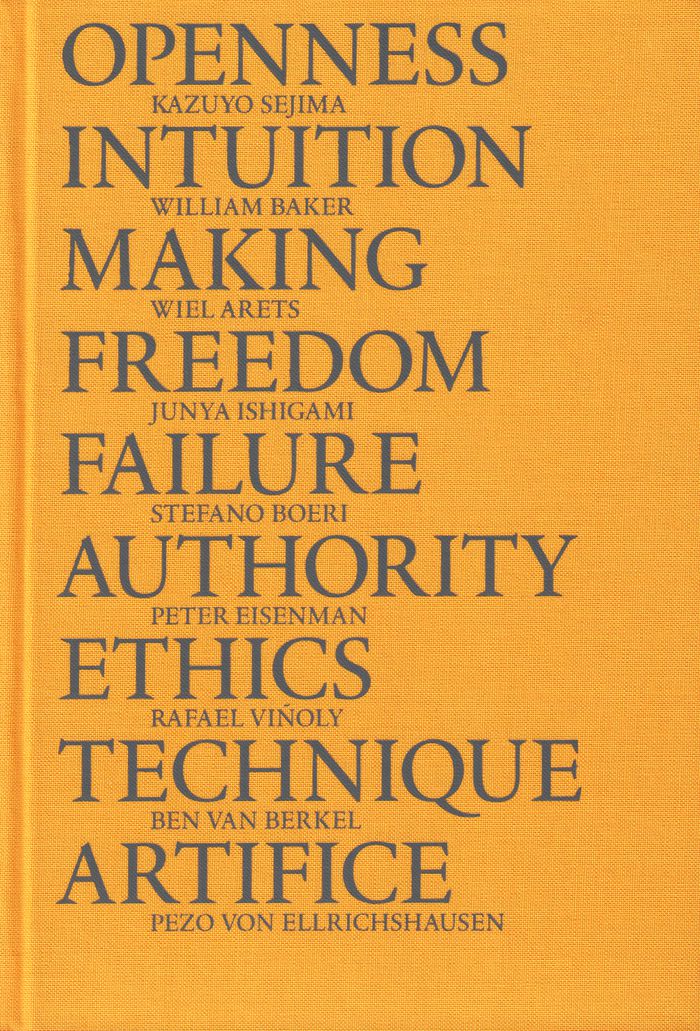
Crown Hall Dean's dialogues 2012-2017
Actions:
Prix:
$45.95
(disponible sur commande)
Résumé:
Crown Hall Dean’s Dialogues: 2012-2017 collects incisive, intimate thoughts from leading contemporary architects in dialogue with students from the Illinois Institute of Technology, College of Architecture. This title collects the voices of 18 esteemed architects, designers, educators and theorists in dialogue with students from the Illinois Institute of Technology, College of Architecture. Voices ranging from Phyllis Lambert to David Adjaye to Rafael Vinoly expound and express their thoughts freely, digging deeply into essential themes that drive their work, study and process. Featuring interviews with leading architects and luminaries including Kazuyo Sejima, William Baker, Wiel Arets, Junya Ishigami, Stefano Boeri, Peter Eisenman, Rafael Viñoly, Ben van Berkel, Pezo von Ellrichshausen, Phyllis Lambert, Riken Yamamoto, Herman Hertzberger, Armand Mevis, David Adjaye, Erwin Olaf, Dominique Perrault, Stan Allen, and Bernard Khoury.
Crown Hall Dean's dialogues 2012-2017
Actions:
Prix:
$45.95
(disponible sur commande)
Résumé:
Crown Hall Dean’s Dialogues: 2012-2017 collects incisive, intimate thoughts from leading contemporary architects in dialogue with students from the Illinois Institute of Technology, College of Architecture. This title collects the voices of 18 esteemed architects, designers, educators and theorists in dialogue with students from the Illinois Institute of Technology, College of Architecture. Voices ranging from Phyllis Lambert to David Adjaye to Rafael Vinoly expound and express their thoughts freely, digging deeply into essential themes that drive their work, study and process. Featuring interviews with leading architects and luminaries including Kazuyo Sejima, William Baker, Wiel Arets, Junya Ishigami, Stefano Boeri, Peter Eisenman, Rafael Viñoly, Ben van Berkel, Pezo von Ellrichshausen, Phyllis Lambert, Riken Yamamoto, Herman Hertzberger, Armand Mevis, David Adjaye, Erwin Olaf, Dominique Perrault, Stan Allen, and Bernard Khoury.
Classification:
livres
livres
Publication:
septembre 2017
septembre 2017
Sujet:
Théorie de l’architecture
Théorie de l’architecture
Classification:
livres
livres
Prix:
$27.95
(disponible sur commande)
Résumé:
Dans l'ouvrage "La fabrique des images", les auteurs analysent l’objet-architecture à travers une série de réalisations de ces quarante dernières années. De la pratique professionnelle aux stratégies d’acteurs, des représentations aux projets construits, ils montrent que l’instrumentalisation de l’architecture en tant qu’outil de communication traduit l’esthétisation(...)
$27.95
(disponible sur commande)
Résumé:
Dans l'ouvrage "La fabrique des images", les auteurs analysent l’objet-architecture à travers une série de réalisations de ces quarante dernières années. De la pratique professionnelle aux stratégies d’acteurs, des représentations aux projets construits, ils montrent que l’instrumentalisation de l’architecture en tant qu’outil de communication traduit l’esthétisation(...)
Titre:
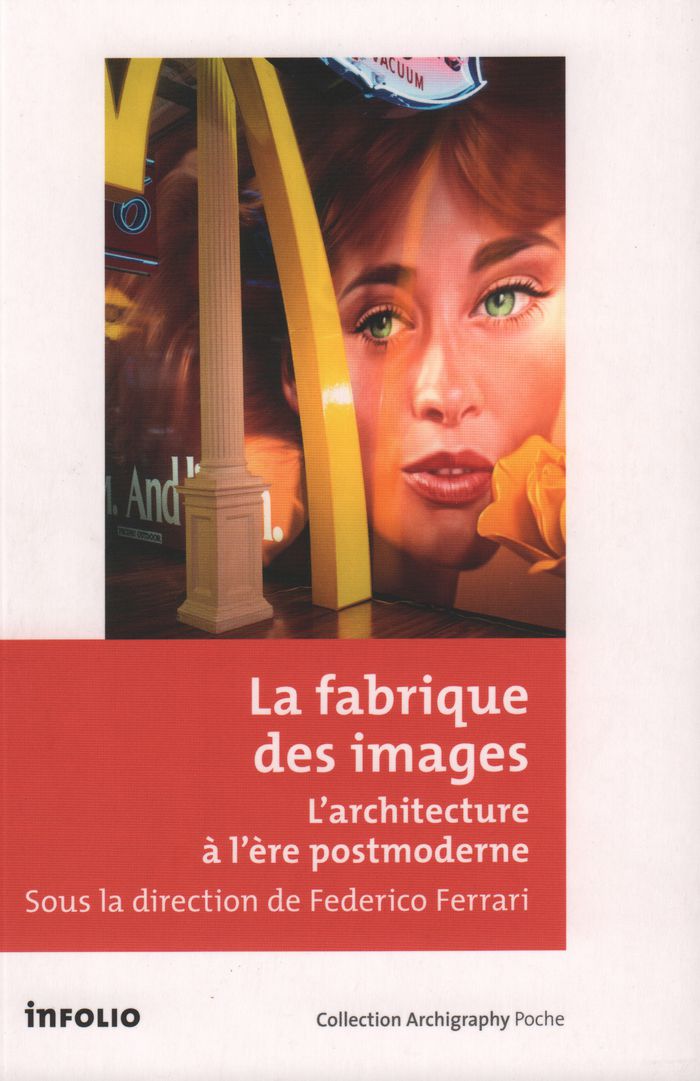
La fabrique des images: l'architecture à l'ère postmoderne
Actions:
Prix:
$27.95
(disponible sur commande)
Résumé:
Dans l'ouvrage "La fabrique des images", les auteurs analysent l’objet-architecture à travers une série de réalisations de ces quarante dernières années. De la pratique professionnelle aux stratégies d’acteurs, des représentations aux projets construits, ils montrent que l’instrumentalisation de l’architecture en tant qu’outil de communication traduit l’esthétisation populiste du politique et nous donne, de ce fait, une clé pour comprendre la post-modernité.
La fabrique des images: l'architecture à l'ère postmoderne
Actions:
Prix:
$27.95
(disponible sur commande)
Résumé:
Dans l'ouvrage "La fabrique des images", les auteurs analysent l’objet-architecture à travers une série de réalisations de ces quarante dernières années. De la pratique professionnelle aux stratégies d’acteurs, des représentations aux projets construits, ils montrent que l’instrumentalisation de l’architecture en tant qu’outil de communication traduit l’esthétisation populiste du politique et nous donne, de ce fait, une clé pour comprendre la post-modernité.
Classification:
livres
livres
Publication:
septembre 2017
septembre 2017
Sujet:
Théorie de l’architecture
Théorie de l’architecture
Classification:
livres
livres
Prix:
$42.95
(disponible sur commande)
Résumé:
“All too often,” wrote disabled architect Ronald Mace, “designers don’t take the needs of disabled and elderly people into account.” Building Access investigates twentieth-century strategies for designing the world with disability in mind. Commonly understood in terms of curb cuts, automatic doors, Braille signs, and flexible kitchens, Universal Design purported to create(...)
$42.95
(disponible sur commande)
Résumé:
“All too often,” wrote disabled architect Ronald Mace, “designers don’t take the needs of disabled and elderly people into account.” Building Access investigates twentieth-century strategies for designing the world with disability in mind. Commonly understood in terms of curb cuts, automatic doors, Braille signs, and flexible kitchens, Universal Design purported to create(...)
Titre:
Building access: universal design and the politics of disability
Actions:
Prix:
$42.95
(disponible sur commande)
Résumé:
“All too often,” wrote disabled architect Ronald Mace, “designers don’t take the needs of disabled and elderly people into account.” Building Access investigates twentieth-century strategies for designing the world with disability in mind. Commonly understood in terms of curb cuts, automatic doors, Braille signs, and flexible kitchens, Universal Design purported to create a built environment for everyone, not only the average citizen. But who counts as “everyone,” Aimi Hamraie asks, and how can designers know? Blending technoscience studies and design history with critical disability, race, and feminist theories, Building Access interrogates the historical, cultural, and theoretical contexts for these questions, offering a groundbreaking critical history of Universal Design. Hamraie reveals that the twentieth-century shift from “design for the average” to “design for all” took place through liberal political, economic, and scientific structures concerned with defining the disabled user and designing in its name. Tracing the co-evolution of accessible design for disabled veterans, a radical disability maker movement, disability rights law, and strategies for diversifying the architecture profession, Hamraie shows that Universal Design was not just an approach to creating new products or spaces, but also a sustained, understated activist movement challenging dominant understandings of disability in architecture, medicine, and society.
Building access: universal design and the politics of disability
Actions:
Prix:
$42.95
(disponible sur commande)
Résumé:
“All too often,” wrote disabled architect Ronald Mace, “designers don’t take the needs of disabled and elderly people into account.” Building Access investigates twentieth-century strategies for designing the world with disability in mind. Commonly understood in terms of curb cuts, automatic doors, Braille signs, and flexible kitchens, Universal Design purported to create a built environment for everyone, not only the average citizen. But who counts as “everyone,” Aimi Hamraie asks, and how can designers know? Blending technoscience studies and design history with critical disability, race, and feminist theories, Building Access interrogates the historical, cultural, and theoretical contexts for these questions, offering a groundbreaking critical history of Universal Design. Hamraie reveals that the twentieth-century shift from “design for the average” to “design for all” took place through liberal political, economic, and scientific structures concerned with defining the disabled user and designing in its name. Tracing the co-evolution of accessible design for disabled veterans, a radical disability maker movement, disability rights law, and strategies for diversifying the architecture profession, Hamraie shows that Universal Design was not just an approach to creating new products or spaces, but also a sustained, understated activist movement challenging dominant understandings of disability in architecture, medicine, and society.
Classification:
livres
livres
Publication:
novembre 2017
novembre 2017
Sujet:
Théorie de l’architecture
Théorie de l’architecture
Classification:
livres
livres
Prix:
$27.50
(disponible sur commande)
Résumé:
In Unlocking the Church, William Whyte explores a forgotten revolution in social and architectural history and in the history of the Church. He details the architectural and theological debates of the day, explaining how the Tractarians of Oxford and the Ecclesiologists of Cambridge were embroiled in the aesthetics of architecture, and how the Victorians profoundly(...)
$27.50
(disponible sur commande)
Résumé:
In Unlocking the Church, William Whyte explores a forgotten revolution in social and architectural history and in the history of the Church. He details the architectural and theological debates of the day, explaining how the Tractarians of Oxford and the Ecclesiologists of Cambridge were embroiled in the aesthetics of architecture, and how the Victorians profoundly(...)
Titre:
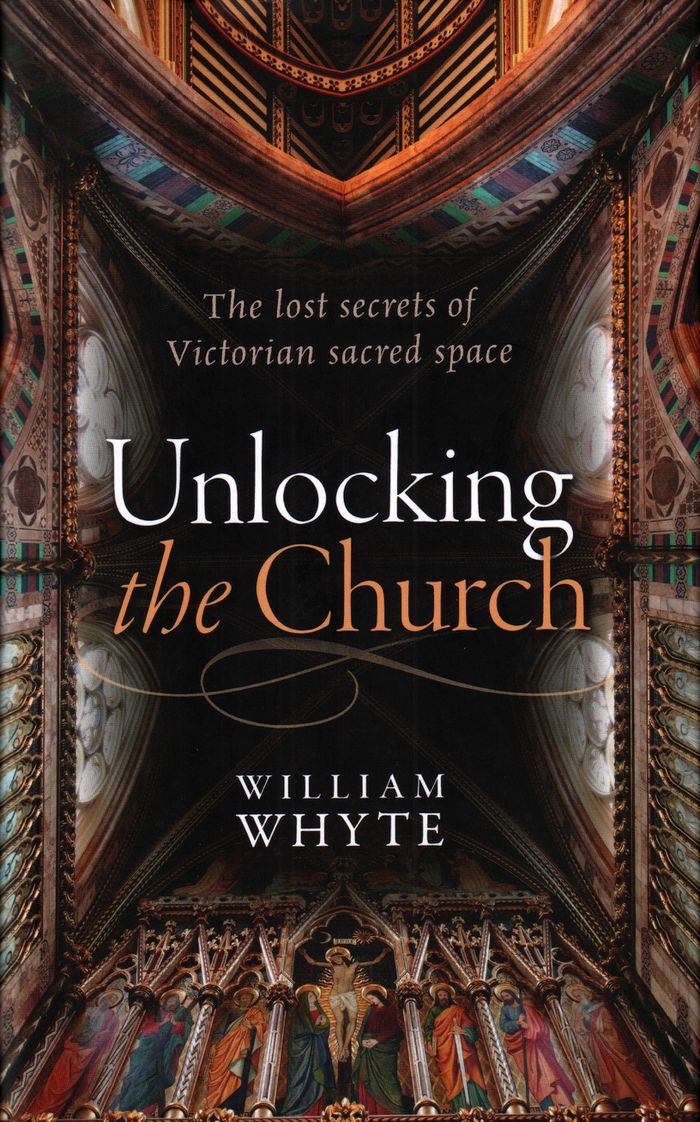
Unlocking the church: the lost secrets of Victorian sacred space
Actions:
Prix:
$27.50
(disponible sur commande)
Résumé:
In Unlocking the Church, William Whyte explores a forgotten revolution in social and architectural history and in the history of the Church. He details the architectural and theological debates of the day, explaining how the Tractarians of Oxford and the Ecclesiologists of Cambridge were embroiled in the aesthetics of architecture, and how the Victorians profoundly changed the ways in which buildings were understood and experienced. No longer mere receptacles for worship, churches became active agents in their own rights, capable of conveying theological ideas and designed to shape people's emotions. These church buildings are now a challenge: their maintenance, repair or repurposing are pressing problems for parishes in age of declining attendance and dwindling funds. By understanding their past, unlocking the secrets of their space, there might be answers in how to deal with the legacy of the Victorians now and into the future.
Unlocking the church: the lost secrets of Victorian sacred space
Actions:
Prix:
$27.50
(disponible sur commande)
Résumé:
In Unlocking the Church, William Whyte explores a forgotten revolution in social and architectural history and in the history of the Church. He details the architectural and theological debates of the day, explaining how the Tractarians of Oxford and the Ecclesiologists of Cambridge were embroiled in the aesthetics of architecture, and how the Victorians profoundly changed the ways in which buildings were understood and experienced. No longer mere receptacles for worship, churches became active agents in their own rights, capable of conveying theological ideas and designed to shape people's emotions. These church buildings are now a challenge: their maintenance, repair or repurposing are pressing problems for parishes in age of declining attendance and dwindling funds. By understanding their past, unlocking the secrets of their space, there might be answers in how to deal with the legacy of the Victorians now and into the future.
Classification:
livres
livres
Publication:
novembre 2017
novembre 2017
Sujet:
Théorie de l’architecture
Théorie de l’architecture
Classification:
livres
livres
Prix:
$61.50
(disponible sur commande)
Résumé:
In the 1960s and ’70s, architects, influenced by recent developments in computing and the rise of structuralist and poststructuralist thinking, began to radically rethink how architecture could be created. Though various new approaches gained favor, they had one thing in common: they advocated moving away from the traditional reliance on an individual architect’s(...)
$61.50
(disponible sur commande)
Résumé:
In the 1960s and ’70s, architects, influenced by recent developments in computing and the rise of structuralist and poststructuralist thinking, began to radically rethink how architecture could be created. Though various new approaches gained favor, they had one thing in common: they advocated moving away from the traditional reliance on an individual architect’s(...)
Titre:
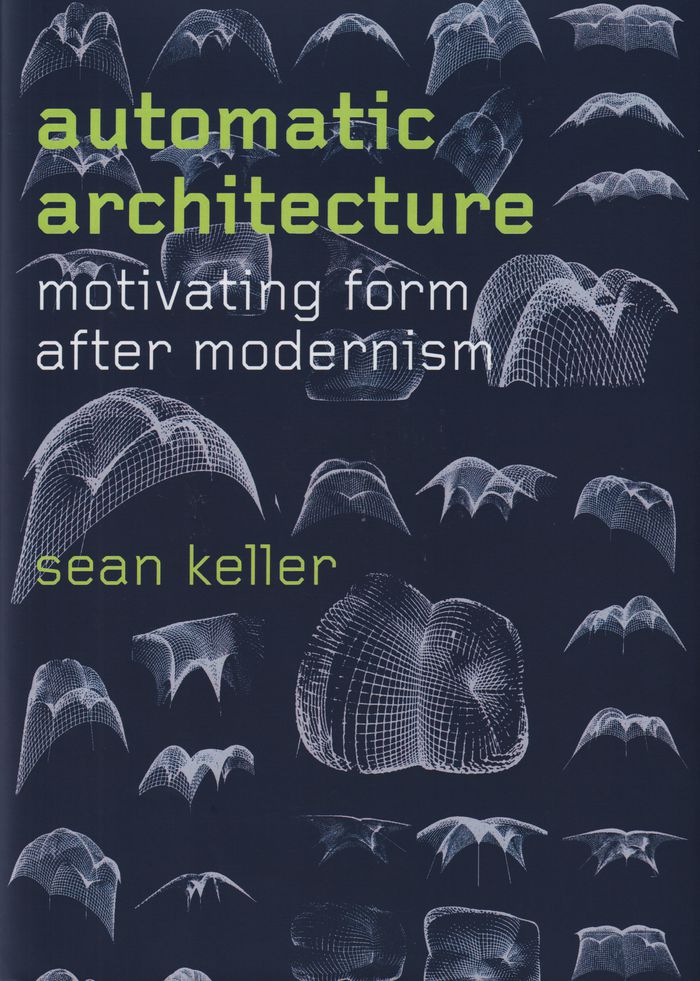
Automatic architecture: motivating form after modernism
Actions:
Prix:
$61.50
(disponible sur commande)
Résumé:
In the 1960s and ’70s, architects, influenced by recent developments in computing and the rise of structuralist and poststructuralist thinking, began to radically rethink how architecture could be created. Though various new approaches gained favor, they had one thing in common: they advocated moving away from the traditional reliance on an individual architect’s knowledge and instincts and toward the use of external tools and processes that were considered objective, logical, or natural. Automatic architecture was born.
Automatic architecture: motivating form after modernism
Actions:
Prix:
$61.50
(disponible sur commande)
Résumé:
In the 1960s and ’70s, architects, influenced by recent developments in computing and the rise of structuralist and poststructuralist thinking, began to radically rethink how architecture could be created. Though various new approaches gained favor, they had one thing in common: they advocated moving away from the traditional reliance on an individual architect’s knowledge and instincts and toward the use of external tools and processes that were considered objective, logical, or natural. Automatic architecture was born.
Classification:
livres
livres
Publication:
février 2018
février 2018
Sujet:
Théorie de l’architecture
Théorie de l’architecture
Classification:
livres
livres
Actions:
Prix:
$50.00
(disponible en magasin)
Résumé:
What is the nature of the interaction between architecture and machines as key objects in human design, and how does this interplay work? The contributors to this book explore this multifaceted interchange in its broad thematic manifestations and historical depth, focusing above all on three aspects: machines that assist in the design and construction of buildings, those(...)
$50.00
(disponible en magasin)
Résumé:
What is the nature of the interaction between architecture and machines as key objects in human design, and how does this interplay work? The contributors to this book explore this multifaceted interchange in its broad thematic manifestations and historical depth, focusing above all on three aspects: machines that assist in the design and construction of buildings, those(...)
Titre:
Architecture / Machine. GTA papers 1
Actions:
Prix:
$50.00
(disponible en magasin)
Résumé:
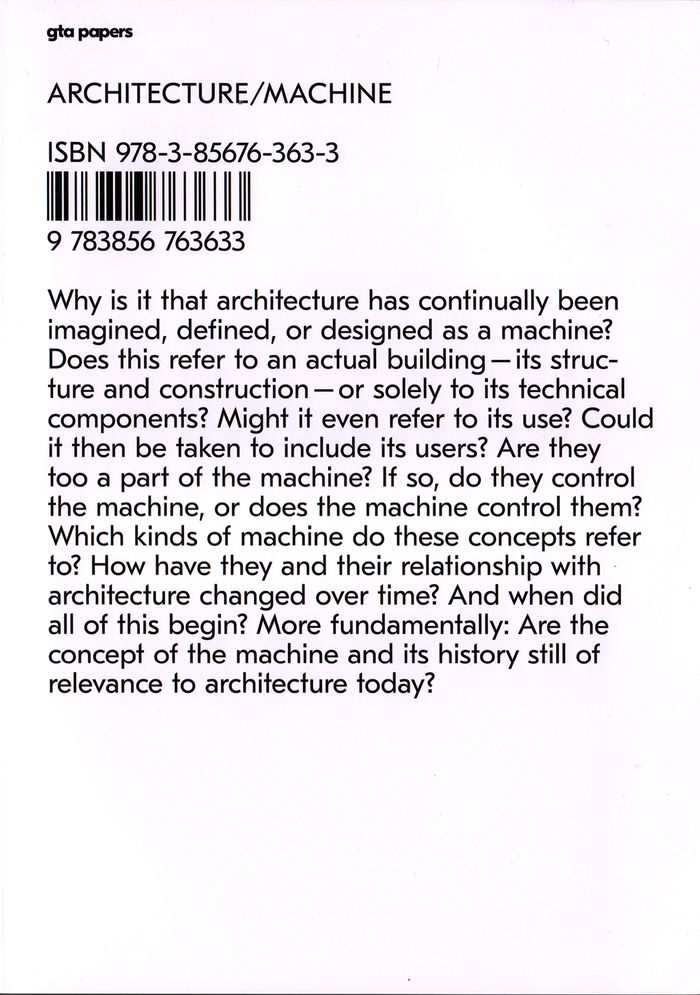
What is the nature of the interaction between architecture and machines as key objects in human design, and how does this interplay work? The contributors to this book explore this multifaceted interchange in its broad thematic manifestations and historical depth, focusing above all on three aspects: machines that assist in the design and construction of buildings, those that perform their tasks inside the walls and structures of buildings, and—in particular—machines that act as models and images of architectural thought. What emerges is that the subject of machines within the architectural framework has been rooted not simply in concrete technical questions, but rather to a far greater extent in general programs, processes, and performances, and thus in fundamental categories of built space.
Architecture / Machine. GTA papers 1
Actions:
Prix:
$50.00
(disponible en magasin)
Résumé:
What is the nature of the interaction between architecture and machines as key objects in human design, and how does this interplay work? The contributors to this book explore this multifaceted interchange in its broad thematic manifestations and historical depth, focusing above all on three aspects: machines that assist in the design and construction of buildings, those that perform their tasks inside the walls and structures of buildings, and—in particular—machines that act as models and images of architectural thought. What emerges is that the subject of machines within the architectural framework has been rooted not simply in concrete technical questions, but rather to a far greater extent in general programs, processes, and performances, and thus in fundamental categories of built space.
Classification:
livres
livres
Publication:
janvier 2018
janvier 2018
Sujet:
Théorie de l’architecture
Théorie de l’architecture
Classification:
livres
livres
Prix:
$19.00
(disponible sur commande)
Résumé:
Avec sa silhouette iconique de Babel des Temps modernes, on croit toujours se « souvenir » du Monument à la IIIe Internationale (1919-1920) de V. Tatline (1885-1953). Pourtant, notre esprit ne retient souvent de la « Tour Tatline » que la sculpture tirée d'un musée imaginaire, alors qu'il s'agit d'abord du modèle réduit d'une « anti-Tour Eiffel » non réalisée. Bien plus(...)
$19.00
(disponible sur commande)
Résumé:
Avec sa silhouette iconique de Babel des Temps modernes, on croit toujours se « souvenir » du Monument à la IIIe Internationale (1919-1920) de V. Tatline (1885-1953). Pourtant, notre esprit ne retient souvent de la « Tour Tatline » que la sculpture tirée d'un musée imaginaire, alors qu'il s'agit d'abord du modèle réduit d'une « anti-Tour Eiffel » non réalisée. Bien plus(...)
Titre:
La Tour Tatlin : monument à la IIIième internationale?
Actions:
Prix:
$19.00
(disponible sur commande)
Résumé:
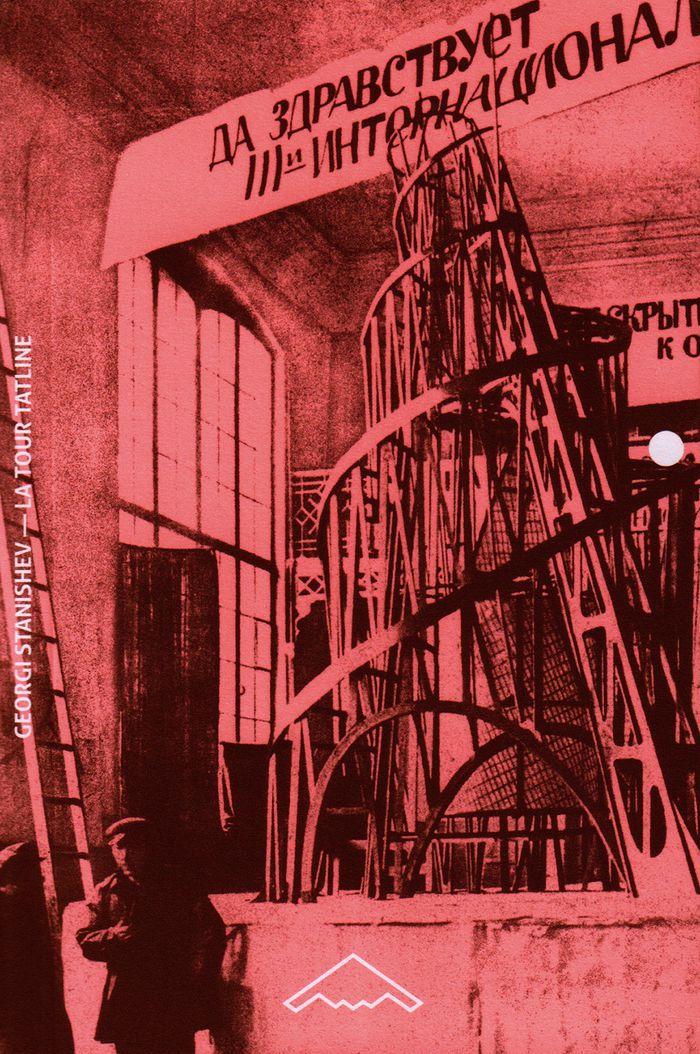
Avec sa silhouette iconique de Babel des Temps modernes, on croit toujours se « souvenir » du Monument à la IIIe Internationale (1919-1920) de V. Tatline (1885-1953). Pourtant, notre esprit ne retient souvent de la « Tour Tatline » que la sculpture tirée d'un musée imaginaire, alors qu'il s'agit d'abord du modèle réduit d'une « anti-Tour Eiffel » non réalisée. Bien plus élevée que les 160 m du treillis fuselé de la Tour TSF (1920-1922) de l'ingénieur-architecte V. Choukhov (1853-1939), les 400 m de contreplongées constructivistes auraient dû incarner un monument socialiste et une œuvre d'art cosmopolite totale, tour à tour promenade cinématique, centre d'émission radio et haut-parleur d'amplification de la voix de Moscou : à la ville et au monde prolétarien.
La Tour Tatlin : monument à la IIIième internationale?
Actions:
Prix:
$19.00
(disponible sur commande)
Résumé:
Avec sa silhouette iconique de Babel des Temps modernes, on croit toujours se « souvenir » du Monument à la IIIe Internationale (1919-1920) de V. Tatline (1885-1953). Pourtant, notre esprit ne retient souvent de la « Tour Tatline » que la sculpture tirée d'un musée imaginaire, alors qu'il s'agit d'abord du modèle réduit d'une « anti-Tour Eiffel » non réalisée. Bien plus élevée que les 160 m du treillis fuselé de la Tour TSF (1920-1922) de l'ingénieur-architecte V. Choukhov (1853-1939), les 400 m de contreplongées constructivistes auraient dû incarner un monument socialiste et une œuvre d'art cosmopolite totale, tour à tour promenade cinématique, centre d'émission radio et haut-parleur d'amplification de la voix de Moscou : à la ville et au monde prolétarien.
Classification:
livres
livres
Publication:
octobre 2017
octobre 2017
Sujet:
Théorie de l’architecture
Théorie de l’architecture
Classification:
livres
livres
Prix:
$46.95
(disponible sur commande)
Résumé:
Après avoir été comparé par Adolf Loos à un «crime» et quasi abandonné par l’architecture moderne, l’ornement architectural a fait un retour spectaculaire ces dernières années, souvent en relation avec la montée en puissance des outils numériques. Quel sens donner à ce phénomène? En même temps qu’il semble renouer avec une tradition pluriséculaire, l’ornement(...)
$46.95
(disponible sur commande)
Résumé:
Après avoir été comparé par Adolf Loos à un «crime» et quasi abandonné par l’architecture moderne, l’ornement architectural a fait un retour spectaculaire ces dernières années, souvent en relation avec la montée en puissance des outils numériques. Quel sens donner à ce phénomène? En même temps qu’il semble renouer avec une tradition pluriséculaire, l’ornement(...)
Titre:
L'ornement architectural : entre subjectivité et politique
Actions:
Prix:
$46.95
(disponible sur commande)
Résumé:
Après avoir été comparé par Adolf Loos à un «crime» et quasi abandonné par l’architecture moderne, l’ornement architectural a fait un retour spectaculaire ces dernières années, souvent en relation avec la montée en puissance des outils numériques. Quel sens donner à ce phénomène? En même temps qu’il semble renouer avec une tradition pluriséculaire, l’ornement architectural contemporain diffère de ses prédécesseurs sur un certain nombre de points clefs. Ce livre commence par explorer ces différences avant de proposer deux fils conducteurs permettant de relier passé et présent, ornement traditionnel et ornement contemporain. L’ornement présente tout d’abord des liens étroits avec la question du ou plutôt des sujets de l’architecture: concepteurs, artisans, clients, spectateurs qui tous contribuent à la production et à la réception de l’architecture.
L'ornement architectural : entre subjectivité et politique
Actions:
Prix:
$46.95
(disponible sur commande)
Résumé:
Après avoir été comparé par Adolf Loos à un «crime» et quasi abandonné par l’architecture moderne, l’ornement architectural a fait un retour spectaculaire ces dernières années, souvent en relation avec la montée en puissance des outils numériques. Quel sens donner à ce phénomène? En même temps qu’il semble renouer avec une tradition pluriséculaire, l’ornement architectural contemporain diffère de ses prédécesseurs sur un certain nombre de points clefs. Ce livre commence par explorer ces différences avant de proposer deux fils conducteurs permettant de relier passé et présent, ornement traditionnel et ornement contemporain. L’ornement présente tout d’abord des liens étroits avec la question du ou plutôt des sujets de l’architecture: concepteurs, artisans, clients, spectateurs qui tous contribuent à la production et à la réception de l’architecture.
Classification:
livres
livres
Publication:
mai 2017
mai 2017
Sujet:
Théorie de l’architecture
Théorie de l’architecture
Classification:
livres
livres
Actions:
Prix:
$35.95
(disponible sur commande)
Résumé:
Bâtiment abandonné, ruine moderne, fantôme urbain, squelette immobilier, structure désaffectée… Une variété d’appellations pour tenter de circonscrire, au moins par les mots, le phénomène d’abandon de fragments entiers de villes. Cet abandon, qu’il soit partiel ou total, temporaire ou durable, est examiné ici au prisme du « potentiel » que pourrait représenter la(...)
$35.95
(disponible sur commande)
Résumé:
Bâtiment abandonné, ruine moderne, fantôme urbain, squelette immobilier, structure désaffectée… Une variété d’appellations pour tenter de circonscrire, au moins par les mots, le phénomène d’abandon de fragments entiers de villes. Cet abandon, qu’il soit partiel ou total, temporaire ou durable, est examiné ici au prisme du « potentiel » que pourrait représenter la(...)
Titre:
Du potentiel des grandes structures urbaines abandonées / On the potential of abandoned large urban structures
Actions:
Prix:
$35.95
(disponible sur commande)
Résumé:
Bâtiment abandonné, ruine moderne, fantôme urbain, squelette immobilier, structure désaffectée… Une variété d’appellations pour tenter de circonscrire, au moins par les mots, le phénomène d’abandon de fragments entiers de villes. Cet abandon, qu’il soit partiel ou total, temporaire ou durable, est examiné ici au prisme du « potentiel » que pourrait représenter la survivance de ces structures. Ciblant 12 études de cas, cette première édition des Cahiers du Laboratoire d’Étude de l’Architecture Potentielle (LEAP) convoque autour de cette thématique la discipline architecturale, l’histoire de l’art et la sémiotique. De Montréal à Berlin, de Détroit à Turin, la variété des contributions est organisée autour de quatre tensions interrogeant le statut de ces structures (monumentalité/monument), leur échelle (architecture/urbanisme), les figures qu’elles cristallisent (utopie/ruine) et les imaginaires qui s’y développent (résistances/potentiels).
Du potentiel des grandes structures urbaines abandonées / On the potential of abandoned large urban structures
Actions:
Prix:
$35.95
(disponible sur commande)
Résumé:
Bâtiment abandonné, ruine moderne, fantôme urbain, squelette immobilier, structure désaffectée… Une variété d’appellations pour tenter de circonscrire, au moins par les mots, le phénomène d’abandon de fragments entiers de villes. Cet abandon, qu’il soit partiel ou total, temporaire ou durable, est examiné ici au prisme du « potentiel » que pourrait représenter la survivance de ces structures. Ciblant 12 études de cas, cette première édition des Cahiers du Laboratoire d’Étude de l’Architecture Potentielle (LEAP) convoque autour de cette thématique la discipline architecturale, l’histoire de l’art et la sémiotique. De Montréal à Berlin, de Détroit à Turin, la variété des contributions est organisée autour de quatre tensions interrogeant le statut de ces structures (monumentalité/monument), leur échelle (architecture/urbanisme), les figures qu’elles cristallisent (utopie/ruine) et les imaginaires qui s’y développent (résistances/potentiels).
Classification:
livres
livres
Publication:
mars 2017
mars 2017
Sujet:
Théorie de l’architecture
Théorie de l’architecture
Classification:
livres
livres
Actions:
Prix:
$19.95
(disponible en magasin)
Résumé:
Juan Benet’s penultimate book, "The construction of the Tower of Babel" brings together two essays that testify to the multiplicity of the author’s interests, both personal and professional
$19.95
(disponible en magasin)
Résumé:
Juan Benet’s penultimate book, "The construction of the Tower of Babel" brings together two essays that testify to the multiplicity of the author’s interests, both personal and professional
Titre:
The construction of the tower of Babel
Actions:
Prix:
$19.95
(disponible en magasin)
Résumé:
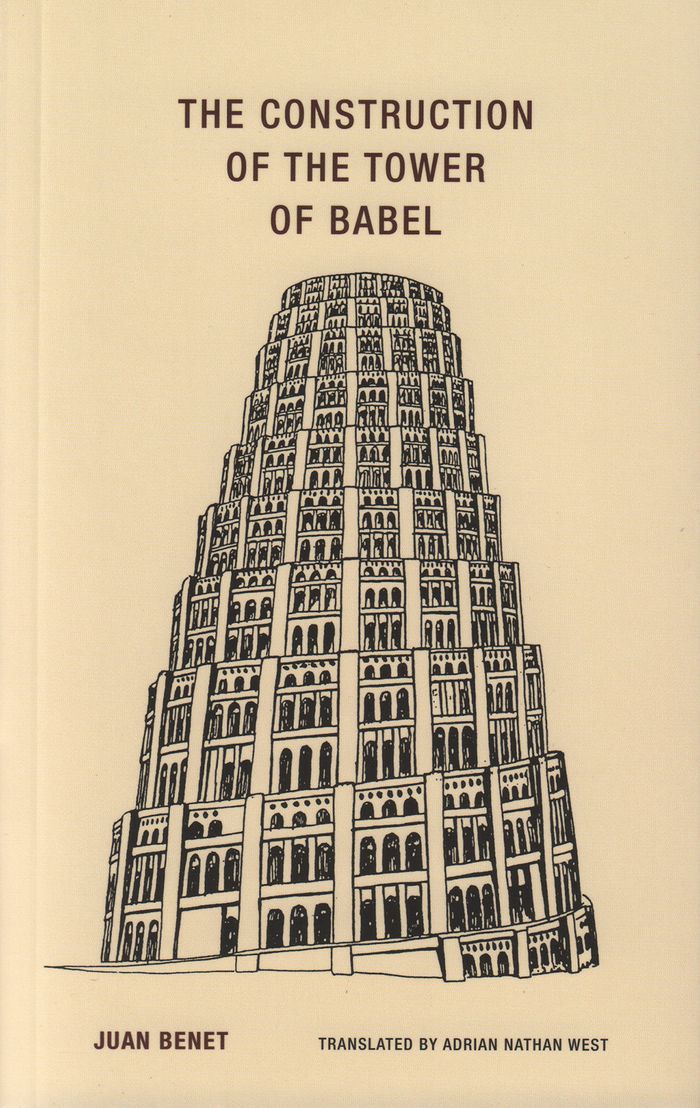
Juan Benet’s penultimate book, "The construction of the Tower of Babel" brings together two essays that testify to the multiplicity of the author’s interests, both personal and professional
The construction of the tower of Babel
Actions:
Prix:
$19.95
(disponible en magasin)
Résumé:
Juan Benet’s penultimate book, "The construction of the Tower of Babel" brings together two essays that testify to the multiplicity of the author’s interests, both personal and professional
Classification:
livres
livres
Publication:
novembre 2017
novembre 2017
Sujet:
Théorie de l’architecture
Théorie de l’architecture


