


2227 Résultats
Classification:
livres
livres
Actions:
Prix:
$75.95
(disponible sur commande)
Résumé:
La catégorie d'utilitas renvoie aux besoins fondamentaux de l'habitation humaine. Elle se rapporte aux dispositions spatiales et matérielles qui permettent à un bâtiment d'être adapté à sa destination, à son usage, soit à ce que l'on appelle aujourd'hui sa fonction. La catégorie de firmitas est celle des matériaux mise en œuvre. À ce titre elle s'ancre profondément(...)
Titre:
Architecture, t.06 ; mettre en forme et composer
Actions:
Prix:
$75.95
(disponible sur commande)
Résumé:
La catégorie d'utilitas renvoie aux besoins fondamentaux de l'habitation humaine. Elle se rapporte aux dispositions spatiales et matérielles qui permettent à un bâtiment d'être adapté à sa destination, à son usage, soit à ce que l'on appelle aujourd'hui sa fonction. La catégorie de firmitas est celle des matériaux mise en œuvre. À ce titre elle s'ancre profondément dans l'économie. La classification morphologique des ouvrages de construction, inséparables de leurs systèmes techniques, est abordée au regard de leur capacité à contenir de l'espace habité. La catégorie du venustas est la plus complexe des trois et pose d'emblée la question des finalités de l'architecture. Elle est reliée au concept de « modernité » dont l'évolution du sens au cours du XXe siècle mérite un examen attentif.
Classification:
livres
livres
Publication:
janvier 2019
janvier 2019
Sujet:
Théorie de l’architecture
Théorie de l’architecture
Classification:
livres
livres
Prix:
$23.95
(disponible sur commande)
Résumé:
Enoncées il y a vingt siècles puis réactualisées à la Renaissance, les catégories de Vitruve, reformulées par Alberti, se présentent comme des cadres mentaux propres à l'architecture occidentale, suffisamment souples pour intégrer les expériences accumulées dans son histoire, et ouvertes aux évolutions de chaque époque comme aux apports des architectes qui ont marqué leur(...)
Titre:
Architecture, t.07 : mettre en forme et composer (planches)
Actions:
Prix:
$23.95
(disponible sur commande)
Résumé:
Enoncées il y a vingt siècles puis réactualisées à la Renaissance, les catégories de Vitruve, reformulées par Alberti, se présentent comme des cadres mentaux propres à l'architecture occidentale, suffisamment souples pour intégrer les expériences accumulées dans son histoire, et ouvertes aux évolutions de chaque époque comme aux apports des architectes qui ont marqué leur temps de façon significative.
Classification:
livres
livres
Publication:
janvier 2019
janvier 2019
Sujet:
Théorie de l’architecture
Théorie de l’architecture
Classification:
livres
livres
Titre:
Ornament and crime
Ornament and crime
Actions:
Prix:
$21.99
(disponible sur commande)
Résumé:
Adolf Loos, the great Viennese pioneer of modern architecture, was a hater of the fake, the fussy and the lavishly decorated, and a lover of stripped down, clean simplicity. He was also a writer of effervescent, caustic wit, as shown in this selection of essays on all aspects of design and aesthetics, from cities to glassware, furniture to footwear, architectural training(...)
Titre:
Ornament and crime
Actions:
Prix:
$21.99
(disponible sur commande)
Résumé:
Adolf Loos, the great Viennese pioneer of modern architecture, was a hater of the fake, the fussy and the lavishly decorated, and a lover of stripped down, clean simplicity. He was also a writer of effervescent, caustic wit, as shown in this selection of essays on all aspects of design and aesthetics, from cities to glassware, furniture to footwear, architectural training to why ''the lack of ornament is a sign of intellectual power''.
Classification:
livres
livres
Publication:
mai 2019
mai 2019
Sujet:
Théorie de l’architecture
Théorie de l’architecture
Classification:
livres
livres
Actions:
Prix:
$138.00
(disponible sur commande)
Résumé:
If postmodernism is indeed ''the cultural logic of late capitalism,'' why did typical postmodernist themes like ornament, colour, history and identity find their application in the architecture of the socialist Second World? How do we explain the retreat into paper architecture and theoretical discussion in societies still nominally devoted to socialist modernization?(...)
Titre:
Second world postmodernisms: architecture and society under late socialism
Actions:
Prix:
$138.00
(disponible sur commande)
Résumé:
If postmodernism is indeed ''the cultural logic of late capitalism,'' why did typical postmodernist themes like ornament, colour, history and identity find their application in the architecture of the socialist Second World? How do we explain the retreat into paper architecture and theoretical discussion in societies still nominally devoted to socialist modernization? Exploring the intersection of two areas of growing scholarly interest - postmodernism and the architecture of the former socialist world - this edited collection stakes out new ground in charting architecture's various transformations in the 1970s and 80s. Fourteen essays together explore the question of whether or not architectural postmodernism had a specific Second World variant.
Classification:
livres
livres
Publication:
février 2019
février 2019
Sujet:
Théorie de l’architecture
Théorie de l’architecture
Classification:
livres
livres
Prix:
$48.90
(disponible sur commande)
Résumé:
Harry Francis Mallgrave combines a history of ideas about architectural experience with the latest insights from the fields of neuroscience, cognitive science and evolutionary biology to make a powerful argument about the nature and future of architectural design.
Titre:
From object to experience: the new culture of architectural design
Actions:
Prix:
$48.90
(disponible sur commande)
Résumé:
Harry Francis Mallgrave combines a history of ideas about architectural experience with the latest insights from the fields of neuroscience, cognitive science and evolutionary biology to make a powerful argument about the nature and future of architectural design.
Classification:
livres
livres
Publication:
juin 2018
juin 2018
Sujet:
Théorie de l’architecture
Théorie de l’architecture
Classification:
livres
livres
Prix:
$48.95
(disponible en magasin)
Résumé:
Architect and philosopher Hélène Frichot examines how the discipline of architecture is theorized and practiced at the periphery. Eschewing a conventionally direct approach to architectural objects – to iconic buildings and big-name architects – she instead explores the background of architectural practice, to introduce the creative ecologies in which architecture exists(...)
Titre:
Creative ecologies: theorizing the practice of architecture
Actions:
Prix:
$48.95
(disponible en magasin)
Résumé:
Architect and philosopher Hélène Frichot examines how the discipline of architecture is theorized and practiced at the periphery. Eschewing a conventionally direct approach to architectural objects – to iconic buildings and big-name architects – she instead explores the background of architectural practice, to introduce the creative ecologies in which architecture exists only in relation to other objects and ideas. This book is concerned with 'other ways of doing architecture'. It examines architecture at the limits where it is muddied by alternative disciplinary influences – whether art practice, philosophy or literature. Frichot meets a range of creative characters who work at the peripheries, and who challenge the central assumptions of the discipline, showing that there is no 'core of architecture' – there is rather architecture as a multiplicity of diverse concerns in engagement with local environments and worlds.
Classification:
livres
livres
Publication:
décembre 2018
décembre 2018
Sujet:
Théorie de l’architecture
Théorie de l’architecture
Classification:
livres
livres
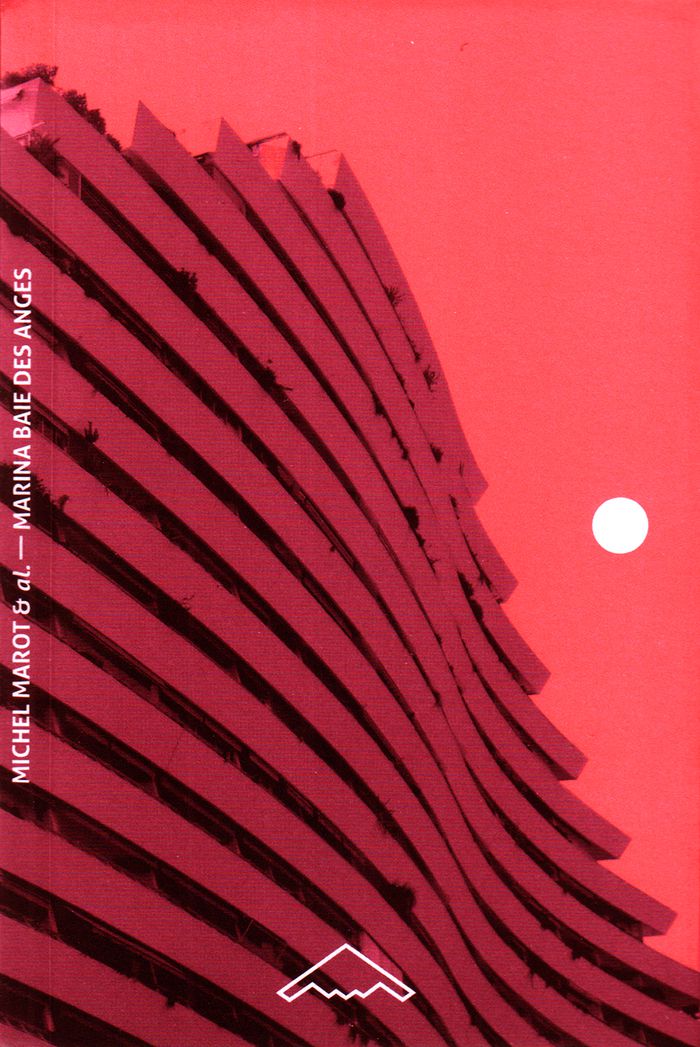
Titre:
Marina Baie des Anges
Marina Baie des Anges
Actions:
Prix:
$19.00
(disponible sur commande)
Résumé:
Contrepoint du Port-Grimaud (1962-1967) de François Spoerry – mais d'une échelle balnéaire et d'un tourisme de masse bien moindre que La Grande-Motte (1966-1982) de Jean Balladur –, la Marina Baie des Anges (1967-1993) constitue une opération de standing unique, aussi adulée que décriée : un « label », synonyme d'affairisme mégalomane et de bétonnage sauvage, autant que(...)
Titre:
Marina Baie des Anges
Actions:
Prix:
$19.00
(disponible sur commande)
Résumé:
Contrepoint du Port-Grimaud (1962-1967) de François Spoerry – mais d'une échelle balnéaire et d'un tourisme de masse bien moindre que La Grande-Motte (1966-1982) de Jean Balladur –, la Marina Baie des Anges (1967-1993) constitue une opération de standing unique, aussi adulée que décriée : un « label », synonyme d'affairisme mégalomane et de bétonnage sauvage, autant que de talent de son architecte officiel, André Minangoy, et de Michel Marot, le Grand Prix de Rome de l'ombre. Restitué dans son époque, ce complexe épouse aussi des horizons plus larges : ceux de l'aménagement stratégique du Grand Sud piloté depuis l'Élysée, de la conurbation touristique d'Antibes à Menton, de la promotion immobilière et de la création du Conservatoire au Littoral...
Classification:
livres
livres
Publication:
décembre 2018
décembre 2018
Sujet:
Théorie de l’architecture
Théorie de l’architecture
Classification:
livres
livres
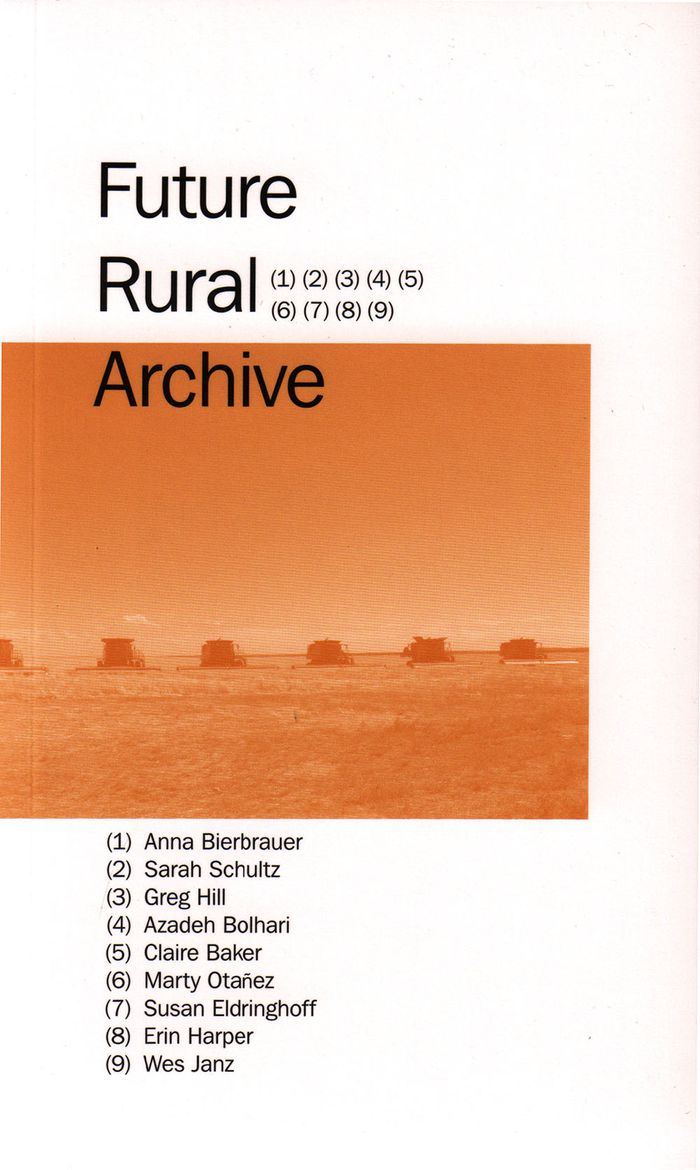
Titre:
Future rural archive
Future rural archive
Actions:
Prix:
$35.00
(disponible sur commande)
Résumé:
Through interdisciplinary approaches, this series explores and connects the changing realities of rural landscapes and communities around the world. Tucked inside the covers of this slim volume is a conversation—a chorus, a round. It takes place between the contributions, across a territory of blacktop, botany, and biography. It is as much a call and response between the(...)
Sujet:
Théorie de l’architecture
Théorie de l’architecture
Publication:
mars 2019
mars 2019
Titre:
Future rural archive
Actions:
Prix:
$35.00
(disponible sur commande)
Résumé:
Through interdisciplinary approaches, this series explores and connects the changing realities of rural landscapes and communities around the world. Tucked inside the covers of this slim volume is a conversation—a chorus, a round. It takes place between the contributions, across a territory of blacktop, botany, and biography. It is as much a call and response between the writers and you, dear reader, as it is between what lays before us on that open road and what lies behind in the dust. In these pages we find ourselves caught between the ambiguous future of the title and—not the past—the artifacts of memory. This is the indefinite space of the future, the rural, and the archive.
Classification:
livres
livres
Publication:
mars 2019
mars 2019
Sujet:
Théorie de l’architecture
Théorie de l’architecture
Classification:
livres
livres

Prix:
$38.95
(disponible sur commande)
Résumé:
"Il y a toujours cette impression de ne pas être bien formé et que l'école ne sert à rien. Pourtant en entrant dans la vie c'est la découverte de ce qui a été appris et ce que l'on aurait aimé apprendre. C'est aussi le regret de ne pas avoir assez profité de l'école, de cette chance d'avoir été jeune et que tout était possible. Le premier projet que j'aurais aimé faire(...)
Titre:
Permis de faire : leçon inaugurale 2017 de l'École de Chaillot
Actions:
Prix:
$38.95
(disponible sur commande)
Résumé:
"Il y a toujours cette impression de ne pas être bien formé et que l'école ne sert à rien. Pourtant en entrant dans la vie c'est la découverte de ce qui a été appris et ce que l'on aurait aimé apprendre. C'est aussi le regret de ne pas avoir assez profité de l'école, de cette chance d'avoir été jeune et que tout était possible. Le premier projet que j'aurais aimé faire c'est l'école que je n'ai pas eue... Je reste sur cette frustration d'un enseignement centré sur l'acquisition des savoirs et non de la compréhension des choses. J'ai tenté d'apprendre à vivre dans le monde en construisant des situations pour mettre à l'épreuve le réel, faire apparaître ce que les choses ont à nous dire, révéler ce qui est caché en nous, c'est la seule chose qui m'intéresse. Faire de l'architecture sans à priori, laisser venir l'inattendu, faire de toutes petites choses, en totale liberté. Elle pourrait être le résultat d'un acte non prévu, l'expression chargée de sens et non une forme préétablie, produire une architecture inconnue, reflet d'une imagination sociale perdue. Elle pourrait d'ailleurs ne jamais venir. Elle devrait être l'architecture du désaccord, de la solidarité, de l'hospitalité, de la liberté de penser et de faire. Il n'y aurait pas de projet défini mais un travail commun de construction d'une situation concrète. Participer à une construction avec un idéal de composer ensemble le monde dans lequel nous vivons. Construire en habitant, habiter en construisant, c'est le principe de la vie. On ne sait pas bien pourquoi on est là, tout a déjà été fait, il n'y a plus rien à faire si ce n'est VIVRE ENSEMBLE, tout est là."
Classification:
livres
livres
Publication:
avril 2019
avril 2019
Sujet:
Théorie de l’architecture
Théorie de l’architecture
Classification:
livres
livres
Prix:
$45.00
(disponible sur commande)
Résumé:
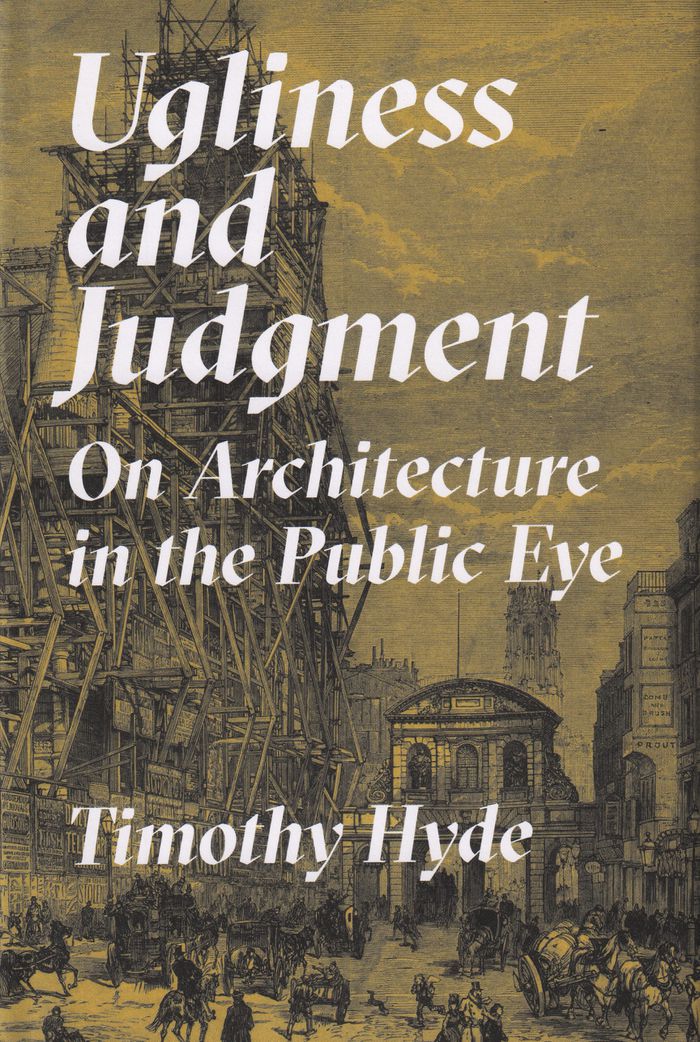
When buildings are deemed ugly, what are the consequences? In ''Ugliness and Judgment,'' Timothy Hyde considers the role of aesthetic judgment and its concern for uglines in architectural debates and their resulting social effects across three centuries of British architectural history. From eighteenth-century ideas about Stonehenge to Prince Charles' opinions about the(...)
Titre:
Ugliness and judgement: on architecture in the public eye
Actions:
Prix:
$45.00
(disponible sur commande)
Résumé:
When buildings are deemed ugly, what are the consequences? In ''Ugliness and Judgment,'' Timothy Hyde considers the role of aesthetic judgment and its concern for uglines in architectural debates and their resulting social effects across three centuries of British architectural history. From eighteenth-century ideas about Stonehenge to Prince Charles' opinions about the National Gallery, Hyde uncovers a new story of aesthetic judgment, where arguments about architectural ugliness do not pertain solely to buildings or assessments of style, but intrude into other spheres of civil society.
Classification:
livres
livres
Publication:
avril 2019
avril 2019
Sujet:
Théorie de l’architecture
Théorie de l’architecture


