


648 Résultats
Classification:
livres
livres
Actions:
Prix:
$54.95
(disponible sur commande)
Résumé:
En 1945, la France en ruine peine à se relever. Quatre millions de personnes sont sans logement ; on manque d’acier, de ciment, de bois ; des villes, des ports, des réseaux ont été entièrement détruits. La région parisienne n’a pas été épargnée. Le ministère de la Reconstruction et de l’Urbanisme va s’atteler à reconstruire, mais aussi à construire, innover, expérimenter(...)
$54.95
(disponible sur commande)
Résumé:
En 1945, la France en ruine peine à se relever. Quatre millions de personnes sont sans logement ; on manque d’acier, de ciment, de bois ; des villes, des ports, des réseaux ont été entièrement détruits. La région parisienne n’a pas été épargnée. Le ministère de la Reconstruction et de l’Urbanisme va s’atteler à reconstruire, mais aussi à construire, innover, expérimenter(...)
Titre:
Réinventer la maison individuelle en 1945: la cité expérimentale de Noisy-le-Sec
Actions:
Prix:
$54.95
(disponible sur commande)
Résumé:
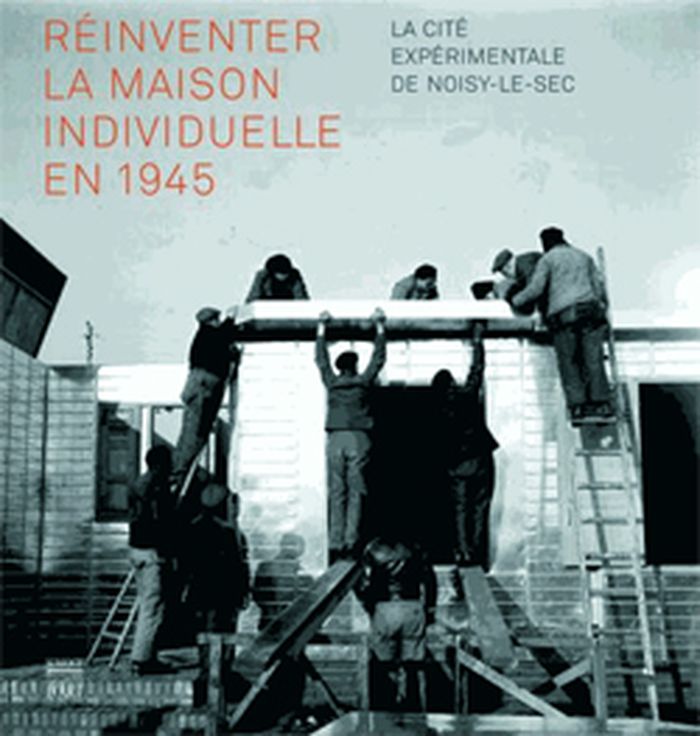
En 1945, la France en ruine peine à se relever. Quatre millions de personnes sont sans logement ; on manque d’acier, de ciment, de bois ; des villes, des ports, des réseaux ont été entièrement détruits. La région parisienne n’a pas été épargnée. Le ministère de la Reconstruction et de l’Urbanisme va s’atteler à reconstruire, mais aussi à construire, innover, expérimenter et réinventer. La maison individuelle a son rôle à jouer, les Français y sont attachés, les chantiers expérimentaux d’Athis-Mons, d’Argenteuil et davantage encore celui de Noisy-le-Sec en sont les sites majeurs. La cité expérimentale de Merlan, à Noisy-le-Sec, se tourne au sortir de la guerre vers l’avenir : « maison montée de l’intérieur vers l’extérieur », « canon à ciment », « acier inoxydable »… C’est cette histoire technique, architecturale et sociale que retrace cet ouvrage, illustré d’images du chantier et de photographies contemporaines de ce quartier protégé au titre des Monuments historiques en 2000.
Réinventer la maison individuelle en 1945: la cité expérimentale de Noisy-le-Sec
Actions:
Prix:
$54.95
(disponible sur commande)
Résumé:
En 1945, la France en ruine peine à se relever. Quatre millions de personnes sont sans logement ; on manque d’acier, de ciment, de bois ; des villes, des ports, des réseaux ont été entièrement détruits. La région parisienne n’a pas été épargnée. Le ministère de la Reconstruction et de l’Urbanisme va s’atteler à reconstruire, mais aussi à construire, innover, expérimenter et réinventer. La maison individuelle a son rôle à jouer, les Français y sont attachés, les chantiers expérimentaux d’Athis-Mons, d’Argenteuil et davantage encore celui de Noisy-le-Sec en sont les sites majeurs. La cité expérimentale de Merlan, à Noisy-le-Sec, se tourne au sortir de la guerre vers l’avenir : « maison montée de l’intérieur vers l’extérieur », « canon à ciment », « acier inoxydable »… C’est cette histoire technique, architecturale et sociale que retrace cet ouvrage, illustré d’images du chantier et de photographies contemporaines de ce quartier protégé au titre des Monuments historiques en 2000.
Classification:
livres
livres
Publication:
mai 2013
mai 2013
Classification:
livres
livres
Actions:
Prix:
$37.50
(disponible sur commande)
Résumé:
Today’s architects are becoming developers and entrepreneurs, creating their own opportunities for commissions, forming cooperatives and providing ideas that are inspiring while also practically applicable. Reactivate! Innovators of Dutch Architecture examines these developments, signaling an exciting new vitality in Dutch architecture.
$37.50
(disponible sur commande)
Résumé:
Today’s architects are becoming developers and entrepreneurs, creating their own opportunities for commissions, forming cooperatives and providing ideas that are inspiring while also practically applicable. Reactivate! Innovators of Dutch Architecture examines these developments, signaling an exciting new vitality in Dutch architecture.
Titre:
Reactivate! innovators of Dutch architecture
Actions:
Prix:
$37.50
(disponible sur commande)
Résumé:
Today’s architects are becoming developers and entrepreneurs, creating their own opportunities for commissions, forming cooperatives and providing ideas that are inspiring while also practically applicable. Reactivate! Innovators of Dutch Architecture examines these developments, signaling an exciting new vitality in Dutch architecture.
Reactivate! innovators of Dutch architecture
Actions:
Prix:
$37.50
(disponible sur commande)
Résumé:
Today’s architects are becoming developers and entrepreneurs, creating their own opportunities for commissions, forming cooperatives and providing ideas that are inspiring while also practically applicable. Reactivate! Innovators of Dutch Architecture examines these developments, signaling an exciting new vitality in Dutch architecture.
Classification:
livres
livres
Publication:
août 2013
août 2013
Classification:
livres
livres
Titre:
Éparses
Éparses
Actions:
Prix:
$32.95
(disponible sur commande)
Résumé:
Une réflexion sur la construction de la mémoire historique et de ses formes multiples à travers les images inédites rassemblées par Emanuel Ringelblum et le groupe Oyneg Shabes entre 1939 et 1943 dans le ghetto de Varsovie, afin de constituer un fond d'archives. Dessins, affiches, journaux intimes, poèmes, lettres et chansons témoignent à la fois des tourments et de(...)
$32.95
(disponible sur commande)
Résumé:
Une réflexion sur la construction de la mémoire historique et de ses formes multiples à travers les images inédites rassemblées par Emanuel Ringelblum et le groupe Oyneg Shabes entre 1939 et 1943 dans le ghetto de Varsovie, afin de constituer un fond d'archives. Dessins, affiches, journaux intimes, poèmes, lettres et chansons témoignent à la fois des tourments et de(...)
Titre:
Éparses
Actions:
Prix:
$32.95
(disponible sur commande)
Résumé:
Une réflexion sur la construction de la mémoire historique et de ses formes multiples à travers les images inédites rassemblées par Emanuel Ringelblum et le groupe Oyneg Shabes entre 1939 et 1943 dans le ghetto de Varsovie, afin de constituer un fond d'archives. Dessins, affiches, journaux intimes, poèmes, lettres et chansons témoignent à la fois des tourments et de l'espérance de la population.
Éparses
Actions:
Prix:
$32.95
(disponible sur commande)
Résumé:
Une réflexion sur la construction de la mémoire historique et de ses formes multiples à travers les images inédites rassemblées par Emanuel Ringelblum et le groupe Oyneg Shabes entre 1939 et 1943 dans le ghetto de Varsovie, afin de constituer un fond d'archives. Dessins, affiches, journaux intimes, poèmes, lettres et chansons témoignent à la fois des tourments et de l'espérance de la population.
Classification:
livres
livres
Publication:
mars 2020
mars 2020
Classification:
livres
livres
Actions:
Prix:
$92.95
(disponible sur commande)
Résumé:
This book reveals Copenhagen's quality of life using the example of built spaces. It leads its readers on a tour of exploration, visiting exciting architecture projects and surprising districts between Ørestadt and Nordhavn. A total of over 25 buildings, urban squares and public spaces created in the past 10 years are presented. Documented with photos, general plans and(...)
$92.95
(disponible sur commande)
Résumé:
This book reveals Copenhagen's quality of life using the example of built spaces. It leads its readers on a tour of exploration, visiting exciting architecture projects and surprising districts between Ørestadt and Nordhavn. A total of over 25 buildings, urban squares and public spaces created in the past 10 years are presented. Documented with photos, general plans and(...)
Titre:
Kobenhavn: Urban architecture and public spaces
Actions:
Prix:
$92.95
(disponible sur commande)
Résumé:
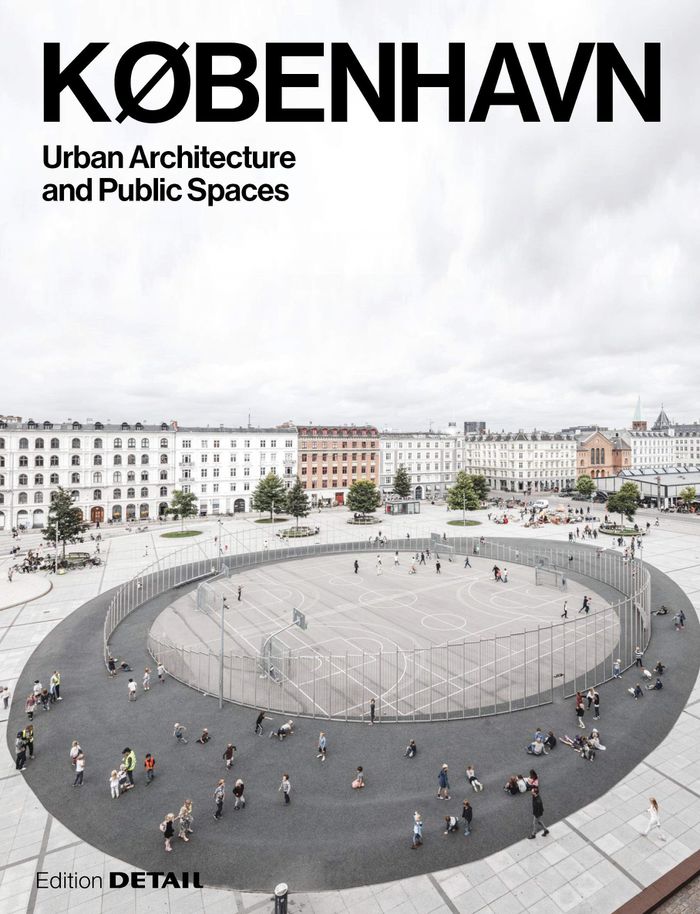
This book reveals Copenhagen's quality of life using the example of built spaces. It leads its readers on a tour of exploration, visiting exciting architecture projects and surprising districts between Ørestadt and Nordhavn. A total of over 25 buildings, urban squares and public spaces created in the past 10 years are presented. Documented with photos, general plans and texts, these projects paint an image of a generation of architects and planners who are not afraid to employ novel solutions. On display are daring typologies such as Amager Bakke, a ski slope on a waste incineration plant by BIG, iconic buildings, including the Royal Danish Aquarium by 3XN or popular public spaces for the urban community.
Kobenhavn: Urban architecture and public spaces
Actions:
Prix:
$92.95
(disponible sur commande)
Résumé:
This book reveals Copenhagen's quality of life using the example of built spaces. It leads its readers on a tour of exploration, visiting exciting architecture projects and surprising districts between Ørestadt and Nordhavn. A total of over 25 buildings, urban squares and public spaces created in the past 10 years are presented. Documented with photos, general plans and texts, these projects paint an image of a generation of architects and planners who are not afraid to employ novel solutions. On display are daring typologies such as Amager Bakke, a ski slope on a waste incineration plant by BIG, iconic buildings, including the Royal Danish Aquarium by 3XN or popular public spaces for the urban community.
Classification:
livres
livres
Publication:
mars 2021
mars 2021
Classification:
livres
livres
Actions:
Prix:
$68.95
(disponible sur commande)
Résumé:
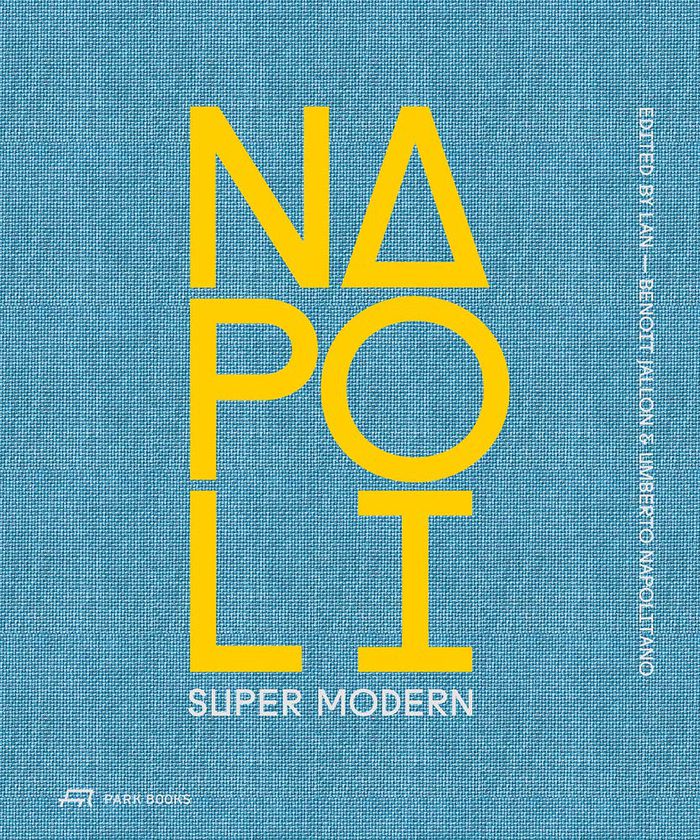
This book is a monument to modern urban construction in Naples. It features some fifty new photos by French photographer Cyrille Weiner as well as historic images and drawings of important architectonic details, and an atlas of eighteen significant buildings dating from 1930–1960 illustrated with site and floor plans, elevations, and sections. It reveals how this(...)
$68.95
(disponible sur commande)
Résumé:
This book is a monument to modern urban construction in Naples. It features some fifty new photos by French photographer Cyrille Weiner as well as historic images and drawings of important architectonic details, and an atlas of eighteen significant buildings dating from 1930–1960 illustrated with site and floor plans, elevations, and sections. It reveals how this(...)
Publication:
janvier 2021
janvier 2021
Titre:
Cyrille Weiner; Napoli super modern
Actions:
Prix:
$68.95
(disponible sur commande)
Résumé:
This book is a monument to modern urban construction in Naples. It features some fifty new photos by French photographer Cyrille Weiner as well as historic images and drawings of important architectonic details, and an atlas of eighteen significant buildings dating from 1930–1960 illustrated with site and floor plans, elevations, and sections. It reveals how this southern Italian metropolis developed its own form of modernism, one that combined Mediterranean culture with local materials and a strong internationalist spirit. The topical essays and concise descriptions of the documented buildings, together with the lavish illustrations make for a hugely attractive and lively portrait of Naples. This fascinating city is both famous and infamous—but its qualities and individuality in terms of architecture and urban development really should be better known.
Cyrille Weiner; Napoli super modern
Actions:
Prix:
$68.95
(disponible sur commande)
Résumé:
This book is a monument to modern urban construction in Naples. It features some fifty new photos by French photographer Cyrille Weiner as well as historic images and drawings of important architectonic details, and an atlas of eighteen significant buildings dating from 1930–1960 illustrated with site and floor plans, elevations, and sections. It reveals how this southern Italian metropolis developed its own form of modernism, one that combined Mediterranean culture with local materials and a strong internationalist spirit. The topical essays and concise descriptions of the documented buildings, together with the lavish illustrations make for a hugely attractive and lively portrait of Naples. This fascinating city is both famous and infamous—but its qualities and individuality in terms of architecture and urban development really should be better known.
Classification:
livres
livres
Publication:
janvier 2021
janvier 2021
Classification:
livres
livres
Prix:
$69.95
(disponible en magasin)
Résumé:
Similar to the rest of the world, holidays and leisure spaces emerged as a trend in Estonia in the early 20th century. During the Soviet era, holiday-making became a universal right, and the state promoted its development in various forms. This book offers a first overview of the rich legacy of Estonian holiday and summer cottage architecture. While focusing on the most(...)
$69.95
(disponible en magasin)
Résumé:
Similar to the rest of the world, holidays and leisure spaces emerged as a trend in Estonia in the early 20th century. During the Soviet era, holiday-making became a universal right, and the state promoted its development in various forms. This book offers a first overview of the rich legacy of Estonian holiday and summer cottage architecture. While focusing on the most(...)
Titre:
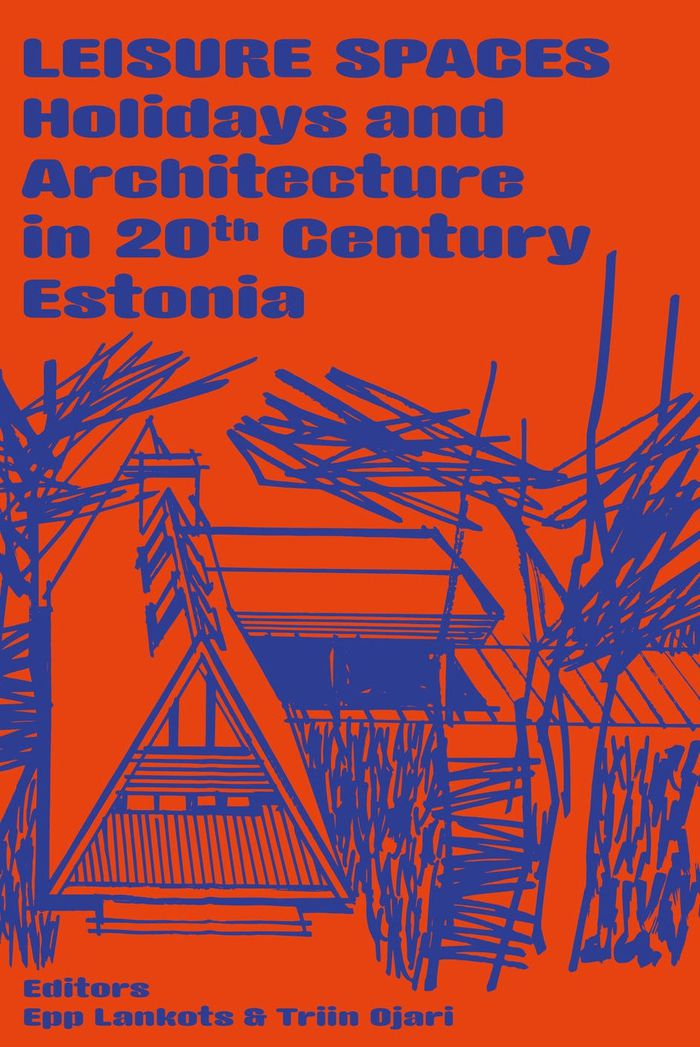
Leisure spaces: holiday and architecture in 20th century Estonia
Actions:
Prix:
$69.95
(disponible en magasin)
Résumé:
Similar to the rest of the world, holidays and leisure spaces emerged as a trend in Estonia in the early 20th century. During the Soviet era, holiday-making became a universal right, and the state promoted its development in various forms. This book offers a first overview of the rich legacy of Estonian holiday and summer cottage architecture. While focusing on the most common building types which helped make holidays available to a large part of the population, the book also explores the meaning of leisure time in the late Soviet society. A fascinating look at how the boundaries between public and private space, austerity and material well-being, were closely interwoven.
Leisure spaces: holiday and architecture in 20th century Estonia
Actions:
Prix:
$69.95
(disponible en magasin)
Résumé:
Similar to the rest of the world, holidays and leisure spaces emerged as a trend in Estonia in the early 20th century. During the Soviet era, holiday-making became a universal right, and the state promoted its development in various forms. This book offers a first overview of the rich legacy of Estonian holiday and summer cottage architecture. While focusing on the most common building types which helped make holidays available to a large part of the population, the book also explores the meaning of leisure time in the late Soviet society. A fascinating look at how the boundaries between public and private space, austerity and material well-being, were closely interwoven.
Classification:
livres
livres
Publication:
décembre 2020
décembre 2020
Classification:
livres
livres
Actions:
Prix:
$97.95
(disponible sur commande)
Résumé:
In 1987, Berlin celebrated its 750th anniversary on both sides of the wall that partitioned the city. In their efforts to recognize this milestone despite the literal division of their country, architects in East and West Berlin constructed a variety of notable buildings as they explored concepts of urban repair and postmodernist design. Today, these buildings have been(...)
$97.95
(disponible sur commande)
Résumé:
In 1987, Berlin celebrated its 750th anniversary on both sides of the wall that partitioned the city. In their efforts to recognize this milestone despite the literal division of their country, architects in East and West Berlin constructed a variety of notable buildings as they explored concepts of urban repair and postmodernist design. Today, these buildings have been(...)
Titre:
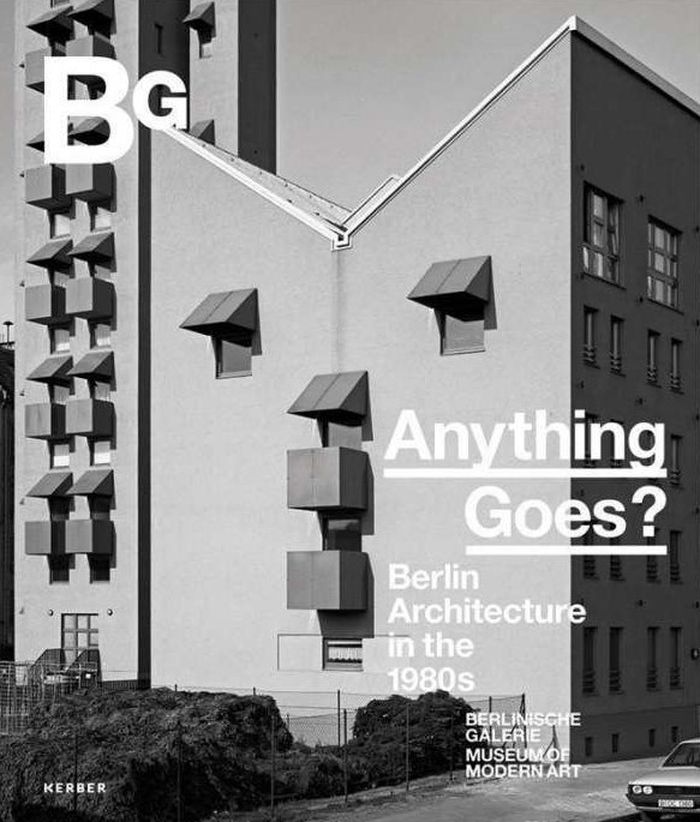
Anything goes? Berlin architecture in the 1980s
Actions:
Prix:
$97.95
(disponible sur commande)
Résumé:
In 1987, Berlin celebrated its 750th anniversary on both sides of the wall that partitioned the city. In their efforts to recognize this milestone despite the literal division of their country, architects in East and West Berlin constructed a variety of notable buildings as they explored concepts of urban repair and postmodernist design. Today, these buildings have been modified, threatened with demolition, or disappeared completely, but their legacy as witnesses to a new era of design remains, and is surveyed in this publication.
Anything goes? Berlin architecture in the 1980s
Actions:
Prix:
$97.95
(disponible sur commande)
Résumé:
In 1987, Berlin celebrated its 750th anniversary on both sides of the wall that partitioned the city. In their efforts to recognize this milestone despite the literal division of their country, architects in East and West Berlin constructed a variety of notable buildings as they explored concepts of urban repair and postmodernist design. Today, these buildings have been modified, threatened with demolition, or disappeared completely, but their legacy as witnesses to a new era of design remains, and is surveyed in this publication.
Classification:
livres
livres
Publication:
juin 2021
juin 2021
Classification:
livres
livres

Titre:
Everything
Everything
Actions:
Prix:
$52.95
(disponible sur commande)
Résumé:
In a way, "Everything" picks up where "Architecture without content" left off. After thirty-three iterations of the big box and architecture of the perimeter, it was time to look elsewhere. These reports focus on European Architecture both in the city and the noncity. Embracing Alighiero Boetti's accumulation of every existing Form in his seminal Tutto tapestry works in(...)
$52.95
(disponible sur commande)
Résumé:
In a way, "Everything" picks up where "Architecture without content" left off. After thirty-three iterations of the big box and architecture of the perimeter, it was time to look elsewhere. These reports focus on European Architecture both in the city and the noncity. Embracing Alighiero Boetti's accumulation of every existing Form in his seminal Tutto tapestry works in(...)
Titre:
Everything
Actions:
Prix:
$52.95
(disponible sur commande)
Résumé:
In a way, "Everything" picks up where "Architecture without content" left off. After thirty-three iterations of the big box and architecture of the perimeter, it was time to look elsewhere. These reports focus on European Architecture both in the city and the noncity. Embracing Alighiero Boetti's accumulation of every existing Form in his seminal Tutto tapestry works in the 1980s, we tried to be both omnivorous and precise in our approach towards every single form to be found on the landscape. This heterogeneous collection includes projects by Raphael, Nouvel, Bofill and Mendrisio Accademia di Architettura students alike. Ultimately, our aim is to accumulate cultural displays without prejudice, in the belief that the only way to safeguard culture, and by extension architecture, is simply by producing it.
Everything
Actions:
Prix:
$52.95
(disponible sur commande)
Résumé:
In a way, "Everything" picks up where "Architecture without content" left off. After thirty-three iterations of the big box and architecture of the perimeter, it was time to look elsewhere. These reports focus on European Architecture both in the city and the noncity. Embracing Alighiero Boetti's accumulation of every existing Form in his seminal Tutto tapestry works in the 1980s, we tried to be both omnivorous and precise in our approach towards every single form to be found on the landscape. This heterogeneous collection includes projects by Raphael, Nouvel, Bofill and Mendrisio Accademia di Architettura students alike. Ultimately, our aim is to accumulate cultural displays without prejudice, in the belief that the only way to safeguard culture, and by extension architecture, is simply by producing it.
Classification:
livres
livres
Publication:
avril 2021
avril 2021


