


54 Résultats
Classification:
livres
livres
Prix:
$75.00
(disponible sur commande)
Résumé:
As in the eponymous exhibition at Mori Art Museum, this volume examines the characteristics of ancient and classical Japanese architecture in a very ambitious attempt to elucidate the major currents of the nation’s architecture from the perspectives of how its genealogies have spread internationally, the pioneering figures in the process, and the mechanisms behind the(...)
$75.00
(disponible sur commande)
Résumé:
As in the eponymous exhibition at Mori Art Museum, this volume examines the characteristics of ancient and classical Japanese architecture in a very ambitious attempt to elucidate the major currents of the nation’s architecture from the perspectives of how its genealogies have spread internationally, the pioneering figures in the process, and the mechanisms behind the(...)
Titre:
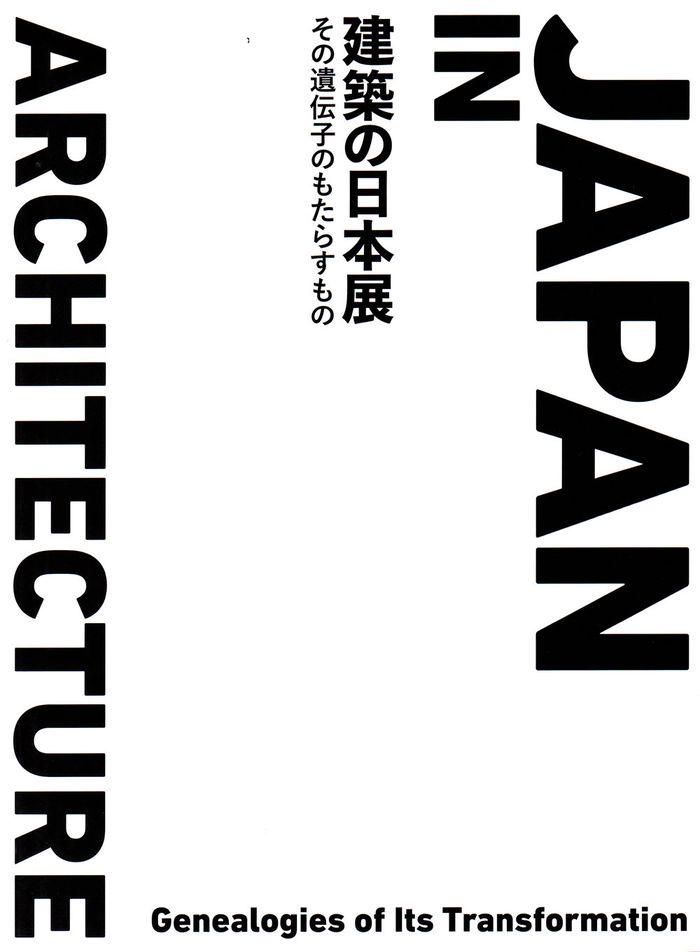
Japan in architecture: genealogies of its transformation
Actions:
Prix:
$75.00
(disponible sur commande)
Résumé:
As in the eponymous exhibition at Mori Art Museum, this volume examines the characteristics of ancient and classical Japanese architecture in a very ambitious attempt to elucidate the major currents of the nation’s architecture from the perspectives of how its genealogies have spread internationally, the pioneering figures in the process, and the mechanisms behind the continued expansion of these genealogies today. It documents 100 projects across nine thematic sections, including materials, models, documents, and interactive installations. Nine stories which are ultimately hypothetical ones, in hopes that they will lead to new discussions and visions for the future of Japan.
Japan in architecture: genealogies of its transformation
Actions:
Prix:
$75.00
(disponible sur commande)
Résumé:
As in the eponymous exhibition at Mori Art Museum, this volume examines the characteristics of ancient and classical Japanese architecture in a very ambitious attempt to elucidate the major currents of the nation’s architecture from the perspectives of how its genealogies have spread internationally, the pioneering figures in the process, and the mechanisms behind the continued expansion of these genealogies today. It documents 100 projects across nine thematic sections, including materials, models, documents, and interactive installations. Nine stories which are ultimately hypothetical ones, in hopes that they will lead to new discussions and visions for the future of Japan.
Classification:
livres
livres
Publication:
mars 2019
mars 2019
Classification:
livres
livres
Titre:
Bombay riots
Bombay riots
Actions:
Prix:
$36.95
(disponible sur commande)
Résumé:
A film poem. The author demands that the reader's imagination clothe the printed text with a continuous rhythmical flow of images and sounds.
$36.95
(disponible sur commande)
Résumé:
A film poem. The author demands that the reader's imagination clothe the printed text with a continuous rhythmical flow of images and sounds.
Titre:
Bombay riots
Actions:
Prix:
$36.95
(disponible sur commande)
Résumé:
A film poem. The author demands that the reader's imagination clothe the printed text with a continuous rhythmical flow of images and sounds.
Bombay riots
Actions:
Prix:
$36.95
(disponible sur commande)
Résumé:
A film poem. The author demands that the reader's imagination clothe the printed text with a continuous rhythmical flow of images and sounds.
Classification:
livres
livres
Publication:
mai 2008, London
mai 2008, London
Classification:
livres
livres
Prix:
$81.95
(disponible en magasin)
Résumé:
Devenu République soviétique socialiste en 1936, le Kirghizistan entendait inventer pour sa capitale une architecture monumentale spécifique qui exprime son ralliement à l’utopie d’espérance de la grande famille communiste. Il faut toutefois attendre l’après-guerre pour voir surgir les premiers grands équipements staliniens (opéra, palais des Pionniers) dans un style(...)
$81.95
(disponible en magasin)
Résumé:
Devenu République soviétique socialiste en 1936, le Kirghizistan entendait inventer pour sa capitale une architecture monumentale spécifique qui exprime son ralliement à l’utopie d’espérance de la grande famille communiste. Il faut toutefois attendre l’après-guerre pour voir surgir les premiers grands équipements staliniens (opéra, palais des Pionniers) dans un style(...)
Titre:
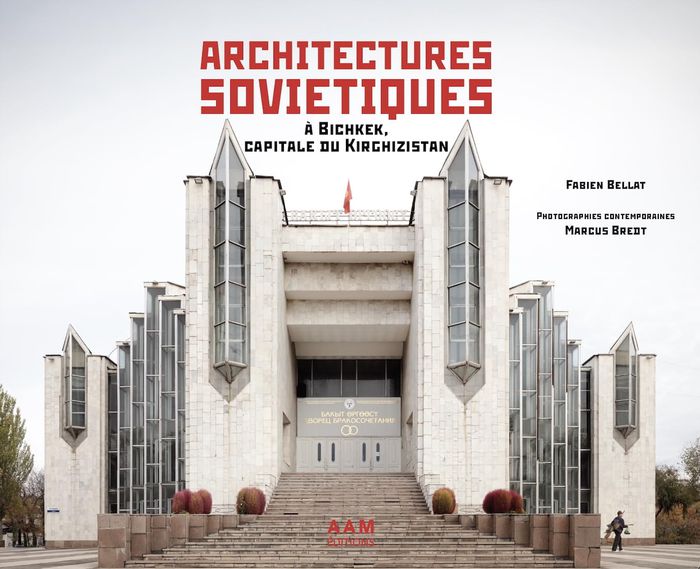
Architectures soviétiques: A Bichkek, capitale du Kirghizstan
Actions:
Prix:
$81.95
(disponible en magasin)
Résumé:
Devenu République soviétique socialiste en 1936, le Kirghizistan entendait inventer pour sa capitale une architecture monumentale spécifique qui exprime son ralliement à l’utopie d’espérance de la grande famille communiste. Il faut toutefois attendre l’après-guerre pour voir surgir les premiers grands équipements staliniens (opéra, palais des Pionniers) dans un style emphatique d’inspiration classique avec, ici et là, des citations de la culture kirghize. La période 1960-1980 voit se multiplier les édifices emblématiques de la capitale (stade, bibliothèque, gare routière, palais des mariages…), chacun des dirigeants soviétiques successifs voulant imprimer leur marque dans l’architecture. Les réalisations présentées dans ce livre témoignent d’une audace et d’un souffle certes souvent déclamatoire et hyperbolique, qui ne cessent d’étonner par leur puissance expressionniste.
Architectures soviétiques: A Bichkek, capitale du Kirghizstan
Actions:
Prix:
$81.95
(disponible en magasin)
Résumé:
Devenu République soviétique socialiste en 1936, le Kirghizistan entendait inventer pour sa capitale une architecture monumentale spécifique qui exprime son ralliement à l’utopie d’espérance de la grande famille communiste. Il faut toutefois attendre l’après-guerre pour voir surgir les premiers grands équipements staliniens (opéra, palais des Pionniers) dans un style emphatique d’inspiration classique avec, ici et là, des citations de la culture kirghize. La période 1960-1980 voit se multiplier les édifices emblématiques de la capitale (stade, bibliothèque, gare routière, palais des mariages…), chacun des dirigeants soviétiques successifs voulant imprimer leur marque dans l’architecture. Les réalisations présentées dans ce livre témoignent d’une audace et d’un souffle certes souvent déclamatoire et hyperbolique, qui ne cessent d’étonner par leur puissance expressionniste.
Classification:
livres
livres
Publication:
mai 2025
mai 2025
Classification:
livres
livres
Prix:
$79.95
(disponible sur commande)
Résumé:
This publication, which emanates from the "Emergent practices in South Asia" lecture series, catalogs 41 emergent architectural practices in South Asia that displayed a rigorous engagement in the making of architecture, landscape, and infrastructure in the public realm. The publication and lecture series aims to capture the current pulse of the region, offering a platform(...)
$79.95
(disponible sur commande)
Résumé:
This publication, which emanates from the "Emergent practices in South Asia" lecture series, catalogs 41 emergent architectural practices in South Asia that displayed a rigorous engagement in the making of architecture, landscape, and infrastructure in the public realm. The publication and lecture series aims to capture the current pulse of the region, offering a platform(...)
Publication:
décembre 2023
décembre 2023
Titre:
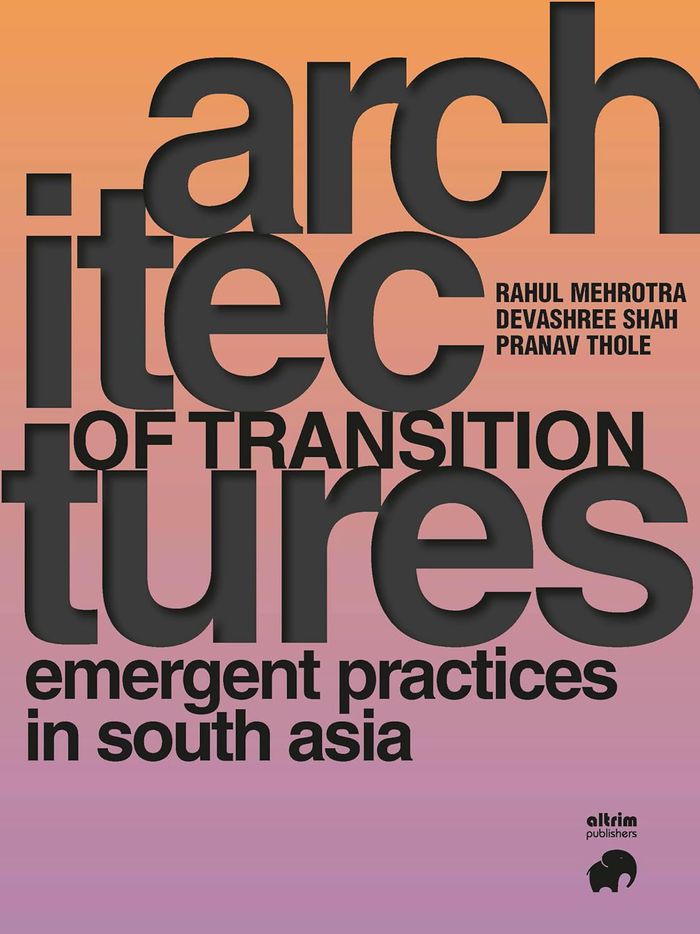
Architectures of Transition: Emergent practices in South Asia
Actions:
Prix:
$79.95
(disponible sur commande)
Résumé:
This publication, which emanates from the "Emergent practices in South Asia" lecture series, catalogs 41 emergent architectural practices in South Asia that displayed a rigorous engagement in the making of architecture, landscape, and infrastructure in the public realm. The publication and lecture series aims to capture the current pulse of the region, offering a platform for dialogue among practitioners and exploring the pluralism of modes of practice.
Architectures of Transition: Emergent practices in South Asia
Actions:
Prix:
$79.95
(disponible sur commande)
Résumé:
This publication, which emanates from the "Emergent practices in South Asia" lecture series, catalogs 41 emergent architectural practices in South Asia that displayed a rigorous engagement in the making of architecture, landscape, and infrastructure in the public realm. The publication and lecture series aims to capture the current pulse of the region, offering a platform for dialogue among practitioners and exploring the pluralism of modes of practice.
Classification:
livres
livres
Publication:
décembre 2023
décembre 2023
Classification:
livres
livres
Actions:
Prix:
$79.00
(disponible sur commande)
Résumé:
''LBA Architecture and Planning'' is an architectural practice based in Macau, co-founded by architects Rui Leão and F. Carlotta Bruni. The firm specializes in designing projects that integrate contemporary architecture with the historical and cultural context of the region. LBA has contributed to shaping Macau’s urban and architectural identity during the past 20 years(...)
$79.00
(disponible sur commande)
Résumé:
''LBA Architecture and Planning'' is an architectural practice based in Macau, co-founded by architects Rui Leão and F. Carlotta Bruni. The firm specializes in designing projects that integrate contemporary architecture with the historical and cultural context of the region. LBA has contributed to shaping Macau’s urban and architectural identity during the past 20 years(...)
Publication:
septembre 2025
septembre 2025
Titre:
Layering the city: Research on infrastructure and public space in Macau
Actions:
Prix:
$79.00
(disponible sur commande)
Résumé:
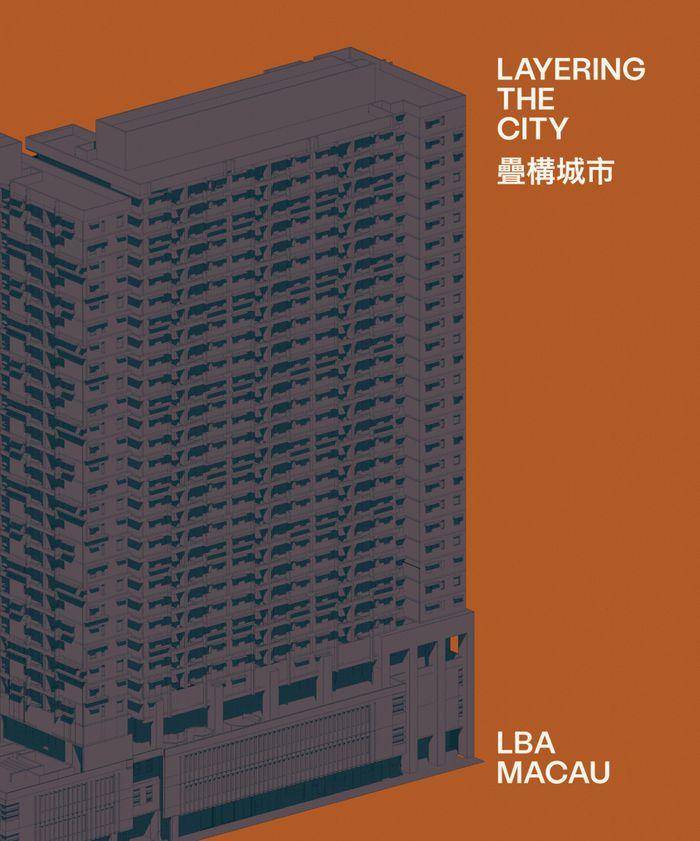
''LBA Architecture and Planning'' is an architectural practice based in Macau, co-founded by architects Rui Leão and F. Carlotta Bruni. The firm specializes in designing projects that integrate contemporary architecture with the historical and cultural context of the region. LBA has contributed to shaping Macau’s urban and architectural identity during the past 20 years of rapid urbanization. The intellectual contributions of LBA are further evidenced through their spatial narratives that integrate complex urban contexts with culturally sensitive design strategies. The firm emphasizes the importance of creating spaces that harmonize with their surroundings while addressing the functional needs of modern urban living. This approach is particularly relevant in Macau, where the juxtaposition of old and new is a defining characteristic of the city. Their work in Macau serves as a testament to their capacity for thoughtful integration of historical contexts and innovative design, contributing significantly to the evolving identity of the city.
Layering the city: Research on infrastructure and public space in Macau
Actions:
Prix:
$79.00
(disponible sur commande)
Résumé:
''LBA Architecture and Planning'' is an architectural practice based in Macau, co-founded by architects Rui Leão and F. Carlotta Bruni. The firm specializes in designing projects that integrate contemporary architecture with the historical and cultural context of the region. LBA has contributed to shaping Macau’s urban and architectural identity during the past 20 years of rapid urbanization. The intellectual contributions of LBA are further evidenced through their spatial narratives that integrate complex urban contexts with culturally sensitive design strategies. The firm emphasizes the importance of creating spaces that harmonize with their surroundings while addressing the functional needs of modern urban living. This approach is particularly relevant in Macau, where the juxtaposition of old and new is a defining characteristic of the city. Their work in Macau serves as a testament to their capacity for thoughtful integration of historical contexts and innovative design, contributing significantly to the evolving identity of the city.
Classification:
livres
livres
Publication:
septembre 2025
septembre 2025
Classification:
livres
livres
Prix:
$55.95
(disponible en magasin)
Résumé:
Odd Arne Westad and Chen Jian chronicle how an impoverished and terrorized China experienced radical political changes in the long 1970s and how ordinary people broke free from the beliefs that had shaped their lives during Mao’s Cultural Revolution. These changes, and the unprecedented and sustained economic growth that followed, transformed China and the world. In(...)
$55.95
(disponible en magasin)
Résumé:
Odd Arne Westad and Chen Jian chronicle how an impoverished and terrorized China experienced radical political changes in the long 1970s and how ordinary people broke free from the beliefs that had shaped their lives during Mao’s Cultural Revolution. These changes, and the unprecedented and sustained economic growth that followed, transformed China and the world. In(...)
Publication:
novembre 2024
novembre 2024
Titre:
The great transformation: China's road from revolution to reform
Actions:
Prix:
$55.95
(disponible en magasin)
Résumé:
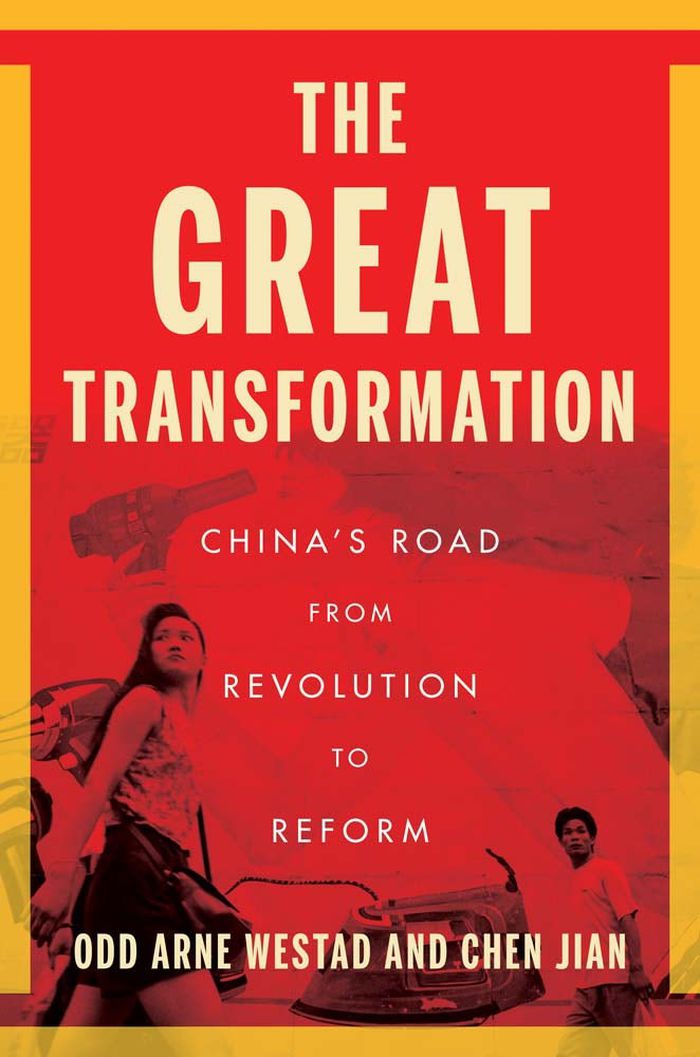
Odd Arne Westad and Chen Jian chronicle how an impoverished and terrorized China experienced radical political changes in the long 1970s and how ordinary people broke free from the beliefs that had shaped their lives during Mao’s Cultural Revolution. These changes, and the unprecedented and sustained economic growth that followed, transformed China and the world. In this rigorous account, Westad and Chen construct a panorama of catastrophe and progress in China. They chronicle China’s gradual opening to the world—the interplay of power in an era of aged and ailing leadership, the people’s rebellion against the earlier government system, and the roles of unlikely characters: overseas Chinese capitalists, American engineers, Japanese professors, and German designers. This is a story of revolutionary change that neither foreigners nor the Chinese themselves could have predicted. Hardcover edition.
The great transformation: China's road from revolution to reform
Actions:
Prix:
$55.95
(disponible en magasin)
Résumé:
Odd Arne Westad and Chen Jian chronicle how an impoverished and terrorized China experienced radical political changes in the long 1970s and how ordinary people broke free from the beliefs that had shaped their lives during Mao’s Cultural Revolution. These changes, and the unprecedented and sustained economic growth that followed, transformed China and the world. In this rigorous account, Westad and Chen construct a panorama of catastrophe and progress in China. They chronicle China’s gradual opening to the world—the interplay of power in an era of aged and ailing leadership, the people’s rebellion against the earlier government system, and the roles of unlikely characters: overseas Chinese capitalists, American engineers, Japanese professors, and German designers. This is a story of revolutionary change that neither foreigners nor the Chinese themselves could have predicted. Hardcover edition.
Classification:
livres
livres
Publication:
novembre 2024
novembre 2024
Classification:
livres
livres
Titre:
Shanghai Shikumen: Citywalk
Shanghai Shikumen: Citywalk
Actions:
Prix:
$26.95
(disponible en magasin)
Résumé:
The book shows a unique residential kind of building in Shanghai called Shikumen and records its architectural style and the use of space. A travel guide to 40 of Shanghai's most representative Shikumen lanes is also provided and is compared with the Shanghai block map in the 1940s of the 20th century. The book also collects 120 pictures of the architecture and life of(...)
$26.95
(disponible en magasin)
Résumé:
The book shows a unique residential kind of building in Shanghai called Shikumen and records its architectural style and the use of space. A travel guide to 40 of Shanghai's most representative Shikumen lanes is also provided and is compared with the Shanghai block map in the 1940s of the 20th century. The book also collects 120 pictures of the architecture and life of(...)
Publication:
mars 2025
mars 2025
Titre:
Shanghai Shikumen: Citywalk
Actions:
Prix:
$26.95
(disponible en magasin)
Résumé:
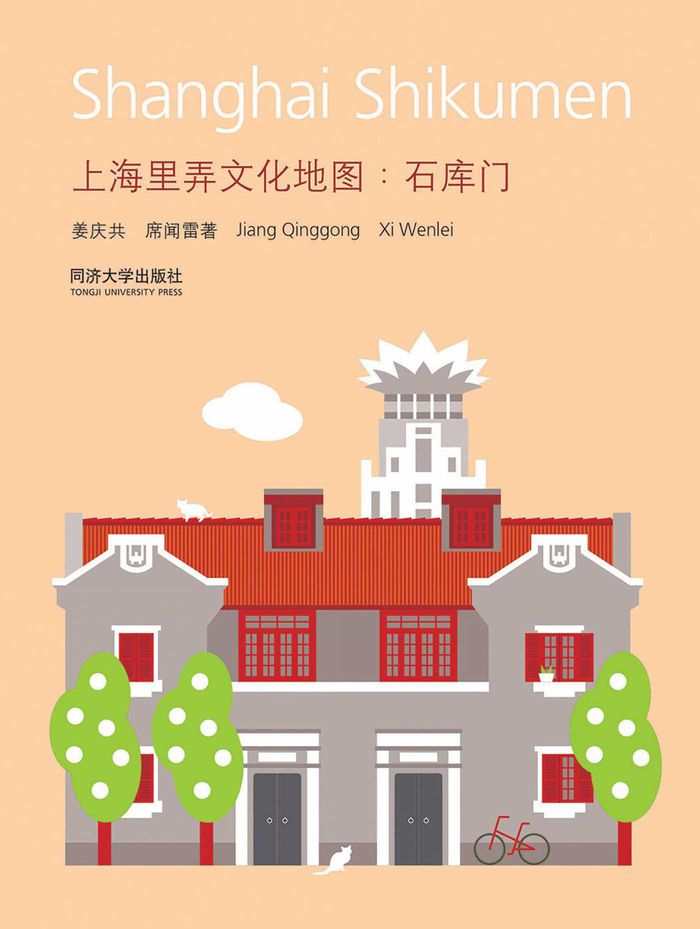
The book shows a unique residential kind of building in Shanghai called Shikumen and records its architectural style and the use of space. A travel guide to 40 of Shanghai's most representative Shikumen lanes is also provided and is compared with the Shanghai block map in the 1940s of the 20th century. The book also collects 120 pictures of the architecture and life of Shikumen Lilong, and the author has compiled 400 Shikumen Lilong directories based on his accumulation of years of visiting Shikumen, which can become a guide for readers to stroll through Shikumen Lilong houses and experience Shikumen City Life.
Shanghai Shikumen: Citywalk
Actions:
Prix:
$26.95
(disponible en magasin)
Résumé:
The book shows a unique residential kind of building in Shanghai called Shikumen and records its architectural style and the use of space. A travel guide to 40 of Shanghai's most representative Shikumen lanes is also provided and is compared with the Shanghai block map in the 1940s of the 20th century. The book also collects 120 pictures of the architecture and life of Shikumen Lilong, and the author has compiled 400 Shikumen Lilong directories based on his accumulation of years of visiting Shikumen, which can become a guide for readers to stroll through Shikumen Lilong houses and experience Shikumen City Life.
Classification:
livres
livres
Publication:
mars 2025
mars 2025
Classification:
livres
livres
Titre:
Chine, construire l'héritage
Chine, construire l'héritage
Actions:
Prix:
$43.00
(disponible en magasin)
Résumé:
Savons-nous que la Chine cherche à se réapproprier sa richesse culturelle, alors qu'elle a engagé une éradication massive des traces construites de son passé, afin d'entrer dans une modernité d'une ampleur sans précédent ? Des "modèles" immobiliers inscrits dans des plannings contraints, associant partenaires publics et privés dans le montage financier, sont appliqués(...)
$43.00
(disponible en magasin)
Résumé:
Savons-nous que la Chine cherche à se réapproprier sa richesse culturelle, alors qu'elle a engagé une éradication massive des traces construites de son passé, afin d'entrer dans une modernité d'une ampleur sans précédent ? Des "modèles" immobiliers inscrits dans des plannings contraints, associant partenaires publics et privés dans le montage financier, sont appliqués(...)
Titre:
Chine, construire l'héritage
Actions:
Prix:
$43.00
(disponible en magasin)
Résumé:
Savons-nous que la Chine cherche à se réapproprier sa richesse culturelle, alors qu'elle a engagé une éradication massive des traces construites de son passé, afin d'entrer dans une modernité d'une ampleur sans précédent ? Des "modèles" immobiliers inscrits dans des plannings contraints, associant partenaires publics et privés dans le montage financier, sont appliqués dans tout le pays. La mixité sociale et la mixité d'usage d'un grand nombre d'anciens quartiers ont été détruits, et pourtant, en rupture ou en réaction, la Chine est devenue un véritable laboratoire d'expérimentation architecturale et urbaine mené par une nouvelle génération d'architectes.
Chine, construire l'héritage
Actions:
Prix:
$43.00
(disponible en magasin)
Résumé:
Savons-nous que la Chine cherche à se réapproprier sa richesse culturelle, alors qu'elle a engagé une éradication massive des traces construites de son passé, afin d'entrer dans une modernité d'une ampleur sans précédent ? Des "modèles" immobiliers inscrits dans des plannings contraints, associant partenaires publics et privés dans le montage financier, sont appliqués dans tout le pays. La mixité sociale et la mixité d'usage d'un grand nombre d'anciens quartiers ont été détruits, et pourtant, en rupture ou en réaction, la Chine est devenue un véritable laboratoire d'expérimentation architecturale et urbaine mené par une nouvelle génération d'architectes.
Classification:
livres
livres
Publication:
septembre 2019
septembre 2019
Classification:
livres
livres
Actions:
Prix:
$60.00
(disponible en magasin)
Résumé:
The concepts of "Indonesian architecture" and "architecture in Indonesia" are both quite difficult to pin down. For the architecture of this small country incorporates influences from many important cultures--from India, China and the Middle East to countries in the West--and is therefore extremely multifaceted. In fact, one might reasonably ask whether a "real"(...)
$60.00
(disponible en magasin)
Résumé:
The concepts of "Indonesian architecture" and "architecture in Indonesia" are both quite difficult to pin down. For the architecture of this small country incorporates influences from many important cultures--from India, China and the Middle East to countries in the West--and is therefore extremely multifaceted. In fact, one might reasonably ask whether a "real"(...)
Publication:
juillet 2007, Rotterdam
juillet 2007, Rotterdam
Titre:
The past in the present : Architecture in Indonesia
Actions:
Prix:
$60.00
(disponible en magasin)
Résumé:
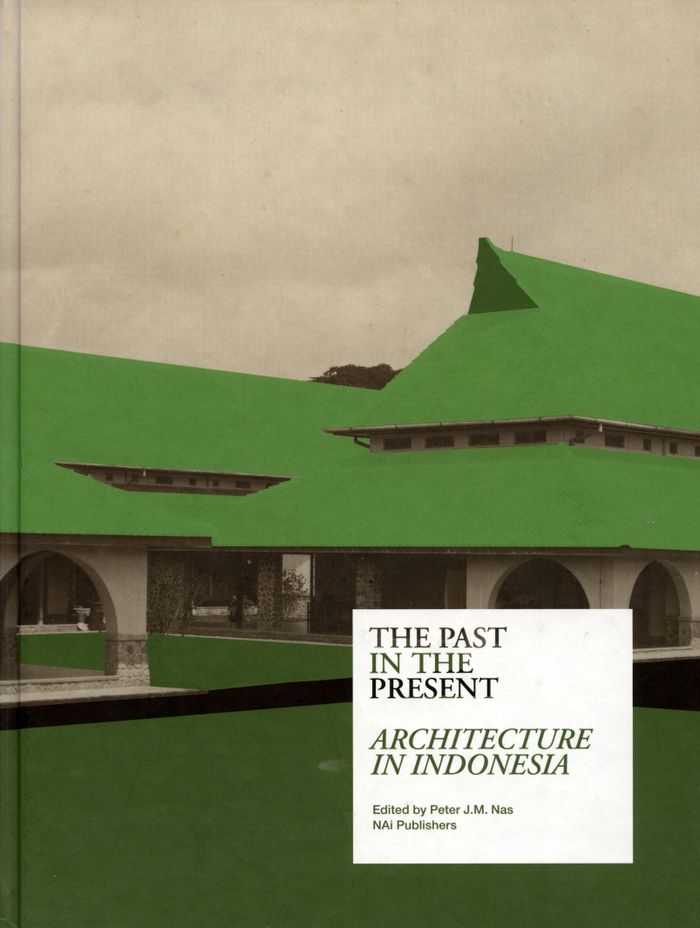
The concepts of "Indonesian architecture" and "architecture in Indonesia" are both quite difficult to pin down. For the architecture of this small country incorporates influences from many important cultures--from India, China and the Middle East to countries in the West--and is therefore extremely multifaceted. In fact, one might reasonably ask whether a "real" Indonesian architecture actually exists, even with reference to the country's vernacular work, which is highly diverse from an ethnic perspective in and of itself. The quest for an authentic Indonesian architecture has in fact been the subject of debate among architects there for many years, especially in regards to the work has been exported to other countries--in particular, its former colonizer, the Netherlands. (In fact, there is even a name for the hybrid style that originated during that era: Indische).This very nicely designed collection of illustrated essays, which features a special section of pictures and drawings of colonial architecture, provides a real sense of the diversity of building in modern-day Indonesia--while at the same time recognizing that such a perspective cannot be productive without taking history into account. With chapters on Modern Indonesian architecture, vernacular traditions, mosques, the effect of the Chinese diaspora, hybrid historic/contemporary Balinese architecture, the colonial period, Indische architecture and Art Deco and more, this publication provides an amazing overview and a long-overdue investigation of Indische work. Preface by Aaron Betsky.
The past in the present : Architecture in Indonesia
Actions:
Prix:
$60.00
(disponible en magasin)
Résumé:
The concepts of "Indonesian architecture" and "architecture in Indonesia" are both quite difficult to pin down. For the architecture of this small country incorporates influences from many important cultures--from India, China and the Middle East to countries in the West--and is therefore extremely multifaceted. In fact, one might reasonably ask whether a "real" Indonesian architecture actually exists, even with reference to the country's vernacular work, which is highly diverse from an ethnic perspective in and of itself. The quest for an authentic Indonesian architecture has in fact been the subject of debate among architects there for many years, especially in regards to the work has been exported to other countries--in particular, its former colonizer, the Netherlands. (In fact, there is even a name for the hybrid style that originated during that era: Indische).This very nicely designed collection of illustrated essays, which features a special section of pictures and drawings of colonial architecture, provides a real sense of the diversity of building in modern-day Indonesia--while at the same time recognizing that such a perspective cannot be productive without taking history into account. With chapters on Modern Indonesian architecture, vernacular traditions, mosques, the effect of the Chinese diaspora, hybrid historic/contemporary Balinese architecture, the colonial period, Indische architecture and Art Deco and more, this publication provides an amazing overview and a long-overdue investigation of Indische work. Preface by Aaron Betsky.
Classification:
livres
livres
Publication:
juillet 2007, Rotterdam
juillet 2007, Rotterdam
Classification:
livres
livres
Actions:
Prix:
$94.00
(disponible sur commande)
Résumé:
On the occasion of the exhibition "Archilab 2006" dedicated to the Japenese architecture and entitled "Nested in the city", Hyx publish the catalog of the exhibition in french and english version. They present all the projects of thirty invited architects and a set of critical texts which put in perspective the stakes and the subjects of the exhibition. More than any(...)
$94.00
(disponible sur commande)
Résumé:
On the occasion of the exhibition "Archilab 2006" dedicated to the Japenese architecture and entitled "Nested in the city", Hyx publish the catalog of the exhibition in french and english version. They present all the projects of thirty invited architects and a set of critical texts which put in perspective the stakes and the subjects of the exhibition. More than any(...)
Publication:
octobre 2006, Orléans
octobre 2006, Orléans
Titre:
Archilab Japan, Orléans 2006 : nested in the city
Actions:
Prix:
$94.00
(disponible sur commande)
Résumé:
On the occasion of the exhibition "Archilab 2006" dedicated to the Japenese architecture and entitled "Nested in the city", Hyx publish the catalog of the exhibition in french and english version. They present all the projects of thirty invited architects and a set of critical texts which put in perspective the stakes and the subjects of the exhibition. More than any other country, Japan was interested at home, the space domesticates being perceived as a space privileging the thought. Hundred of projects presented in the catalog are built for the greater part. Selected by both curators (Akira Suzuki and Mariko Terada), they offer us a panorama of this architects' new generation which began in the 1990s. The most famous in France are doubtless Shigeru Ban presented to Archilab in 1999 and which was the first one to make approve tubes cardboard as support of his houses and also Kasujo Sejima who saw confiding with Ryue Nishizawa the construction of the Museum of the Louvre to Lens. Symbolic Bow Wow workshop is the Leader of this new generation. After the economic crisis of the end of the 90s, the construction of public establishments of average dimension and the competitions of architecture rarefied. The house thus becomes the space of creation privileged for these architects. That's why, in Tokyo, Jun Aoki, Kazuyo Sejima, Ryue Nishizawa, Takaharu and Yui Tezuka, Mitsuhiko Sato, Taira Nishizawa, Masao Koizumi, Yasuhiro Yamashita, Mikio Tai, Yuki Ishiguro, conceive small houses which embody the way of life of their inhabitants and maybe our future today.
Archilab Japan, Orléans 2006 : nested in the city
Actions:
Prix:
$94.00
(disponible sur commande)
Résumé:
On the occasion of the exhibition "Archilab 2006" dedicated to the Japenese architecture and entitled "Nested in the city", Hyx publish the catalog of the exhibition in french and english version. They present all the projects of thirty invited architects and a set of critical texts which put in perspective the stakes and the subjects of the exhibition. More than any other country, Japan was interested at home, the space domesticates being perceived as a space privileging the thought. Hundred of projects presented in the catalog are built for the greater part. Selected by both curators (Akira Suzuki and Mariko Terada), they offer us a panorama of this architects' new generation which began in the 1990s. The most famous in France are doubtless Shigeru Ban presented to Archilab in 1999 and which was the first one to make approve tubes cardboard as support of his houses and also Kasujo Sejima who saw confiding with Ryue Nishizawa the construction of the Museum of the Louvre to Lens. Symbolic Bow Wow workshop is the Leader of this new generation. After the economic crisis of the end of the 90s, the construction of public establishments of average dimension and the competitions of architecture rarefied. The house thus becomes the space of creation privileged for these architects. That's why, in Tokyo, Jun Aoki, Kazuyo Sejima, Ryue Nishizawa, Takaharu and Yui Tezuka, Mitsuhiko Sato, Taira Nishizawa, Masao Koizumi, Yasuhiro Yamashita, Mikio Tai, Yuki Ishiguro, conceive small houses which embody the way of life of their inhabitants and maybe our future today.
Classification:
livres
livres
Publication:
octobre 2006, Orléans
octobre 2006, Orléans


