


109 Résultats
Classification:
livres
livres
Titre:
La couleur dans la ville
La couleur dans la ville
Actions:
Prix:
$59.95
(disponible sur commande)
Résumé:
Dans les décennies d'après-guerre, la couleur semblait avoir déserté la ville. Aujourd'hui, elle retrouve pleinement son droit de cité et investit aussi bien les immeubles de logement que les bureaux, les équipements, et même les infrastructures de transport. Les architectes et les urbanistes la considèrent comme indispensable à la compréhension de l'espace urbain et à la(...)
$59.95
(disponible sur commande)
Résumé:
Dans les décennies d'après-guerre, la couleur semblait avoir déserté la ville. Aujourd'hui, elle retrouve pleinement son droit de cité et investit aussi bien les immeubles de logement que les bureaux, les équipements, et même les infrastructures de transport. Les architectes et les urbanistes la considèrent comme indispensable à la compréhension de l'espace urbain et à la(...)
Titre:
La couleur dans la ville
Actions:
Prix:
$59.95
(disponible sur commande)
Résumé:
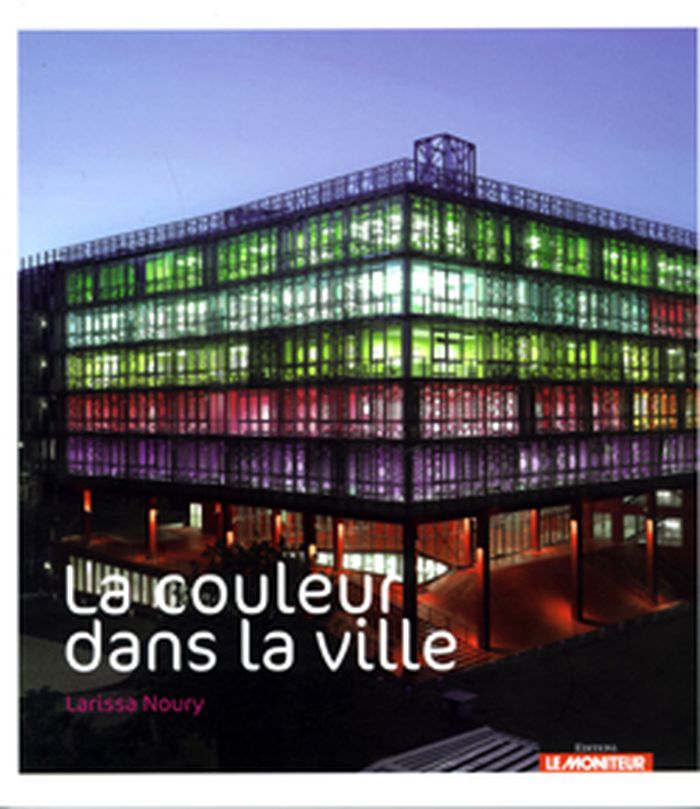
Dans les décennies d'après-guerre, la couleur semblait avoir déserté la ville. Aujourd'hui, elle retrouve pleinement son droit de cité et investit aussi bien les immeubles de logement que les bureaux, les équipements, et même les infrastructures de transport. Les architectes et les urbanistes la considèrent comme indispensable à la compréhension de l'espace urbain et à la qualité de vie des habitants, susceptible d'enrichir l'environnement en lui apportant lisibilité, rythme et perspective. Cet ouvrage dresse un panorama historique de la couleur dans Le milieu urbain au cours du XXe siècle, avec des éclairages sur certains mouvements emblématiques tels que l'Art nouveau, l'avant-garde russe, le modernisme ou L'art cinétique. Il décrit ensuite les outils et les méthodes - gammes, palettes, nuanciers - qui permettent d'intervenir dans le paysage urbain avec rigueur et subtilité. Un certain nombre d'expériences, menées dans les domaines de La restauration chromatique du patrimoine urbain et de l'architecture contemporaine, retracent les démarches exemplaires de certains concepteurs. Depuis Jean-Philippe Lenclos, qui parcourt le monde pour constituer des " atlas de la couleur ", au Centre de la couleur de Moscou, qui œuvre à l'échelle de la métropole tout entière, et jusqu'aux architectes comme Jean Nouvel ou Christian de Portzamparc, qui utilisent la couleur (et de plus en plus la couleur-lumière) comme un matériau à part entière, nombreux sont les acteurs qui montrent que la question de la couleur dans nos villes, loin d'être marginale, est aujourd'hui devenue centrale.
La couleur dans la ville
Actions:
Prix:
$59.95
(disponible sur commande)
Résumé:
Dans les décennies d'après-guerre, la couleur semblait avoir déserté la ville. Aujourd'hui, elle retrouve pleinement son droit de cité et investit aussi bien les immeubles de logement que les bureaux, les équipements, et même les infrastructures de transport. Les architectes et les urbanistes la considèrent comme indispensable à la compréhension de l'espace urbain et à la qualité de vie des habitants, susceptible d'enrichir l'environnement en lui apportant lisibilité, rythme et perspective. Cet ouvrage dresse un panorama historique de la couleur dans Le milieu urbain au cours du XXe siècle, avec des éclairages sur certains mouvements emblématiques tels que l'Art nouveau, l'avant-garde russe, le modernisme ou L'art cinétique. Il décrit ensuite les outils et les méthodes - gammes, palettes, nuanciers - qui permettent d'intervenir dans le paysage urbain avec rigueur et subtilité. Un certain nombre d'expériences, menées dans les domaines de La restauration chromatique du patrimoine urbain et de l'architecture contemporaine, retracent les démarches exemplaires de certains concepteurs. Depuis Jean-Philippe Lenclos, qui parcourt le monde pour constituer des " atlas de la couleur ", au Centre de la couleur de Moscou, qui œuvre à l'échelle de la métropole tout entière, et jusqu'aux architectes comme Jean Nouvel ou Christian de Portzamparc, qui utilisent la couleur (et de plus en plus la couleur-lumière) comme un matériau à part entière, nombreux sont les acteurs qui montrent que la question de la couleur dans nos villes, loin d'être marginale, est aujourd'hui devenue centrale.
Classification:
livres
livres
Publication:
janvier 2008, Paris
janvier 2008, Paris
Classification:
livres
livres
Actions:
Prix:
$63.00
(disponible en magasin)
Résumé:
Au cours du XXe siècle, l'architecture a largement ignoré la couleur, et si ce mépris n'est plus à l'ordre du jour, loin de là, il subsiste à son égard une méconnaissance de ses possibilités et des conditions pour optimiser son utilisation. En effet, la couleur n'est pas anodine, elle est matière à part entière : elle peut transformer l'espace architecturé et le valoriser(...)
$63.00
(disponible en magasin)
Résumé:
Au cours du XXe siècle, l'architecture a largement ignoré la couleur, et si ce mépris n'est plus à l'ordre du jour, loin de là, il subsiste à son égard une méconnaissance de ses possibilités et des conditions pour optimiser son utilisation. En effet, la couleur n'est pas anodine, elle est matière à part entière : elle peut transformer l'espace architecturé et le valoriser(...)
Titre:
Chromo-architecture : l'art de construire en couleur
Actions:
Prix:
$63.00
(disponible en magasin)
Résumé:
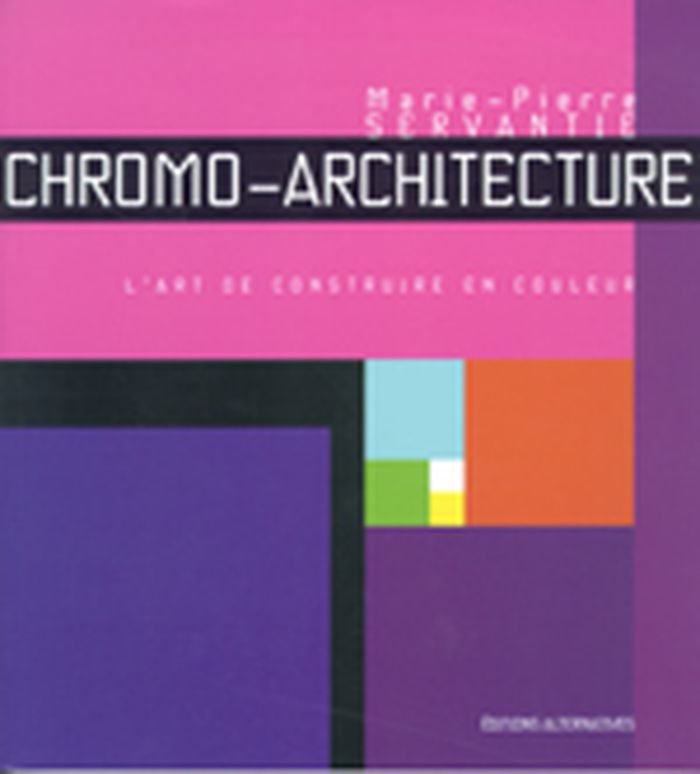
Au cours du XXe siècle, l'architecture a largement ignoré la couleur, et si ce mépris n'est plus à l'ordre du jour, loin de là, il subsiste à son égard une méconnaissance de ses possibilités et des conditions pour optimiser son utilisation. En effet, la couleur n'est pas anodine, elle est matière à part entière : elle peut transformer l'espace architecturé et le valoriser si elle répond à une réelle prise en compte du milieu naturel et construit dans lequel elle s'exerce, et des enjeux auxquels elle est confrontée. Largement illustré par des exemples tirés de projets, de références de chantier, de réalisations concrètes, «Chromo-architecture» propose une réflexion à la fois théorique et pratique sur l'application de la couleur dans l'environnement, l'urbanisme et l'architecture.
Chromo-architecture : l'art de construire en couleur
Actions:
Prix:
$63.00
(disponible en magasin)
Résumé:
Au cours du XXe siècle, l'architecture a largement ignoré la couleur, et si ce mépris n'est plus à l'ordre du jour, loin de là, il subsiste à son égard une méconnaissance de ses possibilités et des conditions pour optimiser son utilisation. En effet, la couleur n'est pas anodine, elle est matière à part entière : elle peut transformer l'espace architecturé et le valoriser si elle répond à une réelle prise en compte du milieu naturel et construit dans lequel elle s'exerce, et des enjeux auxquels elle est confrontée. Largement illustré par des exemples tirés de projets, de références de chantier, de réalisations concrètes, «Chromo-architecture» propose une réflexion à la fois théorique et pratique sur l'application de la couleur dans l'environnement, l'urbanisme et l'architecture.
Classification:
livres
livres
Publication:
mai 2007, Paris
mai 2007, Paris
Classification:
livres
livres
Titre:
Le répertoire des couleurs
Le répertoire des couleurs
Actions:
Prix:
$59.95
(disponible en magasin)
Résumé:
Nouvelle édition du répertoire publié en 1905 par la Société des chrysanthémistes. 1385 nuances réparties en 365 planches s'adressant par-delà les frontières à tous les amateurs de couleurs. Imaginez, en 1905, les membres de Société des chrysanthémistes en sévères habits noirs consacrant une énergie patiente et méticuleuse à la réalisation d'un répertoire complet(...)
$59.95
(disponible en magasin)
Résumé:
Nouvelle édition du répertoire publié en 1905 par la Société des chrysanthémistes. 1385 nuances réparties en 365 planches s'adressant par-delà les frontières à tous les amateurs de couleurs. Imaginez, en 1905, les membres de Société des chrysanthémistes en sévères habits noirs consacrant une énergie patiente et méticuleuse à la réalisation d'un répertoire complet(...)
Publication:
décembre 2025
décembre 2025
Titre:
Le répertoire des couleurs
Actions:
Prix:
$59.95
(disponible en magasin)
Résumé:
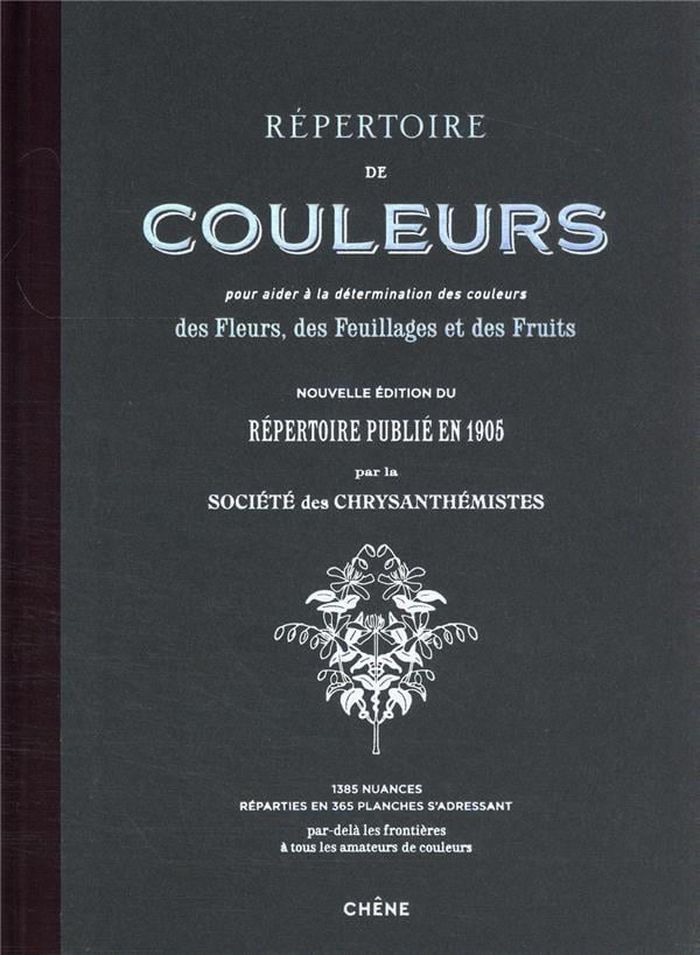
Nouvelle édition du répertoire publié en 1905 par la Société des chrysanthémistes. 1385 nuances réparties en 365 planches s'adressant par-delà les frontières à tous les amateurs de couleurs. Imaginez, en 1905, les membres de Société des chrysanthémistes en sévères habits noirs consacrant une énergie patiente et méticuleuse à la réalisation d'un répertoire complet des teintes que peuvent aborder les pétales des fleurs et les feuillages des arbres.Au-delà de la prouesse technique, l'objet réalisé est d'une modernité déconcertante. Ses 1385 nuances réparties en 365 planches s'adressent, par-delà les frontières à tous les amateurs de couleurs.
Le répertoire des couleurs
Actions:
Prix:
$59.95
(disponible en magasin)
Résumé:
Nouvelle édition du répertoire publié en 1905 par la Société des chrysanthémistes. 1385 nuances réparties en 365 planches s'adressant par-delà les frontières à tous les amateurs de couleurs. Imaginez, en 1905, les membres de Société des chrysanthémistes en sévères habits noirs consacrant une énergie patiente et méticuleuse à la réalisation d'un répertoire complet des teintes que peuvent aborder les pétales des fleurs et les feuillages des arbres.Au-delà de la prouesse technique, l'objet réalisé est d'une modernité déconcertante. Ses 1385 nuances réparties en 365 planches s'adressent, par-delà les frontières à tous les amateurs de couleurs.
Classification:
livres
livres
Publication:
décembre 2025
décembre 2025
Classification:
livres
livres
Actions:
Prix:
$56.00
(disponible en magasin)
Résumé:
Flowering currant, ivy, Portuguese laurel, and woad might all have grown in a medieval garden, but it would have taken special expertise to extract and create rich blue and purple pigments from them. Humans have been extracting dyes and inks from natural materials for millennia, and the practice was firmly established during the medieval era, recorded in manuscripts that(...)
$56.00
(disponible en magasin)
Résumé:
Flowering currant, ivy, Portuguese laurel, and woad might all have grown in a medieval garden, but it would have taken special expertise to extract and create rich blue and purple pigments from them. Humans have been extracting dyes and inks from natural materials for millennia, and the practice was firmly established during the medieval era, recorded in manuscripts that(...)
Titre:
Gold from Newton's Apple Tree: Historical recipes for natural inks, paints, and dyes
Actions:
Prix:
$56.00
(disponible en magasin)
Résumé:
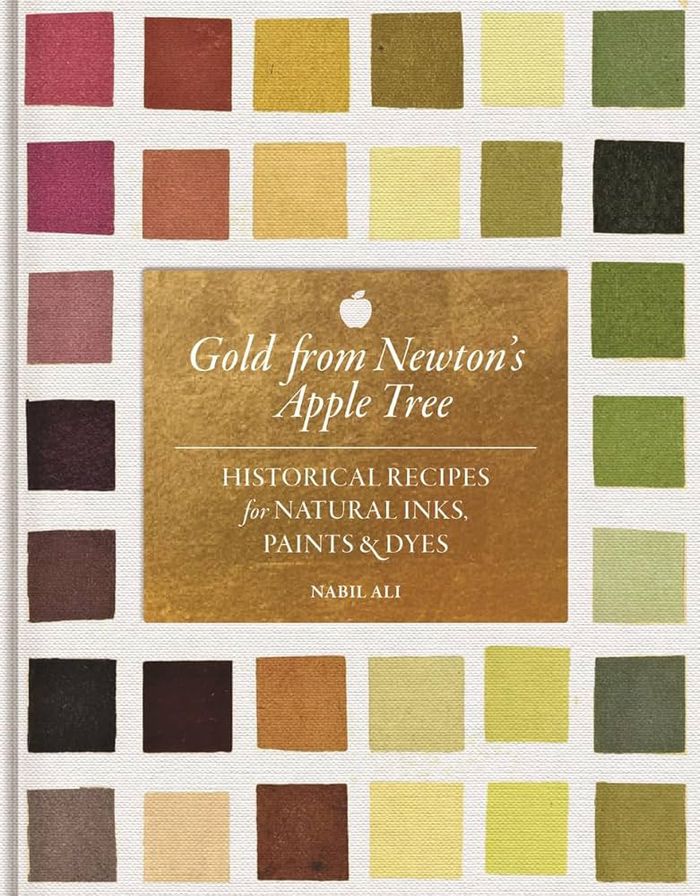
Flowering currant, ivy, Portuguese laurel, and woad might all have grown in a medieval garden, but it would have taken special expertise to extract and create rich blue and purple pigments from them. Humans have been extracting dyes and inks from natural materials for millennia, and the practice was firmly established during the medieval era, recorded in manuscripts that survive today. "Gold from Newton’s Apple Tree" brings together recipes for making natural colors according to season, method, and ingredients. This unique book takes its title from an ink recipe derived from a descendant of Sir Isaac Newton’s apple tree, in which ingredients extracted from the bark are transformed, seemingly by magic, from brown to a yellow gold. But gold pigments can also be extracted from cornflower, crocus, greater celandine, myrrh, and turmeric. Nabil Ali shares his own accessible adaptations for preparing these and other recipes rooted in medieval craft traditions. Along the way, he provides an engaging and informative natural history of the plants used, alongside the broad spectrum of marvelous colors they produce.
Gold from Newton's Apple Tree: Historical recipes for natural inks, paints, and dyes
Actions:
Prix:
$56.00
(disponible en magasin)
Résumé:
Flowering currant, ivy, Portuguese laurel, and woad might all have grown in a medieval garden, but it would have taken special expertise to extract and create rich blue and purple pigments from them. Humans have been extracting dyes and inks from natural materials for millennia, and the practice was firmly established during the medieval era, recorded in manuscripts that survive today. "Gold from Newton’s Apple Tree" brings together recipes for making natural colors according to season, method, and ingredients. This unique book takes its title from an ink recipe derived from a descendant of Sir Isaac Newton’s apple tree, in which ingredients extracted from the bark are transformed, seemingly by magic, from brown to a yellow gold. But gold pigments can also be extracted from cornflower, crocus, greater celandine, myrrh, and turmeric. Nabil Ali shares his own accessible adaptations for preparing these and other recipes rooted in medieval craft traditions. Along the way, he provides an engaging and informative natural history of the plants used, alongside the broad spectrum of marvelous colors they produce.
Classification:
livres
livres
Publication:
mars 2026
mars 2026
Classification:
livres
livres
Actions:
Prix:
$28.95
(disponible en magasin)
Résumé:
Depuis l’aube de l’humanité, les couleurs dominantes ont été le noir, le blanc et le rouge. Mais seule cette dernière a été considérée comme telle, les deux premières désignant davantage l’obscurité et la lumière. Les vestiges archéologiques qui nous sont parvenus témoignent du fait que le rouge a été pendant longtemps la couleur par excellence, pour devenir, aujourd’hui,(...)
$28.95
(disponible en magasin)
Résumé:
Depuis l’aube de l’humanité, les couleurs dominantes ont été le noir, le blanc et le rouge. Mais seule cette dernière a été considérée comme telle, les deux premières désignant davantage l’obscurité et la lumière. Les vestiges archéologiques qui nous sont parvenus témoignent du fait que le rouge a été pendant longtemps la couleur par excellence, pour devenir, aujourd’hui,(...)
Titre:
Rouge ! : Archéologie d'une couleur
Actions:
Prix:
$28.95
(disponible en magasin)
Résumé:
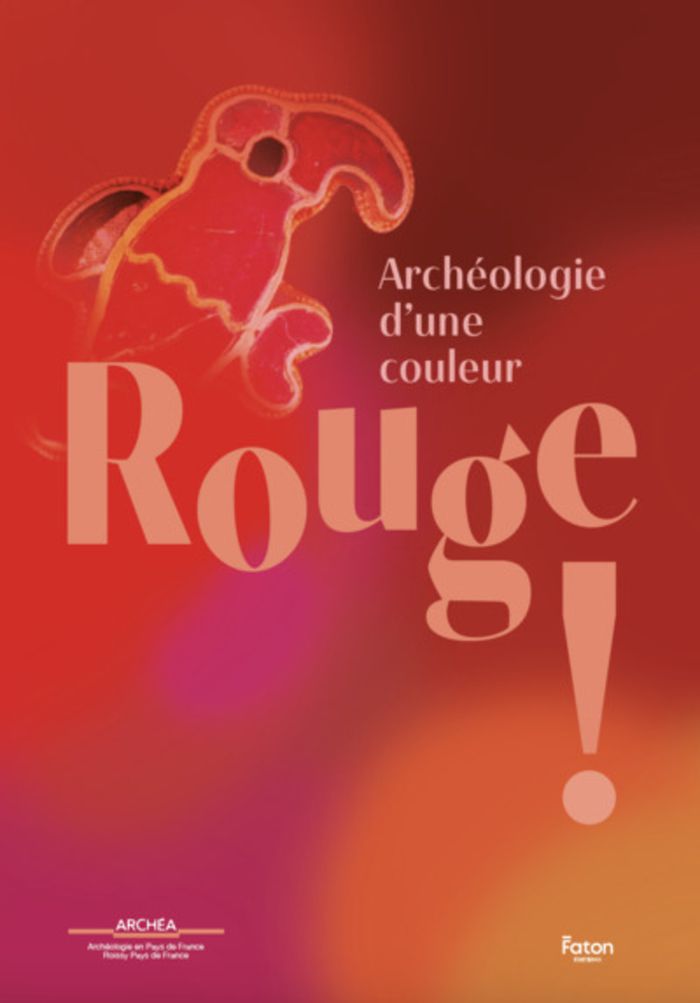
Depuis l’aube de l’humanité, les couleurs dominantes ont été le noir, le blanc et le rouge. Mais seule cette dernière a été considérée comme telle, les deux premières désignant davantage l’obscurité et la lumière. Les vestiges archéologiques qui nous sont parvenus témoignent du fait que le rouge a été pendant longtemps la couleur par excellence, pour devenir, aujourd’hui, plus discrète dans notre vie quotidienne. La couleur rouge, présente dans la nature sous différentes formes, est la première que l’homme a produite et déclinée en de multiples nuances. Ce dernier a toujours cherché, fabriqué, transformé ces matières premières pour obtenir des productions ayant cette teinte intense et vibrante. Les usages et pratiques qui en ont découlé ont varié en fonction des époques et des civilisations. À travers des exemples étudiés par d’éminents spécialistes (professionnels des musées, chercheurs en sciences humaines et sciences dures, historiens de l’art et archéologues), ce livre donne à voir la richesse des usages de cette couleur dans ses dimensions artistiques, symboliques mais aussi physico-chimiques et techniques.
Rouge ! : Archéologie d'une couleur
Actions:
Prix:
$28.95
(disponible en magasin)
Résumé:
Depuis l’aube de l’humanité, les couleurs dominantes ont été le noir, le blanc et le rouge. Mais seule cette dernière a été considérée comme telle, les deux premières désignant davantage l’obscurité et la lumière. Les vestiges archéologiques qui nous sont parvenus témoignent du fait que le rouge a été pendant longtemps la couleur par excellence, pour devenir, aujourd’hui, plus discrète dans notre vie quotidienne. La couleur rouge, présente dans la nature sous différentes formes, est la première que l’homme a produite et déclinée en de multiples nuances. Ce dernier a toujours cherché, fabriqué, transformé ces matières premières pour obtenir des productions ayant cette teinte intense et vibrante. Les usages et pratiques qui en ont découlé ont varié en fonction des époques et des civilisations. À travers des exemples étudiés par d’éminents spécialistes (professionnels des musées, chercheurs en sciences humaines et sciences dures, historiens de l’art et archéologues), ce livre donne à voir la richesse des usages de cette couleur dans ses dimensions artistiques, symboliques mais aussi physico-chimiques et techniques.
Classification:
livres
livres
Publication:
mai 2026
mai 2026
Classification:
livres
livres
Titre:
Chromophobia
Chromophobia
Actions:
Prix:
$24.95
(disponible sur commande)
Résumé:
The central argument of "Chromophobia" is that a chromophobic impulse – a fear of corruption or contamination through colour – lurks within much Western cultural and intellectual thought. This is apparent in the many and varied attempts to purge colour, either by making it the property of some 'foreign body' – the oriental, the feminine, the infantile, the vulgar, or the(...)
$24.95
(disponible sur commande)
Résumé:
The central argument of "Chromophobia" is that a chromophobic impulse – a fear of corruption or contamination through colour – lurks within much Western cultural and intellectual thought. This is apparent in the many and varied attempts to purge colour, either by making it the property of some 'foreign body' – the oriental, the feminine, the infantile, the vulgar, or the(...)
Titre:
Chromophobia
Actions:
Prix:
$24.95
(disponible sur commande)
Résumé:
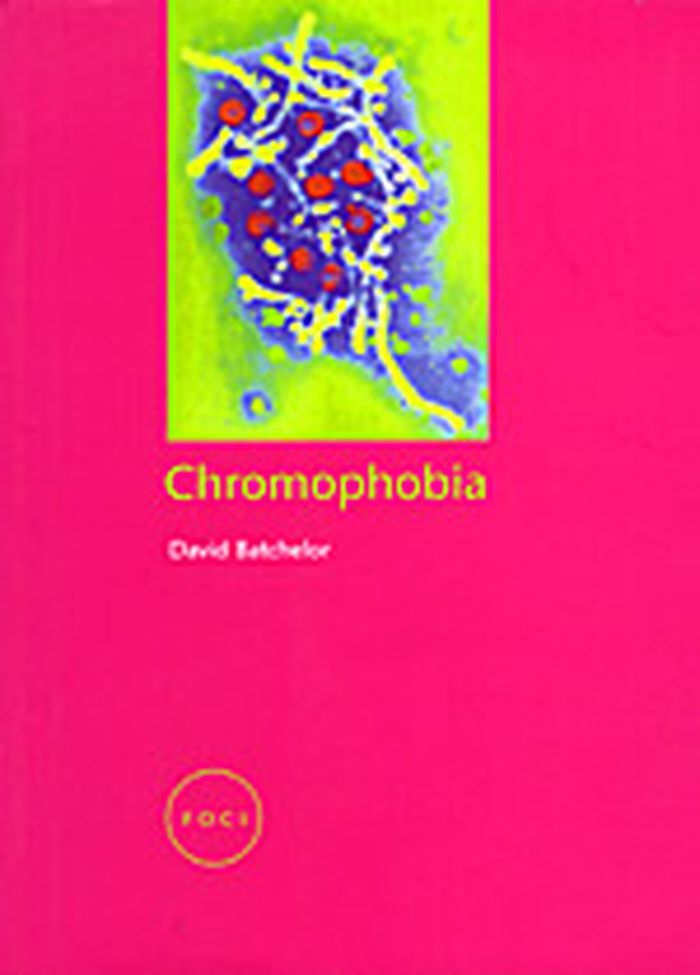
The central argument of "Chromophobia" is that a chromophobic impulse – a fear of corruption or contamination through colour – lurks within much Western cultural and intellectual thought. This is apparent in the many and varied attempts to purge colour, either by making it the property of some 'foreign body' – the oriental, the feminine, the infantile, the vulgar, or the pathological – or by relegating it to the realm of the superficial, the supplementary, the inessential, or the cosmetic. Chromophobia has been a cultural phenomenon since ancient Greek times; this book is concerned with forms of resistance to it. Writers have tended to look no further than the end of the nineteenth century. David Batchelor seeks to go beyond the limits of earlier studies, analysing the motivations behind chromophobia and considering the work of writers and artists who have been prepared to look at colour as a positive value. Exploring a wide range of imagery including Melville's 'great white whale', Huxley's reflections on mescaline, and Le Corbusier's 'journey to the East', Batchelor also discusses the use of colour in Pop, Minimal, and more recent art.
Chromophobia
Actions:
Prix:
$24.95
(disponible sur commande)
Résumé:
The central argument of "Chromophobia" is that a chromophobic impulse – a fear of corruption or contamination through colour – lurks within much Western cultural and intellectual thought. This is apparent in the many and varied attempts to purge colour, either by making it the property of some 'foreign body' – the oriental, the feminine, the infantile, the vulgar, or the pathological – or by relegating it to the realm of the superficial, the supplementary, the inessential, or the cosmetic. Chromophobia has been a cultural phenomenon since ancient Greek times; this book is concerned with forms of resistance to it. Writers have tended to look no further than the end of the nineteenth century. David Batchelor seeks to go beyond the limits of earlier studies, analysing the motivations behind chromophobia and considering the work of writers and artists who have been prepared to look at colour as a positive value. Exploring a wide range of imagery including Melville's 'great white whale', Huxley's reflections on mescaline, and Le Corbusier's 'journey to the East', Batchelor also discusses the use of colour in Pop, Minimal, and more recent art.
Classification:
livres
livres
Publication:
octobre 2000, London
octobre 2000, London
Classification:
livres
livres
Titre:
Pigments
Pigments
Actions:
Prix:
$39.95
(disponible sur commande)
Résumé:
Over the millennia, humans have used pigments to decorate, narrate, and instruct. Charred bone, ground earth, stones, bugs, and blood were the first pigments. New pigments were manufactured by simple processes such as corrosion and calcination until the Industrial Revolution introduced colors outside the spectrum of the natural world. "Pigments" brings together leading(...)
$39.95
(disponible sur commande)
Résumé:
Over the millennia, humans have used pigments to decorate, narrate, and instruct. Charred bone, ground earth, stones, bugs, and blood were the first pigments. New pigments were manufactured by simple processes such as corrosion and calcination until the Industrial Revolution introduced colors outside the spectrum of the natural world. "Pigments" brings together leading(...)
Publication:
juin 2024
juin 2024
Titre:
Pigments
Actions:
Prix:
$39.95
(disponible sur commande)
Résumé:
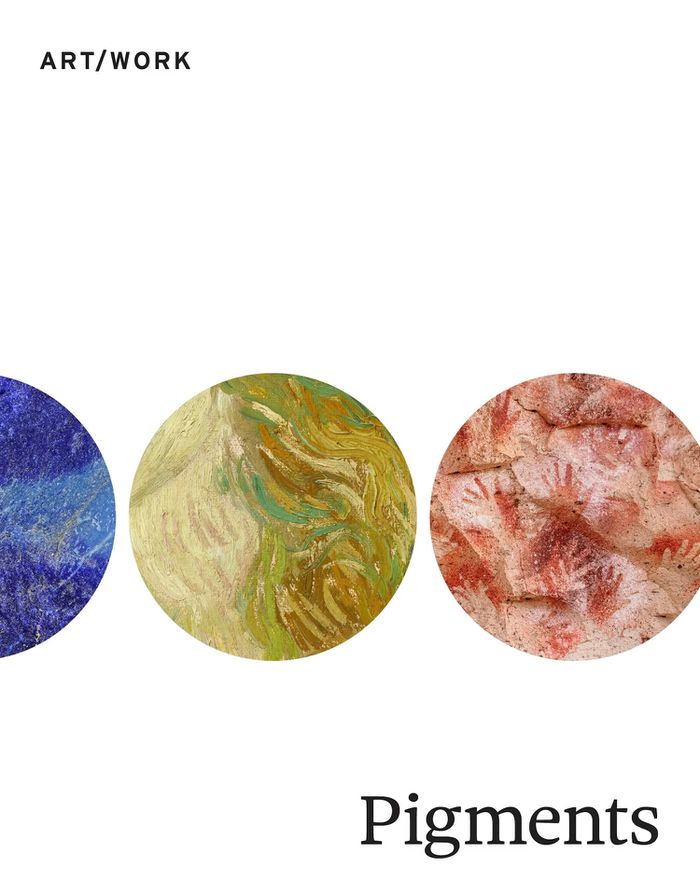
Over the millennia, humans have used pigments to decorate, narrate, and instruct. Charred bone, ground earth, stones, bugs, and blood were the first pigments. New pigments were manufactured by simple processes such as corrosion and calcination until the Industrial Revolution introduced colors outside the spectrum of the natural world. "Pigments" brings together leading art historians and conservators to trace the history of the materials used to create color and their invention across diverse cultures and time periods. This richly illustrated book features incisive historical essays and case studies that shed light on the many forms of pigments—the organic and inorganic; the edible and the toxic; and those that are more precious than gold. It shows how pigments were as central to the earliest art forms and global trade networks as they are to commerce, ornamentation, and artistic expression today. The book reveals the innate instability and mutability of most pigments and discusses how few artworks or objects look as they did when they were first created.
Pigments
Actions:
Prix:
$39.95
(disponible sur commande)
Résumé:
Over the millennia, humans have used pigments to decorate, narrate, and instruct. Charred bone, ground earth, stones, bugs, and blood were the first pigments. New pigments were manufactured by simple processes such as corrosion and calcination until the Industrial Revolution introduced colors outside the spectrum of the natural world. "Pigments" brings together leading art historians and conservators to trace the history of the materials used to create color and their invention across diverse cultures and time periods. This richly illustrated book features incisive historical essays and case studies that shed light on the many forms of pigments—the organic and inorganic; the edible and the toxic; and those that are more precious than gold. It shows how pigments were as central to the earliest art forms and global trade networks as they are to commerce, ornamentation, and artistic expression today. The book reveals the innate instability and mutability of most pigments and discusses how few artworks or objects look as they did when they were first created.
Classification:
livres
livres
Publication:
juin 2024
juin 2024
Classification:
livres
livres
Titre:
Remarks on color
Remarks on color
Actions:
Prix:
$45.95
(disponible en magasin)
Résumé:
Artist, critic and poet Eve Wood has a ribald sense of humor and for decades has had a distinctive presence in the Southern California art world. This is her first monograph, featuring a collection of off-beat, imaginative color studies populated with birds, animals and irreverent, sometimes naughty personae. Short, laugh-out-loud prose accompanies each of the portraits(...)
$45.95
(disponible en magasin)
Résumé:
Artist, critic and poet Eve Wood has a ribald sense of humor and for decades has had a distinctive presence in the Southern California art world. This is her first monograph, featuring a collection of off-beat, imaginative color studies populated with birds, animals and irreverent, sometimes naughty personae. Short, laugh-out-loud prose accompanies each of the portraits(...)
Titre:
Remarks on color
Actions:
Prix:
$45.95
(disponible en magasin)
Résumé:
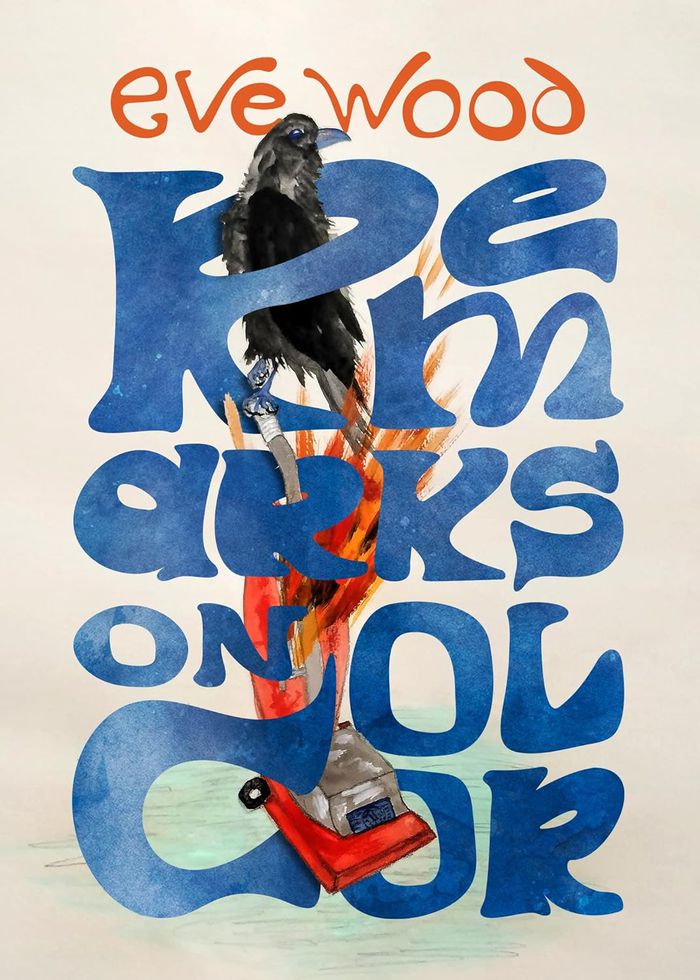
Artist, critic and poet Eve Wood has a ribald sense of humor and for decades has had a distinctive presence in the Southern California art world. This is her first monograph, featuring a collection of off-beat, imaginative color studies populated with birds, animals and irreverent, sometimes naughty personae. Short, laugh-out-loud prose accompanies each of the portraits and vivid scenes. Her dog sleeps on a Ukranian-gold and blue rug; her raven vacuums the house; absurd characters from movies and art stand in for obnoxious or dreamy colors; and the birds – so many birds – sing of freedom.
Remarks on color
Actions:
Prix:
$45.95
(disponible en magasin)
Résumé:
Artist, critic and poet Eve Wood has a ribald sense of humor and for decades has had a distinctive presence in the Southern California art world. This is her first monograph, featuring a collection of off-beat, imaginative color studies populated with birds, animals and irreverent, sometimes naughty personae. Short, laugh-out-loud prose accompanies each of the portraits and vivid scenes. Her dog sleeps on a Ukranian-gold and blue rug; her raven vacuums the house; absurd characters from movies and art stand in for obnoxious or dreamy colors; and the birds – so many birds – sing of freedom.
Classification:
livres
livres
Publication:
novembre 2023
novembre 2023
Classification:
livres
livres
Actions:
Prix:
$33.00
(disponible sur commande)
Résumé:
"Interaction of color" is often presented as an overarching theory of color, but it is actually a method of learning how to better see and understand color—many of the color exercises illustrated in "Interaction of color" were devised by Albers’s students: cutting and pasting, looking, pondering, and learning. This workbook companion is a teaching tool designed to enable(...)
$33.00
(disponible sur commande)
Résumé:
"Interaction of color" is often presented as an overarching theory of color, but it is actually a method of learning how to better see and understand color—many of the color exercises illustrated in "Interaction of color" were devised by Albers’s students: cutting and pasting, looking, pondering, and learning. This workbook companion is a teaching tool designed to enable(...)
Titre:
Interacting with color: A practical guide to Joself Alber's color experiments
Actions:
Prix:
$33.00
(disponible sur commande)
Résumé:
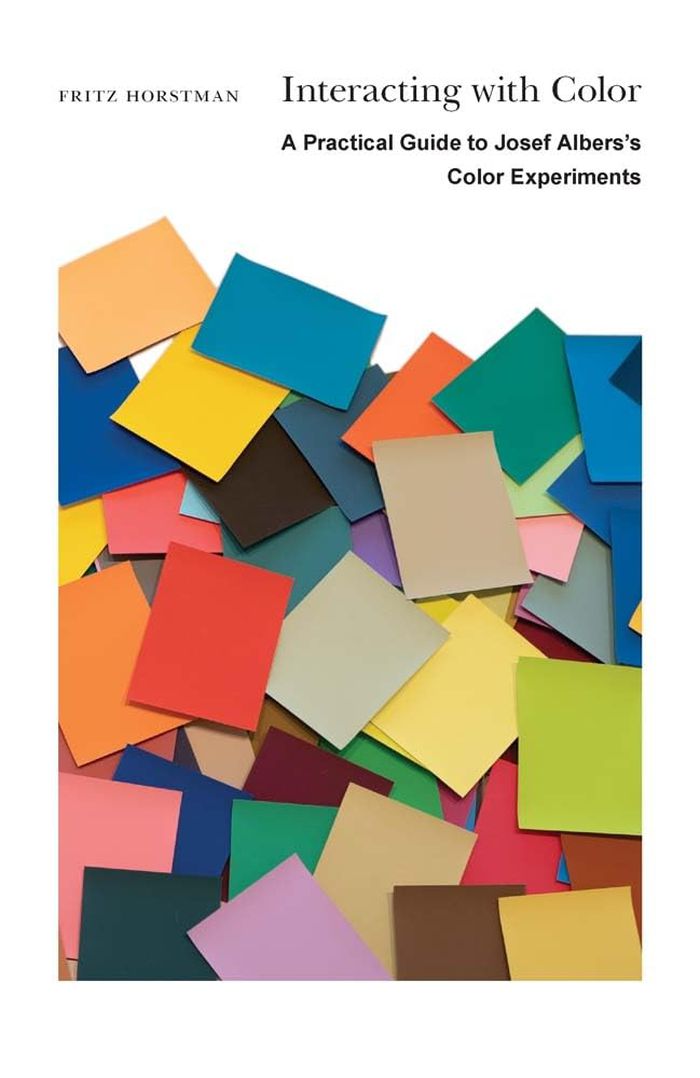
"Interaction of color" is often presented as an overarching theory of color, but it is actually a method of learning how to better see and understand color—many of the color exercises illustrated in "Interaction of color" were devised by Albers’s students: cutting and pasting, looking, pondering, and learning. This workbook companion is a teaching tool designed to enable readers to engage in the kinds of tactile creativity and exploration that characterized Albers’s own classroom. Focusing on eight of the most important lessons in "Interaction of color", this book invites readers to learn by doing, using only simple materials. Core instructions for each exercise are enhanced by additional tips, references to Albers’s original text and illustrations, and stories about how Albers presented the ideas in class. The book and exercises are sufficiently nuanced to challenge and inspire seasoned artists, designers, and educators while also being readily accessible to younger readers and less-experienced practitioners.
Interacting with color: A practical guide to Joself Alber's color experiments
Actions:
Prix:
$33.00
(disponible sur commande)
Résumé:
"Interaction of color" is often presented as an overarching theory of color, but it is actually a method of learning how to better see and understand color—many of the color exercises illustrated in "Interaction of color" were devised by Albers’s students: cutting and pasting, looking, pondering, and learning. This workbook companion is a teaching tool designed to enable readers to engage in the kinds of tactile creativity and exploration that characterized Albers’s own classroom. Focusing on eight of the most important lessons in "Interaction of color", this book invites readers to learn by doing, using only simple materials. Core instructions for each exercise are enhanced by additional tips, references to Albers’s original text and illustrations, and stories about how Albers presented the ideas in class. The book and exercises are sufficiently nuanced to challenge and inspire seasoned artists, designers, and educators while also being readily accessible to younger readers and less-experienced practitioners.
Classification:
livres
livres
Publication:
juin 2024
juin 2024
Classification:
livres
livres
Titre:
The artist's palette
The artist's palette
Actions:
Prix:
$54.95
(disponible sur commande)
Résumé:
From traditional wooden boards to paint pots, ceramic plates, and studio walls, these deceptively simple yet potent tools provide vital evidence. ''The Artist’s Palette'' presents fifty unique palettes alongside paintings by the celebrated artists who used them, gathering expert analysis of color, brushstroke, and technique to offer new histories of these artists and(...)
$54.95
(disponible sur commande)
Résumé:
From traditional wooden boards to paint pots, ceramic plates, and studio walls, these deceptively simple yet potent tools provide vital evidence. ''The Artist’s Palette'' presents fifty unique palettes alongside paintings by the celebrated artists who used them, gathering expert analysis of color, brushstroke, and technique to offer new histories of these artists and(...)
Titre:
The artist's palette
Actions:
Prix:
$54.95
(disponible sur commande)
Résumé:
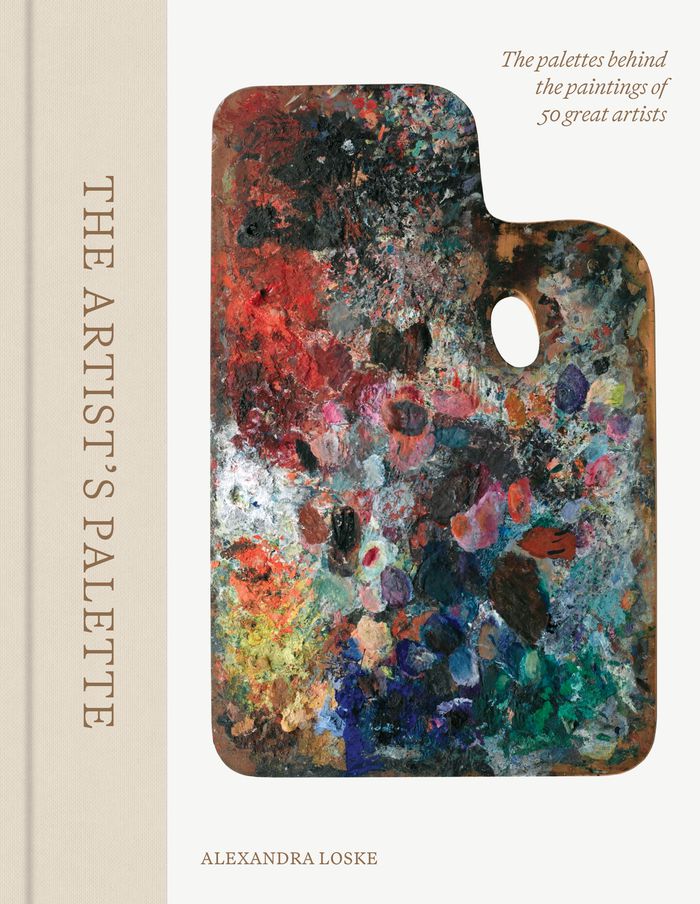
From traditional wooden boards to paint pots, ceramic plates, and studio walls, these deceptively simple yet potent tools provide vital evidence. ''The Artist’s Palette'' presents fifty unique palettes alongside paintings by the celebrated artists who used them, gathering expert analysis of color, brushstroke, and technique to offer new histories of these artists and their work. Alexandra Loske pairs each artist’s color palette with one or more of their paintings, revealing how the artist used paints and pigments. While Georges Seurat meticulously arranged the paints on his palette in prismatic order, a pointillist technique reflected on his canvases, Kerry James Marshall uses blots of zinc white and smears of pale pink on the surfaces of symbolically oversized white palettes held by the Black artists in his portraits, raising provocative questions about the role of color in Black history and Western art. Through these and other compelling accounts, Loske shows how, behind every great painting, there is a palette that tells its story.
The artist's palette
Actions:
Prix:
$54.95
(disponible sur commande)
Résumé:
From traditional wooden boards to paint pots, ceramic plates, and studio walls, these deceptively simple yet potent tools provide vital evidence. ''The Artist’s Palette'' presents fifty unique palettes alongside paintings by the celebrated artists who used them, gathering expert analysis of color, brushstroke, and technique to offer new histories of these artists and their work. Alexandra Loske pairs each artist’s color palette with one or more of their paintings, revealing how the artist used paints and pigments. While Georges Seurat meticulously arranged the paints on his palette in prismatic order, a pointillist technique reflected on his canvases, Kerry James Marshall uses blots of zinc white and smears of pale pink on the surfaces of symbolically oversized white palettes held by the Black artists in his portraits, raising provocative questions about the role of color in Black history and Western art. Through these and other compelling accounts, Loske shows how, behind every great painting, there is a palette that tells its story.
Classification:
livres
livres
Publication:
novembre 2024
novembre 2024


