


81 Résultats
Classification:
livres
livres
Actions:
Prix:
$48.95
(disponible sur commande)
Résumé:
This extensively illustrated book is a celebration of the V's collection of 20th-century fashion. The latest title in the Fashion in Detail series, this book offers a detailed look at some of the most stunning garments in the collection. The book features line drawings of each garment's structure and specially commissioned close-up photographs of each item's most(...)
$48.95
(disponible sur commande)
Résumé:
This extensively illustrated book is a celebration of the V's collection of 20th-century fashion. The latest title in the Fashion in Detail series, this book offers a detailed look at some of the most stunning garments in the collection. The book features line drawings of each garment's structure and specially commissioned close-up photographs of each item's most(...)
Titre:
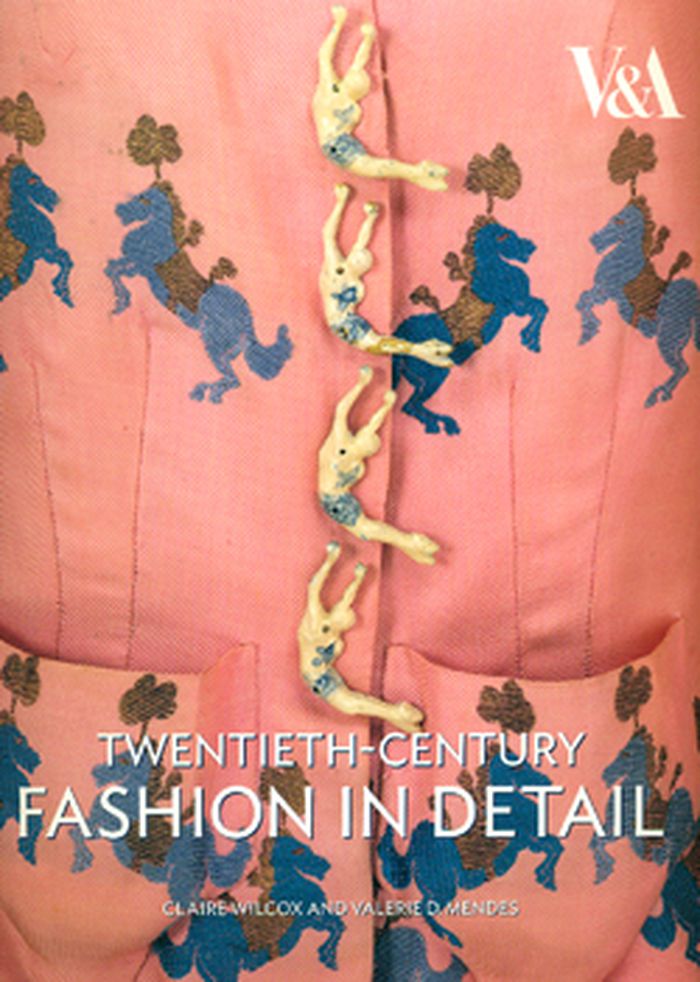
Twentieth-century fashion detail
Actions:
Prix:
$48.95
(disponible sur commande)
Résumé:
This extensively illustrated book is a celebration of the V's collection of 20th-century fashion. The latest title in the Fashion in Detail series, this book offers a detailed look at some of the most stunning garments in the collection. The book features line drawings of each garment's structure and specially commissioned close-up photographs of each item's most impressive aspects: fastenings, necklines, cuffs, hemlines, fringes, and more.
Twentieth-century fashion detail
Actions:
Prix:
$48.95
(disponible sur commande)
Résumé:
This extensively illustrated book is a celebration of the V's collection of 20th-century fashion. The latest title in the Fashion in Detail series, this book offers a detailed look at some of the most stunning garments in the collection. The book features line drawings of each garment's structure and specially commissioned close-up photographs of each item's most impressive aspects: fastenings, necklines, cuffs, hemlines, fringes, and more.
Classification:
livres
livres
Publication:
juillet 2009
juillet 2009
Sujet:
Création de mode
Création de mode
Classification:
livres
livres
Actions:
Prix:
$54.00
(disponible sur commande)
Résumé:
"Images left behind are in the end stronger than truth and facts. Through Douglas Kirkland's images we can imagine what the famous Coco had been all about before she became the formidable Chanel," muses Karl Lagerfeld in Mademoiselle, a selection of photographs of Chanel taken by Douglas Kirkland in 1962 on assignment in Paris for the American magazine Look. Lagerfeld is(...)
$54.00
(disponible sur commande)
Résumé:
"Images left behind are in the end stronger than truth and facts. Through Douglas Kirkland's images we can imagine what the famous Coco had been all about before she became the formidable Chanel," muses Karl Lagerfeld in Mademoiselle, a selection of photographs of Chanel taken by Douglas Kirkland in 1962 on assignment in Paris for the American magazine Look. Lagerfeld is(...)
Titre:
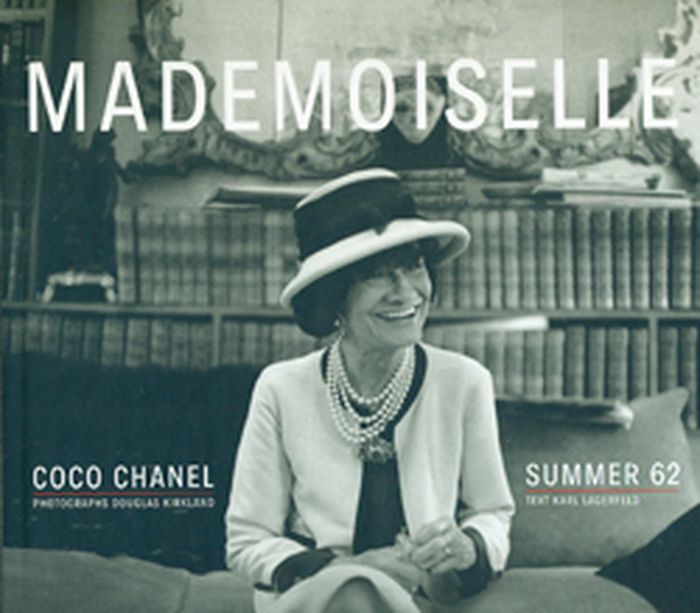
Mademoiselle: Coco Chanel/Summer 62
Actions:
Prix:
$54.00
(disponible sur commande)
Résumé:
"Images left behind are in the end stronger than truth and facts. Through Douglas Kirkland's images we can imagine what the famous Coco had been all about before she became the formidable Chanel," muses Karl Lagerfeld in Mademoiselle, a selection of photographs of Chanel taken by Douglas Kirkland in 1962 on assignment in Paris for the American magazine Look. Lagerfeld is the designer currently at the helm of the Parisian fashion house, made iconic by designer Coco Chanel during her long reign, from 1909-1971--and the designer of this handsome edition as well. Through his introduction and captions to these photographs, we understand how important Chanel's image has been to the success of the century-old French couture line.
Mademoiselle: Coco Chanel/Summer 62
Actions:
Prix:
$54.00
(disponible sur commande)
Résumé:
"Images left behind are in the end stronger than truth and facts. Through Douglas Kirkland's images we can imagine what the famous Coco had been all about before she became the formidable Chanel," muses Karl Lagerfeld in Mademoiselle, a selection of photographs of Chanel taken by Douglas Kirkland in 1962 on assignment in Paris for the American magazine Look. Lagerfeld is the designer currently at the helm of the Parisian fashion house, made iconic by designer Coco Chanel during her long reign, from 1909-1971--and the designer of this handsome edition as well. Through his introduction and captions to these photographs, we understand how important Chanel's image has been to the success of the century-old French couture line.
Classification:
livres
livres
Publication:
septembre 2009
septembre 2009
Classification:
livres
livres
Actions:
Prix:
$72.00
(disponible sur commande)
Résumé:
The first visual history of Modernist Italian fashion during Benito Mussolini's Fascist regime, and the product of immense research, Fashion at the Time of Fascism charts the fashion industry's ambivalent negotiation of international couture and the bizarre dictates of Fascism, and the legacy of this era in shaping today's fashion industry. Authors Mario Lupano and(...)
$72.00
(disponible sur commande)
Résumé:
The first visual history of Modernist Italian fashion during Benito Mussolini's Fascist regime, and the product of immense research, Fashion at the Time of Fascism charts the fashion industry's ambivalent negotiation of international couture and the bizarre dictates of Fascism, and the legacy of this era in shaping today's fashion industry. Authors Mario Lupano and(...)
Titre:
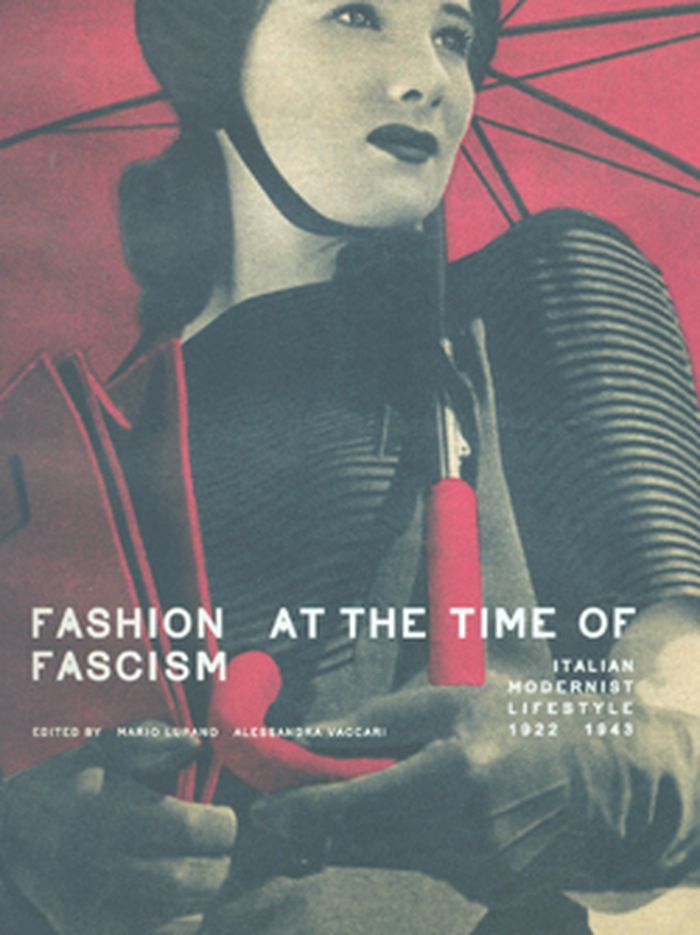
Fashion at the time of Fascism
Actions:
Prix:
$72.00
(disponible sur commande)
Résumé:
The first visual history of Modernist Italian fashion during Benito Mussolini's Fascist regime, and the product of immense research, Fashion at the Time of Fascism charts the fashion industry's ambivalent negotiation of international couture and the bizarre dictates of Fascism, and the legacy of this era in shaping today's fashion industry. Authors Mario Lupano and Alessandra Vaccari explore and compare a large range of forgotten archival sources, such as women's glossies, fashion, film and gossip magazines, photo archives, exhibition and commercial catalogues, books, manuals and magazines on tailoring, dressmaking, design and architecture, and corporate and government journals. This abundance of materials is presented in a fluid sequence of image and text that charts the rhythms, rituals and lifestyles of the typical Italian day through the four basic themes of "Measurements," "Model," "Brand" and "Parade." Each section includes texts that highlight the key figures and phases in Italian fashion, from the 1920s to the early 1940s, juxtaposing them with Modernism's broader salient themes and emphasizing the conscious use of glamour in the regime's super-choreographed portrayal of itself.
Fashion at the time of Fascism
Actions:
Prix:
$72.00
(disponible sur commande)
Résumé:
The first visual history of Modernist Italian fashion during Benito Mussolini's Fascist regime, and the product of immense research, Fashion at the Time of Fascism charts the fashion industry's ambivalent negotiation of international couture and the bizarre dictates of Fascism, and the legacy of this era in shaping today's fashion industry. Authors Mario Lupano and Alessandra Vaccari explore and compare a large range of forgotten archival sources, such as women's glossies, fashion, film and gossip magazines, photo archives, exhibition and commercial catalogues, books, manuals and magazines on tailoring, dressmaking, design and architecture, and corporate and government journals. This abundance of materials is presented in a fluid sequence of image and text that charts the rhythms, rituals and lifestyles of the typical Italian day through the four basic themes of "Measurements," "Model," "Brand" and "Parade." Each section includes texts that highlight the key figures and phases in Italian fashion, from the 1920s to the early 1940s, juxtaposing them with Modernism's broader salient themes and emphasizing the conscious use of glamour in the regime's super-choreographed portrayal of itself.
Classification:
livres
livres
Publication:
novembre 2009
novembre 2009
Sujet:
Création de mode
Création de mode
Classification:
livres
livres
Titre:
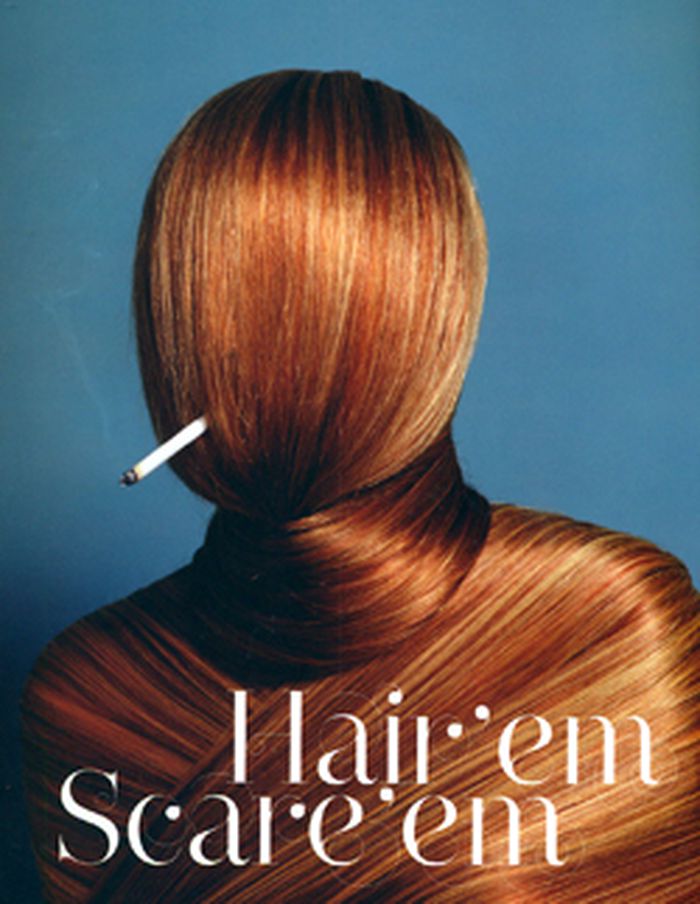
Hair 'em scare 'em
Hair 'em scare 'em
Actions:
Prix:
$64.95
(disponible sur commande)
Résumé:
Hair'em Scare'em presents an exploration through the fascinating beauty and inventive possibilities of hair as a medium for artistic expression in contemporary art and design. The book documents this palpable trend into a visual sourcebook that presents a captivating collection of hairy works in graphic design, photography, illustration and art as well as interior design,(...)
$64.95
(disponible sur commande)
Résumé:
Hair'em Scare'em presents an exploration through the fascinating beauty and inventive possibilities of hair as a medium for artistic expression in contemporary art and design. The book documents this palpable trend into a visual sourcebook that presents a captivating collection of hairy works in graphic design, photography, illustration and art as well as interior design,(...)
Titre:
Hair 'em scare 'em
Actions:
Prix:
$64.95
(disponible sur commande)
Résumé:
Hair'em Scare'em presents an exploration through the fascinating beauty and inventive possibilities of hair as a medium for artistic expression in contemporary art and design. The book documents this palpable trend into a visual sourcebook that presents a captivating collection of hairy works in graphic design, photography, illustration and art as well as interior design, fashion and jewelry design. The extraordinary works featured in this book are the best indication of trends in hair outside the mainstream.
Hair 'em scare 'em
Actions:
Prix:
$64.95
(disponible sur commande)
Résumé:
Hair'em Scare'em presents an exploration through the fascinating beauty and inventive possibilities of hair as a medium for artistic expression in contemporary art and design. The book documents this palpable trend into a visual sourcebook that presents a captivating collection of hairy works in graphic design, photography, illustration and art as well as interior design, fashion and jewelry design. The extraordinary works featured in this book are the best indication of trends in hair outside the mainstream.
Classification:
livres
livres
Publication:
novembre 2009
novembre 2009
Classification:
livres
livres
Actions:
Prix:
$69.95
(disponible sur commande)
Résumé:
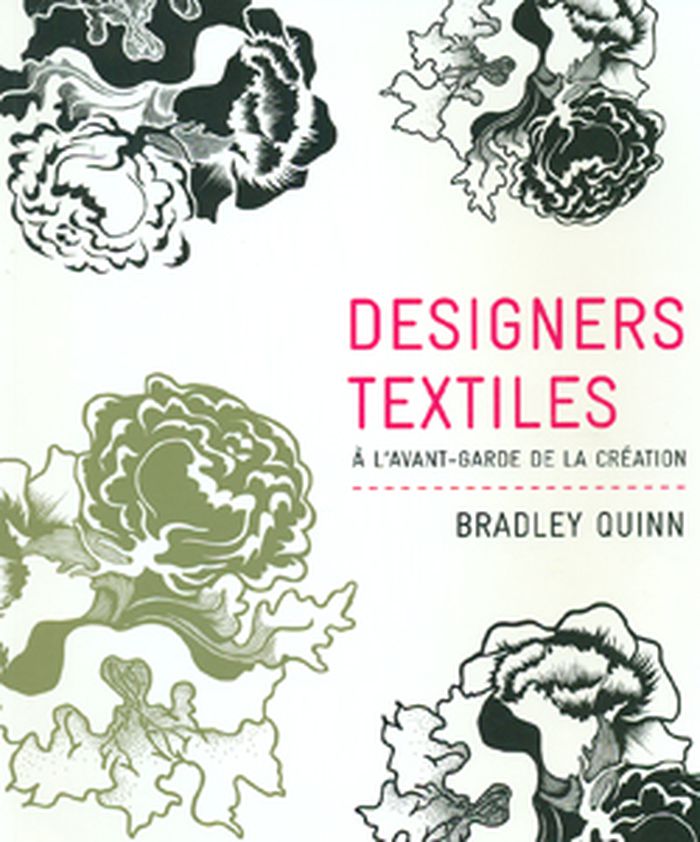
Issus des quatre coins du monde, les trente-six designers textiles présentés dans cet ouvrage réinventent de manière radicale les textiles de mode et les tissus d'intérieur, et expriment, chacun à leur manière, les profondes mutations de la création textile. Tandis que certains s'emploient à inventer les textiles de demain - motifs photosensibles et encres(...)
$69.95
(disponible sur commande)
Résumé:
Issus des quatre coins du monde, les trente-six designers textiles présentés dans cet ouvrage réinventent de manière radicale les textiles de mode et les tissus d'intérieur, et expriment, chacun à leur manière, les profondes mutations de la création textile. Tandis que certains s'emploient à inventer les textiles de demain - motifs photosensibles et encres(...)
Titre:
Designers textiles, à l'avant-garde de la création
Actions:
Prix:
$69.95
(disponible sur commande)
Résumé:
Issus des quatre coins du monde, les trente-six designers textiles présentés dans cet ouvrage réinventent de manière radicale les textiles de mode et les tissus d'intérieur, et expriment, chacun à leur manière, les profondes mutations de la création textile. Tandis que certains s'emploient à inventer les textiles de demain - motifs photosensibles et encres thermochromatiques, textiles tissés à partir de brins de fibre optique ou de diodes électroluminescentes -, d'autres cherchent à limiter le gaspillage et à créer des textiles durables, transformant les déchets industriels en tissus aussi beaux qu'écologiques. Tous mêlent dans leur approche innovation technologique et design audacieux, conscience écologique et créativité sans borne. Tous témoignent également de la manière dont les frontières entre les différentes disciplines que sont la mode, le design et l'architecture tendent aujourd'hui à s'effacer.
Designers textiles, à l'avant-garde de la création
Actions:
Prix:
$69.95
(disponible sur commande)
Résumé:
Issus des quatre coins du monde, les trente-six designers textiles présentés dans cet ouvrage réinventent de manière radicale les textiles de mode et les tissus d'intérieur, et expriment, chacun à leur manière, les profondes mutations de la création textile. Tandis que certains s'emploient à inventer les textiles de demain - motifs photosensibles et encres thermochromatiques, textiles tissés à partir de brins de fibre optique ou de diodes électroluminescentes -, d'autres cherchent à limiter le gaspillage et à créer des textiles durables, transformant les déchets industriels en tissus aussi beaux qu'écologiques. Tous mêlent dans leur approche innovation technologique et design audacieux, conscience écologique et créativité sans borne. Tous témoignent également de la manière dont les frontières entre les différentes disciplines que sont la mode, le design et l'architecture tendent aujourd'hui à s'effacer.
Classification:
livres
livres
Publication:
novembre 2009
novembre 2009
Sujet:
Création de mode
Création de mode
Classification:
livres
livres
Actions:
Prix:
$46.00
(disponible sur commande)
Résumé:
Chanel head designer Karl Lagerfeld founded Métiers d'Arts in 2002 to showcase the talents of Chanel's seven specialist ateliers (that provide the couture house with costume jewelry, embroidery and millinery). This volume focuses on Chanel's 2008-2009 Métiers d'Arts collection Paris-Moscow. If Paris-Moscow indulges Lagerfeld's fascination for Russia through fashion, then(...)
$46.00
(disponible sur commande)
Résumé:
Chanel head designer Karl Lagerfeld founded Métiers d'Arts in 2002 to showcase the talents of Chanel's seven specialist ateliers (that provide the couture house with costume jewelry, embroidery and millinery). This volume focuses on Chanel's 2008-2009 Métiers d'Arts collection Paris-Moscow. If Paris-Moscow indulges Lagerfeld's fascination for Russia through fashion, then(...)
Titre:
Karl Lagerfeld : Chanel's Russian collection
Actions:
Prix:
$46.00
(disponible sur commande)
Résumé:
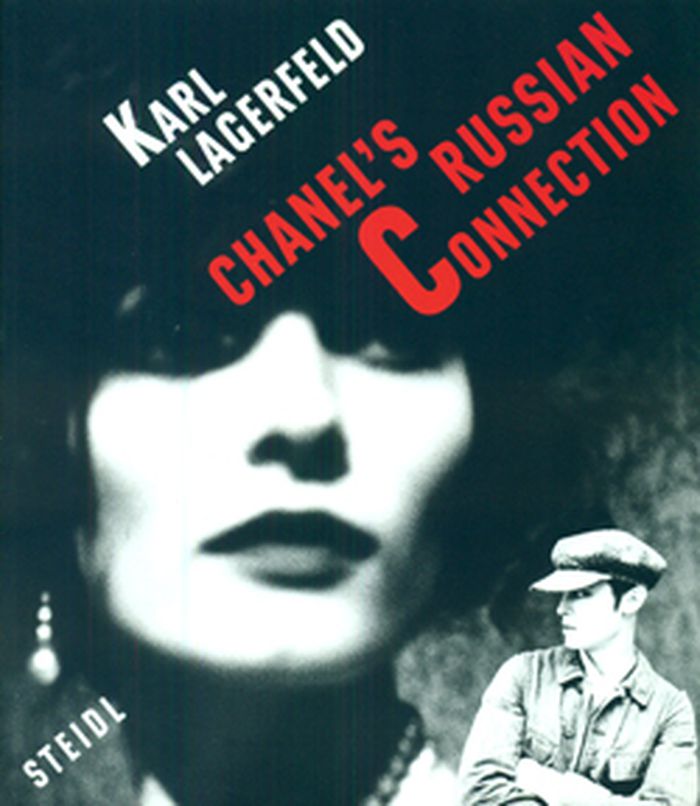
Chanel head designer Karl Lagerfeld founded Métiers d'Arts in 2002 to showcase the talents of Chanel's seven specialist ateliers (that provide the couture house with costume jewelry, embroidery and millinery). This volume focuses on Chanel's 2008-2009 Métiers d'Arts collection Paris-Moscow. If Paris-Moscow indulges Lagerfeld's fascination for Russia through fashion, then Russian Connection is that fascination embodied in book form. Lagerfeld's images evoke Imperial Russia, Constructivism, Catherine the Great, Fabergé, Russian folklore and Coco Chanel's own passion for Russia, via the great Ballets Russes, Byzantine jewelry and her affair with the Grand Duke Dmitri Pavlovich. Included here is a DVD featuring Lagerfeld's directorial debut, Coco 1913/Chanel 1923, a silent black-and-white film depicting Chanel's flirtation with Russian-Parisian émigré society in the 1910s and 1920s.
Karl Lagerfeld : Chanel's Russian collection
Actions:
Prix:
$46.00
(disponible sur commande)
Résumé:
Chanel head designer Karl Lagerfeld founded Métiers d'Arts in 2002 to showcase the talents of Chanel's seven specialist ateliers (that provide the couture house with costume jewelry, embroidery and millinery). This volume focuses on Chanel's 2008-2009 Métiers d'Arts collection Paris-Moscow. If Paris-Moscow indulges Lagerfeld's fascination for Russia through fashion, then Russian Connection is that fascination embodied in book form. Lagerfeld's images evoke Imperial Russia, Constructivism, Catherine the Great, Fabergé, Russian folklore and Coco Chanel's own passion for Russia, via the great Ballets Russes, Byzantine jewelry and her affair with the Grand Duke Dmitri Pavlovich. Included here is a DVD featuring Lagerfeld's directorial debut, Coco 1913/Chanel 1923, a silent black-and-white film depicting Chanel's flirtation with Russian-Parisian émigré society in the 1910s and 1920s.
Classification:
livres
livres
Publication:
janvier 2010
janvier 2010
Sujet:
Création de mode
Création de mode
Classification:
livres
livres
Actions:
Prix:
$37.95
(disponible sur commande)
Résumé:
The idea of fashion under socialism conjures up images of babushka headscarves and black market blue jeans. And yet, as Djurdja Bartlett shows in this groundbreaking book, the socialist East had an intimate relationship with fashion. Official antagonism—which cast fashion as frivolous and antirevolutionary—eventually gave way to grudging acceptance and creeping(...)
$37.95
(disponible sur commande)
Résumé:
The idea of fashion under socialism conjures up images of babushka headscarves and black market blue jeans. And yet, as Djurdja Bartlett shows in this groundbreaking book, the socialist East had an intimate relationship with fashion. Official antagonism—which cast fashion as frivolous and antirevolutionary—eventually gave way to grudging acceptance and creeping(...)
Titre:
Fashion East : the spectre that haunted socialism
Actions:
Prix:
$37.95
(disponible sur commande)
Résumé:
The idea of fashion under socialism conjures up images of babushka headscarves and black market blue jeans. And yet, as Djurdja Bartlett shows in this groundbreaking book, the socialist East had an intimate relationship with fashion. Official antagonism—which cast fashion as frivolous and antirevolutionary—eventually gave way to grudging acceptance and creeping consumerism. Bartlett outlines three phases in socialist fashion, and illustrates them with abundant images from magazines of the period: postrevolutionary utopian dress, official state-sanctioned socialist fashion, and samizdat-style everyday fashion. Utopian dress, ranging from the geometric abstraction of the constructivists under Bolshevism in the Soviet Union to the no-frills desexualized uniform of a factory worker in Czechoslovakia, reflected the revolutionary urge for a clean break with the past. The highly centralized socialist fashion system, part of Stalinist industrialization, offered official prototypes of high fashion that were never available in stores—mythical images of smart and luxurious dresses that symbolized the economic progress that socialist regimes dreamed of. Everyday fashion, starting in the 1950s, was an unofficial, do-it-yourself enterprise: Western fashions obtained through semiclandestine channels or sewn at home. The state tolerated the demand for Western fashion, promising the burgeoning middle class consumer goods in exchange for political loyalty. Bartlett traces the progress of socialist fashion in the Soviet Union, Czechoslovakia, Hungary, East Germany, Poland, and Yugoslavia, drawing on state-sponsored socialist women’s magazines, etiquette books, socialist manuals on dress, private archives, and her own interviews with designers, fashion editors, and other key figures. Fashion, she suggests, with all its ephemerality and dynamism, was in perpetual conflict with the socialist regimes’ fear of change and need for control. It was, to echo the famous first sentence from the Communist Manifesto, the spectre that haunted socialism until the end.
Fashion East : the spectre that haunted socialism
Actions:
Prix:
$37.95
(disponible sur commande)
Résumé:
The idea of fashion under socialism conjures up images of babushka headscarves and black market blue jeans. And yet, as Djurdja Bartlett shows in this groundbreaking book, the socialist East had an intimate relationship with fashion. Official antagonism—which cast fashion as frivolous and antirevolutionary—eventually gave way to grudging acceptance and creeping consumerism. Bartlett outlines three phases in socialist fashion, and illustrates them with abundant images from magazines of the period: postrevolutionary utopian dress, official state-sanctioned socialist fashion, and samizdat-style everyday fashion. Utopian dress, ranging from the geometric abstraction of the constructivists under Bolshevism in the Soviet Union to the no-frills desexualized uniform of a factory worker in Czechoslovakia, reflected the revolutionary urge for a clean break with the past. The highly centralized socialist fashion system, part of Stalinist industrialization, offered official prototypes of high fashion that were never available in stores—mythical images of smart and luxurious dresses that symbolized the economic progress that socialist regimes dreamed of. Everyday fashion, starting in the 1950s, was an unofficial, do-it-yourself enterprise: Western fashions obtained through semiclandestine channels or sewn at home. The state tolerated the demand for Western fashion, promising the burgeoning middle class consumer goods in exchange for political loyalty. Bartlett traces the progress of socialist fashion in the Soviet Union, Czechoslovakia, Hungary, East Germany, Poland, and Yugoslavia, drawing on state-sponsored socialist women’s magazines, etiquette books, socialist manuals on dress, private archives, and her own interviews with designers, fashion editors, and other key figures. Fashion, she suggests, with all its ephemerality and dynamism, was in perpetual conflict with the socialist regimes’ fear of change and need for control. It was, to echo the famous first sentence from the Communist Manifesto, the spectre that haunted socialism until the end.
Classification:
livres
livres
Publication:
octobre 2010
octobre 2010
Sujet:
Création de mode
Création de mode
Classification:
livres
livres
Titre:
Taller
Taller
Actions:
Prix:
$35.00
(disponible en magasin)
Résumé:
Afin de faire le point sur ses années de pratique en tant qu’architecte et designer, Maryla Sobek propose de considérer ensemble ces deux activités que sont l’architecture et le vêtement. La réflexion théorique à laquelle elle a consacré plusieurs années l’aura menée à un constat : la conception du vêtement occidental se trouve dans une impasse, et ce tant du point de vue(...)
$35.00
(disponible en magasin)
Résumé:
Afin de faire le point sur ses années de pratique en tant qu’architecte et designer, Maryla Sobek propose de considérer ensemble ces deux activités que sont l’architecture et le vêtement. La réflexion théorique à laquelle elle a consacré plusieurs années l’aura menée à un constat : la conception du vêtement occidental se trouve dans une impasse, et ce tant du point de vue(...)
Titre:
Taller
Actions:
Prix:
$35.00
(disponible en magasin)
Résumé:
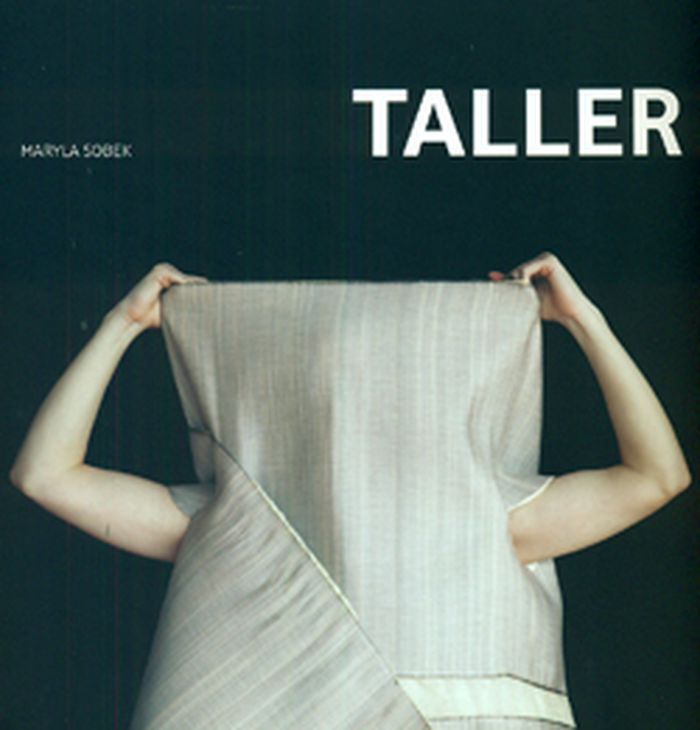
Afin de faire le point sur ses années de pratique en tant qu’architecte et designer, Maryla Sobek propose de considérer ensemble ces deux activités que sont l’architecture et le vêtement. La réflexion théorique à laquelle elle a consacré plusieurs années l’aura menée à un constat : la conception du vêtement occidental se trouve dans une impasse, et ce tant du point de vue de la structure que de la volumétrie. Quelles sont les solutions qui permettraient au vêtement de ne plus être tributaire des dimensions et de la structure du corps humain ? Sobek s’est lancé le défi de les explorer. Pour ce faire, elle se tourne vers l’architecture et opte pour un retour aux sources. Le choix d’une architecture non occidentale s’est imposé, plus particulièrement l’architecture dogon que l’on peut voir dans la falaise de Bandigara au Mali et qui est aujourd’hui considérée comme le parfait exemple de la rationalité en architecture vernaculaire.
Taller
Actions:
Prix:
$35.00
(disponible en magasin)
Résumé:
Afin de faire le point sur ses années de pratique en tant qu’architecte et designer, Maryla Sobek propose de considérer ensemble ces deux activités que sont l’architecture et le vêtement. La réflexion théorique à laquelle elle a consacré plusieurs années l’aura menée à un constat : la conception du vêtement occidental se trouve dans une impasse, et ce tant du point de vue de la structure que de la volumétrie. Quelles sont les solutions qui permettraient au vêtement de ne plus être tributaire des dimensions et de la structure du corps humain ? Sobek s’est lancé le défi de les explorer. Pour ce faire, elle se tourne vers l’architecture et opte pour un retour aux sources. Le choix d’une architecture non occidentale s’est imposé, plus particulièrement l’architecture dogon que l’on peut voir dans la falaise de Bandigara au Mali et qui est aujourd’hui considérée comme le parfait exemple de la rationalité en architecture vernaculaire.
Classification:
livres
livres
Publication:
octobre 2010
octobre 2010
Sujet:
Création de mode
Création de mode
Classification:
livres
livres
Titre:
Yves Saint-Laurent
Yves Saint-Laurent
Actions:
Prix:
$84.95
(disponible sur commande)
Résumé:
Sous la direction de Florence Müller et Farid Chenoune, on découvre un entretien inédit avec Pierre Bergé, une longue chronologie richement illustrée, le vestiaire des femmes modernes inventé par Yves Saint Laurent, des portraits de "femmes Saint Laurent" (Loulou de la Falaise, Lauren Bacall, Betty Catroux, Paloma Picasso...), des photographies de Richard Avedon, Jeanloup(...)
$84.95
(disponible sur commande)
Résumé:
Sous la direction de Florence Müller et Farid Chenoune, on découvre un entretien inédit avec Pierre Bergé, une longue chronologie richement illustrée, le vestiaire des femmes modernes inventé par Yves Saint Laurent, des portraits de "femmes Saint Laurent" (Loulou de la Falaise, Lauren Bacall, Betty Catroux, Paloma Picasso...), des photographies de Richard Avedon, Jeanloup(...)
Titre:
Yves Saint-Laurent
Actions:
Prix:
$84.95
(disponible sur commande)
Résumé:
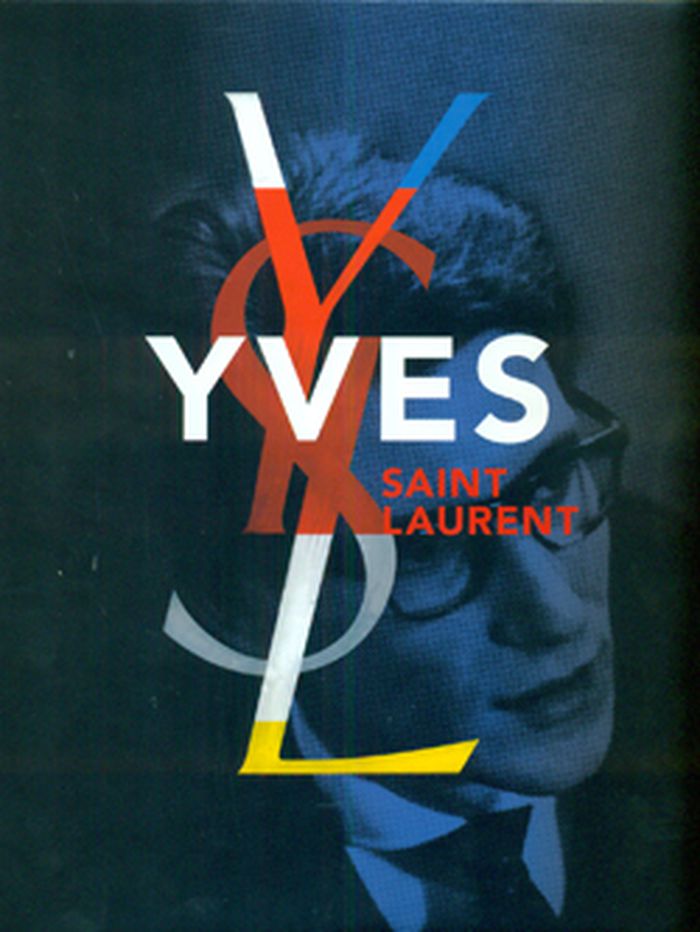
Sous la direction de Florence Müller et Farid Chenoune, on découvre un entretien inédit avec Pierre Bergé, une longue chronologie richement illustrée, le vestiaire des femmes modernes inventé par Yves Saint Laurent, des portraits de "femmes Saint Laurent" (Loulou de la Falaise, Lauren Bacall, Betty Catroux, Paloma Picasso...), des photographies de Richard Avedon, Jeanloup Sieff, Helmut Newton, Pierre Boulat..., ainsi que le catalogue complet des modèles présentés.
Yves Saint-Laurent
Actions:
Prix:
$84.95
(disponible sur commande)
Résumé:
Sous la direction de Florence Müller et Farid Chenoune, on découvre un entretien inédit avec Pierre Bergé, une longue chronologie richement illustrée, le vestiaire des femmes modernes inventé par Yves Saint Laurent, des portraits de "femmes Saint Laurent" (Loulou de la Falaise, Lauren Bacall, Betty Catroux, Paloma Picasso...), des photographies de Richard Avedon, Jeanloup Sieff, Helmut Newton, Pierre Boulat..., ainsi que le catalogue complet des modèles présentés.
Classification:
livres
livres
Publication:
janvier 2011
janvier 2011
Sujet:
Création de mode
Création de mode
Classification:
livres
livres
Actions:
Prix:
$50.00
(disponible sur commande)
Résumé:
In order to justify the singular vision and approach of this celebrated Japanese fashion designer, the organisers of this retrospective at the MOCA, Detroit decided to create an all-compassing installation – with numerous individual pieces selected in order to reveal a complex and multifaceted whole. Presenting the fruits of a practice that spans more than 20 years, the(...)
$50.00
(disponible sur commande)
Résumé:
In order to justify the singular vision and approach of this celebrated Japanese fashion designer, the organisers of this retrospective at the MOCA, Detroit decided to create an all-compassing installation – with numerous individual pieces selected in order to reveal a complex and multifaceted whole. Presenting the fruits of a practice that spans more than 20 years, the(...)
Titre:
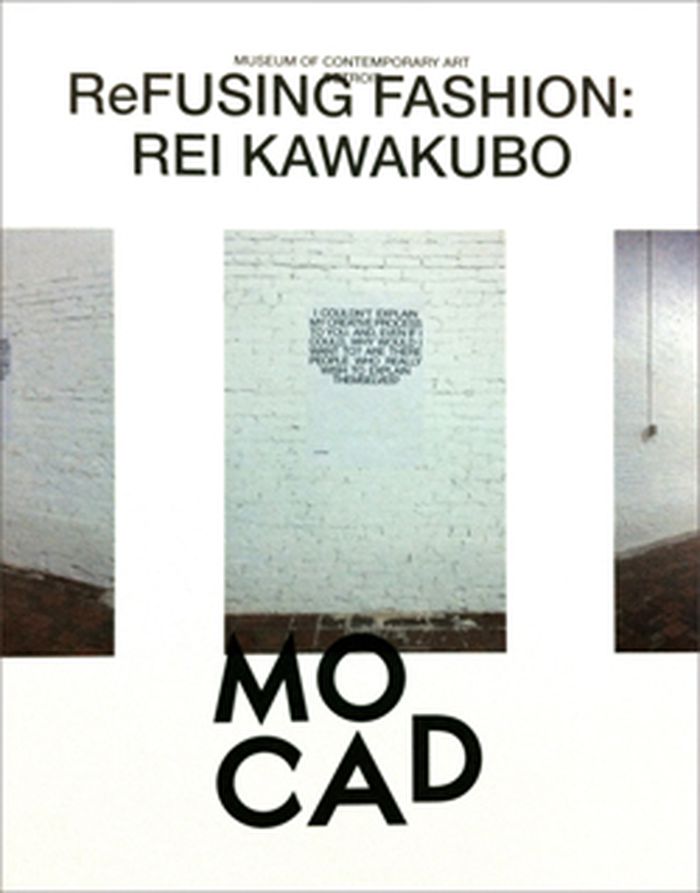
Rei Kawakubo: ReFusing fashion
Actions:
Prix:
$50.00
(disponible sur commande)
Résumé:
In order to justify the singular vision and approach of this celebrated Japanese fashion designer, the organisers of this retrospective at the MOCA, Detroit decided to create an all-compassing installation – with numerous individual pieces selected in order to reveal a complex and multifaceted whole. Presenting the fruits of a practice that spans more than 20 years, the exhibition and delightfully conceived catalogue present clothes and accessories designed both for Commes des Garçons and under her own name, shop designs, posters, advertisements, collaborations with architects, photographers, Merce Cunningham, and with those that wear and style the clothes. The publication is interspersed throughout with various images from the exhibition, film-stills, photographs and texts from five different authors.
Rei Kawakubo: ReFusing fashion
Actions:
Prix:
$50.00
(disponible sur commande)
Résumé:
In order to justify the singular vision and approach of this celebrated Japanese fashion designer, the organisers of this retrospective at the MOCA, Detroit decided to create an all-compassing installation – with numerous individual pieces selected in order to reveal a complex and multifaceted whole. Presenting the fruits of a practice that spans more than 20 years, the exhibition and delightfully conceived catalogue present clothes and accessories designed both for Commes des Garçons and under her own name, shop designs, posters, advertisements, collaborations with architects, photographers, Merce Cunningham, and with those that wear and style the clothes. The publication is interspersed throughout with various images from the exhibition, film-stills, photographs and texts from five different authors.
Classification:
livres
livres
Publication:
février 2011
février 2011
Sujet:
Création de mode
Création de mode


