


878 Résultats
Classification:
livres
livres
Prix:
$35.95
(disponible sur commande)
Résumé:
De quand date la naissance de l’observateur moderne? L’histoire culturelle et la théorie de l’art ont souvent identifié deux points d’origine : la révolution picturale des années 1860 et l’invention de la photographie quelques décennies plus tôt. Pour Jonathan Crary, c’est au tournant du XIXe siècle que s’opère, non pas une mutation de l’imagerie, mais une transformation(...)
$35.95
(disponible sur commande)
Résumé:
De quand date la naissance de l’observateur moderne? L’histoire culturelle et la théorie de l’art ont souvent identifié deux points d’origine : la révolution picturale des années 1860 et l’invention de la photographie quelques décennies plus tôt. Pour Jonathan Crary, c’est au tournant du XIXe siècle que s’opère, non pas une mutation de l’imagerie, mais une transformation(...)
Titre:
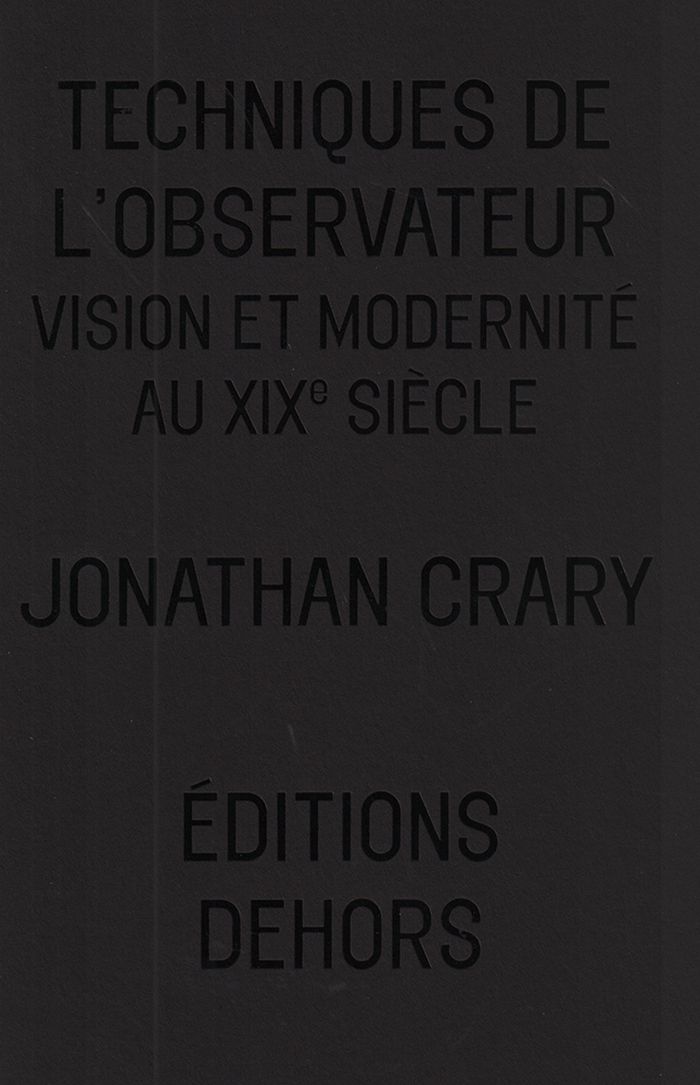
Techniques de l'observateur: vision et modernité au XIXe siècle
Actions:
Prix:
$35.95
(disponible sur commande)
Résumé:
De quand date la naissance de l’observateur moderne? L’histoire culturelle et la théorie de l’art ont souvent identifié deux points d’origine : la révolution picturale des années 1860 et l’invention de la photographie quelques décennies plus tôt. Pour Jonathan Crary, c’est au tournant du XIXe siècle que s’opère, non pas une mutation de l’imagerie, mais une transformation de la subjectivité, lorsque la figure de l’observateur investit le champ esthétique, la médecine et la philosophie. Bien que vieille de deux siècles, cette discrète révolution dans la culture visuelle occidentale est encore la nôtre. Elle accompagne l’essor de la société disciplinaire tout en préparant l’avènement de la société du spectacle – ainsi que de leurs prolongements actuels. En relisant Michel Foucault, Guy Debord et les penseurs critiques de la modernité, Crary nous invite à un voyage intellectuel érudit et provoquant parmi les arts et les savoirs qui l’ont construite. 'Techniques de l’observateur' opère un retour aux sources historiques de notre attention visuelle et de ses enjeux subjectifs et politiques.
Techniques de l'observateur: vision et modernité au XIXe siècle
Actions:
Prix:
$35.95
(disponible sur commande)
Résumé:
De quand date la naissance de l’observateur moderne? L’histoire culturelle et la théorie de l’art ont souvent identifié deux points d’origine : la révolution picturale des années 1860 et l’invention de la photographie quelques décennies plus tôt. Pour Jonathan Crary, c’est au tournant du XIXe siècle que s’opère, non pas une mutation de l’imagerie, mais une transformation de la subjectivité, lorsque la figure de l’observateur investit le champ esthétique, la médecine et la philosophie. Bien que vieille de deux siècles, cette discrète révolution dans la culture visuelle occidentale est encore la nôtre. Elle accompagne l’essor de la société disciplinaire tout en préparant l’avènement de la société du spectacle – ainsi que de leurs prolongements actuels. En relisant Michel Foucault, Guy Debord et les penseurs critiques de la modernité, Crary nous invite à un voyage intellectuel érudit et provoquant parmi les arts et les savoirs qui l’ont construite. 'Techniques de l’observateur' opère un retour aux sources historiques de notre attention visuelle et de ses enjeux subjectifs et politiques.
Classification:
livres
livres
Publication:
octobre 2016
octobre 2016
Sujet:
Théorie/ philosophie
Théorie/ philosophie
Classification:
livres
livres
Prix:
$41.95
(disponible sur commande)
Résumé:
L’œuvre de Stuart Hall, pionnier des cultural studies et figure majeure de la pensée critique, se joue des frontières disciplinaires pour inventer de nouveaux langages de contestation. Articulant le matérialisme et le structuralisme, elle souligne l’importance de la culture comme catégorie analytique, dans un contexte de réorganisation complète de ses formes, de ses(...)
$41.95
(disponible sur commande)
Résumé:
L’œuvre de Stuart Hall, pionnier des cultural studies et figure majeure de la pensée critique, se joue des frontières disciplinaires pour inventer de nouveaux langages de contestation. Articulant le matérialisme et le structuralisme, elle souligne l’importance de la culture comme catégorie analytique, dans un contexte de réorganisation complète de ses formes, de ses(...)
Titre:
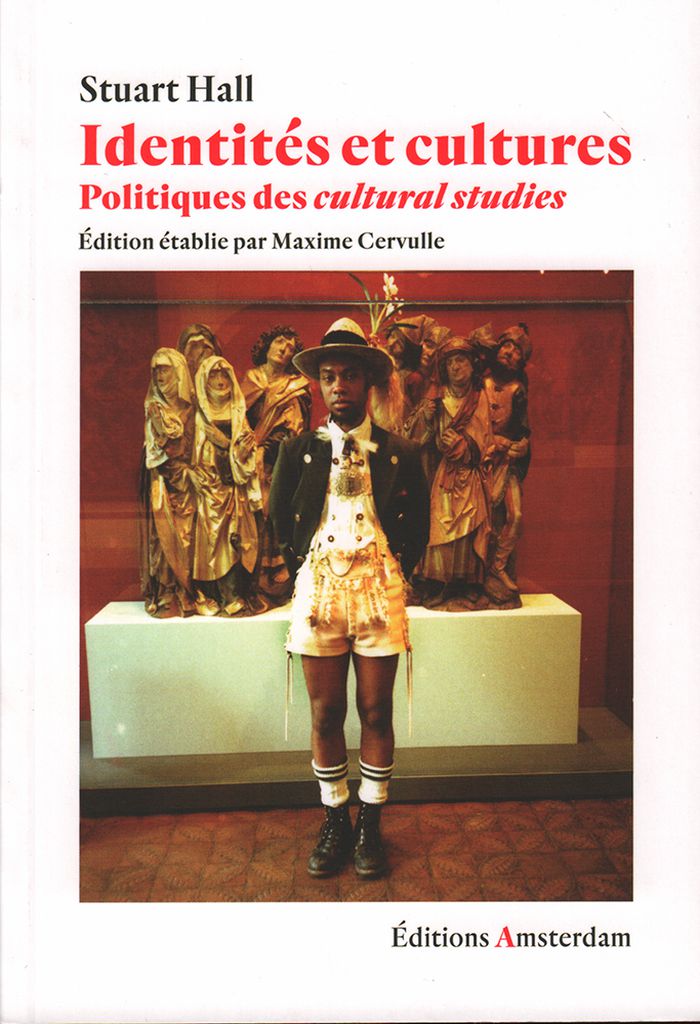
Identités et cultures : politiques des cultural studies
Actions:
Prix:
$41.95
(disponible sur commande)
Résumé:
L’œuvre de Stuart Hall, pionnier des cultural studies et figure majeure de la pensée critique, se joue des frontières disciplinaires pour inventer de nouveaux langages de contestation. Articulant le matérialisme et le structuralisme, elle souligne l’importance de la culture comme catégorie analytique, dans un contexte de réorganisation complète de ses formes, de ses usages et de son déploiement économique. C’est en particulier la lutte idéologique qui se déploie sur le terrain de la culture que Hall nous donne à penser. Son écriture subtile, qui ne cède jamais au réductionnisme, en donne à voir toute la complexité : du rôle actif que jouent les représentations médiatiques dans la formation des identités aux conflits discursifs au travers desquels se forgent les antagonismes politiques, en passant par l’hybridité culturelle propre au « moment » postcolonial. La nouvelle édition de ce recueil propose dix-sept textes désormais classiques, ainsi qu’une préface inédite dans laquelle Maxime Cervulle retrace le parcours personnel, intellectuel et politique de Stuart Hall.
Identités et cultures : politiques des cultural studies
Actions:
Prix:
$41.95
(disponible sur commande)
Résumé:
L’œuvre de Stuart Hall, pionnier des cultural studies et figure majeure de la pensée critique, se joue des frontières disciplinaires pour inventer de nouveaux langages de contestation. Articulant le matérialisme et le structuralisme, elle souligne l’importance de la culture comme catégorie analytique, dans un contexte de réorganisation complète de ses formes, de ses usages et de son déploiement économique. C’est en particulier la lutte idéologique qui se déploie sur le terrain de la culture que Hall nous donne à penser. Son écriture subtile, qui ne cède jamais au réductionnisme, en donne à voir toute la complexité : du rôle actif que jouent les représentations médiatiques dans la formation des identités aux conflits discursifs au travers desquels se forgent les antagonismes politiques, en passant par l’hybridité culturelle propre au « moment » postcolonial. La nouvelle édition de ce recueil propose dix-sept textes désormais classiques, ainsi qu’une préface inédite dans laquelle Maxime Cervulle retrace le parcours personnel, intellectuel et politique de Stuart Hall.
Classification:
livres
livres
Publication:
mai 2017
mai 2017
Sujet:
Théorie/ philosophie
Théorie/ philosophie
Classification:
livres
livres
Titre:
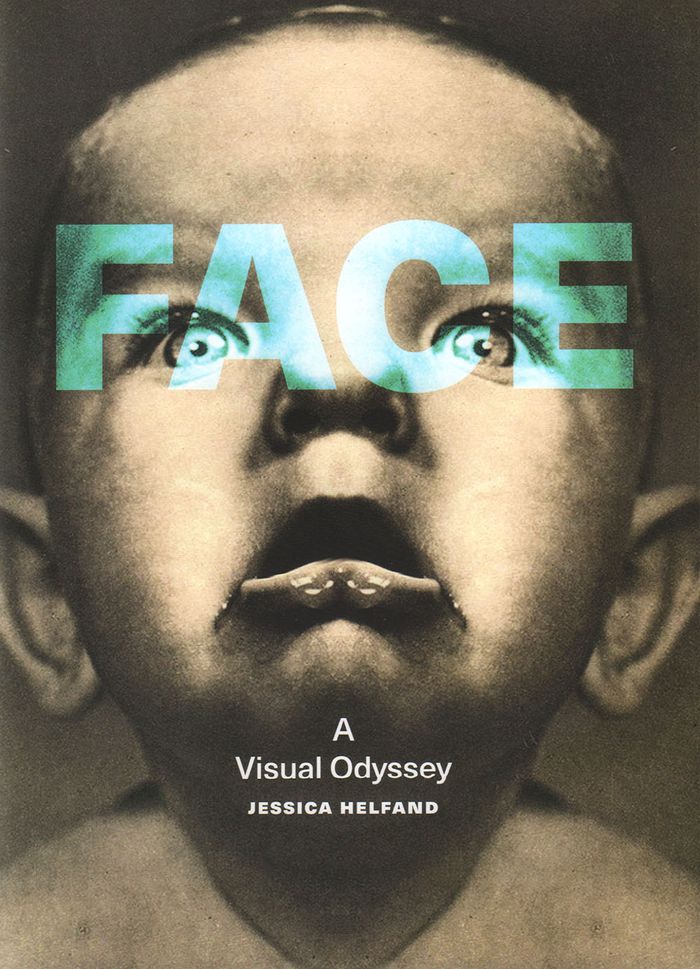
Face: a visual odyssey
Face: a visual odyssey
Actions:
Prix:
$56.95
(disponible sur commande)
Résumé:
By turns alarming and awe-inspiring, ''Face'' offers up an elaborately illustrated A to Z- from the didactic anthropometry of the late-nineteenth century to the selfie-obsessed zeitgeist of the twenty-first. Jessica Helfand looks at the cultural significance of the face through a critical lens, both as social currency and as palimpsest of history. Investigating everything(...)
$56.95
(disponible sur commande)
Résumé:
By turns alarming and awe-inspiring, ''Face'' offers up an elaborately illustrated A to Z- from the didactic anthropometry of the late-nineteenth century to the selfie-obsessed zeitgeist of the twenty-first. Jessica Helfand looks at the cultural significance of the face through a critical lens, both as social currency and as palimpsest of history. Investigating everything(...)
Titre:
Face: a visual odyssey
Actions:
Prix:
$56.95
(disponible sur commande)
Résumé:
By turns alarming and awe-inspiring, ''Face'' offers up an elaborately illustrated A to Z- from the didactic anthropometry of the late-nineteenth century to the selfie-obsessed zeitgeist of the twenty-first. Jessica Helfand looks at the cultural significance of the face through a critical lens, both as social currency and as palimpsest of history. Investigating everything from historical mugshots to Instagram posts, she examines how the face has been perceived and represented over time; how it has been instrumentalized by others; and how we have reclaimed it for our own purposes. From vintage advertisements for a “nose adjuster” to contemporary artists who reconsider the visual construction of race, ''Face'' delivers an intimate yet kaleidoscopic adventure while posing universal questions about identity.
Face: a visual odyssey
Actions:
Prix:
$56.95
(disponible sur commande)
Résumé:
By turns alarming and awe-inspiring, ''Face'' offers up an elaborately illustrated A to Z- from the didactic anthropometry of the late-nineteenth century to the selfie-obsessed zeitgeist of the twenty-first. Jessica Helfand looks at the cultural significance of the face through a critical lens, both as social currency and as palimpsest of history. Investigating everything from historical mugshots to Instagram posts, she examines how the face has been perceived and represented over time; how it has been instrumentalized by others; and how we have reclaimed it for our own purposes. From vintage advertisements for a “nose adjuster” to contemporary artists who reconsider the visual construction of race, ''Face'' delivers an intimate yet kaleidoscopic adventure while posing universal questions about identity.
Classification:
livres
livres
Publication:
novembre 2019
novembre 2019
Sujet:
Théorie/ philosophie
Théorie/ philosophie
Classification:
livres
livres
Prix:
$28.95
(disponible sur commande)
Résumé:
“Propositions for Non-Fascist Living” begins from the urgent need to model a world decidedly void of fascisms during a time when the rise of contemporary fascisms threatens the very foundations of a possibility for common life. Borrowing from Michel Foucault's notion of “non-fascist living” as an “art of living counter to all forms of fascism,” including that “in us all…(...)
$28.95
(disponible sur commande)
Résumé:
“Propositions for Non-Fascist Living” begins from the urgent need to model a world decidedly void of fascisms during a time when the rise of contemporary fascisms threatens the very foundations of a possibility for common life. Borrowing from Michel Foucault's notion of “non-fascist living” as an “art of living counter to all forms of fascism,” including that “in us all…(...)
Titre:
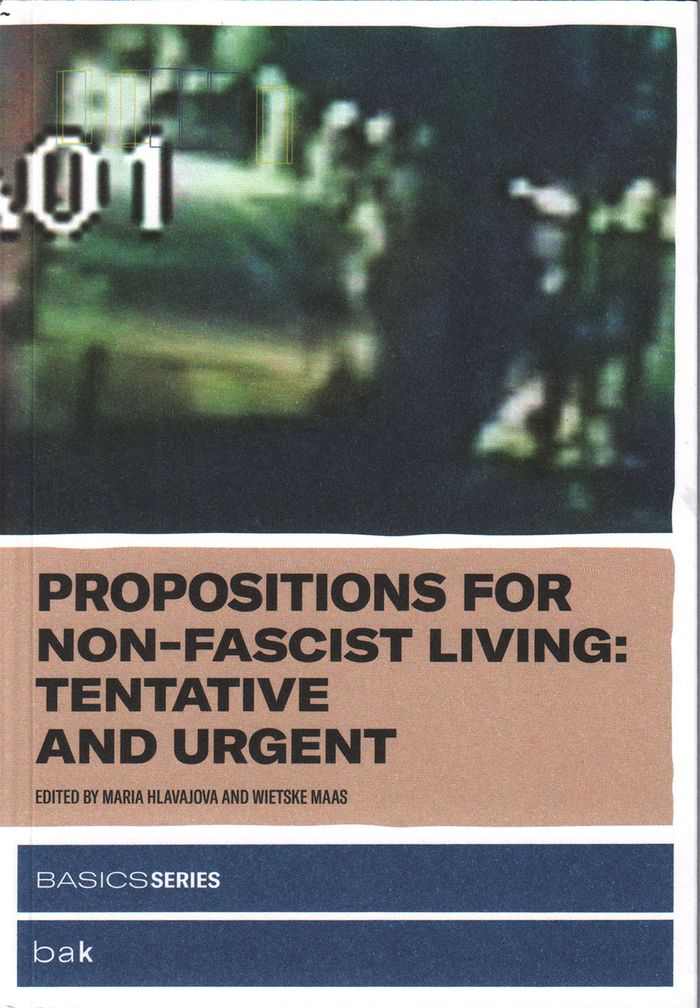
Propositions for non-fascist living: tentative and urgent
Actions:
Prix:
$28.95
(disponible sur commande)
Résumé:
“Propositions for Non-Fascist Living” begins from the urgent need to model a world decidedly void of fascisms during a time when the rise of contemporary fascisms threatens the very foundations of a possibility for common life. Borrowing from Michel Foucault's notion of “non-fascist living” as an “art of living counter to all forms of fascism,” including that “in us all… the fascism that causes us to love power, to desire the very thing that dominates and exploits us,” the book addresses the practice of “living” rather than the mere object of life. Artists, theorists, activists, and scholars offer texts and visual essays that engage varied perspectives on practicing life and articulate methods that support multiplicity and difference rather than vaunting power and hierarchy. Architectural theorist Eyal Weizman, for example, describes an “unlikely common” in gathering evidence against false narratives; art historian and critic Sven Lütticken develops a non-fascist proposition drawn from the intersection of art, technology, and law; philosopher Rosi Braidotti explores an ethics of affirmation and the practices of dying. “Propositions for Non-Fascist Living” is the first in a BASICS series of readers from BAK, “basis voor actuele kunst”, Utrecht, engaging some of the most urgent problems of our time through theoretically informed and politically driven artistic research and practice.
Propositions for non-fascist living: tentative and urgent
Actions:
Prix:
$28.95
(disponible sur commande)
Résumé:
“Propositions for Non-Fascist Living” begins from the urgent need to model a world decidedly void of fascisms during a time when the rise of contemporary fascisms threatens the very foundations of a possibility for common life. Borrowing from Michel Foucault's notion of “non-fascist living” as an “art of living counter to all forms of fascism,” including that “in us all… the fascism that causes us to love power, to desire the very thing that dominates and exploits us,” the book addresses the practice of “living” rather than the mere object of life. Artists, theorists, activists, and scholars offer texts and visual essays that engage varied perspectives on practicing life and articulate methods that support multiplicity and difference rather than vaunting power and hierarchy. Architectural theorist Eyal Weizman, for example, describes an “unlikely common” in gathering evidence against false narratives; art historian and critic Sven Lütticken develops a non-fascist proposition drawn from the intersection of art, technology, and law; philosopher Rosi Braidotti explores an ethics of affirmation and the practices of dying. “Propositions for Non-Fascist Living” is the first in a BASICS series of readers from BAK, “basis voor actuele kunst”, Utrecht, engaging some of the most urgent problems of our time through theoretically informed and politically driven artistic research and practice.
Classification:
livres
livres
Publication:
décembre 2019
décembre 2019
Sujet:
Théorie/ philosophie
Théorie/ philosophie
Classification:
livres
livres
Actions:
Prix:
$22.95
(disponible sur commande)
Résumé:
In 'Good Entertainment', Byung-Chul Han examines the notion of entertainment—its contemporary ubiquity, and its philosophical genealogy. Han traces Western ideas of entertainment, considering, among other things, the scandal that arose from the first performance of Bach's Saint Matthew's Passion (deemed too beautiful, not serious enough); Kant's idea of morality as duty(...)
$22.95
(disponible sur commande)
Résumé:
In 'Good Entertainment', Byung-Chul Han examines the notion of entertainment—its contemporary ubiquity, and its philosophical genealogy. Han traces Western ideas of entertainment, considering, among other things, the scandal that arose from the first performance of Bach's Saint Matthew's Passion (deemed too beautiful, not serious enough); Kant's idea of morality as duty(...)
Titre:
Good entertainment: a deconstruction of the Western Passion narrative
Actions:
Prix:
$22.95
(disponible sur commande)
Résumé:
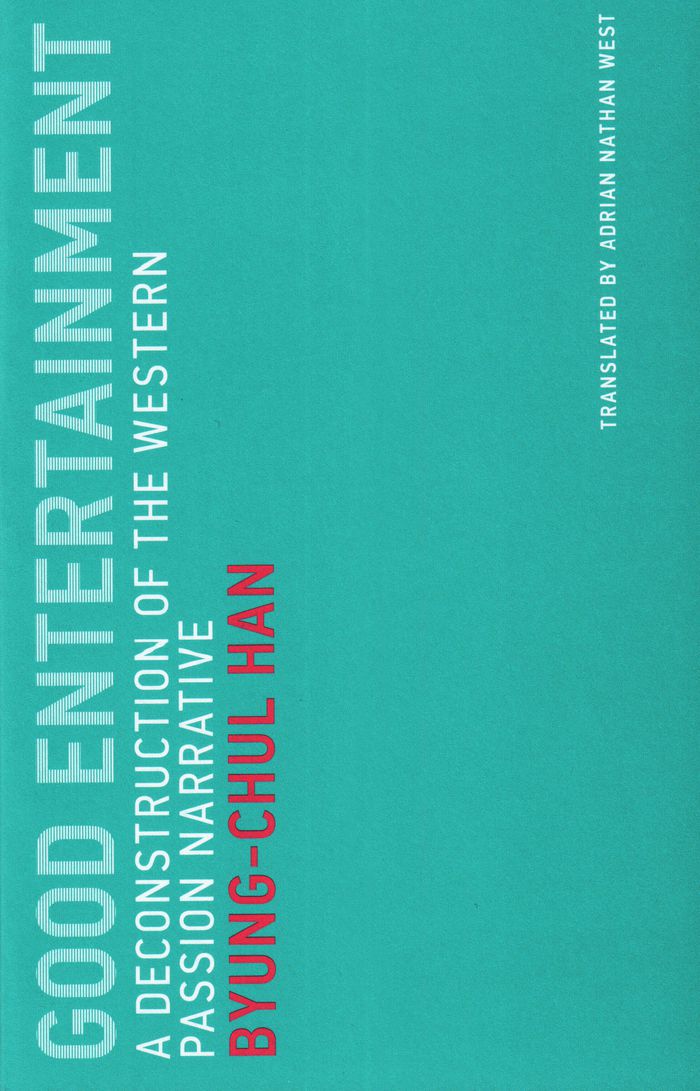
In 'Good Entertainment', Byung-Chul Han examines the notion of entertainment—its contemporary ubiquity, and its philosophical genealogy. Han traces Western ideas of entertainment, considering, among other things, the scandal that arose from the first performance of Bach's Saint Matthew's Passion (deemed too beautiful, not serious enough); Kant's idea of morality as duty and the entertainment value of moralistic literature; Heidegger's idea of the thinker as a man of pain; Kafka's hunger artist and the art of negativity, which takes pleasure in annihilation; and Robert Rauschenberg's refusal of the transcendent.
Good entertainment: a deconstruction of the Western Passion narrative
Actions:
Prix:
$22.95
(disponible sur commande)
Résumé:
In 'Good Entertainment', Byung-Chul Han examines the notion of entertainment—its contemporary ubiquity, and its philosophical genealogy. Han traces Western ideas of entertainment, considering, among other things, the scandal that arose from the first performance of Bach's Saint Matthew's Passion (deemed too beautiful, not serious enough); Kant's idea of morality as duty and the entertainment value of moralistic literature; Heidegger's idea of the thinker as a man of pain; Kafka's hunger artist and the art of negativity, which takes pleasure in annihilation; and Robert Rauschenberg's refusal of the transcendent.
Classification:
livres
livres
Publication:
octobre 2019
octobre 2019
Sujet:
Théorie/ philosophie
Théorie/ philosophie
Classification:
livres
livres
Titre:
The cybernetic hypothesis
The cybernetic hypothesis
Actions:
Prix:
$18.95
(disponible sur commande)
Résumé:
This early Tiqqun text has lost none of its pertinence. ''The Cybernetic Hypothesis'' presents a genealogy of our “technical” present that doesn't point out the political and ethical dilemmas embedded in it as if they were puzzles to be solved, but rather unmasks an enemy force to be engaged and defeated. Cybernetics in this context is the ''teknê'' of threat reduction,(...)
$18.95
(disponible sur commande)
Résumé:
This early Tiqqun text has lost none of its pertinence. ''The Cybernetic Hypothesis'' presents a genealogy of our “technical” present that doesn't point out the political and ethical dilemmas embedded in it as if they were puzzles to be solved, but rather unmasks an enemy force to be engaged and defeated. Cybernetics in this context is the ''teknê'' of threat reduction,(...)
Titre:
The cybernetic hypothesis
Actions:
Prix:
$18.95
(disponible sur commande)
Résumé:
This early Tiqqun text has lost none of its pertinence. ''The Cybernetic Hypothesis'' presents a genealogy of our “technical” present that doesn't point out the political and ethical dilemmas embedded in it as if they were puzzles to be solved, but rather unmasks an enemy force to be engaged and defeated. Cybernetics in this context is the ''teknê'' of threat reduction, which unfortunately has required the reduction of a disturbing humanity to packets of manageable information. Not so easily done. Not smooth. A matter of civil war, in fact. According to the authors, cybernetics is the latest master fable, welcomed at a certain crisis juncture in late capitalism. And now the interesting question is: Has the guest in the house become the master of the house?
The cybernetic hypothesis
Actions:
Prix:
$18.95
(disponible sur commande)
Résumé:
This early Tiqqun text has lost none of its pertinence. ''The Cybernetic Hypothesis'' presents a genealogy of our “technical” present that doesn't point out the political and ethical dilemmas embedded in it as if they were puzzles to be solved, but rather unmasks an enemy force to be engaged and defeated. Cybernetics in this context is the ''teknê'' of threat reduction, which unfortunately has required the reduction of a disturbing humanity to packets of manageable information. Not so easily done. Not smooth. A matter of civil war, in fact. According to the authors, cybernetics is the latest master fable, welcomed at a certain crisis juncture in late capitalism. And now the interesting question is: Has the guest in the house become the master of the house?
Classification:
livres
livres
Publication:
octobre 2019
octobre 2019
Sujet:
Théorie/ philosophie
Théorie/ philosophie
Classification:
livres
livres
Actions:
Prix:
$36.00
(disponible sur commande)
Résumé:
We encounter the world through surfaces: the screen, the page, our skin, the ocean’s swell. Here on the sea is the surfer, positioned at the edge of the collapsing wave. And lurking underneath in a monstrous mirroring is the shark. When the two meet, carving along the surface, breaking through the boundary, is when death appears. Steering her analysis from the(...)
$36.00
(disponible sur commande)
Résumé:
We encounter the world through surfaces: the screen, the page, our skin, the ocean’s swell. Here on the sea is the surfer, positioned at the edge of the collapsing wave. And lurking underneath in a monstrous mirroring is the shark. When the two meet, carving along the surface, breaking through the boundary, is when death appears. Steering her analysis from the(...)
Titre:
Sharks, death, surfers: an illustrated companion
Actions:
Prix:
$36.00
(disponible sur commande)
Résumé:
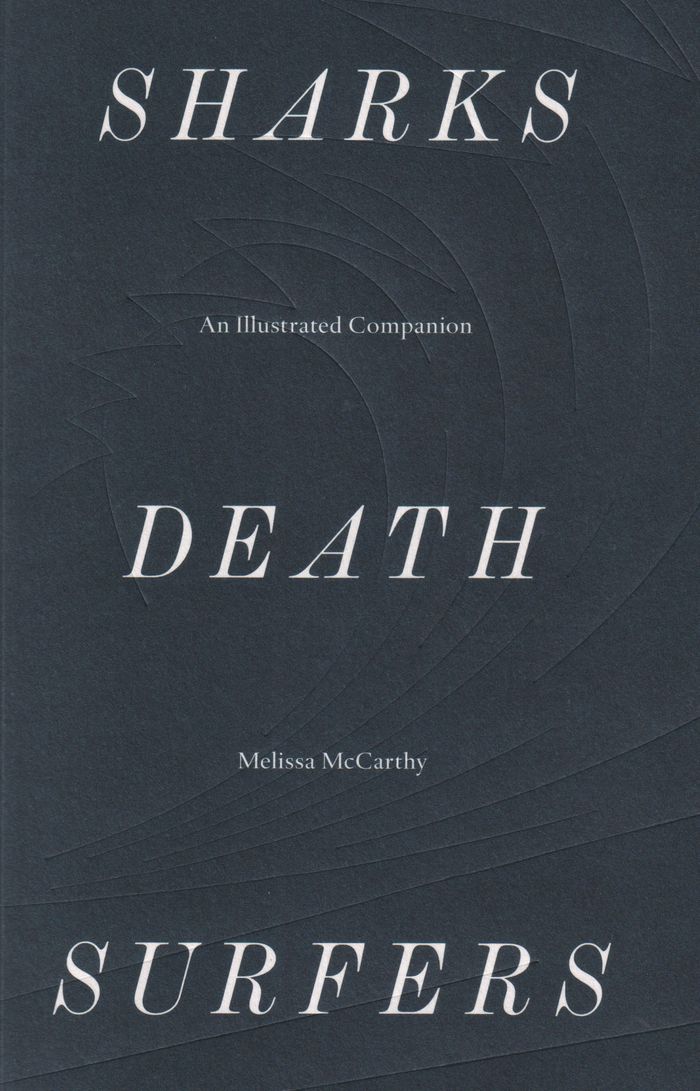
We encounter the world through surfaces: the screen, the page, our skin, the ocean’s swell. Here on the sea is the surfer, positioned at the edge of the collapsing wave. And lurking underneath in a monstrous mirroring is the shark. When the two meet, carving along the surface, breaking through the boundary, is when death appears. Steering her analysis from the newspaper obituary in and out of literature and past cinema, Melissa McCarthy investigates a fundamental aspect of the human condition: our state of being between life and death, always in precarious and watery balance. Sharks, Death, Surfers: An Illustrated Companion observes how sharks have been depicted over centuries and across cultures, then flips the lens (and dissects the cornea) to consider what sharks see when they look back.
Sharks, death, surfers: an illustrated companion
Actions:
Prix:
$36.00
(disponible sur commande)
Résumé:
We encounter the world through surfaces: the screen, the page, our skin, the ocean’s swell. Here on the sea is the surfer, positioned at the edge of the collapsing wave. And lurking underneath in a monstrous mirroring is the shark. When the two meet, carving along the surface, breaking through the boundary, is when death appears. Steering her analysis from the newspaper obituary in and out of literature and past cinema, Melissa McCarthy investigates a fundamental aspect of the human condition: our state of being between life and death, always in precarious and watery balance. Sharks, Death, Surfers: An Illustrated Companion observes how sharks have been depicted over centuries and across cultures, then flips the lens (and dissects the cornea) to consider what sharks see when they look back.
Classification:
livres
livres
Publication:
mars 2019
mars 2019
Sujet:
Théorie/ philosophie
Théorie/ philosophie
Classification:
livres
livres
Titre:
Aesthetics of standstill
Aesthetics of standstill
Actions:
Prix:
$41.95
(disponible sur commande)
Résumé:
“Standstill” could be the name for the exact kind of experience that is the hiatus between social expectations and real possibilities of agency. Standstill may also be the name of an aesthetic strategy to instill a non-linear time of resistance and experience into the political protocol of progress. Finally, standstill can be the name for the temporal fissure in the midst(...)
$41.95
(disponible sur commande)
Résumé:
“Standstill” could be the name for the exact kind of experience that is the hiatus between social expectations and real possibilities of agency. Standstill may also be the name of an aesthetic strategy to instill a non-linear time of resistance and experience into the political protocol of progress. Finally, standstill can be the name for the temporal fissure in the midst(...)
Sujet:
Théorie/ philosophie
Théorie/ philosophie
Publication:
juillet 2019
juillet 2019
Titre:
Aesthetics of standstill
Actions:
Prix:
$41.95
(disponible sur commande)
Résumé:
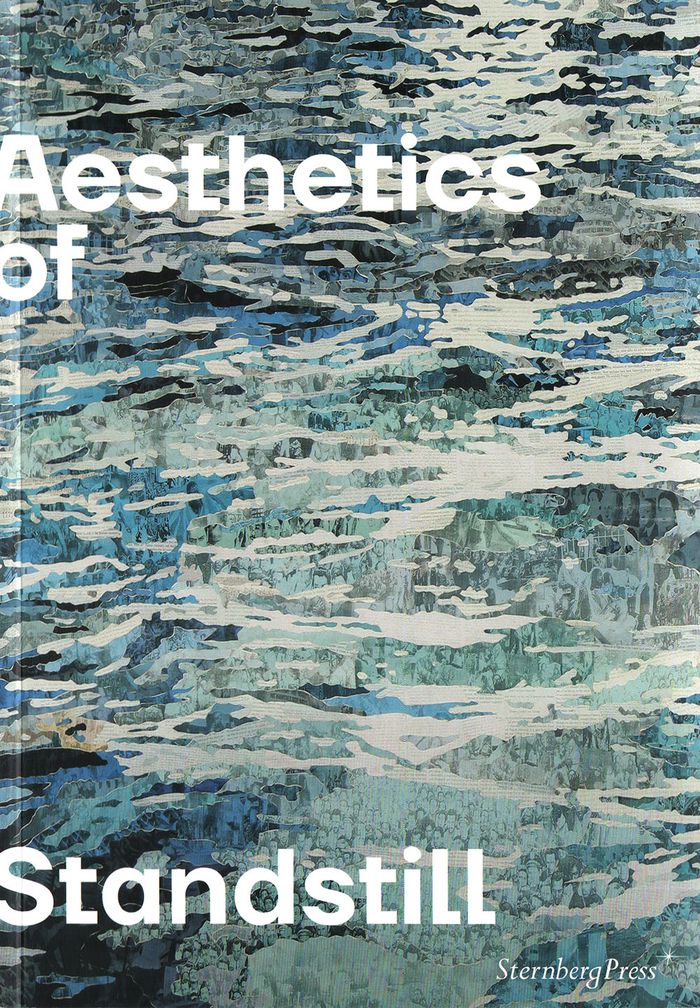
“Standstill” could be the name for the exact kind of experience that is the hiatus between social expectations and real possibilities of agency. Standstill may also be the name of an aesthetic strategy to instill a non-linear time of resistance and experience into the political protocol of progress. Finally, standstill can be the name for the temporal fissure in the midst of the subject, for the lapse between the subject of the enunciation and the subject of a statement, the limit that is the border between the inside and the outside. It can be the name for the mode of potentiality, for the moment of gesture, or, with Walter Benjamin, the medium of the dialectical image. The essays of this book transverse these dimensions of standstill as an in-between of time. The book includes essays by Georges Didi-Huberman, David Lapoujade, Peter Osborne, Jacques Rancière, Christine Ross, and others as well as conversations with Via Lewandowsky, Aernout Mik and Marcel Odenbach.
Aesthetics of standstill
Actions:
Prix:
$41.95
(disponible sur commande)
Résumé:
“Standstill” could be the name for the exact kind of experience that is the hiatus between social expectations and real possibilities of agency. Standstill may also be the name of an aesthetic strategy to instill a non-linear time of resistance and experience into the political protocol of progress. Finally, standstill can be the name for the temporal fissure in the midst of the subject, for the lapse between the subject of the enunciation and the subject of a statement, the limit that is the border between the inside and the outside. It can be the name for the mode of potentiality, for the moment of gesture, or, with Walter Benjamin, the medium of the dialectical image. The essays of this book transverse these dimensions of standstill as an in-between of time. The book includes essays by Georges Didi-Huberman, David Lapoujade, Peter Osborne, Jacques Rancière, Christine Ross, and others as well as conversations with Via Lewandowsky, Aernout Mik and Marcel Odenbach.
Classification:
livres
livres
Publication:
juillet 2019
juillet 2019
Sujet:
Théorie/ philosophie
Théorie/ philosophie
Classification:
livres
livres

Titre:
Chronosis
Chronosis
Actions:
Prix:
$25.95
(disponible sur commande)
Résumé:
Approaching the comic medium as a supercollider for achieving maximum abstraction, in ''Chronosis'' artist Keith Tilford and philosopher Reza Negarestani create a graphically stunning and conceptually explosive universe in which the worlds of pop culture, modern art, philosophy, science fiction, and theoretical physics crash into one another. Taking place after the(...)
$25.95
(disponible sur commande)
Résumé:
Approaching the comic medium as a supercollider for achieving maximum abstraction, in ''Chronosis'' artist Keith Tilford and philosopher Reza Negarestani create a graphically stunning and conceptually explosive universe in which the worlds of pop culture, modern art, philosophy, science fiction, and theoretical physics crash into one another. Taking place after the(...)
Titre:
Chronosis
Actions:
Prix:
$25.95
(disponible sur commande)
Résumé:
Approaching the comic medium as a supercollider for achieving maximum abstraction, in ''Chronosis'' artist Keith Tilford and philosopher Reza Negarestani create a graphically stunning and conceptually explosive universe in which the worlds of pop culture, modern art, philosophy, science fiction, and theoretical physics crash into one another. Taking place after the catastrophic advent of the birth of time, ''Chronosis'' narrates the story of a sprawling multiverse at the center of which monazzeins, the monks of an esoteric time-cult, attempt to build bridges between the many fragmented tribes and histories of multiple possible worlds. Across a series of dizzying overlapping stories we glimpse worlds where time flows backward, where the universe can be recreated every five minutes, or where rigid facts are washed away by the tides of an infinite ocean of possibility. A unique fusion of comics culture and philosophical cogitation, this conceptually and visually mind-expanding tale takes the reader on a dizzying rollercoaster ride through time, space, and thought.
Chronosis
Actions:
Prix:
$25.95
(disponible sur commande)
Résumé:
Approaching the comic medium as a supercollider for achieving maximum abstraction, in ''Chronosis'' artist Keith Tilford and philosopher Reza Negarestani create a graphically stunning and conceptually explosive universe in which the worlds of pop culture, modern art, philosophy, science fiction, and theoretical physics crash into one another. Taking place after the catastrophic advent of the birth of time, ''Chronosis'' narrates the story of a sprawling multiverse at the center of which monazzeins, the monks of an esoteric time-cult, attempt to build bridges between the many fragmented tribes and histories of multiple possible worlds. Across a series of dizzying overlapping stories we glimpse worlds where time flows backward, where the universe can be recreated every five minutes, or where rigid facts are washed away by the tides of an infinite ocean of possibility. A unique fusion of comics culture and philosophical cogitation, this conceptually and visually mind-expanding tale takes the reader on a dizzying rollercoaster ride through time, space, and thought.
Classification:
livres
livres
Publication:
mars 2020
mars 2020
Sujet:
Théorie/ philosophie
Théorie/ philosophie
Classification:
livres
livres
Titre:
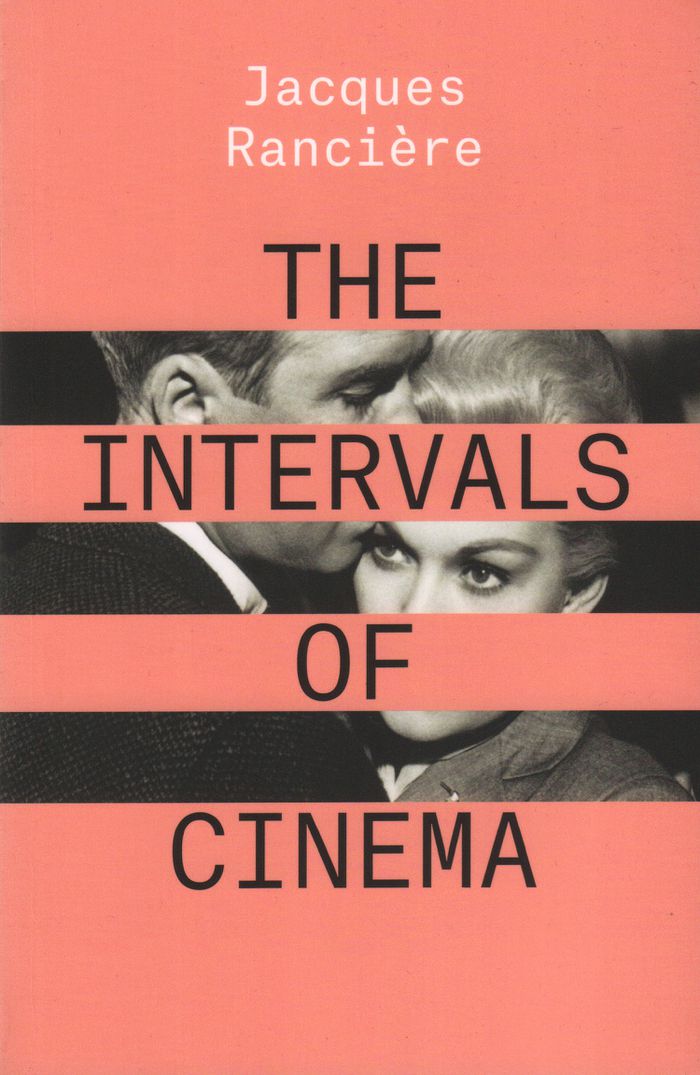
The intervals of cinema
The intervals of cinema
Actions:
Prix:
$25.95
(disponible sur commande)
Résumé:
The cinema, like language, can be said to exist as a system of differences. In his latest book, the acclaimed philosopher Jacques Rancière relates cinema to literature and theatre. With literature, he argues, cinema takes its narrative conventions, while at the same time effacing its images and its philosophy; and it rejects theatre, while also fulfilling theatre’s dream.(...)
$25.95
(disponible sur commande)
Résumé:
The cinema, like language, can be said to exist as a system of differences. In his latest book, the acclaimed philosopher Jacques Rancière relates cinema to literature and theatre. With literature, he argues, cinema takes its narrative conventions, while at the same time effacing its images and its philosophy; and it rejects theatre, while also fulfilling theatre’s dream.(...)
Publication:
septembre 2019
septembre 2019
Titre:
The intervals of cinema
Actions:
Prix:
$25.95
(disponible sur commande)
Résumé:
The cinema, like language, can be said to exist as a system of differences. In his latest book, the acclaimed philosopher Jacques Rancière relates cinema to literature and theatre. With literature, he argues, cinema takes its narrative conventions, while at the same time effacing its images and its philosophy; and it rejects theatre, while also fulfilling theatre’s dream. Built on these contradictions, the cinema is the real, material space in which one feels moved by the spectacle of shadows. Thus for Rancière, the cinema is the always disappointed dream of a language of images.
The intervals of cinema
Actions:
Prix:
$25.95
(disponible sur commande)
Résumé:
The cinema, like language, can be said to exist as a system of differences. In his latest book, the acclaimed philosopher Jacques Rancière relates cinema to literature and theatre. With literature, he argues, cinema takes its narrative conventions, while at the same time effacing its images and its philosophy; and it rejects theatre, while also fulfilling theatre’s dream. Built on these contradictions, the cinema is the real, material space in which one feels moved by the spectacle of shadows. Thus for Rancière, the cinema is the always disappointed dream of a language of images.
Classification:
livres
livres
Publication:
septembre 2019
septembre 2019


