


459 Résultats
Classification:
livres
livres

Titre:
François Daireaux : Discover
François Daireaux : Discover
Actions:
Prix:
$84.95
(disponible sur commande)
Résumé:
« Disover » est le récit d’un voyage au futur antérieur. Ce livre nous dévoile les contrastes d’une Chine contemporaine, en construction incessante, faisant surgir des villes de terre comme par magie. Malgré la violence de ce rythme effréné, il se dégage du travail photographique de François Daireaux et des textes du sinologue Emmanuel Lingot, une rare intensité poétique.(...)
$84.95
(disponible sur commande)
Résumé:
« Disover » est le récit d’un voyage au futur antérieur. Ce livre nous dévoile les contrastes d’une Chine contemporaine, en construction incessante, faisant surgir des villes de terre comme par magie. Malgré la violence de ce rythme effréné, il se dégage du travail photographique de François Daireaux et des textes du sinologue Emmanuel Lingot, une rare intensité poétique.(...)
Publication:
août 2021
août 2021
Titre:
François Daireaux : Discover
Actions:
Prix:
$84.95
(disponible sur commande)
Résumé:
« Disover » est le récit d’un voyage au futur antérieur. Ce livre nous dévoile les contrastes d’une Chine contemporaine, en construction incessante, faisant surgir des villes de terre comme par magie. Malgré la violence de ce rythme effréné, il se dégage du travail photographique de François Daireaux et des textes du sinologue Emmanuel Lingot, une rare intensité poétique. Pour faire image, François Daireaux a arpenté plus d’une centaine de villes chinoises très peu visitées par les étrangers. Celles où l’arrogance des plus forts, l’exploitation des plus faibles et le mépris de la vie humaine ont pris les formes les plus impitoyables. Prémonitoire, ce livre nous montre une Chine dévastée. S’y esquissent bien d’autres catastrophes en devenir. L’homme y a pourtant sa place. Cette dérive photographique a commencé à Anshan en 2004 dans le nord-est de la Chine, puis s’est poursuivie de ville en ville, toujours plus à l’ouest pour s’achever en 2018 dans la région ouïghoure.
François Daireaux : Discover
Actions:
Prix:
$84.95
(disponible sur commande)
Résumé:
« Disover » est le récit d’un voyage au futur antérieur. Ce livre nous dévoile les contrastes d’une Chine contemporaine, en construction incessante, faisant surgir des villes de terre comme par magie. Malgré la violence de ce rythme effréné, il se dégage du travail photographique de François Daireaux et des textes du sinologue Emmanuel Lingot, une rare intensité poétique. Pour faire image, François Daireaux a arpenté plus d’une centaine de villes chinoises très peu visitées par les étrangers. Celles où l’arrogance des plus forts, l’exploitation des plus faibles et le mépris de la vie humaine ont pris les formes les plus impitoyables. Prémonitoire, ce livre nous montre une Chine dévastée. S’y esquissent bien d’autres catastrophes en devenir. L’homme y a pourtant sa place. Cette dérive photographique a commencé à Anshan en 2004 dans le nord-est de la Chine, puis s’est poursuivie de ville en ville, toujours plus à l’ouest pour s’achever en 2018 dans la région ouïghoure.
Classification:
livres
livres
Publication:
août 2021
août 2021
Classification:
livres
livres

Titre:
Heterotemporality
Heterotemporality
Actions:
Prix:
$40.00
(disponible sur commande)
Résumé:
Inspired by ‘Tokyo Papers’ by Karel Martens, Ari Marcopoulos arranged his pictures while thinking about what would distinguish inside and outside, public and private. It is an idea that had already become a prevalent thought during the Covid-19 pandemic. The images in colour, hidden on the inside folds of the pages of this publication, are mostly portraits of objects and(...)
$40.00
(disponible sur commande)
Résumé:
Inspired by ‘Tokyo Papers’ by Karel Martens, Ari Marcopoulos arranged his pictures while thinking about what would distinguish inside and outside, public and private. It is an idea that had already become a prevalent thought during the Covid-19 pandemic. The images in colour, hidden on the inside folds of the pages of this publication, are mostly portraits of objects and(...)
Titre:
Heterotemporality
Actions:
Prix:
$40.00
(disponible sur commande)
Résumé:
Inspired by ‘Tokyo Papers’ by Karel Martens, Ari Marcopoulos arranged his pictures while thinking about what would distinguish inside and outside, public and private. It is an idea that had already become a prevalent thought during the Covid-19 pandemic. The images in colour, hidden on the inside folds of the pages of this publication, are mostly portraits of objects and people, while the black-and-white photographs on the visible pages are recent work, primarily exterior shots taken in January and February of 2021. Envisioning his own photos in book form is “a good way to see how images look together”, according to Marcopoulos.
Heterotemporality
Actions:
Prix:
$40.00
(disponible sur commande)
Résumé:
Inspired by ‘Tokyo Papers’ by Karel Martens, Ari Marcopoulos arranged his pictures while thinking about what would distinguish inside and outside, public and private. It is an idea that had already become a prevalent thought during the Covid-19 pandemic. The images in colour, hidden on the inside folds of the pages of this publication, are mostly portraits of objects and people, while the black-and-white photographs on the visible pages are recent work, primarily exterior shots taken in January and February of 2021. Envisioning his own photos in book form is “a good way to see how images look together”, according to Marcopoulos.
Classification:
livres
livres
Publication:
octobre 2021
octobre 2021
Classification:
livres
livres
Titre:
Binge
Binge
Actions:
Prix:
$29.95
(disponible sur commande)
Résumé:
'' Imagine feeling 100% alive every moment of every minute of the day! Maybe that’s how animals live. Or trees, even. I sometimes stare at the plastic bag tree visible from my apartment window and marvel that both it and I are equally alive and that there’s no sliding scale of life. You’re either alive, or you’re not. Or you’re dead or you’re not.'' Thirty years after(...)
$29.95
(disponible sur commande)
Résumé:
'' Imagine feeling 100% alive every moment of every minute of the day! Maybe that’s how animals live. Or trees, even. I sometimes stare at the plastic bag tree visible from my apartment window and marvel that both it and I are equally alive and that there’s no sliding scale of life. You’re either alive, or you’re not. Or you’re dead or you’re not.'' Thirty years after(...)
Titre:
Binge
Actions:
Prix:
$29.95
(disponible sur commande)
Résumé:
'' Imagine feeling 100% alive every moment of every minute of the day! Maybe that’s how animals live. Or trees, even. I sometimes stare at the plastic bag tree visible from my apartment window and marvel that both it and I are equally alive and that there’s no sliding scale of life. You’re either alive, or you’re not. Or you’re dead or you’re not.'' Thirty years after Douglas Coupland broke the fiction mould and defined a generation with ''Generation X,'' he is back with ''Binge,'' 60 stories laced with his observational profundity about the way we live and his existential worry about how we should be living: the very things that have made him such an influential and bestselling writer. Not to mention that he can also be really funny. Here the narrators vary from story to story as Doug catches what he calls “the voice of the people,” inspired by the way we write about ourselves and our experiences in online forums. The characters, of course, are Doug’s own: crackpots, cranks and sweetie-pies, dad dancers and perpetrators of carbecues. People in the grip of unconscionable urges; lonely people; dying people; silly people. If you love Doug’s fiction, this collection is like rain on the desert.
Binge
Actions:
Prix:
$29.95
(disponible sur commande)
Résumé:
'' Imagine feeling 100% alive every moment of every minute of the day! Maybe that’s how animals live. Or trees, even. I sometimes stare at the plastic bag tree visible from my apartment window and marvel that both it and I are equally alive and that there’s no sliding scale of life. You’re either alive, or you’re not. Or you’re dead or you’re not.'' Thirty years after Douglas Coupland broke the fiction mould and defined a generation with ''Generation X,'' he is back with ''Binge,'' 60 stories laced with his observational profundity about the way we live and his existential worry about how we should be living: the very things that have made him such an influential and bestselling writer. Not to mention that he can also be really funny. Here the narrators vary from story to story as Doug catches what he calls “the voice of the people,” inspired by the way we write about ourselves and our experiences in online forums. The characters, of course, are Doug’s own: crackpots, cranks and sweetie-pies, dad dancers and perpetrators of carbecues. People in the grip of unconscionable urges; lonely people; dying people; silly people. If you love Doug’s fiction, this collection is like rain on the desert.
Classification:
livres
livres
Publication:
octobre 2021
octobre 2021
Sujet:
Expositions en cours
Expositions en cours
Classification:
livres
livres
Prix:
$140.00
(disponible en magasin)
Résumé:
This special double issue extensively features both built and unbuilt work by Álvaro Siza. The Portuguese architect has developed a large number of projects, and the relationship between the realised and the concept is central to this examination of his career. Being equally attentive to the architect’s built and unbuilt works allows a global understanding of the(...)
$140.00
(disponible en magasin)
Résumé:
This special double issue extensively features both built and unbuilt work by Álvaro Siza. The Portuguese architect has developed a large number of projects, and the relationship between the realised and the concept is central to this examination of his career. Being equally attentive to the architect’s built and unbuilt works allows a global understanding of the(...)
Titre:
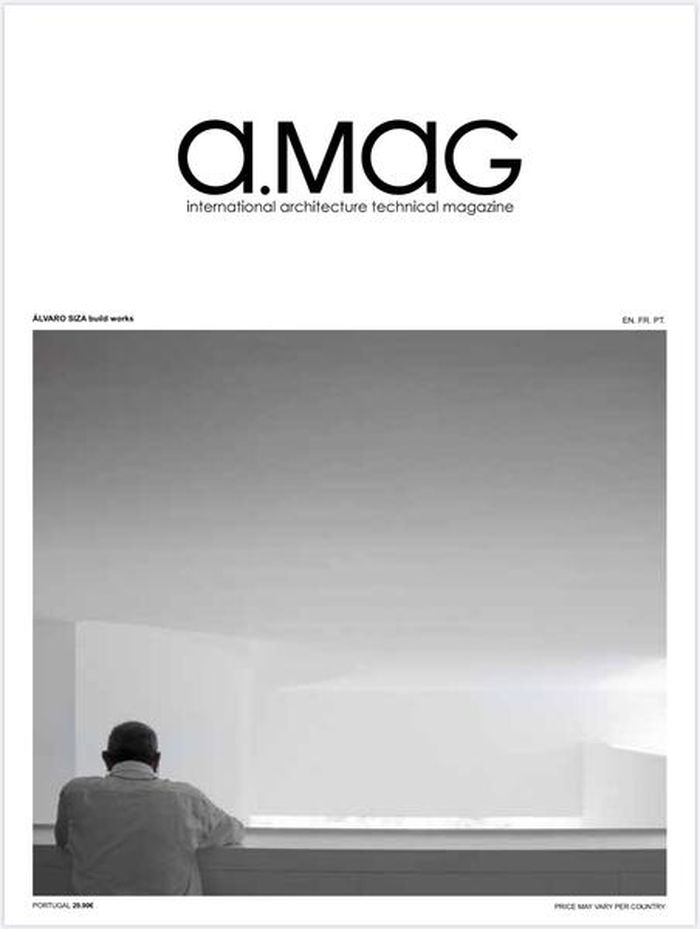
A.mag 18 : Alvaro Siza built works - unbuilt works (2 vols)
Actions:
Prix:
$140.00
(disponible en magasin)
Résumé:
This special double issue extensively features both built and unbuilt work by Álvaro Siza. The Portuguese architect has developed a large number of projects, and the relationship between the realised and the concept is central to this examination of his career. Being equally attentive to the architect’s built and unbuilt works allows a global understanding of the plurality of situations that are found in his oeuvre to emerge. The first volume features finished works like the Nadir Afonso Museum, 611 West 56th Street in New York, and the Mimesis Museum, while the second volume of numerous unbuilt works includes sketches, drawings, and plans, as well as in-depth analysis.
A.mag 18 : Alvaro Siza built works - unbuilt works (2 vols)
Actions:
Prix:
$140.00
(disponible en magasin)
Résumé:
This special double issue extensively features both built and unbuilt work by Álvaro Siza. The Portuguese architect has developed a large number of projects, and the relationship between the realised and the concept is central to this examination of his career. Being equally attentive to the architect’s built and unbuilt works allows a global understanding of the plurality of situations that are found in his oeuvre to emerge. The first volume features finished works like the Nadir Afonso Museum, 611 West 56th Street in New York, and the Mimesis Museum, while the second volume of numerous unbuilt works includes sketches, drawings, and plans, as well as in-depth analysis.
Classification:
livres
livres
Publication:
avril 2020
avril 2020
Classification:
livres
livres
Actions:
Prix:
$34.95
(disponible sur commande)
Résumé:
Villa Savoye is an icon of modern architecture. But who were Eugénie and Pierre Savoye, who had the house built between 1928 and 1930? Why did they commission Le Corbusier? And how did they live in the country house they dubbed "Villa les Heures Claires"? Their grandson Jean-Marc Savoye tells the story of the villa and its residents using rare documents and family(...)
$34.95
(disponible sur commande)
Résumé:
Villa Savoye is an icon of modern architecture. But who were Eugénie and Pierre Savoye, who had the house built between 1928 and 1930? Why did they commission Le Corbusier? And how did they live in the country house they dubbed "Villa les Heures Claires"? Their grandson Jean-Marc Savoye tells the story of the villa and its residents using rare documents and family(...)
Publication:
avril 2020
avril 2020
Titre:
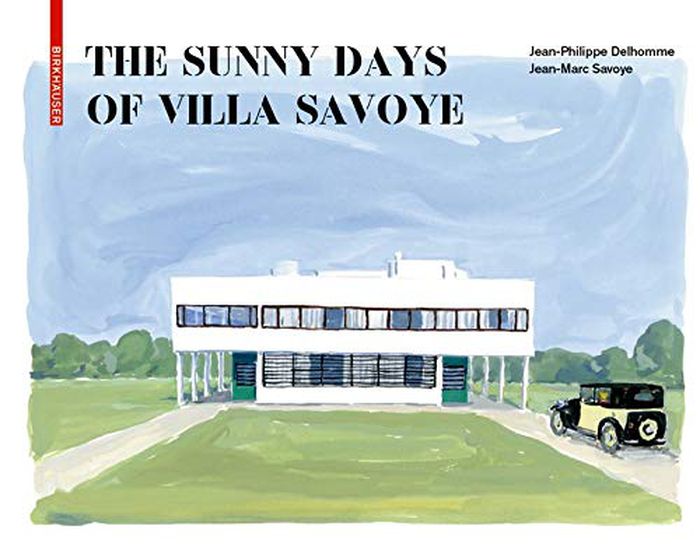
The sunny days of Villa Savoye
Actions:
Prix:
$34.95
(disponible sur commande)
Résumé:
Villa Savoye is an icon of modern architecture. But who were Eugénie and Pierre Savoye, who had the house built between 1928 and 1930? Why did they commission Le Corbusier? And how did they live in the country house they dubbed "Villa les Heures Claires"? Their grandson Jean-Marc Savoye tells the story of the villa and its residents using rare documents and family memories. In his pictures, illustrator Jean-Philippe Delhomme, long fascinated by the building, brings to life the construction site, everyday life, the war period, its use as a barn, and its rescue from demolition. In 1965, Le Corbusier lived to see Villa Savoye declared a monument; in 2016 it earned a spot on the UNESCO World Heritage list and now welcomes 40,000 visitors each year.
The sunny days of Villa Savoye
Actions:
Prix:
$34.95
(disponible sur commande)
Résumé:
Villa Savoye is an icon of modern architecture. But who were Eugénie and Pierre Savoye, who had the house built between 1928 and 1930? Why did they commission Le Corbusier? And how did they live in the country house they dubbed "Villa les Heures Claires"? Their grandson Jean-Marc Savoye tells the story of the villa and its residents using rare documents and family memories. In his pictures, illustrator Jean-Philippe Delhomme, long fascinated by the building, brings to life the construction site, everyday life, the war period, its use as a barn, and its rescue from demolition. In 1965, Le Corbusier lived to see Villa Savoye declared a monument; in 2016 it earned a spot on the UNESCO World Heritage list and now welcomes 40,000 visitors each year.
Classification:
livres
livres
Publication:
avril 2020
avril 2020
Classification:
livres
livres

Actions:
Prix:
$34.95
(disponible sur commande)
Résumé:
The complete edition of Takashi Homma's acclaimed homage reveals the connection between the graceful and intimate sequence of images depicting the girl – which is in fact not Takashi Homma's daughter but the daughter of friends of his – and the city of Tokyo. The girl, captured in various stages of growing up in everyday locations, stares serenely just beyond the camera(...)
$34.95
(disponible sur commande)
Résumé:
The complete edition of Takashi Homma's acclaimed homage reveals the connection between the graceful and intimate sequence of images depicting the girl – which is in fact not Takashi Homma's daughter but the daughter of friends of his – and the city of Tokyo. The girl, captured in various stages of growing up in everyday locations, stares serenely just beyond the camera(...)
Titre:
Takashi Homma: Tokyo and my daughter
Actions:
Prix:
$34.95
(disponible sur commande)
Résumé:
The complete edition of Takashi Homma's acclaimed homage reveals the connection between the graceful and intimate sequence of images depicting the girl – which is in fact not Takashi Homma's daughter but the daughter of friends of his – and the city of Tokyo. The girl, captured in various stages of growing up in everyday locations, stares serenely just beyond the camera lens, unselfconscious and generally appearing more interested in the person holding the camera than the device itself: in one photograph, she peers out curiously from the backseat of a car, while in another she points her own tiny pink camera back at the photographer. Homma’s photography is imbued with a warmth and sincerity that belies his total familiarity with the subjects at hand; he documents Tokyo’s urban landscape with the same tenderness he brings to portraying the girl.
Takashi Homma: Tokyo and my daughter
Actions:
Prix:
$34.95
(disponible sur commande)
Résumé:
The complete edition of Takashi Homma's acclaimed homage reveals the connection between the graceful and intimate sequence of images depicting the girl – which is in fact not Takashi Homma's daughter but the daughter of friends of his – and the city of Tokyo. The girl, captured in various stages of growing up in everyday locations, stares serenely just beyond the camera lens, unselfconscious and generally appearing more interested in the person holding the camera than the device itself: in one photograph, she peers out curiously from the backseat of a car, while in another she points her own tiny pink camera back at the photographer. Homma’s photography is imbued with a warmth and sincerity that belies his total familiarity with the subjects at hand; he documents Tokyo’s urban landscape with the same tenderness he brings to portraying the girl.
Classification:
livres
livres
Publication:
juin 2021
juin 2021
Classification:
livres
livres

Actions:
Prix:
$29.95
(disponible sur commande)
Résumé:
Il n’est pas courant de considérer sa résidence d’abord et avant tout comme une marchandise intrinsèquement liée à l’économie capitaliste. Pourtant, ce chez-soi dont on a tant rêvé, et auquel on a finalement accès, a été construit puis mis en vente ou en location par des entreprises capitalistes, sur un marché qui s’adresse à des consommateurs dont le pouvoir d’achat(...)
$29.95
(disponible sur commande)
Résumé:
Il n’est pas courant de considérer sa résidence d’abord et avant tout comme une marchandise intrinsèquement liée à l’économie capitaliste. Pourtant, ce chez-soi dont on a tant rêvé, et auquel on a finalement accès, a été construit puis mis en vente ou en location par des entreprises capitalistes, sur un marché qui s’adresse à des consommateurs dont le pouvoir d’achat(...)
Publication:
juin 2020
juin 2020
Titre:
Le promoteur, la banque et le rentier : Fondements et évolution du logement capitaliste
Actions:
Prix:
$29.95
(disponible sur commande)
Résumé:
Il n’est pas courant de considérer sa résidence d’abord et avant tout comme une marchandise intrinsèquement liée à l’économie capitaliste. Pourtant, ce chez-soi dont on a tant rêvé, et auquel on a finalement accès, a été construit puis mis en vente ou en location par des entreprises capitalistes, sur un marché qui s’adresse à des consommateurs dont le pouvoir d’achat provient lui-même d’un autre marché, celui du travail. Et, comme l’a démontré la crise de 2008, le marché de l’immobilier peut subir des bouleversements considérables, affectant de manière drastique l’économie et la société dans son ensemble. Dans cet ouvrage, Louis Gaudreau entreprend d’illustrer le caractère évolutif de la relation entre capitalisme et logement, en retraçant l’histoire de ses trois principaux protagonistes : le promoteur, la banque et le rentier. Car même si le marché de l’habitation fait depuis longtemps partie intégrante du capitalisme, il n’est plus le même qu’au xixe siècle ou qu’il y a trente ans. Il s’appuie désormais sur des logiques financiarisées qui en modifient le fonctionnement. Cette tendance impose de nouvelles conditions au développement du logement et à ses usages, qui révèlent à leur tour la façon dont se pose aujourd’hui la question du droit au logement.
Le promoteur, la banque et le rentier : Fondements et évolution du logement capitaliste
Actions:
Prix:
$29.95
(disponible sur commande)
Résumé:
Il n’est pas courant de considérer sa résidence d’abord et avant tout comme une marchandise intrinsèquement liée à l’économie capitaliste. Pourtant, ce chez-soi dont on a tant rêvé, et auquel on a finalement accès, a été construit puis mis en vente ou en location par des entreprises capitalistes, sur un marché qui s’adresse à des consommateurs dont le pouvoir d’achat provient lui-même d’un autre marché, celui du travail. Et, comme l’a démontré la crise de 2008, le marché de l’immobilier peut subir des bouleversements considérables, affectant de manière drastique l’économie et la société dans son ensemble. Dans cet ouvrage, Louis Gaudreau entreprend d’illustrer le caractère évolutif de la relation entre capitalisme et logement, en retraçant l’histoire de ses trois principaux protagonistes : le promoteur, la banque et le rentier. Car même si le marché de l’habitation fait depuis longtemps partie intégrante du capitalisme, il n’est plus le même qu’au xixe siècle ou qu’il y a trente ans. Il s’appuie désormais sur des logiques financiarisées qui en modifient le fonctionnement. Cette tendance impose de nouvelles conditions au développement du logement et à ses usages, qui révèlent à leur tour la façon dont se pose aujourd’hui la question du droit au logement.
Classification:
livres
livres
Publication:
juin 2020
juin 2020
Classification:
livres
livres
Actions:
Prix:
$49.95
(disponible sur commande)
Résumé:
''Ulaanbaatar: beyond water and grass'' is the first book in the English language that takes the visitors to an in-depth exploration of the capital of Mongolia. In the first section of the book, M. A. Aldrich paints a detailed portrait of the history, religion, and architecture of Ulaanbaatar with reference to how the city evolved from a monastic settlement to a(...)
$49.95
(disponible sur commande)
Résumé:
''Ulaanbaatar: beyond water and grass'' is the first book in the English language that takes the visitors to an in-depth exploration of the capital of Mongolia. In the first section of the book, M. A. Aldrich paints a detailed portrait of the history, religion, and architecture of Ulaanbaatar with reference to how the city evolved from a monastic settlement to a(...)
Titre:
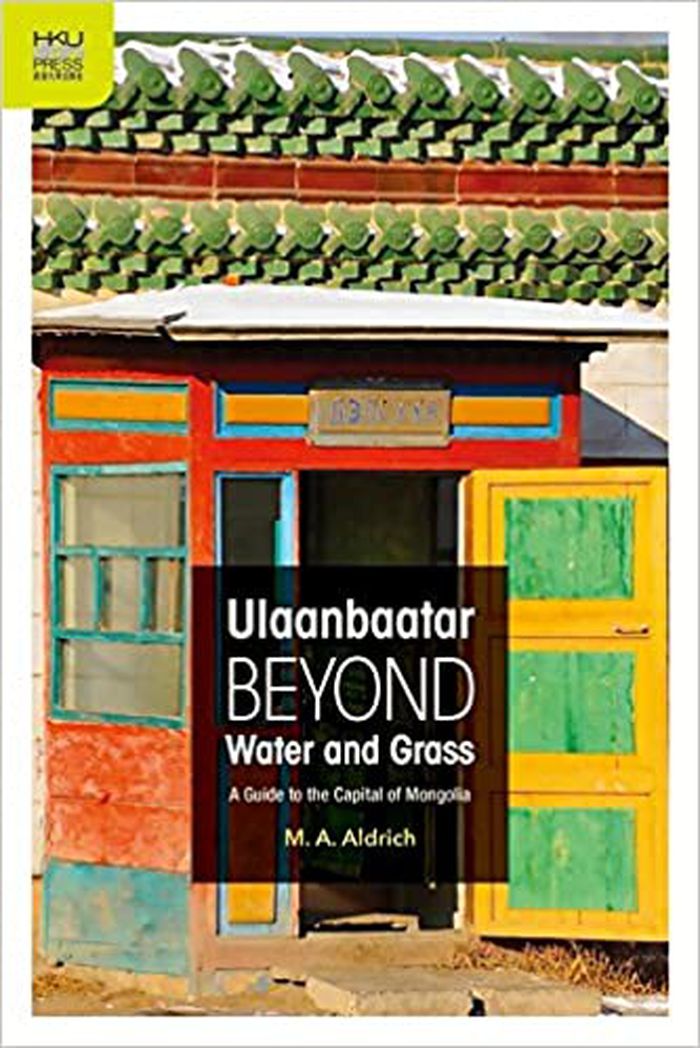
Ulaanbaatar: beyond Water and Grass
Actions:
Prix:
$49.95
(disponible sur commande)
Résumé:
''Ulaanbaatar: beyond water and grass'' is the first book in the English language that takes the visitors to an in-depth exploration of the capital of Mongolia. In the first section of the book, M. A. Aldrich paints a detailed portrait of the history, religion, and architecture of Ulaanbaatar with reference to how the city evolved from a monastic settlement to a communist-inspired capital and finally to a major city of free-wheeling capitalism and Tammany Hall politics. The second section of the book offers the reader a tour of different sites within the city and beyond, bringing back to life the human dramas that have played themselves out on the stage of Ulaanbaatar. Where most guide books often lightly discuss the capital, this book reveals much that remains hidden from the temporary visitor and even from the long-term resident. Writing in a quirky, idiosyncratic style, the author shares his appreciation and delight in this unique urban setting- indeed, in all things Mongolian.
Ulaanbaatar: beyond Water and Grass
Actions:
Prix:
$49.95
(disponible sur commande)
Résumé:
''Ulaanbaatar: beyond water and grass'' is the first book in the English language that takes the visitors to an in-depth exploration of the capital of Mongolia. In the first section of the book, M. A. Aldrich paints a detailed portrait of the history, religion, and architecture of Ulaanbaatar with reference to how the city evolved from a monastic settlement to a communist-inspired capital and finally to a major city of free-wheeling capitalism and Tammany Hall politics. The second section of the book offers the reader a tour of different sites within the city and beyond, bringing back to life the human dramas that have played themselves out on the stage of Ulaanbaatar. Where most guide books often lightly discuss the capital, this book reveals much that remains hidden from the temporary visitor and even from the long-term resident. Writing in a quirky, idiosyncratic style, the author shares his appreciation and delight in this unique urban setting- indeed, in all things Mongolian.
Classification:
livres
livres
Publication:
mars 2018
mars 2018
Sujet:
Expositions en cours
Expositions en cours
Classification:
livres
livres
Actions:
Prix:
$38.50
(disponible sur commande)
Résumé:
This book bridges design theory and anthropology to offer a new and challenging way of understanding the changing meanings of contemporary human-object relations. The act of consumption is only the starting point of object's 'lives'. Thereafter they are transformed and invested with new meanings and associations that reflect and assert who we are. Defining designed things(...)
$38.50
(disponible sur commande)
Résumé:
This book bridges design theory and anthropology to offer a new and challenging way of understanding the changing meanings of contemporary human-object relations. The act of consumption is only the starting point of object's 'lives'. Thereafter they are transformed and invested with new meanings and associations that reflect and assert who we are. Defining designed things(...)
Titre:
Wild things: the material culture of everyday life
Actions:
Prix:
$38.50
(disponible sur commande)
Résumé:
This book bridges design theory and anthropology to offer a new and challenging way of understanding the changing meanings of contemporary human-object relations. The act of consumption is only the starting point of object's 'lives'. Thereafter they are transformed and invested with new meanings and associations that reflect and assert who we are. Defining designed things as 'things with attitude' differentiates the highly visible fashionable object from ordinary aretefacts that are too easily taken for granted. Through case studies ranging from reproduction furniture to fashion and textiles to 'clutter', the author traces the connection between objects and authenticity, ephemerality and self-identity. Beyond this, she shows the materiality of the everyday in terms of space, time and the body and suggests a transition with the passing of time from embodiment to disembodiment.
Wild things: the material culture of everyday life
Actions:
Prix:
$38.50
(disponible sur commande)
Résumé:
This book bridges design theory and anthropology to offer a new and challenging way of understanding the changing meanings of contemporary human-object relations. The act of consumption is only the starting point of object's 'lives'. Thereafter they are transformed and invested with new meanings and associations that reflect and assert who we are. Defining designed things as 'things with attitude' differentiates the highly visible fashionable object from ordinary aretefacts that are too easily taken for granted. Through case studies ranging from reproduction furniture to fashion and textiles to 'clutter', the author traces the connection between objects and authenticity, ephemerality and self-identity. Beyond this, she shows the materiality of the everyday in terms of space, time and the body and suggests a transition with the passing of time from embodiment to disembodiment.
Classification:
livres
livres
Publication:
septembre 2020
septembre 2020
Sujet:
Expositions en cours
Expositions en cours
Classification:
livres
livres
Actions:
Prix:
$46.00
(disponible sur commande)
Résumé:
The pressure is on: people move to cities in ever-growing numbers. So we build new neighborhoods, we transform old industrial areas and renew the existing city. Right now, the focus lies on energy-neutral neighborhoods. But in order for these new neighborhoods to really work, residents need to be engaged and the tactics need to be embedded within a larger social policy.(...)
$46.00
(disponible sur commande)
Résumé:
The pressure is on: people move to cities in ever-growing numbers. So we build new neighborhoods, we transform old industrial areas and renew the existing city. Right now, the focus lies on energy-neutral neighborhoods. But in order for these new neighborhoods to really work, residents need to be engaged and the tactics need to be embedded within a larger social policy.(...)
Titre:
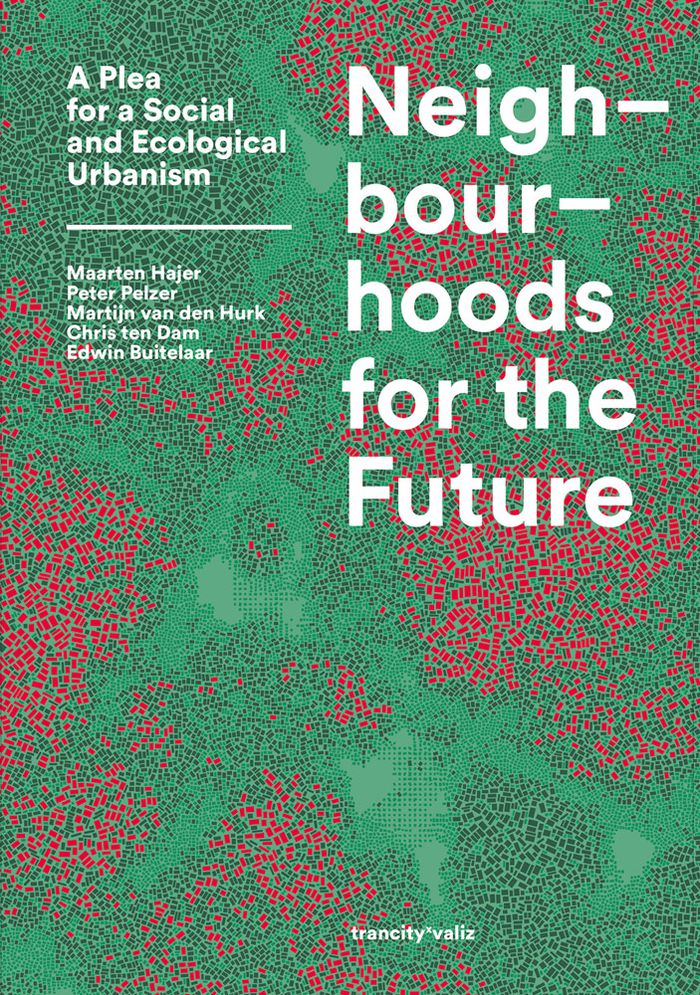
Neighbourhoods for the future: a plea for a sociological and ecological urbanism
Actions:
Prix:
$46.00
(disponible sur commande)
Résumé:
The pressure is on: people move to cities in ever-growing numbers. So we build new neighborhoods, we transform old industrial areas and renew the existing city. Right now, the focus lies on energy-neutral neighborhoods. But in order for these new neighborhoods to really work, residents need to be engaged and the tactics need to be embedded within a larger social policy. Only then do thriving cities arise. ''Neighbourhoods for the future'' revisits the neighborhood as the designated scale and arena to build our urban futures. The neighborhood is small enough to be tangible, yet big enough to make an actual difference. Introducing the concepts of neighborhood arrangements and ecologies, this book provides a new perspective on the relation between participants, resources and rules to spark change and prepare urbanites and policymakers for realizing their own sustainable neighborhoods for the future.
Neighbourhoods for the future: a plea for a sociological and ecological urbanism
Actions:
Prix:
$46.00
(disponible sur commande)
Résumé:
The pressure is on: people move to cities in ever-growing numbers. So we build new neighborhoods, we transform old industrial areas and renew the existing city. Right now, the focus lies on energy-neutral neighborhoods. But in order for these new neighborhoods to really work, residents need to be engaged and the tactics need to be embedded within a larger social policy. Only then do thriving cities arise. ''Neighbourhoods for the future'' revisits the neighborhood as the designated scale and arena to build our urban futures. The neighborhood is small enough to be tangible, yet big enough to make an actual difference. Introducing the concepts of neighborhood arrangements and ecologies, this book provides a new perspective on the relation between participants, resources and rules to spark change and prepare urbanites and policymakers for realizing their own sustainable neighborhoods for the future.
Classification:
livres
livres
Publication:
février 2021
février 2021


