


319 Résultats
Classification:
livres
livres
Prix:
$26.95
(disponible sur commande)
Résumé:
Femke de Vries is an artist/researcher who explores the interaction between clothing (as material objects of use) and fashion (as a process of value production). ''Dictionary Dressings'' is an ongoing research project by de Vries that uses the nature of the dictionary definition as a ''zero condition'' for a piece of clothing in order to decode clothes and explore an(...)
$26.95
(disponible sur commande)
Résumé:
Femke de Vries is an artist/researcher who explores the interaction between clothing (as material objects of use) and fashion (as a process of value production). ''Dictionary Dressings'' is an ongoing research project by de Vries that uses the nature of the dictionary definition as a ''zero condition'' for a piece of clothing in order to decode clothes and explore an(...)
Titre:
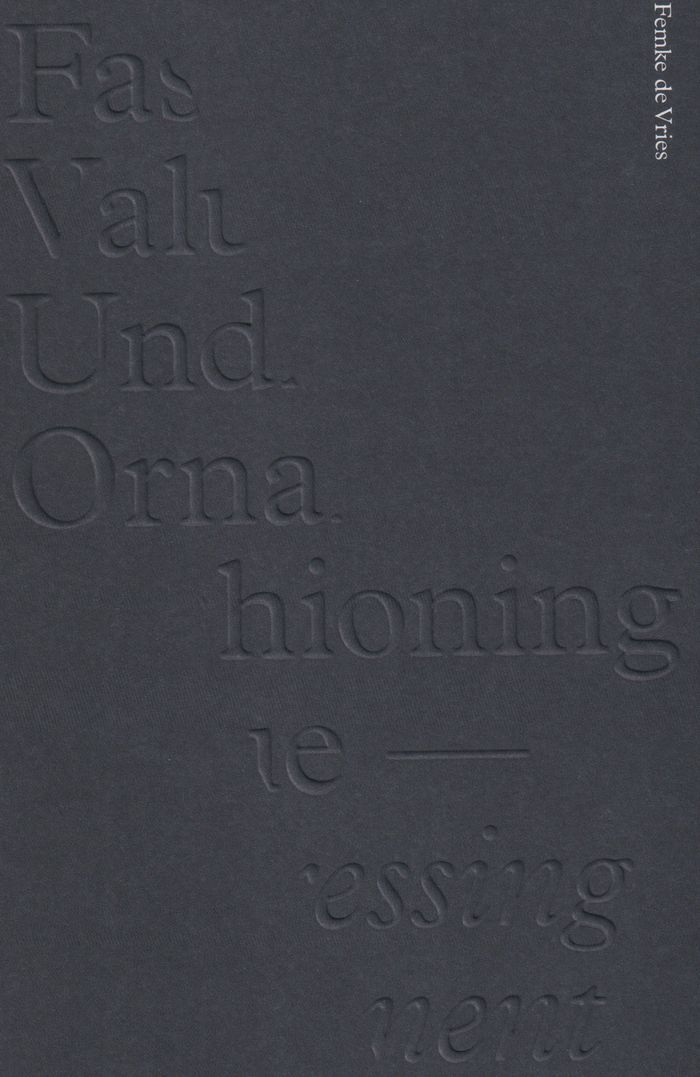
Fashioning value: undressing ornament. Onomatopee 121
Actions:
Prix:
$26.95
(disponible sur commande)
Résumé:
Femke de Vries is an artist/researcher who explores the interaction between clothing (as material objects of use) and fashion (as a process of value production). ''Dictionary Dressings'' is an ongoing research project by de Vries that uses the nature of the dictionary definition as a ''zero condition'' for a piece of clothing in order to decode clothes and explore an alternative fashion vocabulary. To generate inclusive modes of production, the artist brings together designers, researchers and students to explore opportunities. Overlapping and interlinking theory with hands-on making, she pushes beyond trends and accepted social and design codes to offer a fundamental shift in perspective that contributes valuable insights to the broader cultural discourse of fashion.
Fashioning value: undressing ornament. Onomatopee 121
Actions:
Prix:
$26.95
(disponible sur commande)
Résumé:
Femke de Vries is an artist/researcher who explores the interaction between clothing (as material objects of use) and fashion (as a process of value production). ''Dictionary Dressings'' is an ongoing research project by de Vries that uses the nature of the dictionary definition as a ''zero condition'' for a piece of clothing in order to decode clothes and explore an alternative fashion vocabulary. To generate inclusive modes of production, the artist brings together designers, researchers and students to explore opportunities. Overlapping and interlinking theory with hands-on making, she pushes beyond trends and accepted social and design codes to offer a fundamental shift in perspective that contributes valuable insights to the broader cultural discourse of fashion.
Classification:
livres
livres
Publication:
novembre 2016
novembre 2016
Sujet:
Théorie du design
Théorie du design
Classification:
livres
livres

Actions:
Prix:
$46.95
(disponible sur commande)
Résumé:
The book is dedicated to the practice of design. It investigates experimentally the encounter between architecture and other related creative practices, between applied arts and sciences. Carefully selected unpublished materials from different fields are combined in such a way as to incite the maximum amount of questions. Each of the nine issues of SAFT contained in this(...)
$46.95
(disponible sur commande)
Résumé:
The book is dedicated to the practice of design. It investigates experimentally the encounter between architecture and other related creative practices, between applied arts and sciences. Carefully selected unpublished materials from different fields are combined in such a way as to incite the maximum amount of questions. Each of the nine issues of SAFT contained in this(...)
Titre:
SAFT: modular book on architecture, art and culture
Actions:
Prix:
$46.95
(disponible sur commande)
Résumé:
The book is dedicated to the practice of design. It investigates experimentally the encounter between architecture and other related creative practices, between applied arts and sciences. Carefully selected unpublished materials from different fields are combined in such a way as to incite the maximum amount of questions. Each of the nine issues of SAFT contained in this collection is dedicated to a different topic or phenomenon, combining different materials; it is dense in feedback and feedforward, in juxtapositions and casual encounters. Printed on a large sheet of coloured paper it multiplies in your hands growing in an exponential manner
SAFT: modular book on architecture, art and culture
Actions:
Prix:
$46.95
(disponible sur commande)
Résumé:
The book is dedicated to the practice of design. It investigates experimentally the encounter between architecture and other related creative practices, between applied arts and sciences. Carefully selected unpublished materials from different fields are combined in such a way as to incite the maximum amount of questions. Each of the nine issues of SAFT contained in this collection is dedicated to a different topic or phenomenon, combining different materials; it is dense in feedback and feedforward, in juxtapositions and casual encounters. Printed on a large sheet of coloured paper it multiplies in your hands growing in an exponential manner
Classification:
livres
livres
Publication:
décembre 2018
décembre 2018
Sujet:
Théorie du design
Théorie du design
Classification:
livres
livres
Titre:
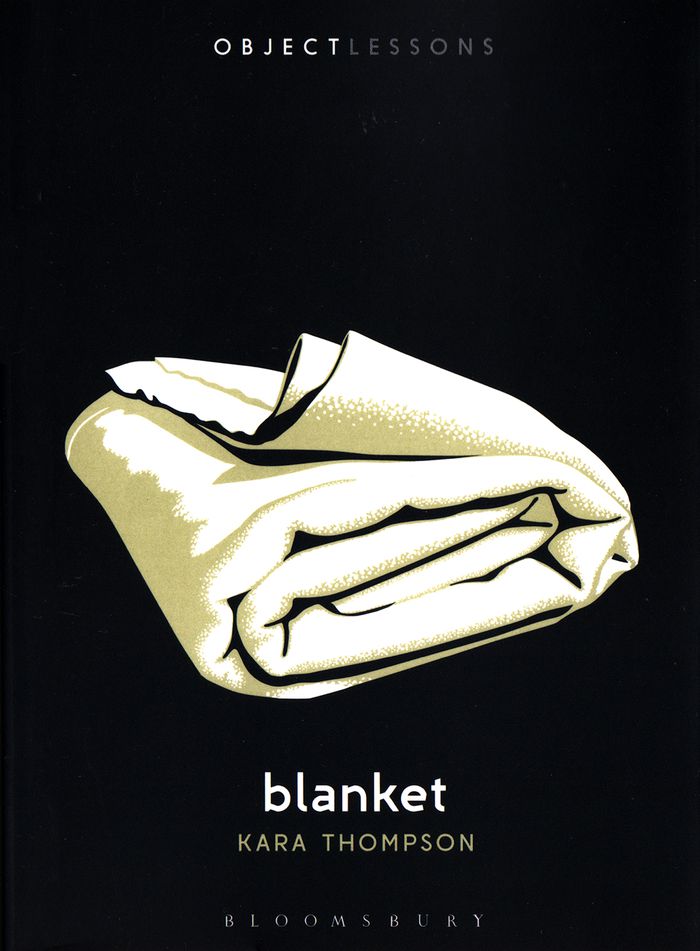
Blanket (object lessons)
Blanket (object lessons)
Actions:
Prix:
$20.90
(disponible sur commande)
Résumé:
We are born into blankets. They keep us alive and they cover us in death. We pull and tug on blankets to see us through the night or an illness. They shield us in mourning and witness our most intimate pleasures. Curious, fearless, vulnerable, and critical, "Blanket" interweaves cultural critique with memoir to cast new light on a ubiquitous object. Kara Thompson reveals(...)
$20.90
(disponible sur commande)
Résumé:
We are born into blankets. They keep us alive and they cover us in death. We pull and tug on blankets to see us through the night or an illness. They shield us in mourning and witness our most intimate pleasures. Curious, fearless, vulnerable, and critical, "Blanket" interweaves cultural critique with memoir to cast new light on a ubiquitous object. Kara Thompson reveals(...)
Titre:
Blanket (object lessons)
Actions:
Prix:
$20.90
(disponible sur commande)
Résumé:
We are born into blankets. They keep us alive and they cover us in death. We pull and tug on blankets to see us through the night or an illness. They shield us in mourning and witness our most intimate pleasures. Curious, fearless, vulnerable, and critical, "Blanket" interweaves cultural critique with memoir to cast new light on a ubiquitous object. Kara Thompson reveals blankets everywhere--film, art, geology, disasters, battlefields, resistance, home--and transforms an ordinary thing into a vibrant and vital carrier of stories and secrets, an object of inheritance and belonging, a companion to uncover. "Object Lessons" is published in partnership with an essay series in the The Atlantic.
Blanket (object lessons)
Actions:
Prix:
$20.90
(disponible sur commande)
Résumé:
We are born into blankets. They keep us alive and they cover us in death. We pull and tug on blankets to see us through the night or an illness. They shield us in mourning and witness our most intimate pleasures. Curious, fearless, vulnerable, and critical, "Blanket" interweaves cultural critique with memoir to cast new light on a ubiquitous object. Kara Thompson reveals blankets everywhere--film, art, geology, disasters, battlefields, resistance, home--and transforms an ordinary thing into a vibrant and vital carrier of stories and secrets, an object of inheritance and belonging, a companion to uncover. "Object Lessons" is published in partnership with an essay series in the The Atlantic.
Classification:
livres
livres
Publication:
septembre 2018
septembre 2018
Sujet:
Théorie du design
Théorie du design
Classification:
livres
livres
Prix:
$36.50
(disponible sur commande)
Résumé:
What good is design? In a world facing social unrest, political tribalism, and impending ecological doom, Tomás Maldonado poses philosophical inquiries into the role design plays during a moment of crisis and analyzes what “design” might mean as an ever-enlarging compass beyond stylization of specific objects. He discusses how design is both influenced by and central to(...)
$36.50
(disponible sur commande)
Résumé:
What good is design? In a world facing social unrest, political tribalism, and impending ecological doom, Tomás Maldonado poses philosophical inquiries into the role design plays during a moment of crisis and analyzes what “design” might mean as an ever-enlarging compass beyond stylization of specific objects. He discusses how design is both influenced by and central to(...)
Titre:
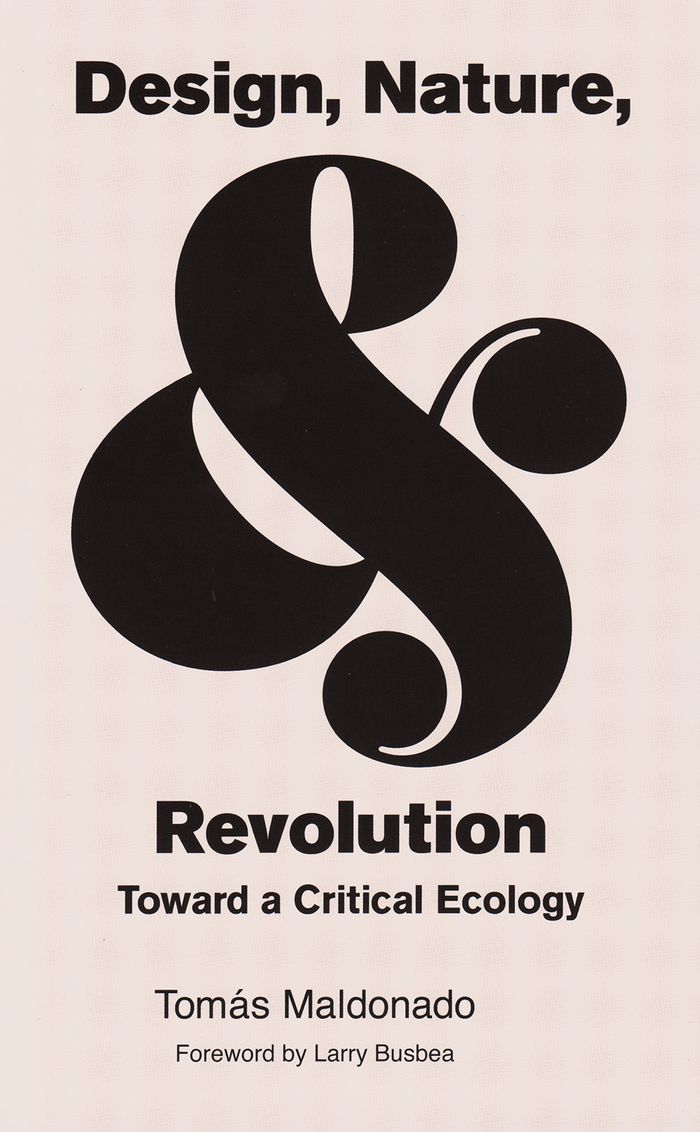
Design, nature and revolution: towards a critical ecology
Actions:
Prix:
$36.50
(disponible sur commande)
Résumé:
What good is design? In a world facing social unrest, political tribalism, and impending ecological doom, Tomás Maldonado poses philosophical inquiries into the role design plays during a moment of crisis and analyzes what “design” might mean as an ever-enlarging compass beyond stylization of specific objects. He discusses how design is both influenced by and central to ecological crisis. Written as a kind of obituary to the Modern movement’s wave of failed “concrete utopias,” Maldonado combines philosophy, sociology, radical countercultural thought, and the ecological sciences into a polemic that recenters design in the human environment.
Design, nature and revolution: towards a critical ecology
Actions:
Prix:
$36.50
(disponible sur commande)
Résumé:
What good is design? In a world facing social unrest, political tribalism, and impending ecological doom, Tomás Maldonado poses philosophical inquiries into the role design plays during a moment of crisis and analyzes what “design” might mean as an ever-enlarging compass beyond stylization of specific objects. He discusses how design is both influenced by and central to ecological crisis. Written as a kind of obituary to the Modern movement’s wave of failed “concrete utopias,” Maldonado combines philosophy, sociology, radical countercultural thought, and the ecological sciences into a polemic that recenters design in the human environment.
Classification:
livres
livres
Publication:
avril 2019
avril 2019
Sujet:
Théorie du design
Théorie du design
Classification:
livres
livres
Titre:
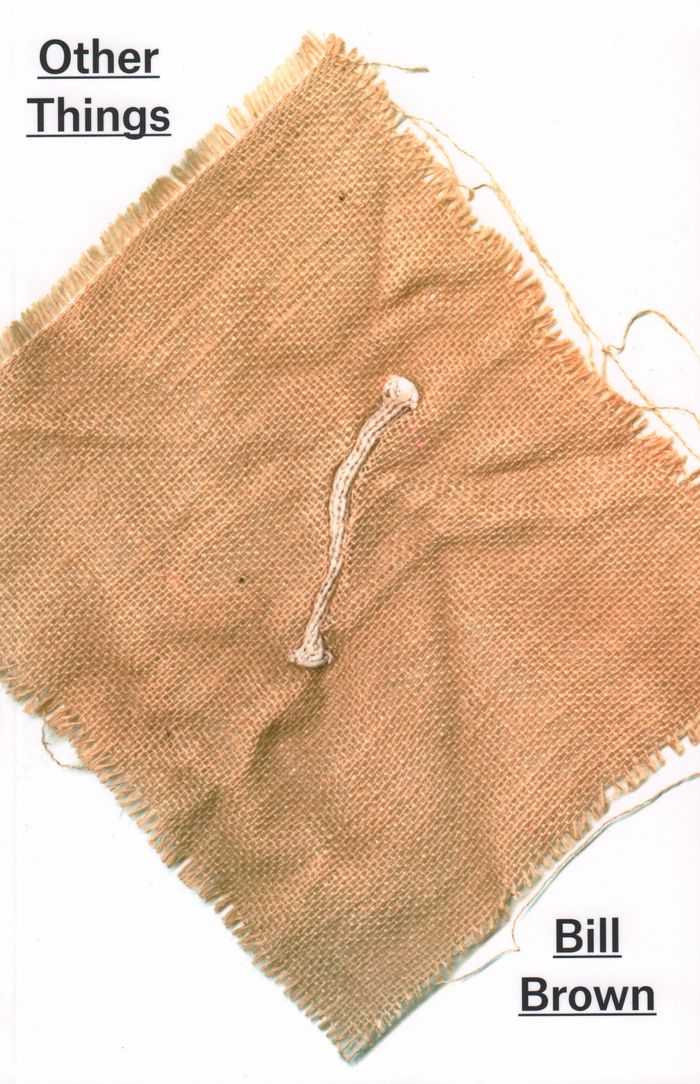
Other things
Other things
Actions:
Prix:
$45.00
(disponible sur commande)
Résumé:
From the pencil to the puppet to the drone—the humanities and the social sciences continue to ride a wave of interest in material culture and the world of things. How should we understand the force and figure of that wave as it shapes different disciplines? ''Other Things'' explores this question by considering a wide assortment of objects—from beach glass to cell phones,(...)
$45.00
(disponible sur commande)
Résumé:
From the pencil to the puppet to the drone—the humanities and the social sciences continue to ride a wave of interest in material culture and the world of things. How should we understand the force and figure of that wave as it shapes different disciplines? ''Other Things'' explores this question by considering a wide assortment of objects—from beach glass to cell phones,(...)
Titre:
Other things
Actions:
Prix:
$45.00
(disponible sur commande)
Résumé:
From the pencil to the puppet to the drone—the humanities and the social sciences continue to ride a wave of interest in material culture and the world of things. How should we understand the force and figure of that wave as it shapes different disciplines? ''Other Things'' explores this question by considering a wide assortment of objects—from beach glass to cell phones, sneakers to skyscrapers—that have fascinated a range of writers and artists, including Virginia Woolf, Man Ray, Spike Lee, and Don DeLillo.
Other things
Actions:
Prix:
$45.00
(disponible sur commande)
Résumé:
From the pencil to the puppet to the drone—the humanities and the social sciences continue to ride a wave of interest in material culture and the world of things. How should we understand the force and figure of that wave as it shapes different disciplines? ''Other Things'' explores this question by considering a wide assortment of objects—from beach glass to cell phones, sneakers to skyscrapers—that have fascinated a range of writers and artists, including Virginia Woolf, Man Ray, Spike Lee, and Don DeLillo.
Classification:
livres
livres
Publication:
février 2019
février 2019
Sujet:
Théorie du design
Théorie du design
Classification:
livres
livres

Actions:
Prix:
$37.50
(disponible sur commande)
Résumé:
As our everyday social and cultural experiences are increasingly mediated by electronic products--from "intelligent" toasters to iPods--it is the design of these products that shapes our experience of the "electrosphere" in which we live. Designers of electronic products, writes Anthony Dunne in "Hertzian tales", must begin to think more broadly about the aesthetic role(...)
$37.50
(disponible sur commande)
Résumé:
As our everyday social and cultural experiences are increasingly mediated by electronic products--from "intelligent" toasters to iPods--it is the design of these products that shapes our experience of the "electrosphere" in which we live. Designers of electronic products, writes Anthony Dunne in "Hertzian tales", must begin to think more broadly about the aesthetic role(...)
Titre:
Hertzian tales : electronic products, aesthetic experience, and critical design
Actions:
Prix:
$37.50
(disponible sur commande)
Résumé:
As our everyday social and cultural experiences are increasingly mediated by electronic products--from "intelligent" toasters to iPods--it is the design of these products that shapes our experience of the "electrosphere" in which we live. Designers of electronic products, writes Anthony Dunne in "Hertzian tales", must begin to think more broadly about the aesthetic role of electronic products in everyday life. Industrial design has the potential to enrich our daily lives--to improve the quality of our relationship to the artificial environment of technology, and even, argues Dunne, to be subverted for socially beneficial ends. The cultural speculations and conceptual design proposals in "Hertzian tales" are not utopian visions or blueprints; instead, they embody a critique of present-day practices, "mixing criticism with optimism." Six essays explore design approaches for developing the aesthetic potential of electronic products outside a commercial context--considering such topics as the post-optimal object and the aesthetics of user-unfriendliness--and five proposals offer commentary in the form of objects, videos, and images. Very little has changed in the world of design since "Hertzian tales" was first published by the Royal College of Art in 1999, writes Dunne in his preface to this MIT Press edition : "Design is not engaging with the social, cultural, and ethical implications of the technologies it makes so sexy and consumable." His project and proposals challenge it to do so.
Hertzian tales : electronic products, aesthetic experience, and critical design
Actions:
Prix:
$37.50
(disponible sur commande)
Résumé:
As our everyday social and cultural experiences are increasingly mediated by electronic products--from "intelligent" toasters to iPods--it is the design of these products that shapes our experience of the "electrosphere" in which we live. Designers of electronic products, writes Anthony Dunne in "Hertzian tales", must begin to think more broadly about the aesthetic role of electronic products in everyday life. Industrial design has the potential to enrich our daily lives--to improve the quality of our relationship to the artificial environment of technology, and even, argues Dunne, to be subverted for socially beneficial ends. The cultural speculations and conceptual design proposals in "Hertzian tales" are not utopian visions or blueprints; instead, they embody a critique of present-day practices, "mixing criticism with optimism." Six essays explore design approaches for developing the aesthetic potential of electronic products outside a commercial context--considering such topics as the post-optimal object and the aesthetics of user-unfriendliness--and five proposals offer commentary in the form of objects, videos, and images. Very little has changed in the world of design since "Hertzian tales" was first published by the Royal College of Art in 1999, writes Dunne in his preface to this MIT Press edition : "Design is not engaging with the social, cultural, and ethical implications of the technologies it makes so sexy and consumable." His project and proposals challenge it to do so.
Classification:
livres
livres
Publication:
mars 2006, Cambridge, Mass.
mars 2006, Cambridge, Mass.
Sujet:
Théorie du design
Théorie du design
Classification:
livres
livres
Actions:
Prix:
$115.95
(disponible sur commande)
Résumé:
Remember those 3-D movies, the ones that you had to wear the cardboard glasses to see? This definitive book brings it all back, but from the standpoint of serious artists, designers and anyone else interested in the origins of visual phenomena. With his figure and stereo experiments, author Jurg Nänni guides the reader through the mysterious cosmos of visual perception.(...)
$115.95
(disponible sur commande)
Résumé:
Remember those 3-D movies, the ones that you had to wear the cardboard glasses to see? This definitive book brings it all back, but from the standpoint of serious artists, designers and anyone else interested in the origins of visual phenomena. With his figure and stereo experiments, author Jurg Nänni guides the reader through the mysterious cosmos of visual perception.(...)
Titre:
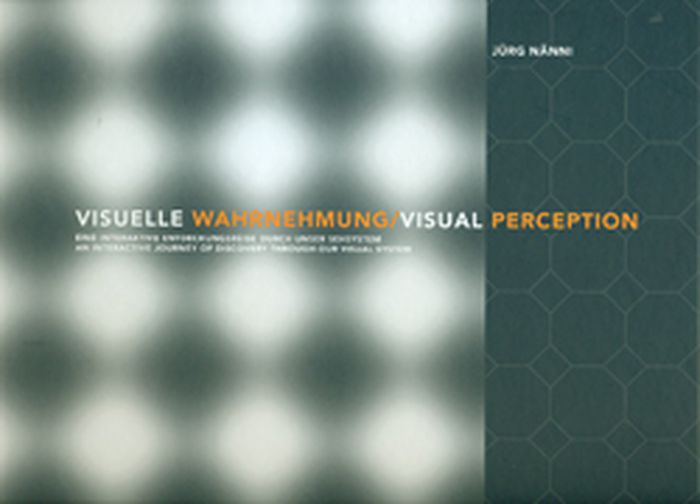
Visual perception: an interactive journey of discovery through our visual system
Actions:
Prix:
$115.95
(disponible sur commande)
Résumé:
Remember those 3-D movies, the ones that you had to wear the cardboard glasses to see? This definitive book brings it all back, but from the standpoint of serious artists, designers and anyone else interested in the origins of visual phenomena. With his figure and stereo experiments, author Jurg Nänni guides the reader through the mysterious cosmos of visual perception. The included eyeglasses allow exceptional optical experiences, complemented by interactive experiments on the included CD-ROM. Texts, visual examples and CD-experiments allow readers to acquire the background information for their own creative work, and to answer the questions: How do optical illusions emerge? And how can our eyes be fooled at all?
Visual perception: an interactive journey of discovery through our visual system
Actions:
Prix:
$115.95
(disponible sur commande)
Résumé:
Remember those 3-D movies, the ones that you had to wear the cardboard glasses to see? This definitive book brings it all back, but from the standpoint of serious artists, designers and anyone else interested in the origins of visual phenomena. With his figure and stereo experiments, author Jurg Nänni guides the reader through the mysterious cosmos of visual perception. The included eyeglasses allow exceptional optical experiences, complemented by interactive experiments on the included CD-ROM. Texts, visual examples and CD-experiments allow readers to acquire the background information for their own creative work, and to answer the questions: How do optical illusions emerge? And how can our eyes be fooled at all?
Classification:
livres
livres
Publication:
mars 2009
mars 2009
Sujet:
Théorie du design
Théorie du design
Classification:
livres
livres
Actions:
Prix:
$43.95
(disponible sur commande)
Résumé:
This book presents a broad introduction to design theory and practice. Historical, contextual, philosophical, technical, visual and practical approaches to Design are often presented separately. But each approach impacts on others and together they are critical to a rounded understanding of design.
$43.95
(disponible sur commande)
Résumé:
This book presents a broad introduction to design theory and practice. Historical, contextual, philosophical, technical, visual and practical approaches to Design are often presented separately. But each approach impacts on others and together they are critical to a rounded understanding of design.
Titre:
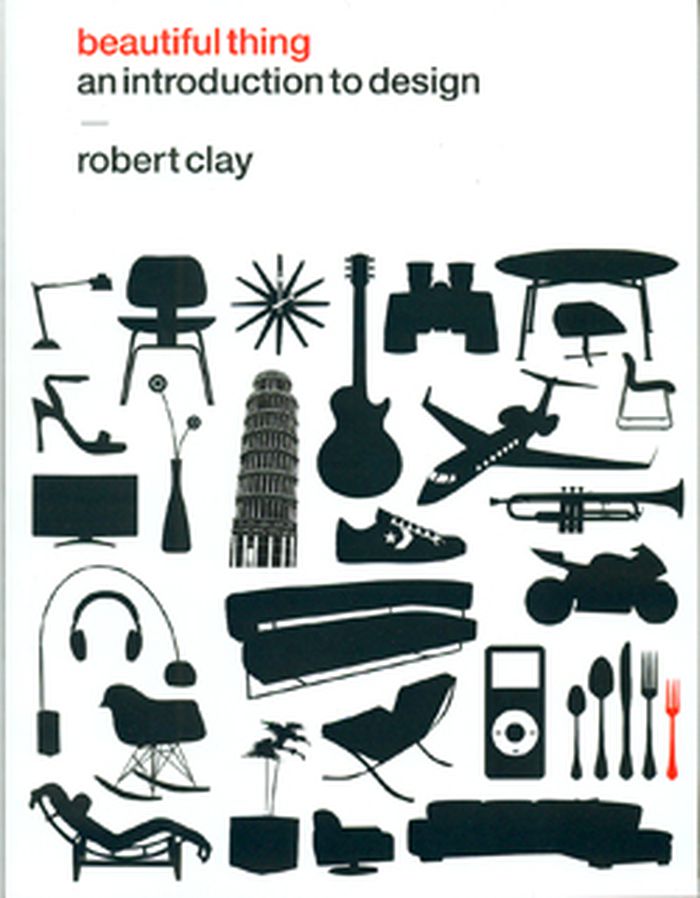
Beautiful Thing : An Introduction to Design
Actions:
Prix:
$43.95
(disponible sur commande)
Résumé:
This book presents a broad introduction to design theory and practice. Historical, contextual, philosophical, technical, visual and practical approaches to Design are often presented separately. But each approach impacts on others and together they are critical to a rounded understanding of design.
Beautiful Thing : An Introduction to Design
Actions:
Prix:
$43.95
(disponible sur commande)
Résumé:
This book presents a broad introduction to design theory and practice. Historical, contextual, philosophical, technical, visual and practical approaches to Design are often presented separately. But each approach impacts on others and together they are critical to a rounded understanding of design.
Classification:
livres
livres
Publication:
janvier 2009, Oxford and New york
janvier 2009, Oxford and New york
Sujet:
Théorie du design
Théorie du design
Classification:
livres
livres
Prix:
$43.95
(disponible sur commande)
Résumé:
The links between contemporary design, history and the imagination form the background for this beautiful and unprecedented exploration of Design Art. Addressing works by designers including Jurgen Bey, Tord Boontje, Dunne + Raby and Studio Job, Gareth Williams explores how overtly functional objects - 'designed' objects - can be made to carry meanings and associations,(...)
$43.95
(disponible sur commande)
Résumé:
The links between contemporary design, history and the imagination form the background for this beautiful and unprecedented exploration of Design Art. Addressing works by designers including Jurgen Bey, Tord Boontje, Dunne + Raby and Studio Job, Gareth Williams explores how overtly functional objects - 'designed' objects - can be made to carry meanings and associations,(...)
Titre:
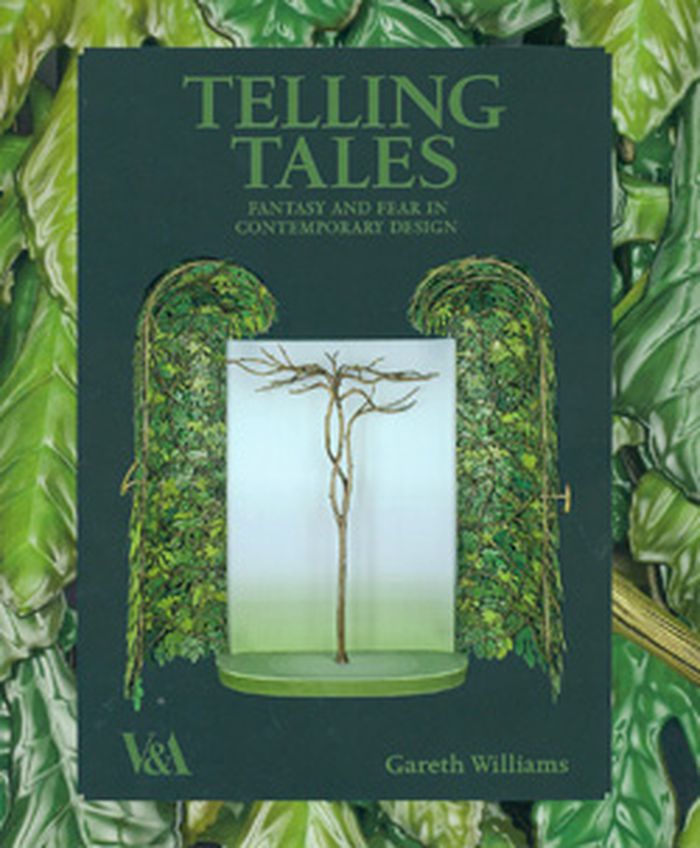
Telling tales: fantasy and fear in contemporary design
Actions:
Prix:
$43.95
(disponible sur commande)
Résumé:
The links between contemporary design, history and the imagination form the background for this beautiful and unprecedented exploration of Design Art. Addressing works by designers including Jurgen Bey, Tord Boontje, Dunne + Raby and Studio Job, Gareth Williams explores how overtly functional objects - 'designed' objects - can be made to carry meanings and associations, or tell tales. As contemporary design practice, the art market and art itself become more and more integrated, reflecting the merging of art, craft and design, this exciting book offers a valuable and perceptive assessment of our ability to read Design Art objects with the critical tools traditionally associated with painting, sculpture and literary theory.
Telling tales: fantasy and fear in contemporary design
Actions:
Prix:
$43.95
(disponible sur commande)
Résumé:
The links between contemporary design, history and the imagination form the background for this beautiful and unprecedented exploration of Design Art. Addressing works by designers including Jurgen Bey, Tord Boontje, Dunne + Raby and Studio Job, Gareth Williams explores how overtly functional objects - 'designed' objects - can be made to carry meanings and associations, or tell tales. As contemporary design practice, the art market and art itself become more and more integrated, reflecting the merging of art, craft and design, this exciting book offers a valuable and perceptive assessment of our ability to read Design Art objects with the critical tools traditionally associated with painting, sculpture and literary theory.
Classification:
livres
livres
Publication:
juin 2009
juin 2009
Sujet:
Théorie du design
Théorie du design
Classification:
livres
livres
Titre:
Hidden forms
Hidden forms
Actions:
Prix:
$54.95
(disponible sur commande)
Résumé:
The book Hidden Forms uses examples from Franco Clivio’s collection of objects to reveal clearly and yet poetically the hidden qualities that require a practiced gaze. Working with ordinary, everyday, practical, seemingly design(er)less objects has been Franco Clivio’s obsession both as a university lecturer and as a practicing designer. Each object in the collection(...)
$54.95
(disponible sur commande)
Résumé:
The book Hidden Forms uses examples from Franco Clivio’s collection of objects to reveal clearly and yet poetically the hidden qualities that require a practiced gaze. Working with ordinary, everyday, practical, seemingly design(er)less objects has been Franco Clivio’s obsession both as a university lecturer and as a practicing designer. Each object in the collection(...)
Sujet:
Théorie du design
Théorie du design
Publication:
février 2009, Basel, Boston, Berlin
février 2009, Basel, Boston, Berlin
Titre:
Hidden forms
Actions:
Prix:
$54.95
(disponible sur commande)
Résumé:
The book Hidden Forms uses examples from Franco Clivio’s collection of objects to reveal clearly and yet poetically the hidden qualities that require a practiced gaze. Working with ordinary, everyday, practical, seemingly design(er)less objects has been Franco Clivio’s obsession both as a university lecturer and as a practicing designer. Each object in the collection stands for an unconventional, unconstrained, and sometimes unique solution to a problem that is often simple but always fundamental; fundamental in the sense of a design that places less emphasis on good form than on perfect function.
Hidden forms
Actions:
Prix:
$54.95
(disponible sur commande)
Résumé:
The book Hidden Forms uses examples from Franco Clivio’s collection of objects to reveal clearly and yet poetically the hidden qualities that require a practiced gaze. Working with ordinary, everyday, practical, seemingly design(er)less objects has been Franco Clivio’s obsession both as a university lecturer and as a practicing designer. Each object in the collection stands for an unconventional, unconstrained, and sometimes unique solution to a problem that is often simple but always fundamental; fundamental in the sense of a design that places less emphasis on good form than on perfect function.
Classification:
livres
livres
Publication:
février 2009, Basel, Boston, Berlin
février 2009, Basel, Boston, Berlin
Sujet:
Théorie du design
Théorie du design


