


319 Résultats
Classification:
livres
livres

Actions:
Prix:
$43.95
(disponible en magasin)
Résumé:
How design can transcend the logics, structures, and subjectivities of capitalism: a framework, theoretical grounding, and practical principles. The designed things, experiences, and symbols that we use to perceive, understand, and perform our everyday lives are much more than just props. They directly shape how we live. In ''Design after capitalism,'' Matthew Wizinsky(...)
$43.95
(disponible en magasin)
Résumé:
How design can transcend the logics, structures, and subjectivities of capitalism: a framework, theoretical grounding, and practical principles. The designed things, experiences, and symbols that we use to perceive, understand, and perform our everyday lives are much more than just props. They directly shape how we live. In ''Design after capitalism,'' Matthew Wizinsky(...)
Titre:
Design after capitalism: transforming design today for an equitable tomorrow
Actions:
Prix:
$43.95
(disponible en magasin)
Résumé:
How design can transcend the logics, structures, and subjectivities of capitalism: a framework, theoretical grounding, and practical principles. The designed things, experiences, and symbols that we use to perceive, understand, and perform our everyday lives are much more than just props. They directly shape how we live. In ''Design after capitalism,'' Matthew Wizinsky argues that the world of industrial capitalism that gave birth to modern design has been dramatically transformed. Design today needs to reorient itself toward deliberate transitions of everyday politics, social relations, and economies. Looking at design through the lens of political economy, Wizinsky calls for the field to transcend the logics, structures, and subjectivities of capitalism—to combine design entrepreneurship with social empowerment in order to facilitate new ways of producing those things, symbols, and experiences that make up everyday life.
Design after capitalism: transforming design today for an equitable tomorrow
Actions:
Prix:
$43.95
(disponible en magasin)
Résumé:
How design can transcend the logics, structures, and subjectivities of capitalism: a framework, theoretical grounding, and practical principles. The designed things, experiences, and symbols that we use to perceive, understand, and perform our everyday lives are much more than just props. They directly shape how we live. In ''Design after capitalism,'' Matthew Wizinsky argues that the world of industrial capitalism that gave birth to modern design has been dramatically transformed. Design today needs to reorient itself toward deliberate transitions of everyday politics, social relations, and economies. Looking at design through the lens of political economy, Wizinsky calls for the field to transcend the logics, structures, and subjectivities of capitalism—to combine design entrepreneurship with social empowerment in order to facilitate new ways of producing those things, symbols, and experiences that make up everyday life.
Classification:
livres
livres
Publication:
mars 2022
mars 2022
Sujet:
Théorie du design
Théorie du design
Classification:
livres
livres
Actions:
Prix:
$29.95
(disponible sur commande)
Résumé:
When architecture and fashion meet in the creation of ephemeral spaces for the immediate presentation of new collections, for example, these temporary but real spaces are brought into the realm of the everlasting digital space as they are shared and re-shared on platforms like Instagram. Fashion spaces can best be defined, then, as co-created, ever changing and prevailing(...)
$29.95
(disponible sur commande)
Résumé:
When architecture and fashion meet in the creation of ephemeral spaces for the immediate presentation of new collections, for example, these temporary but real spaces are brought into the realm of the everlasting digital space as they are shared and re-shared on platforms like Instagram. Fashion spaces can best be defined, then, as co-created, ever changing and prevailing(...)
Publication:
février 2021
février 2021
Titre:
Fashion spaces: a theoretical view
Actions:
Prix:
$29.95
(disponible sur commande)
Résumé:
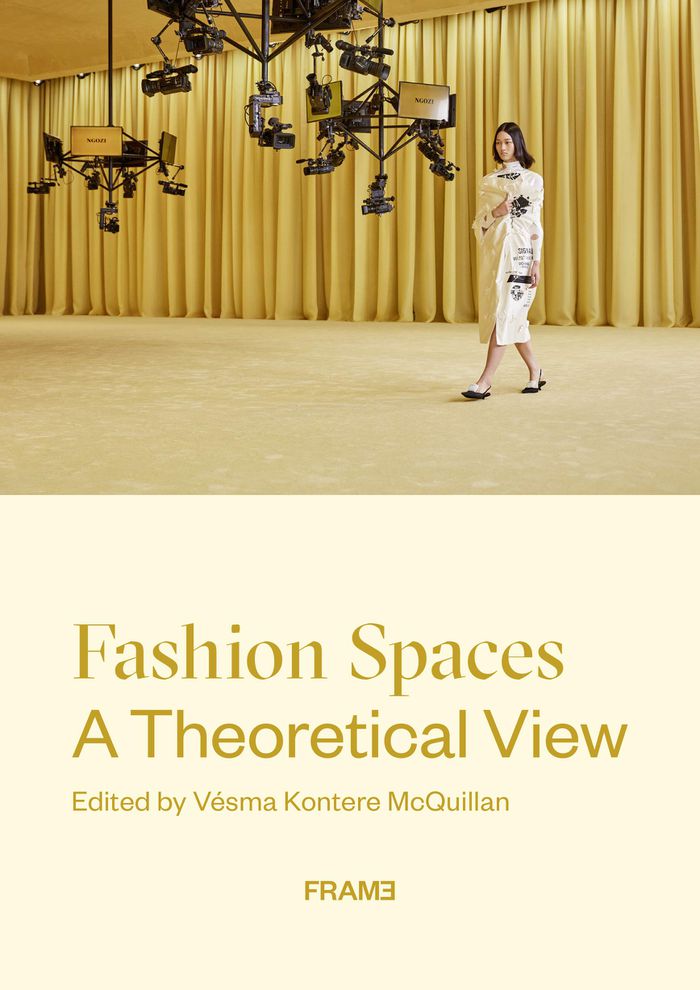
When architecture and fashion meet in the creation of ephemeral spaces for the immediate presentation of new collections, for example, these temporary but real spaces are brought into the realm of the everlasting digital space as they are shared and re-shared on platforms like Instagram. Fashion spaces can best be defined, then, as co-created, ever changing and prevailing metaspaces where the dialogue amongst designers, consumers and industry leaders continues well after the real space has vanished. Can these fashion spaces have a bigger impact on consumers than real-time experience of space? How may the dialogues developing within and as result of fashion spaces influence physical retail design? Can designers use fashion spaces as sites for new cultural production?
Fashion spaces: a theoretical view
Actions:
Prix:
$29.95
(disponible sur commande)
Résumé:
When architecture and fashion meet in the creation of ephemeral spaces for the immediate presentation of new collections, for example, these temporary but real spaces are brought into the realm of the everlasting digital space as they are shared and re-shared on platforms like Instagram. Fashion spaces can best be defined, then, as co-created, ever changing and prevailing metaspaces where the dialogue amongst designers, consumers and industry leaders continues well after the real space has vanished. Can these fashion spaces have a bigger impact on consumers than real-time experience of space? How may the dialogues developing within and as result of fashion spaces influence physical retail design? Can designers use fashion spaces as sites for new cultural production?
Classification:
livres
livres
Publication:
février 2021
février 2021
Classification:
livres
livres
Prix:
$31.95
(disponible en magasin)
Résumé:
Wabi-sabi est la quintessence de l'esthétique japonaise. Wabi-sabi est la beauté des choses imparfaites, impermanentes et incomplètes. C'est la beauté des choses modestes et humbles. C'est la beauté des choses atypiques... Développé par les maîtres japonais du thé, wabi-sabi est au coeur des divers arts traditionnels japonais - art floral, calligraphie, architecture,(...)
$31.95
(disponible en magasin)
Résumé:
Wabi-sabi est la quintessence de l'esthétique japonaise. Wabi-sabi est la beauté des choses imparfaites, impermanentes et incomplètes. C'est la beauté des choses modestes et humbles. C'est la beauté des choses atypiques... Développé par les maîtres japonais du thé, wabi-sabi est au coeur des divers arts traditionnels japonais - art floral, calligraphie, architecture,(...)
Titre:
Wabi-Sabi à l'usage des artistes, designers, poètes et philosophes
Actions:
Prix:
$31.95
(disponible en magasin)
Résumé:
Wabi-sabi est la quintessence de l'esthétique japonaise. Wabi-sabi est la beauté des choses imparfaites, impermanentes et incomplètes. C'est la beauté des choses modestes et humbles. C'est la beauté des choses atypiques... Développé par les maîtres japonais du thé, wabi-sabi est au coeur des divers arts traditionnels japonais - art floral, calligraphie, architecture, poterie, jardins. Il renvoie à l'âme profonde du Japon imprégnée de bouddhisme zen. Dans son sens le plus étroit, c'est un type particulier de beauté. Dans son acceptation la plus large, c'est un mode de vie.
Wabi-Sabi à l'usage des artistes, designers, poètes et philosophes
Actions:
Prix:
$31.95
(disponible en magasin)
Résumé:
Wabi-sabi est la quintessence de l'esthétique japonaise. Wabi-sabi est la beauté des choses imparfaites, impermanentes et incomplètes. C'est la beauté des choses modestes et humbles. C'est la beauté des choses atypiques... Développé par les maîtres japonais du thé, wabi-sabi est au coeur des divers arts traditionnels japonais - art floral, calligraphie, architecture, poterie, jardins. Il renvoie à l'âme profonde du Japon imprégnée de bouddhisme zen. Dans son sens le plus étroit, c'est un type particulier de beauté. Dans son acceptation la plus large, c'est un mode de vie.
Classification:
livres
livres
Publication:
janvier 2016
janvier 2016
Sujet:
Théorie du design
Théorie du design
Classification:
livres
livres
Actions:
Prix:
$23.75
(disponible sur commande)
Résumé:
While the overhaul of higher education linked to the Bologna process encouraged the development of design research in art schools, this interest pre-existed in design agencies which were quick to produce surveys in various forms. In this essay, Nicolas Nova synthesises the main specificities of this type of approach and demonstrates how it escapes the academic canon.(...)
$23.75
(disponible sur commande)
Résumé:
While the overhaul of higher education linked to the Bologna process encouraged the development of design research in art schools, this interest pre-existed in design agencies which were quick to produce surveys in various forms. In this essay, Nicolas Nova synthesises the main specificities of this type of approach and demonstrates how it escapes the academic canon.(...)
Titre:
Manifestes 2: Investigation/ Design
Actions:
Prix:
$23.75
(disponible sur commande)
Résumé:
While the overhaul of higher education linked to the Bologna process encouraged the development of design research in art schools, this interest pre-existed in design agencies which were quick to produce surveys in various forms. In this essay, Nicolas Nova synthesises the main specificities of this type of approach and demonstrates how it escapes the academic canon. Indeed, design research is an expanding field, which produces knowledge in a wide variety of forms: texts, drawings, prototypes, interfaces, etc.
Manifestes 2: Investigation/ Design
Actions:
Prix:
$23.75
(disponible sur commande)
Résumé:
While the overhaul of higher education linked to the Bologna process encouraged the development of design research in art schools, this interest pre-existed in design agencies which were quick to produce surveys in various forms. In this essay, Nicolas Nova synthesises the main specificities of this type of approach and demonstrates how it escapes the academic canon. Indeed, design research is an expanding field, which produces knowledge in a wide variety of forms: texts, drawings, prototypes, interfaces, etc.
Classification:
livres
livres
Publication:
mai 2021
mai 2021
Sujet:
Théorie du design
Théorie du design
Classification:
livres
livres
Prix:
$48.95
(disponible sur commande)
Résumé:
Lars Lerup's conceptual explorations as a designer and thinker have been inspired by philosophers and artists from Foucault to Beckett. Lerup's furniture designs elude consumer culture. They conform neither to what is commonly understood as useful nor to what is typically regarded as necessary. They question the assumed functions of furniture and, at the same time, their(...)
$48.95
(disponible sur commande)
Résumé:
Lars Lerup's conceptual explorations as a designer and thinker have been inspired by philosophers and artists from Foucault to Beckett. Lerup's furniture designs elude consumer culture. They conform neither to what is commonly understood as useful nor to what is typically regarded as necessary. They question the assumed functions of furniture and, at the same time, their(...)
Titre:
The life and death of objects: Autobiography of a design project
Actions:
Prix:
$48.95
(disponible sur commande)
Résumé:
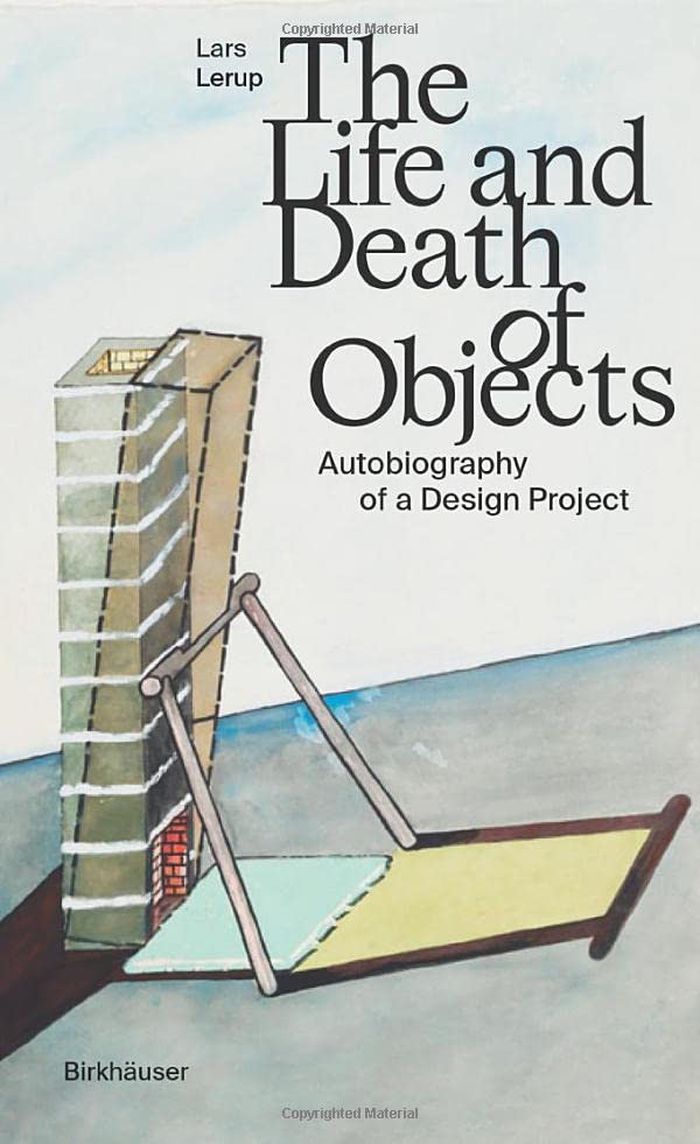
Lars Lerup's conceptual explorations as a designer and thinker have been inspired by philosophers and artists from Foucault to Beckett. Lerup's furniture designs elude consumer culture. They conform neither to what is commonly understood as useful nor to what is typically regarded as necessary. They question the assumed functions of furniture and, at the same time, their assigned place in space. His pieces interrogate their roles and positions and introduce a disturbing or at least disconcerting note to conventional floor plans. This autobiography of a design project is about rendering visible the consumerism that is driving the current economically motivated expansion of our cities, and dealing with the consequences for the environment and society.
The life and death of objects: Autobiography of a design project
Actions:
Prix:
$48.95
(disponible sur commande)
Résumé:
Lars Lerup's conceptual explorations as a designer and thinker have been inspired by philosophers and artists from Foucault to Beckett. Lerup's furniture designs elude consumer culture. They conform neither to what is commonly understood as useful nor to what is typically regarded as necessary. They question the assumed functions of furniture and, at the same time, their assigned place in space. His pieces interrogate their roles and positions and introduce a disturbing or at least disconcerting note to conventional floor plans. This autobiography of a design project is about rendering visible the consumerism that is driving the current economically motivated expansion of our cities, and dealing with the consequences for the environment and society.
Classification:
livres
livres
Publication:
juin 2022
juin 2022
Sujet:
Théorie du design
Théorie du design
Classification:
livres
livres
Prix:
$42.95
(disponible en magasin)
Résumé:
This book consists of a collection of theoretical reflections and practical perspectives that offer a holistic vision of human activity in enduring, dynamic interaction with other living systems. Positioned as a ‘resource for design thinking and practice’, it challenges the paths through which contemporary design practitioners operate, offering alternative perspectives(...)
$42.95
(disponible en magasin)
Résumé:
This book consists of a collection of theoretical reflections and practical perspectives that offer a holistic vision of human activity in enduring, dynamic interaction with other living systems. Positioned as a ‘resource for design thinking and practice’, it challenges the paths through which contemporary design practitioners operate, offering alternative perspectives(...)
Titre:
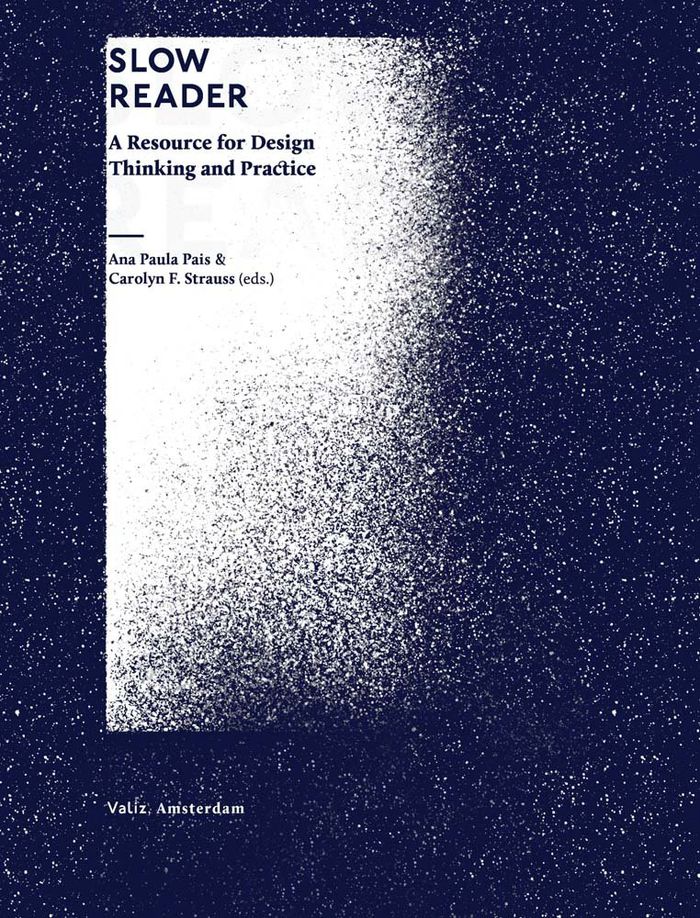
Slow reader: A resource for design thinking and practice
Actions:
Prix:
$42.95
(disponible en magasin)
Résumé:
This book consists of a collection of theoretical reflections and practical perspectives that offer a holistic vision of human activity in enduring, dynamic interaction with other living systems. Positioned as a ‘resource for design thinking and practice’, it challenges the paths through which contemporary design practitioners operate, offering alternative perspectives and an expanded palette of tools for addressing the complex web of interdependencies. The book is intended to inspire well beyond design fields, serving as a vehicle for reflection (re-)imagination and further investigation of ‘Slower’ approaches of living, individually and collectively, now and into the future.
Slow reader: A resource for design thinking and practice
Actions:
Prix:
$42.95
(disponible en magasin)
Résumé:
This book consists of a collection of theoretical reflections and practical perspectives that offer a holistic vision of human activity in enduring, dynamic interaction with other living systems. Positioned as a ‘resource for design thinking and practice’, it challenges the paths through which contemporary design practitioners operate, offering alternative perspectives and an expanded palette of tools for addressing the complex web of interdependencies. The book is intended to inspire well beyond design fields, serving as a vehicle for reflection (re-)imagination and further investigation of ‘Slower’ approaches of living, individually and collectively, now and into the future.
Classification:
livres
livres
Publication:
mai 2017
mai 2017
Sujet:
Théorie du design
Théorie du design
Classification:
livres
livres

Actions:
Prix:
$42.00
(disponible sur commande)
Résumé:
With this book, author Henry Petroski delves into the ongoing physical interaction between people and things that enables them to stay put or causes them to move. He explores the range of daily human experience whereby we feel the sensations of push and pull, resistance and assistance. The book is also about metaphorical force, which manifests itself as pressure and(...)
$42.00
(disponible sur commande)
Résumé:
With this book, author Henry Petroski delves into the ongoing physical interaction between people and things that enables them to stay put or causes them to move. He explores the range of daily human experience whereby we feel the sensations of push and pull, resistance and assistance. The book is also about metaphorical force, which manifests itself as pressure and(...)
Titre:
Force: What it means to push and pull, slip and grip, start and stop
Actions:
Prix:
$42.00
(disponible sur commande)
Résumé:
With this book, author Henry Petroski delves into the ongoing physical interaction between people and things that enables them to stay put or causes them to move. He explores the range of daily human experience whereby we feel the sensations of push and pull, resistance and assistance. The book is also about metaphorical force, which manifests itself as pressure and relief, achievement and defeat. Petroski draws from a variety of disciplines to make the case that force—represented especially by our sense of touch—is a unifying principle that pervades our lives. In the wake of a prolonged global pandemic that increasingly cautioned us about contact with the physical world, Petroski offers a new perspective on the importance of the sensation and power of touch.
Force: What it means to push and pull, slip and grip, start and stop
Actions:
Prix:
$42.00
(disponible sur commande)
Résumé:
With this book, author Henry Petroski delves into the ongoing physical interaction between people and things that enables them to stay put or causes them to move. He explores the range of daily human experience whereby we feel the sensations of push and pull, resistance and assistance. The book is also about metaphorical force, which manifests itself as pressure and relief, achievement and defeat. Petroski draws from a variety of disciplines to make the case that force—represented especially by our sense of touch—is a unifying principle that pervades our lives. In the wake of a prolonged global pandemic that increasingly cautioned us about contact with the physical world, Petroski offers a new perspective on the importance of the sensation and power of touch.
Classification:
livres
livres
Publication:
août 2022
août 2022
Sujet:
Théorie du design
Théorie du design
Classification:
livres
livres
Titre:
Communication, espace, image
Communication, espace, image
Actions:
Prix:
$23.00
(disponible sur commande)
Résumé:
La communication visuelle constitue aujourd'hui une partie fondamentale de notre expérience quotidienne. Les affiches dans la rue, les campagnes publicitaires, les images qui circulent entre nouveaux médias et médias traditionnels alimentent nos imaginaires, nos valeurs et nos actions. La sémiologue Giorgia Aiello nous propose une lecture engagée des images dans(...)
$23.00
(disponible sur commande)
Résumé:
La communication visuelle constitue aujourd'hui une partie fondamentale de notre expérience quotidienne. Les affiches dans la rue, les campagnes publicitaires, les images qui circulent entre nouveaux médias et médias traditionnels alimentent nos imaginaires, nos valeurs et nos actions. La sémiologue Giorgia Aiello nous propose une lecture engagée des images dans(...)
Titre:
Communication, espace, image
Actions:
Prix:
$23.00
(disponible sur commande)
Résumé:
La communication visuelle constitue aujourd'hui une partie fondamentale de notre expérience quotidienne. Les affiches dans la rue, les campagnes publicitaires, les images qui circulent entre nouveaux médias et médias traditionnels alimentent nos imaginaires, nos valeurs et nos actions. La sémiologue Giorgia Aiello nous propose une lecture engagée des images dans lesquelles nous sommes immergées au jour le jour. Les textes qui sont réunis dans cet ouvrage visent à complexifier nos visions et compréhensions des paysages sémiotiques qui peuplent nos espaces urbains. A travers l'analyse de différents exemples, de Starbucks à Getty Images, de Magnum Photo à Manifattura Tabacchi à Bologne, l'autrice nous propose une approche critique de l'esthétique mondialiste contemporaine.
Communication, espace, image
Actions:
Prix:
$23.00
(disponible sur commande)
Résumé:
La communication visuelle constitue aujourd'hui une partie fondamentale de notre expérience quotidienne. Les affiches dans la rue, les campagnes publicitaires, les images qui circulent entre nouveaux médias et médias traditionnels alimentent nos imaginaires, nos valeurs et nos actions. La sémiologue Giorgia Aiello nous propose une lecture engagée des images dans lesquelles nous sommes immergées au jour le jour. Les textes qui sont réunis dans cet ouvrage visent à complexifier nos visions et compréhensions des paysages sémiotiques qui peuplent nos espaces urbains. A travers l'analyse de différents exemples, de Starbucks à Getty Images, de Magnum Photo à Manifattura Tabacchi à Bologne, l'autrice nous propose une approche critique de l'esthétique mondialiste contemporaine.
Classification:
livres
livres
Publication:
avril 2022
avril 2022
Sujet:
Théorie du design
Théorie du design
Classification:
livres
livres
Actions:
Prix:
$54.00
(disponible sur commande)
Résumé:
Scandinavia is famous for its design culture, and for its pioneering efforts toward a sustainable future. In this volume, Kjetil Fallan shows how these two forces came together in the late 1960s and early 1970s, when Scandinavian designers began to question the endless cycle in which designed objects are produced, consumed, discarded, and replaced in quick succession. The(...)
$54.00
(disponible sur commande)
Résumé:
Scandinavia is famous for its design culture, and for its pioneering efforts toward a sustainable future. In this volume, Kjetil Fallan shows how these two forces came together in the late 1960s and early 1970s, when Scandinavian designers began to question the endless cycle in which designed objects are produced, consumed, discarded, and replaced in quick succession. The(...)
Titre:
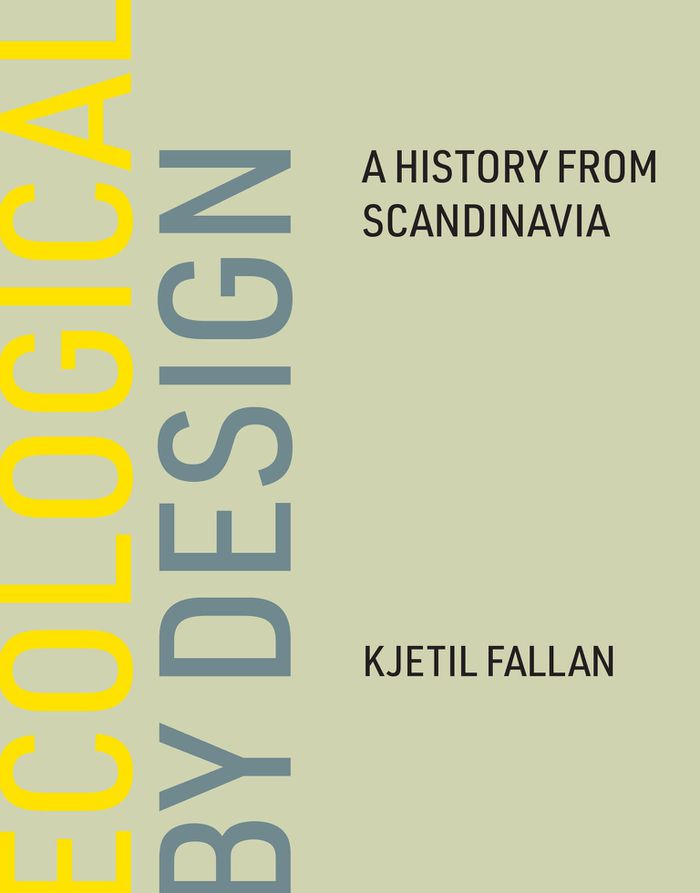
Ecological by design: A history from Scandinavia
Actions:
Prix:
$54.00
(disponible sur commande)
Résumé:
Scandinavia is famous for its design culture, and for its pioneering efforts toward a sustainable future. In this volume, Kjetil Fallan shows how these two forces came together in the late 1960s and early 1970s, when Scandinavian designers began to question the endless cycle in which designed objects are produced, consumed, discarded, and replaced in quick succession. The emergence of ecological design in Scandinavia at the height of the popular environmental movement, Fallan suggests, illuminates a little-known reciprocity between environmentalism and design: not only did design play a role in the rise of modern environmentalism, but ecological thinking influenced the transformation in design culture in Scandinavia and beyond that began as the modernist faith in progress and prosperity waned.
Ecological by design: A history from Scandinavia
Actions:
Prix:
$54.00
(disponible sur commande)
Résumé:
Scandinavia is famous for its design culture, and for its pioneering efforts toward a sustainable future. In this volume, Kjetil Fallan shows how these two forces came together in the late 1960s and early 1970s, when Scandinavian designers began to question the endless cycle in which designed objects are produced, consumed, discarded, and replaced in quick succession. The emergence of ecological design in Scandinavia at the height of the popular environmental movement, Fallan suggests, illuminates a little-known reciprocity between environmentalism and design: not only did design play a role in the rise of modern environmentalism, but ecological thinking influenced the transformation in design culture in Scandinavia and beyond that began as the modernist faith in progress and prosperity waned.
Classification:
livres
livres
Publication:
novembre 2022
novembre 2022
Sujet:
Théorie du design
Théorie du design
Classification:
livres
livres
Actions:
Prix:
$47.00
(disponible sur commande)
Résumé:
Renowned philosopher Susan Buck-Morss collaborates with Kevin McCaughey of Boot Boyz Biz and Adam Michaels of Inventory Press on this experimental image-text renewal of McLuhan, Berger and Benjamin. "Seeing <—> Making: Room for thought" both studies and presents the creative process of constructing ideas with images. By activating the techniques of montage and analogy,(...)
$47.00
(disponible sur commande)
Résumé:
Renowned philosopher Susan Buck-Morss collaborates with Kevin McCaughey of Boot Boyz Biz and Adam Michaels of Inventory Press on this experimental image-text renewal of McLuhan, Berger and Benjamin. "Seeing <—> Making: Room for thought" both studies and presents the creative process of constructing ideas with images. By activating the techniques of montage and analogy,(...)
Publication:
janvier 2024
janvier 2024
Titre:
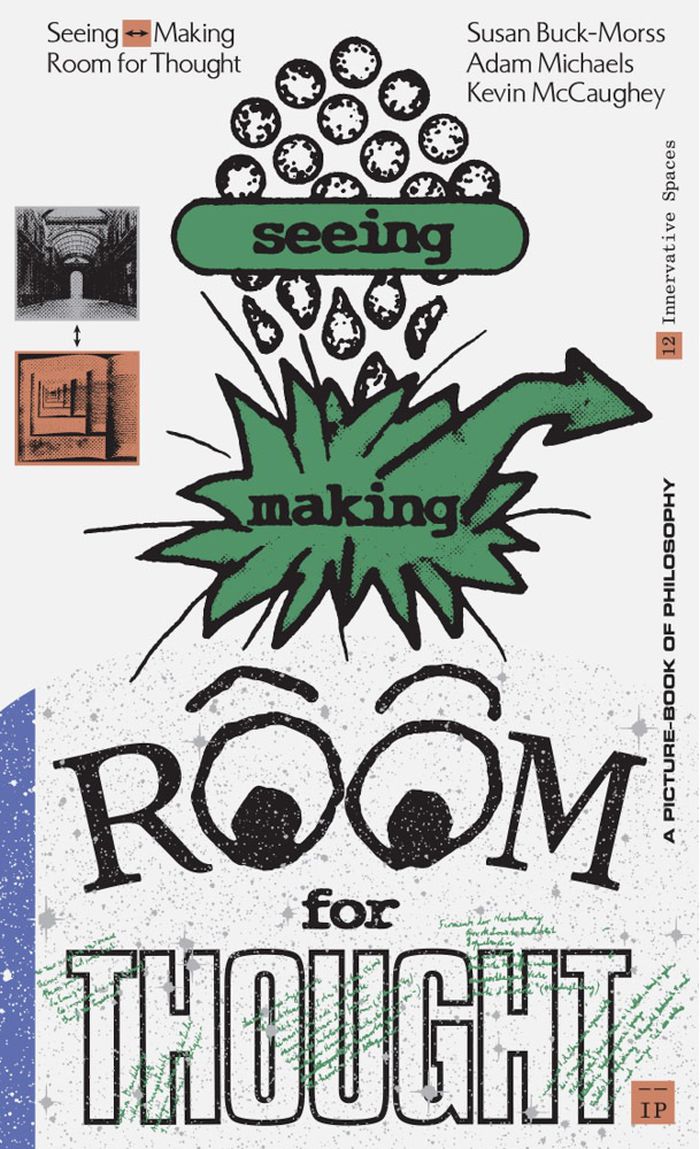
Seeing <—> Making: Room for thought
Actions:
Prix:
$47.00
(disponible sur commande)
Résumé:
Renowned philosopher Susan Buck-Morss collaborates with Kevin McCaughey of Boot Boyz Biz and Adam Michaels of Inventory Press on this experimental image-text renewal of McLuhan, Berger and Benjamin. "Seeing <—> Making: Room for thought" both studies and presents the creative process of constructing ideas with images. By activating the techniques of montage and analogy, the book reveals a wide field of view and a space to engage new critical connections between a multiplicity of objects from the past and present. Realized through an intergenerational collaboration of three cultural producers committed to making theory visible, a transformative anthology of critical essays by Susan Buck-Morss anchors this kaleidoscopic project. Images and ideas sync with Buck-Morss’ perceptive texts on visual culture, history, politics and aesthetics, fusing criticism with visual play and linking collective imagination and social action. In both design and content, "Seeing <—> Making: Room for thought" builds upon the dynamic sensorium of Marshall McLuhan and Quentin Fiore's book "The medium is the massage", Walter Benjamin's "Arcades" Project and John Berger's "Ways of seeing". This innovative volume brings Buck-Morss’ more experimental, visually engaged work to the fore in a way that has not been available in the usual contexts within which her writing has appeared.
Seeing <—> Making: Room for thought
Actions:
Prix:
$47.00
(disponible sur commande)
Résumé:
Renowned philosopher Susan Buck-Morss collaborates with Kevin McCaughey of Boot Boyz Biz and Adam Michaels of Inventory Press on this experimental image-text renewal of McLuhan, Berger and Benjamin. "Seeing <—> Making: Room for thought" both studies and presents the creative process of constructing ideas with images. By activating the techniques of montage and analogy, the book reveals a wide field of view and a space to engage new critical connections between a multiplicity of objects from the past and present. Realized through an intergenerational collaboration of three cultural producers committed to making theory visible, a transformative anthology of critical essays by Susan Buck-Morss anchors this kaleidoscopic project. Images and ideas sync with Buck-Morss’ perceptive texts on visual culture, history, politics and aesthetics, fusing criticism with visual play and linking collective imagination and social action. In both design and content, "Seeing <—> Making: Room for thought" builds upon the dynamic sensorium of Marshall McLuhan and Quentin Fiore's book "The medium is the massage", Walter Benjamin's "Arcades" Project and John Berger's "Ways of seeing". This innovative volume brings Buck-Morss’ more experimental, visually engaged work to the fore in a way that has not been available in the usual contexts within which her writing has appeared.
Classification:
livres
livres
Publication:
janvier 2024
janvier 2024


