


232 Résultats
Classification:
livres
livres
Actions:
Prix:
$39.95
(disponible sur commande)
Résumé:
From Leonardo da Vinci’s fantastic visions, to Richard Branson’s plans to offer commercial space travel by 2010, visionaries and entrepreneurs have long dreamed of how we will travel in the future. "Future tech: innovations in transportation" is a prescient look at how we will be moving forward over the coming decades. Whilst we are not yet travelling to work using(...)
$39.95
(disponible sur commande)
Résumé:
From Leonardo da Vinci’s fantastic visions, to Richard Branson’s plans to offer commercial space travel by 2010, visionaries and entrepreneurs have long dreamed of how we will travel in the future. "Future tech: innovations in transportation" is a prescient look at how we will be moving forward over the coming decades. Whilst we are not yet travelling to work using(...)
Titre:
Future tech : innovations in transportations
Actions:
Prix:
$39.95
(disponible sur commande)
Résumé:
From Leonardo da Vinci’s fantastic visions, to Richard Branson’s plans to offer commercial space travel by 2010, visionaries and entrepreneurs have long dreamed of how we will travel in the future. "Future tech: innovations in transportation" is a prescient look at how we will be moving forward over the coming decades. Whilst we are not yet travelling to work using jet-powered backpacks, the issue of transport in the future is becoming increasingly important. As roads have become more congested and the environment more fragile, the means of transport at our disposal seem less and less adequate. "Future tech" explores what designers and engineers around the globe are developing for the world of tomorrow. "Future tech" features prototypes already in the first stages of manufacture alongside more conceptual, speculative designs, as well as a history of mechanised transport and invention through the ages. There are chapters on public transport, road, air and water travel as well as personal mobility .
Future tech : innovations in transportations
Actions:
Prix:
$39.95
(disponible sur commande)
Résumé:
From Leonardo da Vinci’s fantastic visions, to Richard Branson’s plans to offer commercial space travel by 2010, visionaries and entrepreneurs have long dreamed of how we will travel in the future. "Future tech: innovations in transportation" is a prescient look at how we will be moving forward over the coming decades. Whilst we are not yet travelling to work using jet-powered backpacks, the issue of transport in the future is becoming increasingly important. As roads have become more congested and the environment more fragile, the means of transport at our disposal seem less and less adequate. "Future tech" explores what designers and engineers around the globe are developing for the world of tomorrow. "Future tech" features prototypes already in the first stages of manufacture alongside more conceptual, speculative designs, as well as a history of mechanised transport and invention through the ages. There are chapters on public transport, road, air and water travel as well as personal mobility .
Classification:
livres
livres
Publication:
juillet 2006, London
juillet 2006, London
Sujet:
Structures d’ingénierie
Structures d’ingénierie
Classification:
livres
livres
Prix:
$37.50
(disponible sur commande)
Résumé:
Drivers in the nation's capital face a host of hazards: high-speed traffic circles, presidential motorcades, jaywalking tourists, and bewildering signs that send unsuspecting motorists from the Lincoln Memorial into suburban Virginia in less than two minutes. And parking? Don't bet on it unless you're in the fast lane of the Capital Beltway during rush hour. Little(...)
$37.50
(disponible sur commande)
Résumé:
Drivers in the nation's capital face a host of hazards: high-speed traffic circles, presidential motorcades, jaywalking tourists, and bewildering signs that send unsuspecting motorists from the Lincoln Memorial into suburban Virginia in less than two minutes. And parking? Don't bet on it unless you're in the fast lane of the Capital Beltway during rush hour. Little(...)
Titre:
The Great Society subway : a history of the Washington Metro
Actions:
Prix:
$37.50
(disponible sur commande)
Résumé:
Drivers in the nation's capital face a host of hazards: high-speed traffic circles, presidential motorcades, jaywalking tourists, and bewildering signs that send unsuspecting motorists from the Lincoln Memorial into suburban Virginia in less than two minutes. And parking? Don't bet on it unless you're in the fast lane of the Capital Beltway during rush hour. Little wonder, then, that so many residents and visitors rely on the Washington Metro, the 106-mile rapid transit system that serves the District of Columbia and its inner suburbs. In the first comprehensive history of the Metro, Zachary M. Schrag tells the story of the Great Society subway from its earliest rumblings to the present day, from Arlington to College Park, Eisenhower to Marion Barry. Unlike the pre–World War II rail systems of New York, Chicago, and Philadelphia, the Metro was built at a time when most American families already owned cars, and when most American cities had dedicated themselves to freeways, not subways. Why did the nation's capital take a different path? What were the consequences of that decision? Using extensive archival research as well as oral history, Schrag argues that the Metro can be understood only in the political context from which it was born: the Great Society liberalism of the Kennedy, Johnson, and Nixon administrations. The Metro emerged from a period when Americans believed in public investments suited to the grandeur and dignity of the world's richest nation. The Metro was built not merely to move commuters, but in the words of Lyndon Johnson, to create "a place where the city of man serves not only the needs of the body and the demands of commerce but the desire for beauty and the hunger for community." Schrag scrutinizes the project from its earliest days, including general planning, routes, station architecture, funding decisions, land-use impacts, and the behavior of Metro riders. The story of the Great society subway sheds light on the development of metropolitan Washington, postwar urban policy, and the promises and limits of rail transit in American cities.
The Great Society subway : a history of the Washington Metro
Actions:
Prix:
$37.50
(disponible sur commande)
Résumé:
Drivers in the nation's capital face a host of hazards: high-speed traffic circles, presidential motorcades, jaywalking tourists, and bewildering signs that send unsuspecting motorists from the Lincoln Memorial into suburban Virginia in less than two minutes. And parking? Don't bet on it unless you're in the fast lane of the Capital Beltway during rush hour. Little wonder, then, that so many residents and visitors rely on the Washington Metro, the 106-mile rapid transit system that serves the District of Columbia and its inner suburbs. In the first comprehensive history of the Metro, Zachary M. Schrag tells the story of the Great Society subway from its earliest rumblings to the present day, from Arlington to College Park, Eisenhower to Marion Barry. Unlike the pre–World War II rail systems of New York, Chicago, and Philadelphia, the Metro was built at a time when most American families already owned cars, and when most American cities had dedicated themselves to freeways, not subways. Why did the nation's capital take a different path? What were the consequences of that decision? Using extensive archival research as well as oral history, Schrag argues that the Metro can be understood only in the political context from which it was born: the Great Society liberalism of the Kennedy, Johnson, and Nixon administrations. The Metro emerged from a period when Americans believed in public investments suited to the grandeur and dignity of the world's richest nation. The Metro was built not merely to move commuters, but in the words of Lyndon Johnson, to create "a place where the city of man serves not only the needs of the body and the demands of commerce but the desire for beauty and the hunger for community." Schrag scrutinizes the project from its earliest days, including general planning, routes, station architecture, funding decisions, land-use impacts, and the behavior of Metro riders. The story of the Great society subway sheds light on the development of metropolitan Washington, postwar urban policy, and the promises and limits of rail transit in American cities.
Classification:
livres
livres
Publication:
février 2006, Baltimore
février 2006, Baltimore
Sujet:
Structures d’ingénierie
Structures d’ingénierie
Classification:
livres
livres
Actions:
Prix:
$31.50
(disponible sur commande)
Résumé:
The Box tells the dramatic story of the container's creation, the decade of struggle before it was widely adopted, and the sweeping economic consequences of the sharp fall in transportation costs that containerization brought about. Published on the fiftieth anniversary of the first container voyage, this is the first comprehensive history of the shipping container(...)
$31.50
(disponible sur commande)
Résumé:
The Box tells the dramatic story of the container's creation, the decade of struggle before it was widely adopted, and the sweeping economic consequences of the sharp fall in transportation costs that containerization brought about. Published on the fiftieth anniversary of the first container voyage, this is the first comprehensive history of the shipping container(...)
Titre:
The box : how the shipping container made the world smaller and the world economy bigger
Actions:
Prix:
$31.50
(disponible sur commande)
Résumé:
The Box tells the dramatic story of the container's creation, the decade of struggle before it was widely adopted, and the sweeping economic consequences of the sharp fall in transportation costs that containerization brought about. Published on the fiftieth anniversary of the first container voyage, this is the first comprehensive history of the shipping container ever written. It recounts how the drive and imagination of an iconoclastic entrepreneur, Malcom McLean, turned containerization from an impractical idea into a massive industry that slashed the cost of transporting goods around the world.
The box : how the shipping container made the world smaller and the world economy bigger
Actions:
Prix:
$31.50
(disponible sur commande)
Résumé:
The Box tells the dramatic story of the container's creation, the decade of struggle before it was widely adopted, and the sweeping economic consequences of the sharp fall in transportation costs that containerization brought about. Published on the fiftieth anniversary of the first container voyage, this is the first comprehensive history of the shipping container ever written. It recounts how the drive and imagination of an iconoclastic entrepreneur, Malcom McLean, turned containerization from an impractical idea into a massive industry that slashed the cost of transporting goods around the world.
Classification:
livres
livres
Publication:
avril 2006, Princeton
avril 2006, Princeton
Sujet:
Structures d’ingénierie
Structures d’ingénierie
Classification:
livres
livres
Actions:
Prix:
$36.00
(disponible sur commande)
Résumé:
Like the onetime industrial facilities that have become Dia : Beacon, Mass MoCA and the Tate Modern, among other factory conversions, Berlin's Rummelsberg electric plant is characterized by wide expanses of brick, glass and, most importantly, space. Today, the huge power station with its extraordinary, light-filled hall can be rented for events and film production, but(...)
$36.00
(disponible sur commande)
Résumé:
Like the onetime industrial facilities that have become Dia : Beacon, Mass MoCA and the Tate Modern, among other factory conversions, Berlin's Rummelsberg electric plant is characterized by wide expanses of brick, glass and, most importantly, space. Today, the huge power station with its extraordinary, light-filled hall can be rented for events and film production, but(...)
Titre:
Power and energy : Power Plant Rummelsburg - Berlin
Actions:
Prix:
$36.00
(disponible sur commande)
Résumé:
Like the onetime industrial facilities that have become Dia : Beacon, Mass MoCA and the Tate Modern, among other factory conversions, Berlin's Rummelsberg electric plant is characterized by wide expanses of brick, glass and, most importantly, space. Today, the huge power station with its extraordinary, light-filled hall can be rented for events and film production, but its future is not secure. Power and Energies reutilization plans, which were conceived for a contest sponsored by Vattenfall Europe AG, come from architects, planners and conservationists alike, and are full of creative architectural solutions and innovative ideas. This volume combines essays on the history of the building with the entire range of plans submitted, including detailed documentation of prizewinning designs. Its models and ideas will entrance anyone considering the conversion of large historical buildings or examining the phenomenon.
Power and energy : Power Plant Rummelsburg - Berlin
Actions:
Prix:
$36.00
(disponible sur commande)
Résumé:
Like the onetime industrial facilities that have become Dia : Beacon, Mass MoCA and the Tate Modern, among other factory conversions, Berlin's Rummelsberg electric plant is characterized by wide expanses of brick, glass and, most importantly, space. Today, the huge power station with its extraordinary, light-filled hall can be rented for events and film production, but its future is not secure. Power and Energies reutilization plans, which were conceived for a contest sponsored by Vattenfall Europe AG, come from architects, planners and conservationists alike, and are full of creative architectural solutions and innovative ideas. This volume combines essays on the history of the building with the entire range of plans submitted, including detailed documentation of prizewinning designs. Its models and ideas will entrance anyone considering the conversion of large historical buildings or examining the phenomenon.
Classification:
livres
livres
Publication:
avril 2006, Berlin
avril 2006, Berlin
Sujet:
Structures d’ingénierie
Structures d’ingénierie
Classification:
livres
livres
Prix:
$51.00
(disponible sur commande)
Résumé:
Between 1998 and 2005, the Structural Engineers Association of New York, along with the Museum of Modern Art's Department of Architecture and Design and the School of Architecture at both Princeton University and MIT, co-sponsored a lecture series in honor of the renowned Spanish and Mexican structural engineer Felix Candela, who led the early exploration of concrete(...)
$51.00
(disponible sur commande)
Résumé:
Between 1998 and 2005, the Structural Engineers Association of New York, along with the Museum of Modern Art's Department of Architecture and Design and the School of Architecture at both Princeton University and MIT, co-sponsored a lecture series in honor of the renowned Spanish and Mexican structural engineer Felix Candela, who led the early exploration of concrete(...)
Titre:
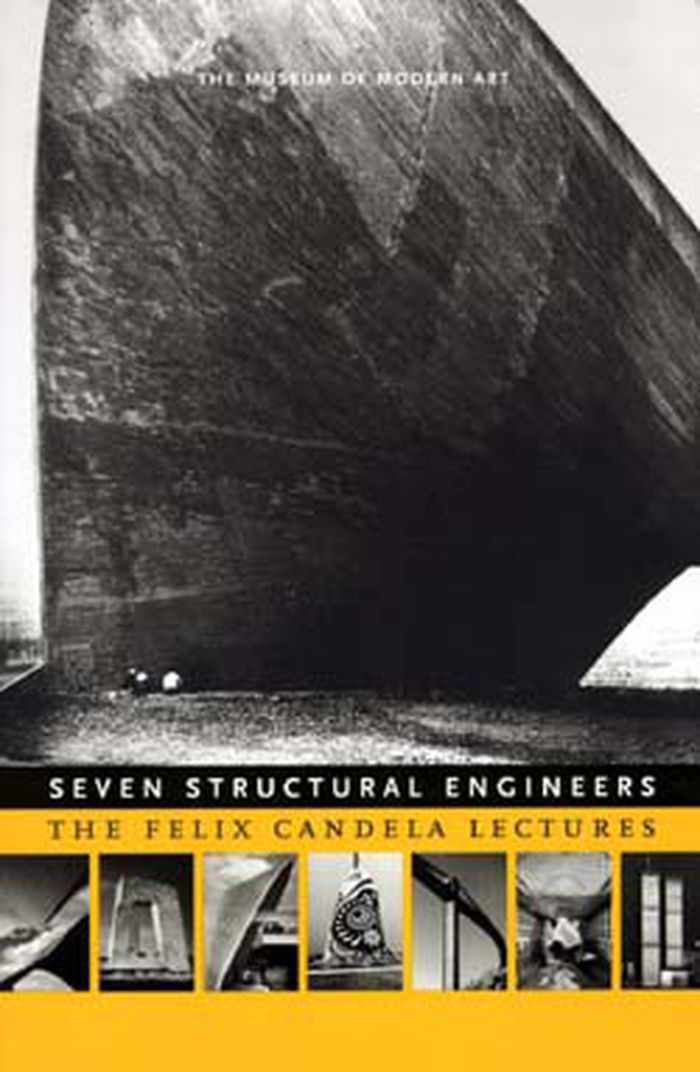
Seven structural engineers: the Felix Candela lectures
Actions:
Prix:
$51.00
(disponible sur commande)
Résumé:
Between 1998 and 2005, the Structural Engineers Association of New York, along with the Museum of Modern Art's Department of Architecture and Design and the School of Architecture at both Princeton University and MIT, co-sponsored a lecture series in honor of the renowned Spanish and Mexican structural engineer Felix Candela, who led the early exploration of concrete shell structures. These lectures are now available in the format of this book: discussed is the work of the Uruguayan engineer Eladio Dieste, who pioneered the use of thin, light-filled shell structures in masonry. Cecil Balmond recounts his collaboration with architects Rem Koolhaas and Daniel Libeskind. The Swiss bridge designer Christian Menn discusses his iconic long-span prestressed concrete bridges, including the new Charles River Bridge in Boston. Leslie E. Robertson, who is especially known for his work on the structural design of the World Trade Center complex with Minoru Yamasaki, discusses this design along with many other projects. Mamoru Kawaguchi recounts his own work in fabric structures and his collaboration with architects Kenzo Tange and Arata Isozaki. Joerg Schlaich talks about his creative collaboration with Frank Gehry. Heinz Isler's contribution is in the aerea of freeform concrete shell constructions. David Billington and Maria Garlock recount the work of master builders Anton Tedesko, Pier Luigi Nervi, Felix Candela, and Heinz Isler.
Seven structural engineers: the Felix Candela lectures
Actions:
Prix:
$51.00
(disponible sur commande)
Résumé:
Between 1998 and 2005, the Structural Engineers Association of New York, along with the Museum of Modern Art's Department of Architecture and Design and the School of Architecture at both Princeton University and MIT, co-sponsored a lecture series in honor of the renowned Spanish and Mexican structural engineer Felix Candela, who led the early exploration of concrete shell structures. These lectures are now available in the format of this book: discussed is the work of the Uruguayan engineer Eladio Dieste, who pioneered the use of thin, light-filled shell structures in masonry. Cecil Balmond recounts his collaboration with architects Rem Koolhaas and Daniel Libeskind. The Swiss bridge designer Christian Menn discusses his iconic long-span prestressed concrete bridges, including the new Charles River Bridge in Boston. Leslie E. Robertson, who is especially known for his work on the structural design of the World Trade Center complex with Minoru Yamasaki, discusses this design along with many other projects. Mamoru Kawaguchi recounts his own work in fabric structures and his collaboration with architects Kenzo Tange and Arata Isozaki. Joerg Schlaich talks about his creative collaboration with Frank Gehry. Heinz Isler's contribution is in the aerea of freeform concrete shell constructions. David Billington and Maria Garlock recount the work of master builders Anton Tedesko, Pier Luigi Nervi, Felix Candela, and Heinz Isler.
Classification:
livres
livres
Publication:
mai 2006, New York
mai 2006, New York
Sujet:
Structures d’ingénierie
Structures d’ingénierie
Classification:
livres
livres
Titre:
Findings on elasticity
Findings on elasticity
Actions:
Prix:
$55.00
(disponible sur commande)
Résumé:
What happens when one gives a simple rubber band to an architect, historian, choreographer, chemist, artist, mathematician, physicist, economist, anthropologist, and geologist and asks each of them for a statement on elasticity? The economist studies the elasticity of supply and demand of market forces. “The Pars Foundation” draws researchers out of their specialized(...)
$55.00
(disponible sur commande)
Résumé:
What happens when one gives a simple rubber band to an architect, historian, choreographer, chemist, artist, mathematician, physicist, economist, anthropologist, and geologist and asks each of them for a statement on elasticity? The economist studies the elasticity of supply and demand of market forces. “The Pars Foundation” draws researchers out of their specialized(...)
Titre:
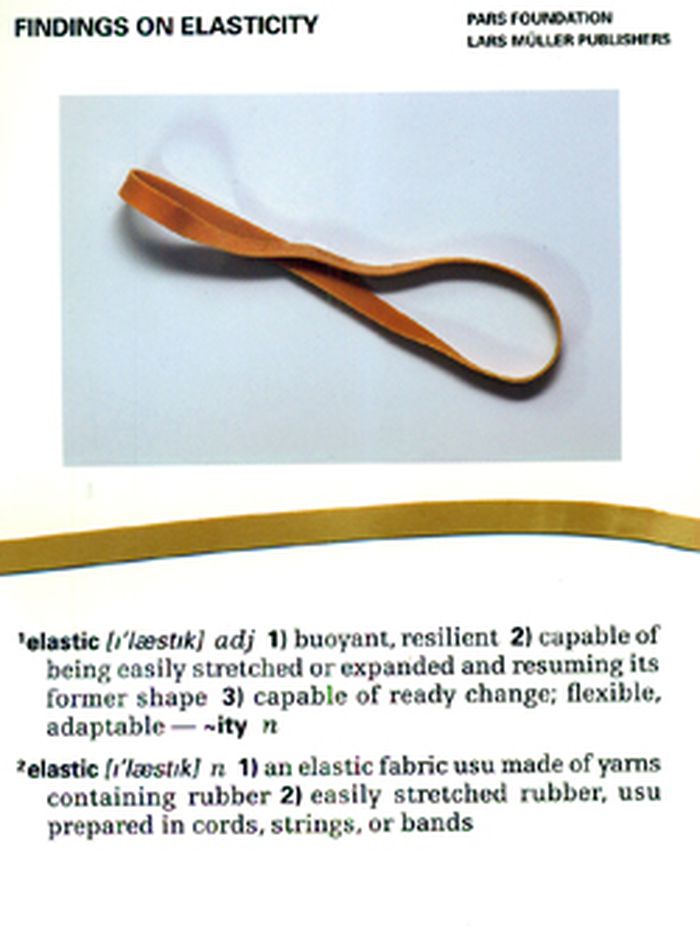
Findings on elasticity
Actions:
Prix:
$55.00
(disponible sur commande)
Résumé:
What happens when one gives a simple rubber band to an architect, historian, choreographer, chemist, artist, mathematician, physicist, economist, anthropologist, and geologist and asks each of them for a statement on elasticity? The economist studies the elasticity of supply and demand of market forces. “The Pars Foundation” draws researchers out of their specialized niches in order to publish their brilliant, crazy, important, or bewildering results and assembles them in this interdisciplinary volume. There are no guidelines for the form their contributions must take. It may be images, poems, essays, sketches, formulas or a piece of sculpture; the editors only ask that a contribution reect the respondent’s own field as well as his or her passion for the topic.
Findings on elasticity
Actions:
Prix:
$55.00
(disponible sur commande)
Résumé:
What happens when one gives a simple rubber band to an architect, historian, choreographer, chemist, artist, mathematician, physicist, economist, anthropologist, and geologist and asks each of them for a statement on elasticity? The economist studies the elasticity of supply and demand of market forces. “The Pars Foundation” draws researchers out of their specialized niches in order to publish their brilliant, crazy, important, or bewildering results and assembles them in this interdisciplinary volume. There are no guidelines for the form their contributions must take. It may be images, poems, essays, sketches, formulas or a piece of sculpture; the editors only ask that a contribution reect the respondent’s own field as well as his or her passion for the topic.
Classification:
livres
livres
Publication:
août 2009
août 2009
Classification:
livres
livres
Titre:
Prefabricated systems
Prefabricated systems
Actions:
Prix:
$44.95
(disponible sur commande)
Résumé:
For a number of years, modular construction - the use of prefabricated elements in architecture - has once again become a subject of lively discussion and debate. Long written off as monotonous, today's building components are actually highly differenciated and capable of supporting and enhancing the architect's creativity. Numerous structures work with prefabricated(...)
$44.95
(disponible sur commande)
Résumé:
For a number of years, modular construction - the use of prefabricated elements in architecture - has once again become a subject of lively discussion and debate. Long written off as monotonous, today's building components are actually highly differenciated and capable of supporting and enhancing the architect's creativity. Numerous structures work with prefabricated(...)
Titre:
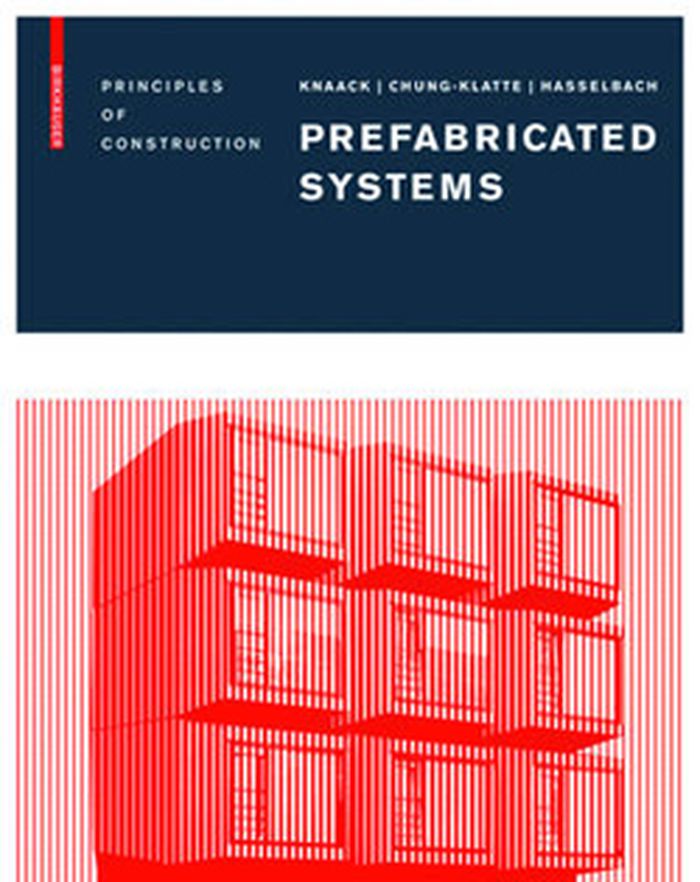
Prefabricated systems
Actions:
Prix:
$44.95
(disponible sur commande)
Résumé:
For a number of years, modular construction - the use of prefabricated elements in architecture - has once again become a subject of lively discussion and debate. Long written off as monotonous, today's building components are actually highly differenciated and capable of supporting and enhancing the architect's creativity. Numerous structures work with prefabricated components and modular systems are available the meet high aesthetic standards. This book provide an overview of the various systems and their possible applications, particularly in the areas of housing, office, and industrial buildings. It explains the processes and components of modular construction and documents examples of best practice. The authors offer strategies for planning and designing with prefabricated systems so that the architect can use them productively. Numerous drawings explain the principles of modular construction, while built projects forge a link between those principles and the practical activity of building.
Prefabricated systems
Actions:
Prix:
$44.95
(disponible sur commande)
Résumé:
For a number of years, modular construction - the use of prefabricated elements in architecture - has once again become a subject of lively discussion and debate. Long written off as monotonous, today's building components are actually highly differenciated and capable of supporting and enhancing the architect's creativity. Numerous structures work with prefabricated components and modular systems are available the meet high aesthetic standards. This book provide an overview of the various systems and their possible applications, particularly in the areas of housing, office, and industrial buildings. It explains the processes and components of modular construction and documents examples of best practice. The authors offer strategies for planning and designing with prefabricated systems so that the architect can use them productively. Numerous drawings explain the principles of modular construction, while built projects forge a link between those principles and the practical activity of building.
Classification:
livres
livres
Publication:
juillet 2010
juillet 2010
Sujet:
Structures d’ingénierie
Structures d’ingénierie
Classification:
livres
livres
Titre:
London's bridges
London's bridges
Actions:
Prix:
$30.00
(disponible sur commande)
Résumé:
Oft-overshadowed by the imposing buildings that line the River Thames, the bridges of London are an intriguing part of the capital, past and present. This book traces the history of all 33 Thames bridges within Greater London, exploring the fascinating architecture and unique stories from Hampton Court Bridge in the west to the iconic Tower Bridge in the east. Accompanied(...)
$30.00
(disponible sur commande)
Résumé:
Oft-overshadowed by the imposing buildings that line the River Thames, the bridges of London are an intriguing part of the capital, past and present. This book traces the history of all 33 Thames bridges within Greater London, exploring the fascinating architecture and unique stories from Hampton Court Bridge in the west to the iconic Tower Bridge in the east. Accompanied(...)
Titre:
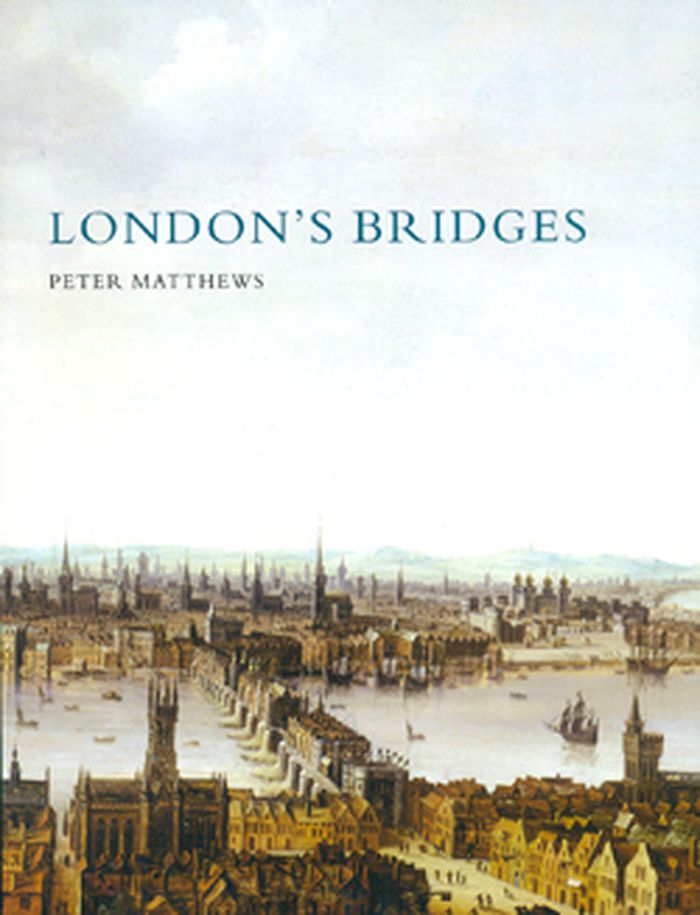
London's bridges
Actions:
Prix:
$30.00
(disponible sur commande)
Résumé:
Oft-overshadowed by the imposing buildings that line the River Thames, the bridges of London are an intriguing part of the capital, past and present. This book traces the history of all 33 Thames bridges within Greater London, exploring the fascinating architecture and unique stories from Hampton Court Bridge in the west to the iconic Tower Bridge in the east. Accompanied throughout by colour photographs of the present bridges, as well as detailed paintings and engravings of the earlier structures that once stood in their place, this is a fully illustrated and absorbing narrative for anyone with an interest in the history of London.
London's bridges
Actions:
Prix:
$30.00
(disponible sur commande)
Résumé:
Oft-overshadowed by the imposing buildings that line the River Thames, the bridges of London are an intriguing part of the capital, past and present. This book traces the history of all 33 Thames bridges within Greater London, exploring the fascinating architecture and unique stories from Hampton Court Bridge in the west to the iconic Tower Bridge in the east. Accompanied throughout by colour photographs of the present bridges, as well as detailed paintings and engravings of the earlier structures that once stood in their place, this is a fully illustrated and absorbing narrative for anyone with an interest in the history of London.
Classification:
livres
livres
Publication:
avril 2009
avril 2009
Sujet:
Structures d’ingénierie
Structures d’ingénierie
Classification:
livres
livres
Actions:
Prix:
$29.95
(disponible sur commande)
Résumé:
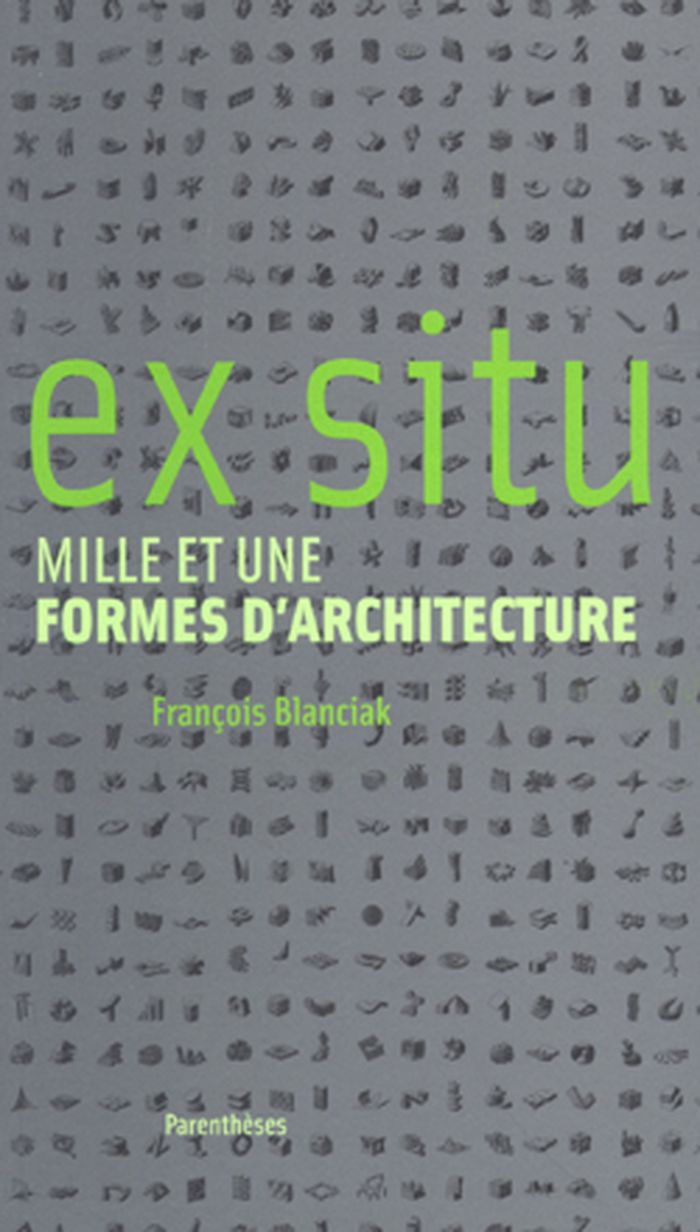
Que se passerait-il si les architectes libéraient leur esprit des contraintes de site, de programme et de budget? Premier manifeste du XXe siècle ou dernier-traité d'architecture, EX SITU est d'un nouveau genre. Mille et une formes de bâtiments et autant d'idées architecturales qui, défiant toute gravité, veulent croire en de nouvelles techniques de construction.
$29.95
(disponible sur commande)
Résumé:
Que se passerait-il si les architectes libéraient leur esprit des contraintes de site, de programme et de budget? Premier manifeste du XXe siècle ou dernier-traité d'architecture, EX SITU est d'un nouveau genre. Mille et une formes de bâtiments et autant d'idées architecturales qui, défiant toute gravité, veulent croire en de nouvelles techniques de construction.
Titre:
Ex-situ: mille et une formes d'architecture
Actions:
Prix:
$29.95
(disponible sur commande)
Résumé:
Que se passerait-il si les architectes libéraient leur esprit des contraintes de site, de programme et de budget? Premier manifeste du XXe siècle ou dernier-traité d'architecture, EX SITU est d'un nouveau genre. Mille et une formes de bâtiments et autant d'idées architecturales qui, défiant toute gravité, veulent croire en de nouvelles techniques de construction.
Ex-situ: mille et une formes d'architecture
Actions:
Prix:
$29.95
(disponible sur commande)
Résumé:
Que se passerait-il si les architectes libéraient leur esprit des contraintes de site, de programme et de budget? Premier manifeste du XXe siècle ou dernier-traité d'architecture, EX SITU est d'un nouveau genre. Mille et une formes de bâtiments et autant d'idées architecturales qui, défiant toute gravité, veulent croire en de nouvelles techniques de construction.
Classification:
livres
livres
Publication:
janvier 2009, Marseille
janvier 2009, Marseille
Sujet:
Structures d’ingénierie
Structures d’ingénierie
Classification:
livres
livres
Actions:
Prix:
$115.00
(disponible sur commande)
Résumé:
Werner Sobek has worked with his team throughout the world, building in Lima, Chicago, Limoges, Bangkok and Shanghai, and working together with architects such as Hans Hollein, Helmut Jahn, Christoph Ingenhoven, Finn Geipel and Alsop & Störmer. This(...)
$115.00
(disponible sur commande)
Résumé:
Werner Sobek has worked with his team throughout the world, building in Lima, Chicago, Limoges, Bangkok and Shanghai, and working together with architects such as Hans Hollein, Helmut Jahn, Christoph Ingenhoven, Finn Geipel and Alsop & Störmer. This(...)
Titre:
Werner Sobek : art of engineering
Actions:
Prix:
$115.00
(disponible sur commande)
Résumé:
Werner Sobek has worked with his team throughout the world, building in Lima, Chicago, Limoges, Bangkok and Shanghai, and working together with architects such as Hans Hollein, Helmut Jahn, Christoph Ingenhoven, Finn Geipel and Alsop & Störmer. This book provides the first fundamental overview of Werner Sobek's work, examining the most important projects of the last ten years. The technical innovation of his constructions is documented in precise plans and drawings, large format duotone photographs convey an extraordinary aesthetic impression.
Werner Sobek : art of engineering
Actions:
Prix:
$115.00
(disponible sur commande)
Résumé:
Werner Sobek has worked with his team throughout the world, building in Lima, Chicago, Limoges, Bangkok and Shanghai, and working together with architects such as Hans Hollein, Helmut Jahn, Christoph Ingenhoven, Finn Geipel and Alsop & Störmer. This book provides the first fundamental overview of Werner Sobek's work, examining the most important projects of the last ten years. The technical innovation of his constructions is documented in precise plans and drawings, large format duotone photographs convey an extraordinary aesthetic impression.
Classification:
livres
livres
Publication:
mai 1999, Basel
mai 1999, Basel
Sujet:
Structures d’ingénierie
Structures d’ingénierie


