


432 Résultats
Classification:
livres
livres

Titre:
Agriculture industrielle
Agriculture industrielle
Actions:
Prix:
$26.95
(disponible sur commande)
Résumé:
Pourquoi les agriculteurs sont-ils toujours poussés à s’endetter ? Pourquoi les techniques agricoles semblent-elles incapables de s’adapter au dérèglement climatique? Pourquoi des pratiques polluantes sont-elles devenues la norme ? Alors que l’agriculture contemporaine ne cesse d’être en crise, il devient urgent d’en comprendre les causes historiques structurelles, de(...)
$26.95
(disponible sur commande)
Résumé:
Pourquoi les agriculteurs sont-ils toujours poussés à s’endetter ? Pourquoi les techniques agricoles semblent-elles incapables de s’adapter au dérèglement climatique? Pourquoi des pratiques polluantes sont-elles devenues la norme ? Alors que l’agriculture contemporaine ne cesse d’être en crise, il devient urgent d’en comprendre les causes historiques structurelles, de(...)
Titre:
Agriculture industrielle
Actions:
Prix:
$26.95
(disponible sur commande)
Résumé:
Pourquoi les agriculteurs sont-ils toujours poussés à s’endetter ? Pourquoi les techniques agricoles semblent-elles incapables de s’adapter au dérèglement climatique? Pourquoi des pratiques polluantes sont-elles devenues la norme ? Alors que l’agriculture contemporaine ne cesse d’être en crise, il devient urgent d’en comprendre les causes historiques structurelles, de saisir les logiques capitalistes et industrielles qui écrasent les paysan·ne·s en laissant croire qu’un seul modèle agricole serait possible pour nourrir l’humanité. Jacques Caplat décrypte ce système délétère et dénonce l’imposture qui en est à l’origine. Il met en lumière les alternatives techniques et économiques qui existent, afin de dégager de nouveaux principes pour une agriculture réconciliée avec le vivant et les humains. Car une minorité de paysan·ne·s continuent à résister en France et à travers le monde. Il ne tient qu’à nous de les soutenir.
Agriculture industrielle
Actions:
Prix:
$26.95
(disponible sur commande)
Résumé:
Pourquoi les agriculteurs sont-ils toujours poussés à s’endetter ? Pourquoi les techniques agricoles semblent-elles incapables de s’adapter au dérèglement climatique? Pourquoi des pratiques polluantes sont-elles devenues la norme ? Alors que l’agriculture contemporaine ne cesse d’être en crise, il devient urgent d’en comprendre les causes historiques structurelles, de saisir les logiques capitalistes et industrielles qui écrasent les paysan·ne·s en laissant croire qu’un seul modèle agricole serait possible pour nourrir l’humanité. Jacques Caplat décrypte ce système délétère et dénonce l’imposture qui en est à l’origine. Il met en lumière les alternatives techniques et économiques qui existent, afin de dégager de nouveaux principes pour une agriculture réconciliée avec le vivant et les humains. Car une minorité de paysan·ne·s continuent à résister en France et à travers le monde. Il ne tient qu’à nous de les soutenir.
Classification:
livres
livres
Publication:
mai 2025
mai 2025
Classification:
livres
livres
Actions:
Prix:
$32.95
(disponible sur commande)
Résumé:
Avec le réchauffement de la planète, le rôle géopolitique du climat se réaffirme et change de nature. Les conditions climatiques participaient d'un aléatoire heureux ou malheureux qui contribuait à faire ou à défaire les civilisations et les empires. Quand l'aléatoire devient systématique, les cartes de la puissance sont rebattues et les questions se multiplient : qui de(...)
$32.95
(disponible sur commande)
Résumé:
Avec le réchauffement de la planète, le rôle géopolitique du climat se réaffirme et change de nature. Les conditions climatiques participaient d'un aléatoire heureux ou malheureux qui contribuait à faire ou à défaire les civilisations et les empires. Quand l'aléatoire devient systématique, les cartes de la puissance sont rebattues et les questions se multiplient : qui de(...)
Titre:
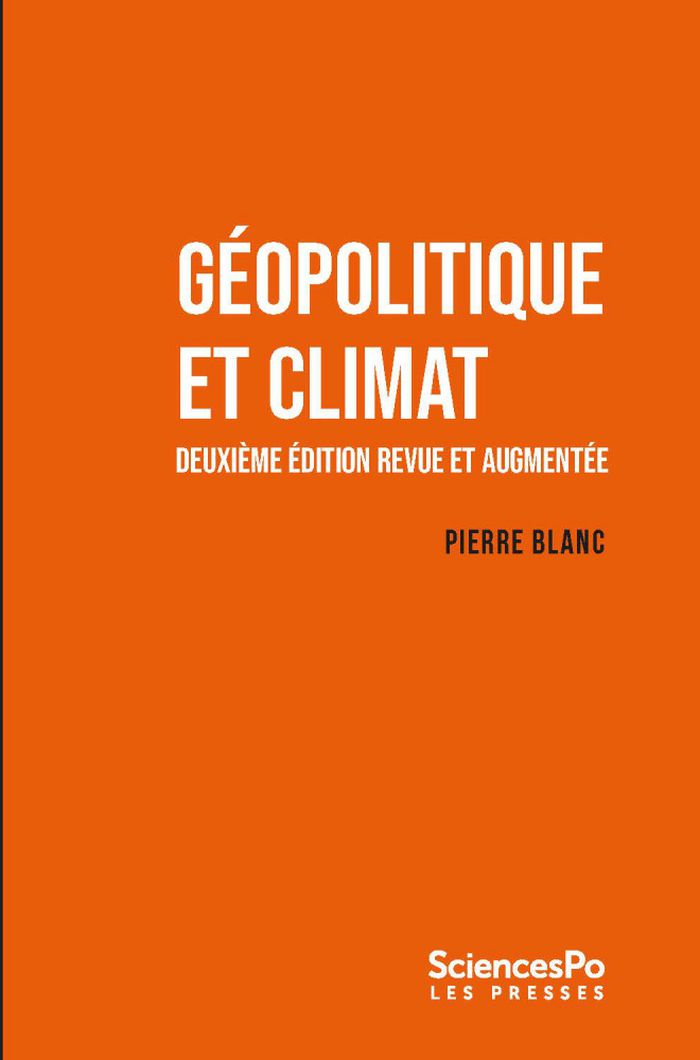
Géopolitique et climat (2e édition)
Actions:
Prix:
$32.95
(disponible sur commande)
Résumé:
Avec le réchauffement de la planète, le rôle géopolitique du climat se réaffirme et change de nature. Les conditions climatiques participaient d'un aléatoire heureux ou malheureux qui contribuait à faire ou à défaire les civilisations et les empires. Quand l'aléatoire devient systématique, les cartes de la puissance sont rebattues et les questions se multiplient : qui de la démocratie ou de l’autoritarisme lutte le mieux contre le changement climatique? Quelles insécurités humaines celui-ci renforce-t-il? Des guerres climatiques peuvent-elles se produire? Le basculement planétaire vers la décarbonation va-t-il reconfigurer les rapports de pouvoir? Quels seront les gagnants et les perdants de cette recomposition du monde?
Géopolitique et climat (2e édition)
Actions:
Prix:
$32.95
(disponible sur commande)
Résumé:
Avec le réchauffement de la planète, le rôle géopolitique du climat se réaffirme et change de nature. Les conditions climatiques participaient d'un aléatoire heureux ou malheureux qui contribuait à faire ou à défaire les civilisations et les empires. Quand l'aléatoire devient systématique, les cartes de la puissance sont rebattues et les questions se multiplient : qui de la démocratie ou de l’autoritarisme lutte le mieux contre le changement climatique? Quelles insécurités humaines celui-ci renforce-t-il? Des guerres climatiques peuvent-elles se produire? Le basculement planétaire vers la décarbonation va-t-il reconfigurer les rapports de pouvoir? Quels seront les gagnants et les perdants de cette recomposition du monde?
Classification:
livres
livres
Publication:
mai 2025
mai 2025
Classification:
livres
livres

Titre:
Carnage
Carnage
Actions:
Prix:
$18.95
(disponible en magasin)
Résumé:
Jean-Marc Gancille expose un tableau sans concession de la relation que l’être humain a nouée avec le monde animal, fondée sur la domination et l’exploitation. Sacrifices religieux, collections et commerce d’animaux sauvages, domestication, utilisation à des fins militaires ou pour des expériences de laboratoires, captivité forcée dans les zoos et aquariums, chasse et(...)
$18.95
(disponible en magasin)
Résumé:
Jean-Marc Gancille expose un tableau sans concession de la relation que l’être humain a nouée avec le monde animal, fondée sur la domination et l’exploitation. Sacrifices religieux, collections et commerce d’animaux sauvages, domestication, utilisation à des fins militaires ou pour des expériences de laboratoires, captivité forcée dans les zoos et aquariums, chasse et(...)
Publication:
mars 2025
mars 2025
Titre:
Carnage
Actions:
Prix:
$18.95
(disponible en magasin)
Résumé:
Jean-Marc Gancille expose un tableau sans concession de la relation que l’être humain a nouée avec le monde animal, fondée sur la domination et l’exploitation. Sacrifices religieux, collections et commerce d’animaux sauvages, domestication, utilisation à des fins militaires ou pour des expériences de laboratoires, captivité forcée dans les zoos et aquariums, chasse et pêche récréatives, élevage intensif ou surpêche, etc. On n’en finit pas d’établir la liste des formes qu’adopte l’anthropocentrisme. L’auteur démontre que ce carnage n’est pas seulement un éternel enfer pour les animaux, mais aussi une tragédie pour l’espèce humaine (en raison de la destruction des écosystèmes), une négation immorale d’êtres sentients et une supercherie de l’industrie agroalimentaire (qui entretient l’idée que la consommation de protéines animales serait nécessaire).
Carnage
Actions:
Prix:
$18.95
(disponible en magasin)
Résumé:
Jean-Marc Gancille expose un tableau sans concession de la relation que l’être humain a nouée avec le monde animal, fondée sur la domination et l’exploitation. Sacrifices religieux, collections et commerce d’animaux sauvages, domestication, utilisation à des fins militaires ou pour des expériences de laboratoires, captivité forcée dans les zoos et aquariums, chasse et pêche récréatives, élevage intensif ou surpêche, etc. On n’en finit pas d’établir la liste des formes qu’adopte l’anthropocentrisme. L’auteur démontre que ce carnage n’est pas seulement un éternel enfer pour les animaux, mais aussi une tragédie pour l’espèce humaine (en raison de la destruction des écosystèmes), une négation immorale d’êtres sentients et une supercherie de l’industrie agroalimentaire (qui entretient l’idée que la consommation de protéines animales serait nécessaire).
Classification:
livres
livres
Publication:
mars 2025
mars 2025
Classification:
livres
livres
Titre:
Decolonial environmentalisms: Climate justice and speculative futures in Latinx cultural production
Decolonial environmentalisms: Climate justice and speculative futures in Latinx cultural production
Actions:
Prix:
$43.95
(disponible en magasin)
Résumé:
In "Decolonial environmentalisms", David Vázquez argues that the mainstream environmental movement is implicated in racial capitalism, not least through its ignorance of environmental justice as it pertains to Latinx people. Through close readings of eco-minded novels, films, visual art, and short stories by Chicanx, Puerto Rican, Dominican, Cuban American, Peruvian, and(...)
$43.95
(disponible en magasin)
Résumé:
In "Decolonial environmentalisms", David Vázquez argues that the mainstream environmental movement is implicated in racial capitalism, not least through its ignorance of environmental justice as it pertains to Latinx people. Through close readings of eco-minded novels, films, visual art, and short stories by Chicanx, Puerto Rican, Dominican, Cuban American, Peruvian, and(...)
Publication:
juillet 2025
juillet 2025
Titre:
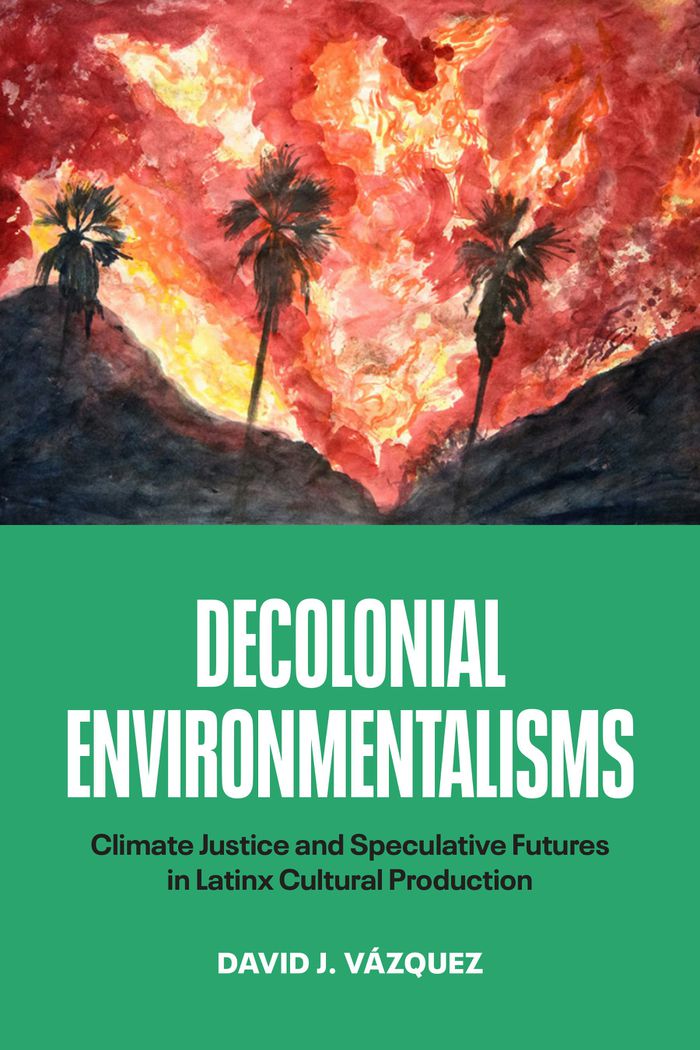
Decolonial environmentalisms: Climate justice and speculative futures in Latinx cultural production
Actions:
Prix:
$43.95
(disponible en magasin)
Résumé:
In "Decolonial environmentalisms", David Vázquez argues that the mainstream environmental movement is implicated in racial capitalism, not least through its ignorance of environmental justice as it pertains to Latinx people. Through close readings of eco-minded novels, films, visual art, and short stories by Chicanx, Puerto Rican, Dominican, Cuban American, Peruvian, and Central American culture makers, Vázquez surfaces diverse Latinx visions for an equitable and sustainable humanity. In the creations of Helena María Viramontes, Ester Hernández, Salvador Plascencia, the printmaking collective Dominican York Proyecto GRAFICA, and others, Vázquez locates a bracing critique of racist elisions and assumptions in hegemonic environmentalist thought.
Decolonial environmentalisms: Climate justice and speculative futures in Latinx cultural production
Actions:
Prix:
$43.95
(disponible en magasin)
Résumé:
In "Decolonial environmentalisms", David Vázquez argues that the mainstream environmental movement is implicated in racial capitalism, not least through its ignorance of environmental justice as it pertains to Latinx people. Through close readings of eco-minded novels, films, visual art, and short stories by Chicanx, Puerto Rican, Dominican, Cuban American, Peruvian, and Central American culture makers, Vázquez surfaces diverse Latinx visions for an equitable and sustainable humanity. In the creations of Helena María Viramontes, Ester Hernández, Salvador Plascencia, the printmaking collective Dominican York Proyecto GRAFICA, and others, Vázquez locates a bracing critique of racist elisions and assumptions in hegemonic environmentalist thought.
Classification:
livres
livres
Publication:
juillet 2025
juillet 2025
Classification:
livres
livres
Actions:
Prix:
$33.95
(disponible sur commande)
Résumé:
Human societies have always been deeply interconnected with our ecosystems, but today those relationships are witnessing greater frictions, tensions, and harms than ever before. These dynamics mirror those experienced by marginalized communities across the planet, but they also provide a foundation for transformative thinking and action to address these challenges. In(...)
$33.95
(disponible sur commande)
Résumé:
Human societies have always been deeply interconnected with our ecosystems, but today those relationships are witnessing greater frictions, tensions, and harms than ever before. These dynamics mirror those experienced by marginalized communities across the planet, but they also provide a foundation for transformative thinking and action to address these challenges. In(...)
Publication:
juillet 2025
juillet 2025
Titre:
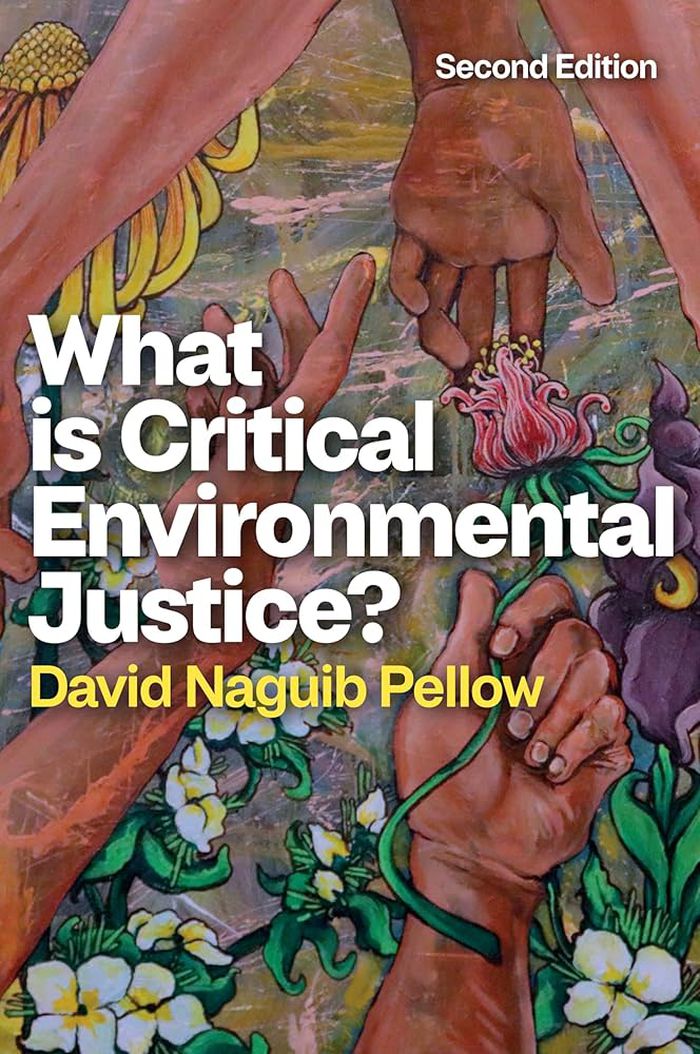
What is critical environmental justice? 2nd edition
Actions:
Prix:
$33.95
(disponible sur commande)
Résumé:
Human societies have always been deeply interconnected with our ecosystems, but today those relationships are witnessing greater frictions, tensions, and harms than ever before. These dynamics mirror those experienced by marginalized communities across the planet, but they also provide a foundation for transformative thinking and action to address these challenges. In this updated edition of his innovative contribution, David Naguib Pellow introduces a new framework for critically analyzing Environmental Justice scholarship and activism. In doing so he extends the field’s focus to topics not usually associated with environmental justice, including policing, incarceration, the Israel/Palestine conflict, and the Black Lives Matter movement, revealing that ecological violence is first and foremost a form of social violence, driven by and legitimated by social structures and discourses.
What is critical environmental justice? 2nd edition
Actions:
Prix:
$33.95
(disponible sur commande)
Résumé:
Human societies have always been deeply interconnected with our ecosystems, but today those relationships are witnessing greater frictions, tensions, and harms than ever before. These dynamics mirror those experienced by marginalized communities across the planet, but they also provide a foundation for transformative thinking and action to address these challenges. In this updated edition of his innovative contribution, David Naguib Pellow introduces a new framework for critically analyzing Environmental Justice scholarship and activism. In doing so he extends the field’s focus to topics not usually associated with environmental justice, including policing, incarceration, the Israel/Palestine conflict, and the Black Lives Matter movement, revealing that ecological violence is first and foremost a form of social violence, driven by and legitimated by social structures and discourses.
Classification:
livres
livres
Publication:
juillet 2025
juillet 2025
Classification:
livres
livres

Prix:
$38.95
(disponible sur commande)
Résumé:
Les mobilités sont l'un des premiers facteurs d'émission de gaz à effet de serre en France, et surtout le seul dont les émissions ne baissent pas, du fait d'un usage massif de la voiture thermique. Les propositions fusent pour parvenir à sa diminution ? : voiture électrique, vélo, transports publics, sobriété. Il y a cependant de très bonnes raisons de douter que ces(...)
$38.95
(disponible sur commande)
Résumé:
Les mobilités sont l'un des premiers facteurs d'émission de gaz à effet de serre en France, et surtout le seul dont les émissions ne baissent pas, du fait d'un usage massif de la voiture thermique. Les propositions fusent pour parvenir à sa diminution ? : voiture électrique, vélo, transports publics, sobriété. Il y a cependant de très bonnes raisons de douter que ces(...)
Publication:
mai 2025
mai 2025
Titre:
Réussir la décarbonation des mobilités dans les territoires
Actions:
Prix:
$38.95
(disponible sur commande)
Résumé:
Les mobilités sont l'un des premiers facteurs d'émission de gaz à effet de serre en France, et surtout le seul dont les émissions ne baissent pas, du fait d'un usage massif de la voiture thermique. Les propositions fusent pour parvenir à sa diminution ? : voiture électrique, vélo, transports publics, sobriété. Il y a cependant de très bonnes raisons de douter que ces solutions seules produiront l'effet attendu. Ce n'est pas parce que l'intention est bonne que le résultat sera au rendez-vous. Rassemblant un ingénieur, un physicien, un économiste, un géographe et un spécialiste du développement territorial, ce livre montre que décarboner les mobilités exige une vision d'ensemble et prendra du temps. S'il existe bien des solutions pour des mobilités bas carbone, il faut qu'elles soient acceptables par la société, et finançables.
Réussir la décarbonation des mobilités dans les territoires
Actions:
Prix:
$38.95
(disponible sur commande)
Résumé:
Les mobilités sont l'un des premiers facteurs d'émission de gaz à effet de serre en France, et surtout le seul dont les émissions ne baissent pas, du fait d'un usage massif de la voiture thermique. Les propositions fusent pour parvenir à sa diminution ? : voiture électrique, vélo, transports publics, sobriété. Il y a cependant de très bonnes raisons de douter que ces solutions seules produiront l'effet attendu. Ce n'est pas parce que l'intention est bonne que le résultat sera au rendez-vous. Rassemblant un ingénieur, un physicien, un économiste, un géographe et un spécialiste du développement territorial, ce livre montre que décarboner les mobilités exige une vision d'ensemble et prendra du temps. S'il existe bien des solutions pour des mobilités bas carbone, il faut qu'elles soient acceptables par la société, et finançables.
Classification:
livres
livres
Publication:
mai 2025
mai 2025
Classification:
livres
livres
Prix:
$27.95
(disponible sur commande)
Résumé:
Loin de se limiter à un simple état des lieux, les auteurs de ce recueil de textes ont comme objectif de répondre aux trois questions suivantes : « Peut-on résister? Pourquoi résister? Comment résister? ». La civilisation industrielle est en train de détruire la Terre ; le nier, c'est subir la domination d'une idéologie dont l'ambition est d'annihiler le vivant ou de le(...)
$27.95
(disponible sur commande)
Résumé:
Loin de se limiter à un simple état des lieux, les auteurs de ce recueil de textes ont comme objectif de répondre aux trois questions suivantes : « Peut-on résister? Pourquoi résister? Comment résister? ». La civilisation industrielle est en train de détruire la Terre ; le nier, c'est subir la domination d'une idéologie dont l'ambition est d'annihiler le vivant ou de le(...)
Titre:
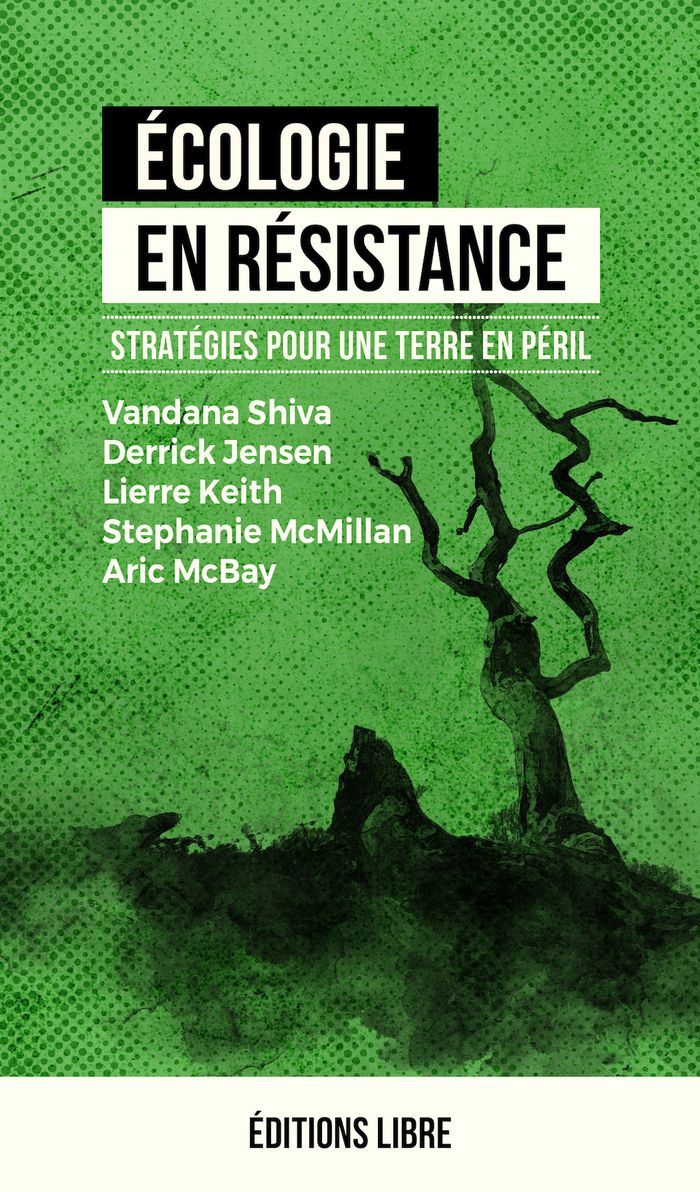
Écologie en résistance : Stratégies pour une terre en péril
Actions:
Prix:
$27.95
(disponible sur commande)
Résumé:
Loin de se limiter à un simple état des lieux, les auteurs de ce recueil de textes ont comme objectif de répondre aux trois questions suivantes : « Peut-on résister? Pourquoi résister? Comment résister? ». La civilisation industrielle est en train de détruire la Terre ; le nier, c'est subir la domination d'une idéologie dont l'ambition est d'annihiler le vivant ou de le réduire en esclavage. Ce recueil de discussions porte sur le changement de stratégie et de tactiques qui doit se produire si nous voulons construire une résistance efficace. Il y est question d'interposer nos corps et nos existences entre le système industriel et toute vie sur la planète. Il y est question de contre-attaque.
Écologie en résistance : Stratégies pour une terre en péril
Actions:
Prix:
$27.95
(disponible sur commande)
Résumé:
Loin de se limiter à un simple état des lieux, les auteurs de ce recueil de textes ont comme objectif de répondre aux trois questions suivantes : « Peut-on résister? Pourquoi résister? Comment résister? ». La civilisation industrielle est en train de détruire la Terre ; le nier, c'est subir la domination d'une idéologie dont l'ambition est d'annihiler le vivant ou de le réduire en esclavage. Ce recueil de discussions porte sur le changement de stratégie et de tactiques qui doit se produire si nous voulons construire une résistance efficace. Il y est question d'interposer nos corps et nos existences entre le système industriel et toute vie sur la planète. Il y est question de contre-attaque.
Classification:
livres
livres
Publication:
juin 2025
juin 2025
Classification:
livres
livres
Actions:
Prix:
$14.95
(disponible sur commande)
Résumé:
Aujourd'hui, chacun se réclame de l'écologie. On la prétend « au-delà des clivages politiques », « ni de droite ni de gauche », et cela ouvre la voie à toutes les récupérations.Prenant le contrepied de ces tartufferies, ce livre montre au contraire en quoi l'écologie politique, qui met au centre de ses valeurs l'autonomie et l'attention aux autres, est fondamentalement(...)
$14.95
(disponible sur commande)
Résumé:
Aujourd'hui, chacun se réclame de l'écologie. On la prétend « au-delà des clivages politiques », « ni de droite ni de gauche », et cela ouvre la voie à toutes les récupérations.Prenant le contrepied de ces tartufferies, ce livre montre au contraire en quoi l'écologie politique, qui met au centre de ses valeurs l'autonomie et l'attention aux autres, est fondamentalement(...)
Titre:
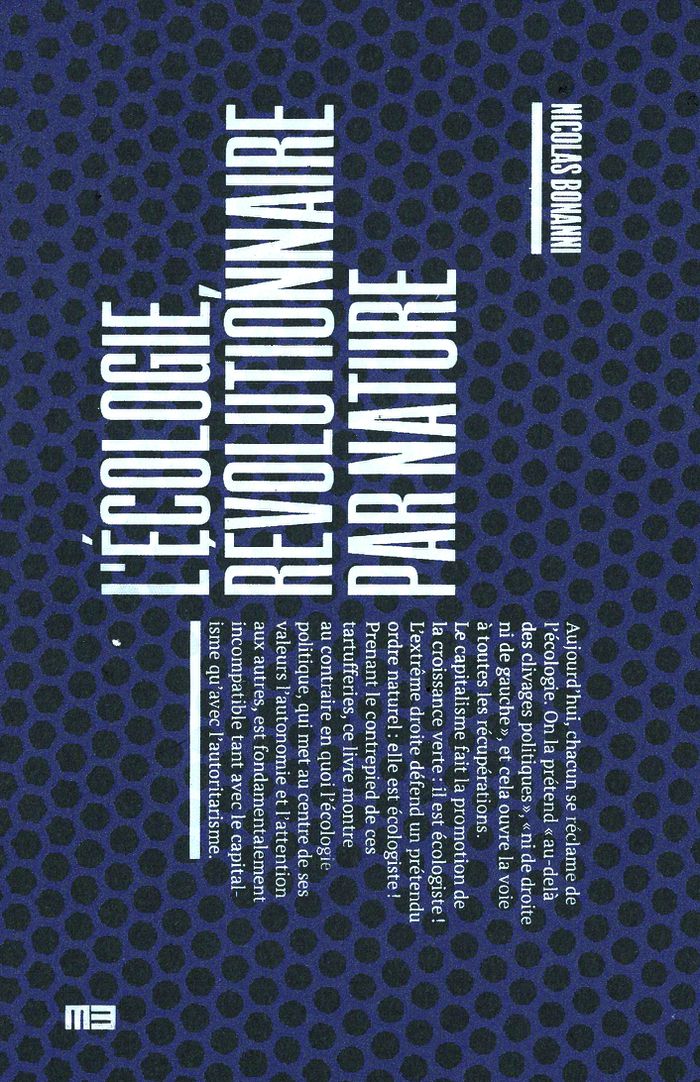
L'écologie, révolutionnaire par nature
Actions:
Prix:
$14.95
(disponible sur commande)
Résumé:
Aujourd'hui, chacun se réclame de l'écologie. On la prétend « au-delà des clivages politiques », « ni de droite ni de gauche », et cela ouvre la voie à toutes les récupérations.Prenant le contrepied de ces tartufferies, ce livre montre au contraire en quoi l'écologie politique, qui met au centre de ses valeurs l'autonomie et l'attention aux autres, est fondamentalement incompatible tant avec le capitalisme qu'avec l'autoritarisme.
L'écologie, révolutionnaire par nature
Actions:
Prix:
$14.95
(disponible sur commande)
Résumé:
Aujourd'hui, chacun se réclame de l'écologie. On la prétend « au-delà des clivages politiques », « ni de droite ni de gauche », et cela ouvre la voie à toutes les récupérations.Prenant le contrepied de ces tartufferies, ce livre montre au contraire en quoi l'écologie politique, qui met au centre de ses valeurs l'autonomie et l'attention aux autres, est fondamentalement incompatible tant avec le capitalisme qu'avec l'autoritarisme.
Classification:
livres
livres
Publication:
juin 2025
juin 2025
Classification:
livres
livres
Titre:
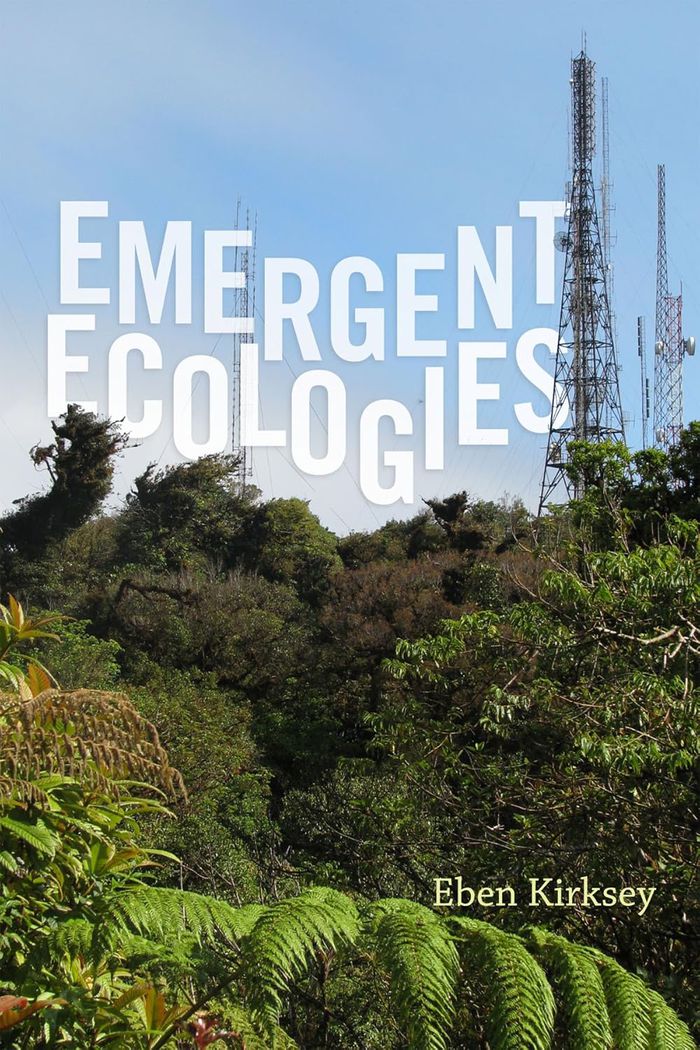
Emergent ecologies
Emergent ecologies
Actions:
Prix:
$45.95
(disponible sur commande)
Résumé:
In an era of global warming, natural disasters, endangered species, and devastating pollution, contemporary writing on the environment largely focuses on doomsday scenarios. Eben Kirksey suggests we reject such apocalyptic thinking and instead find possibilities in the wreckage of ongoing disasters, as symbiotic associations of opportunistic plants, animals, and microbes(...)
$45.95
(disponible sur commande)
Résumé:
In an era of global warming, natural disasters, endangered species, and devastating pollution, contemporary writing on the environment largely focuses on doomsday scenarios. Eben Kirksey suggests we reject such apocalyptic thinking and instead find possibilities in the wreckage of ongoing disasters, as symbiotic associations of opportunistic plants, animals, and microbes(...)
Titre:
Emergent ecologies
Actions:
Prix:
$45.95
(disponible sur commande)
Résumé:
In an era of global warming, natural disasters, endangered species, and devastating pollution, contemporary writing on the environment largely focuses on doomsday scenarios. Eben Kirksey suggests we reject such apocalyptic thinking and instead find possibilities in the wreckage of ongoing disasters, as symbiotic associations of opportunistic plants, animals, and microbes are flourishing in unexpected places. Emergent Ecologies uses artwork and contemporary philosophy to illustrate hopeful opportunities and reframe key problems in conservation biology such as invasive species, extinction, environmental management, and reforestation. Following the flight of capital and nomadic forms of life-through fragmented landscapes of Panama, Costa Rica, and the United States-Kirksey explores how chance encounters, historical accidents, and parasitic invasions have shaped present and future multispecies communities.
Emergent ecologies
Actions:
Prix:
$45.95
(disponible sur commande)
Résumé:
In an era of global warming, natural disasters, endangered species, and devastating pollution, contemporary writing on the environment largely focuses on doomsday scenarios. Eben Kirksey suggests we reject such apocalyptic thinking and instead find possibilities in the wreckage of ongoing disasters, as symbiotic associations of opportunistic plants, animals, and microbes are flourishing in unexpected places. Emergent Ecologies uses artwork and contemporary philosophy to illustrate hopeful opportunities and reframe key problems in conservation biology such as invasive species, extinction, environmental management, and reforestation. Following the flight of capital and nomadic forms of life-through fragmented landscapes of Panama, Costa Rica, and the United States-Kirksey explores how chance encounters, historical accidents, and parasitic invasions have shaped present and future multispecies communities.
Classification:
livres
livres
Publication:
novembre 2015
novembre 2015
Classification:
livres
livres

Actions:
Prix:
$22.95
(disponible sur commande)
Résumé:
Qui peut dire qu’il a été formé à l’écologie ? Et à quelle écologie ? Entre sciences dites humaines et sciences dites naturelles, l’écologie à l’université est-elle en train de recomposer l’ordre établi des savoirs – ou de promouvoir une « transition écologique » qui est avant tout une vaste relance industrielle ? Issu d’une enquête de 3 ans, ce livre offre un état des(...)
$22.95
(disponible sur commande)
Résumé:
Qui peut dire qu’il a été formé à l’écologie ? Et à quelle écologie ? Entre sciences dites humaines et sciences dites naturelles, l’écologie à l’université est-elle en train de recomposer l’ordre établi des savoirs – ou de promouvoir une « transition écologique » qui est avant tout une vaste relance industrielle ? Issu d’une enquête de 3 ans, ce livre offre un état des(...)
Publication:
avril 2025
avril 2025
Titre:
Mais qui enseigne l'écologie ? : petit manuel de résistance académique
Actions:
Prix:
$22.95
(disponible sur commande)
Résumé:
Qui peut dire qu’il a été formé à l’écologie ? Et à quelle écologie ? Entre sciences dites humaines et sciences dites naturelles, l’écologie à l’université est-elle en train de recomposer l’ordre établi des savoirs – ou de promouvoir une « transition écologique » qui est avant tout une vaste relance industrielle ? Issu d’une enquête de 3 ans, ce livre offre un état des lieux critique sur la place de l’écologie dans les mondes de la recherche et de l’enseignement. À l’heure où le gouvernement français organise la standardisation de l’enseignement à la « transition », ce livre est un outil de résistance pour nourrir le débat entre sciences et humanités, entre écologie et décarbonation, entre profs et étudiant·es. Une enquête pour accompagner l’invention des savoirs et des enseignements écologiques de demain.
Mais qui enseigne l'écologie ? : petit manuel de résistance académique
Actions:
Prix:
$22.95
(disponible sur commande)
Résumé:
Qui peut dire qu’il a été formé à l’écologie ? Et à quelle écologie ? Entre sciences dites humaines et sciences dites naturelles, l’écologie à l’université est-elle en train de recomposer l’ordre établi des savoirs – ou de promouvoir une « transition écologique » qui est avant tout une vaste relance industrielle ? Issu d’une enquête de 3 ans, ce livre offre un état des lieux critique sur la place de l’écologie dans les mondes de la recherche et de l’enseignement. À l’heure où le gouvernement français organise la standardisation de l’enseignement à la « transition », ce livre est un outil de résistance pour nourrir le débat entre sciences et humanités, entre écologie et décarbonation, entre profs et étudiant·es. Une enquête pour accompagner l’invention des savoirs et des enseignements écologiques de demain.
Classification:
livres
livres
Publication:
avril 2025
avril 2025


