


432 Résultats
Classification:
livres
livres
Prix:
$32.95
(disponible sur commande)
Résumé:
Comment se loger autrement et comment se nourrir différemment, demain, pour que nos façons de vivre soient compatibles avec le respect des limites planétaires? Ce sont les questions que nous avons posées à des architectes, bailleurs, urbanistes, élus, acteurs engagés, professionnels de la restauration, spécialistes de l’opinion, experts et sociologues pour nous aider à(...)
$32.95
(disponible sur commande)
Résumé:
Comment se loger autrement et comment se nourrir différemment, demain, pour que nos façons de vivre soient compatibles avec le respect des limites planétaires? Ce sont les questions que nous avons posées à des architectes, bailleurs, urbanistes, élus, acteurs engagés, professionnels de la restauration, spécialistes de l’opinion, experts et sociologues pour nous aider à(...)
Publication:
novembre 2024
novembre 2024
Titre:
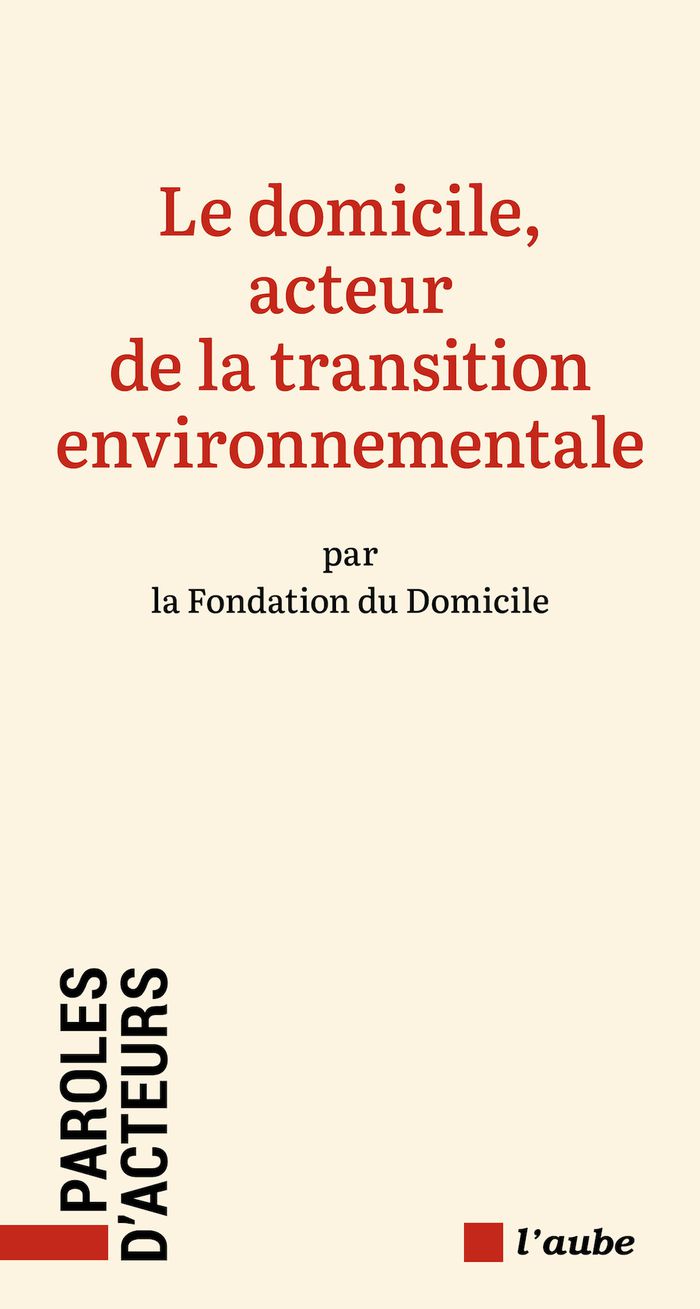
Le domicile, acteur de la transition environnementale
Actions:
Prix:
$32.95
(disponible sur commande)
Résumé:
Comment se loger autrement et comment se nourrir différemment, demain, pour que nos façons de vivre soient compatibles avec le respect des limites planétaires? Ce sont les questions que nous avons posées à des architectes, bailleurs, urbanistes, élus, acteurs engagés, professionnels de la restauration, spécialistes de l’opinion, experts et sociologues pour nous aider à penser la double question de l’écologie du domicile et de l’écologie à domicile. Avec une ambition : trouver la juste articulation entre l’engagement citoyen dans son cadre le plus quotidien et les dispositifs collectifs qui permettront de faire du domicile un levier de la transition environnementale.
Le domicile, acteur de la transition environnementale
Actions:
Prix:
$32.95
(disponible sur commande)
Résumé:
Comment se loger autrement et comment se nourrir différemment, demain, pour que nos façons de vivre soient compatibles avec le respect des limites planétaires? Ce sont les questions que nous avons posées à des architectes, bailleurs, urbanistes, élus, acteurs engagés, professionnels de la restauration, spécialistes de l’opinion, experts et sociologues pour nous aider à penser la double question de l’écologie du domicile et de l’écologie à domicile. Avec une ambition : trouver la juste articulation entre l’engagement citoyen dans son cadre le plus quotidien et les dispositifs collectifs qui permettront de faire du domicile un levier de la transition environnementale.
Classification:
livres
livres
Publication:
novembre 2024
novembre 2024
Classification:
livres
livres

Titre:
Polluer, c'est coloniser
Polluer, c'est coloniser
Actions:
Prix:
$45.95
(disponible en magasin)
Résumé:
Salué comme incontournable dès sa parution en anglais, Polluer, c’est coloniser est d’abord un livre de méthode, qui cherche à définir une éthique, une manière collective d’être au monde. Au fil d’une enquête sur l’histoire, la conception et la réglementation de la pollution engendrée par les plastiques, il montre que cette dernière n’est pas une expression ou un effet du(...)
$45.95
(disponible en magasin)
Résumé:
Salué comme incontournable dès sa parution en anglais, Polluer, c’est coloniser est d’abord un livre de méthode, qui cherche à définir une éthique, une manière collective d’être au monde. Au fil d’une enquête sur l’histoire, la conception et la réglementation de la pollution engendrée par les plastiques, il montre que cette dernière n’est pas une expression ou un effet du(...)
Publication:
décembre 2024
décembre 2024
Titre:
Polluer, c'est coloniser
Actions:
Prix:
$45.95
(disponible en magasin)
Résumé:
Salué comme incontournable dès sa parution en anglais, Polluer, c’est coloniser est d’abord un livre de méthode, qui cherche à définir une éthique, une manière collective d’être au monde. Au fil d’une enquête sur l’histoire, la conception et la réglementation de la pollution engendrée par les plastiques, il montre que cette dernière n’est pas une expression ou un effet du colonialisme mais la mise en œuvre de rapports coloniaux à la terre, rapports que peuvent involontairement reproduire des militant·es et des scientifiques animé·es des meilleures intentions. Mais, éthique ne voulant pas dire leçon de morale, l’ouvrage rejette les jugements expéditifs et les idées toutes faites. La clé réside dans l’attention aux lieux : parce qu’une méthode est toujours située, inscrite dans des relations particulières à des territoires, elle est investie d’une responsabilité particulière vis-à-vis d’eux. S’appuyant sur un travail mené à Terre-Neuve-et-Labrador, Max Liboiron propose de bâtir une science anticoloniale, avec le double souci d’échapper aux cadres de pensée uniformisants et de livrer des enseignements dont d’autres, ailleurs, pourront s’emparer.
Polluer, c'est coloniser
Actions:
Prix:
$45.95
(disponible en magasin)
Résumé:
Salué comme incontournable dès sa parution en anglais, Polluer, c’est coloniser est d’abord un livre de méthode, qui cherche à définir une éthique, une manière collective d’être au monde. Au fil d’une enquête sur l’histoire, la conception et la réglementation de la pollution engendrée par les plastiques, il montre que cette dernière n’est pas une expression ou un effet du colonialisme mais la mise en œuvre de rapports coloniaux à la terre, rapports que peuvent involontairement reproduire des militant·es et des scientifiques animé·es des meilleures intentions. Mais, éthique ne voulant pas dire leçon de morale, l’ouvrage rejette les jugements expéditifs et les idées toutes faites. La clé réside dans l’attention aux lieux : parce qu’une méthode est toujours située, inscrite dans des relations particulières à des territoires, elle est investie d’une responsabilité particulière vis-à-vis d’eux. S’appuyant sur un travail mené à Terre-Neuve-et-Labrador, Max Liboiron propose de bâtir une science anticoloniale, avec le double souci d’échapper aux cadres de pensée uniformisants et de livrer des enseignements dont d’autres, ailleurs, pourront s’emparer.
Classification:
livres
livres
Publication:
décembre 2024
décembre 2024
Classification:
livres
livres
Actions:
Prix:
$40.95
(disponible sur commande)
Résumé:
L’environnementalisme qui entend adapter la nature aux exigences de la société capitaliste, comme l’écologie autoritaire qui prétend imposer la sobriété au monde échoueront parce qu’elles continuent d’opposer la nature et la société. En restant prisonniers de cette dualité, nous ignorons que les mauvais traitements infligés à la nature sont le résultat des dominations(...)
$40.95
(disponible sur commande)
Résumé:
L’environnementalisme qui entend adapter la nature aux exigences de la société capitaliste, comme l’écologie autoritaire qui prétend imposer la sobriété au monde échoueront parce qu’elles continuent d’opposer la nature et la société. En restant prisonniers de cette dualité, nous ignorons que les mauvais traitements infligés à la nature sont le résultat des dominations(...)
Publication:
octobre 2024
octobre 2024
Titre:
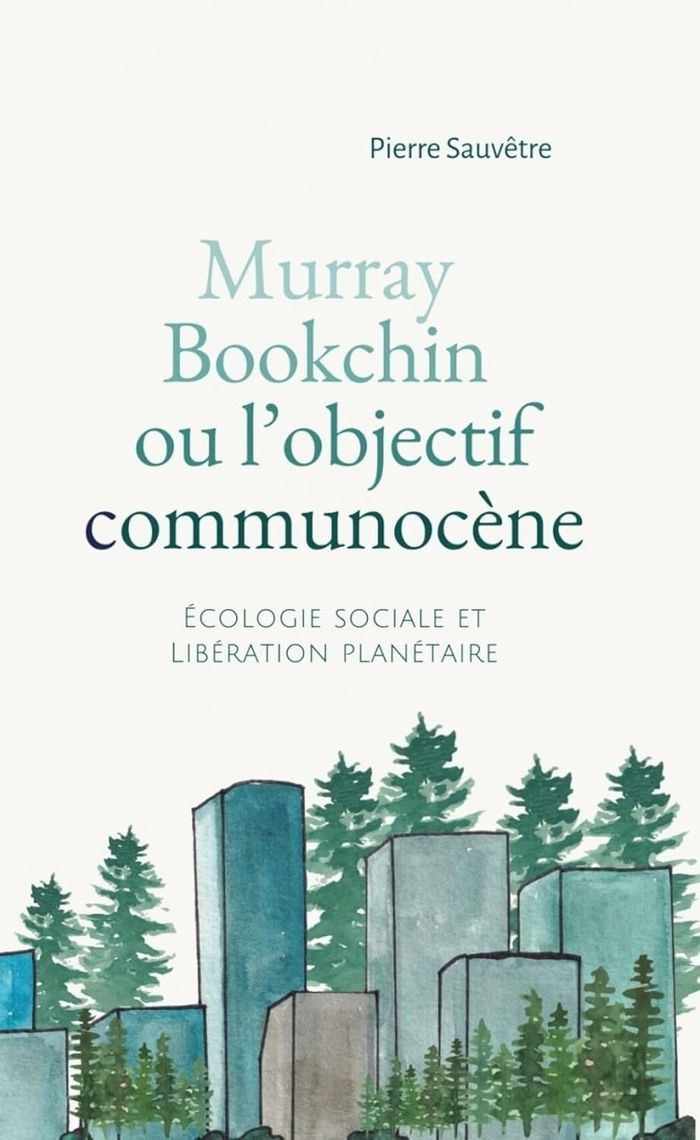
Murray Bookchin ou l'objectif communocène
Actions:
Prix:
$40.95
(disponible sur commande)
Résumé:
L’environnementalisme qui entend adapter la nature aux exigences de la société capitaliste, comme l’écologie autoritaire qui prétend imposer la sobriété au monde échoueront parce qu’elles continuent d’opposer la nature et la société. En restant prisonniers de cette dualité, nous ignorons que les mauvais traitements infligés à la nature sont le résultat des dominations internes à la société humaine. Il ne saurait donc y avoir d’écologie sans transformation de la société par elle-même. Tel est le dépassement qu’opère Murray Bookchin ouvrier syndicaliste, activiste libertaire et intellectuel autodidacte – en théorisant l’écologie sociale. Ce livre présente et approfondit cette révolution intellectuelle pour en tirer toutes les conséquences pratiques et politiques : décentralisation des métropoles, écologisation de l’économie, démocratie directe, etc.
Murray Bookchin ou l'objectif communocène
Actions:
Prix:
$40.95
(disponible sur commande)
Résumé:
L’environnementalisme qui entend adapter la nature aux exigences de la société capitaliste, comme l’écologie autoritaire qui prétend imposer la sobriété au monde échoueront parce qu’elles continuent d’opposer la nature et la société. En restant prisonniers de cette dualité, nous ignorons que les mauvais traitements infligés à la nature sont le résultat des dominations internes à la société humaine. Il ne saurait donc y avoir d’écologie sans transformation de la société par elle-même. Tel est le dépassement qu’opère Murray Bookchin ouvrier syndicaliste, activiste libertaire et intellectuel autodidacte – en théorisant l’écologie sociale. Ce livre présente et approfondit cette révolution intellectuelle pour en tirer toutes les conséquences pratiques et politiques : décentralisation des métropoles, écologisation de l’économie, démocratie directe, etc.
Classification:
livres
livres
Publication:
octobre 2024
octobre 2024
Classification:
livres
livres

Titre:
Penser forêt, édition poche
Penser forêt, édition poche
Actions:
Prix:
$24.95
(disponible sur commande)
Résumé:
Nul ne l’ignore : les forêts sont en danger. Mais répondre aux défis climatiques et écologiques hérités de nos usages destructeurs de la nature ne pourra se faire sans diagnostic commun sur lequel peut reposer un dialogue démocratique apaisé. À partir des dernières connaissances, ce livre rassemble les clés pour comprendre ce qui se joue vraiment en forêt pour notre(...)
$24.95
(disponible sur commande)
Résumé:
Nul ne l’ignore : les forêts sont en danger. Mais répondre aux défis climatiques et écologiques hérités de nos usages destructeurs de la nature ne pourra se faire sans diagnostic commun sur lequel peut reposer un dialogue démocratique apaisé. À partir des dernières connaissances, ce livre rassemble les clés pour comprendre ce qui se joue vraiment en forêt pour notre(...)
Publication:
janvier 2025
janvier 2025
Titre:
Penser forêt, édition poche
Actions:
Prix:
$24.95
(disponible sur commande)
Résumé:
Nul ne l’ignore : les forêts sont en danger. Mais répondre aux défis climatiques et écologiques hérités de nos usages destructeurs de la nature ne pourra se faire sans diagnostic commun sur lequel peut reposer un dialogue démocratique apaisé. À partir des dernières connaissances, ce livre rassemble les clés pour comprendre ce qui se joue vraiment en forêt pour notre société. Il répond à des questions simples : nos usages sont-ils responsables? Quel avenir pour le bois? Quelle politique mener alors que la forêt nous oblige à penser sur le long terme dans une société qui a fait de l’immédiateté le principal étalon de l’efficacité? Les auteurs du livre nous invitent chacun à penser nos actions – pour les générations futures. Car une chose est sûre : l’humanité sans forêt n’a pas d’avenir.
Penser forêt, édition poche
Actions:
Prix:
$24.95
(disponible sur commande)
Résumé:
Nul ne l’ignore : les forêts sont en danger. Mais répondre aux défis climatiques et écologiques hérités de nos usages destructeurs de la nature ne pourra se faire sans diagnostic commun sur lequel peut reposer un dialogue démocratique apaisé. À partir des dernières connaissances, ce livre rassemble les clés pour comprendre ce qui se joue vraiment en forêt pour notre société. Il répond à des questions simples : nos usages sont-ils responsables? Quel avenir pour le bois? Quelle politique mener alors que la forêt nous oblige à penser sur le long terme dans une société qui a fait de l’immédiateté le principal étalon de l’efficacité? Les auteurs du livre nous invitent chacun à penser nos actions – pour les générations futures. Car une chose est sûre : l’humanité sans forêt n’a pas d’avenir.
Classification:
livres
livres
Publication:
janvier 2025
janvier 2025
Classification:
livres
livres
Titre:
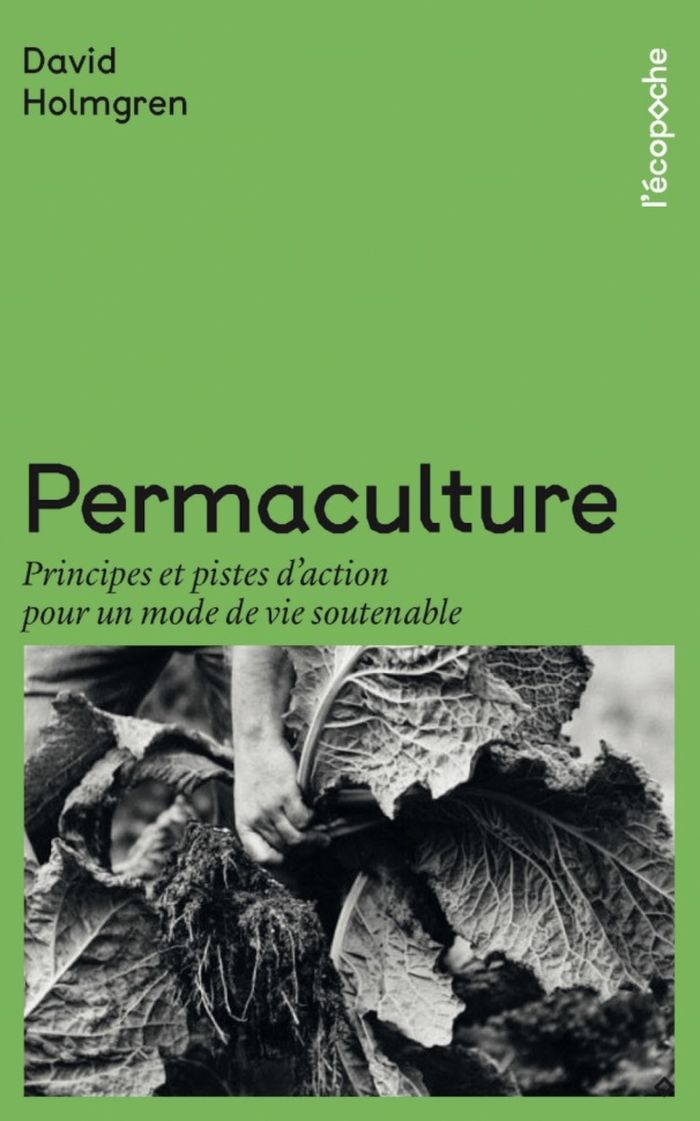
Permaculture, n.é.
Permaculture, n.é.
Actions:
Prix:
$29.95
(disponible en magasin)
Résumé:
Comment vivre dans le respect des limites et des ressources de la nature? Alors que la production mondiale de pétrole a atteint son maximum et que c’en est désormais fini des énergies fossiles bon marché, la permaculture constitue une réponse pragmatique aux enjeux de notre époque. Elle utilise la pensée systémique pour « élaborer en toute conscience des paysages qui(...)
$29.95
(disponible en magasin)
Résumé:
Comment vivre dans le respect des limites et des ressources de la nature? Alors que la production mondiale de pétrole a atteint son maximum et que c’en est désormais fini des énergies fossiles bon marché, la permaculture constitue une réponse pragmatique aux enjeux de notre époque. Elle utilise la pensée systémique pour « élaborer en toute conscience des paysages qui(...)
Publication:
janvier 2025
janvier 2025
Titre:
Permaculture, n.é.
Actions:
Prix:
$29.95
(disponible en magasin)
Résumé:
Comment vivre dans le respect des limites et des ressources de la nature? Alors que la production mondiale de pétrole a atteint son maximum et que c’en est désormais fini des énergies fossiles bon marché, la permaculture constitue une réponse pragmatique aux enjeux de notre époque. Elle utilise la pensée systémique pour « élaborer en toute conscience des paysages qui imitent les schémas et les relations observés dans la nature et fournissent en abondance nourriture, fibres et énergie afin de subvenir aux besoins locaux ». En quatre décennies, la permaculture est devenue un mouvement international, apportant une contribution pratique au débat sur la soutenabilité.
Permaculture, n.é.
Actions:
Prix:
$29.95
(disponible en magasin)
Résumé:
Comment vivre dans le respect des limites et des ressources de la nature? Alors que la production mondiale de pétrole a atteint son maximum et que c’en est désormais fini des énergies fossiles bon marché, la permaculture constitue une réponse pragmatique aux enjeux de notre époque. Elle utilise la pensée systémique pour « élaborer en toute conscience des paysages qui imitent les schémas et les relations observés dans la nature et fournissent en abondance nourriture, fibres et énergie afin de subvenir aux besoins locaux ». En quatre décennies, la permaculture est devenue un mouvement international, apportant une contribution pratique au débat sur la soutenabilité.
Classification:
livres
livres
Publication:
janvier 2025
janvier 2025
Classification:
livres
livres

Prix:
$24.95
(disponible sur commande)
Résumé:
Cet ouvrage présente les éléments d’économie politique qui ont servi de grille d’analyse à de nombreux travaux écrits ou co-écrits par les auteurs au cours des vingt dernières années sur le bloc bourgeois. S’il permet de dissiper certains malentendus et autres simplifications qui ont pu circuler à propos de ces travaux, il présente surtout en détail les principaux(...)
$24.95
(disponible sur commande)
Résumé:
Cet ouvrage présente les éléments d’économie politique qui ont servi de grille d’analyse à de nombreux travaux écrits ou co-écrits par les auteurs au cours des vingt dernières années sur le bloc bourgeois. S’il permet de dissiper certains malentendus et autres simplifications qui ont pu circuler à propos de ces travaux, il présente surtout en détail les principaux(...)
Titre:
L'eau, une affaire d'état : Enquête sur le renoncement écologique
Actions:
Prix:
$24.95
(disponible sur commande)
Résumé:
Cet ouvrage présente les éléments d’économie politique qui ont servi de grille d’analyse à de nombreux travaux écrits ou co-écrits par les auteurs au cours des vingt dernières années sur le bloc bourgeois. S’il permet de dissiper certains malentendus et autres simplifications qui ont pu circuler à propos de ces travaux, il présente surtout en détail les principaux éléments théoriques de leur cadre d’analyse : les relations entre l’économie et le politique, la constitution des blocs sociaux, les différentes composantes de la domination, la façon dont les institutions régulent temporairement et imparfaitement le conflit social. L’ouvrage propose aussi une définition de différents types de crise qui peuvent caractériser une dynamique sociale : crise politique, crise de l’architecture institutionnelle, crise d’hégémonie.
L'eau, une affaire d'état : Enquête sur le renoncement écologique
Actions:
Prix:
$24.95
(disponible sur commande)
Résumé:
Cet ouvrage présente les éléments d’économie politique qui ont servi de grille d’analyse à de nombreux travaux écrits ou co-écrits par les auteurs au cours des vingt dernières années sur le bloc bourgeois. S’il permet de dissiper certains malentendus et autres simplifications qui ont pu circuler à propos de ces travaux, il présente surtout en détail les principaux éléments théoriques de leur cadre d’analyse : les relations entre l’économie et le politique, la constitution des blocs sociaux, les différentes composantes de la domination, la façon dont les institutions régulent temporairement et imparfaitement le conflit social. L’ouvrage propose aussi une définition de différents types de crise qui peuvent caractériser une dynamique sociale : crise politique, crise de l’architecture institutionnelle, crise d’hégémonie.
Classification:
livres
livres
Publication:
janvier 2025
janvier 2025
Classification:
livres
livres
Titre:
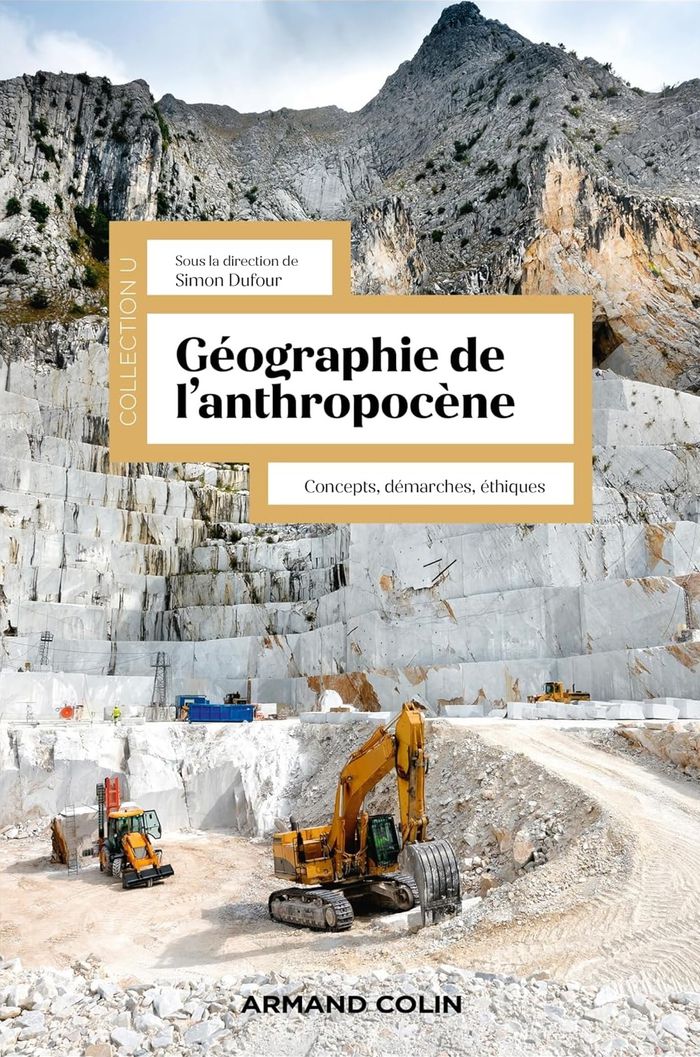
Géographie de l'anthropocène
Géographie de l'anthropocène
Actions:
Prix:
$57.95
(disponible sur commande)
Résumé:
Réchauffement climatique, érosion de la biodiversité, épuisement des ressources, acidification des océans... autant de changements environnementaux liés aux activités humaines dont l’ampleur et la globalité représentent un défi pour l’espèce humaine : Comment analyser ces changements ? Comment agir ? À quelles échelles ? Au travers de quelles instances politiques ? Vivre(...)
$57.95
(disponible sur commande)
Résumé:
Réchauffement climatique, érosion de la biodiversité, épuisement des ressources, acidification des océans... autant de changements environnementaux liés aux activités humaines dont l’ampleur et la globalité représentent un défi pour l’espèce humaine : Comment analyser ces changements ? Comment agir ? À quelles échelles ? Au travers de quelles instances politiques ? Vivre(...)
Titre:
Géographie de l'anthropocène
Actions:
Prix:
$57.95
(disponible sur commande)
Résumé:
Réchauffement climatique, érosion de la biodiversité, épuisement des ressources, acidification des océans... autant de changements environnementaux liés aux activités humaines dont l’ampleur et la globalité représentent un défi pour l’espèce humaine : Comment analyser ces changements ? Comment agir ? À quelles échelles ? Au travers de quelles instances politiques ? Vivre en anthropocène, c’est vivre une période où l'histoire de la Terre et de l'humanité se confondent. C’est aussi être capable de penser des phénomènes à la fois biophysiques et sociaux, à plusieurs échelles et dans une variété d'espaces géographiques. C'est enfin se poser la question de la place des scientifiques dans la société. Cet ouvrage expose comment la géographie contribue à proposer un regard pertinent sur l’anthropocène pour reformuler l’ensemble des relations qui lie les humains, dans leur diversité, à leurs environnements physiques, chimiques, biologiques et sociaux.
Géographie de l'anthropocène
Actions:
Prix:
$57.95
(disponible sur commande)
Résumé:
Réchauffement climatique, érosion de la biodiversité, épuisement des ressources, acidification des océans... autant de changements environnementaux liés aux activités humaines dont l’ampleur et la globalité représentent un défi pour l’espèce humaine : Comment analyser ces changements ? Comment agir ? À quelles échelles ? Au travers de quelles instances politiques ? Vivre en anthropocène, c’est vivre une période où l'histoire de la Terre et de l'humanité se confondent. C’est aussi être capable de penser des phénomènes à la fois biophysiques et sociaux, à plusieurs échelles et dans une variété d'espaces géographiques. C'est enfin se poser la question de la place des scientifiques dans la société. Cet ouvrage expose comment la géographie contribue à proposer un regard pertinent sur l’anthropocène pour reformuler l’ensemble des relations qui lie les humains, dans leur diversité, à leurs environnements physiques, chimiques, biologiques et sociaux.
Classification:
livres
livres
Publication:
octobre 2024
octobre 2024
Classification:
livres
livres

Prix:
$46.95
(disponible sur commande)
Résumé:
Le sauvage n'est pas le propre d'un ailleurs, mais en tout lieu, fait de seuils, de passages et de reconfigurations. Il est transhistorique et transversal aux « cultures » et à l'idée de « nature ». Son murmure tenace se propage des confins d'une région forestière ou de l'océan à l'intime de nos existences. Le sauvage c'est la part insaisissable et intotalisable du monde(...)
$46.95
(disponible sur commande)
Résumé:
Le sauvage n'est pas le propre d'un ailleurs, mais en tout lieu, fait de seuils, de passages et de reconfigurations. Il est transhistorique et transversal aux « cultures » et à l'idée de « nature ». Son murmure tenace se propage des confins d'une région forestière ou de l'océan à l'intime de nos existences. Le sauvage c'est la part insaisissable et intotalisable du monde(...)
Publication:
janvier 2025
janvier 2025
Titre:
L'orque, la femme et l'hirondelle - Mille et un sauvage
Actions:
Prix:
$46.95
(disponible sur commande)
Résumé:
Le sauvage n'est pas le propre d'un ailleurs, mais en tout lieu, fait de seuils, de passages et de reconfigurations. Il est transhistorique et transversal aux « cultures » et à l'idée de « nature ». Son murmure tenace se propage des confins d'une région forestière ou de l'océan à l'intime de nos existences. Le sauvage c'est la part insaisissable et intotalisable du monde dont la multiplicité des formes vivantes est une expression. Ce livre est composé de deux types de textes qui se répondent et se complètent : d'une part, de récits élaborés à partir de rencontres avec des animaux sauvages dans de vastes espaces - du massif pyrénéen aux fjords de Norvège-, ou encore dans un centre de soin ; et d'autre part, de réflexions sur l'expérience de l'altérité à laquelle ce monde nous expose. La rencontre avec l'animal sauvage, l'orque ou l'hirondelle, permet d'éprouver un commun inattendu, une réciprocité sensible, une éthique vivante « déjà là ». Contre l'effacement du vivant, il importe de repenser les relations entre les espèces, notre façon de sentir et de connaître, et nous ouvrir à l'inconnu, parce que nous sommes sauvages.
L'orque, la femme et l'hirondelle - Mille et un sauvage
Actions:
Prix:
$46.95
(disponible sur commande)
Résumé:
Le sauvage n'est pas le propre d'un ailleurs, mais en tout lieu, fait de seuils, de passages et de reconfigurations. Il est transhistorique et transversal aux « cultures » et à l'idée de « nature ». Son murmure tenace se propage des confins d'une région forestière ou de l'océan à l'intime de nos existences. Le sauvage c'est la part insaisissable et intotalisable du monde dont la multiplicité des formes vivantes est une expression. Ce livre est composé de deux types de textes qui se répondent et se complètent : d'une part, de récits élaborés à partir de rencontres avec des animaux sauvages dans de vastes espaces - du massif pyrénéen aux fjords de Norvège-, ou encore dans un centre de soin ; et d'autre part, de réflexions sur l'expérience de l'altérité à laquelle ce monde nous expose. La rencontre avec l'animal sauvage, l'orque ou l'hirondelle, permet d'éprouver un commun inattendu, une réciprocité sensible, une éthique vivante « déjà là ». Contre l'effacement du vivant, il importe de repenser les relations entre les espèces, notre façon de sentir et de connaître, et nous ouvrir à l'inconnu, parce que nous sommes sauvages.
Classification:
livres
livres
Publication:
janvier 2025
janvier 2025
Classification:
livres
livres
Titre:
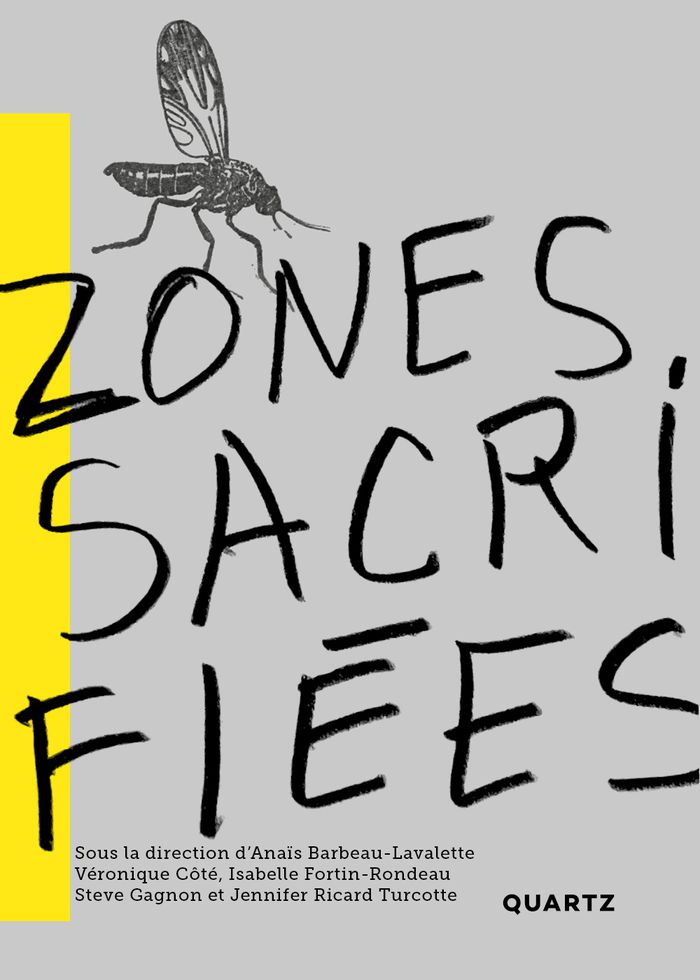
Zones sacrifiées
Zones sacrifiées
Actions:
Prix:
$13.00
(disponible sur commande)
Résumé:
Il existe, en chacun de nous, une part fragile et essentielle qui ne peut être déposée sur d’autres épaules ou en d’autres cœurs. C’est cette partie-là de nous, cette part « indélégable », qui rend le soulèvement de chacun·e unique et irremplaçable. « Personne, écrit Thoreau, ne peut être moi à ma place ». C’est à partir de cette vérité que nous agissons. À partir de là(...)
$13.00
(disponible sur commande)
Résumé:
Il existe, en chacun de nous, une part fragile et essentielle qui ne peut être déposée sur d’autres épaules ou en d’autres cœurs. C’est cette partie-là de nous, cette part « indélégable », qui rend le soulèvement de chacun·e unique et irremplaçable. « Personne, écrit Thoreau, ne peut être moi à ma place ». C’est à partir de cette vérité que nous agissons. À partir de là(...)
Titre:
Zones sacrifiées
Actions:
Prix:
$13.00
(disponible sur commande)
Résumé:
Il existe, en chacun de nous, une part fragile et essentielle qui ne peut être déposée sur d’autres épaules ou en d’autres cœurs. C’est cette partie-là de nous, cette part « indélégable », qui rend le soulèvement de chacun·e unique et irremplaçable. « Personne, écrit Thoreau, ne peut être moi à ma place ». C’est à partir de cette vérité que nous agissons. À partir de là que nous dénonçons et que nous désobéissons. C’est aussi à partir de ce je unique et singulier que nous aimons. Ce livre est né d’une impulsion collective, militante, citoyenne initiée par la marche du 13 octobre 2024, à Rouyn-Noranda. Il prend sa source dans tous nos moi indélégables : dans le sentiment profond de devoir agir pour les autres, au nom de la dignité humaine. Il met de l’avant la colère, l’espérance et l’indignation en un collage de photos, de témoignages et de textes citoyens dans leur état brut.
Zones sacrifiées
Actions:
Prix:
$13.00
(disponible sur commande)
Résumé:
Il existe, en chacun de nous, une part fragile et essentielle qui ne peut être déposée sur d’autres épaules ou en d’autres cœurs. C’est cette partie-là de nous, cette part « indélégable », qui rend le soulèvement de chacun·e unique et irremplaçable. « Personne, écrit Thoreau, ne peut être moi à ma place ». C’est à partir de cette vérité que nous agissons. À partir de là que nous dénonçons et que nous désobéissons. C’est aussi à partir de ce je unique et singulier que nous aimons. Ce livre est né d’une impulsion collective, militante, citoyenne initiée par la marche du 13 octobre 2024, à Rouyn-Noranda. Il prend sa source dans tous nos moi indélégables : dans le sentiment profond de devoir agir pour les autres, au nom de la dignité humaine. Il met de l’avant la colère, l’espérance et l’indignation en un collage de photos, de témoignages et de textes citoyens dans leur état brut.
Classification:
livres
livres
Publication:
février 2025
février 2025
Classification:
livres
livres

Actions:
Prix:
$45.00
(disponible sur commande)
Résumé:
Through clear-eyed essays and vibrant conversations, infused with data, poetry, and art, Ayana Elizabeth Johnson guides us through solutions and possibilities at the nexus of science, policy, culture, and justice. Visionary farmers and financiers, architects and advocates, help us conjure a flourishing future, one worth the effort it will take—from every one of us, with(...)
$45.00
(disponible sur commande)
Résumé:
Through clear-eyed essays and vibrant conversations, infused with data, poetry, and art, Ayana Elizabeth Johnson guides us through solutions and possibilities at the nexus of science, policy, culture, and justice. Visionary farmers and financiers, architects and advocates, help us conjure a flourishing future, one worth the effort it will take—from every one of us, with(...)
Publication:
octobre 2024
octobre 2024
Titre:
What if we get it right? Visions of climate futures
Actions:
Prix:
$45.00
(disponible sur commande)
Résumé:
Through clear-eyed essays and vibrant conversations, infused with data, poetry, and art, Ayana Elizabeth Johnson guides us through solutions and possibilities at the nexus of science, policy, culture, and justice. Visionary farmers and financiers, architects and advocates, help us conjure a flourishing future, one worth the effort it will take—from every one of us, with whatever we have to offer—to create. With grace, humor, and humanity, Johnson invites readers to ask and answer this ultimate question together: What if we get it right?
What if we get it right? Visions of climate futures
Actions:
Prix:
$45.00
(disponible sur commande)
Résumé:
Through clear-eyed essays and vibrant conversations, infused with data, poetry, and art, Ayana Elizabeth Johnson guides us through solutions and possibilities at the nexus of science, policy, culture, and justice. Visionary farmers and financiers, architects and advocates, help us conjure a flourishing future, one worth the effort it will take—from every one of us, with whatever we have to offer—to create. With grace, humor, and humanity, Johnson invites readers to ask and answer this ultimate question together: What if we get it right?
Classification:
livres
livres
Publication:
octobre 2024
octobre 2024


