


460 Résultats
Classification:
livres
livres
Actions:
Prix:
$21.95
(disponible sur commande)
Résumé:
Air conditioning aspires to be unnoticed. Yet, by manipulating the air around us, it quietly conditions the baseline conditions of our physical, mental, and emotional experience. From offices and libraries to contemporary art museums and shopping malls, climate control systems shore up the fantasy of a comfortable, self-contained body that does not have to reckon with(...)
$21.95
(disponible sur commande)
Résumé:
Air conditioning aspires to be unnoticed. Yet, by manipulating the air around us, it quietly conditions the baseline conditions of our physical, mental, and emotional experience. From offices and libraries to contemporary art museums and shopping malls, climate control systems shore up the fantasy of a comfortable, self-contained body that does not have to reckon with(...)
Titre:
Air-conditioning: Object lessons
Actions:
Prix:
$21.95
(disponible sur commande)
Résumé:
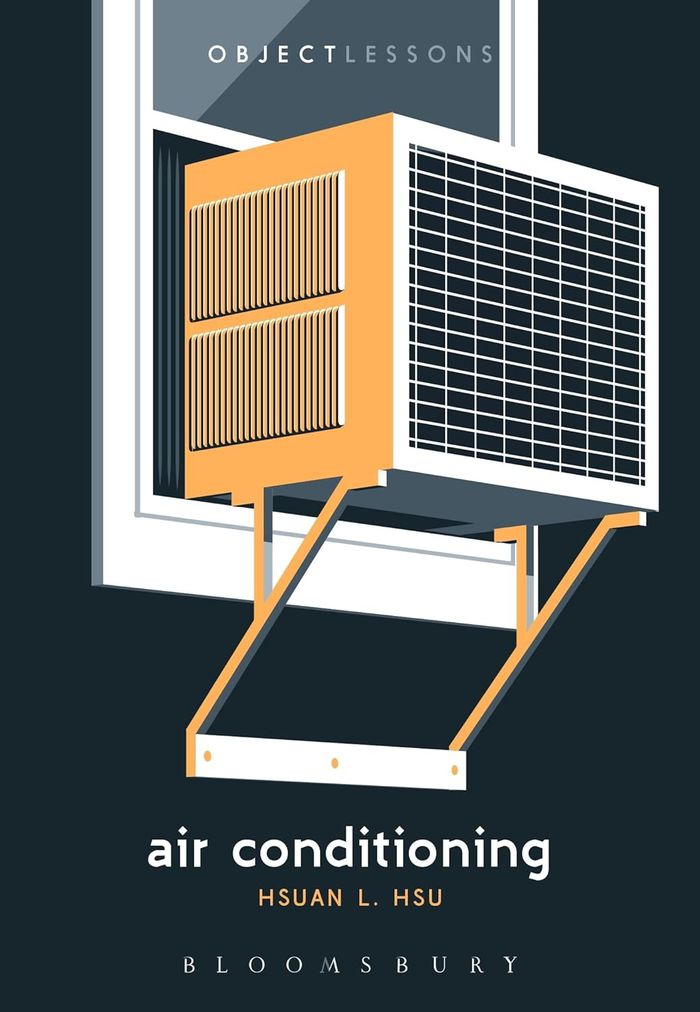
Air conditioning aspires to be unnoticed. Yet, by manipulating the air around us, it quietly conditions the baseline conditions of our physical, mental, and emotional experience. From offices and libraries to contemporary art museums and shopping malls, climate control systems shore up the fantasy of a comfortable, self-contained body that does not have to reckon with temperature. At the same time that air conditioning makes temperature a non-issue in (some) people's daily lives, thermoception-or the sensory perception of temperature-is being carefully studied and exploited as a tool of marketing, social control, and labor management. Yet air conditioning isn't for everybody: its reliance on carbon fuels divides the world into habitable, climate-controlled bubbles and increasingly uninhabitable environments where AC is unavailable. Hsuan Hsu's "Air conditioning" explores questions about culture, ethics, ecology, and social justice raised by the history and uneven distribution of climate controlling technologies.
Air-conditioning: Object lessons
Actions:
Prix:
$21.95
(disponible sur commande)
Résumé:
Air conditioning aspires to be unnoticed. Yet, by manipulating the air around us, it quietly conditions the baseline conditions of our physical, mental, and emotional experience. From offices and libraries to contemporary art museums and shopping malls, climate control systems shore up the fantasy of a comfortable, self-contained body that does not have to reckon with temperature. At the same time that air conditioning makes temperature a non-issue in (some) people's daily lives, thermoception-or the sensory perception of temperature-is being carefully studied and exploited as a tool of marketing, social control, and labor management. Yet air conditioning isn't for everybody: its reliance on carbon fuels divides the world into habitable, climate-controlled bubbles and increasingly uninhabitable environments where AC is unavailable. Hsuan Hsu's "Air conditioning" explores questions about culture, ethics, ecology, and social justice raised by the history and uneven distribution of climate controlling technologies.
Classification:
livres
livres
Publication:
février 2024
février 2024
Classification:
livres
livres

Actions:
Prix:
$18.99
(disponible en magasin)
Résumé:
Sea gardens have been created by First Peoples on the Northwest coast for more than three thousand years. These gardens consist of stone reefs that are constructed at the lowest tide line, encouraging the growth of clams and other marine life on the gently sloped beach. This lyrical story follows a young child and an older family member who set out to visit a sea(...)
$18.99
(disponible en magasin)
Résumé:
Sea gardens have been created by First Peoples on the Northwest coast for more than three thousand years. These gardens consist of stone reefs that are constructed at the lowest tide line, encouraging the growth of clams and other marine life on the gently sloped beach. This lyrical story follows a young child and an older family member who set out to visit a sea(...)
Titre:
If you want to visit a sea garden
Actions:
Prix:
$18.99
(disponible en magasin)
Résumé:
Sea gardens have been created by First Peoples on the Northwest coast for more than three thousand years. These gardens consist of stone reefs that are constructed at the lowest tide line, encouraging the growth of clams and other marine life on the gently sloped beach. This lyrical story follows a young child and an older family member who set out to visit a sea garden early one morning, as the lowest tides often occur at dawn. After anchoring their boat, they explore the beach, discover the many sea creatures that live there, hear the sputtering of clams and look closely at the reef. They reflect on the people who built the wall long ago, as well as those who have maintained it over the years. After digging for clams, they tidy up the beach, then return home.
If you want to visit a sea garden
Actions:
Prix:
$18.99
(disponible en magasin)
Résumé:
Sea gardens have been created by First Peoples on the Northwest coast for more than three thousand years. These gardens consist of stone reefs that are constructed at the lowest tide line, encouraging the growth of clams and other marine life on the gently sloped beach. This lyrical story follows a young child and an older family member who set out to visit a sea garden early one morning, as the lowest tides often occur at dawn. After anchoring their boat, they explore the beach, discover the many sea creatures that live there, hear the sputtering of clams and look closely at the reef. They reflect on the people who built the wall long ago, as well as those who have maintained it over the years. After digging for clams, they tidy up the beach, then return home.
Classification:
livres
livres
Publication:
septembre 2020
septembre 2020
Sujet:
Expositions en cours
Expositions en cours
Classification:
livres
livres
Actions:
Prix:
$30.00
(disponible sur commande)
Résumé:
In what ways does the underground facilitate subcultural expression? Is clandestinity necessary for working against a given social order? Pursuing these lines of inquiry, "Party studies, Vol. 2" comprises essays, documentation and poetic notes on nonnormative modes of being-in-common. Continuing from Volume 1 on the topics of home gatherings and house parties, the second(...)
$30.00
(disponible sur commande)
Résumé:
In what ways does the underground facilitate subcultural expression? Is clandestinity necessary for working against a given social order? Pursuing these lines of inquiry, "Party studies, Vol. 2" comprises essays, documentation and poetic notes on nonnormative modes of being-in-common. Continuing from Volume 1 on the topics of home gatherings and house parties, the second(...)
Publication:
août 2024
août 2024
Titre:
Party studies, vol. 2 : Underground clubs, parallel structures and second cultures
Actions:
Prix:
$30.00
(disponible sur commande)
Résumé:
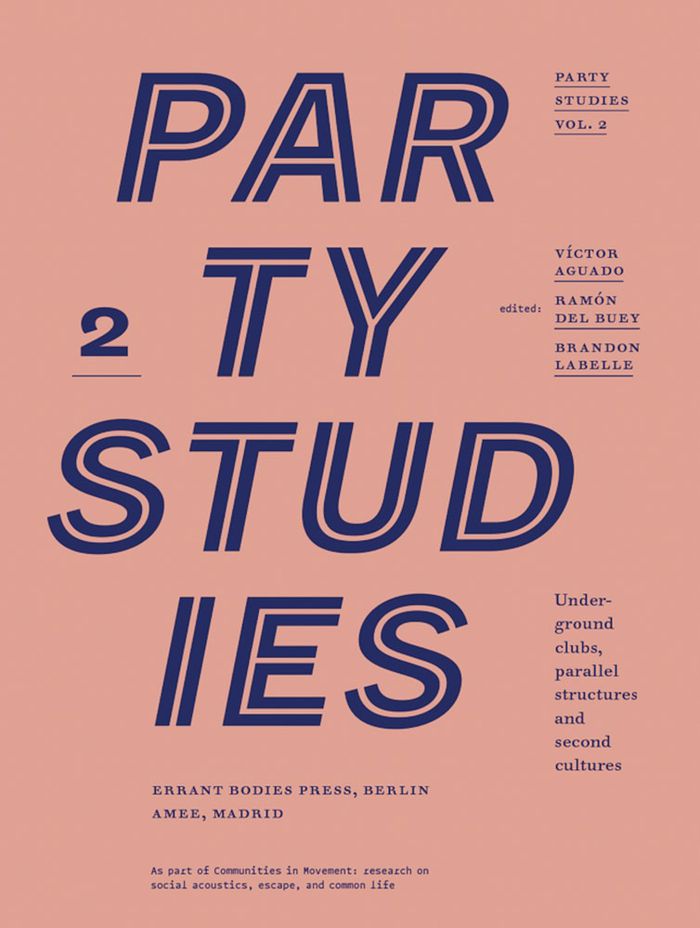
In what ways does the underground facilitate subcultural expression? Is clandestinity necessary for working against a given social order? Pursuing these lines of inquiry, "Party studies, Vol. 2" comprises essays, documentation and poetic notes on nonnormative modes of being-in-common. Continuing from Volume 1 on the topics of home gatherings and house parties, the second volume elaborates understandings of the party by considering the hidden, the invisible and the underground as material and imaginary forces, where partying is not only festive, but manifests in forms of social and political organizing, cultural and subcultural conversation, the maintenance of safe spaces and the building of parallel structures against established institutional forms.
Party studies, vol. 2 : Underground clubs, parallel structures and second cultures
Actions:
Prix:
$30.00
(disponible sur commande)
Résumé:
In what ways does the underground facilitate subcultural expression? Is clandestinity necessary for working against a given social order? Pursuing these lines of inquiry, "Party studies, Vol. 2" comprises essays, documentation and poetic notes on nonnormative modes of being-in-common. Continuing from Volume 1 on the topics of home gatherings and house parties, the second volume elaborates understandings of the party by considering the hidden, the invisible and the underground as material and imaginary forces, where partying is not only festive, but manifests in forms of social and political organizing, cultural and subcultural conversation, the maintenance of safe spaces and the building of parallel structures against established institutional forms.
Classification:
livres
livres
Publication:
août 2024
août 2024
Classification:
livres
livres
Actions:
Prix:
$205.00
(disponible sur commande)
Résumé:
Portuguese architect Álvaro Siza says, "It is hard not to build what created the enthusiasm and pleasure of being an architect. But this is not wasted time." In the unbuilt works collected in this publication, thought, conception, and the timeless heritage of architecture, as well as ideas that through their power and poetic manifestation become models, are examined. The(...)
$205.00
(disponible sur commande)
Résumé:
Portuguese architect Álvaro Siza says, "It is hard not to build what created the enthusiasm and pleasure of being an architect. But this is not wasted time." In the unbuilt works collected in this publication, thought, conception, and the timeless heritage of architecture, as well as ideas that through their power and poetic manifestation become models, are examined. The(...)
Titre:
Álvaro Siza – Incomplete Work
Actions:
Prix:
$205.00
(disponible sur commande)
Résumé:
Portuguese architect Álvaro Siza says, "It is hard not to build what created the enthusiasm and pleasure of being an architect. But this is not wasted time." In the unbuilt works collected in this publication, thought, conception, and the timeless heritage of architecture, as well as ideas that through their power and poetic manifestation become models, are examined. The texts that comprise the first volume, written by people intimately familiar with Siza and his work, add memories, analyses, and lived experiences. A selection of texts from the architect himself frame not only the unbuilt projects he has selected but also his vision and approach as an architect, designer, and even sculptor.
Álvaro Siza – Incomplete Work
Actions:
Prix:
$205.00
(disponible sur commande)
Résumé:
Portuguese architect Álvaro Siza says, "It is hard not to build what created the enthusiasm and pleasure of being an architect. But this is not wasted time." In the unbuilt works collected in this publication, thought, conception, and the timeless heritage of architecture, as well as ideas that through their power and poetic manifestation become models, are examined. The texts that comprise the first volume, written by people intimately familiar with Siza and his work, add memories, analyses, and lived experiences. A selection of texts from the architect himself frame not only the unbuilt projects he has selected but also his vision and approach as an architect, designer, and even sculptor.
Classification:
livres
livres
Publication:
novembre 2024
novembre 2024
Classification:
livres
livres
Actions:
Prix:
$100.00
(disponible sur commande)
Résumé:
"Modern Chinese architecture: 180 years" tells the dramatic story of the transformation of Chinese architecture from a predominantly modular, timber-frame, single-story building system with ceramic tile roofs of anonymous, local craftsmen to skyscrapers designed by internationally acclaimed architects, from temple markets and itinerant peddlers to megamalls, and from open(...)
$100.00
(disponible sur commande)
Résumé:
"Modern Chinese architecture: 180 years" tells the dramatic story of the transformation of Chinese architecture from a predominantly modular, timber-frame, single-story building system with ceramic tile roofs of anonymous, local craftsmen to skyscrapers designed by internationally acclaimed architects, from temple markets and itinerant peddlers to megamalls, and from open(...)
Publication:
août 2024
août 2024
Titre:
Modern Chinese architecture: 180 years
Actions:
Prix:
$100.00
(disponible sur commande)
Résumé:
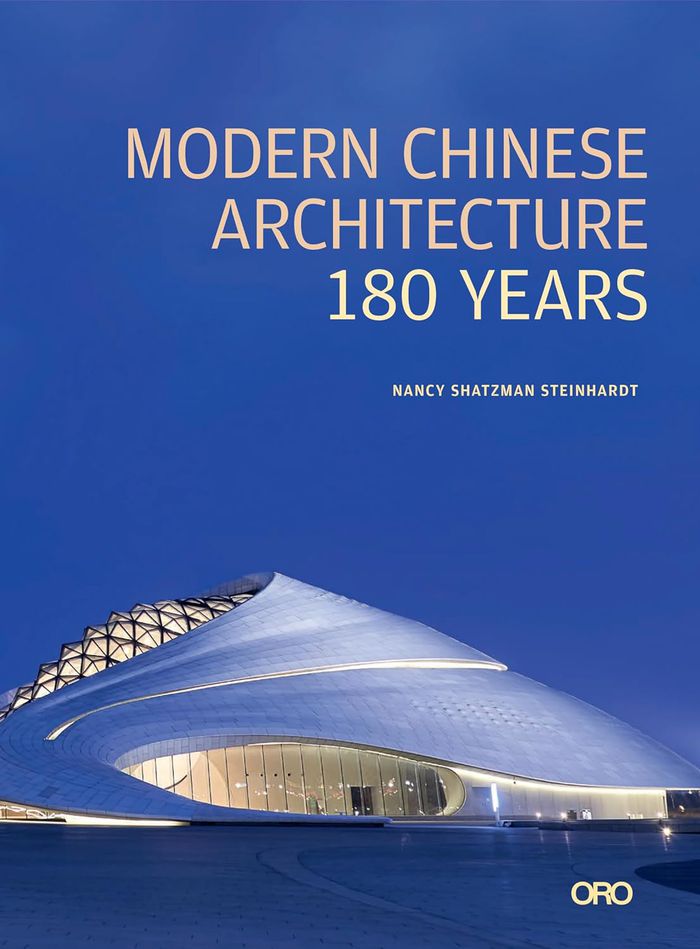
"Modern Chinese architecture: 180 years" tells the dramatic story of the transformation of Chinese architecture from a predominantly modular, timber-frame, single-story building system with ceramic tile roofs of anonymous, local craftsmen to skyscrapers designed by internationally acclaimed architects, from temple markets and itinerant peddlers to megamalls, and from open air stages to auditoriums and stadiums with cutting-edge acoustics. The architectural transformation occurs as China transforms from a dynasty ruled by emperors to a republic to a people’s republic, from a country in which fewer than half the male population, and perhaps 10 percent of the female population could read to at least 97% literacy, and from a population that was fewer than 5 percent to more than 60 percent urban.
Modern Chinese architecture: 180 years
Actions:
Prix:
$100.00
(disponible sur commande)
Résumé:
"Modern Chinese architecture: 180 years" tells the dramatic story of the transformation of Chinese architecture from a predominantly modular, timber-frame, single-story building system with ceramic tile roofs of anonymous, local craftsmen to skyscrapers designed by internationally acclaimed architects, from temple markets and itinerant peddlers to megamalls, and from open air stages to auditoriums and stadiums with cutting-edge acoustics. The architectural transformation occurs as China transforms from a dynasty ruled by emperors to a republic to a people’s republic, from a country in which fewer than half the male population, and perhaps 10 percent of the female population could read to at least 97% literacy, and from a population that was fewer than 5 percent to more than 60 percent urban.
Classification:
livres
livres
Publication:
août 2024
août 2024
Classification:
livres
livres
Actions:
Prix:
$49.95
(disponible sur commande)
Résumé:
Born into a large French-Canadian family in 1926, Mariette Rousseau embraced her passion for creative expression through wool and weaving at an early age. She studied art and weaving at l'École des beaux-arts in Quebec City and then worked at the California studio of ground-breaking American textile designer Dorothy Liebes. Back in Canada after an art-inspired trip to(...)
$49.95
(disponible sur commande)
Résumé:
Born into a large French-Canadian family in 1926, Mariette Rousseau embraced her passion for creative expression through wool and weaving at an early age. She studied art and weaving at l'École des beaux-arts in Quebec City and then worked at the California studio of ground-breaking American textile designer Dorothy Liebes. Back in Canada after an art-inspired trip to(...)
Titre:
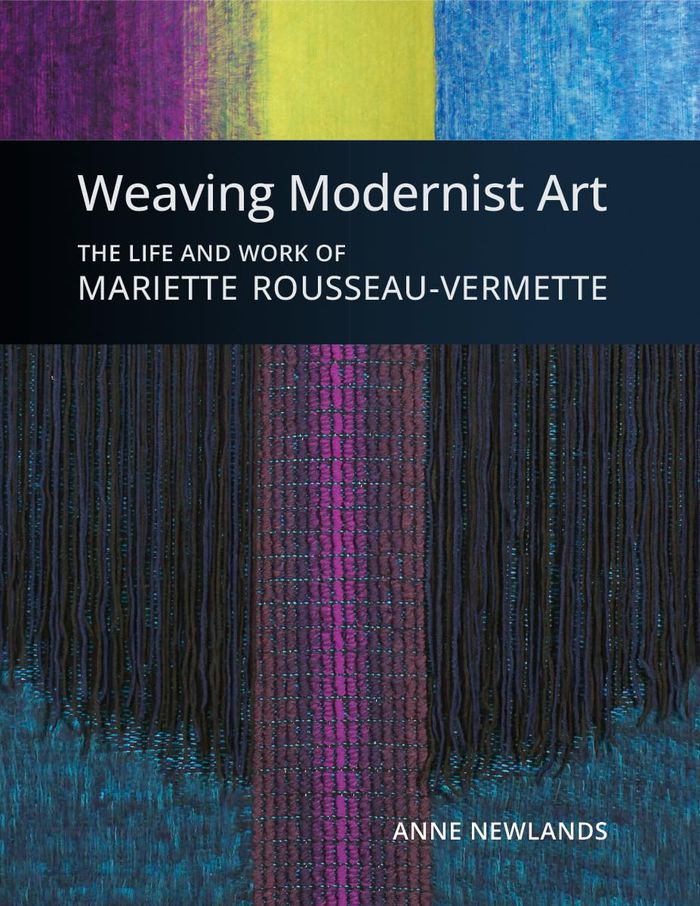
Weaving modernist art: The life and work of Mariette Rousseau-Vermette
Actions:
Prix:
$49.95
(disponible sur commande)
Résumé:
Born into a large French-Canadian family in 1926, Mariette Rousseau embraced her passion for creative expression through wool and weaving at an early age. She studied art and weaving at l'École des beaux-arts in Quebec City and then worked at the California studio of ground-breaking American textile designer Dorothy Liebes. Back in Canada after an art-inspired trip to Europe, she and her husband, artist and ceramist Claude Vermette, joined the growing movement of young French-Canadian artists in their embrace of abstraction and new forms of art and their rejection of the conservatism of Maurice Duplessis' mid-century Quebec. By the early 1960s, Rousseau-Vermette had forged collaborations with fellow artists, designers and architects with like ideas about public art. Over the next 40 years, she scaled the heights of her profession, weaving hundreds of radiant large-scale tapestries that complemented the cool interiors of modern architecture. She exhibited across Canada and internationally and attracted prestigious commissions from the private and public sectors, including commissions for theater curtains at the National Arts Centre, Ottawa and the Kennedy Center in Washington, DC. Yet three years after Rousseau-Vermette's death in 2006, Newlands discovered there wasn't a single book that told her story as a pioneer of modernist tapestry and one of Canada's most prolific and influential artist-weavers.
Weaving modernist art: The life and work of Mariette Rousseau-Vermette
Actions:
Prix:
$49.95
(disponible sur commande)
Résumé:
Born into a large French-Canadian family in 1926, Mariette Rousseau embraced her passion for creative expression through wool and weaving at an early age. She studied art and weaving at l'École des beaux-arts in Quebec City and then worked at the California studio of ground-breaking American textile designer Dorothy Liebes. Back in Canada after an art-inspired trip to Europe, she and her husband, artist and ceramist Claude Vermette, joined the growing movement of young French-Canadian artists in their embrace of abstraction and new forms of art and their rejection of the conservatism of Maurice Duplessis' mid-century Quebec. By the early 1960s, Rousseau-Vermette had forged collaborations with fellow artists, designers and architects with like ideas about public art. Over the next 40 years, she scaled the heights of her profession, weaving hundreds of radiant large-scale tapestries that complemented the cool interiors of modern architecture. She exhibited across Canada and internationally and attracted prestigious commissions from the private and public sectors, including commissions for theater curtains at the National Arts Centre, Ottawa and the Kennedy Center in Washington, DC. Yet three years after Rousseau-Vermette's death in 2006, Newlands discovered there wasn't a single book that told her story as a pioneer of modernist tapestry and one of Canada's most prolific and influential artist-weavers.
Classification:
livres
livres
Publication:
mars 2023
mars 2023
Sujet:
Expositions en cours
Expositions en cours
Classification:
livres
livres
Actions:
Prix:
$90.00
(disponible sur commande)
Résumé:
This book shows how architectural design can improve housing. It looks at 14 innovative multiunit dwelling projects through the lenses of current research on urban housing systems, driven by questions on social, environmental, and economic sustainability. Residential buildings designed for diverse cultural contexts are brought together and examined according to spatial(...)
$90.00
(disponible sur commande)
Résumé:
This book shows how architectural design can improve housing. It looks at 14 innovative multiunit dwelling projects through the lenses of current research on urban housing systems, driven by questions on social, environmental, and economic sustainability. Residential buildings designed for diverse cultural contexts are brought together and examined according to spatial(...)
Titre:
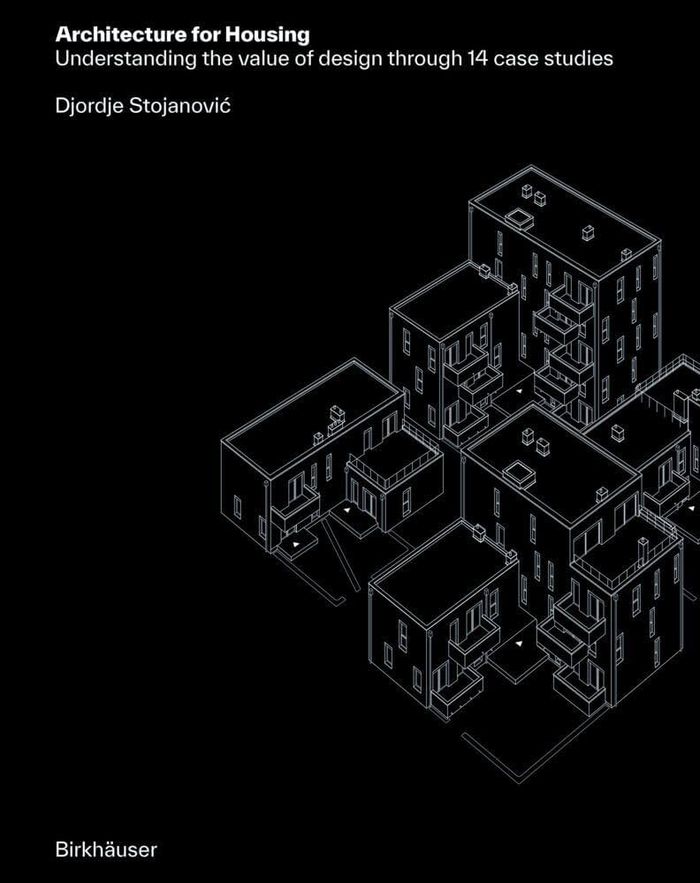
Architecture for housing: Understanding the value of design through 14 case studies
Actions:
Prix:
$90.00
(disponible sur commande)
Résumé:
This book shows how architectural design can improve housing. It looks at 14 innovative multiunit dwelling projects through the lenses of current research on urban housing systems, driven by questions on social, environmental, and economic sustainability. Residential buildings designed for diverse cultural contexts are brought together and examined according to spatial antonyms: the individual and communal, the interior and exterior, and the determined and undetermined, to create a resource for future architectural practice. The book concentrates on design decisions and incorporates rich illustrations and conversations with architects and residents. It follows a series of talks curated by the Melbourne School of Design to extend the debate on the missing links between architectural practice and housing research.
Architecture for housing: Understanding the value of design through 14 case studies
Actions:
Prix:
$90.00
(disponible sur commande)
Résumé:
This book shows how architectural design can improve housing. It looks at 14 innovative multiunit dwelling projects through the lenses of current research on urban housing systems, driven by questions on social, environmental, and economic sustainability. Residential buildings designed for diverse cultural contexts are brought together and examined according to spatial antonyms: the individual and communal, the interior and exterior, and the determined and undetermined, to create a resource for future architectural practice. The book concentrates on design decisions and incorporates rich illustrations and conversations with architects and residents. It follows a series of talks curated by the Melbourne School of Design to extend the debate on the missing links between architectural practice and housing research.
Classification:
livres
livres
Publication:
août 2024
août 2024
Classification:
livres
livres
Actions:
Prix:
$50.95
(disponible sur commande)
Résumé:
Siza est à part. Indépendant, discret, il compte dans le monde de l'architecture parmi les plus grands et s'y est fait un nom à force de conviction profonde. Il parle à voix basse et porte sur les choses un regard pénétrant. De l'objet à la ville, son œuvre, saluée partout et largement commentée, atteint une sorte de grâce qui échappe aux théories. Et, à défaut(...)
$50.95
(disponible sur commande)
Résumé:
Siza est à part. Indépendant, discret, il compte dans le monde de l'architecture parmi les plus grands et s'y est fait un nom à force de conviction profonde. Il parle à voix basse et porte sur les choses un regard pénétrant. De l'objet à la ville, son œuvre, saluée partout et largement commentée, atteint une sorte de grâce qui échappe aux théories. Et, à défaut(...)
Publication:
novembre 2024
novembre 2024
Titre:
Alvaro Siza, celui qui n'écrivait pas
Actions:
Prix:
$50.95
(disponible sur commande)
Résumé:
Siza est à part. Indépendant, discret, il compte dans le monde de l'architecture parmi les plus grands et s'y est fait un nom à force de conviction profonde. Il parle à voix basse et porte sur les choses un regard pénétrant. De l'objet à la ville, son œuvre, saluée partout et largement commentée, atteint une sorte de grâce qui échappe aux théories. Et, à défaut d'explications savantes, c'est par petites touches qu'on peut esquisser les contours du personnage, témoin de son époque et lucide devant les déséquilibres du monde. On dit qu'il dessine comme un ange, qu'il n'écrit pas sinon quelques textes épars, qu'il allume des cigarettes et oublie de les fumer, inséparable de ses cahiers noirs. Et de sa pratique de l'architecture, on n'a pas trouvé mieux que de dire qu'elle est poétique, et de lui qu'il est un poète.Que pouvaient alors soixante-cinq textes de lui à part ça? Rien. Sinon tenir dans une main tant de choses à la fois, une vie d'homme, d'artiste, architecte de surcroît - une place dans le monde à quoi rien ne correspond.
Alvaro Siza, celui qui n'écrivait pas
Actions:
Prix:
$50.95
(disponible sur commande)
Résumé:
Siza est à part. Indépendant, discret, il compte dans le monde de l'architecture parmi les plus grands et s'y est fait un nom à force de conviction profonde. Il parle à voix basse et porte sur les choses un regard pénétrant. De l'objet à la ville, son œuvre, saluée partout et largement commentée, atteint une sorte de grâce qui échappe aux théories. Et, à défaut d'explications savantes, c'est par petites touches qu'on peut esquisser les contours du personnage, témoin de son époque et lucide devant les déséquilibres du monde. On dit qu'il dessine comme un ange, qu'il n'écrit pas sinon quelques textes épars, qu'il allume des cigarettes et oublie de les fumer, inséparable de ses cahiers noirs. Et de sa pratique de l'architecture, on n'a pas trouvé mieux que de dire qu'elle est poétique, et de lui qu'il est un poète.Que pouvaient alors soixante-cinq textes de lui à part ça? Rien. Sinon tenir dans une main tant de choses à la fois, une vie d'homme, d'artiste, architecte de surcroît - une place dans le monde à quoi rien ne correspond.
Classification:
livres
livres
Publication:
novembre 2024
novembre 2024
Classification:
livres
livres
Prix:
$52.95
(disponible sur commande)
Résumé:
Du Big Bang au silence absolu, de l’écholocalisation des chauves-souris à la Symphonie n° 11 de Chostakovitch, en passant par les grésillements d’un disque vinyle, les crépitements d’une aurore boréale ou encore la longue résonance d’un bonsho japonais, les quarante-huit chapitres d’ « Une histoire naturelle des sons » nous font prêter l’oreille au monde fascinant des(...)
$52.95
(disponible sur commande)
Résumé:
Du Big Bang au silence absolu, de l’écholocalisation des chauves-souris à la Symphonie n° 11 de Chostakovitch, en passant par les grésillements d’un disque vinyle, les crépitements d’une aurore boréale ou encore la longue résonance d’un bonsho japonais, les quarante-huit chapitres d’ « Une histoire naturelle des sons » nous font prêter l’oreille au monde fascinant des(...)
Publication:
janvier 2025
janvier 2025
Titre:
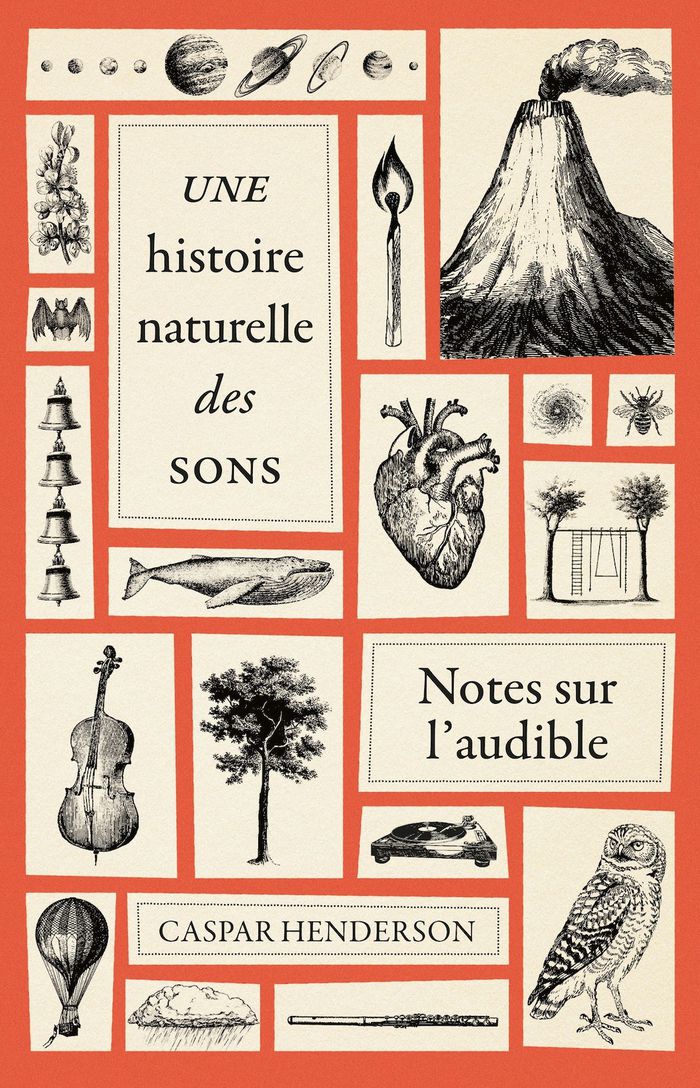
Une histoire naturelle des sons : Notes sur l'audible
Actions:
Prix:
$52.95
(disponible sur commande)
Résumé:
Du Big Bang au silence absolu, de l’écholocalisation des chauves-souris à la Symphonie n° 11 de Chostakovitch, en passant par les grésillements d’un disque vinyle, les crépitements d’une aurore boréale ou encore la longue résonance d’un bonsho japonais, les quarante-huit chapitres d’ « Une histoire naturelle des sons » nous font prêter l’oreille au monde fascinant des sonorités qui nous entourent. Avec sa prodigieuse érudition scientifique et son sens unique du merveilleux, Caspar Henderson nous ouvre la voie des espaces sonores méconnus ou inaccessibles, plus généralement de l’aventure des sons, qu’ils appartiennent à des temps très anciens, ou qu’ils demeurent l’objet de spéculations scientifiques — quand ils ne relèvent pas carrément de la science-fiction.
Une histoire naturelle des sons : Notes sur l'audible
Actions:
Prix:
$52.95
(disponible sur commande)
Résumé:
Du Big Bang au silence absolu, de l’écholocalisation des chauves-souris à la Symphonie n° 11 de Chostakovitch, en passant par les grésillements d’un disque vinyle, les crépitements d’une aurore boréale ou encore la longue résonance d’un bonsho japonais, les quarante-huit chapitres d’ « Une histoire naturelle des sons » nous font prêter l’oreille au monde fascinant des sonorités qui nous entourent. Avec sa prodigieuse érudition scientifique et son sens unique du merveilleux, Caspar Henderson nous ouvre la voie des espaces sonores méconnus ou inaccessibles, plus généralement de l’aventure des sons, qu’ils appartiennent à des temps très anciens, ou qu’ils demeurent l’objet de spéculations scientifiques — quand ils ne relèvent pas carrément de la science-fiction.
Classification:
livres
livres
Publication:
janvier 2025
janvier 2025
Classification:
livres
livres
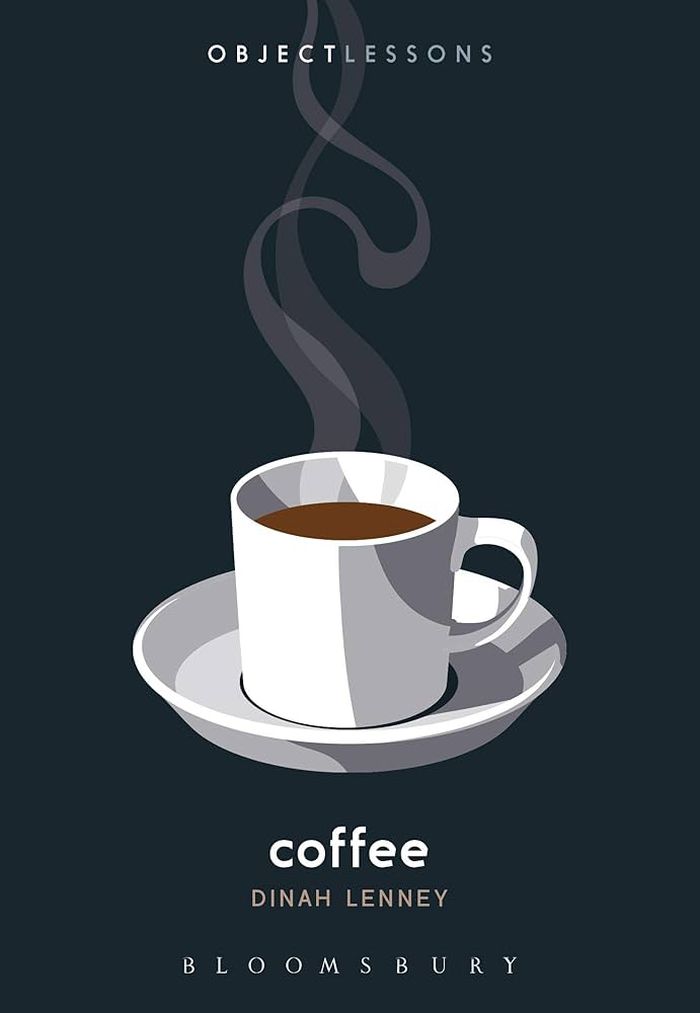
Titre:
Coffee: Object lessons
Coffee: Object lessons
Actions:
Prix:
$21.95
(disponible en magasin)
Résumé:
''Coffee'' --it's the thing that gets us through, and over, and around. The thing--the beverage, the break, the ritual--we choose to slow ourselves down or speed ourselves up. The excuse to pause; the reason to meet; the charge we who drink it allow ourselves in lieu of something stronger or scarier. ''Coffee'' goes to lifestyle, and character, and sensibility: where do(...)
$21.95
(disponible en magasin)
Résumé:
''Coffee'' --it's the thing that gets us through, and over, and around. The thing--the beverage, the break, the ritual--we choose to slow ourselves down or speed ourselves up. The excuse to pause; the reason to meet; the charge we who drink it allow ourselves in lieu of something stronger or scarier. ''Coffee'' goes to lifestyle, and character, and sensibility: where do(...)
Titre:
Coffee: Object lessons
Actions:
Prix:
$21.95
(disponible en magasin)
Résumé:
''Coffee'' --it's the thing that gets us through, and over, and around. The thing--the beverage, the break, the ritual--we choose to slow ourselves down or speed ourselves up. The excuse to pause; the reason to meet; the charge we who drink it allow ourselves in lieu of something stronger or scarier. ''Coffee'' goes to lifestyle, and character, and sensibility: where do we buy it, how do we brew it, how strong can we take it, how often, how hot, how cold? How does coffee remind us, stir us, comfort us? But ''Coffee'' is about more than coffee: it's a personal history and a promise to self; in her confrontation with the hours (with time--big picture, little picture), Dinah Lenney faces head-on the challenges of growing older and carrying on.
Coffee: Object lessons
Actions:
Prix:
$21.95
(disponible en magasin)
Résumé:
''Coffee'' --it's the thing that gets us through, and over, and around. The thing--the beverage, the break, the ritual--we choose to slow ourselves down or speed ourselves up. The excuse to pause; the reason to meet; the charge we who drink it allow ourselves in lieu of something stronger or scarier. ''Coffee'' goes to lifestyle, and character, and sensibility: where do we buy it, how do we brew it, how strong can we take it, how often, how hot, how cold? How does coffee remind us, stir us, comfort us? But ''Coffee'' is about more than coffee: it's a personal history and a promise to self; in her confrontation with the hours (with time--big picture, little picture), Dinah Lenney faces head-on the challenges of growing older and carrying on.
Classification:
livres
livres
Publication:
décembre 2020
décembre 2020


