


50 Résultats
Classification:
livres
livres
Titre:
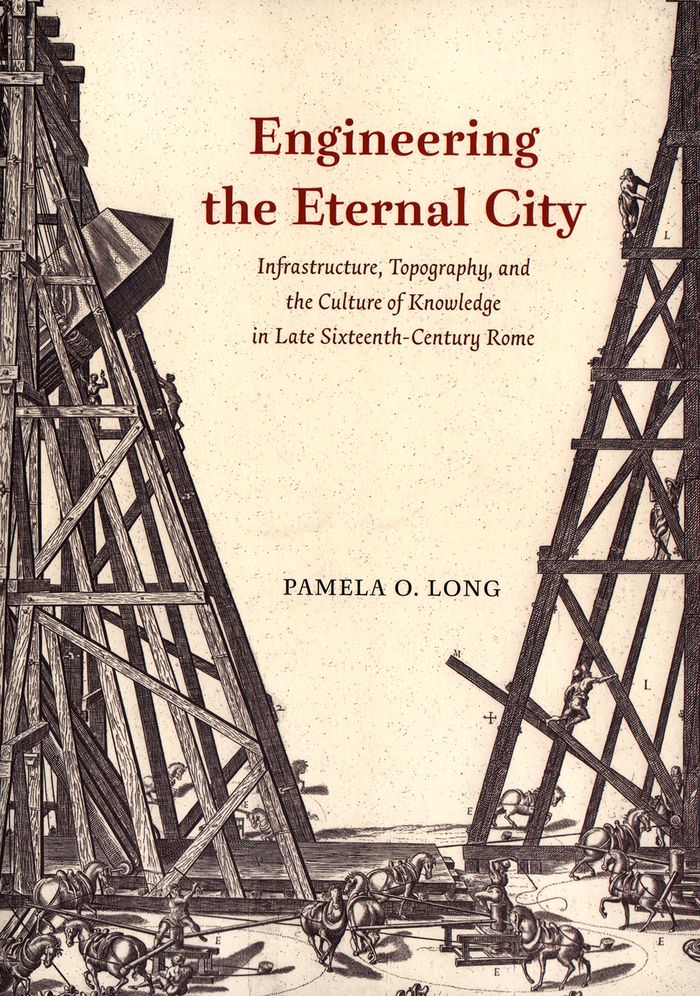
Engineering the eternal city: infrastructure, topography, and the culture of knowledge in Rome
Engineering the eternal city: infrastructure, topography, and the culture of knowledge in Rome
Actions:
Prix:
$64.95
(disponible sur commande)
Résumé:
Between the catastrophic flood of the Tiber River in 1557 and the death of the ''engineering pope'' Sixtus V in 1590, the city of Rome was transformed by intense activity involving building construction and engineering projects of all kinds. Using hundreds of archival documents and primary sources, ''Engineering the Eternal City'' explores the processes and people(...)
$64.95
(disponible sur commande)
Résumé:
Between the catastrophic flood of the Tiber River in 1557 and the death of the ''engineering pope'' Sixtus V in 1590, the city of Rome was transformed by intense activity involving building construction and engineering projects of all kinds. Using hundreds of archival documents and primary sources, ''Engineering the Eternal City'' explores the processes and people(...)
Titre:
Engineering the eternal city: infrastructure, topography, and the culture of knowledge in Rome
Actions:
Prix:
$64.95
(disponible sur commande)
Résumé:
Between the catastrophic flood of the Tiber River in 1557 and the death of the ''engineering pope'' Sixtus V in 1590, the city of Rome was transformed by intense activity involving building construction and engineering projects of all kinds. Using hundreds of archival documents and primary sources, ''Engineering the Eternal City'' explores the processes and people involved in these infrastructure projects—sewers, bridge repair, flood prevention, aqueduct construction, the building of new, straight streets, and even the relocation of immensely heavy ancient Egyptian obelisks that Roman emperors had carried to the city centuries before.
Engineering the eternal city: infrastructure, topography, and the culture of knowledge in Rome
Actions:
Prix:
$64.95
(disponible sur commande)
Résumé:
Between the catastrophic flood of the Tiber River in 1557 and the death of the ''engineering pope'' Sixtus V in 1590, the city of Rome was transformed by intense activity involving building construction and engineering projects of all kinds. Using hundreds of archival documents and primary sources, ''Engineering the Eternal City'' explores the processes and people involved in these infrastructure projects—sewers, bridge repair, flood prevention, aqueduct construction, the building of new, straight streets, and even the relocation of immensely heavy ancient Egyptian obelisks that Roman emperors had carried to the city centuries before.
Classification:
livres
livres
Publication:
novembre 2018
novembre 2018
Classification:
livres
livres

Titre:
La Venise des livres
La Venise des livres
Actions:
Prix:
$49.95
(disponible sur commande)
Résumé:
Après la publication de son premier imprimé en 1469, Venise devient en quelques années la première productrice de livres en Europe. Il s’agit d’un métier neuf qui se développe hors des cadres institutionnels des corporations. Les livres produits se retrouvent dans toutes les bibliothèques d’Europe. Ces imprimeurs qui ont fait le succès de Venise sont pour la plupart(...)
$49.95
(disponible sur commande)
Résumé:
Après la publication de son premier imprimé en 1469, Venise devient en quelques années la première productrice de livres en Europe. Il s’agit d’un métier neuf qui se développe hors des cadres institutionnels des corporations. Les livres produits se retrouvent dans toutes les bibliothèques d’Europe. Ces imprimeurs qui ont fait le succès de Venise sont pour la plupart(...)
Titre:
La Venise des livres
Actions:
Prix:
$49.95
(disponible sur commande)
Résumé:
Après la publication de son premier imprimé en 1469, Venise devient en quelques années la première productrice de livres en Europe. Il s’agit d’un métier neuf qui se développe hors des cadres institutionnels des corporations. Les livres produits se retrouvent dans toutes les bibliothèques d’Europe. Ces imprimeurs qui ont fait le succès de Venise sont pour la plupart d'origine étrangère. Ils sont Allemands d’abord, avant l’arrivée d’autres communautés dans cette industrie. Ce sont des marchands et des artisans en provenance de toute l’Europe et d’une partie de la Méditerranée orientale. Au-delà des échecs, beaucoup se sont intégrés dans la ville, sa géographie, sa sociabilité, et ont construit une nouvelle industrie du livre au coeur de l’Europe.
La Venise des livres
Actions:
Prix:
$49.95
(disponible sur commande)
Résumé:
Après la publication de son premier imprimé en 1469, Venise devient en quelques années la première productrice de livres en Europe. Il s’agit d’un métier neuf qui se développe hors des cadres institutionnels des corporations. Les livres produits se retrouvent dans toutes les bibliothèques d’Europe. Ces imprimeurs qui ont fait le succès de Venise sont pour la plupart d'origine étrangère. Ils sont Allemands d’abord, avant l’arrivée d’autres communautés dans cette industrie. Ce sont des marchands et des artisans en provenance de toute l’Europe et d’une partie de la Méditerranée orientale. Au-delà des échecs, beaucoup se sont intégrés dans la ville, sa géographie, sa sociabilité, et ont construit une nouvelle industrie du livre au coeur de l’Europe.
Classification:
livres
livres
Publication:
août 2018
août 2018
Classification:
livres
livres
Titre:
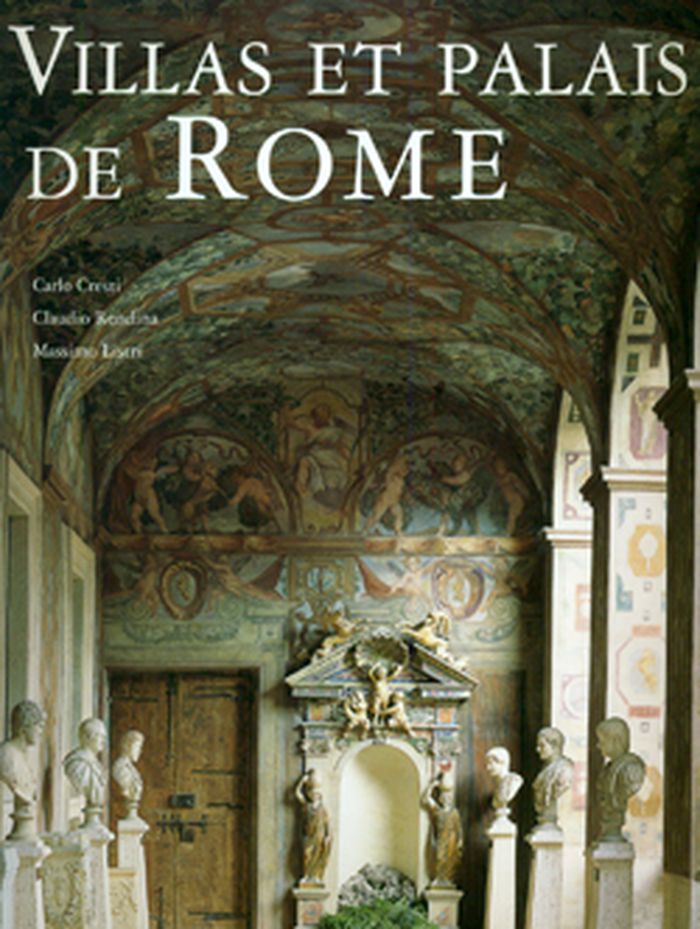
Villas et palais de Rome
Villas et palais de Rome
Actions:
Prix:
$49.95
(disponible sur commande)
Résumé:
A partir du XIVe siècle, Rome voit le nombre de ses palais s'accroître. Ils furent contruits par de prestigieux architectes tels que Michel Ange, Bramante, Sangallo, le Bernin et Fontana, et décorés par de célèbres peintres : Carrache, Salviati, Pierre de Cortone... La plupart de ces lieux renferment des oeuvres d'art de grande valeur : Raphaël, Titien, Corrège, Tintoret,(...)
$49.95
(disponible sur commande)
Résumé:
A partir du XIVe siècle, Rome voit le nombre de ses palais s'accroître. Ils furent contruits par de prestigieux architectes tels que Michel Ange, Bramante, Sangallo, le Bernin et Fontana, et décorés par de célèbres peintres : Carrache, Salviati, Pierre de Cortone... La plupart de ces lieux renferment des oeuvres d'art de grande valeur : Raphaël, Titien, Corrège, Tintoret,(...)
Titre:
Villas et palais de Rome
Actions:
Prix:
$49.95
(disponible sur commande)
Résumé:
A partir du XIVe siècle, Rome voit le nombre de ses palais s'accroître. Ils furent contruits par de prestigieux architectes tels que Michel Ange, Bramante, Sangallo, le Bernin et Fontana, et décorés par de célèbres peintres : Carrache, Salviati, Pierre de Cortone... La plupart de ces lieux renferment des oeuvres d'art de grande valeur : Raphaël, Titien, Corrège, Tintoret, Véronèse, etc.
Villas et palais de Rome
Actions:
Prix:
$49.95
(disponible sur commande)
Résumé:
A partir du XIVe siècle, Rome voit le nombre de ses palais s'accroître. Ils furent contruits par de prestigieux architectes tels que Michel Ange, Bramante, Sangallo, le Bernin et Fontana, et décorés par de célèbres peintres : Carrache, Salviati, Pierre de Cortone... La plupart de ces lieux renferment des oeuvres d'art de grande valeur : Raphaël, Titien, Corrège, Tintoret, Véronèse, etc.
Classification:
livres
livres
Publication:
octobre 2009
octobre 2009
Classification:
livres
livres
Actions:
Prix:
$63.95
(disponible sur commande)
Résumé:
The church of San Marco of Venice has long played a central role in Venetian political, ceremonial, and religious life. Its renowned assemblage of mosaics, sculpture, metalwork, and reliquaries are, in origin, Roman, Byzantine, Venetian, or Venetian imitation of Byzantine designs. In San Marco, Byzantium, and the Myths of Venice, the authors assess the significance of the(...)
$63.95
(disponible sur commande)
Résumé:
The church of San Marco of Venice has long played a central role in Venetian political, ceremonial, and religious life. Its renowned assemblage of mosaics, sculpture, metalwork, and reliquaries are, in origin, Roman, Byzantine, Venetian, or Venetian imitation of Byzantine designs. In San Marco, Byzantium, and the Myths of Venice, the authors assess the significance of the(...)
Publication:
décembre 2010
décembre 2010
Titre:
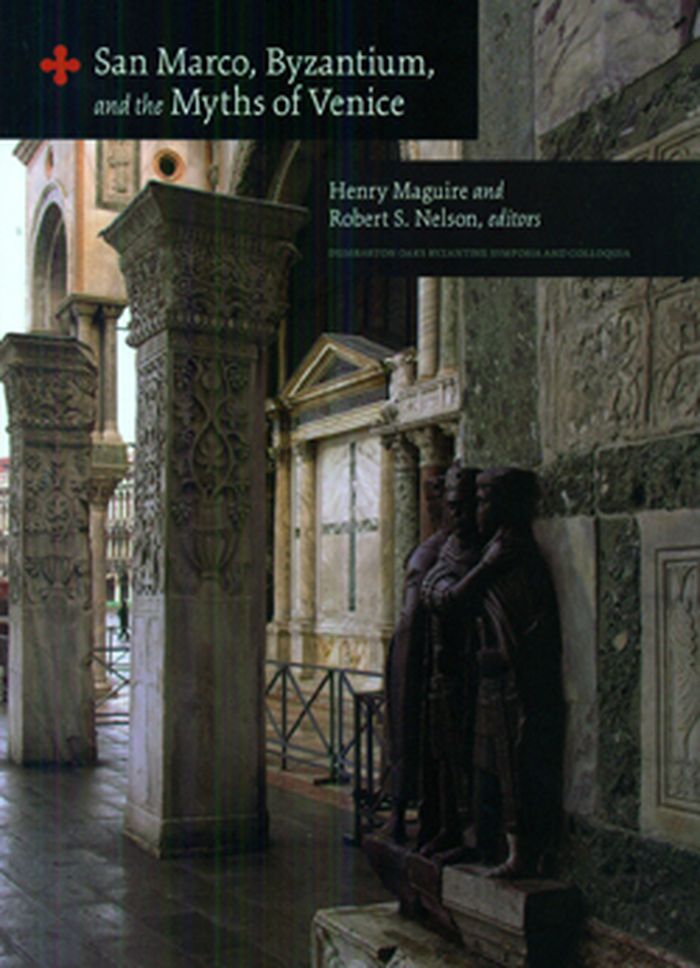
San Marco, Byzantium, and the myths of Venice
Actions:
Prix:
$63.95
(disponible sur commande)
Résumé:
The church of San Marco of Venice has long played a central role in Venetian political, ceremonial, and religious life. Its renowned assemblage of mosaics, sculpture, metalwork, and reliquaries are, in origin, Roman, Byzantine, Venetian, or Venetian imitation of Byzantine designs. In San Marco, Byzantium, and the Myths of Venice, the authors assess the significance of the embellishment of the church and its immediate surroundings, especially during the thirteenth and fourteenth centuries, when most of the Byzantine material was acquired, largely from Constantinople. The church and its decoration are studied in relation to Venice’s interests abroad and on mainland Italy. The authors address the diverse styles, sources, meanings, and significance of this art, both individually and as an ensemble. Building upon developments in scholarship since Otto Demus’s masterly studies of the church, the book offers new insights into the inspiration, purposes, and mutability of San Marco and the myths that inspired and motivated Venetians.
San Marco, Byzantium, and the myths of Venice
Actions:
Prix:
$63.95
(disponible sur commande)
Résumé:
The church of San Marco of Venice has long played a central role in Venetian political, ceremonial, and religious life. Its renowned assemblage of mosaics, sculpture, metalwork, and reliquaries are, in origin, Roman, Byzantine, Venetian, or Venetian imitation of Byzantine designs. In San Marco, Byzantium, and the Myths of Venice, the authors assess the significance of the embellishment of the church and its immediate surroundings, especially during the thirteenth and fourteenth centuries, when most of the Byzantine material was acquired, largely from Constantinople. The church and its decoration are studied in relation to Venice’s interests abroad and on mainland Italy. The authors address the diverse styles, sources, meanings, and significance of this art, both individually and as an ensemble. Building upon developments in scholarship since Otto Demus’s masterly studies of the church, the book offers new insights into the inspiration, purposes, and mutability of San Marco and the myths that inspired and motivated Venetians.
Classification:
livres
livres
Publication:
décembre 2010
décembre 2010
Classification:
livres
livres
Actions:
Prix:
$37.95
(disponible sur commande)
Résumé:
Vues de près, les peintures antiques de la villa Adriana à Tivoli, les fresques de Raphaël au palais du Vatican, mais aussi celles de la galerie des Carrache dans le palais Farnèse, et tant d’autres, offrent un spectacle étonnant. Ce sont des œuvres striées de noms, de dates et même d’esquisses, très différentes des images lisses, intactes et éclatantes auxquelles les(...)
$37.95
(disponible sur commande)
Résumé:
Vues de près, les peintures antiques de la villa Adriana à Tivoli, les fresques de Raphaël au palais du Vatican, mais aussi celles de la galerie des Carrache dans le palais Farnèse, et tant d’autres, offrent un spectacle étonnant. Ce sont des œuvres striées de noms, de dates et même d’esquisses, très différentes des images lisses, intactes et éclatantes auxquelles les(...)
Titre:
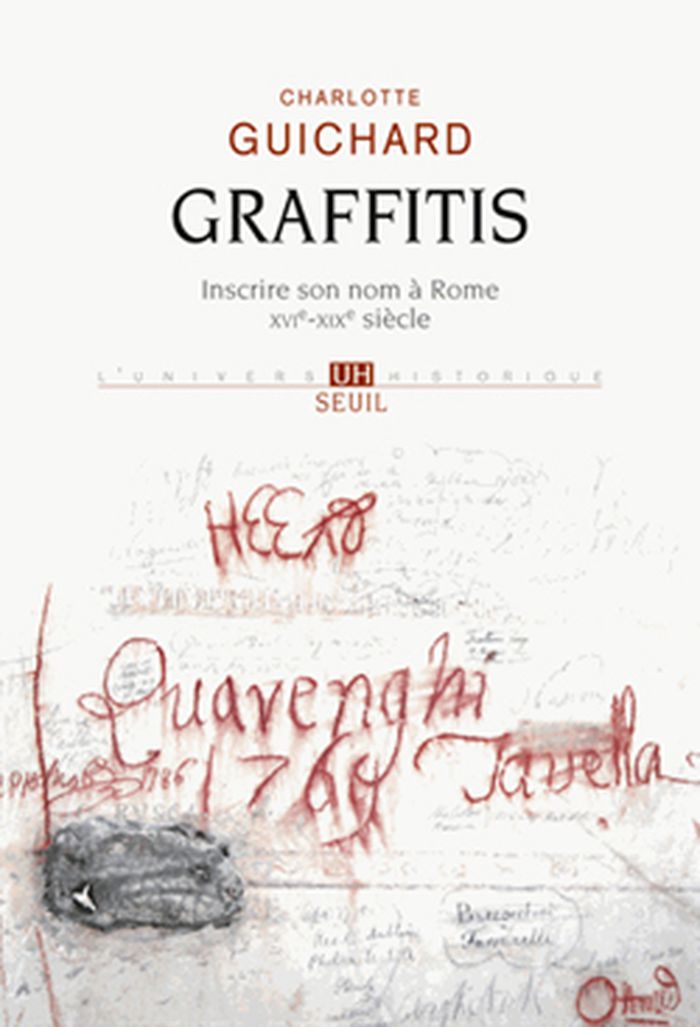
Graffitis: inscrire son nom à Rome (XVe-XIXe siècle)
Actions:
Prix:
$37.95
(disponible sur commande)
Résumé:
Vues de près, les peintures antiques de la villa Adriana à Tivoli, les fresques de Raphaël au palais du Vatican, mais aussi celles de la galerie des Carrache dans le palais Farnèse, et tant d’autres, offrent un spectacle étonnant. Ce sont des œuvres striées de noms, de dates et même d’esquisses, très différentes des images lisses, intactes et éclatantes auxquelles les livres d’art nous ont habitués. Les graffitis y sont omniprésents. Ils furent réalisés par des artistes parfois célèbres, au cours de leur période de formation à Rome, par des amateurs lors du Grand Tour, par des soldats ou des touristes de passage à Rome entre les XVIe et XIXe siècles. Ce livre invite à un autre regard sur l’art et son histoire : non pas esthétique mais archéologique ; un regard de biais, littéralement. Ainsi rendus à leur visibilité, les graffitis donnent à voir une autre histoire du chef-d’œuvre, matérielle, tactile et anthropologique.
Graffitis: inscrire son nom à Rome (XVe-XIXe siècle)
Actions:
Prix:
$37.95
(disponible sur commande)
Résumé:
Vues de près, les peintures antiques de la villa Adriana à Tivoli, les fresques de Raphaël au palais du Vatican, mais aussi celles de la galerie des Carrache dans le palais Farnèse, et tant d’autres, offrent un spectacle étonnant. Ce sont des œuvres striées de noms, de dates et même d’esquisses, très différentes des images lisses, intactes et éclatantes auxquelles les livres d’art nous ont habitués. Les graffitis y sont omniprésents. Ils furent réalisés par des artistes parfois célèbres, au cours de leur période de formation à Rome, par des amateurs lors du Grand Tour, par des soldats ou des touristes de passage à Rome entre les XVIe et XIXe siècles. Ce livre invite à un autre regard sur l’art et son histoire : non pas esthétique mais archéologique ; un regard de biais, littéralement. Ainsi rendus à leur visibilité, les graffitis donnent à voir une autre histoire du chef-d’œuvre, matérielle, tactile et anthropologique.
Classification:
livres
livres
Publication:
novembre 2014
novembre 2014
Classification:
livres
livres
Actions:
Prix:
$34.95
(disponible sur commande)
Résumé:
La Campanie, heureux séjour des dieux et des muses abandonné aux puissances infernales. Une terre de culture, une terre de sang mêlé, aux sources de la civilisation romaine. En 79 de notre ère, l'explosion du Vésuve a couvert d'un linceul de cendres cet écrin de nature lumineux et tranquille. À Pompei, ou le temps fut suspendu, le voyageur croit tout comprendre de la vie(...)
$34.95
(disponible sur commande)
Résumé:
La Campanie, heureux séjour des dieux et des muses abandonné aux puissances infernales. Une terre de culture, une terre de sang mêlé, aux sources de la civilisation romaine. En 79 de notre ère, l'explosion du Vésuve a couvert d'un linceul de cendres cet écrin de nature lumineux et tranquille. À Pompei, ou le temps fut suspendu, le voyageur croit tout comprendre de la vie(...)
Titre:
Pompéi et la campanie antique
Actions:
Prix:
$34.95
(disponible sur commande)
Résumé:
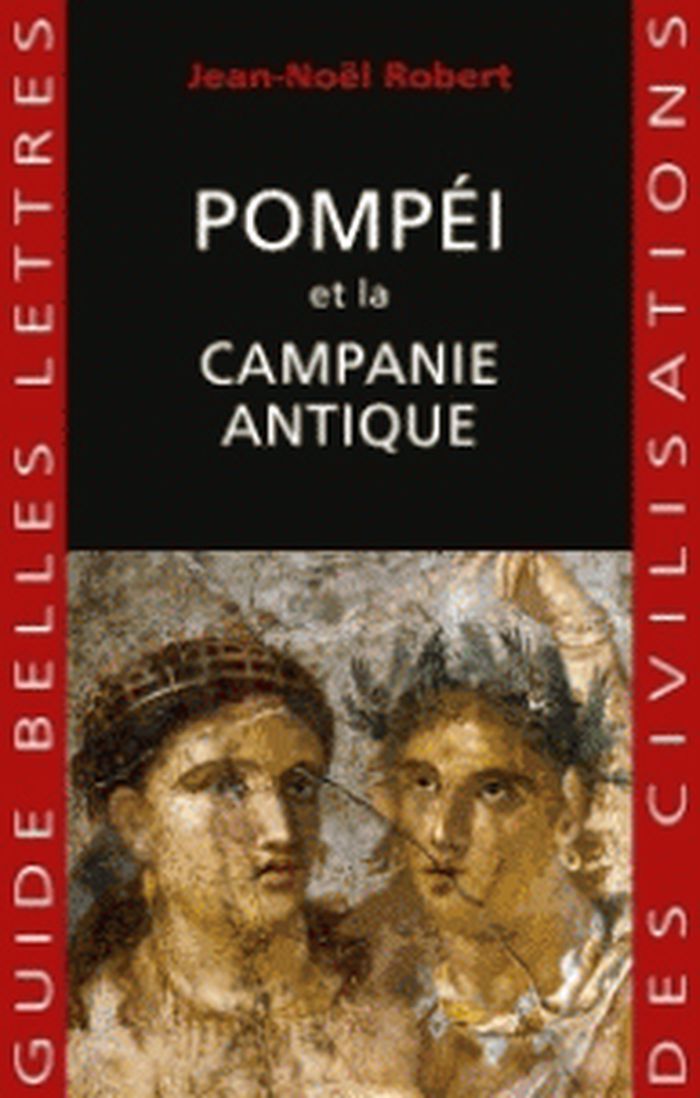
La Campanie, heureux séjour des dieux et des muses abandonné aux puissances infernales. Une terre de culture, une terre de sang mêlé, aux sources de la civilisation romaine. En 79 de notre ère, l'explosion du Vésuve a couvert d'un linceul de cendres cet écrin de nature lumineux et tranquille. À Pompei, ou le temps fut suspendu, le voyageur croit tout comprendre de la vie des Anciens. Mais pense-t-il à se garder des illusions? Ce guide l'invite à relire le quotidien de ces cites retrouvées.
Pompéi et la campanie antique
Actions:
Prix:
$34.95
(disponible sur commande)
Résumé:
La Campanie, heureux séjour des dieux et des muses abandonné aux puissances infernales. Une terre de culture, une terre de sang mêlé, aux sources de la civilisation romaine. En 79 de notre ère, l'explosion du Vésuve a couvert d'un linceul de cendres cet écrin de nature lumineux et tranquille. À Pompei, ou le temps fut suspendu, le voyageur croit tout comprendre de la vie des Anciens. Mais pense-t-il à se garder des illusions? Ce guide l'invite à relire le quotidien de ces cites retrouvées.
Classification:
livres
livres
Publication:
mai 2015
mai 2015
Classification:
livres
livres
Prix:
$102.95
(disponible sur commande)
Résumé:
In 1600 Rome was the center of the artistic world. This book offers a new look at the art and architecture of the great Baroque city at this time of major innovation—especially in painting, largely owing to the presence of Annibale Carracci (1560–1609) and Caravaggio (1571–1610). Rome was a magnet for artists and architects from all over Europe; they came to study the(...)
$102.95
(disponible sur commande)
Résumé:
In 1600 Rome was the center of the artistic world. This book offers a new look at the art and architecture of the great Baroque city at this time of major innovation—especially in painting, largely owing to the presence of Annibale Carracci (1560–1609) and Caravaggio (1571–1610). Rome was a magnet for artists and architects from all over Europe; they came to study the(...)
Titre:
Rome 1600: the city and the visual arts under Clement VIII
Actions:
Prix:
$102.95
(disponible sur commande)
Résumé:
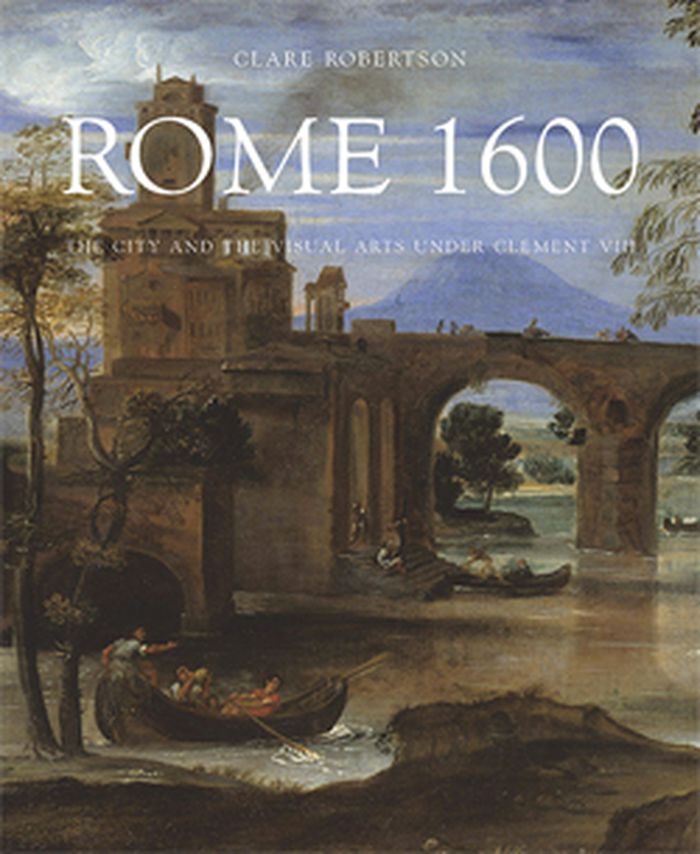
In 1600 Rome was the center of the artistic world. This book offers a new look at the art and architecture of the great Baroque city at this time of major innovation—especially in painting, largely owing to the presence of Annibale Carracci (1560–1609) and Caravaggio (1571–1610). Rome was a magnet for artists and architects from all over Europe; they came to study the remains of antiquity and the works of Michelangelo, Raphael, and Bramante. The variety of artists working in the city ensured a diversity of styles and innovative cross-influences. Moreover, 1600 was a Jubilee year, offering numerous opportunities for artistic patronage, whether in major projects like St. Peter’s, or in lesser schemes such as the restoration of older churches. Clare Robertson examines these developments as well as the patronage of the pope and of major Roman families, drawing on a range of contemporary sources and images to reconstruct a snapshot of Rome at this thrilling time.
Rome 1600: the city and the visual arts under Clement VIII
Actions:
Prix:
$102.95
(disponible sur commande)
Résumé:
In 1600 Rome was the center of the artistic world. This book offers a new look at the art and architecture of the great Baroque city at this time of major innovation—especially in painting, largely owing to the presence of Annibale Carracci (1560–1609) and Caravaggio (1571–1610). Rome was a magnet for artists and architects from all over Europe; they came to study the remains of antiquity and the works of Michelangelo, Raphael, and Bramante. The variety of artists working in the city ensured a diversity of styles and innovative cross-influences. Moreover, 1600 was a Jubilee year, offering numerous opportunities for artistic patronage, whether in major projects like St. Peter’s, or in lesser schemes such as the restoration of older churches. Clare Robertson examines these developments as well as the patronage of the pope and of major Roman families, drawing on a range of contemporary sources and images to reconstruct a snapshot of Rome at this thrilling time.
Classification:
livres
livres
Publication:
novembre 2015
novembre 2015
Classification:
livres
livres
Titre:
Venise et le goût du beau
Venise et le goût du beau
Actions:
Prix:
$64.95
(disponible sur commande)
Résumé:
L'historien de Venise Jean-Claude Hocquet, auteur de nombreux ouvrages sur la Sérénissime, porte un nouveau regard sur la ville et son histoire qu'il aborde par le prisme de l'histoire de l'art et de l'histoire sociale des relations entre les mécènes nobles ou riches bourgeois et les créateurs.Le livre embrasse ces quatre siècles et retrace la vie et les oeuvres des(...)
$64.95
(disponible sur commande)
Résumé:
L'historien de Venise Jean-Claude Hocquet, auteur de nombreux ouvrages sur la Sérénissime, porte un nouveau regard sur la ville et son histoire qu'il aborde par le prisme de l'histoire de l'art et de l'histoire sociale des relations entre les mécènes nobles ou riches bourgeois et les créateurs.Le livre embrasse ces quatre siècles et retrace la vie et les oeuvres des(...)
Titre:
Venise et le goût du beau
Actions:
Prix:
$64.95
(disponible sur commande)
Résumé:
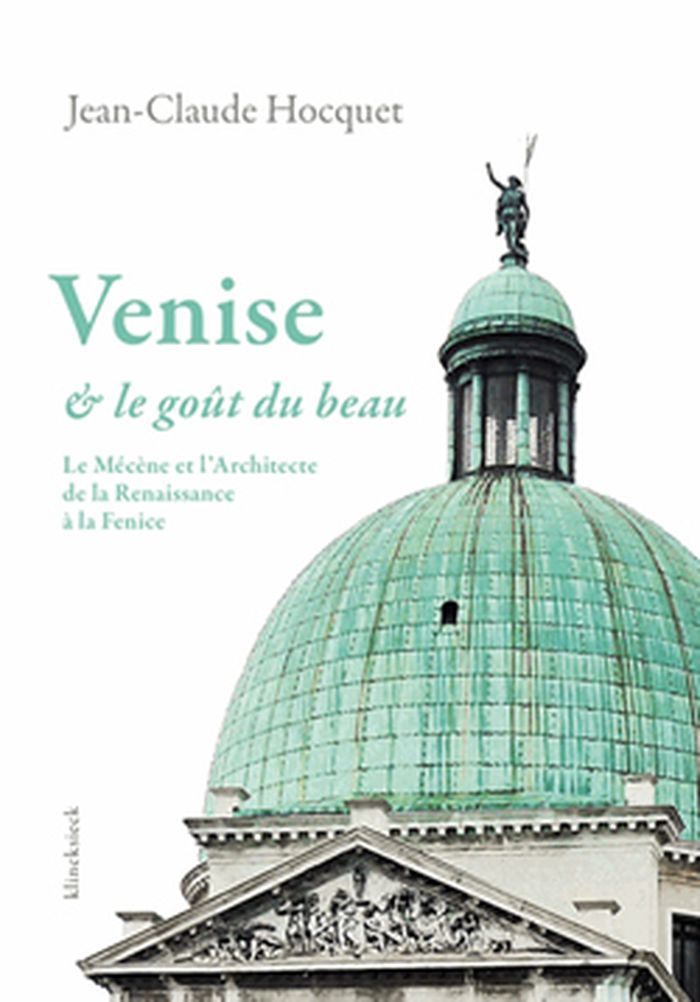
L'historien de Venise Jean-Claude Hocquet, auteur de nombreux ouvrages sur la Sérénissime, porte un nouveau regard sur la ville et son histoire qu'il aborde par le prisme de l'histoire de l'art et de l'histoire sociale des relations entre les mécènes nobles ou riches bourgeois et les créateurs.Le livre embrasse ces quatre siècles et retrace la vie et les oeuvres des architectes venus de Florence, de Rome ou des provinces de l'Etat vénitien, souvent simples tailleurs de pierre formés dans les ateliers de leurs illustres prédécesseurs ou théoriciens lecteurs de Vitruve, qui ont construit à l'âge du Baroque des églises, des hôpitaux, des palais, de sobres bâtiments commerciaux ou administratifs fonctionnels, mais aussi des monuments funéraires ou des temples dédiés à la musique (la Pietà) ou à la glorification des héros.
Venise et le goût du beau
Actions:
Prix:
$64.95
(disponible sur commande)
Résumé:
L'historien de Venise Jean-Claude Hocquet, auteur de nombreux ouvrages sur la Sérénissime, porte un nouveau regard sur la ville et son histoire qu'il aborde par le prisme de l'histoire de l'art et de l'histoire sociale des relations entre les mécènes nobles ou riches bourgeois et les créateurs.Le livre embrasse ces quatre siècles et retrace la vie et les oeuvres des architectes venus de Florence, de Rome ou des provinces de l'Etat vénitien, souvent simples tailleurs de pierre formés dans les ateliers de leurs illustres prédécesseurs ou théoriciens lecteurs de Vitruve, qui ont construit à l'âge du Baroque des églises, des hôpitaux, des palais, de sobres bâtiments commerciaux ou administratifs fonctionnels, mais aussi des monuments funéraires ou des temples dédiés à la musique (la Pietà) ou à la glorification des héros.
Classification:
livres
livres
Publication:
août 2015
août 2015
Classification:
livres
livres

Titre:
Le Baptistère Saint-Jean
Le Baptistère Saint-Jean
Actions:
Prix:
$110.00
(disponible sur commande)
Résumé:
Ce volume propose une redécouverte du plus ancien monument de Florence et sans doute de l’un des chefs-d’œuvre romans les plus remarquables de Toscane. Le lecteur est introduit dans l’histoire artistique du Baptistère Saint-Jean grâce à des photographies spectaculaires qui donnent à voir au plus près les richesses inestimables que renferme cet édifice, à partir duquel la(...)
$110.00
(disponible sur commande)
Résumé:
Ce volume propose une redécouverte du plus ancien monument de Florence et sans doute de l’un des chefs-d’œuvre romans les plus remarquables de Toscane. Le lecteur est introduit dans l’histoire artistique du Baptistère Saint-Jean grâce à des photographies spectaculaires qui donnent à voir au plus près les richesses inestimables que renferme cet édifice, à partir duquel la(...)
Titre:
Le Baptistère Saint-Jean
Actions:
Prix:
$110.00
(disponible sur commande)
Résumé:
Ce volume propose une redécouverte du plus ancien monument de Florence et sans doute de l’un des chefs-d’œuvre romans les plus remarquables de Toscane. Le lecteur est introduit dans l’histoire artistique du Baptistère Saint-Jean grâce à des photographies spectaculaires qui donnent à voir au plus près les richesses inestimables que renferme cet édifice, à partir duquel la ville entière semble irradier et prendre son sens.
Le Baptistère Saint-Jean
Actions:
Prix:
$110.00
(disponible sur commande)
Résumé:
Ce volume propose une redécouverte du plus ancien monument de Florence et sans doute de l’un des chefs-d’œuvre romans les plus remarquables de Toscane. Le lecteur est introduit dans l’histoire artistique du Baptistère Saint-Jean grâce à des photographies spectaculaires qui donnent à voir au plus près les richesses inestimables que renferme cet édifice, à partir duquel la ville entière semble irradier et prendre son sens.
Classification:
livres
livres
Publication:
novembre 2013
novembre 2013
Classification:
livres
livres
Actions:
Prix:
$59.95
(disponible sur commande)
Résumé:
Through the use of account books, inventories, wills, and other records, Renata Ago examines early modern attitudes toward possessions, asking what people did with their things, why they wrote about them, and how they passed objects on to their heirs. An investigation into the relationship between people and the things they buy, Gusto for Things paints a portrait of the(...)
$59.95
(disponible sur commande)
Résumé:
Through the use of account books, inventories, wills, and other records, Renata Ago examines early modern attitudes toward possessions, asking what people did with their things, why they wrote about them, and how they passed objects on to their heirs. An investigation into the relationship between people and the things they buy, Gusto for Things paints a portrait of the(...)
Titre:
Gusto for things : a history of objects in Seventeenth-Century Rome
Actions:
Prix:
$59.95
(disponible sur commande)
Résumé:
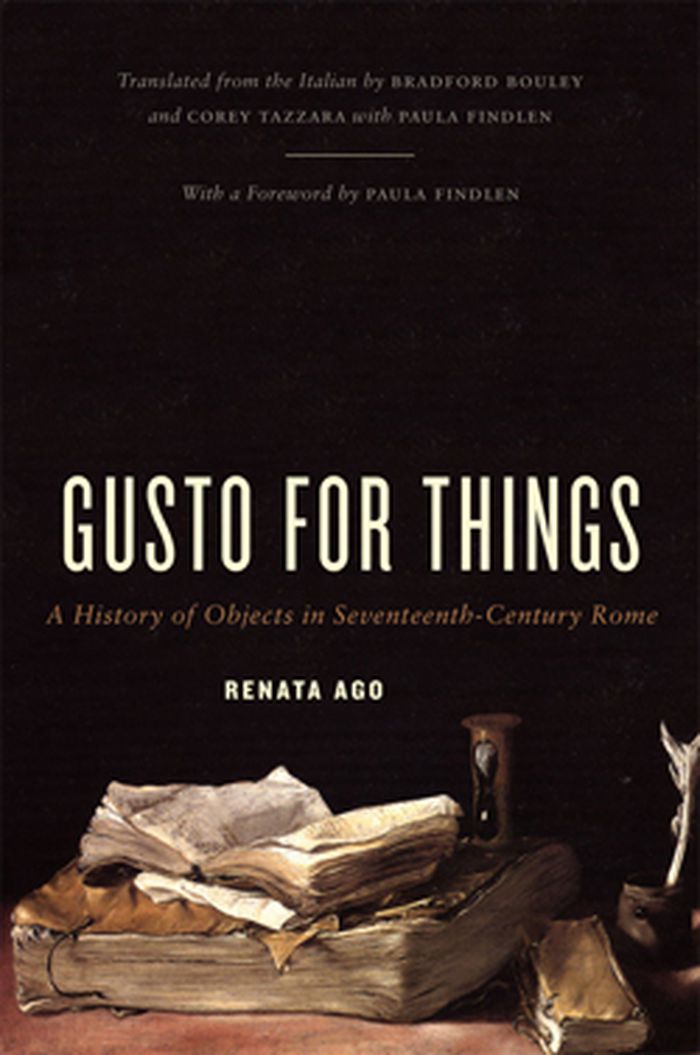
Through the use of account books, inventories, wills, and other records, Renata Ago examines early modern attitudes toward possessions, asking what people did with their things, why they wrote about them, and how they passed objects on to their heirs. An investigation into the relationship between people and the things they buy, Gusto for Things paints a portrait of the meaning of objects in preindustrial Europe.
Gusto for things : a history of objects in Seventeenth-Century Rome
Actions:
Prix:
$59.95
(disponible sur commande)
Résumé:
Through the use of account books, inventories, wills, and other records, Renata Ago examines early modern attitudes toward possessions, asking what people did with their things, why they wrote about them, and how they passed objects on to their heirs. An investigation into the relationship between people and the things they buy, Gusto for Things paints a portrait of the meaning of objects in preindustrial Europe.
Classification:
livres
livres
Publication:
mars 2013
mars 2013


