


116 Résultats
Classification:
livres
livres
Prix:
$64.95
(disponible sur commande)
Résumé:
« Diriez-vous de moi que je suis une diva si j’étais un homme ? » avait dit Zaha Hadid, bousculant plus d’un siècle de sexisme en architecture. Un siècle au cours duquel les femmes se sont vues refuser l’accès aux écoles d’architecture, voire aux diplômes alors qu’elles avaient suivis les cours. Aujourd’hui encore, elles ne représentent que 10 % des plus hauts postes dans(...)
$64.95
(disponible sur commande)
Résumé:
« Diriez-vous de moi que je suis une diva si j’étais un homme ? » avait dit Zaha Hadid, bousculant plus d’un siècle de sexisme en architecture. Un siècle au cours duquel les femmes se sont vues refuser l’accès aux écoles d’architecture, voire aux diplômes alors qu’elles avaient suivis les cours. Aujourd’hui encore, elles ne représentent que 10 % des plus hauts postes dans(...)
Titre:
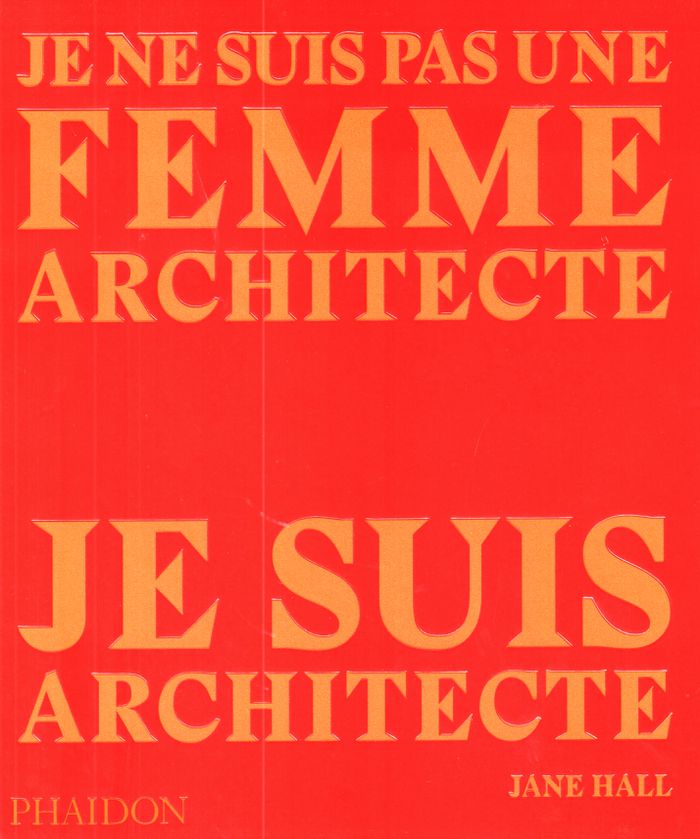
Je ne suis pas une femme architecte, je suis architecte
Actions:
Prix:
$64.95
(disponible sur commande)
Résumé:
« Diriez-vous de moi que je suis une diva si j’étais un homme ? » avait dit Zaha Hadid, bousculant plus d’un siècle de sexisme en architecture. Un siècle au cours duquel les femmes se sont vues refuser l’accès aux écoles d’architecture, voire aux diplômes alors qu’elles avaient suivis les cours. Aujourd’hui encore, elles ne représentent que 10 % des plus hauts postes dans les agences d’architecture. En réponse à ce contexte, cet ouvrage rend un hommage essentiel aux créations architecturales des femmes architectes. Avec plus de 150 réalisations couvrant plus d’une centaine d’années, cet ouvrage est un véritable manifeste. C’est un témoignage photo graphique de l’extraordinaire contribution des femmes au métier d’architecte.
Je ne suis pas une femme architecte, je suis architecte
Actions:
Prix:
$64.95
(disponible sur commande)
Résumé:
« Diriez-vous de moi que je suis une diva si j’étais un homme ? » avait dit Zaha Hadid, bousculant plus d’un siècle de sexisme en architecture. Un siècle au cours duquel les femmes se sont vues refuser l’accès aux écoles d’architecture, voire aux diplômes alors qu’elles avaient suivis les cours. Aujourd’hui encore, elles ne représentent que 10 % des plus hauts postes dans les agences d’architecture. En réponse à ce contexte, cet ouvrage rend un hommage essentiel aux créations architecturales des femmes architectes. Avec plus de 150 réalisations couvrant plus d’une centaine d’années, cet ouvrage est un véritable manifeste. C’est un témoignage photo graphique de l’extraordinaire contribution des femmes au métier d’architecte.
Classification:
livres
livres
Publication:
octobre 2019
octobre 2019
Classification:
livres
livres
Titre:
Scandinavian architecture
Scandinavian architecture
Actions:
Prix:
$62.00
(disponible sur commande)
Résumé:
''Scandinavian architecture'' presents the most complete survey of Nordic architecture available today. Showcasing examples of public, domestic and commercial buildings, this beautiful volume exhibits how Scandinavian architects use their own resources and traditions, as well as adapting the styles of medieval, Renaissance, baroque and modern Europe. With more than 500(...)
$62.00
(disponible sur commande)
Résumé:
''Scandinavian architecture'' presents the most complete survey of Nordic architecture available today. Showcasing examples of public, domestic and commercial buildings, this beautiful volume exhibits how Scandinavian architects use their own resources and traditions, as well as adapting the styles of medieval, Renaissance, baroque and modern Europe. With more than 500(...)
Publication:
novembre 2021
novembre 2021
Titre:
Scandinavian architecture
Actions:
Prix:
$62.00
(disponible sur commande)
Résumé:
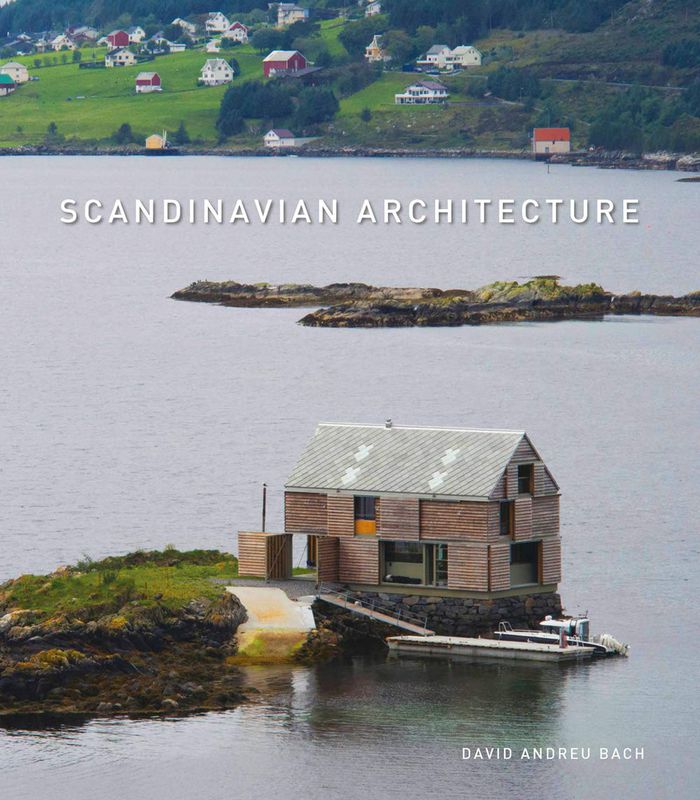
''Scandinavian architecture'' presents the most complete survey of Nordic architecture available today. Showcasing examples of public, domestic and commercial buildings, this beautiful volume exhibits how Scandinavian architects use their own resources and traditions, as well as adapting the styles of medieval, Renaissance, baroque and modern Europe. With more than 500 illustrations providing a visual explanation of this region's architecture, this unique look into Scandinavia’s new generation of architects is an endlessly rich resource for anyone with a passion for architecture and interior design.
Scandinavian architecture
Actions:
Prix:
$62.00
(disponible sur commande)
Résumé:
''Scandinavian architecture'' presents the most complete survey of Nordic architecture available today. Showcasing examples of public, domestic and commercial buildings, this beautiful volume exhibits how Scandinavian architects use their own resources and traditions, as well as adapting the styles of medieval, Renaissance, baroque and modern Europe. With more than 500 illustrations providing a visual explanation of this region's architecture, this unique look into Scandinavia’s new generation of architects is an endlessly rich resource for anyone with a passion for architecture and interior design.
Classification:
livres
livres
Publication:
novembre 2021
novembre 2021
Classification:
livres
livres

Titre:
The story of architecture
The story of architecture
Actions:
Prix:
$54.95
(disponible sur commande)
Résumé:
In this sweeping history, from the Stone Age to the present day, Witold Rybczynski shows how architectural ideals have been affected by technological, economic, and social changes—and by changes in taste. The host of examples ranges from places of worship such as Hagia Sophia and Brunelleschi’s Duomo to living spaces such as the Katsura Imperial Villa and the Alhambra,(...)
$54.95
(disponible sur commande)
Résumé:
In this sweeping history, from the Stone Age to the present day, Witold Rybczynski shows how architectural ideals have been affected by technological, economic, and social changes—and by changes in taste. The host of examples ranges from places of worship such as Hagia Sophia and Brunelleschi’s Duomo to living spaces such as the Katsura Imperial Villa and the Alhambra,(...)
Publication:
octobre 2022
octobre 2022
Titre:
The story of architecture
Actions:
Prix:
$54.95
(disponible sur commande)
Résumé:
In this sweeping history, from the Stone Age to the present day, Witold Rybczynski shows how architectural ideals have been affected by technological, economic, and social changes—and by changes in taste. The host of examples ranges from places of worship such as Hagia Sophia and Brunelleschi’s Duomo to living spaces such as the Katsura Imperial Villa and the Alhambra, national icons such as the Lincoln Memorial and the Sydney Opera House, and skyscrapers such as the Seagram Building and Beijing’s CCTV headquarters. Rybczynski’s narrative emphasizes the ways that buildings across time and space are united by the human desire for order, meaning, and beauty.This is the story of architecture’s physical manifestation of the universal aspiration to celebrate, honor, and commemorate, and an exploration of the ways that each building is a unique product of patrons, architects, and builders.
The story of architecture
Actions:
Prix:
$54.95
(disponible sur commande)
Résumé:
In this sweeping history, from the Stone Age to the present day, Witold Rybczynski shows how architectural ideals have been affected by technological, economic, and social changes—and by changes in taste. The host of examples ranges from places of worship such as Hagia Sophia and Brunelleschi’s Duomo to living spaces such as the Katsura Imperial Villa and the Alhambra, national icons such as the Lincoln Memorial and the Sydney Opera House, and skyscrapers such as the Seagram Building and Beijing’s CCTV headquarters. Rybczynski’s narrative emphasizes the ways that buildings across time and space are united by the human desire for order, meaning, and beauty.This is the story of architecture’s physical manifestation of the universal aspiration to celebrate, honor, and commemorate, and an exploration of the ways that each building is a unique product of patrons, architects, and builders.
Classification:
livres
livres
Publication:
octobre 2022
octobre 2022
Classification:
livres
livres
Actions:
Prix:
$37.95
(disponible sur commande)
Résumé:
C'est un Paris insolite et captivant, nostalgique et métissé, que Michel Pinçon et Monique Pinçon-Charlot nous invitent à parcourir d'une manière originale. Les deux célèbres sociologues ont conçu quinze itinéraires pour donner à comprendre la capitale française dans sa diversité et faire partager un peu de la vie des habitants de chaque quartier. Ces promenades,(...)
$37.95
(disponible sur commande)
Résumé:
C'est un Paris insolite et captivant, nostalgique et métissé, que Michel Pinçon et Monique Pinçon-Charlot nous invitent à parcourir d'une manière originale. Les deux célèbres sociologues ont conçu quinze itinéraires pour donner à comprendre la capitale française dans sa diversité et faire partager un peu de la vie des habitants de chaque quartier. Ces promenades,(...)
Titre:
Paris quinze promenades sociologiques
Actions:
Prix:
$37.95
(disponible sur commande)
Résumé:
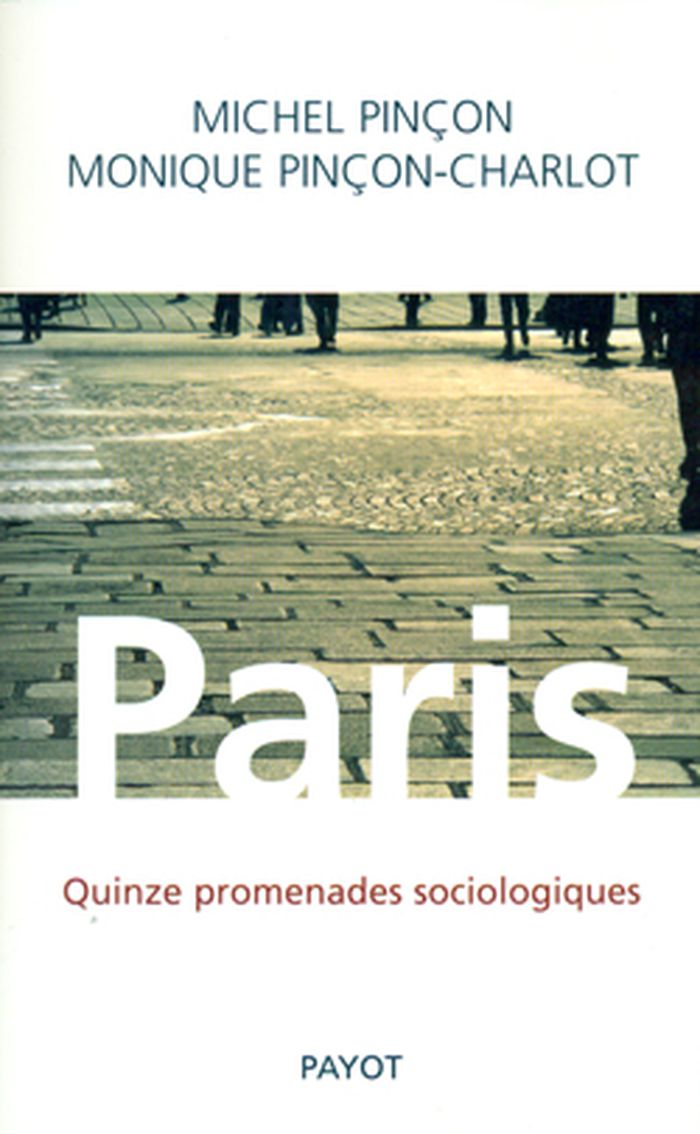
C'est un Paris insolite et captivant, nostalgique et métissé, que Michel Pinçon et Monique Pinçon-Charlot nous invitent à parcourir d'une manière originale. Les deux célèbres sociologues ont conçu quinze itinéraires pour donner à comprendre la capitale française dans sa diversité et faire partager un peu de la vie des habitants de chaque quartier. Ces promenades, commentées et agrémentées de plans et de photographies, envisagent Paris sous différents angles sociologiques : l'immigration (Goutte-d'Or, Sentier, 130 arrondissement), la mobilité (métro, gare Saint-Lazare), l'embourgeoisement (faubourg Saint-Antoine, 8e arrondissement, Saint-Germain-des-Prés, rue Oberkampf), les transformations architecturales (villas de luxe à l'ouest, villa populaires à l'est, Bercy, quartier de la Bibliothèque de France), le rapport à la banlieue (les portes de Paris, à l'ouest d'Asnières à Maillot, à l'est de Montreuil à Pantin). Le marcheur pourra ainsi découvrir autrement les quartiers où se construit aujourd'hui le Paris de demain, où se joue l'identité d'une ville ouverte sur le monde.
Paris quinze promenades sociologiques
Actions:
Prix:
$37.95
(disponible sur commande)
Résumé:
C'est un Paris insolite et captivant, nostalgique et métissé, que Michel Pinçon et Monique Pinçon-Charlot nous invitent à parcourir d'une manière originale. Les deux célèbres sociologues ont conçu quinze itinéraires pour donner à comprendre la capitale française dans sa diversité et faire partager un peu de la vie des habitants de chaque quartier. Ces promenades, commentées et agrémentées de plans et de photographies, envisagent Paris sous différents angles sociologiques : l'immigration (Goutte-d'Or, Sentier, 130 arrondissement), la mobilité (métro, gare Saint-Lazare), l'embourgeoisement (faubourg Saint-Antoine, 8e arrondissement, Saint-Germain-des-Prés, rue Oberkampf), les transformations architecturales (villas de luxe à l'ouest, villa populaires à l'est, Bercy, quartier de la Bibliothèque de France), le rapport à la banlieue (les portes de Paris, à l'ouest d'Asnières à Maillot, à l'est de Montreuil à Pantin). Le marcheur pourra ainsi découvrir autrement les quartiers où se construit aujourd'hui le Paris de demain, où se joue l'identité d'une ville ouverte sur le monde.
Classification:
livres
livres
Publication:
juin 2009
juin 2009
Classification:
livres
livres
Titre:
Exercice(s) d'architecture
Exercice(s) d'architecture
Actions:
Prix:
$23.95
(disponible sur commande)
Résumé:
Fruit de la collaboration entre l'École Nationale Supérieure d'Architecture de Bretagne et les éditions Bookstorming, cette publication se veut le support de l'architecture en Bretagne et a pour vocation de réunir étudiants, enseignants, chercheurs et praticiens de l'architecture. Dans une visée interdisciplinaire, «Excercice(s) d'architecture» désire permettre aux(...)
$23.95
(disponible sur commande)
Résumé:
Fruit de la collaboration entre l'École Nationale Supérieure d'Architecture de Bretagne et les éditions Bookstorming, cette publication se veut le support de l'architecture en Bretagne et a pour vocation de réunir étudiants, enseignants, chercheurs et praticiens de l'architecture. Dans une visée interdisciplinaire, «Excercice(s) d'architecture» désire permettre aux(...)
Publication:
juillet 2009
juillet 2009
Titre:
Exercice(s) d'architecture
Actions:
Prix:
$23.95
(disponible sur commande)
Résumé:
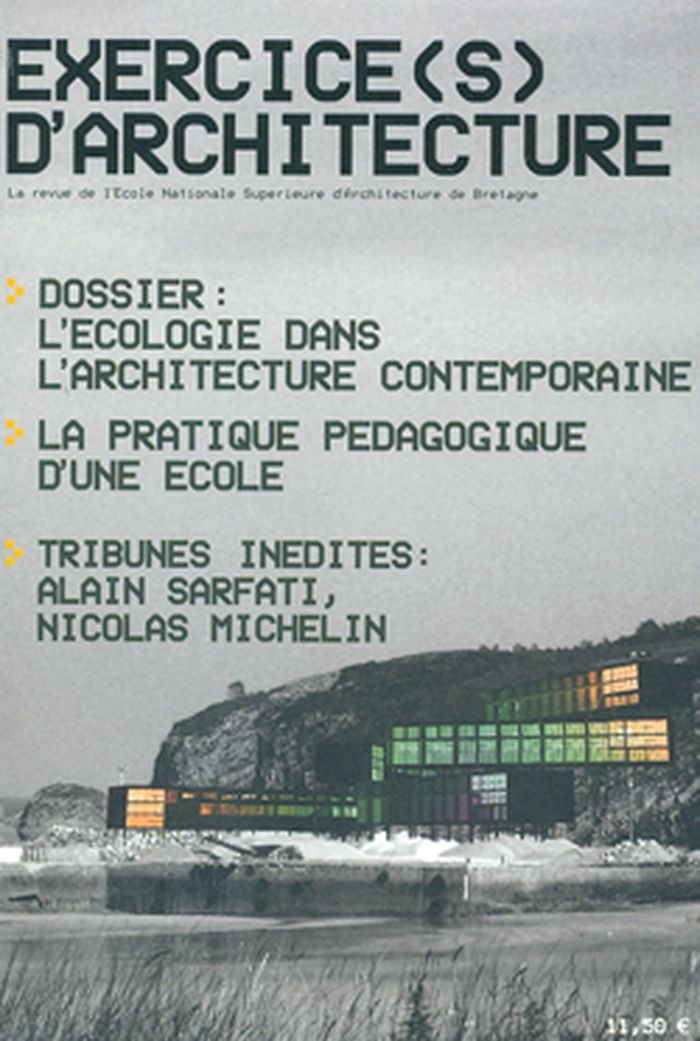
Fruit de la collaboration entre l'École Nationale Supérieure d'Architecture de Bretagne et les éditions Bookstorming, cette publication se veut le support de l'architecture en Bretagne et a pour vocation de réunir étudiants, enseignants, chercheurs et praticiens de l'architecture. Dans une visée interdisciplinaire, «Excercice(s) d'architecture» désire permettre aux étudiants, à travers une thématique chaque année différente, de publier leurs travaux, tout en donnant aux membres de l'enseignement un moyen de diffusion de leur pratique pédagogique. Dans ce premier numéro, la question du développement durable et de ses enjeux trouve écho sous la thématique de «l'écologie en architecture».
Exercice(s) d'architecture
Actions:
Prix:
$23.95
(disponible sur commande)
Résumé:
Fruit de la collaboration entre l'École Nationale Supérieure d'Architecture de Bretagne et les éditions Bookstorming, cette publication se veut le support de l'architecture en Bretagne et a pour vocation de réunir étudiants, enseignants, chercheurs et praticiens de l'architecture. Dans une visée interdisciplinaire, «Excercice(s) d'architecture» désire permettre aux étudiants, à travers une thématique chaque année différente, de publier leurs travaux, tout en donnant aux membres de l'enseignement un moyen de diffusion de leur pratique pédagogique. Dans ce premier numéro, la question du développement durable et de ses enjeux trouve écho sous la thématique de «l'écologie en architecture».
Classification:
livres
livres
Publication:
juillet 2009
juillet 2009
Classification:
livres
livres
Titre:
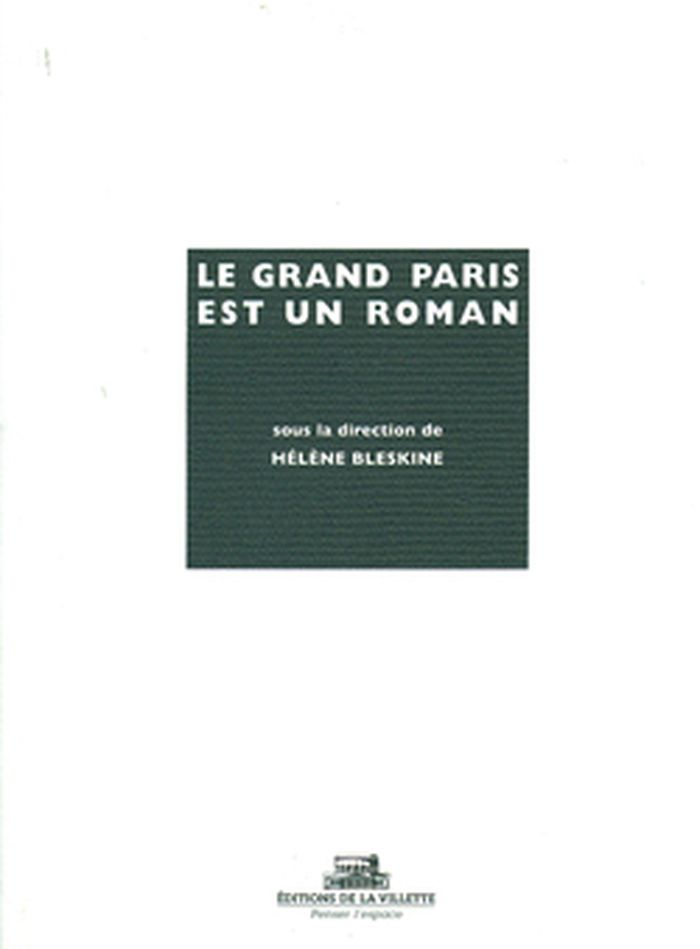
Le grand Paris est un roman
Le grand Paris est un roman
Actions:
Prix:
$29.95
(disponible sur commande)
Résumé:
«Le projet tout autour de Paris : comment regarder autrement, ne pas se résigner. La grande capitale est malmenée par les écarts entre les mondes inscrits dans son territoire. Paris mille fois écrite, merveilleusement. Alors, ouvrir les frontières, tout autour de Paris, rêver à un vaste chantier, oui, aller se promener tout autour, oublier qu'il existe un périphérique au(...)
$29.95
(disponible sur commande)
Résumé:
«Le projet tout autour de Paris : comment regarder autrement, ne pas se résigner. La grande capitale est malmenée par les écarts entre les mondes inscrits dans son territoire. Paris mille fois écrite, merveilleusement. Alors, ouvrir les frontières, tout autour de Paris, rêver à un vaste chantier, oui, aller se promener tout autour, oublier qu'il existe un périphérique au(...)
Publication:
juillet 2009
juillet 2009
Titre:
Le grand Paris est un roman
Actions:
Prix:
$29.95
(disponible sur commande)
Résumé:
«Le projet tout autour de Paris : comment regarder autrement, ne pas se résigner. La grande capitale est malmenée par les écarts entre les mondes inscrits dans son territoire. Paris mille fois écrite, merveilleusement. Alors, ouvrir les frontières, tout autour de Paris, rêver à un vaste chantier, oui, aller se promener tout autour, oublier qu'il existe un périphérique au tracé symbolique de la séparation. C'est une invitation au voyage, tout près, pas si loin, presque proche, toucher du doigt. C'est un projet en mouvement, lent, compliqué, comment écrire ce qui nous entoure, nous perce le coeur, nous révolte, et puis nous ravit aussi. Côtoyer les mondes différents comme dans les faubourgs, rêver d'une extension des faubourgs, marcher, prendre un vélo, découvrir, se donner rendez-vous, aller au théâtre, au concert, au cinéma, aller manger, habiter, aller et venir, ici et là-bas... Faire tomber les murs.» Avec des photographies de Chris marker, des textes de Béatrice Castoriano, François Bon, Grand Corps malade, Roland Castro, Jean-Pierre Le Dantec et plusieurs autres.
Le grand Paris est un roman
Actions:
Prix:
$29.95
(disponible sur commande)
Résumé:
«Le projet tout autour de Paris : comment regarder autrement, ne pas se résigner. La grande capitale est malmenée par les écarts entre les mondes inscrits dans son territoire. Paris mille fois écrite, merveilleusement. Alors, ouvrir les frontières, tout autour de Paris, rêver à un vaste chantier, oui, aller se promener tout autour, oublier qu'il existe un périphérique au tracé symbolique de la séparation. C'est une invitation au voyage, tout près, pas si loin, presque proche, toucher du doigt. C'est un projet en mouvement, lent, compliqué, comment écrire ce qui nous entoure, nous perce le coeur, nous révolte, et puis nous ravit aussi. Côtoyer les mondes différents comme dans les faubourgs, rêver d'une extension des faubourgs, marcher, prendre un vélo, découvrir, se donner rendez-vous, aller au théâtre, au concert, au cinéma, aller manger, habiter, aller et venir, ici et là-bas... Faire tomber les murs.» Avec des photographies de Chris marker, des textes de Béatrice Castoriano, François Bon, Grand Corps malade, Roland Castro, Jean-Pierre Le Dantec et plusieurs autres.
Classification:
livres
livres
Publication:
juillet 2009
juillet 2009
Classification:
livres
livres
Actions:
Prix:
$42.95
(disponible sur commande)
Résumé:
Nantes connaît, depuis une dizaine d'années, d'importants changements, tant organisationnels que relatifs aux territoires urbanisés. Qu'ils soient impulsés par la ville ou la communauté urbaine, les projets urbains incarnent, dans ce contexte, des enjeux multidimensionnels. On se propose ici d'examiner la façon dont s'imbriquent les stratégies, volontés explicitées,(...)
$42.95
(disponible sur commande)
Résumé:
Nantes connaît, depuis une dizaine d'années, d'importants changements, tant organisationnels que relatifs aux territoires urbanisés. Qu'ils soient impulsés par la ville ou la communauté urbaine, les projets urbains incarnent, dans ce contexte, des enjeux multidimensionnels. On se propose ici d'examiner la façon dont s'imbriquent les stratégies, volontés explicitées,(...)
Publication:
juillet 2009
juillet 2009
Titre:
Nantes : petite et grande fabrique urbaine
Actions:
Prix:
$42.95
(disponible sur commande)
Résumé:
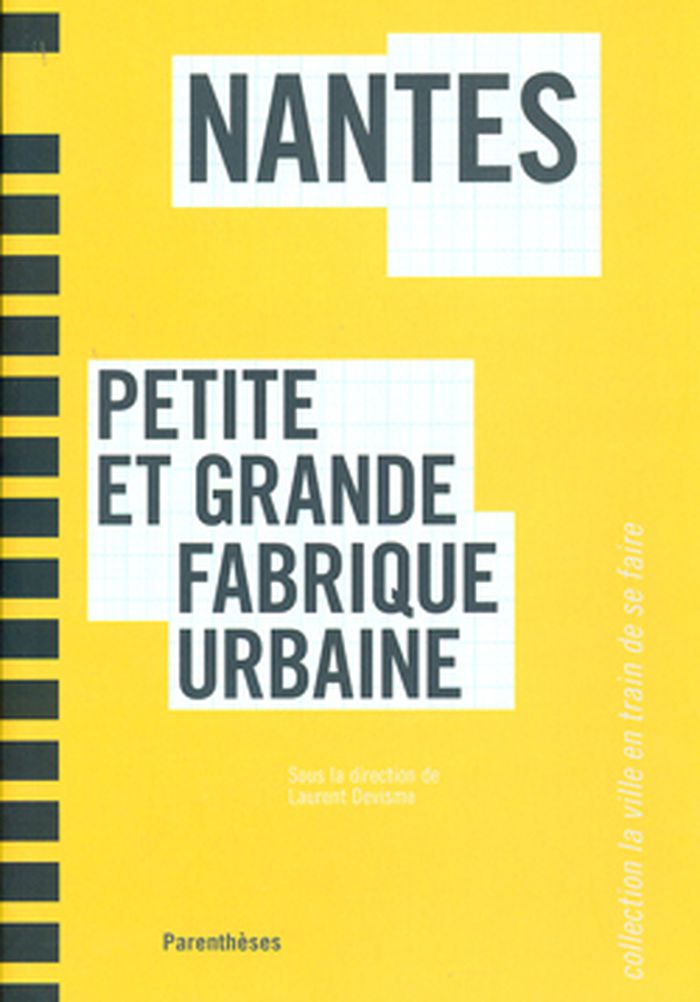
Nantes connaît, depuis une dizaine d'années, d'importants changements, tant organisationnels que relatifs aux territoires urbanisés. Qu'ils soient impulsés par la ville ou la communauté urbaine, les projets urbains incarnent, dans ce contexte, des enjeux multidimensionnels. On se propose ici d'examiner la façon dont s'imbriquent les stratégies, volontés explicitées, intentions politiques et l'ordinaire de l'action sur le terrain : grande et petite fabrique de la ville. Si cette "fabrique" est intentionnelle, elle ne se limite pas à ce que produisent les pouvoirs publics. Les processus en jeu mis en évidence font apparaître les différentes "couches" d'intervenants, leurs pouvoirs, instruments et cultures professionnelles à l'œuvre. Le regard des auteurs prétend à autre chose qu'à de la passivité ou de la complaisance en révélant le fond de plan nantais, les routines et les discours officiels, la ville en train de se faire en somme. Ce livre est le premier d'une série de monographies spécifiques à chacune des villes ayant participé au programme Popsu (Plate-forme d'observation des projets et stratégies urbaines).
Nantes : petite et grande fabrique urbaine
Actions:
Prix:
$42.95
(disponible sur commande)
Résumé:
Nantes connaît, depuis une dizaine d'années, d'importants changements, tant organisationnels que relatifs aux territoires urbanisés. Qu'ils soient impulsés par la ville ou la communauté urbaine, les projets urbains incarnent, dans ce contexte, des enjeux multidimensionnels. On se propose ici d'examiner la façon dont s'imbriquent les stratégies, volontés explicitées, intentions politiques et l'ordinaire de l'action sur le terrain : grande et petite fabrique de la ville. Si cette "fabrique" est intentionnelle, elle ne se limite pas à ce que produisent les pouvoirs publics. Les processus en jeu mis en évidence font apparaître les différentes "couches" d'intervenants, leurs pouvoirs, instruments et cultures professionnelles à l'œuvre. Le regard des auteurs prétend à autre chose qu'à de la passivité ou de la complaisance en révélant le fond de plan nantais, les routines et les discours officiels, la ville en train de se faire en somme. Ce livre est le premier d'une série de monographies spécifiques à chacune des villes ayant participé au programme Popsu (Plate-forme d'observation des projets et stratégies urbaines).
Classification:
livres
livres
Publication:
juillet 2009
juillet 2009
Classification:
livres
livres
Actions:
Prix:
$28.99
(disponible sur commande)
Résumé:
La mise en valeur de l’importante collection du peintre Félicien Rops dans le musée que lui a consacré sa ville natale de Namur témoigne de la sensibilité avec laquelle l’architecte et scénographe Filip Roland a saisi matière et lumière pour nous faire pénétrer dans l’imaginaire de l’œuvre.Dans un entretien avec Raymond Balau, Filip Roland expose les motifs et les(...)
$28.99
(disponible sur commande)
Résumé:
La mise en valeur de l’importante collection du peintre Félicien Rops dans le musée que lui a consacré sa ville natale de Namur témoigne de la sensibilité avec laquelle l’architecte et scénographe Filip Roland a saisi matière et lumière pour nous faire pénétrer dans l’imaginaire de l’œuvre.Dans un entretien avec Raymond Balau, Filip Roland expose les motifs et les(...)
Titre:
Visions. Architectures publiques volume 4
Actions:
Prix:
$28.99
(disponible sur commande)
Résumé:
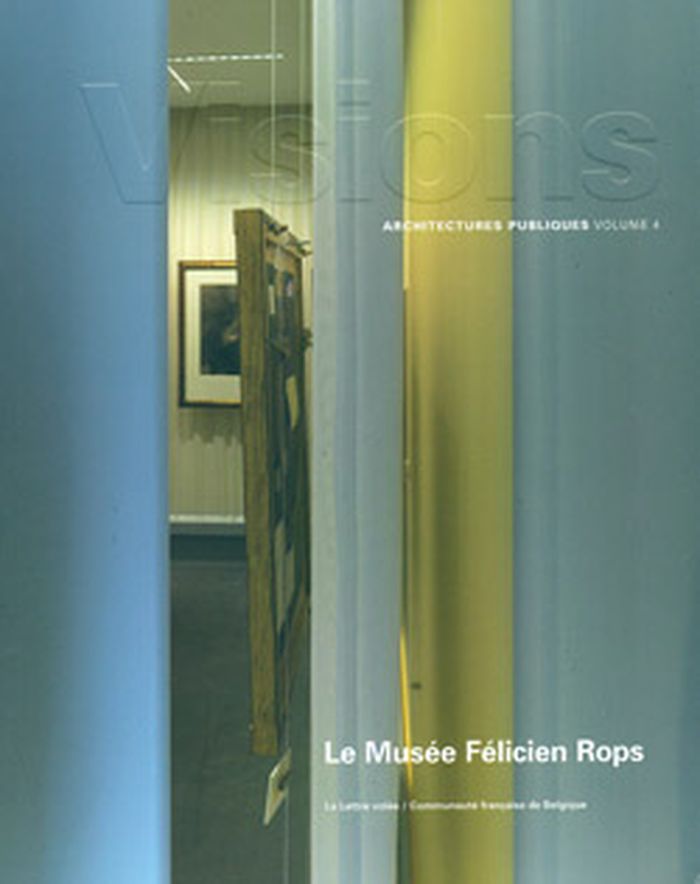
La mise en valeur de l’importante collection du peintre Félicien Rops dans le musée que lui a consacré sa ville natale de Namur témoigne de la sensibilité avec laquelle l’architecte et scénographe Filip Roland a saisi matière et lumière pour nous faire pénétrer dans l’imaginaire de l’œuvre.Dans un entretien avec Raymond Balau, Filip Roland expose les motifs et les résonances de cette intervention sur l’espace tandis que le sculpteur Anne Jones présente l’œuvre in situ conçue pour le musée.
Visions. Architectures publiques volume 4
Actions:
Prix:
$28.99
(disponible sur commande)
Résumé:
La mise en valeur de l’importante collection du peintre Félicien Rops dans le musée que lui a consacré sa ville natale de Namur témoigne de la sensibilité avec laquelle l’architecte et scénographe Filip Roland a saisi matière et lumière pour nous faire pénétrer dans l’imaginaire de l’œuvre.Dans un entretien avec Raymond Balau, Filip Roland expose les motifs et les résonances de cette intervention sur l’espace tandis que le sculpteur Anne Jones présente l’œuvre in situ conçue pour le musée.
Classification:
livres
livres
Publication:
juillet 2009
juillet 2009
Classification:
livres
livres
Actions:
Prix:
$49.95
(disponible sur commande)
Résumé:
Dans leur quête de petites structures qui défient l'idée traditionnelle de l'abri, les architectes continuent de jouer avec les définitions, les perceptions et les attentes. Ce troisième volet de la série XS regroupe des projets qui tous ont en commun d'être extrêmes. Extrêmes par l'utilisation qu'ils font de matériaux nouveaux ou anciens, extrêmes par leur manière(...)
$49.95
(disponible sur commande)
Résumé:
Dans leur quête de petites structures qui défient l'idée traditionnelle de l'abri, les architectes continuent de jouer avec les définitions, les perceptions et les attentes. Ce troisième volet de la série XS regroupe des projets qui tous ont en commun d'être extrêmes. Extrêmes par l'utilisation qu'ils font de matériaux nouveaux ou anciens, extrêmes par leur manière(...)
Publication:
juillet 2009
juillet 2009
Titre:
XS extrême grandes idées petites structures
Actions:
Prix:
$49.95
(disponible sur commande)
Résumé:
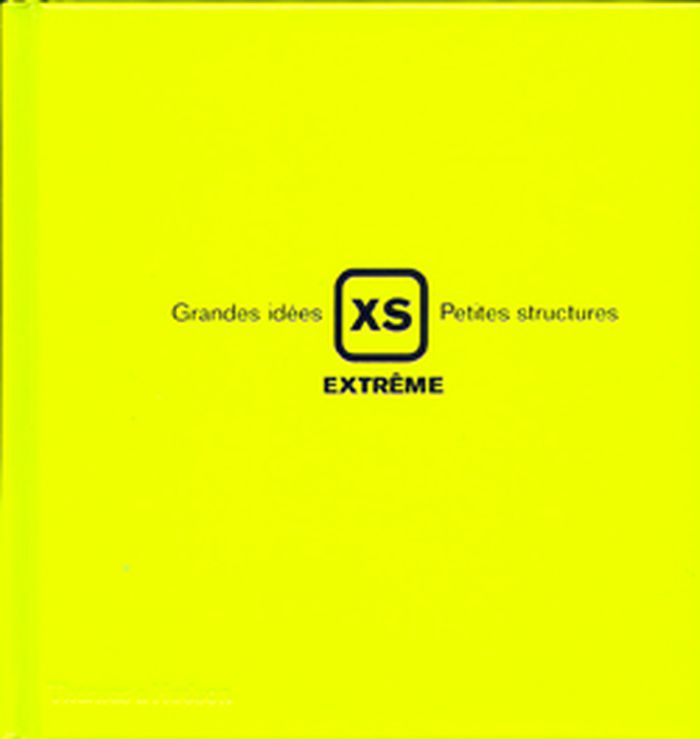
Dans leur quête de petites structures qui défient l'idée traditionnelle de l'abri, les architectes continuent de jouer avec les définitions, les perceptions et les attentes. Ce troisième volet de la série XS regroupe des projets qui tous ont en commun d'être extrêmes. Extrêmes par l'utilisation qu'ils font de matériaux nouveaux ou anciens, extrêmes par leur manière d'abolir toute distinction entre art et architecture, extrêmes par leur contexte géographique ou climatique, par leur réponse radicale à des problèmes urbains, par la pureté du dialogue qu'ils instaurent entre l'homme et la nature. XS Extrême ou quand l'architecture se fait encore plus petite, expérimentale et optimiste.
XS extrême grandes idées petites structures
Actions:
Prix:
$49.95
(disponible sur commande)
Résumé:
Dans leur quête de petites structures qui défient l'idée traditionnelle de l'abri, les architectes continuent de jouer avec les définitions, les perceptions et les attentes. Ce troisième volet de la série XS regroupe des projets qui tous ont en commun d'être extrêmes. Extrêmes par l'utilisation qu'ils font de matériaux nouveaux ou anciens, extrêmes par leur manière d'abolir toute distinction entre art et architecture, extrêmes par leur contexte géographique ou climatique, par leur réponse radicale à des problèmes urbains, par la pureté du dialogue qu'ils instaurent entre l'homme et la nature. XS Extrême ou quand l'architecture se fait encore plus petite, expérimentale et optimiste.
Classification:
livres
livres
Publication:
juillet 2009
juillet 2009
Classification:
livres
livres
Actions:
Prix:
$95.00
(disponible sur commande)
Résumé:
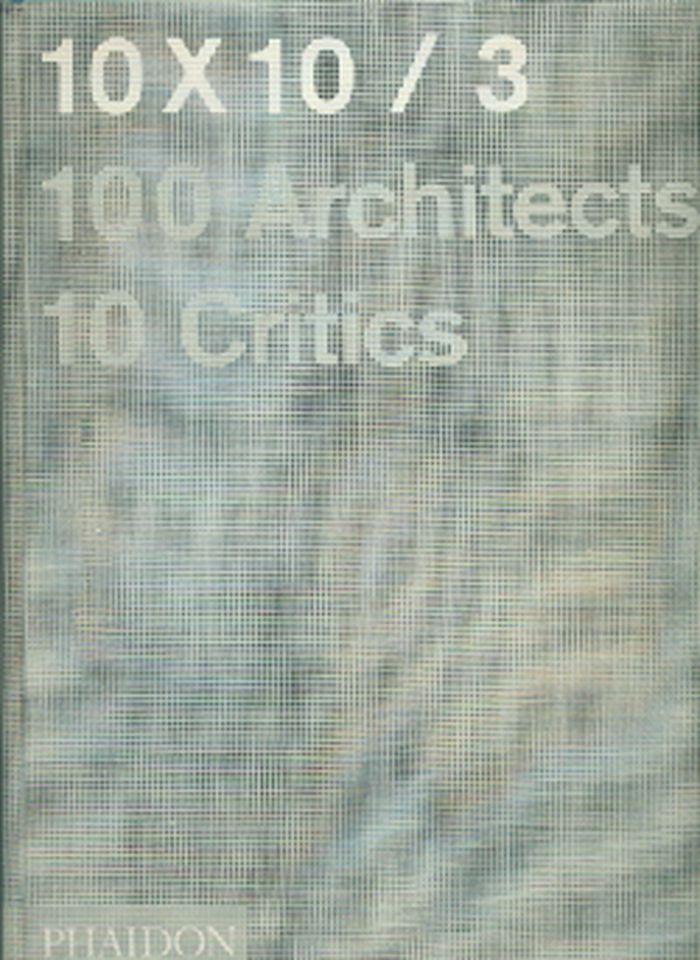
This is a comprehensive and global view of new architecture, presenting the work of 100 up-and-coming architects from around the world, selected by 10 of the best-informed critics, curators, and architects.
$95.00
(disponible sur commande)
Résumé:
This is a comprehensive and global view of new architecture, presenting the work of 100 up-and-coming architects from around the world, selected by 10 of the best-informed critics, curators, and architects.
Publication:
juillet 2009
juillet 2009
Titre:
10x10_3, 100 architects, 10 critics
Actions:
Prix:
$95.00
(disponible sur commande)
Résumé:
This is a comprehensive and global view of new architecture, presenting the work of 100 up-and-coming architects from around the world, selected by 10 of the best-informed critics, curators, and architects.
10x10_3, 100 architects, 10 critics
Actions:
Prix:
$95.00
(disponible sur commande)
Résumé:
This is a comprehensive and global view of new architecture, presenting the work of 100 up-and-coming architects from around the world, selected by 10 of the best-informed critics, curators, and architects.
Classification:
livres
livres
Publication:
juillet 2009
juillet 2009


