


30 Résultats
Classification:
livres
livres
Actions:
Prix:
$119.95
(disponible sur commande)
Résumé:
This book examines the public architecture of Ireland from 1680 to 1760, a crucial period during which the country undertook the combined tasks of recovering from war and constructing a new and stable society. New buildings, and new types of buildings, were needed to express and sustain this society. Architectural historian Edward McParland explores the role of public(...)
$119.95
(disponible sur commande)
Résumé:
This book examines the public architecture of Ireland from 1680 to 1760, a crucial period during which the country undertook the combined tasks of recovering from war and constructing a new and stable society. New buildings, and new types of buildings, were needed to express and sustain this society. Architectural historian Edward McParland explores the role of public(...)
Publication:
décembre 2001, New Haven
décembre 2001, New Haven
Titre:
Public Architecture in Ireland 1680-1760
Actions:
Prix:
$119.95
(disponible sur commande)
Résumé:
This book examines the public architecture of Ireland from 1680 to 1760, a crucial period during which the country undertook the combined tasks of recovering from war and constructing a new and stable society. New buildings, and new types of buildings, were needed to express and sustain this society. Architectural historian Edward McParland explores the role of public architecture in this enterprise, focusing on public buildings as works of architecture and art, while also discussing the political, social, and economic contexts in which they were built. The book opens with a discussion of the people who were involved in the creation of public architecture and a description of the physical appearance of Ireland at the time, including its roads and harbors, its market houses and churches. The author then presents detailed portraits of key public buildings, among them The Royal Hospital Kilmainham, The Royal Barracks, Dublin Castle, Trinity College Dublin, and Edward Lovett Pearce’s Parliament House. Drawing on extensive research in archives throughout Britain and Ireland, McParland documents the architectural and social importance of these remarkable public buildings.
Public Architecture in Ireland 1680-1760
Actions:
Prix:
$119.95
(disponible sur commande)
Résumé:
This book examines the public architecture of Ireland from 1680 to 1760, a crucial period during which the country undertook the combined tasks of recovering from war and constructing a new and stable society. New buildings, and new types of buildings, were needed to express and sustain this society. Architectural historian Edward McParland explores the role of public architecture in this enterprise, focusing on public buildings as works of architecture and art, while also discussing the political, social, and economic contexts in which they were built. The book opens with a discussion of the people who were involved in the creation of public architecture and a description of the physical appearance of Ireland at the time, including its roads and harbors, its market houses and churches. The author then presents detailed portraits of key public buildings, among them The Royal Hospital Kilmainham, The Royal Barracks, Dublin Castle, Trinity College Dublin, and Edward Lovett Pearce’s Parliament House. Drawing on extensive research in archives throughout Britain and Ireland, McParland documents the architectural and social importance of these remarkable public buildings.
Classification:
livres
livres
Publication:
décembre 2001, New Haven
décembre 2001, New Haven
Classification:
livres
livres
Actions:
Prix:
$42.00
(disponible sur commande)
Résumé:
England’s sixty-two Anglican and Catholic cathedrals are some of our most iconic buildings, attracting millions of worshippers and visitors every year. Though much has been written about their architecture, there is no complete history of their life and activities. This is the first such book to provide one, stretching from Roman times to the present day. "The History(...)
$42.00
(disponible sur commande)
Résumé:
England’s sixty-two Anglican and Catholic cathedrals are some of our most iconic buildings, attracting millions of worshippers and visitors every year. Though much has been written about their architecture, there is no complete history of their life and activities. This is the first such book to provide one, stretching from Roman times to the present day. "The History(...)
Titre:
The history of England's cathedrals
Actions:
Prix:
$42.00
(disponible sur commande)
Résumé:
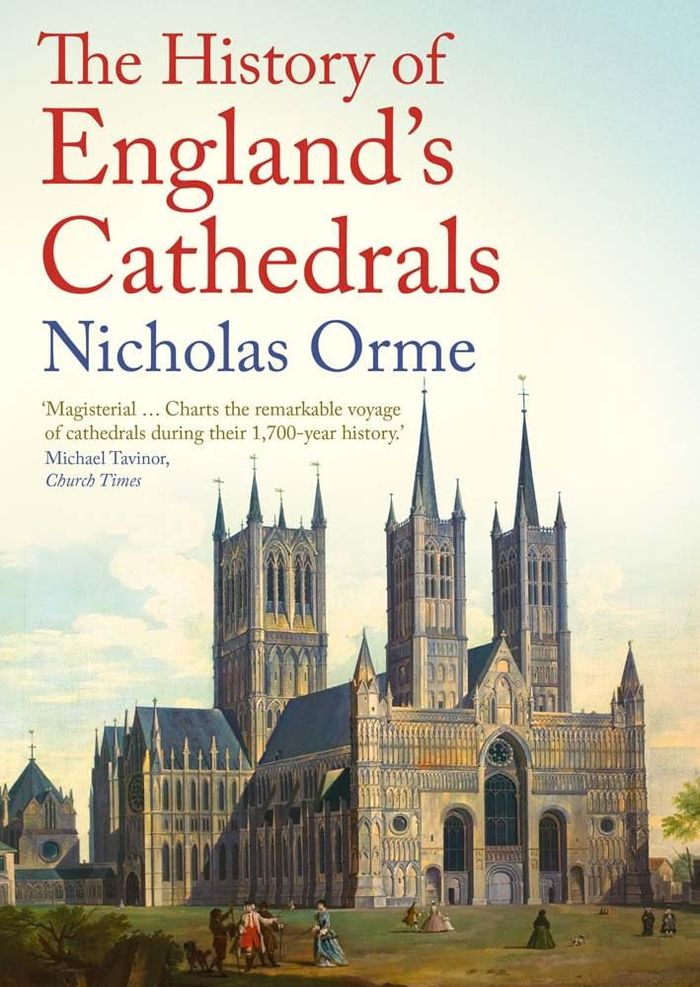
England’s sixty-two Anglican and Catholic cathedrals are some of our most iconic buildings, attracting millions of worshippers and visitors every year. Though much has been written about their architecture, there is no complete history of their life and activities. This is the first such book to provide one, stretching from Roman times to the present day. "The History of England’s Cathedrals" explains where and why they were founded, who staffed them, and how their structures evolved. It describes their worship and how this changed over the centuries, their schools and libraries, and their links with the outside world. The history of these astonishing buildings is the history of England. Reading this book will bring you face to face with the Anglo-Saxons, Vikings, Normans, Reformation, Civil War, Victorian England, World War Two, and finally modern democracy.
The history of England's cathedrals
Actions:
Prix:
$42.00
(disponible sur commande)
Résumé:
England’s sixty-two Anglican and Catholic cathedrals are some of our most iconic buildings, attracting millions of worshippers and visitors every year. Though much has been written about their architecture, there is no complete history of their life and activities. This is the first such book to provide one, stretching from Roman times to the present day. "The History of England’s Cathedrals" explains where and why they were founded, who staffed them, and how their structures evolved. It describes their worship and how this changed over the centuries, their schools and libraries, and their links with the outside world. The history of these astonishing buildings is the history of England. Reading this book will bring you face to face with the Anglo-Saxons, Vikings, Normans, Reformation, Civil War, Victorian England, World War Two, and finally modern democracy.
Classification:
livres
livres
Publication:
février 2024
février 2024
Classification:
livres
livres
Actions:
Prix:
$74.00
(disponible en magasin)
Résumé:
Created between 1787 and 1823 by George IV, the ''Royal Pavilion in Brighton'' is perhaps the most daring and enchanting example of a building that expresses the European fascination with what in the early nineteenth century was considered the “Orient,” in particular China and India. The building, with its Indian-inspired exterior, was the work of the renowned architect(...)
$74.00
(disponible en magasin)
Résumé:
Created between 1787 and 1823 by George IV, the ''Royal Pavilion in Brighton'' is perhaps the most daring and enchanting example of a building that expresses the European fascination with what in the early nineteenth century was considered the “Orient,” in particular China and India. The building, with its Indian-inspired exterior, was the work of the renowned architect(...)
Titre:
The Royal Pavilion, Brighton: A Regency palace of colour and sensation
Actions:
Prix:
$74.00
(disponible en magasin)
Résumé:
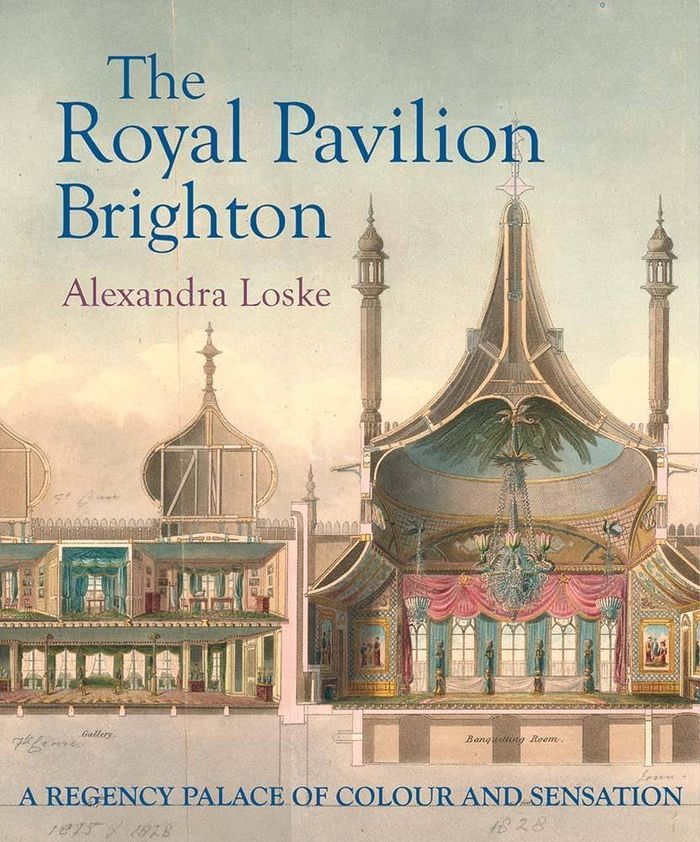
Created between 1787 and 1823 by George IV, the ''Royal Pavilion in Brighton'' is perhaps the most daring and enchanting example of a building that expresses the European fascination with what in the early nineteenth century was considered the “Orient,” in particular China and India. The building, with its Indian-inspired exterior, was the work of the renowned architect John Nash, who with the contributions of several other gifted and inventive architects, artists, and designers, created a building that draws you in, takes you on a journey, and plays with your senses. Featuring new photography, this lavishly illustrated book will provide a fresh look at the sumptuous Chinoiserie interiors of the Royal Pavilion and their enduring appeal. Drawing on recent research, conservation projects, and the unprecedented loan exhibition A Prince’s Treasure: From Buckingham Palace to the Royal Pavilion (2019–22), this book celebrates the colours and sensual beauty of these interiors while situating the Royal Pavilion in the context of the time of its creation and development under royal ownership, from its beginning in the wake of the French Revolution, through its transformation and extension during and just after the Napoleonic Wars, to its fate and legacy in the early Victorian era.
The Royal Pavilion, Brighton: A Regency palace of colour and sensation
Actions:
Prix:
$74.00
(disponible en magasin)
Résumé:
Created between 1787 and 1823 by George IV, the ''Royal Pavilion in Brighton'' is perhaps the most daring and enchanting example of a building that expresses the European fascination with what in the early nineteenth century was considered the “Orient,” in particular China and India. The building, with its Indian-inspired exterior, was the work of the renowned architect John Nash, who with the contributions of several other gifted and inventive architects, artists, and designers, created a building that draws you in, takes you on a journey, and plays with your senses. Featuring new photography, this lavishly illustrated book will provide a fresh look at the sumptuous Chinoiserie interiors of the Royal Pavilion and their enduring appeal. Drawing on recent research, conservation projects, and the unprecedented loan exhibition A Prince’s Treasure: From Buckingham Palace to the Royal Pavilion (2019–22), this book celebrates the colours and sensual beauty of these interiors while situating the Royal Pavilion in the context of the time of its creation and development under royal ownership, from its beginning in the wake of the French Revolution, through its transformation and extension during and just after the Napoleonic Wars, to its fate and legacy in the early Victorian era.
Classification:
livres
livres
Publication:
juillet 2025
juillet 2025
Classification:
livres
livres
Titre:
The country house library
The country house library
Actions:
Prix:
$74.95
(disponible sur commande)
Résumé:
Beginning with new evidence that cites the presence of books in Roman villas and concluding with present day vicissitudes of collecting, this illustrated book presents a complete survey of British and Irish country house libraries. Replete with anecdotes about owners and librarians, the book features information on acquisition bordering on obsession, the process of(...)
$74.95
(disponible sur commande)
Résumé:
Beginning with new evidence that cites the presence of books in Roman villas and concluding with present day vicissitudes of collecting, this illustrated book presents a complete survey of British and Irish country house libraries. Replete with anecdotes about owners and librarians, the book features information on acquisition bordering on obsession, the process of(...)
Titre:
The country house library
Actions:
Prix:
$74.95
(disponible sur commande)
Résumé:
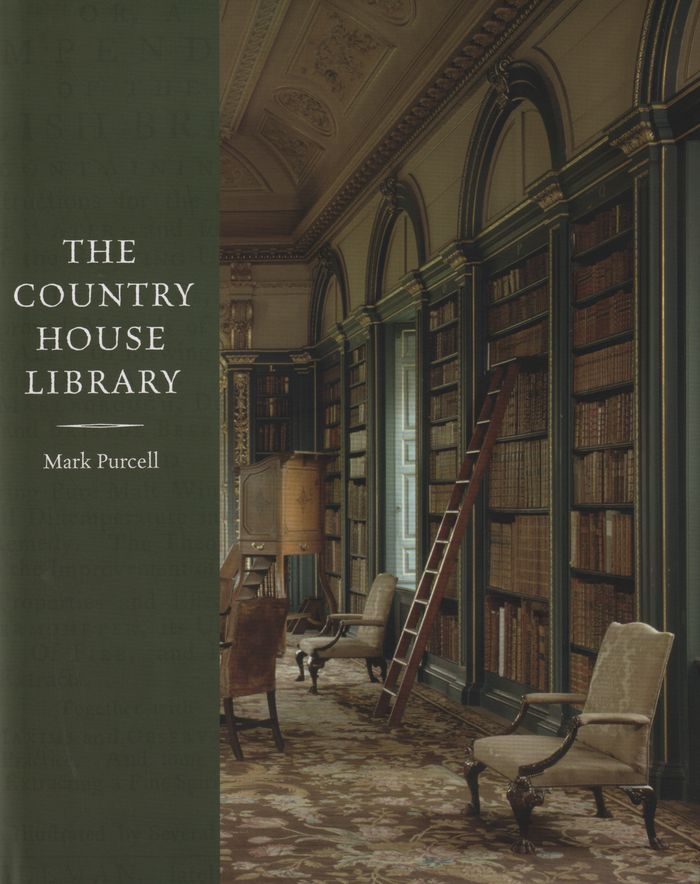
Beginning with new evidence that cites the presence of books in Roman villas and concluding with present day vicissitudes of collecting, this illustrated book presents a complete survey of British and Irish country house libraries. Replete with anecdotes about owners and librarians, the book features information on acquisition bordering on obsession, the process of designing library architecture, and the care (and neglect) of collections. The author also disputes the notion that these libraries were merely for show, arguing that many of them were profoundly scholarly, assembled with meticulous care, and frequently used for intellectual pursuits.
The country house library
Actions:
Prix:
$74.95
(disponible sur commande)
Résumé:
Beginning with new evidence that cites the presence of books in Roman villas and concluding with present day vicissitudes of collecting, this illustrated book presents a complete survey of British and Irish country house libraries. Replete with anecdotes about owners and librarians, the book features information on acquisition bordering on obsession, the process of designing library architecture, and the care (and neglect) of collections. The author also disputes the notion that these libraries were merely for show, arguing that many of them were profoundly scholarly, assembled with meticulous care, and frequently used for intellectual pursuits.
Classification:
livres
livres
Publication:
octobre 2017
octobre 2017
Classification:
livres
livres
Actions:
Prix:
$66.50
(disponible sur commande)
Résumé:
Tracing the history of cottages ornés (ornamental cottages), this copiously illustrated volume offers an engaging survey of an often-overlooked architectural genre. An invention of mid-18th-century England, these cottages were designed to facilitate a more informal way of living and were built in different guises that range from royal and imperial cottages to the(...)
$66.50
(disponible sur commande)
Résumé:
Tracing the history of cottages ornés (ornamental cottages), this copiously illustrated volume offers an engaging survey of an often-overlooked architectural genre. An invention of mid-18th-century England, these cottages were designed to facilitate a more informal way of living and were built in different guises that range from royal and imperial cottages to the(...)
Titre:
Cottages ornés : the charms of the simple life
Actions:
Prix:
$66.50
(disponible sur commande)
Résumé:
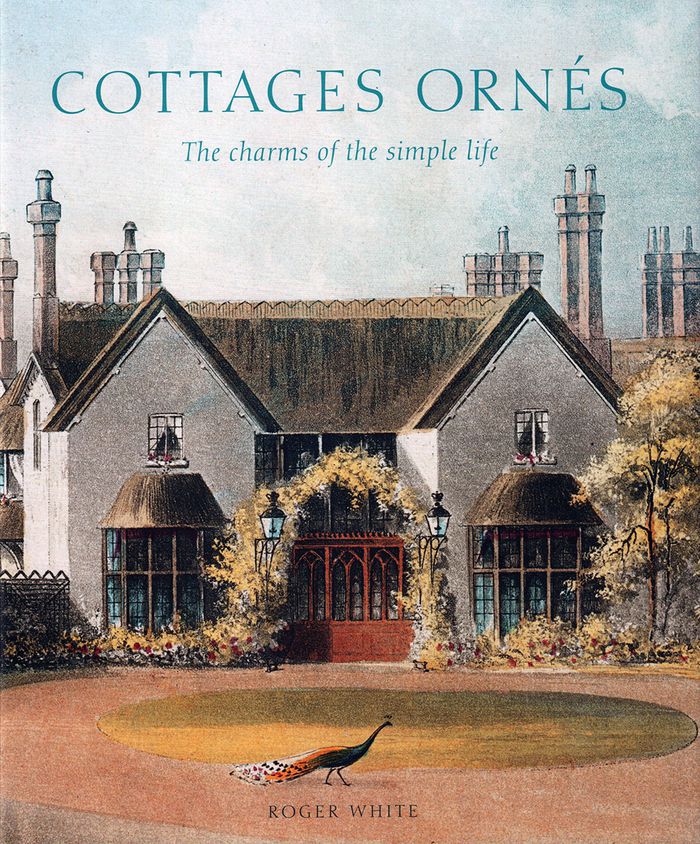
Tracing the history of cottages ornés (ornamental cottages), this copiously illustrated volume offers an engaging survey of an often-overlooked architectural genre. An invention of mid-18th-century England, these cottages were designed to facilitate a more informal way of living and were built in different guises that range from royal and imperial cottages to the working-class lodges that still dot the English countryside. Analyzing cottage designs by some of the leading architects of late-Georgian England—including Robert Adam, John Soane, and John Nash—Roger White explores the aesthetic values that made the form so appealing. As he follows the development of cottages ornés from the Celtic fringes to the Continent and the British colonies, White reveals the significant impact of the genre on social, cultural, and political history and examines the influence of cottage design on the architectural developments of the Victorian period and even the 20th century.
Cottages ornés : the charms of the simple life
Actions:
Prix:
$66.50
(disponible sur commande)
Résumé:
Tracing the history of cottages ornés (ornamental cottages), this copiously illustrated volume offers an engaging survey of an often-overlooked architectural genre. An invention of mid-18th-century England, these cottages were designed to facilitate a more informal way of living and were built in different guises that range from royal and imperial cottages to the working-class lodges that still dot the English countryside. Analyzing cottage designs by some of the leading architects of late-Georgian England—including Robert Adam, John Soane, and John Nash—Roger White explores the aesthetic values that made the form so appealing. As he follows the development of cottages ornés from the Celtic fringes to the Continent and the British colonies, White reveals the significant impact of the genre on social, cultural, and political history and examines the influence of cottage design on the architectural developments of the Victorian period and even the 20th century.
Classification:
livres
livres
Publication:
septembre 2017
septembre 2017
Classification:
livres
livres
Actions:
Prix:
$29.95
(disponible en magasin)
Résumé:
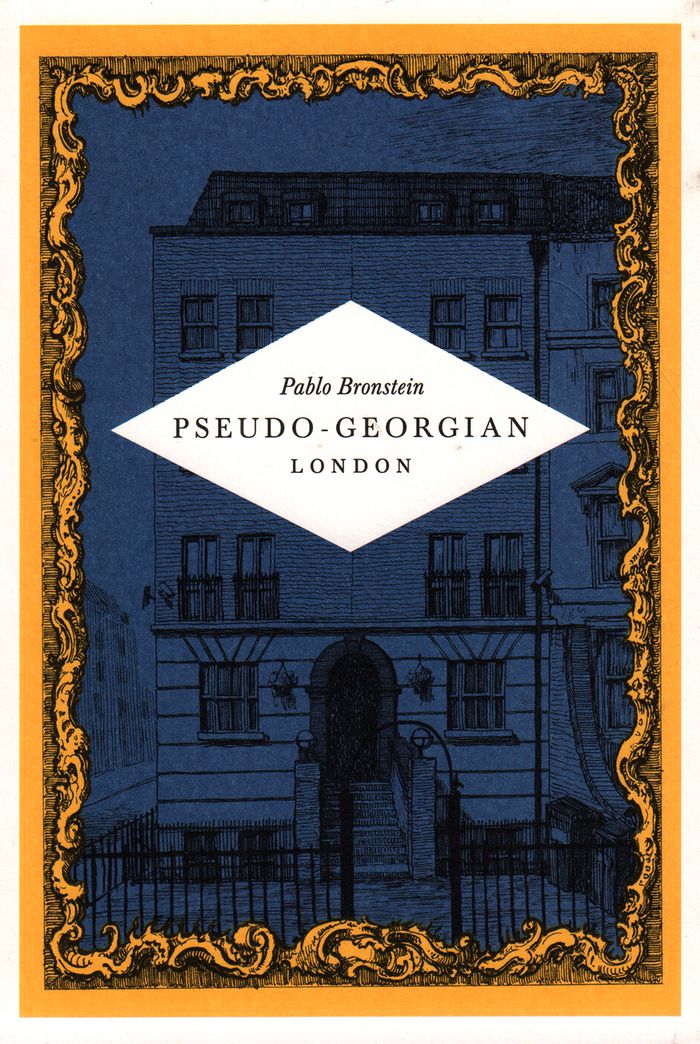
In this volume, Pablo Bronstein (born 1977) explores, in drawings and writing, the style that has come to dominate architectural development in London over the past 30 years, the pseudo-Georgian style characterized by its economy and its eccentric quotation of architectural history.
$29.95
(disponible en magasin)
Résumé:
In this volume, Pablo Bronstein (born 1977) explores, in drawings and writing, the style that has come to dominate architectural development in London over the past 30 years, the pseudo-Georgian style characterized by its economy and its eccentric quotation of architectural history.
Publication:
février 2018
février 2018
Titre:
Pablo Bronstein: Pseudo-Georgian London
Actions:
Prix:
$29.95
(disponible en magasin)
Résumé:
In this volume, Pablo Bronstein (born 1977) explores, in drawings and writing, the style that has come to dominate architectural development in London over the past 30 years, the pseudo-Georgian style characterized by its economy and its eccentric quotation of architectural history.
Pablo Bronstein: Pseudo-Georgian London
Actions:
Prix:
$29.95
(disponible en magasin)
Résumé:
In this volume, Pablo Bronstein (born 1977) explores, in drawings and writing, the style that has come to dominate architectural development in London over the past 30 years, the pseudo-Georgian style characterized by its economy and its eccentric quotation of architectural history.
Classification:
livres
livres
Publication:
février 2018
février 2018
Classification:
livres
livres
Actions:
Prix:
$27.95
(disponible sur commande)
Résumé:
An enthusiast’s guide to exploring historic houses of England, this informative book also enables readers to discover more about the history of their own houses. Users can learn to interpret domestic architecture, identify period styles, uncover the origins of a building, and understand why rooms are arranged in particular sequences, why window and chimney designs change(...)
$27.95
(disponible sur commande)
Résumé:
An enthusiast’s guide to exploring historic houses of England, this informative book also enables readers to discover more about the history of their own houses. Users can learn to interpret domestic architecture, identify period styles, uncover the origins of a building, and understand why rooms are arranged in particular sequences, why window and chimney designs change(...)
Titre:
Houses: An architectural guide
Actions:
Prix:
$27.95
(disponible sur commande)
Résumé:
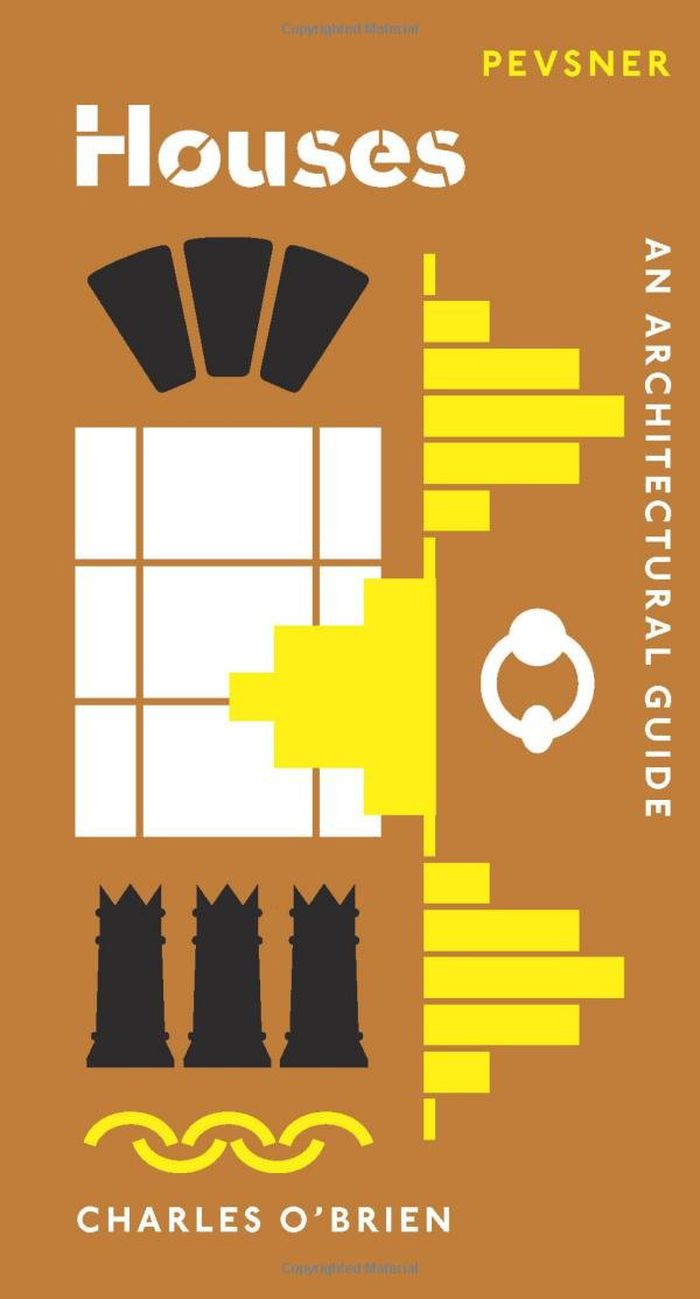
An enthusiast’s guide to exploring historic houses of England, this informative book also enables readers to discover more about the history of their own houses. Users can learn to interpret domestic architecture, identify period styles, uncover the origins of a building, and understand why rooms are arranged in particular sequences, why window and chimney designs change through history, or why staircases are presented in a certain fashion. Color photography and informative line drawings illustrate the explanations and provide a rich visual history of domestic architecture from the earliest surviving dwellings to the most avant-garde developments.
Houses: An architectural guide
Actions:
Prix:
$27.95
(disponible sur commande)
Résumé:
An enthusiast’s guide to exploring historic houses of England, this informative book also enables readers to discover more about the history of their own houses. Users can learn to interpret domestic architecture, identify period styles, uncover the origins of a building, and understand why rooms are arranged in particular sequences, why window and chimney designs change through history, or why staircases are presented in a certain fashion. Color photography and informative line drawings illustrate the explanations and provide a rich visual history of domestic architecture from the earliest surviving dwellings to the most avant-garde developments.
Classification:
livres
livres
Publication:
juin 2016
juin 2016
Classification:
livres
livres
Titre:
Londres: la biographie
Londres: la biographie
Actions:
Prix:
$27.95
(disponible sur commande)
Résumé:
Retrace les deux mille ans d'histoire de la ville de Londres, des premiers peuplements de Charing Cross au carnaval de Notting Hill, à partir d'une importante documentation, de témoignages et d'oeuvres d'art. Par une structure thématique, l'auteur aborde tous les visages de Londres : ses marchands, ses vagabonds, ses enfants, ses nuits... et rend accessible l'esprit de la ville.
$27.95
(disponible sur commande)
Résumé:
Retrace les deux mille ans d'histoire de la ville de Londres, des premiers peuplements de Charing Cross au carnaval de Notting Hill, à partir d'une importante documentation, de témoignages et d'oeuvres d'art. Par une structure thématique, l'auteur aborde tous les visages de Londres : ses marchands, ses vagabonds, ses enfants, ses nuits... et rend accessible l'esprit de la ville.
Titre:
Londres: la biographie
Actions:
Prix:
$27.95
(disponible sur commande)
Résumé:
Retrace les deux mille ans d'histoire de la ville de Londres, des premiers peuplements de Charing Cross au carnaval de Notting Hill, à partir d'une importante documentation, de témoignages et d'oeuvres d'art. Par une structure thématique, l'auteur aborde tous les visages de Londres : ses marchands, ses vagabonds, ses enfants, ses nuits... et rend accessible l'esprit de la ville.
Londres: la biographie
Actions:
Prix:
$27.95
(disponible sur commande)
Résumé:
Retrace les deux mille ans d'histoire de la ville de Londres, des premiers peuplements de Charing Cross au carnaval de Notting Hill, à partir d'une importante documentation, de témoignages et d'oeuvres d'art. Par une structure thématique, l'auteur aborde tous les visages de Londres : ses marchands, ses vagabonds, ses enfants, ses nuits... et rend accessible l'esprit de la ville.
Classification:
livres
livres
Publication:
mars 2016
mars 2016
Classification:
livres
livres
Prix:
$38.99
(disponible en magasin)
Résumé:
As WWI drew to a close, change reverberated through the halls of England’s country homes. As the sun set slowly on the British Empire, the shadows lengthened on the lawns of a thousand stately homes. In The Long Weekend, historian Adrian Tinniswood introduces us to the tumultuous, scandalous and glamourous history of English country houses during the years between(...)
$38.99
(disponible en magasin)
Résumé:
As WWI drew to a close, change reverberated through the halls of England’s country homes. As the sun set slowly on the British Empire, the shadows lengthened on the lawns of a thousand stately homes. In The Long Weekend, historian Adrian Tinniswood introduces us to the tumultuous, scandalous and glamourous history of English country houses during the years between(...)
Titre:
The long weekend: life in the English country house 1918-1939
Actions:
Prix:
$38.99
(disponible en magasin)
Résumé:
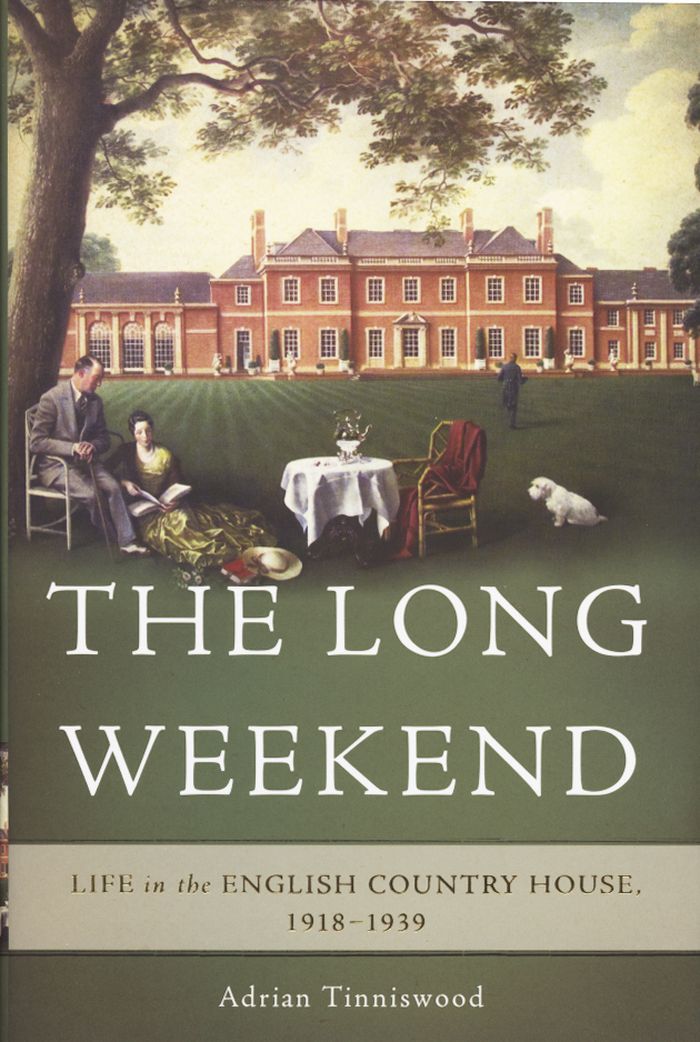
As WWI drew to a close, change reverberated through the halls of England’s country homes. As the sun set slowly on the British Empire, the shadows lengthened on the lawns of a thousand stately homes. In The Long Weekend, historian Adrian Tinniswood introduces us to the tumultuous, scandalous and glamourous history of English country houses during the years between World Wars. As estate taxes and other challenges forced many of these venerable houses onto the market, new sectors of British and American society were seduced by the dream of owning a home in the English countryside. Drawing on thousands of memoirs, letters, and diaries, as well as the eye-witness testimonies of belted earls and bibulous butlers, Tinniswood brings the stately homes of England to life as never before, opening the door to a world by turns opulent and ordinary, noble and vicious, and forever wrapped in myth. We are drawn into the intrigues of legendary families such as the Astors, the Churchills and the Devonshires as they hosted hunting parties and balls that attracted the likes of Charlie Chaplin, T.E. Lawrence, and royals such as Edward VIII and Wallis Simpson. We waltz through aristocratic soirées, and watch as the upper crust struggle to fend off rising taxes and underbred outsiders, property speculators and poultry farmers. We gain insight into the guilt and the gingerbread, and see how the image of the country house was carefully protected by its occupants above and below stairs.
The long weekend: life in the English country house 1918-1939
Actions:
Prix:
$38.99
(disponible en magasin)
Résumé:
As WWI drew to a close, change reverberated through the halls of England’s country homes. As the sun set slowly on the British Empire, the shadows lengthened on the lawns of a thousand stately homes. In The Long Weekend, historian Adrian Tinniswood introduces us to the tumultuous, scandalous and glamourous history of English country houses during the years between World Wars. As estate taxes and other challenges forced many of these venerable houses onto the market, new sectors of British and American society were seduced by the dream of owning a home in the English countryside. Drawing on thousands of memoirs, letters, and diaries, as well as the eye-witness testimonies of belted earls and bibulous butlers, Tinniswood brings the stately homes of England to life as never before, opening the door to a world by turns opulent and ordinary, noble and vicious, and forever wrapped in myth. We are drawn into the intrigues of legendary families such as the Astors, the Churchills and the Devonshires as they hosted hunting parties and balls that attracted the likes of Charlie Chaplin, T.E. Lawrence, and royals such as Edward VIII and Wallis Simpson. We waltz through aristocratic soirées, and watch as the upper crust struggle to fend off rising taxes and underbred outsiders, property speculators and poultry farmers. We gain insight into the guilt and the gingerbread, and see how the image of the country house was carefully protected by its occupants above and below stairs.
Classification:
livres
livres
Publication:
mai 2016
mai 2016
Classification:
livres
livres
Actions:
Prix:
$74.95
(disponible sur commande)
Résumé:
London is one of the world’s greatest cities, and its architecture is a unique heritage. The Tower of London is an urban castle unique in Europe, St Paul’s is one of the world’s greatest domed cathedrals, and the squares and crescents of the West End inspired Haussmann’s Paris. Private ownership has shaped the city, and architects have served a wide variety of(...)
$74.95
(disponible sur commande)
Résumé:
London is one of the world’s greatest cities, and its architecture is a unique heritage. The Tower of London is an urban castle unique in Europe, St Paul’s is one of the world’s greatest domed cathedrals, and the squares and crescents of the West End inspired Haussmann’s Paris. Private ownership has shaped the city, and architects have served a wide variety of(...)
Publication:
avril 2006, New Haven / London
avril 2006, New Haven / London
Titre:
London : an architectural history
Actions:
Prix:
$74.95
(disponible sur commande)
Résumé:
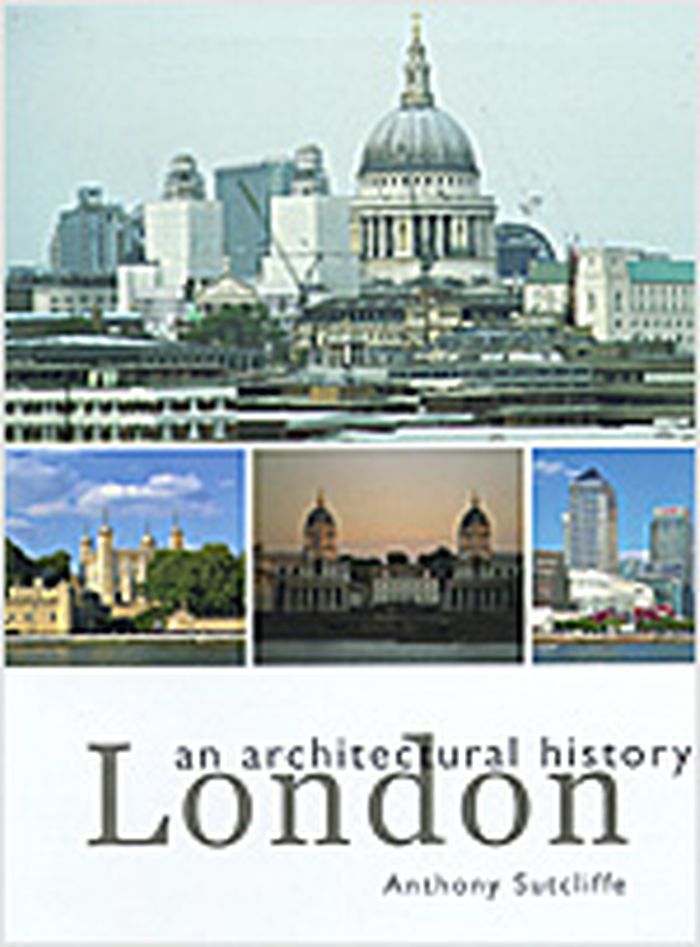
London is one of the world’s greatest cities, and its architecture is a unique heritage. The Tower of London is an urban castle unique in Europe, St Paul’s is one of the world’s greatest domed cathedrals, and the squares and crescents of the West End inspired Haussmann’s Paris. Private ownership has shaped the city, and architects have served a wide variety of clients. London’s Classical era produced an elegant townscape between 1600 and 1830, but medieval, Tudor, and Victorian London were a potpourri of buildings large and small, each making its own design statement. "In London : an architectural history", the author takes the reader through two thousand years of architecture from the sublime to the mundane.
London : an architectural history
Actions:
Prix:
$74.95
(disponible sur commande)
Résumé:
London is one of the world’s greatest cities, and its architecture is a unique heritage. The Tower of London is an urban castle unique in Europe, St Paul’s is one of the world’s greatest domed cathedrals, and the squares and crescents of the West End inspired Haussmann’s Paris. Private ownership has shaped the city, and architects have served a wide variety of clients. London’s Classical era produced an elegant townscape between 1600 and 1830, but medieval, Tudor, and Victorian London were a potpourri of buildings large and small, each making its own design statement. "In London : an architectural history", the author takes the reader through two thousand years of architecture from the sublime to the mundane.
Classification:
livres
livres
Publication:
avril 2006, New Haven / London
avril 2006, New Haven / London


