


30 Résultats
Classification:
livres
livres
Titre:
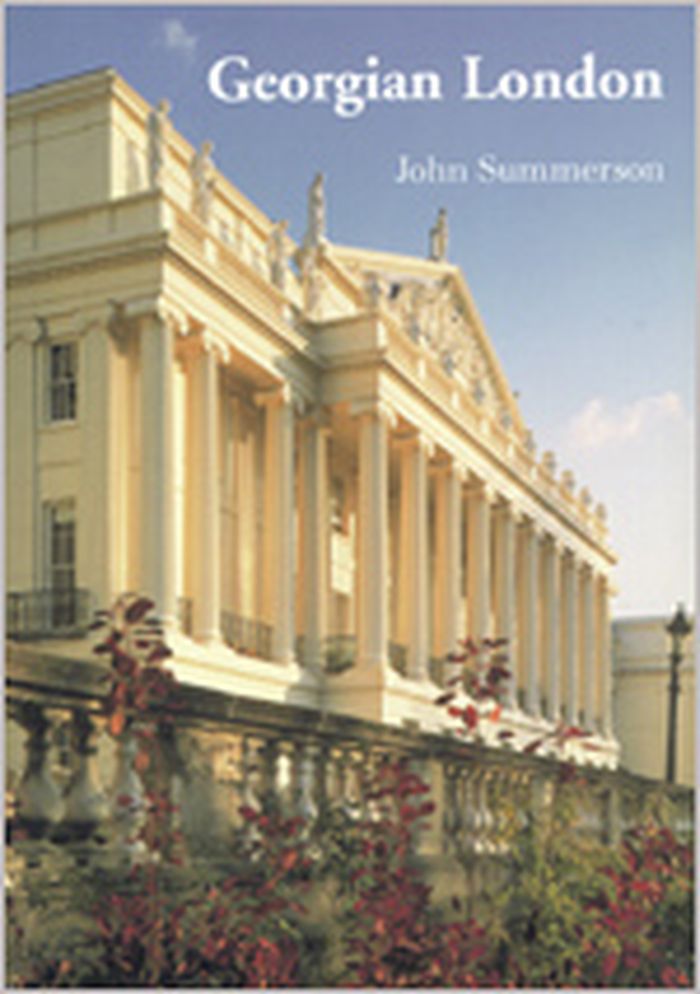
Georgian London
Georgian London
Actions:
Prix:
$19.00
(disponible sur commande)
Résumé:
First published 1945. In this classic of English architectural history, John Summerson provides a perceptive and highly readable account of a major building period in the history of London. Encompassing the architecture of the capital from the Great Fire of 1666 through the city’s early nineteenth-century expansion, the book remains a guide to the genesis and development(...)
$19.00
(disponible sur commande)
Résumé:
First published 1945. In this classic of English architectural history, John Summerson provides a perceptive and highly readable account of a major building period in the history of London. Encompassing the architecture of the capital from the Great Fire of 1666 through the city’s early nineteenth-century expansion, the book remains a guide to the genesis and development(...)
Publication:
juin 2003, New Haven / London
juin 2003, New Haven / London
Titre:
Georgian London
Actions:
Prix:
$19.00
(disponible sur commande)
Résumé:
First published 1945. In this classic of English architectural history, John Summerson provides a perceptive and highly readable account of a major building period in the history of London. Encompassing the architecture of the capital from the Great Fire of 1666 through the city’s early nineteenth-century expansion, the book remains a guide to the genesis and development of Georgian London. Summerson examines the way in which building was conditioned by social, economic, and financial circumstances and discusses some of Britain’s most important buildings and their architects. While Summerson’s text is essentially unchanged in this edition, it has been corrected in the light of new research, expanded to include a few significant buildings that were originally overlooked, and enhanced with new illustrations. The Appendix of surviving Georgian buildings has also been carefully updated.
Georgian London
Actions:
Prix:
$19.00
(disponible sur commande)
Résumé:
First published 1945. In this classic of English architectural history, John Summerson provides a perceptive and highly readable account of a major building period in the history of London. Encompassing the architecture of the capital from the Great Fire of 1666 through the city’s early nineteenth-century expansion, the book remains a guide to the genesis and development of Georgian London. Summerson examines the way in which building was conditioned by social, economic, and financial circumstances and discusses some of Britain’s most important buildings and their architects. While Summerson’s text is essentially unchanged in this edition, it has been corrected in the light of new research, expanded to include a few significant buildings that were originally overlooked, and enhanced with new illustrations. The Appendix of surviving Georgian buildings has also been carefully updated.
Classification:
livres
livres
Publication:
juin 2003, New Haven / London
juin 2003, New Haven / London
Classification:
livres
livres
Actions:
Prix:
$110.00
(disponible sur commande)
Résumé:
''Architecture in Britain and Ireland, 1530–1830'' presents a comprehensive history of architecture in Britain during this three-hundred-year period. Drawing on the most important advances in architectural history in the last seventy years, ranging across cultural, material, political, and economic contexts, this book also encompasses architecture in Ireland and includes(...)
$110.00
(disponible sur commande)
Résumé:
''Architecture in Britain and Ireland, 1530–1830'' presents a comprehensive history of architecture in Britain during this three-hundred-year period. Drawing on the most important advances in architectural history in the last seventy years, ranging across cultural, material, political, and economic contexts, this book also encompasses architecture in Ireland and includes(...)
Titre:
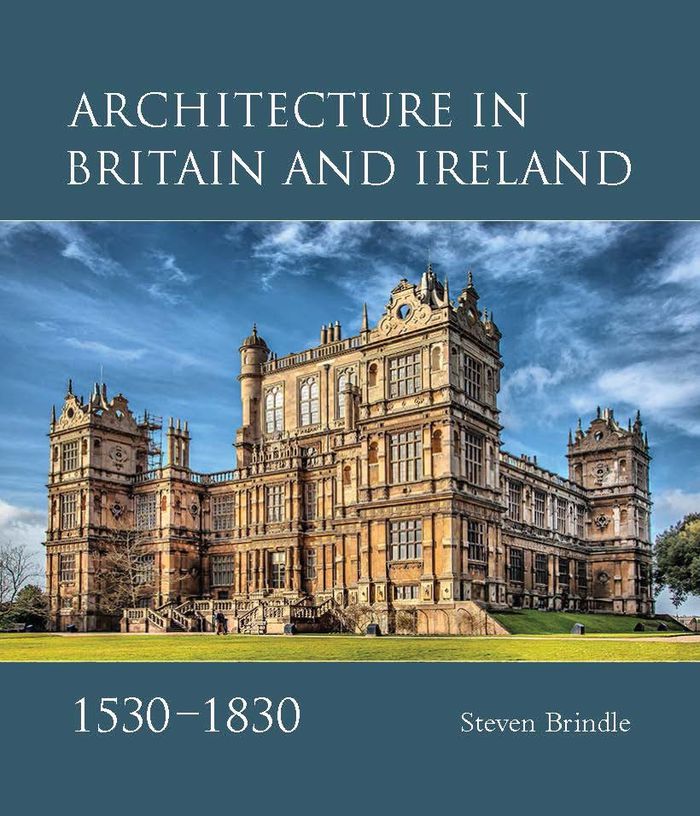
Architecture in Britain and Ireland, 1530-1830
Actions:
Prix:
$110.00
(disponible sur commande)
Résumé:
''Architecture in Britain and Ireland, 1530–1830'' presents a comprehensive history of architecture in Britain during this three-hundred-year period. Drawing on the most important advances in architectural history in the last seventy years, ranging across cultural, material, political, and economic contexts, this book also encompasses architecture in Ireland and includes substantial commentary on the buildings of Scotland and Wales.
Architecture in Britain and Ireland, 1530-1830
Actions:
Prix:
$110.00
(disponible sur commande)
Résumé:
''Architecture in Britain and Ireland, 1530–1830'' presents a comprehensive history of architecture in Britain during this three-hundred-year period. Drawing on the most important advances in architectural history in the last seventy years, ranging across cultural, material, political, and economic contexts, this book also encompasses architecture in Ireland and includes substantial commentary on the buildings of Scotland and Wales.
Classification:
livres
livres
Publication:
décembre 2023
décembre 2023
Classification:
livres
livres
Actions:
Prix:
$55.95
(disponible en magasin)
Résumé:
It’s the story of 19 Princelet Street in Spitalfields, built for a Huguenot silk-weaver and later transformed into a synagogue. It’s also the story of a row of modest two-up, two-down houses in Toxteth, a block of flats in London’s East End, and what Ideal Home magazine in 1926 called Britain’s "first modern house" — in Northampton. Together, these buildings reveal how(...)
$55.95
(disponible en magasin)
Résumé:
It’s the story of 19 Princelet Street in Spitalfields, built for a Huguenot silk-weaver and later transformed into a synagogue. It’s also the story of a row of modest two-up, two-down houses in Toxteth, a block of flats in London’s East End, and what Ideal Home magazine in 1926 called Britain’s "first modern house" — in Northampton. Together, these buildings reveal how(...)
Titre:
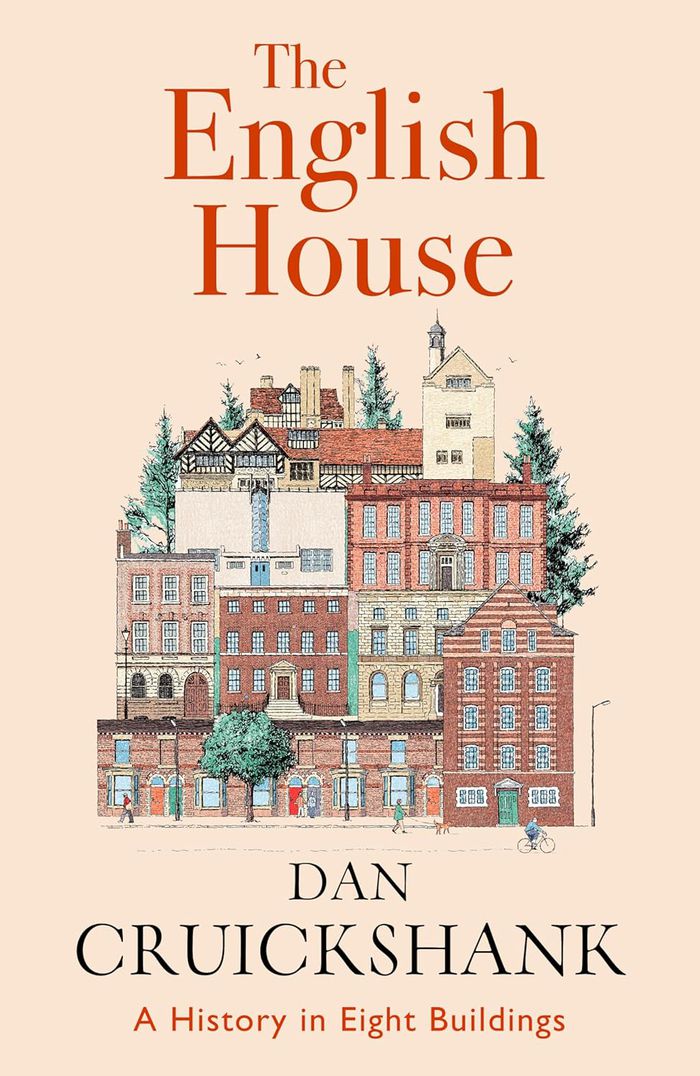
The English house: A history in eight buildings
Actions:
Prix:
$55.95
(disponible en magasin)
Résumé:
It’s the story of 19 Princelet Street in Spitalfields, built for a Huguenot silk-weaver and later transformed into a synagogue. It’s also the story of a row of modest two-up, two-down houses in Toxteth, a block of flats in London’s East End, and what Ideal Home magazine in 1926 called Britain’s "first modern house" — in Northampton. Together, these buildings reveal how English homes have evolved and adapted over the past few centuries. At the same time, as historian Dan Cruickshank shows, they offer intimate glimpses into the lives of their first occupants — their ambitions, hardships, and place within their communities. "The English House" masterfully intertwines architectural and social history, creating a vivid and deeply human portrait of the spaces that have shaped English life.
The English house: A history in eight buildings
Actions:
Prix:
$55.95
(disponible en magasin)
Résumé:
It’s the story of 19 Princelet Street in Spitalfields, built for a Huguenot silk-weaver and later transformed into a synagogue. It’s also the story of a row of modest two-up, two-down houses in Toxteth, a block of flats in London’s East End, and what Ideal Home magazine in 1926 called Britain’s "first modern house" — in Northampton. Together, these buildings reveal how English homes have evolved and adapted over the past few centuries. At the same time, as historian Dan Cruickshank shows, they offer intimate glimpses into the lives of their first occupants — their ambitions, hardships, and place within their communities. "The English House" masterfully intertwines architectural and social history, creating a vivid and deeply human portrait of the spaces that have shaped English life.
Classification:
livres
livres
Publication:
mars 2026
mars 2026
Classification:
livres
livres
Actions:
Prix:
$27.99
(disponible sur commande)
Résumé:
The architecture of Britain is an art gallery all around us. From our streets to squares, through our cities, suburbs and villages, we are surrounded by magnificent buildings of eclectic styles. ''A Short History of British Architecture'' is story of why Britain looks the way it does, from prehistoric Stonehenge to the lofty towers of today. Historian Simon Jenkins(...)
$27.99
(disponible sur commande)
Résumé:
The architecture of Britain is an art gallery all around us. From our streets to squares, through our cities, suburbs and villages, we are surrounded by magnificent buildings of eclectic styles. ''A Short History of British Architecture'' is story of why Britain looks the way it does, from prehistoric Stonehenge to the lofty towers of today. Historian Simon Jenkins(...)
Titre:
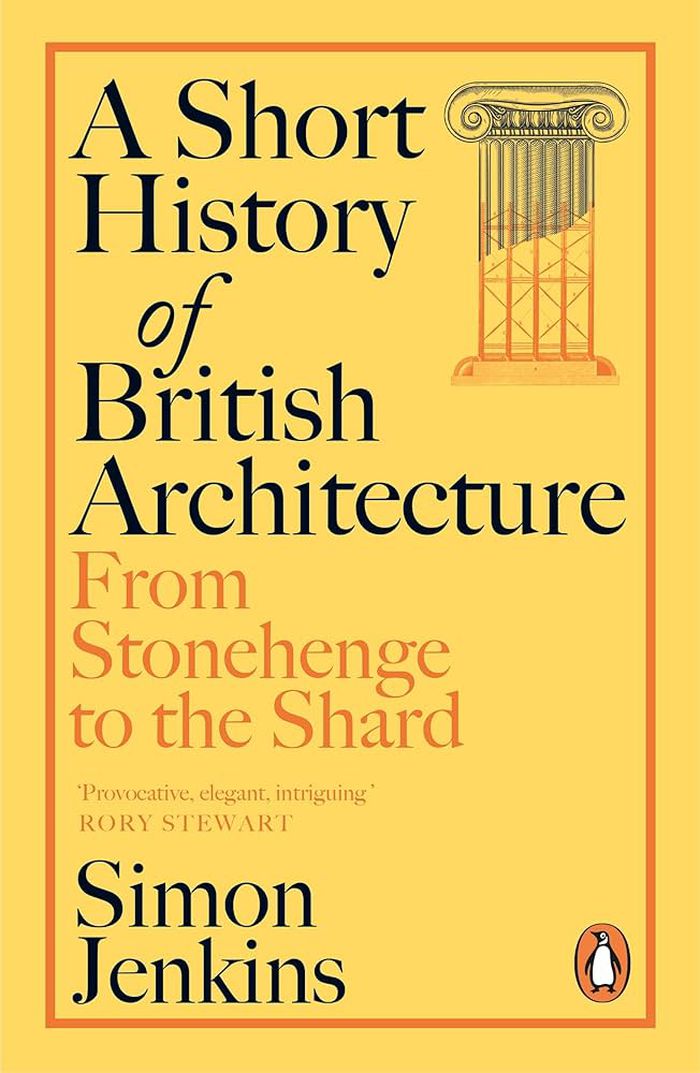
A short history of British architecture: From Stonehenge to The Shard
Actions:
Prix:
$27.99
(disponible sur commande)
Résumé:
The architecture of Britain is an art gallery all around us. From our streets to squares, through our cities, suburbs and villages, we are surrounded by magnificent buildings of eclectic styles. ''A Short History of British Architecture'' is story of why Britain looks the way it does, from prehistoric Stonehenge to the lofty towers of today. Historian Simon Jenkins traces the relentless battles over the European traditions of classicism and gothic- from the gothic cathedrals of Lincoln, Ely and Wells to the ‘'prodigy'’ houses of the Tudor renaissance, and visits the great estates of Georgian London, the docks of Liverpool, the mills of Yorkshire and the chapels of south Wales. The arrival of modernism in the twentieth century politicised public taste, upheaved communities and sought to reconstruct entire cities. It produced Coventry Cathedral and Lloyd’s of London, but also the brutalist monoliths of Sheffield’s Park Hill, Glasgow’s Cumbernauld and London’s South Bank. Only in the 1970s did the public at last give voice to what became the conservation revolution – a movement in which Jenkins played a leading role, both as deputy chairman of English Heritage and chairman of the National Trust, and in the saving of iconic buildings such as St Pancras International and Covent Garden.
A short history of British architecture: From Stonehenge to The Shard
Actions:
Prix:
$27.99
(disponible sur commande)
Résumé:
The architecture of Britain is an art gallery all around us. From our streets to squares, through our cities, suburbs and villages, we are surrounded by magnificent buildings of eclectic styles. ''A Short History of British Architecture'' is story of why Britain looks the way it does, from prehistoric Stonehenge to the lofty towers of today. Historian Simon Jenkins traces the relentless battles over the European traditions of classicism and gothic- from the gothic cathedrals of Lincoln, Ely and Wells to the ‘'prodigy'’ houses of the Tudor renaissance, and visits the great estates of Georgian London, the docks of Liverpool, the mills of Yorkshire and the chapels of south Wales. The arrival of modernism in the twentieth century politicised public taste, upheaved communities and sought to reconstruct entire cities. It produced Coventry Cathedral and Lloyd’s of London, but also the brutalist monoliths of Sheffield’s Park Hill, Glasgow’s Cumbernauld and London’s South Bank. Only in the 1970s did the public at last give voice to what became the conservation revolution – a movement in which Jenkins played a leading role, both as deputy chairman of English Heritage and chairman of the National Trust, and in the saving of iconic buildings such as St Pancras International and Covent Garden.
Classification:
livres
livres
Publication:
janvier 2026
janvier 2026
Classification:
livres
livres
Actions:
Prix:
$66.50
(disponible sur commande)
Résumé:
From the moment it opened on the first of May in the Crystal Palace in Hyde Park, London, the Great Exhibition of 1851 was one of the defining events of the Victorian period. It stood not only as a visible symbol of British industrial and technological progress but as a figure for modernity—a figure that has often been thought to convey one coherent message and vision of(...)
$66.50
(disponible sur commande)
Résumé:
From the moment it opened on the first of May in the Crystal Palace in Hyde Park, London, the Great Exhibition of 1851 was one of the defining events of the Victorian period. It stood not only as a visible symbol of British industrial and technological progress but as a figure for modernity—a figure that has often been thought to convey one coherent message and vision of(...)
Publication:
juillet 2007, Charlottesville - London
juillet 2007, Charlottesville - London
Titre:
Victorian prism : refractions of the crystal palace
Actions:
Prix:
$66.50
(disponible sur commande)
Résumé:
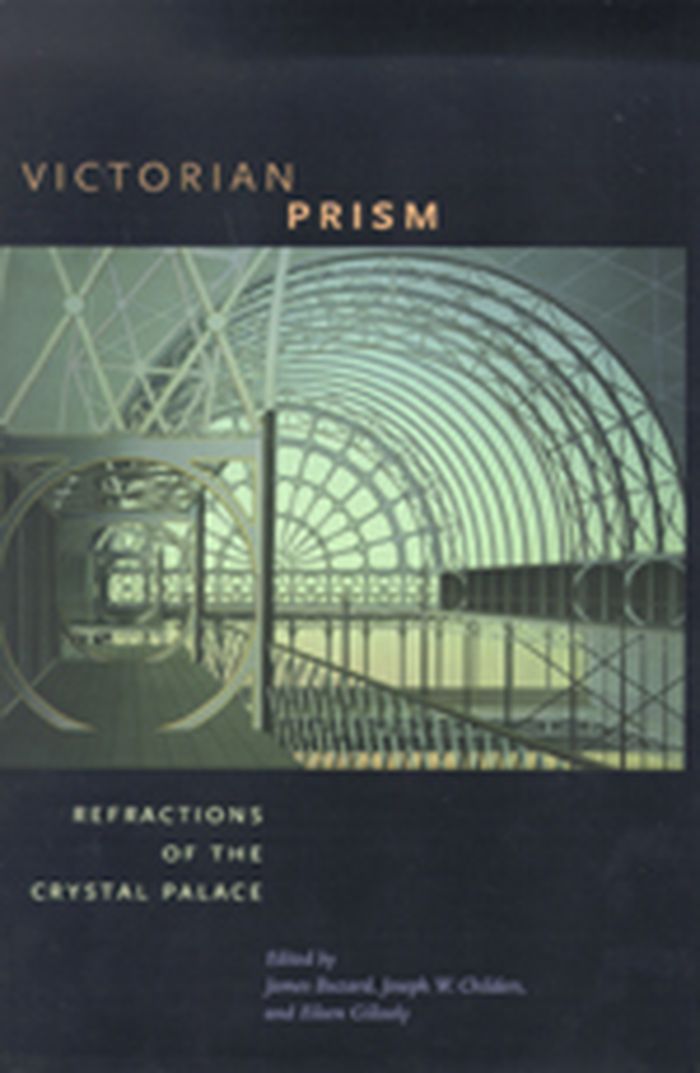
From the moment it opened on the first of May in the Crystal Palace in Hyde Park, London, the Great Exhibition of 1851 was one of the defining events of the Victorian period. It stood not only as a visible symbol of British industrial and technological progress but as a figure for modernity—a figure that has often been thought to convey one coherent message and vision of culture and society. This volume examines the place occupied both materially and discursively by the Crystal Palace and other nineteenth- and twentieth-century exhibitions in the struggle to understand what it means to be modern. Initiated in part by a number of conferences held in 2001 to commemorate the 150th anniversary of the Crystal Palace, Victorian Prism provides new perspectives to historians, literary critics, art historians, and others interested in how a large glass building in a London park could refract meaning from Caracas to Calcutta. In its investigations of the ways of knowing and shaping the world that emerged during the planning and execution of this first "world's fair," Victorian Prism not only restores the multiplicity of experiences and other determining factors to our picture of the Great Exhibition; it makes reevaluation of the exhibition and its legacies the occasion for reevaluating modernity itself in its broadest sense—as the cultures, potentialities, and liabilities of the Enlightenment. With essays by a number of leading scholars in their fields, the collection as a whole focuses on how these exhibitions, in attempting to define the cultures of their day, incorporated a range of conflicting ideologies and agendas. In doing so, it offers a richer, more complex understanding of the experience of modernity than we have previously acknowledged. The volume also addresses the ways in which the cultural processes and tendencies brought together in these exhibitions have been refracted down to the present, thus informing and complicating our own relationship to both modernity and postmodernity.
Victorian prism : refractions of the crystal palace
Actions:
Prix:
$66.50
(disponible sur commande)
Résumé:
From the moment it opened on the first of May in the Crystal Palace in Hyde Park, London, the Great Exhibition of 1851 was one of the defining events of the Victorian period. It stood not only as a visible symbol of British industrial and technological progress but as a figure for modernity—a figure that has often been thought to convey one coherent message and vision of culture and society. This volume examines the place occupied both materially and discursively by the Crystal Palace and other nineteenth- and twentieth-century exhibitions in the struggle to understand what it means to be modern. Initiated in part by a number of conferences held in 2001 to commemorate the 150th anniversary of the Crystal Palace, Victorian Prism provides new perspectives to historians, literary critics, art historians, and others interested in how a large glass building in a London park could refract meaning from Caracas to Calcutta. In its investigations of the ways of knowing and shaping the world that emerged during the planning and execution of this first "world's fair," Victorian Prism not only restores the multiplicity of experiences and other determining factors to our picture of the Great Exhibition; it makes reevaluation of the exhibition and its legacies the occasion for reevaluating modernity itself in its broadest sense—as the cultures, potentialities, and liabilities of the Enlightenment. With essays by a number of leading scholars in their fields, the collection as a whole focuses on how these exhibitions, in attempting to define the cultures of their day, incorporated a range of conflicting ideologies and agendas. In doing so, it offers a richer, more complex understanding of the experience of modernity than we have previously acknowledged. The volume also addresses the ways in which the cultural processes and tendencies brought together in these exhibitions have been refracted down to the present, thus informing and complicating our own relationship to both modernity and postmodernity.
Classification:
livres
livres
Publication:
juillet 2007, Charlottesville - London
juillet 2007, Charlottesville - London
Classification:
livres
livres
Actions:
Prix:
$81.50
(disponible sur commande)
Résumé:
Covering a wide range of buildings - from national theaters to crematoria, apartment buildings to warehouses, and sanatoria to postal savings banks - Anthony Alofsin proposes a new way of interpreting this language. He calls on viewers to read buildings in two ways: through their formal elements, on the one hand; and through their political, social, and cultural contexts,(...)
$81.50
(disponible sur commande)
Résumé:
Covering a wide range of buildings - from national theaters to crematoria, apartment buildings to warehouses, and sanatoria to postal savings banks - Anthony Alofsin proposes a new way of interpreting this language. He calls on viewers to read buildings in two ways: through their formal elements, on the one hand; and through their political, social, and cultural contexts,(...)
Publication:
septembre 2006, Chacago / London
septembre 2006, Chacago / London
Titre:
When buildings speak : architecture as language in the Habsburg empire and its aftermath, 1867 - 1933
Actions:
Prix:
$81.50
(disponible sur commande)
Résumé:
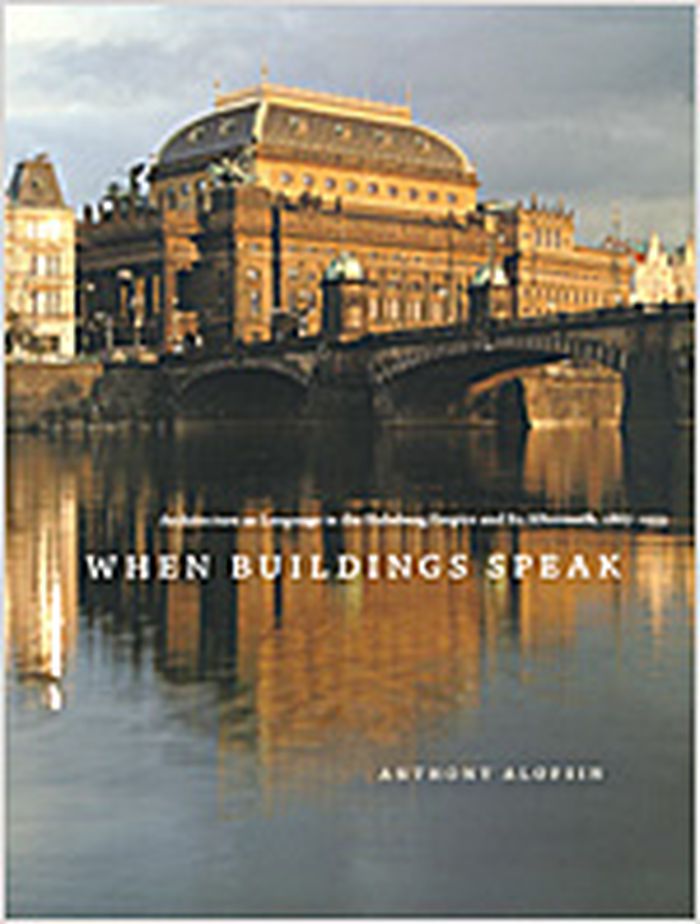
Covering a wide range of buildings - from national theaters to crematoria, apartment buildings to warehouses, and sanatoria to postal savings banks - Anthony Alofsin proposes a new way of interpreting this language. He calls on viewers to read buildings in two ways: through their formal elements, on the one hand; and through their political, social, and cultural contexts, on the other. By looking through Alofsin’s eyes, readers can see how myriad nations sought to express their autonomy by tapping into the limitless possibilities of art and architectural styles.
When buildings speak : architecture as language in the Habsburg empire and its aftermath, 1867 - 1933
Actions:
Prix:
$81.50
(disponible sur commande)
Résumé:
Covering a wide range of buildings - from national theaters to crematoria, apartment buildings to warehouses, and sanatoria to postal savings banks - Anthony Alofsin proposes a new way of interpreting this language. He calls on viewers to read buildings in two ways: through their formal elements, on the one hand; and through their political, social, and cultural contexts, on the other. By looking through Alofsin’s eyes, readers can see how myriad nations sought to express their autonomy by tapping into the limitless possibilities of art and architectural styles.
Classification:
livres
livres
Publication:
septembre 2006, Chacago / London
septembre 2006, Chacago / London
Classification:
livres
livres
Actions:
Prix:
$60.50
(disponible sur commande)
Résumé:
If this were a novel, the tales of astounding wealth, sexual perversion, murder, munificence, rape, insanity, brutality, slavery, religious mania, selfishness, snobbery, charity, suicide, generosity, theft, madness, wickedness, failure and eccentricity which unfold in these pages would be too concentrated to allow for the willing suspension of disbelief. All these sins(...)
$60.50
(disponible sur commande)
Résumé:
If this were a novel, the tales of astounding wealth, sexual perversion, murder, munificence, rape, insanity, brutality, slavery, religious mania, selfishness, snobbery, charity, suicide, generosity, theft, madness, wickedness, failure and eccentricity which unfold in these pages would be too concentrated to allow for the willing suspension of disbelief. All these sins(...)
Publication:
octobre 2020
octobre 2020
Titre:
The English folly: the edifice complex
Actions:
Prix:
$60.50
(disponible sur commande)
Résumé:
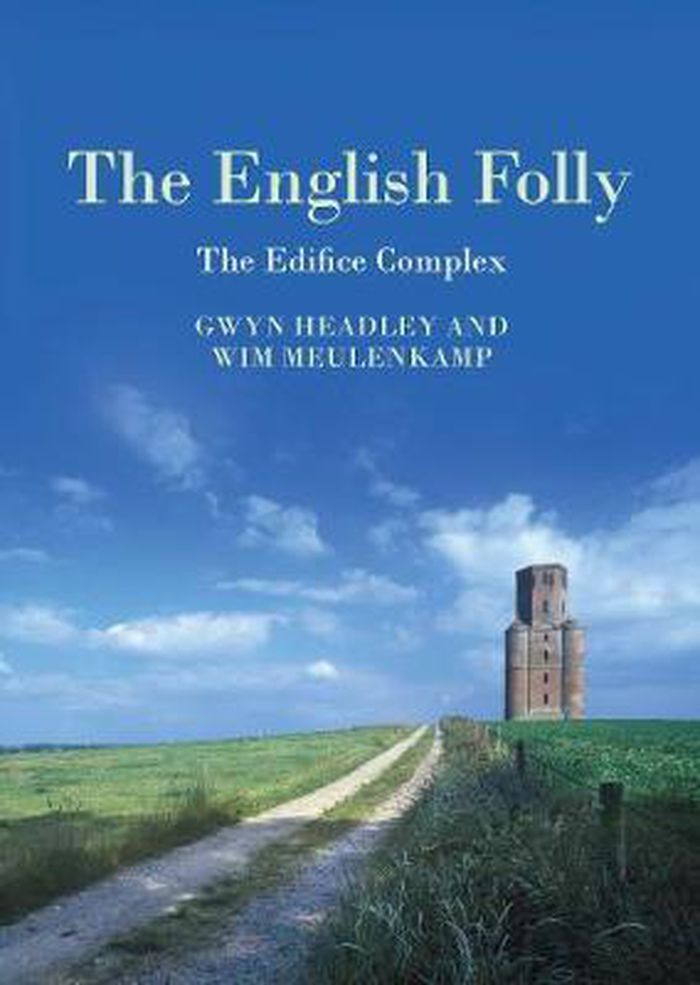
If this were a novel, the tales of astounding wealth, sexual perversion, murder, munificence, rape, insanity, brutality, slavery, religious mania, selfishness, snobbery, charity, suicide, generosity, theft, madness, wickedness, failure and eccentricity which unfold in these pages would be too concentrated to allow for the willing suspension of disbelief. All these sins and virtues, and more, are displayed by the characters in this book, some exhibiting several of them simultaneously. Folly builders were not as we are. They never built what we now call follies. They built for beauty, utility, improvement; it is only we, struggling after them with our imperfect understanding, who dismiss their prodigious constructions as follies. Follies can be found around the world, but England is their spiritual home. Having written the definitive books on follies in Great Britain, Benelux and the USA, Headley & Meulenkamp have turned their attention to the folly builders themselves, people so blinded by fashion or driven by some nameless ideology that they expended great fortunes on making their point in brick, stone and flint. Most follies are simply misunderstood buildings, and this book studies the motives, characters, decisions and delusions of their builders. If there was madness in their building, fortunately there was no method in it.
The English folly: the edifice complex
Actions:
Prix:
$60.50
(disponible sur commande)
Résumé:
If this were a novel, the tales of astounding wealth, sexual perversion, murder, munificence, rape, insanity, brutality, slavery, religious mania, selfishness, snobbery, charity, suicide, generosity, theft, madness, wickedness, failure and eccentricity which unfold in these pages would be too concentrated to allow for the willing suspension of disbelief. All these sins and virtues, and more, are displayed by the characters in this book, some exhibiting several of them simultaneously. Folly builders were not as we are. They never built what we now call follies. They built for beauty, utility, improvement; it is only we, struggling after them with our imperfect understanding, who dismiss their prodigious constructions as follies. Follies can be found around the world, but England is their spiritual home. Having written the definitive books on follies in Great Britain, Benelux and the USA, Headley & Meulenkamp have turned their attention to the folly builders themselves, people so blinded by fashion or driven by some nameless ideology that they expended great fortunes on making their point in brick, stone and flint. Most follies are simply misunderstood buildings, and this book studies the motives, characters, decisions and delusions of their builders. If there was madness in their building, fortunately there was no method in it.
Classification:
livres
livres
Publication:
octobre 2020
octobre 2020
Classification:
livres
livres
Actions:
Prix:
$74.95
(disponible sur commande)
Résumé:
Many provincial towns in Britain grew dramatically in size and importance in the eighteenth century. Ports such as Glasgow and Liverpool greatly expanded, while industrial centers such as Birmingham and Manchester flourished. Market towns outside London developed as commercial centers or as specialty destinations: visitors could find spa treatments in Bath, horse racing(...)
$74.95
(disponible sur commande)
Résumé:
Many provincial towns in Britain grew dramatically in size and importance in the eighteenth century. Ports such as Glasgow and Liverpool greatly expanded, while industrial centers such as Birmingham and Manchester flourished. Market towns outside London developed as commercial centers or as specialty destinations: visitors could find spa treatments in Bath, horse racing(...)
Titre:
Town: prints and drawings of Britain before 1800
Actions:
Prix:
$74.95
(disponible sur commande)
Résumé:
Many provincial towns in Britain grew dramatically in size and importance in the eighteenth century. Ports such as Glasgow and Liverpool greatly expanded, while industrial centers such as Birmingham and Manchester flourished. Market towns outside London developed as commercial centers or as specialty destinations: visitors could find spa treatments in Bath, horse racing in Newmarket, and naval services in Portsmouth. Containing more than one hundred images of country towns in England, Wales, and Scotland, this book draws on the extensive Gough collection in the Bodleian Library. Contemporary prints and drawings provide a powerful visual record of the development of the town in this period, and finely drawn prospects and maps—made with greater accuracy than ever before—reveal their early development. This book also includes perceptive observations from the journals and letters of collector Richard Gough (1735–1809), who traveled throughout the country on the cusp of the industrial age.
Town: prints and drawings of Britain before 1800
Actions:
Prix:
$74.95
(disponible sur commande)
Résumé:
Many provincial towns in Britain grew dramatically in size and importance in the eighteenth century. Ports such as Glasgow and Liverpool greatly expanded, while industrial centers such as Birmingham and Manchester flourished. Market towns outside London developed as commercial centers or as specialty destinations: visitors could find spa treatments in Bath, horse racing in Newmarket, and naval services in Portsmouth. Containing more than one hundred images of country towns in England, Wales, and Scotland, this book draws on the extensive Gough collection in the Bodleian Library. Contemporary prints and drawings provide a powerful visual record of the development of the town in this period, and finely drawn prospects and maps—made with greater accuracy than ever before—reveal their early development. This book also includes perceptive observations from the journals and letters of collector Richard Gough (1735–1809), who traveled throughout the country on the cusp of the industrial age.
Classification:
livres
livres
Publication:
février 2021
février 2021
Classification:
livres
livres
Actions:
Prix:
$35.00
(disponible sur commande)
Résumé:
The Story of the Country House is an authoritative and vivid account of the British country house, exploring how they have evolved with the changing political and economic landscape. Clive Aslet reveals the captivating stories behind individual houses, their architects, and occupants, and paints a vivid picture of the wider context in which the country house in Britain(...)
$35.00
(disponible sur commande)
Résumé:
The Story of the Country House is an authoritative and vivid account of the British country house, exploring how they have evolved with the changing political and economic landscape. Clive Aslet reveals the captivating stories behind individual houses, their architects, and occupants, and paints a vivid picture of the wider context in which the country house in Britain(...)
Titre:
The story of the country house
Actions:
Prix:
$35.00
(disponible sur commande)
Résumé:
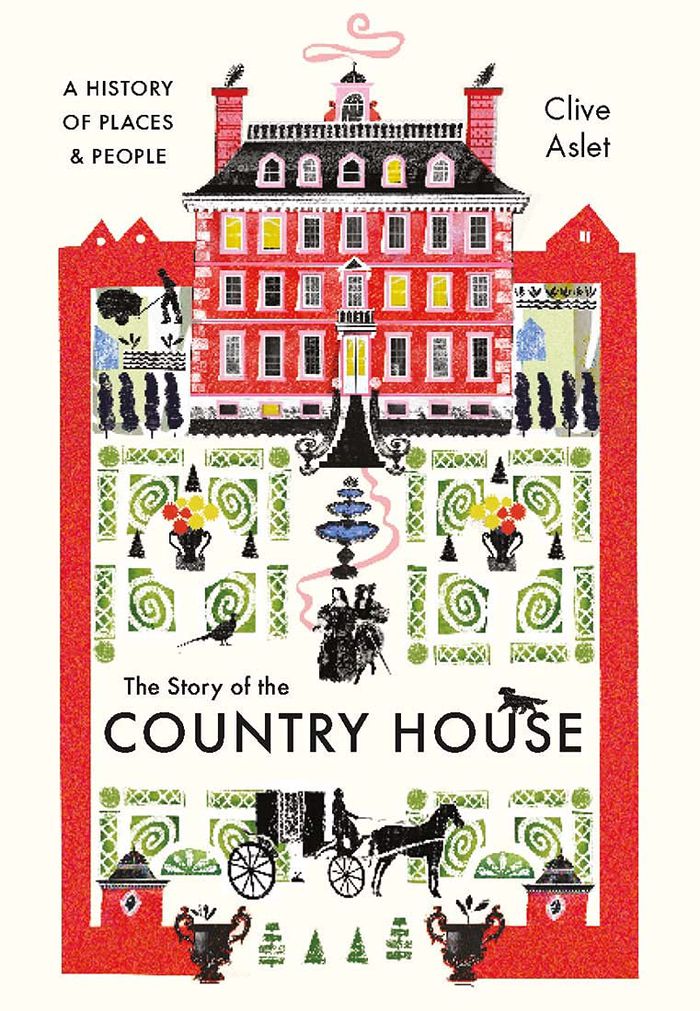
The Story of the Country House is an authoritative and vivid account of the British country house, exploring how they have evolved with the changing political and economic landscape. Clive Aslet reveals the captivating stories behind individual houses, their architects, and occupants, and paints a vivid picture of the wider context in which the country house in Britain flourished and subsequently fell into decline before enjoying a renaissance in the twenty-first century. The genesis, style, and purpose of architectural masterpieces such as Hardwick Hall, Hatfield House, and Chatsworth are explored, alongside the numerous country houses lost to war and economic decline. We also meet a cavalcade of characters, owners with all their dynastic obsessions and diverse sources of wealth, and architects such as Inigo Jones, Sir John Vanbrugh, Robert Adam, Sir John Soane and A.W.N. Pugin, who dazzled or in some cases outraged their contemporaries. The Story of the Country House takes a fresh look at this enduringly popular building type, exploring why it continues to hold such fascination for us today.
The story of the country house
Actions:
Prix:
$35.00
(disponible sur commande)
Résumé:
The Story of the Country House is an authoritative and vivid account of the British country house, exploring how they have evolved with the changing political and economic landscape. Clive Aslet reveals the captivating stories behind individual houses, their architects, and occupants, and paints a vivid picture of the wider context in which the country house in Britain flourished and subsequently fell into decline before enjoying a renaissance in the twenty-first century. The genesis, style, and purpose of architectural masterpieces such as Hardwick Hall, Hatfield House, and Chatsworth are explored, alongside the numerous country houses lost to war and economic decline. We also meet a cavalcade of characters, owners with all their dynastic obsessions and diverse sources of wealth, and architects such as Inigo Jones, Sir John Vanbrugh, Robert Adam, Sir John Soane and A.W.N. Pugin, who dazzled or in some cases outraged their contemporaries. The Story of the Country House takes a fresh look at this enduringly popular building type, exploring why it continues to hold such fascination for us today.
Classification:
livres
livres
Publication:
octobre 2021
octobre 2021
Classification:
livres
livres
Actions:
Prix:
$72.95
(disponible sur commande)
Résumé:
Stepping away from conventional analyses of materials or style and into the previously unexplored world of the house owner, this book takes a fresh look at both the social, as well as the architectural, importance of the 18th-century London town house. Drawing on rich and entertaining evidence—both documentary and anecdotal—Rachel Stewart explores why, and how, so many(...)
$72.95
(disponible sur commande)
Résumé:
Stepping away from conventional analyses of materials or style and into the previously unexplored world of the house owner, this book takes a fresh look at both the social, as well as the architectural, importance of the 18th-century London town house. Drawing on rich and entertaining evidence—both documentary and anecdotal—Rachel Stewart explores why, and how, so many(...)
Titre:
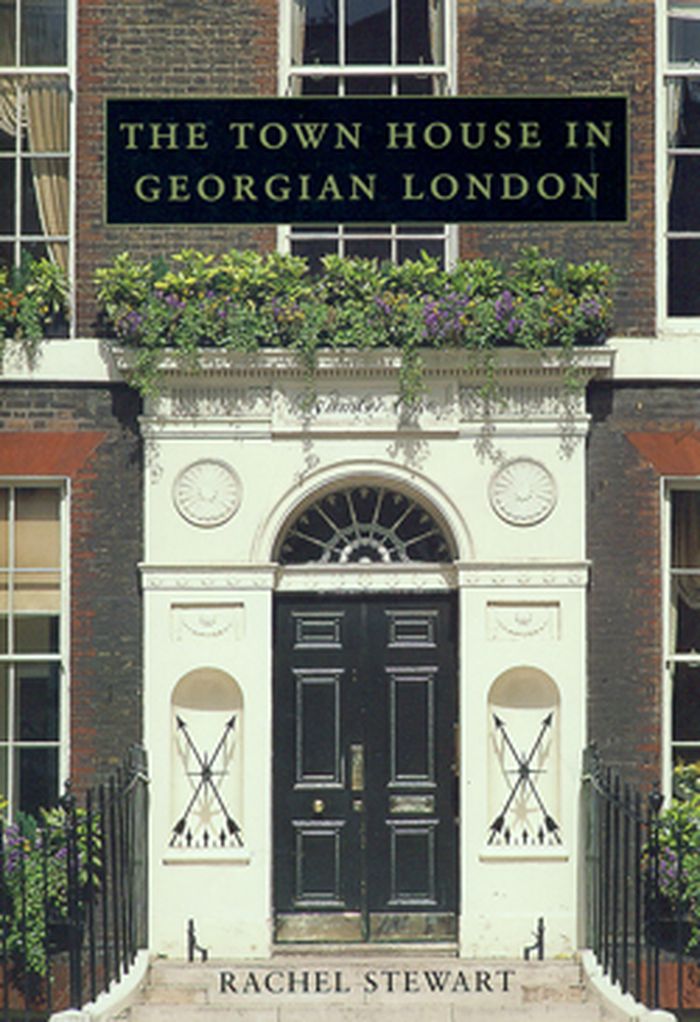
The town house in Georgian London
Actions:
Prix:
$72.95
(disponible sur commande)
Résumé:
Stepping away from conventional analyses of materials or style and into the previously unexplored world of the house owner, this book takes a fresh look at both the social, as well as the architectural, importance of the 18th-century London town house. Drawing on rich and entertaining evidence—both documentary and anecdotal—Rachel Stewart explores why, and how, so many people pursued life in the city. She not only discusses some of the major architects of the day and their most famous buildings, but she also uncovers what occupants of town houses thought about their property; why and how they chose or built their houses; how they paid for them, used them, decorated them, and disposed of them; and what uses it had for them beyond simple accommodation.
The town house in Georgian London
Actions:
Prix:
$72.95
(disponible sur commande)
Résumé:
Stepping away from conventional analyses of materials or style and into the previously unexplored world of the house owner, this book takes a fresh look at both the social, as well as the architectural, importance of the 18th-century London town house. Drawing on rich and entertaining evidence—both documentary and anecdotal—Rachel Stewart explores why, and how, so many people pursued life in the city. She not only discusses some of the major architects of the day and their most famous buildings, but she also uncovers what occupants of town houses thought about their property; why and how they chose or built their houses; how they paid for them, used them, decorated them, and disposed of them; and what uses it had for them beyond simple accommodation.
Classification:
livres
livres
Publication:
août 2009
août 2009


