


19 Résultats
Classification:
livres
livres
Titre:
The Dome of the Rock
The Dome of the Rock
Actions:
Prix:
$28.95
(disponible sur commande)
Résumé:
The Dome of the Rock, the beautiful Muslim shrine in the walled Old City of Jerusalem, was fully restored to its original state in the last half-century. Thus, this structure, sited on the third holiest spot on earth for Muslims, is at once a product of the seventh century and almost entirely the work of our own times - a paradox in keeping with the complexities and(...)
$28.95
(disponible sur commande)
Résumé:
The Dome of the Rock, the beautiful Muslim shrine in the walled Old City of Jerusalem, was fully restored to its original state in the last half-century. Thus, this structure, sited on the third holiest spot on earth for Muslims, is at once a product of the seventh century and almost entirely the work of our own times - a paradox in keeping with the complexities and(...)
Publication:
octobre 2006, Cambridge (MA), London
octobre 2006, Cambridge (MA), London
Titre:
The Dome of the Rock
Actions:
Prix:
$28.95
(disponible sur commande)
Résumé:
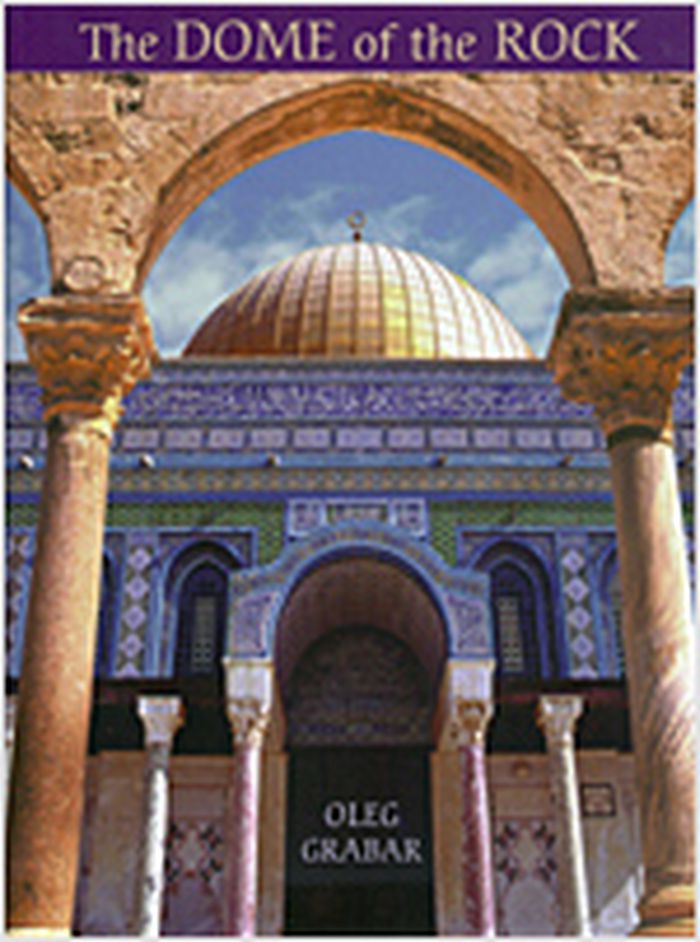
The Dome of the Rock, the beautiful Muslim shrine in the walled Old City of Jerusalem, was fully restored to its original state in the last half-century. Thus, this structure, sited on the third holiest spot on earth for Muslims, is at once a product of the seventh century and almost entirely the work of our own times - a paradox in keeping with the complexities and contradictions of history and religion, architecture and ideology that define this site. This book tells the story of the Dome of the Rock, from the first decades of its creation - on the esplanade built in the fourth decade B.C.E. for the Second Jewish Temple - to its engulfment in the clashes of the Crusades and the short-lived Christianization of all of Jerusalem, to its modern acquisition of different and potent meanings for Muslim, Christian, and Jewish cultures. Oleg Grabar's presentation combines what we know of the building with the views of past observers and with the broader historical, cultural, and aesthetic implications of the monument.
The Dome of the Rock
Actions:
Prix:
$28.95
(disponible sur commande)
Résumé:
The Dome of the Rock, the beautiful Muslim shrine in the walled Old City of Jerusalem, was fully restored to its original state in the last half-century. Thus, this structure, sited on the third holiest spot on earth for Muslims, is at once a product of the seventh century and almost entirely the work of our own times - a paradox in keeping with the complexities and contradictions of history and religion, architecture and ideology that define this site. This book tells the story of the Dome of the Rock, from the first decades of its creation - on the esplanade built in the fourth decade B.C.E. for the Second Jewish Temple - to its engulfment in the clashes of the Crusades and the short-lived Christianization of all of Jerusalem, to its modern acquisition of different and potent meanings for Muslim, Christian, and Jewish cultures. Oleg Grabar's presentation combines what we know of the building with the views of past observers and with the broader historical, cultural, and aesthetic implications of the monument.
Classification:
livres
livres
Publication:
octobre 2006, Cambridge (MA), London
octobre 2006, Cambridge (MA), London
Classification:
livres
livres
Actions:
Prix:
$34.50
(disponible sur commande)
Résumé:
This new history of over 5000 years of African art reveals its true diversity for the first time. Challenging centuries of misconceptions that have obscured the sophisticated nature of African art, Peter Garlake uses the latest research and archaeological finding to offer exciting new insights into the period between 2000BC and 1500AD. All the main regions are covered :(...)
$34.50
(disponible sur commande)
Résumé:
This new history of over 5000 years of African art reveals its true diversity for the first time. Challenging centuries of misconceptions that have obscured the sophisticated nature of African art, Peter Garlake uses the latest research and archaeological finding to offer exciting new insights into the period between 2000BC and 1500AD. All the main regions are covered :(...)
Publication:
juin 2002, Oxford / New York
juin 2002, Oxford / New York
Titre:
Early art and architecture of Africa
Actions:
Prix:
$34.50
(disponible sur commande)
Résumé:
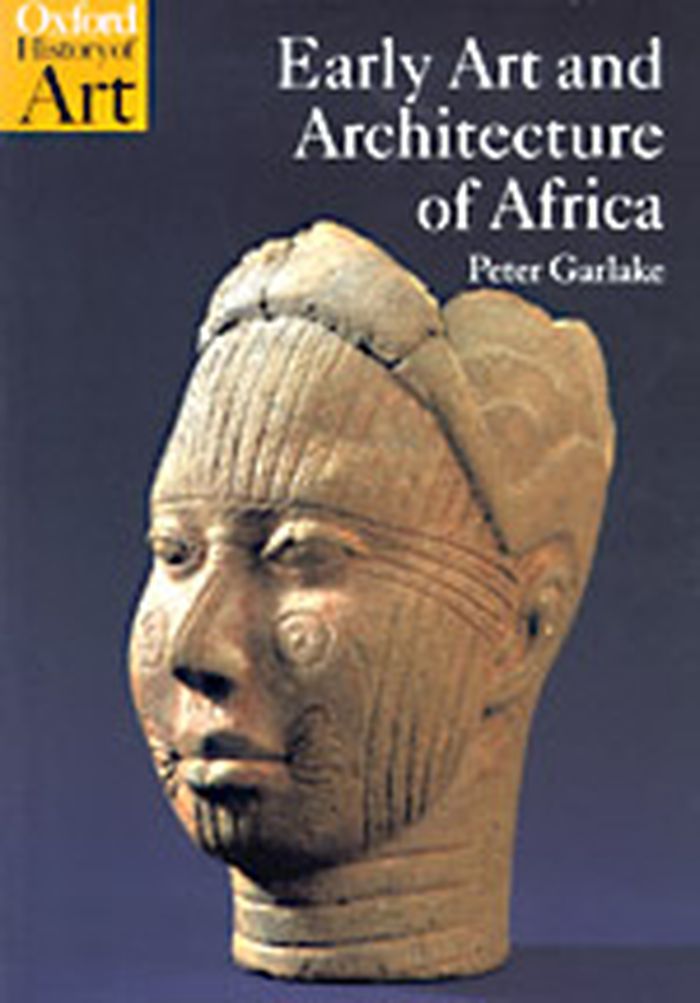
This new history of over 5000 years of African art reveals its true diversity for the first time. Challenging centuries of misconceptions that have obscured the sophisticated nature of African art, Peter Garlake uses the latest research and archaeological finding to offer exciting new insights into the period between 2000BC and 1500AD. All the main regions are covered : southern Africa, Nubia, Aksum, the Niger River, West Africa, Great Zimbabwe, and the East African coast. Aknowledging the universal allure of the African art object, this book restores it to its original social and historical context, helping us to understand more about the ways in which this art was produced, used, and received.
Early art and architecture of Africa
Actions:
Prix:
$34.50
(disponible sur commande)
Résumé:
This new history of over 5000 years of African art reveals its true diversity for the first time. Challenging centuries of misconceptions that have obscured the sophisticated nature of African art, Peter Garlake uses the latest research and archaeological finding to offer exciting new insights into the period between 2000BC and 1500AD. All the main regions are covered : southern Africa, Nubia, Aksum, the Niger River, West Africa, Great Zimbabwe, and the East African coast. Aknowledging the universal allure of the African art object, this book restores it to its original social and historical context, helping us to understand more about the ways in which this art was produced, used, and received.
Classification:
livres
livres
Publication:
juin 2002, Oxford / New York
juin 2002, Oxford / New York
Classification:
livres
livres
Actions:
Prix:
$115.00
(disponible sur commande)
Résumé:
Les palais et jardins royaux du Maroc, le titre invite à la rêverie, surtout lorsqu'on parle d'une contrée au climat relativement aride. Ériger de beaux édifices et tenter de faire reculer le désert dans ce pays est le défi permanent de l'homme : creuser des puits, faire jaillir de l'eau, aménager des canaux et des ruisseaux, pour, enfin, créer des jardins, univers(...)
$115.00
(disponible sur commande)
Résumé:
Les palais et jardins royaux du Maroc, le titre invite à la rêverie, surtout lorsqu'on parle d'une contrée au climat relativement aride. Ériger de beaux édifices et tenter de faire reculer le désert dans ce pays est le défi permanent de l'homme : creuser des puits, faire jaillir de l'eau, aménager des canaux et des ruisseaux, pour, enfin, créer des jardins, univers(...)
Publication:
janvier 1900, Casablanca
janvier 1900, Casablanca
Titre:
Maroc : les palais et jardins royaux
Actions:
Prix:
$115.00
(disponible sur commande)
Résumé:
Les palais et jardins royaux du Maroc, le titre invite à la rêverie, surtout lorsqu'on parle d'une contrée au climat relativement aride. Ériger de beaux édifices et tenter de faire reculer le désert dans ce pays est le défi permanent de l'homme : creuser des puits, faire jaillir de l'eau, aménager des canaux et des ruisseaux, pour, enfin, créer des jardins, univers fertiles et luxuriants... Comment l'art des jardins a-t-il pu naître et se développer dans de telles Conditions ? Tout d'abord grâce au pouvoir monarchique qui régna sans discontinuer pendant plus de mille ans, assurant par la maîtrise politique et technique de l'eau, le développement de ces résidences royales aux jardins merveilleux, tant chantés par les lettrés musulmans. De ce point de vue, les sites de Fès, Marrakech, Rabat et Meknès, capitales d'empire, furent remarquablement choisis. Véritables cités hydrauliques, ces quatre villes et leurs palais étaient dotés de différentes techniques d'adduction d'eau. Ensuite, l'héritage spirituel, empreint d'images du paradis tel que promis aux fidèles, incita les musulmans à créer et à multiplier les jardins terrestres supposés imiter, certes de façon toujours imparfaite, le jardin d'Éden. Enfin, les apports culturels d'Orient suscitèrent une floraison d'œuvres majestueuses que le Maroc musulman réalisa admirablement, dans le cadre d'une civilisation hispano-mauresque brillante dont il est encore le principal héritier. Ce livre explore les jardins royaux du Maroc selon un cheminement à la fois généalogique, patrimonial et esthétique. De l'agdâl, grand jardin planté aux bassins immenses où se reflètent les pavillons exquis destinés aux plaisirs des princes, aux riyâd, jardins intérieurs aux jets d'eau rafraîchissants, toute une combinaison hiérarchisée d'espaces verdoyants se compose harmonieusement, selon une logique de structuration de l'architecture des palais royaux marocains : extérieur/intérieur et privé/public. Au confluent de 1'Espagne mauresque et de l'Orient arabe, une riche tradition artistique s'y est développée; palais et jardins témoignent donc d'une virtuosité exceptionnelle et d'un savoir-faire remarquable. Cet ouvrage en restitue la beauté et la magnificence.
Maroc : les palais et jardins royaux
Actions:
Prix:
$115.00
(disponible sur commande)
Résumé:
Les palais et jardins royaux du Maroc, le titre invite à la rêverie, surtout lorsqu'on parle d'une contrée au climat relativement aride. Ériger de beaux édifices et tenter de faire reculer le désert dans ce pays est le défi permanent de l'homme : creuser des puits, faire jaillir de l'eau, aménager des canaux et des ruisseaux, pour, enfin, créer des jardins, univers fertiles et luxuriants... Comment l'art des jardins a-t-il pu naître et se développer dans de telles Conditions ? Tout d'abord grâce au pouvoir monarchique qui régna sans discontinuer pendant plus de mille ans, assurant par la maîtrise politique et technique de l'eau, le développement de ces résidences royales aux jardins merveilleux, tant chantés par les lettrés musulmans. De ce point de vue, les sites de Fès, Marrakech, Rabat et Meknès, capitales d'empire, furent remarquablement choisis. Véritables cités hydrauliques, ces quatre villes et leurs palais étaient dotés de différentes techniques d'adduction d'eau. Ensuite, l'héritage spirituel, empreint d'images du paradis tel que promis aux fidèles, incita les musulmans à créer et à multiplier les jardins terrestres supposés imiter, certes de façon toujours imparfaite, le jardin d'Éden. Enfin, les apports culturels d'Orient suscitèrent une floraison d'œuvres majestueuses que le Maroc musulman réalisa admirablement, dans le cadre d'une civilisation hispano-mauresque brillante dont il est encore le principal héritier. Ce livre explore les jardins royaux du Maroc selon un cheminement à la fois généalogique, patrimonial et esthétique. De l'agdâl, grand jardin planté aux bassins immenses où se reflètent les pavillons exquis destinés aux plaisirs des princes, aux riyâd, jardins intérieurs aux jets d'eau rafraîchissants, toute une combinaison hiérarchisée d'espaces verdoyants se compose harmonieusement, selon une logique de structuration de l'architecture des palais royaux marocains : extérieur/intérieur et privé/public. Au confluent de 1'Espagne mauresque et de l'Orient arabe, une riche tradition artistique s'y est développée; palais et jardins témoignent donc d'une virtuosité exceptionnelle et d'un savoir-faire remarquable. Cet ouvrage en restitue la beauté et la magnificence.
Classification:
livres
livres
Publication:
janvier 1900, Casablanca
janvier 1900, Casablanca
Classification:
livres
livres
Actions:
Prix:
$91.95
(disponible sur commande)
Résumé:
Asmara, the capital of the small east African country of Eritrea, bordering the Red Sea, is one of the most important and exciting architectural ‘discoveries’ of recent years. Built almost entirely in the 1930s by the Italians, Asmara has one of the highest concentrations of modernist architecture anywhere in the world, and has evocatively been described as “the Miami of(...)
$91.95
(disponible sur commande)
Résumé:
Asmara, the capital of the small east African country of Eritrea, bordering the Red Sea, is one of the most important and exciting architectural ‘discoveries’ of recent years. Built almost entirely in the 1930s by the Italians, Asmara has one of the highest concentrations of modernist architecture anywhere in the world, and has evocatively been described as “the Miami of(...)
Publication:
septembre 2003, London
septembre 2003, London
Titre:
Asmara : Africa's secret modernist city
Actions:
Prix:
$91.95
(disponible sur commande)
Résumé:
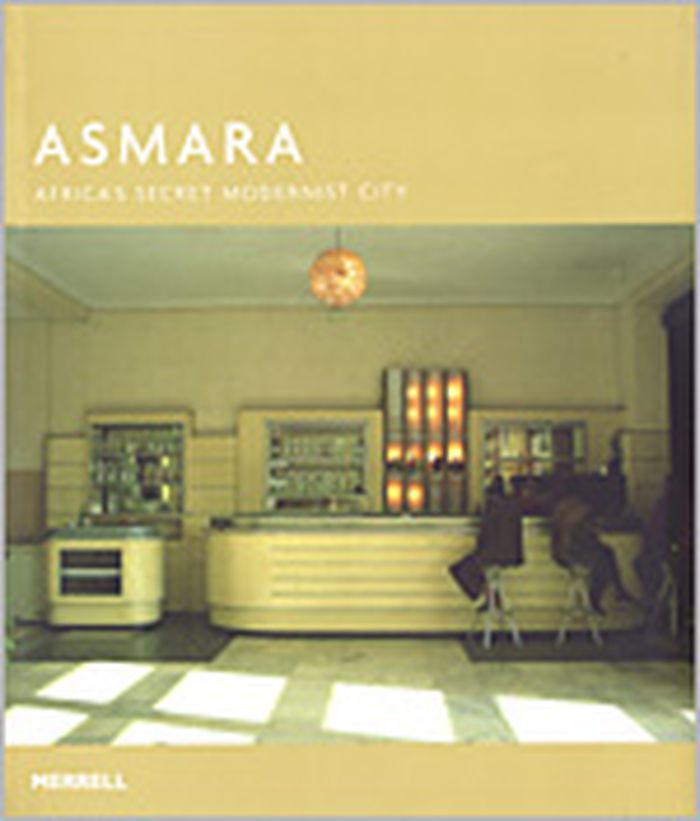
Asmara, the capital of the small east African country of Eritrea, bordering the Red Sea, is one of the most important and exciting architectural ‘discoveries’ of recent years. Built almost entirely in the 1930s by the Italians, Asmara has one of the highest concentrations of modernist architecture anywhere in the world, and has evocatively been described as “the Miami of Africa”. Desperate to build quickly, the colonial government of the time allowed radical architectural experimentation that would not have found favour in the more conservative European environment. Asmara therefore became one of the world’s prime locations for architectural innovation during the Modern Movement. That this occurred at all is remarkable enough, but that these buildings should have survived in such numbers today makes it one of the finest modernist cities in the world. This is a building-by-building survey, illustrated with rare archival material and specially commissioned photographs
Asmara : Africa's secret modernist city
Actions:
Prix:
$91.95
(disponible sur commande)
Résumé:
Asmara, the capital of the small east African country of Eritrea, bordering the Red Sea, is one of the most important and exciting architectural ‘discoveries’ of recent years. Built almost entirely in the 1930s by the Italians, Asmara has one of the highest concentrations of modernist architecture anywhere in the world, and has evocatively been described as “the Miami of Africa”. Desperate to build quickly, the colonial government of the time allowed radical architectural experimentation that would not have found favour in the more conservative European environment. Asmara therefore became one of the world’s prime locations for architectural innovation during the Modern Movement. That this occurred at all is remarkable enough, but that these buildings should have survived in such numbers today makes it one of the finest modernist cities in the world. This is a building-by-building survey, illustrated with rare archival material and specially commissioned photographs
Classification:
livres
livres
Publication:
septembre 2003, London
septembre 2003, London
Classification:
livres
livres
Actions:
Prix:
$76.95
(disponible sur commande)
Résumé:
''Up Up'' presents a selection of buildings in the inner city of Johannesburg, focusing on the tall modernist towers that stood out at the time they were constructed. Witnesses to profound shifts in the political history of the metropolis, the buildings have gone through immense changes. They are documented in two distinct sections: the architecture is presented with(...)
$76.95
(disponible sur commande)
Résumé:
''Up Up'' presents a selection of buildings in the inner city of Johannesburg, focusing on the tall modernist towers that stood out at the time they were constructed. Witnesses to profound shifts in the political history of the metropolis, the buildings have gone through immense changes. They are documented in two distinct sections: the architecture is presented with(...)
Titre:
Up up: stories of Johannesburg’s highrises
Actions:
Prix:
$76.95
(disponible sur commande)
Résumé:
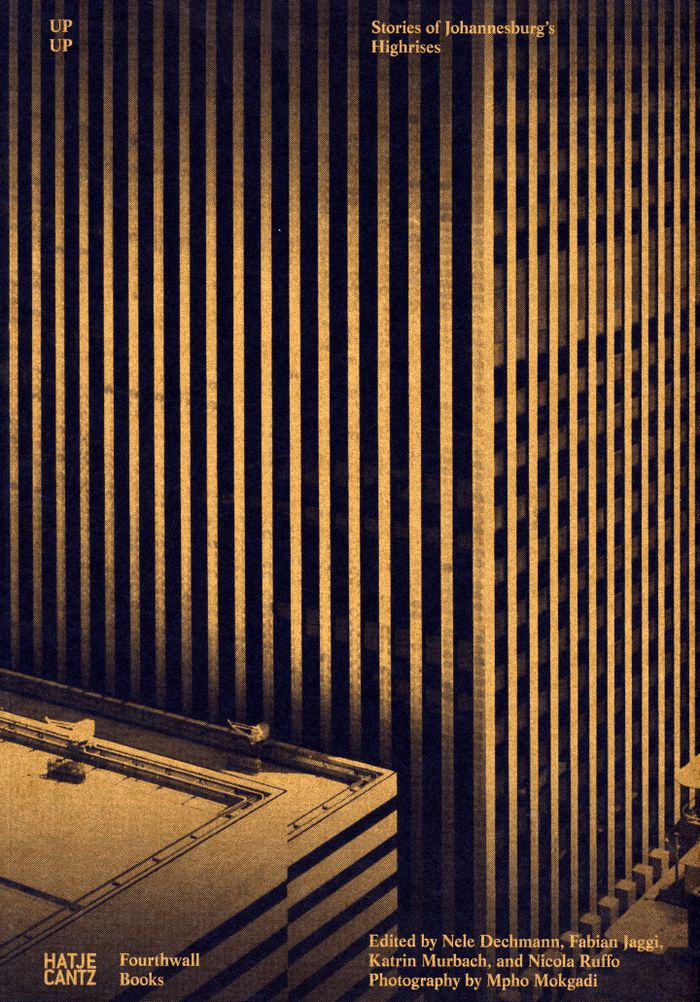
''Up Up'' presents a selection of buildings in the inner city of Johannesburg, focusing on the tall modernist towers that stood out at the time they were constructed. Witnesses to profound shifts in the political history of the metropolis, the buildings have gone through immense changes. They are documented in two distinct sections: the architecture is presented with facts, floor plans, archival discoveries and contemporary images of the interior and the exterior; additionally, each building is accompanied by a reportage or subjective essay on the inner workings of the building.
Up up: stories of Johannesburg’s highrises
Actions:
Prix:
$76.95
(disponible sur commande)
Résumé:
''Up Up'' presents a selection of buildings in the inner city of Johannesburg, focusing on the tall modernist towers that stood out at the time they were constructed. Witnesses to profound shifts in the political history of the metropolis, the buildings have gone through immense changes. They are documented in two distinct sections: the architecture is presented with facts, floor plans, archival discoveries and contemporary images of the interior and the exterior; additionally, each building is accompanied by a reportage or subjective essay on the inner workings of the building.
Classification:
livres
livres
Publication:
août 2016
août 2016
Classification:
livres
livres
Actions:
Prix:
$64.95
(disponible sur commande)
Résumé:
This publication is about the transformation of urban space and the reordering of the demographic character of Brickfields, one of the oldest neighborhoods in Kuala Lumpur. The author offers an ethnographic account of the complex attempts on the part of the state and the community to reconcile techno-rational conceptions of law, development, and city planning with local(...)
$64.95
(disponible sur commande)
Résumé:
This publication is about the transformation of urban space and the reordering of the demographic character of Brickfields, one of the oldest neighborhoods in Kuala Lumpur. The author offers an ethnographic account of the complex attempts on the part of the state and the community to reconcile techno-rational conceptions of law, development, and city planning with local(...)
Publication:
août 2008, Standford
août 2008, Standford
Titre:
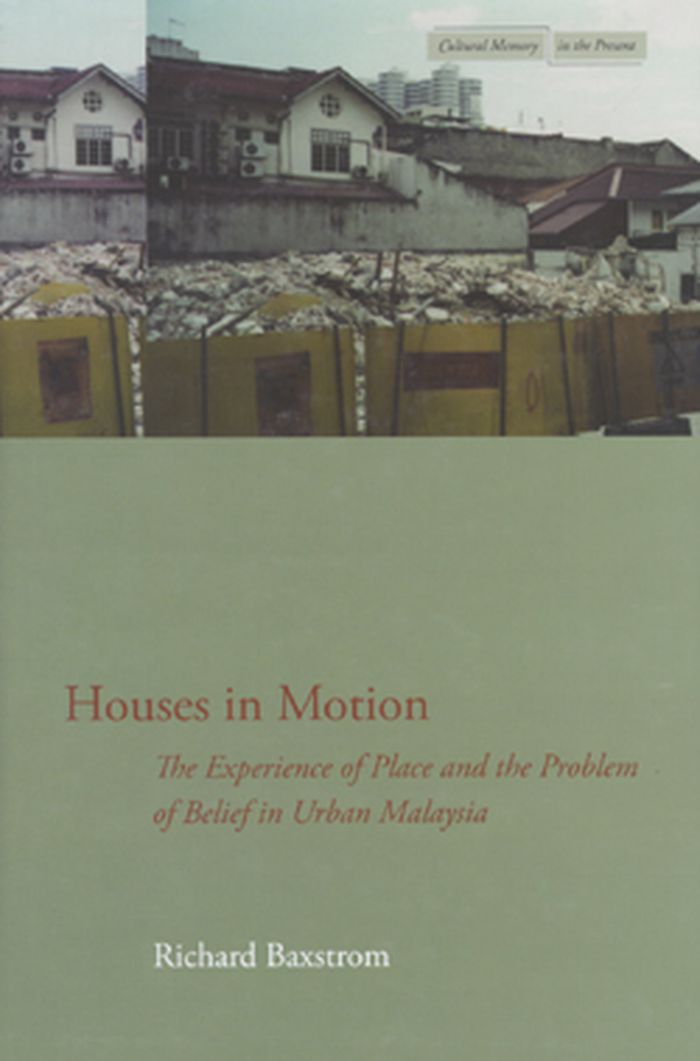
Houses in motion : the experience of place and the problem of belief in urban Malaysia
Actions:
Prix:
$64.95
(disponible sur commande)
Résumé:
This publication is about the transformation of urban space and the reordering of the demographic character of Brickfields, one of the oldest neighborhoods in Kuala Lumpur. The author offers an ethnographic account of the complex attempts on the part of the state and the community to reconcile techno-rational conceptions of law, development, and city planning with local experiences of place, justice, relatedness, and possibilities for belief in an aggressively changing world.
Houses in motion : the experience of place and the problem of belief in urban Malaysia
Actions:
Prix:
$64.95
(disponible sur commande)
Résumé:
This publication is about the transformation of urban space and the reordering of the demographic character of Brickfields, one of the oldest neighborhoods in Kuala Lumpur. The author offers an ethnographic account of the complex attempts on the part of the state and the community to reconcile techno-rational conceptions of law, development, and city planning with local experiences of place, justice, relatedness, and possibilities for belief in an aggressively changing world.
Classification:
livres
livres
Publication:
août 2008, Standford
août 2008, Standford
Classification:
livres
livres
Prix:
$41.50
(disponible sur commande)
Résumé:
In Architecture of the Dead, architect Galila El Kadi and photographer Alain Bonnamy have produced a comprehensive and visually stunning survey of all areas of the necropolis. Through detailled and painstaking research and remarkable photography, in text, maps, plans, and pictures, they describe and illustrate the astonishing variety of architectural styles in the(...)
$41.50
(disponible sur commande)
Résumé:
In Architecture of the Dead, architect Galila El Kadi and photographer Alain Bonnamy have produced a comprehensive and visually stunning survey of all areas of the necropolis. Through detailled and painstaking research and remarkable photography, in text, maps, plans, and pictures, they describe and illustrate the astonishing variety of architectural styles in the(...)
Publication:
janvier 1900, Cairo, New York
janvier 1900, Cairo, New York
Titre:
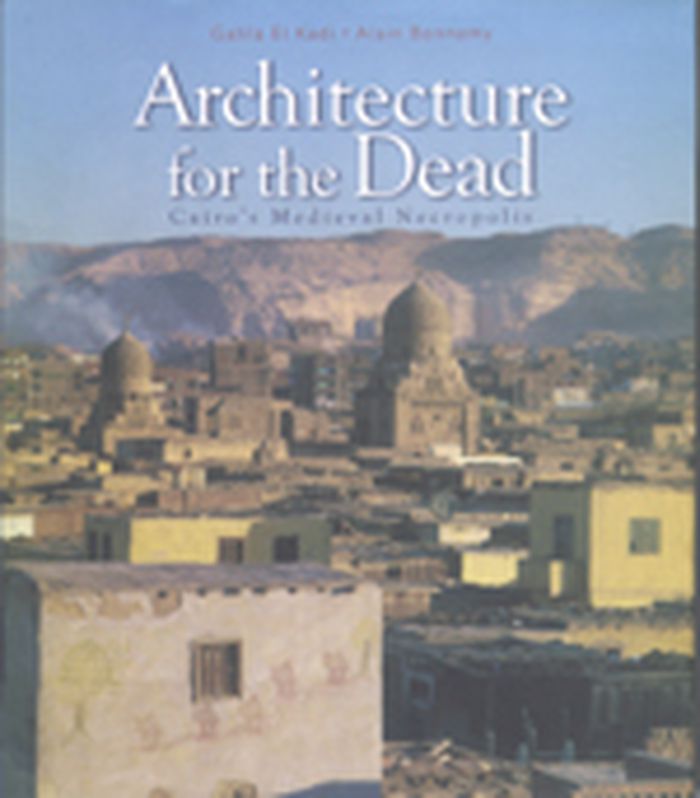
Architecture for the Dead: Cairo's Medieval Necropolis
Actions:
Prix:
$41.50
(disponible sur commande)
Résumé:
In Architecture of the Dead, architect Galila El Kadi and photographer Alain Bonnamy have produced a comprehensive and visually stunning survey of all areas of the necropolis. Through detailled and painstaking research and remarkable photography, in text, maps, plans, and pictures, they describe and illustrate the astonishing variety of architectural styles in the necropolis: from Mamluk to neo-Mamluk via baroque and neo-pharaonic, from the grandest stone buildings with their decorative domes and minarets to the humblest, but elaborately decorated, wooden structures.
Architecture for the Dead: Cairo's Medieval Necropolis
Actions:
Prix:
$41.50
(disponible sur commande)
Résumé:
In Architecture of the Dead, architect Galila El Kadi and photographer Alain Bonnamy have produced a comprehensive and visually stunning survey of all areas of the necropolis. Through detailled and painstaking research and remarkable photography, in text, maps, plans, and pictures, they describe and illustrate the astonishing variety of architectural styles in the necropolis: from Mamluk to neo-Mamluk via baroque and neo-pharaonic, from the grandest stone buildings with their decorative domes and minarets to the humblest, but elaborately decorated, wooden structures.
Classification:
livres
livres
Publication:
janvier 1900, Cairo, New York
janvier 1900, Cairo, New York
Classification:
livres
livres
Actions:
Prix:
$27.95
(disponible sur commande)
Résumé:
In postapartheid Johannesburg, tensions of race and class manifest themselves starkly in struggles over "rights to the city." Real-estate developers and the very poor fight for control of space as the municipal administration steps aside, almost powerless to shape the direction of change. Having ceded control of development to the private sector, the Johannesburg city(...)
$27.95
(disponible sur commande)
Résumé:
In postapartheid Johannesburg, tensions of race and class manifest themselves starkly in struggles over "rights to the city." Real-estate developers and the very poor fight for control of space as the municipal administration steps aside, almost powerless to shape the direction of change. Having ceded control of development to the private sector, the Johannesburg city(...)
Publication:
juin 2008, Ithaca, London
juin 2008, Ithaca, London
Titre:
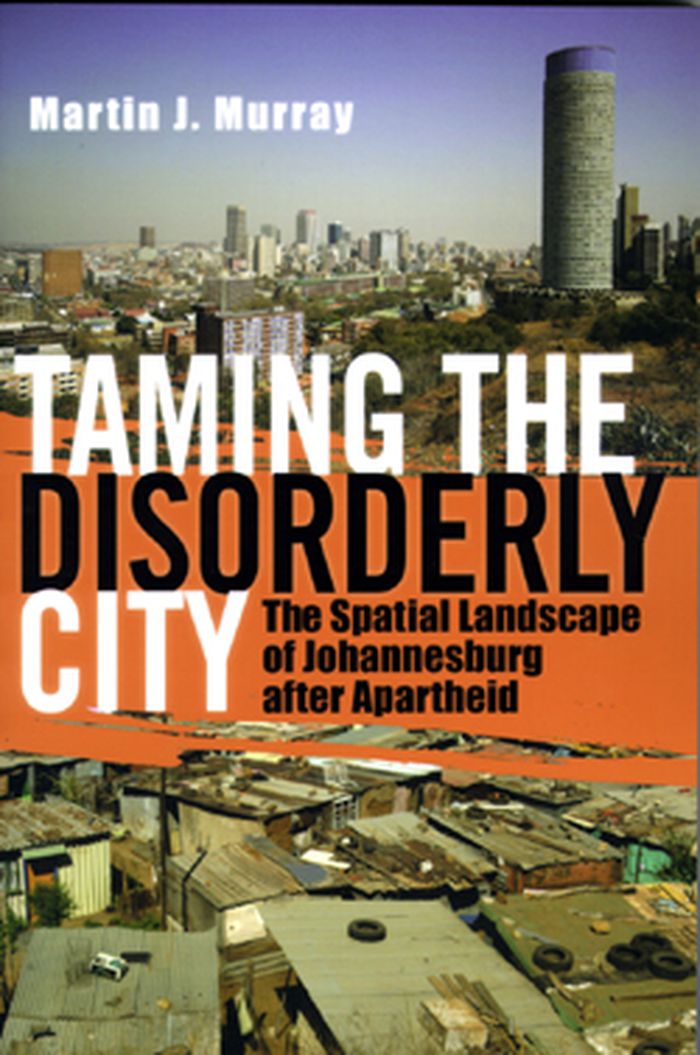
Taming the disorderly city: the spatial landscape of Johannesburg after Apartheid
Actions:
Prix:
$27.95
(disponible sur commande)
Résumé:
In postapartheid Johannesburg, tensions of race and class manifest themselves starkly in struggles over "rights to the city." Real-estate developers and the very poor fight for control of space as the municipal administration steps aside, almost powerless to shape the direction of change. Having ceded control of development to the private sector, the Johannesburg city government has all but abandoned residential planning to the unpredictability of market forces. This failure to plan for the civic good--and the resulting confusion--is a perfect example of the entrepreneurial approaches to urban governance that are sweeping much of the Global South as well as the cities of the North. Martin J. Murray brings together a wide range of urban theory and local knowledge to draw a nuanced portrait of contemporary Johannesburg. In Taming the Disorderly City, he provides a focused intellectual and political critique of the often-ambivalent urban dynamics that have emerged after the end of apartheid. Exploring the behaviors of the rich and poor, each empowered in their own way, as they rebuild a new Johannesburg, we see the entrepreneurial city: high-rises, shopping districts, and gated communities surrounded by and intermingled with poverty. In graceful prose, Murray offers a compelling portrait of the everyday lives of the urban poor as seen through the lens of real-estate capitalism and revitalization efforts.
Taming the disorderly city: the spatial landscape of Johannesburg after Apartheid
Actions:
Prix:
$27.95
(disponible sur commande)
Résumé:
In postapartheid Johannesburg, tensions of race and class manifest themselves starkly in struggles over "rights to the city." Real-estate developers and the very poor fight for control of space as the municipal administration steps aside, almost powerless to shape the direction of change. Having ceded control of development to the private sector, the Johannesburg city government has all but abandoned residential planning to the unpredictability of market forces. This failure to plan for the civic good--and the resulting confusion--is a perfect example of the entrepreneurial approaches to urban governance that are sweeping much of the Global South as well as the cities of the North. Martin J. Murray brings together a wide range of urban theory and local knowledge to draw a nuanced portrait of contemporary Johannesburg. In Taming the Disorderly City, he provides a focused intellectual and political critique of the often-ambivalent urban dynamics that have emerged after the end of apartheid. Exploring the behaviors of the rich and poor, each empowered in their own way, as they rebuild a new Johannesburg, we see the entrepreneurial city: high-rises, shopping districts, and gated communities surrounded by and intermingled with poverty. In graceful prose, Murray offers a compelling portrait of the everyday lives of the urban poor as seen through the lens of real-estate capitalism and revitalization efforts.
Classification:
livres
livres
Publication:
juin 2008, Ithaca, London
juin 2008, Ithaca, London
Classification:
livres
livres
Actions:
Prix:
$37.95
(disponible sur commande)
Résumé:
In "Histories of dirt," Stephanie Newell traces the ways in which urban spaces and urban dwellers come to be regarded as dirty, as exemplified in colonial and postcolonial Lagos. Newell conceives dirt as an interpretive category that facilitates moral, sanitary, economic, and aesthetic evaluations of other cultures under the rubric of uncleanliness. She examines a number(...)
$37.95
(disponible sur commande)
Résumé:
In "Histories of dirt," Stephanie Newell traces the ways in which urban spaces and urban dwellers come to be regarded as dirty, as exemplified in colonial and postcolonial Lagos. Newell conceives dirt as an interpretive category that facilitates moral, sanitary, economic, and aesthetic evaluations of other cultures under the rubric of uncleanliness. She examines a number(...)
Titre:
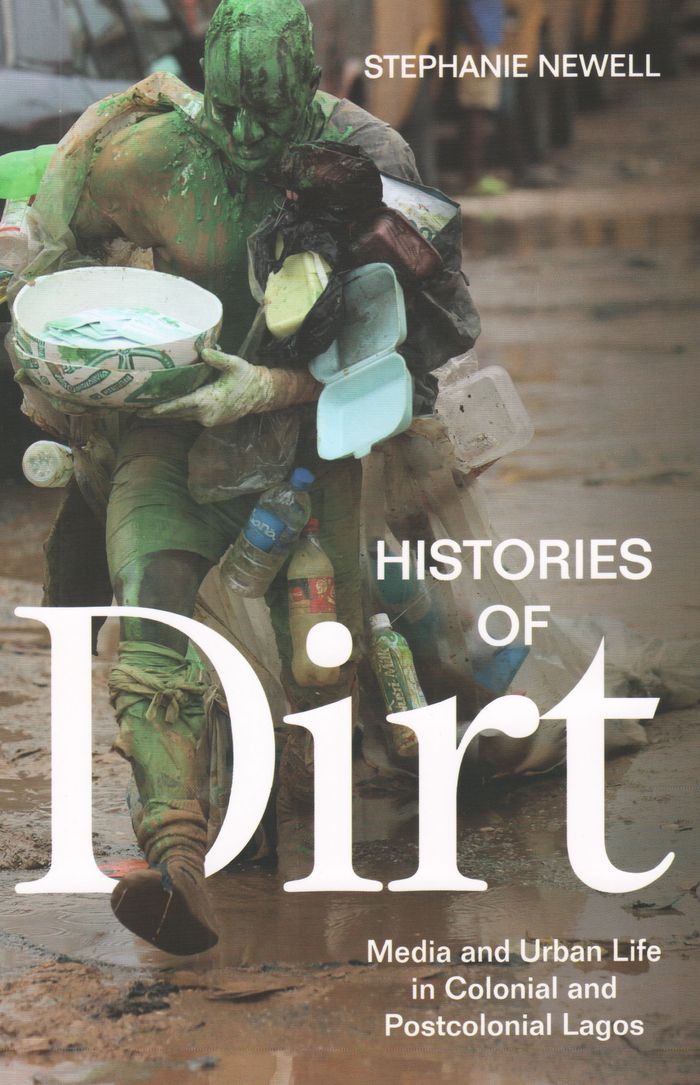
Histories of dirt: media and urban life in Colonial and Postcolonial Lagos
Actions:
Prix:
$37.95
(disponible sur commande)
Résumé:
In "Histories of dirt," Stephanie Newell traces the ways in which urban spaces and urban dwellers come to be regarded as dirty, as exemplified in colonial and postcolonial Lagos. Newell conceives dirt as an interpretive category that facilitates moral, sanitary, economic, and aesthetic evaluations of other cultures under the rubric of uncleanliness. She examines a number of texts ranging from newspaper articles by elite Lagosians to colonial travel writing, public health films, and urban planning to show how understandings of dirt came to structure colonial governance. Seeing Lagosians as sources of contagion and dirt, British colonizers used racist ideologies and discourses of dirt to justify racial segregation and public health policies. Newell also explores possibilities for non-Eurocentric methods for identifying African urbanites' own values and opinions by foregrounding the voices of contemporary Lagosians through interviews and focus groups in which their responses to public health issues reflect local aesthetic tastes and values. In excavating the shifting role of dirt in structuring social and political life in Lagos, Newell provides new understandings of colonial and postcolonial urban history in West Africa.
Histories of dirt: media and urban life in Colonial and Postcolonial Lagos
Actions:
Prix:
$37.95
(disponible sur commande)
Résumé:
In "Histories of dirt," Stephanie Newell traces the ways in which urban spaces and urban dwellers come to be regarded as dirty, as exemplified in colonial and postcolonial Lagos. Newell conceives dirt as an interpretive category that facilitates moral, sanitary, economic, and aesthetic evaluations of other cultures under the rubric of uncleanliness. She examines a number of texts ranging from newspaper articles by elite Lagosians to colonial travel writing, public health films, and urban planning to show how understandings of dirt came to structure colonial governance. Seeing Lagosians as sources of contagion and dirt, British colonizers used racist ideologies and discourses of dirt to justify racial segregation and public health policies. Newell also explores possibilities for non-Eurocentric methods for identifying African urbanites' own values and opinions by foregrounding the voices of contemporary Lagosians through interviews and focus groups in which their responses to public health issues reflect local aesthetic tastes and values. In excavating the shifting role of dirt in structuring social and political life in Lagos, Newell provides new understandings of colonial and postcolonial urban history in West Africa.
Classification:
livres
livres
Publication:
décembre 2019
décembre 2019


