


496 Résultats
Classification:
livres
livres
Actions:
Prix:
$19.95
(disponible sur commande)
Résumé:
The time of the landscape is not the time when people started describing gardens, mountains and lakes in poems or representing them in works of art: it is the time when the landscape imposed itself as a specific object of thought. It is the time when both the harmony of arranged gardens and the disharmony of wild nature led to a revolution in the criteria of the beautiful(...)
$19.95
(disponible sur commande)
Résumé:
The time of the landscape is not the time when people started describing gardens, mountains and lakes in poems or representing them in works of art: it is the time when the landscape imposed itself as a specific object of thought. It is the time when both the harmony of arranged gardens and the disharmony of wild nature led to a revolution in the criteria of the beautiful(...)
Titre:
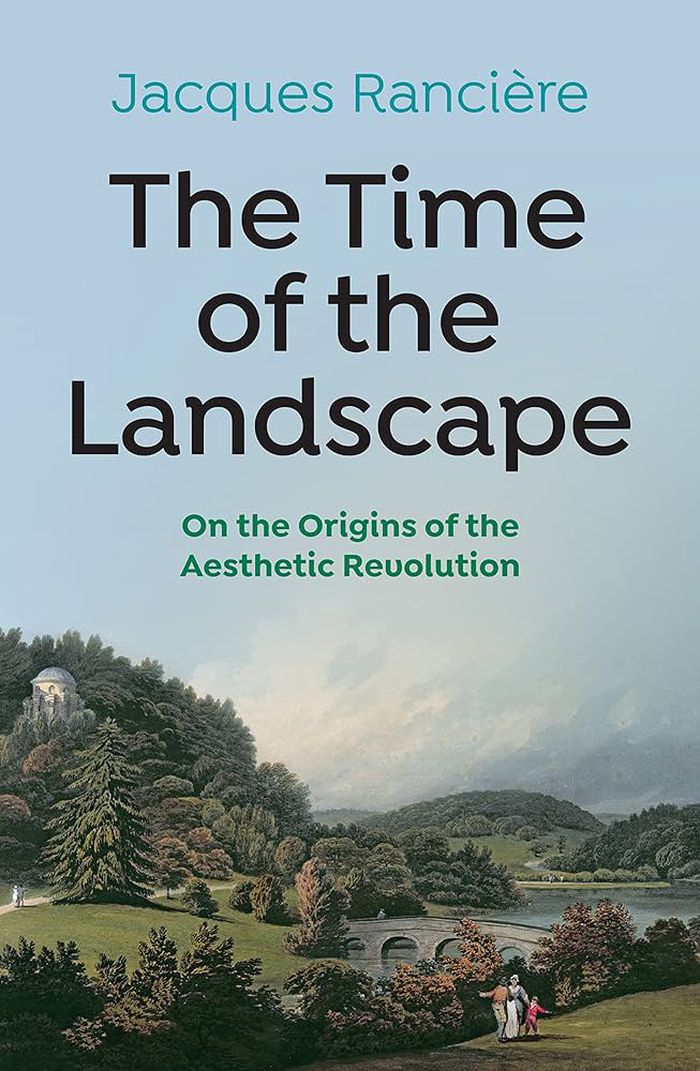
The time of the landscape: On the origins of the aesthetic revolution
Actions:
Prix:
$19.95
(disponible sur commande)
Résumé:
The time of the landscape is not the time when people started describing gardens, mountains and lakes in poems or representing them in works of art: it is the time when the landscape imposed itself as a specific object of thought. It is the time when both the harmony of arranged gardens and the disharmony of wild nature led to a revolution in the criteria of the beautiful and in the meaning of the word “art.” It coincided with the birth of aesthetics, understood as a regime for shaping how art is seen and thought, and also with the French Revolution, understood as a revolution in the very idea of what binds together a human community.
The time of the landscape: On the origins of the aesthetic revolution
Actions:
Prix:
$19.95
(disponible sur commande)
Résumé:
The time of the landscape is not the time when people started describing gardens, mountains and lakes in poems or representing them in works of art: it is the time when the landscape imposed itself as a specific object of thought. It is the time when both the harmony of arranged gardens and the disharmony of wild nature led to a revolution in the criteria of the beautiful and in the meaning of the word “art.” It coincided with the birth of aesthetics, understood as a regime for shaping how art is seen and thought, and also with the French Revolution, understood as a revolution in the very idea of what binds together a human community.
Classification:
livres
livres
Publication:
janvier 2023
janvier 2023
Sujet:
Théorie du paysage
Théorie du paysage
Classification:
livres
livres
Titre:
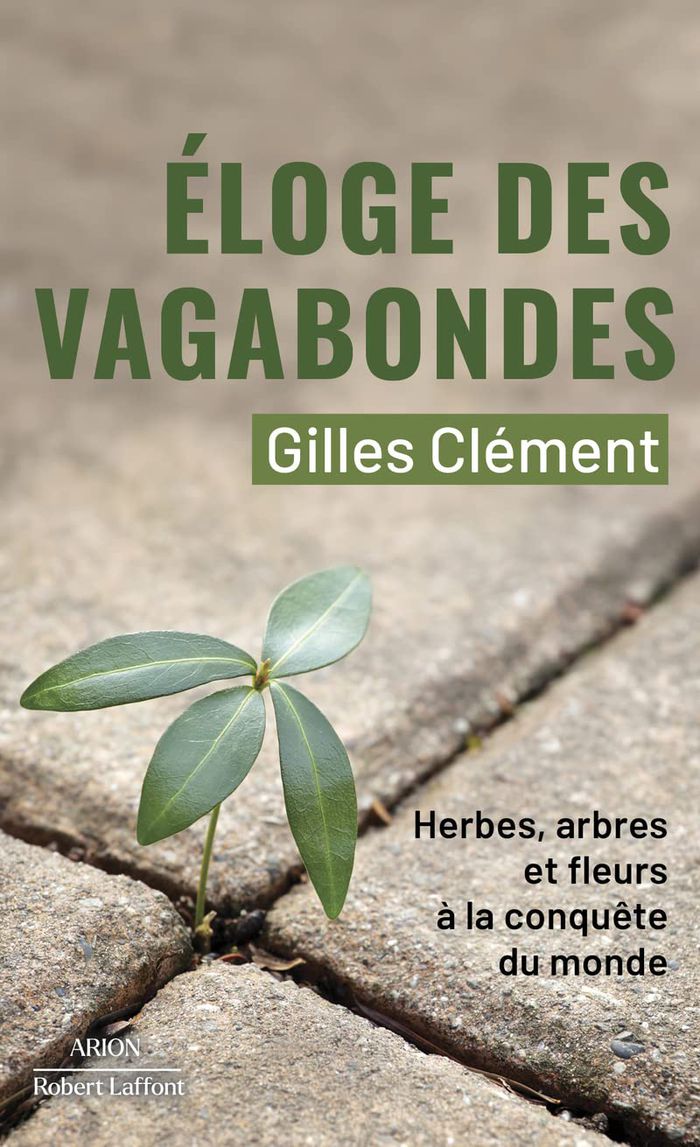
L'éloge des vagabondes
L'éloge des vagabondes
Actions:
Prix:
$18.95
(disponible en magasin)
Résumé:
Les plantes vagabondes n'ont pas bonne presse : on les appelle mauvaises herbes, fleurs sauvages, et elles sont trop souvent interdites de culture. Pour prendre la défense du brassage planétaire, Gilles Clément, l'un de nos plus célèbres paysagistes, inventeur du Jardin en mouvement, a choisi de nous raconter l'histoire de quelques-unes de ces plantes exotiques que nous(...)
$18.95
(disponible en magasin)
Résumé:
Les plantes vagabondes n'ont pas bonne presse : on les appelle mauvaises herbes, fleurs sauvages, et elles sont trop souvent interdites de culture. Pour prendre la défense du brassage planétaire, Gilles Clément, l'un de nos plus célèbres paysagistes, inventeur du Jardin en mouvement, a choisi de nous raconter l'histoire de quelques-unes de ces plantes exotiques que nous(...)
Titre:
L'éloge des vagabondes
Actions:
Prix:
$18.95
(disponible en magasin)
Résumé:
Les plantes vagabondes n'ont pas bonne presse : on les appelle mauvaises herbes, fleurs sauvages, et elles sont trop souvent interdites de culture. Pour prendre la défense du brassage planétaire, Gilles Clément, l'un de nos plus célèbres paysagistes, inventeur du Jardin en mouvement, a choisi de nous raconter l'histoire de quelques-unes de ces plantes exotiques que nous retrouvons aujourd'hui dans nos jardins et dans les friches : rhubarbe du Tibet, pavot de Californie, armoise de Sibérie, grande berce du Caucase... Il nous explique aussi comment l'homme, les désherbants, le béton, les défrichages et les cultures industrielles ont permis à ces vagabondes de s'installer et de se développer. Un livre polémique et poétique, passionnant et passionné.
L'éloge des vagabondes
Actions:
Prix:
$18.95
(disponible en magasin)
Résumé:
Les plantes vagabondes n'ont pas bonne presse : on les appelle mauvaises herbes, fleurs sauvages, et elles sont trop souvent interdites de culture. Pour prendre la défense du brassage planétaire, Gilles Clément, l'un de nos plus célèbres paysagistes, inventeur du Jardin en mouvement, a choisi de nous raconter l'histoire de quelques-unes de ces plantes exotiques que nous retrouvons aujourd'hui dans nos jardins et dans les friches : rhubarbe du Tibet, pavot de Californie, armoise de Sibérie, grande berce du Caucase... Il nous explique aussi comment l'homme, les désherbants, le béton, les défrichages et les cultures industrielles ont permis à ces vagabondes de s'installer et de se développer. Un livre polémique et poétique, passionnant et passionné.
Classification:
livres
livres
Publication:
mars 2023
mars 2023
Sujet:
Théorie du paysage
Théorie du paysage
Classification:
livres
livres
Actions:
Prix:
$14.95
(disponible sur commande)
Résumé:
Frédérique Basset emprunte le rythme de la nature pour rendre compte du parcours et de l’œuvre de Gilles Clément. En quatre saisons, correspondant à quatre temps de l’existence personnelle et professionnelle du jardinier-paysagiste, l’autrice construit le récit sensible d’une vie et éclaire d’un jour nouveau les choix et les valeurs d’un homme. Elle alterne les passages(...)
$14.95
(disponible sur commande)
Résumé:
Frédérique Basset emprunte le rythme de la nature pour rendre compte du parcours et de l’œuvre de Gilles Clément. En quatre saisons, correspondant à quatre temps de l’existence personnelle et professionnelle du jardinier-paysagiste, l’autrice construit le récit sensible d’une vie et éclaire d’un jour nouveau les choix et les valeurs d’un homme. Elle alterne les passages(...)
Titre:
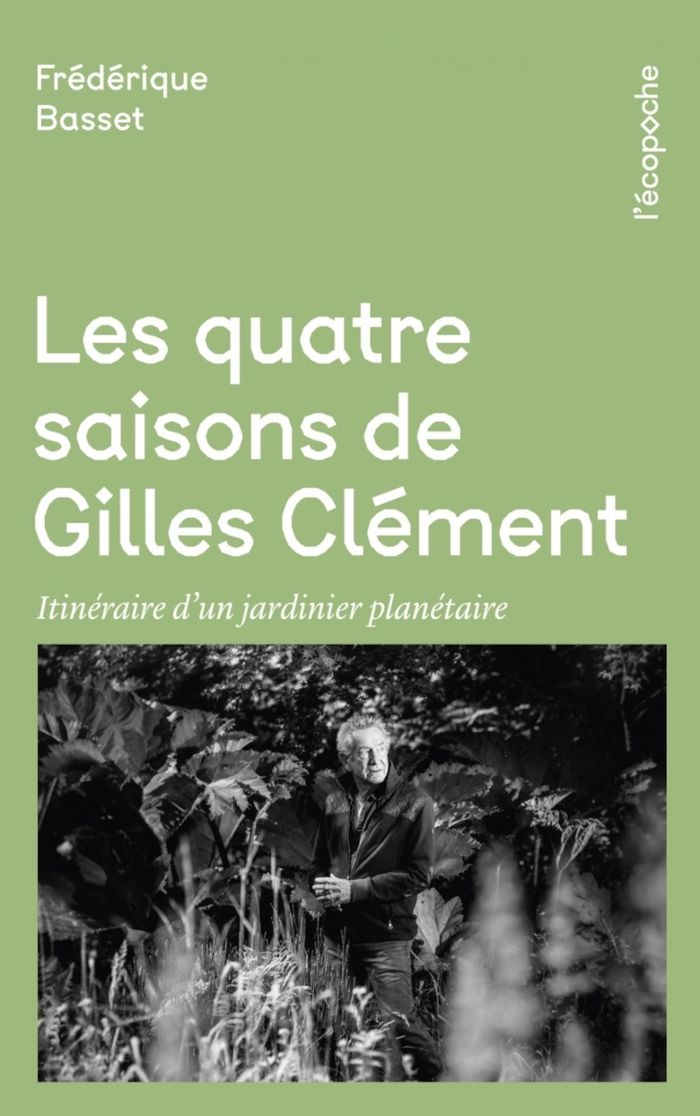
Les quatres saisons de Gilles Clément Itinéraire d'un jardinier planétaire
Actions:
Prix:
$14.95
(disponible sur commande)
Résumé:
Frédérique Basset emprunte le rythme de la nature pour rendre compte du parcours et de l’œuvre de Gilles Clément. En quatre saisons, correspondant à quatre temps de l’existence personnelle et professionnelle du jardinier-paysagiste, l’autrice construit le récit sensible d’une vie et éclaire d’un jour nouveau les choix et les valeurs d’un homme. Elle alterne les passages descriptifs, les citations extraites de livres ou d’articles de Gilles Clément, ainsi que des propos recueillis à l’occasion de différents entretiens en tête-à-tête avec le jardinier. Dans cette nouvelle édition revue et augmentée, la biographie ainsi tissée permet d’accéder aux racines de la pensée et de la vision d’un homme, dans un style enlevé et poétique.
Les quatres saisons de Gilles Clément Itinéraire d'un jardinier planétaire
Actions:
Prix:
$14.95
(disponible sur commande)
Résumé:
Frédérique Basset emprunte le rythme de la nature pour rendre compte du parcours et de l’œuvre de Gilles Clément. En quatre saisons, correspondant à quatre temps de l’existence personnelle et professionnelle du jardinier-paysagiste, l’autrice construit le récit sensible d’une vie et éclaire d’un jour nouveau les choix et les valeurs d’un homme. Elle alterne les passages descriptifs, les citations extraites de livres ou d’articles de Gilles Clément, ainsi que des propos recueillis à l’occasion de différents entretiens en tête-à-tête avec le jardinier. Dans cette nouvelle édition revue et augmentée, la biographie ainsi tissée permet d’accéder aux racines de la pensée et de la vision d’un homme, dans un style enlevé et poétique.
Classification:
livres
livres
Publication:
novembre 2022
novembre 2022
Sujet:
Théorie du paysage
Théorie du paysage
Classification:
livres
livres
Prix:
$67.95
(disponible sur commande)
Résumé:
In this book, landscape architects, sociologists, architects, artists, philosophers and historians illuminate different aspects of the garden in the Anthropocene in six chapters: the garden as a place of community, garden as art, garden as a place of enchantment and rapture, opening up questions of what garden as a model could stand for.
$67.95
(disponible sur commande)
Résumé:
In this book, landscape architects, sociologists, architects, artists, philosophers and historians illuminate different aspects of the garden in the Anthropocene in six chapters: the garden as a place of community, garden as art, garden as a place of enchantment and rapture, opening up questions of what garden as a model could stand for.
Titre:
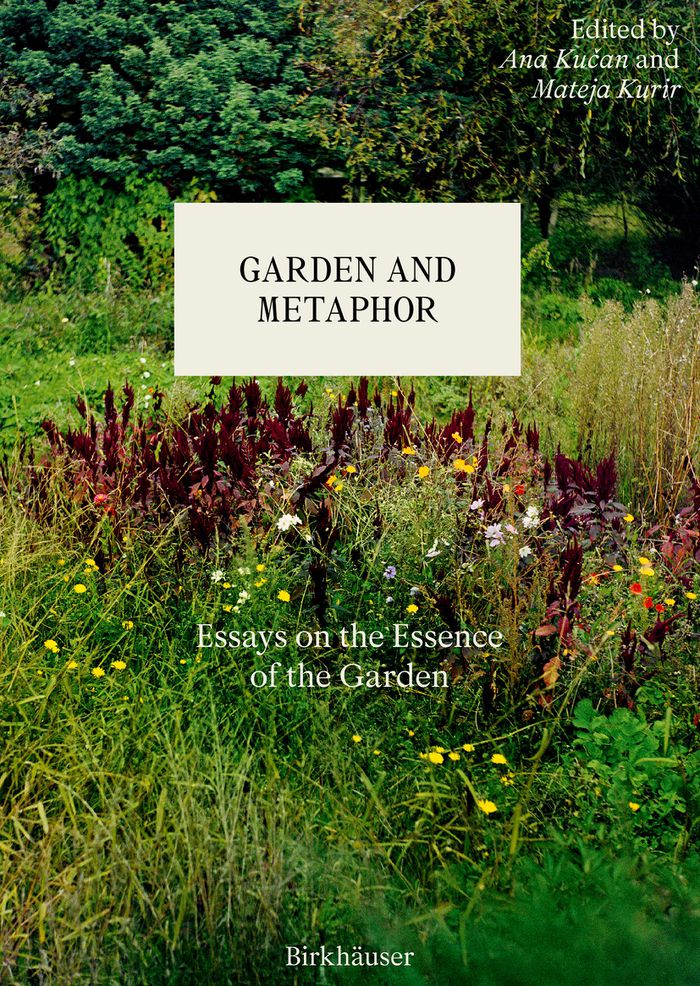
Garden and metaphor: Essays on the essence of the garden
Actions:
Prix:
$67.95
(disponible sur commande)
Résumé:
In this book, landscape architects, sociologists, architects, artists, philosophers and historians illuminate different aspects of the garden in the Anthropocene in six chapters: the garden as a place of community, garden as art, garden as a place of enchantment and rapture, opening up questions of what garden as a model could stand for.
Garden and metaphor: Essays on the essence of the garden
Actions:
Prix:
$67.95
(disponible sur commande)
Résumé:
In this book, landscape architects, sociologists, architects, artists, philosophers and historians illuminate different aspects of the garden in the Anthropocene in six chapters: the garden as a place of community, garden as art, garden as a place of enchantment and rapture, opening up questions of what garden as a model could stand for.
Classification:
livres
livres
Publication:
décembre 2023
décembre 2023
Sujet:
Théorie du paysage
Théorie du paysage
Classification:
livres
livres
Titre:
Pour le paysage
Pour le paysage
Actions:
Prix:
$26.95
(disponible sur commande)
Résumé:
Nourri par plusieurs années d’échanges collectifs autour de l’enseignement et de la recherche, d’arpentage de terrains communs, Hervé Davodeau a pris la plume de cet ouvrage-manifeste. Ce manifeste plaide pour une prise en compte affirmée et fructueuse du paysage dans la réflexion et l’action sur les territoires : « Mettons le paysage au programme! » Mais, au-delà, il se(...)
$26.95
(disponible sur commande)
Résumé:
Nourri par plusieurs années d’échanges collectifs autour de l’enseignement et de la recherche, d’arpentage de terrains communs, Hervé Davodeau a pris la plume de cet ouvrage-manifeste. Ce manifeste plaide pour une prise en compte affirmée et fructueuse du paysage dans la réflexion et l’action sur les territoires : « Mettons le paysage au programme! » Mais, au-delà, il se(...)
Titre:
Pour le paysage
Actions:
Prix:
$26.95
(disponible sur commande)
Résumé:
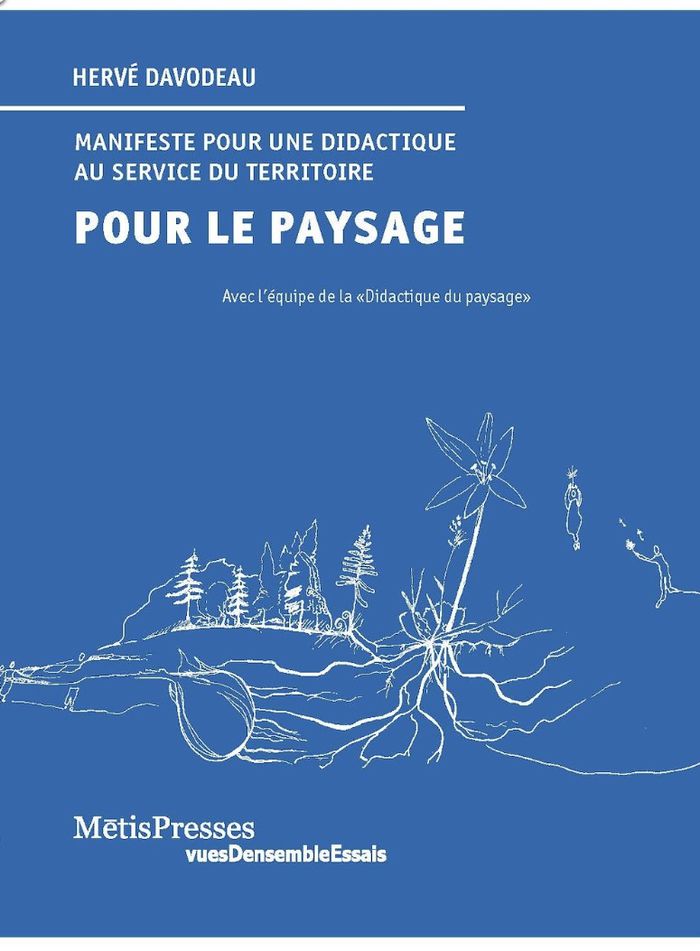
Nourri par plusieurs années d’échanges collectifs autour de l’enseignement et de la recherche, d’arpentage de terrains communs, Hervé Davodeau a pris la plume de cet ouvrage-manifeste. Ce manifeste plaide pour une prise en compte affirmée et fructueuse du paysage dans la réflexion et l’action sur les territoires : « Mettons le paysage au programme! » Mais, au-delà, il se veut force de proposition pour la grande diversité des acteurs et actrices de la sensibilisation, de l’éducation, de la formation professionnelle au et avec le paysage. Parce que fondé sur une posture didactique de questionnement et de recherche sur les pratiques et les finalités de l’enseignement, ce n’est pas un ouvrage militant mais une réflexion critique et engagée.
Pour le paysage
Actions:
Prix:
$26.95
(disponible sur commande)
Résumé:
Nourri par plusieurs années d’échanges collectifs autour de l’enseignement et de la recherche, d’arpentage de terrains communs, Hervé Davodeau a pris la plume de cet ouvrage-manifeste. Ce manifeste plaide pour une prise en compte affirmée et fructueuse du paysage dans la réflexion et l’action sur les territoires : « Mettons le paysage au programme! » Mais, au-delà, il se veut force de proposition pour la grande diversité des acteurs et actrices de la sensibilisation, de l’éducation, de la formation professionnelle au et avec le paysage. Parce que fondé sur une posture didactique de questionnement et de recherche sur les pratiques et les finalités de l’enseignement, ce n’est pas un ouvrage militant mais une réflexion critique et engagée.
Classification:
livres
livres
Publication:
décembre 2023
décembre 2023
Sujet:
Théorie du paysage
Théorie du paysage
Classification:
livres
livres

Prix:
$24.95
(disponible sur commande)
Résumé:
Depuis des siècles, les Japonais entretiennent une relation très proche avec la nature, et leurs jardins témoignent de ce profond attachement. Chacun d'eux, qu'il soit dédié à la contemplation ou à la promenade, est le résultat d'un travail de conception élaboré tant d'un point de vue architectural que symbolique. Les premiers écrits japonais sur le thème remontent au XIe(...)
$24.95
(disponible sur commande)
Résumé:
Depuis des siècles, les Japonais entretiennent une relation très proche avec la nature, et leurs jardins témoignent de ce profond attachement. Chacun d'eux, qu'il soit dédié à la contemplation ou à la promenade, est le résultat d'un travail de conception élaboré tant d'un point de vue architectural que symbolique. Les premiers écrits japonais sur le thème remontent au XIe(...)
Titre:
Trois pierres cinq fleurs : petit traité du jardin japonais
Actions:
Prix:
$24.95
(disponible sur commande)
Résumé:
Depuis des siècles, les Japonais entretiennent une relation très proche avec la nature, et leurs jardins témoignent de ce profond attachement. Chacun d'eux, qu'il soit dédié à la contemplation ou à la promenade, est le résultat d'un travail de conception élaboré tant d'un point de vue architectural que symbolique. Les premiers écrits japonais sur le thème remontent au XIe siècle. Le texte fondateur présenté ici date de 1395, époque fortement marquée par le développement du bouddhisme zen; c'est la première fois qu'il est traduit en français. Dans ce recueil de traditions secrètes, on apprend l'art de poser les pierres, celui de construire «l'île du souffle d'en haut» et d'atteindre ainsi «deux bonheurs et trois biens».... Poèmes de grands auteurs japonais et calligraphies de Keiko Yokoyama viennent délicatement émailler cet étrange traité où la science du jardin mêle souvent recherche esthétique et préoccupations philosophiques.
Trois pierres cinq fleurs : petit traité du jardin japonais
Actions:
Prix:
$24.95
(disponible sur commande)
Résumé:
Depuis des siècles, les Japonais entretiennent une relation très proche avec la nature, et leurs jardins témoignent de ce profond attachement. Chacun d'eux, qu'il soit dédié à la contemplation ou à la promenade, est le résultat d'un travail de conception élaboré tant d'un point de vue architectural que symbolique. Les premiers écrits japonais sur le thème remontent au XIe siècle. Le texte fondateur présenté ici date de 1395, époque fortement marquée par le développement du bouddhisme zen; c'est la première fois qu'il est traduit en français. Dans ce recueil de traditions secrètes, on apprend l'art de poser les pierres, celui de construire «l'île du souffle d'en haut» et d'atteindre ainsi «deux bonheurs et trois biens».... Poèmes de grands auteurs japonais et calligraphies de Keiko Yokoyama viennent délicatement émailler cet étrange traité où la science du jardin mêle souvent recherche esthétique et préoccupations philosophiques.
Classification:
livres
livres
Publication:
novembre 2007, Paris
novembre 2007, Paris
Sujet:
Théorie du paysage
Théorie du paysage
Classification:
livres
livres
Actions:
Prix:
$25.95
(disponible sur commande)
Résumé:
Today's urban riverfronts are changing. The decline of river commerce and riverside industry has made riverfront land once used for warehouses, factories, and loading docks available for open space, parks, housing, and nonindustrial uses. Urban rivers, which once functioned as open sewers for cities, are now seen as part of larger watershed ecosystems. Rivertown examines(...)
$25.95
(disponible sur commande)
Résumé:
Today's urban riverfronts are changing. The decline of river commerce and riverside industry has made riverfront land once used for warehouses, factories, and loading docks available for open space, parks, housing, and nonindustrial uses. Urban rivers, which once functioned as open sewers for cities, are now seen as part of larger watershed ecosystems. Rivertown examines(...)
Titre:
Rivertown : Rethinking urban rivers
Actions:
Prix:
$25.95
(disponible sur commande)
Résumé:
Today's urban riverfronts are changing. The decline of river commerce and riverside industry has made riverfront land once used for warehouses, factories, and loading docks available for open space, parks, housing, and nonindustrial uses. Urban rivers, which once functioned as open sewers for cities, are now seen as part of larger watershed ecosystems. Rivertown examines urban river restoration efforts across the United States, presenting case studies from Los Angeles; Washington, D.C.; Portland, Oregon; Chicago; Salt Lake City; and San Jose. It also analyzes the roles of the federal government (in particular, the U.S. Army Corps of Engineers) and citizen activism in urban river politics. A postscript places New Orleans's experience with Hurricane Katrina in the broader context of the national riverside land-use debate. Each case study in Rivertown considers the critical questions of who makes decisions about our urban rivers, who pays to implement these decisions, and who ultimately benefits or suffers from these decisions. In Los Angeles, for example, local nonprofit and academic research groups played crucial roles, whereas Chicago relied on a series of engineering interventions. In each case, authors evaluate the ecological issues and consider urban river restoration projects in relation to other urban economic and environmental initiatives in the region. Rivertown is a valuable resource for urban planners and citizen groups as well as for scholars.
Rivertown : Rethinking urban rivers
Actions:
Prix:
$25.95
(disponible sur commande)
Résumé:
Today's urban riverfronts are changing. The decline of river commerce and riverside industry has made riverfront land once used for warehouses, factories, and loading docks available for open space, parks, housing, and nonindustrial uses. Urban rivers, which once functioned as open sewers for cities, are now seen as part of larger watershed ecosystems. Rivertown examines urban river restoration efforts across the United States, presenting case studies from Los Angeles; Washington, D.C.; Portland, Oregon; Chicago; Salt Lake City; and San Jose. It also analyzes the roles of the federal government (in particular, the U.S. Army Corps of Engineers) and citizen activism in urban river politics. A postscript places New Orleans's experience with Hurricane Katrina in the broader context of the national riverside land-use debate. Each case study in Rivertown considers the critical questions of who makes decisions about our urban rivers, who pays to implement these decisions, and who ultimately benefits or suffers from these decisions. In Los Angeles, for example, local nonprofit and academic research groups played crucial roles, whereas Chicago relied on a series of engineering interventions. In each case, authors evaluate the ecological issues and consider urban river restoration projects in relation to other urban economic and environmental initiatives in the region. Rivertown is a valuable resource for urban planners and citizen groups as well as for scholars.
Classification:
livres
livres
Publication:
septembre 2007, Cambridge, London
septembre 2007, Cambridge, London
Sujet:
Théorie du paysage
Théorie du paysage
Classification:
livres
livres
Actions:
Prix:
$34.00
(disponible sur commande)
Résumé:
"Sites unseen" challenges conventions for viewing and interpreting the landscape, using visual theory to move beyond traditional practices of describing and classifying objects to explore notions of audience and context. Treats landscape as a spatial, psychological, and sensory encounter, opening a new dialogue for discussing the landscape outside the boundaries of(...)
$34.00
(disponible sur commande)
Résumé:
"Sites unseen" challenges conventions for viewing and interpreting the landscape, using visual theory to move beyond traditional practices of describing and classifying objects to explore notions of audience and context. Treats landscape as a spatial, psychological, and sensory encounter, opening a new dialogue for discussing the landscape outside the boundaries of(...)
Sujet:
Théorie du paysage
Théorie du paysage
Publication:
mai 2007, Pittsburgh
mai 2007, Pittsburgh
Titre:
Sites unseen : landscape and vision
Actions:
Prix:
$34.00
(disponible sur commande)
Résumé:
"Sites unseen" challenges conventions for viewing and interpreting the landscape, using visual theory to move beyond traditional practices of describing and classifying objects to explore notions of audience and context. Treats landscape as a spatial, psychological, and sensory encounter, opening a new dialogue for discussing the landscape outside the boundaries of current art criticism and theory.
Sites unseen : landscape and vision
Actions:
Prix:
$34.00
(disponible sur commande)
Résumé:
"Sites unseen" challenges conventions for viewing and interpreting the landscape, using visual theory to move beyond traditional practices of describing and classifying objects to explore notions of audience and context. Treats landscape as a spatial, psychological, and sensory encounter, opening a new dialogue for discussing the landscape outside the boundaries of current art criticism and theory.
Classification:
livres
livres
Publication:
mai 2007, Pittsburgh
mai 2007, Pittsburgh
Sujet:
Théorie du paysage
Théorie du paysage
Classification:
livres
livres
Actions:
Prix:
$89.95
(disponible sur commande)
Résumé:
"Living systems" surveys a wide array of innovative approaches to material technologies within the field of landscape architecture. The selected projects and materials exhibit a contemporary demand for technological landscapes and the collaboration between designers, engineers, scientists and ecologists. The book redefines the conventional boundaries of landscape(...)
$89.95
(disponible sur commande)
Résumé:
"Living systems" surveys a wide array of innovative approaches to material technologies within the field of landscape architecture. The selected projects and materials exhibit a contemporary demand for technological landscapes and the collaboration between designers, engineers, scientists and ecologists. The book redefines the conventional boundaries of landscape(...)
Sujet:
Théorie du paysage
Théorie du paysage
Publication:
mai 2007, Basel, Boston, Berlin
mai 2007, Basel, Boston, Berlin
Titre:
Living systems : innovative materials and technologies for landscape architecture
Actions:
Prix:
$89.95
(disponible sur commande)
Résumé:
"Living systems" surveys a wide array of innovative approaches to material technologies within the field of landscape architecture. The selected projects and materials exhibit a contemporary demand for technological landscapes and the collaboration between designers, engineers, scientists and ecologists. The book redefines the conventional boundaries of landscape materiality by focusing on growth, flow, metabolism, climate, and atmospheric phenomena. Projects and materials are cross-referenced according to performance criteria, processes, and properties. Each of the 36 international projects and 23 material technologies is presented with drawing details, construction photographs and an analysis of the various complex systems featured, such as vertical growth structures, flood prevention, stormwater infiltration, erosion control, and the integration of digital media. Projects featured include works by West8, GROSS.MAX, Weiss-Manfredi Architects, Field Operations, Kathryn Gustafson, and Vogt Landschaftarchitekten.
Living systems : innovative materials and technologies for landscape architecture
Actions:
Prix:
$89.95
(disponible sur commande)
Résumé:
"Living systems" surveys a wide array of innovative approaches to material technologies within the field of landscape architecture. The selected projects and materials exhibit a contemporary demand for technological landscapes and the collaboration between designers, engineers, scientists and ecologists. The book redefines the conventional boundaries of landscape materiality by focusing on growth, flow, metabolism, climate, and atmospheric phenomena. Projects and materials are cross-referenced according to performance criteria, processes, and properties. Each of the 36 international projects and 23 material technologies is presented with drawing details, construction photographs and an analysis of the various complex systems featured, such as vertical growth structures, flood prevention, stormwater infiltration, erosion control, and the integration of digital media. Projects featured include works by West8, GROSS.MAX, Weiss-Manfredi Architects, Field Operations, Kathryn Gustafson, and Vogt Landschaftarchitekten.
Classification:
livres
livres
Publication:
mai 2007, Basel, Boston, Berlin
mai 2007, Basel, Boston, Berlin
Sujet:
Théorie du paysage
Théorie du paysage
Classification:
livres
livres
Actions:
Prix:
$25.00
(disponible sur commande)
Résumé:
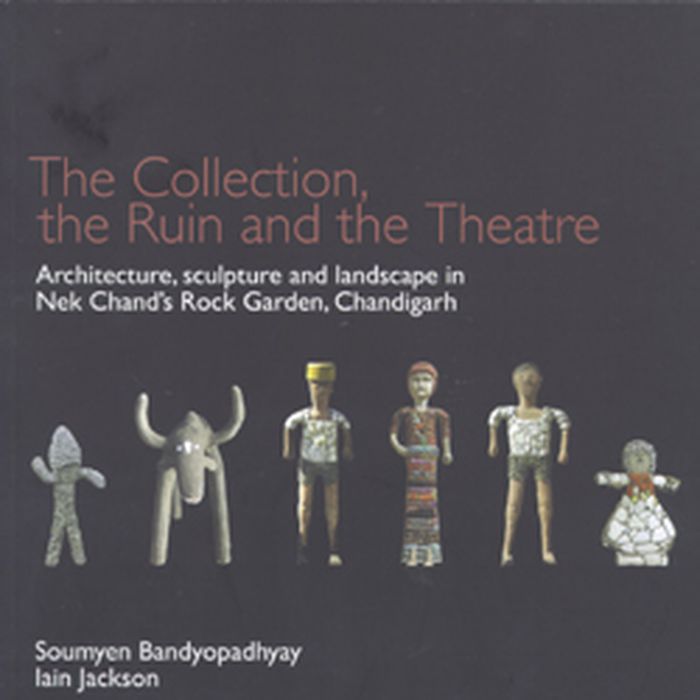
Thirty-six years ago, Nek Chand, a humble transport official in the northern Indian city of Chandigarh, began to clear a patch of jungle in order to make a small garden. He set stones around the clearing and before long sculpted a few figures recycled from materials he found at the site. Gradually his creation covered twenty-five acres, consisting of several thousand(...)
$25.00
(disponible sur commande)
Résumé:
Thirty-six years ago, Nek Chand, a humble transport official in the northern Indian city of Chandigarh, began to clear a patch of jungle in order to make a small garden. He set stones around the clearing and before long sculpted a few figures recycled from materials he found at the site. Gradually his creation covered twenty-five acres, consisting of several thousand(...)
Sujet:
Théorie du paysage
Théorie du paysage
Publication:
octobre 2007, Liverpool
octobre 2007, Liverpool
Titre:
The Collection, the ruin and the theatre: architecture, sculpture and landscape in Nek Chand's Rock Garden, Chandigarh
Actions:
Prix:
$25.00
(disponible sur commande)
Résumé:
Thirty-six years ago, Nek Chand, a humble transport official in the northern Indian city of Chandigarh, began to clear a patch of jungle in order to make a small garden. He set stones around the clearing and before long sculpted a few figures recycled from materials he found at the site. Gradually his creation covered twenty-five acres, consisting of several thousand sculptures set in large mosaic courtyards and encompassing huge buildings and interlinking waterfalls. Published to accompany an exhibition of the same name at the Royal Institute of British Architects Gallery in Liverpool, The Ruin and the Theatre presents this incredible artistic and cultural achievement for the first time—analyzing key aspects of the garden’s collections, its architecture, and the landscape setting alongside beautiful full-color illustrations that pay homage to this modern wonder of the world.
The Collection, the ruin and the theatre: architecture, sculpture and landscape in Nek Chand's Rock Garden, Chandigarh
Actions:
Prix:
$25.00
(disponible sur commande)
Résumé:
Thirty-six years ago, Nek Chand, a humble transport official in the northern Indian city of Chandigarh, began to clear a patch of jungle in order to make a small garden. He set stones around the clearing and before long sculpted a few figures recycled from materials he found at the site. Gradually his creation covered twenty-five acres, consisting of several thousand sculptures set in large mosaic courtyards and encompassing huge buildings and interlinking waterfalls. Published to accompany an exhibition of the same name at the Royal Institute of British Architects Gallery in Liverpool, The Ruin and the Theatre presents this incredible artistic and cultural achievement for the first time—analyzing key aspects of the garden’s collections, its architecture, and the landscape setting alongside beautiful full-color illustrations that pay homage to this modern wonder of the world.
Classification:
livres
livres
Publication:
octobre 2007, Liverpool
octobre 2007, Liverpool
Sujet:
Théorie du paysage
Théorie du paysage


