


496 Résultats
Classification:
livres
livres
Actions:
Prix:
$54.95
(disponible en magasin)
Résumé:
Les îles sont des lieux de vie, une vie singulière, et on s'interroge aujourd'hui sur les possibilités de la préserver, de l'entretenir, mais aussi de la projeter vers le futur. Comment agir dans les îles pour y maintenir et y développer des cadres de vie satisfaisants pour les populations qui y résident ? Comment y faire coexister des usages, des intérêts, des volontés(...)
$54.95
(disponible en magasin)
Résumé:
Les îles sont des lieux de vie, une vie singulière, et on s'interroge aujourd'hui sur les possibilités de la préserver, de l'entretenir, mais aussi de la projeter vers le futur. Comment agir dans les îles pour y maintenir et y développer des cadres de vie satisfaisants pour les populations qui y résident ? Comment y faire coexister des usages, des intérêts, des volontés(...)
Titre:
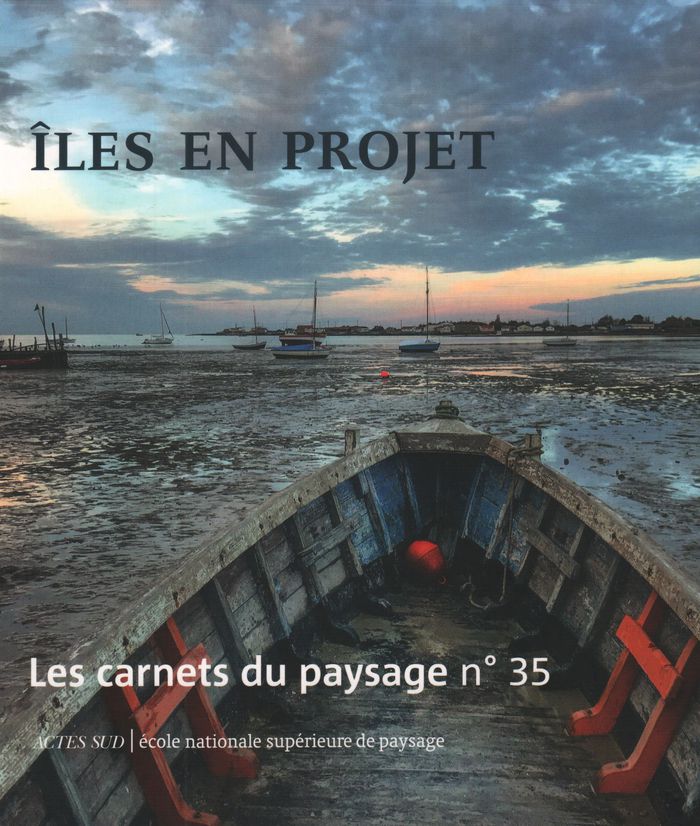
Les carnets du paysage, numéro 35 : îles en projet
Actions:
Prix:
$54.95
(disponible en magasin)
Résumé:
Les îles sont des lieux de vie, une vie singulière, et on s'interroge aujourd'hui sur les possibilités de la préserver, de l'entretenir, mais aussi de la projeter vers le futur. Comment agir dans les îles pour y maintenir et y développer des cadres de vie satisfaisants pour les populations qui y résident ? Comment y faire coexister des usages, des intérêts, des volontés hétérogènes portées par des populations aux activités et aux aspirations différentes ? Comment, surtout, répondre aux défis environnementaux, qui touchent aussi bien aux questions de biodiversité végétale et animale qu'à celles de la qualité des conditions spatiales, paysagères et architecturales de la vie sociale ? Ce numéro des Carnets du paysage envisage aussi les îles comme des mondes imaginaires et comme le cadre d'expériences particulières où s'expriment les notions de singularité et d'étrangeté, vécues comme éloignement et isolement.
Les carnets du paysage, numéro 35 : îles en projet
Actions:
Prix:
$54.95
(disponible en magasin)
Résumé:
Les îles sont des lieux de vie, une vie singulière, et on s'interroge aujourd'hui sur les possibilités de la préserver, de l'entretenir, mais aussi de la projeter vers le futur. Comment agir dans les îles pour y maintenir et y développer des cadres de vie satisfaisants pour les populations qui y résident ? Comment y faire coexister des usages, des intérêts, des volontés hétérogènes portées par des populations aux activités et aux aspirations différentes ? Comment, surtout, répondre aux défis environnementaux, qui touchent aussi bien aux questions de biodiversité végétale et animale qu'à celles de la qualité des conditions spatiales, paysagères et architecturales de la vie sociale ? Ce numéro des Carnets du paysage envisage aussi les îles comme des mondes imaginaires et comme le cadre d'expériences particulières où s'expriment les notions de singularité et d'étrangeté, vécues comme éloignement et isolement.
Classification:
livres
livres
Publication:
mai 2019
mai 2019
Sujet:
Théorie du paysage
Théorie du paysage
Classification:
livres
livres
Titre:
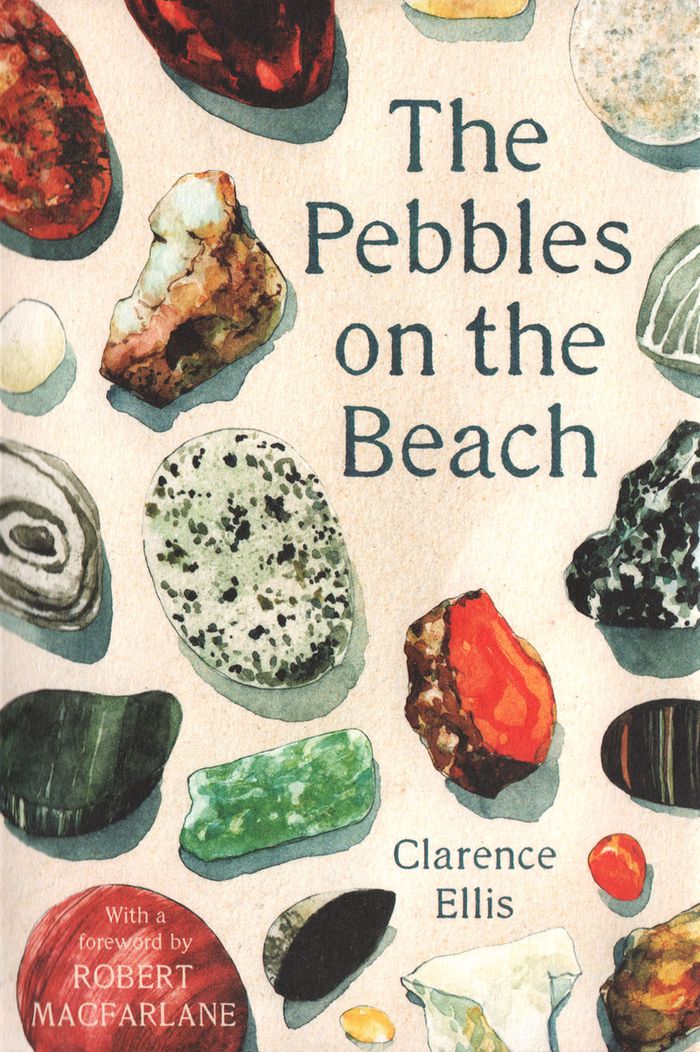
The pebbles on the beach
The pebbles on the beach
Actions:
Prix:
$22.50
(disponible sur commande)
Résumé:
This is a spirited guide to the simple pleasure of pebble spotting. Clarence Ellis is a charming, knowledgeable and witty guide to everything you didn't know there was to know about pebbles. He ruminates on what a pebble actually is, before showing us how they are formed, advising on the best pebble-spotting grounds in the UK, helping to identify individual stones, and(...)
$22.50
(disponible sur commande)
Résumé:
This is a spirited guide to the simple pleasure of pebble spotting. Clarence Ellis is a charming, knowledgeable and witty guide to everything you didn't know there was to know about pebbles. He ruminates on what a pebble actually is, before showing us how they are formed, advising on the best pebble-spotting grounds in the UK, helping to identify individual stones, and(...)
Titre:
The pebbles on the beach
Actions:
Prix:
$22.50
(disponible sur commande)
Résumé:
This is a spirited guide to the simple pleasure of pebble spotting. Clarence Ellis is a charming, knowledgeable and witty guide to everything you didn't know there was to know about pebbles. He ruminates on what a pebble actually is, before showing us how they are formed, advising on the best pebble-spotting grounds in the UK, helping to identify individual stones, and giving tips onthe necessary kit. You'll know your chert from your schist, your onyx from your agate and will be on your guard for artificial intruders before you know it. Understanding the humble pebble makes a trip to the beach, lake-side or river bank simply that little bit more fascinating. A handy illustrated guide to identifying pebbles is included on the reverse of the book jacket.
The pebbles on the beach
Actions:
Prix:
$22.50
(disponible sur commande)
Résumé:
This is a spirited guide to the simple pleasure of pebble spotting. Clarence Ellis is a charming, knowledgeable and witty guide to everything you didn't know there was to know about pebbles. He ruminates on what a pebble actually is, before showing us how they are formed, advising on the best pebble-spotting grounds in the UK, helping to identify individual stones, and giving tips onthe necessary kit. You'll know your chert from your schist, your onyx from your agate and will be on your guard for artificial intruders before you know it. Understanding the humble pebble makes a trip to the beach, lake-side or river bank simply that little bit more fascinating. A handy illustrated guide to identifying pebbles is included on the reverse of the book jacket.
Classification:
livres
livres
Publication:
août 2018
août 2018
Sujet:
Théorie du paysage
Théorie du paysage
Classification:
livres
livres
Titre:
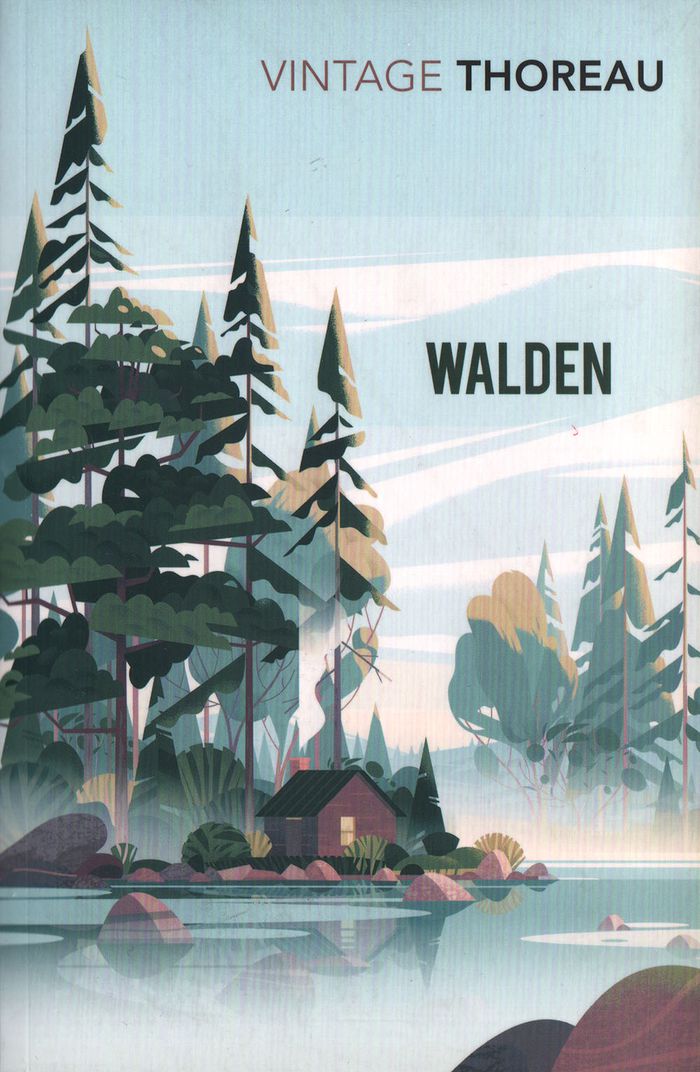
Walden
Walden
Actions:
Prix:
$21.99
(disponible en magasin)
Résumé:
In 1845, the American Transcendentalist philosopher Henry David Thoreau went to live in the woods near his hometown of Concord, Massachusetts. For over two years he resided there largely in solitary, in a small cabin built by his own hands. Walden is his personal account of this time, in which he documents both his passion for the landscape and wildlife of Walden Pond,(...)
$21.99
(disponible en magasin)
Résumé:
In 1845, the American Transcendentalist philosopher Henry David Thoreau went to live in the woods near his hometown of Concord, Massachusetts. For over two years he resided there largely in solitary, in a small cabin built by his own hands. Walden is his personal account of this time, in which he documents both his passion for the landscape and wildlife of Walden Pond,(...)
Titre:
Walden
Actions:
Prix:
$21.99
(disponible en magasin)
Résumé:
In 1845, the American Transcendentalist philosopher Henry David Thoreau went to live in the woods near his hometown of Concord, Massachusetts. For over two years he resided there largely in solitary, in a small cabin built by his own hands. Walden is his personal account of this time, in which he documents both his passion for the landscape and wildlife of Walden Pond, and his philosophical and political motivations for rejecting the materialism which continues to define not only America, but much of the modern world.
Walden
Actions:
Prix:
$21.99
(disponible en magasin)
Résumé:
In 1845, the American Transcendentalist philosopher Henry David Thoreau went to live in the woods near his hometown of Concord, Massachusetts. For over two years he resided there largely in solitary, in a small cabin built by his own hands. Walden is his personal account of this time, in which he documents both his passion for the landscape and wildlife of Walden Pond, and his philosophical and political motivations for rejecting the materialism which continues to define not only America, but much of the modern world.
Classification:
livres
livres
Publication:
octobre 2017
octobre 2017
Sujet:
Théorie du paysage
Théorie du paysage
Classification:
livres
livres
Titre:
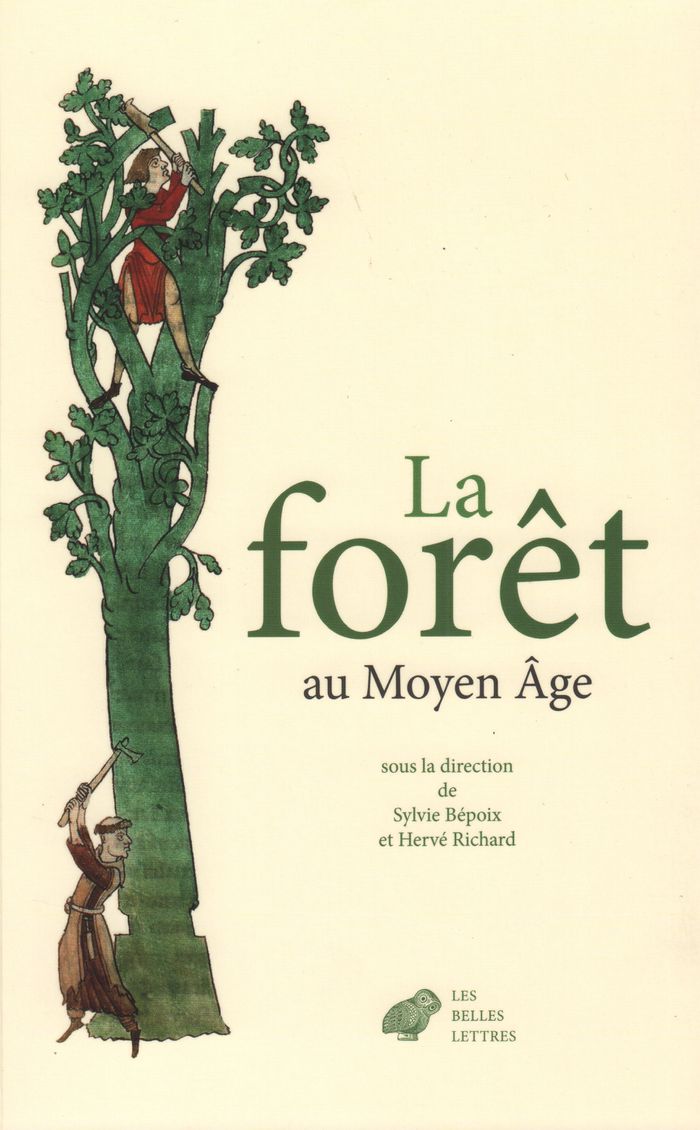
La forêt au Moyen Âge
La forêt au Moyen Âge
Actions:
Prix:
$49.95
(disponible sur commande)
Résumé:
L’ouvrage porte essentiellement sur la forêt au Moyen Âge entre le Ve et le XVe siècle sans pour autant s’y restreindre, faisant parfois des ponts avec les périodes antérieures et postérieures pour une meilleure compréhension des diverses évolutions. L’intérêt principal de cette somme est de croiser de multiples approches scientifiques et textuelles. En faisant appel à(...)
$49.95
(disponible sur commande)
Résumé:
L’ouvrage porte essentiellement sur la forêt au Moyen Âge entre le Ve et le XVe siècle sans pour autant s’y restreindre, faisant parfois des ponts avec les périodes antérieures et postérieures pour une meilleure compréhension des diverses évolutions. L’intérêt principal de cette somme est de croiser de multiples approches scientifiques et textuelles. En faisant appel à(...)
Titre:
La forêt au Moyen Âge
Actions:
Prix:
$49.95
(disponible sur commande)
Résumé:
L’ouvrage porte essentiellement sur la forêt au Moyen Âge entre le Ve et le XVe siècle sans pour autant s’y restreindre, faisant parfois des ponts avec les périodes antérieures et postérieures pour une meilleure compréhension des diverses évolutions. L’intérêt principal de cette somme est de croiser de multiples approches scientifiques et textuelles. En faisant appel à des spécialistes de disciplines peu, voire pas représentées habituellement dans les ouvrages historiques, elle met en forme des données très récentes souvent issues de programmes encore en cours, que ce soit en archéologie, en palynologie, ou en dendrochronologie.
La forêt au Moyen Âge
Actions:
Prix:
$49.95
(disponible sur commande)
Résumé:
L’ouvrage porte essentiellement sur la forêt au Moyen Âge entre le Ve et le XVe siècle sans pour autant s’y restreindre, faisant parfois des ponts avec les périodes antérieures et postérieures pour une meilleure compréhension des diverses évolutions. L’intérêt principal de cette somme est de croiser de multiples approches scientifiques et textuelles. En faisant appel à des spécialistes de disciplines peu, voire pas représentées habituellement dans les ouvrages historiques, elle met en forme des données très récentes souvent issues de programmes encore en cours, que ce soit en archéologie, en palynologie, ou en dendrochronologie.
Classification:
livres
livres
Publication:
novembre 2019
novembre 2019
Sujet:
Théorie du paysage
Théorie du paysage
Classification:
livres
livres

Prix:
$22.00
(disponible sur commande)
Résumé:
L'architecture n'est peut-être rien d'autre que l'art de construire des climats : « corriger artificiellement ce que la nature a d’incommode », comme l'écrivait Vitruve. Pour Philippe Rahm, l'architecture existe parce que le climat naturel est le plus souvent inhospitalier au séjour des hommes : trop chaud ou trop froid ; trop sec ou trop humide ; trop sombre ou trop(...)
$22.00
(disponible sur commande)
Résumé:
L'architecture n'est peut-être rien d'autre que l'art de construire des climats : « corriger artificiellement ce que la nature a d’incommode », comme l'écrivait Vitruve. Pour Philippe Rahm, l'architecture existe parce que le climat naturel est le plus souvent inhospitalier au séjour des hommes : trop chaud ou trop froid ; trop sec ou trop humide ; trop sombre ou trop(...)
Titre:
Le jardin métérologique et autres constructions climatiques
Actions:
Prix:
$22.00
(disponible sur commande)
Résumé:
L'architecture n'est peut-être rien d'autre que l'art de construire des climats : « corriger artificiellement ce que la nature a d’incommode », comme l'écrivait Vitruve. Pour Philippe Rahm, l'architecture existe parce que le climat naturel est le plus souvent inhospitalier au séjour des hommes : trop chaud ou trop froid ; trop sec ou trop humide ; trop sombre ou trop ensoleillé.L'architecture doit adoucir, intensifier, mitiger : réguler le climat naturel pour le rendre habitable. Le réchauffement climatique modifiera l'écologie urbaine mondiale : unparc de 67 hectares à Taïwan en constitue un prototype tropical. Sous forme de contes, « Jardin météorologique », « Extérieur atténué » ou « Gradation d'intériorité » nous montrent la voie...
Le jardin métérologique et autres constructions climatiques
Actions:
Prix:
$22.00
(disponible sur commande)
Résumé:
L'architecture n'est peut-être rien d'autre que l'art de construire des climats : « corriger artificiellement ce que la nature a d’incommode », comme l'écrivait Vitruve. Pour Philippe Rahm, l'architecture existe parce que le climat naturel est le plus souvent inhospitalier au séjour des hommes : trop chaud ou trop froid ; trop sec ou trop humide ; trop sombre ou trop ensoleillé.L'architecture doit adoucir, intensifier, mitiger : réguler le climat naturel pour le rendre habitable. Le réchauffement climatique modifiera l'écologie urbaine mondiale : unparc de 67 hectares à Taïwan en constitue un prototype tropical. Sous forme de contes, « Jardin météorologique », « Extérieur atténué » ou « Gradation d'intériorité » nous montrent la voie...
Classification:
livres
livres
Publication:
novembre 2019
novembre 2019
Sujet:
Théorie du paysage
Théorie du paysage
Classification:
livres
livres
Titre:
On growth and form
On growth and form
Actions:
Prix:
$21.95
(disponible sur commande)
Résumé:
Why do living things and physical phenomena take the form they do? D'Arcy Thompson's classic "On Growth and Form" looks at the way things grow and the shapes they take. Analysing biological processes in their mathematical and physical aspects, this historic work, first published in 1917, has also become renowned for the sheer poetry of its descriptions. A great scientist(...)
$21.95
(disponible sur commande)
Résumé:
Why do living things and physical phenomena take the form they do? D'Arcy Thompson's classic "On Growth and Form" looks at the way things grow and the shapes they take. Analysing biological processes in their mathematical and physical aspects, this historic work, first published in 1917, has also become renowned for the sheer poetry of its descriptions. A great scientist(...)
Publication:
juillet 2014
juillet 2014
Titre:
On growth and form
Actions:
Prix:
$21.95
(disponible sur commande)
Résumé:
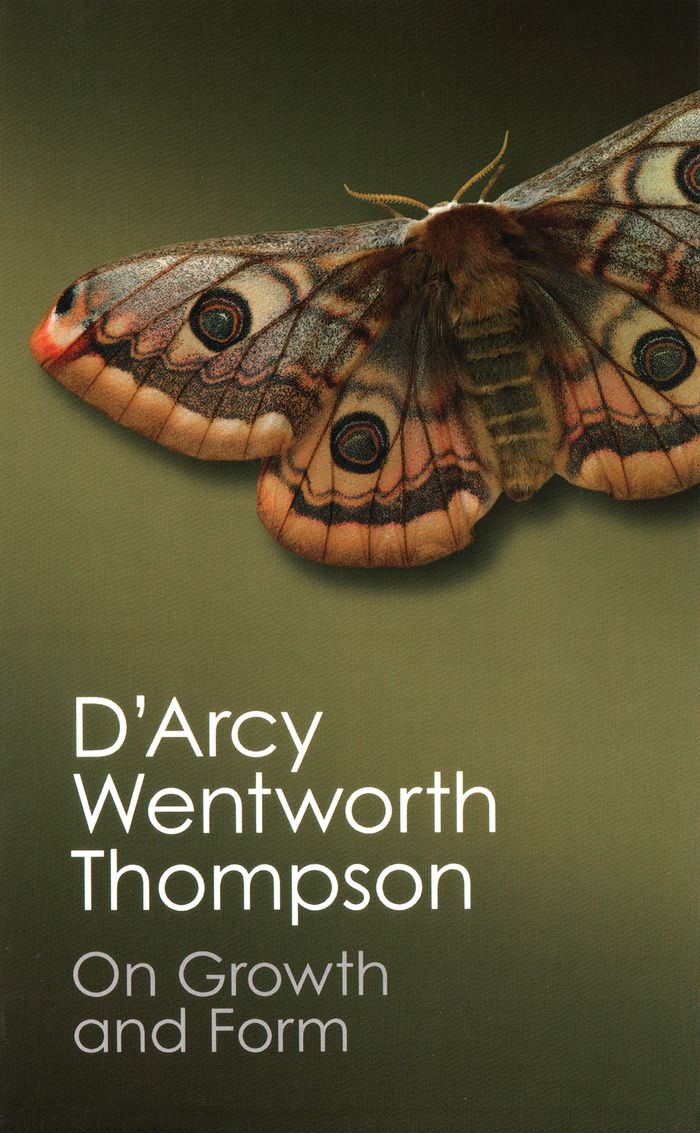
Why do living things and physical phenomena take the form they do? D'Arcy Thompson's classic "On Growth and Form" looks at the way things grow and the shapes they take. Analysing biological processes in their mathematical and physical aspects, this historic work, first published in 1917, has also become renowned for the sheer poetry of its descriptions. A great scientist sensitive to the fascinations and beauty of the natural world tells of jumping fleas and slipper limpets; of buds and seeds; of bees' cells and rain drops; of the potter's thumb and the spider's web; of a film of soap and a bubble of oil; of a splash of a pebble in a pond.
On growth and form
Actions:
Prix:
$21.95
(disponible sur commande)
Résumé:
Why do living things and physical phenomena take the form they do? D'Arcy Thompson's classic "On Growth and Form" looks at the way things grow and the shapes they take. Analysing biological processes in their mathematical and physical aspects, this historic work, first published in 1917, has also become renowned for the sheer poetry of its descriptions. A great scientist sensitive to the fascinations and beauty of the natural world tells of jumping fleas and slipper limpets; of buds and seeds; of bees' cells and rain drops; of the potter's thumb and the spider's web; of a film of soap and a bubble of oil; of a splash of a pebble in a pond.
Classification:
livres
livres
Publication:
juillet 2014
juillet 2014
Classification:
livres
livres
Actions:
Prix:
$37.95
(disponible sur commande)
Résumé:
The book takes us from the fells of the Lake District to the uplands of Northumberland; from the streetscapes of industrial Manchester to the heart of London. This panoramic journey reveals the significance, not only of the physical characteristics of landscapes, but also of the sense of the past, collective memories and cultural traditions that give these places their(...)
$37.95
(disponible sur commande)
Résumé:
The book takes us from the fells of the Lake District to the uplands of Northumberland; from the streetscapes of industrial Manchester to the heart of London. This panoramic journey reveals the significance, not only of the physical characteristics of landscapes, but also of the sense of the past, collective memories and cultural traditions that give these places their(...)
Titre:
Storied ground: landscape and the shaping of English national identity
Actions:
Prix:
$37.95
(disponible sur commande)
Résumé:
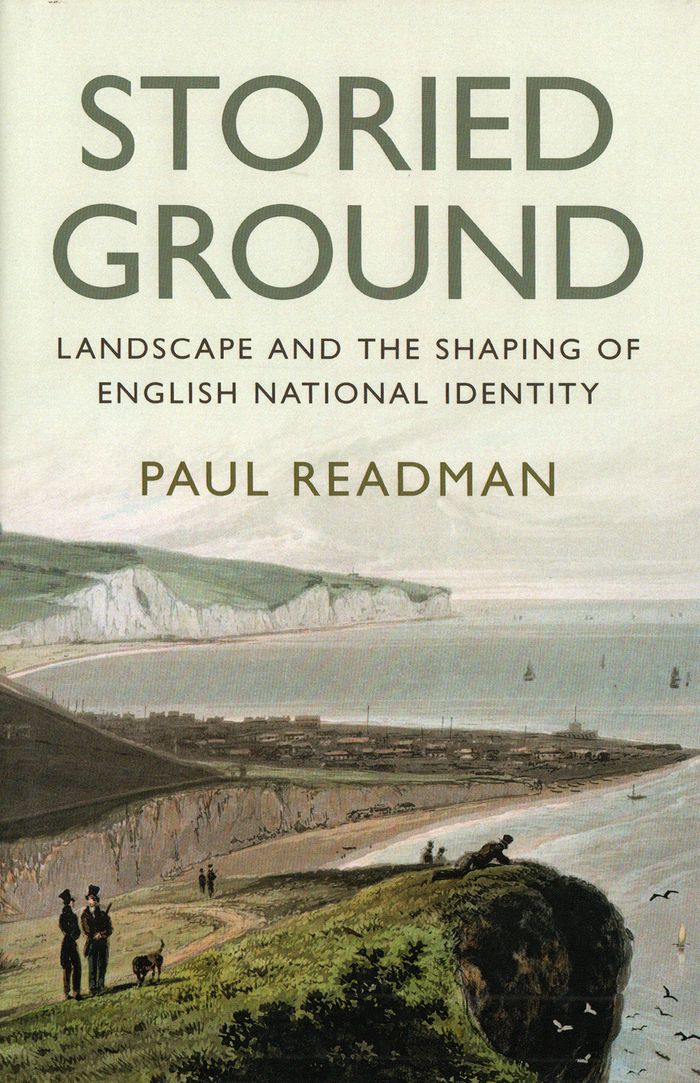
The book takes us from the fells of the Lake District to the uplands of Northumberland; from the streetscapes of industrial Manchester to the heart of London. This panoramic journey reveals the significance, not only of the physical characteristics of landscapes, but also of the sense of the past, collective memories and cultural traditions that give these places their meaning. Between the late eighteenth and early twentieth centuries, Englishness extended far beyond the pastoral idyll of chocolate-box thatched cottages, waving fields of corn and quaint country churches. It was found in diverse locations - urban as well as rural, north as well as south - and it took strikingly diverse forms.
Storied ground: landscape and the shaping of English national identity
Actions:
Prix:
$37.95
(disponible sur commande)
Résumé:
The book takes us from the fells of the Lake District to the uplands of Northumberland; from the streetscapes of industrial Manchester to the heart of London. This panoramic journey reveals the significance, not only of the physical characteristics of landscapes, but also of the sense of the past, collective memories and cultural traditions that give these places their meaning. Between the late eighteenth and early twentieth centuries, Englishness extended far beyond the pastoral idyll of chocolate-box thatched cottages, waving fields of corn and quaint country churches. It was found in diverse locations - urban as well as rural, north as well as south - and it took strikingly diverse forms.
Classification:
livres
livres
Publication:
mai 2018
mai 2018
Sujet:
Théorie du paysage
Théorie du paysage
Classification:
livres
livres
Titre:
What is landscape?
What is landscape?
Actions:
Prix:
$25.95
(disponible sur commande)
Résumé:
"What Is Landscape?" is an invitation to walk, to notice, to ask: to see a sandcastle with a pinwheel at the beach and think of Dutch windmills icons of triumph, markers of territory won from the sea; to walk in the woods and be amused by the Elizabethans' misuse of the Latin silvaticus (people of the woods) to coin the word savages; to see in a suburban front lawn a(...)
$25.95
(disponible sur commande)
Résumé:
"What Is Landscape?" is an invitation to walk, to notice, to ask: to see a sandcastle with a pinwheel at the beach and think of Dutch windmills icons of triumph, markers of territory won from the sea; to walk in the woods and be amused by the Elizabethans' misuse of the Latin silvaticus (people of the woods) to coin the word savages; to see in a suburban front lawn a(...)
Titre:
What is landscape?
Actions:
Prix:
$25.95
(disponible sur commande)
Résumé:
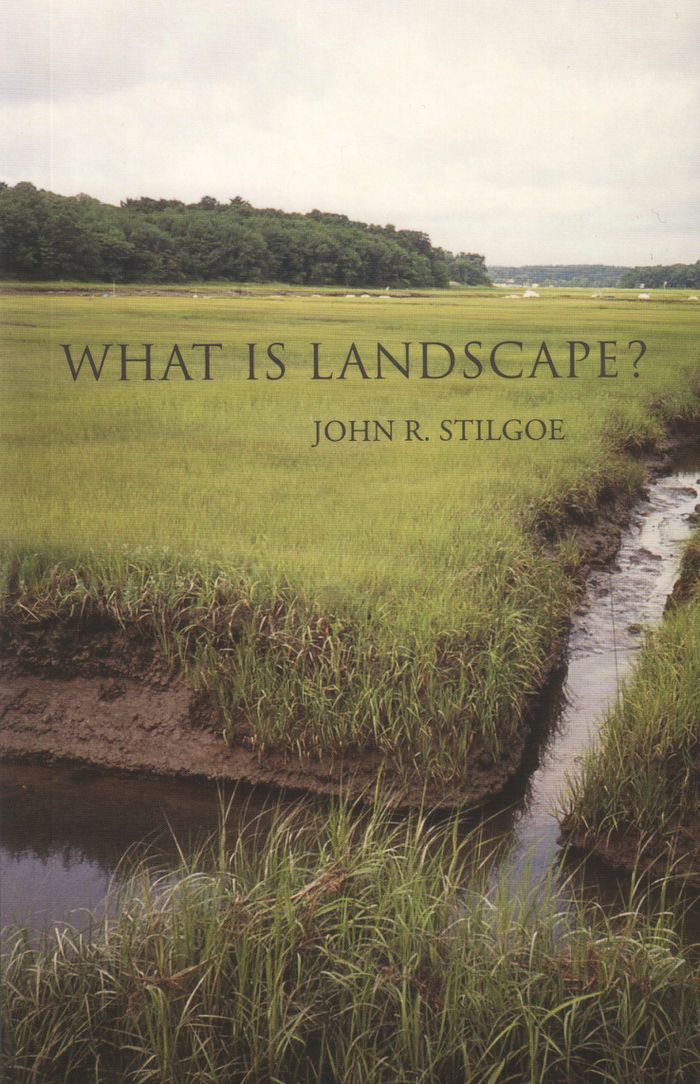
"What Is Landscape?" is an invitation to walk, to notice, to ask: to see a sandcastle with a pinwheel at the beach and think of Dutch windmills icons of triumph, markers of territory won from the sea; to walk in the woods and be amused by the Elizabethans' misuse of the Latin silvaticus (people of the woods) to coin the word savages; to see in a suburban front lawn a representation of the meadow of a medieval freehold.
What is landscape?
Actions:
Prix:
$25.95
(disponible sur commande)
Résumé:
"What Is Landscape?" is an invitation to walk, to notice, to ask: to see a sandcastle with a pinwheel at the beach and think of Dutch windmills icons of triumph, markers of territory won from the sea; to walk in the woods and be amused by the Elizabethans' misuse of the Latin silvaticus (people of the woods) to coin the word savages; to see in a suburban front lawn a representation of the meadow of a medieval freehold.
Classification:
livres
livres
Publication:
avril 2018
avril 2018
Sujet:
Théorie du paysage
Théorie du paysage
Classification:
livres
livres
Prix:
$44.95
(disponible sur commande)
Résumé:
"Botanical Drift" explores the hermeneutics, historicization, semiotics, and symbiosis of plant diversification, species cultivation, and destruction—past and present, extant and extinct—around the globe. Plant histories are explored as commodities and colonial as well as decolonial devices by significant and diverse feminist, art-historical, and anthropological(...)
$44.95
(disponible sur commande)
Résumé:
"Botanical Drift" explores the hermeneutics, historicization, semiotics, and symbiosis of plant diversification, species cultivation, and destruction—past and present, extant and extinct—around the globe. Plant histories are explored as commodities and colonial as well as decolonial devices by significant and diverse feminist, art-historical, and anthropological(...)
Titre:
Botanical Drift: protagonists of the invasive herbarium
Actions:
Prix:
$44.95
(disponible sur commande)
Résumé:
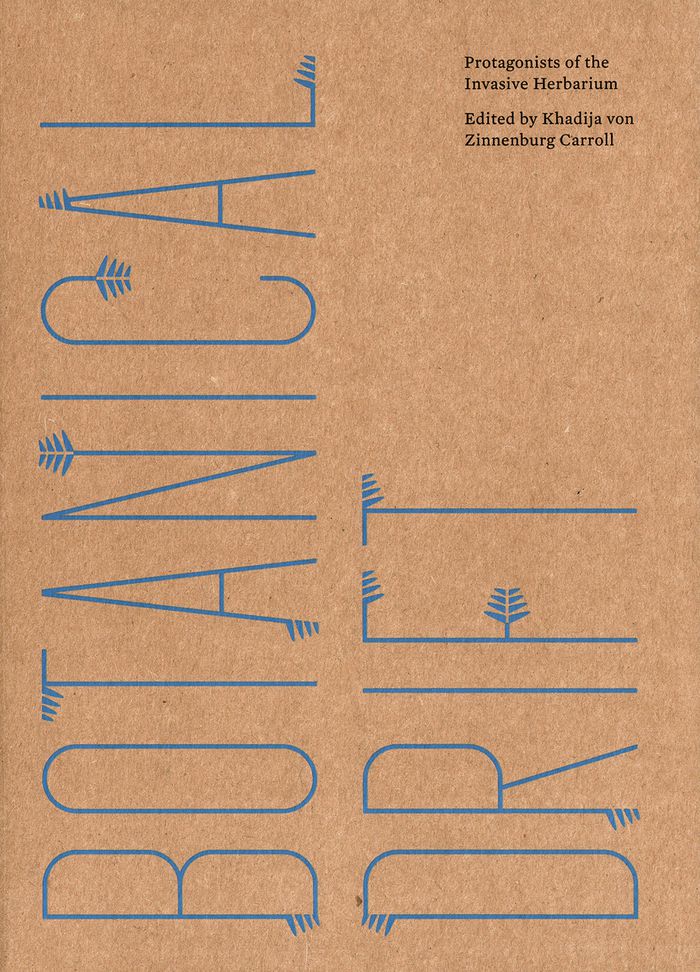
"Botanical Drift" explores the hermeneutics, historicization, semiotics, and symbiosis of plant diversification, species cultivation, and destruction—past and present, extant and extinct—around the globe. Plant histories are explored as commodities and colonial as well as decolonial devices by significant and diverse feminist, art-historical, and anthropological voices—from Germaine Greer to herman de vries—bringing new perspectives through photo-essays, fiction, performance, and interventions in ecological, film, and translation archives. Reflecting on experimental ecology—the undiscovered, underestimated, and undesired non-European flora and fauna—it challenges perception and inspires potentialities to bring new understandings of the undergrowth of the Kew Gardens botany collection.
Botanical Drift: protagonists of the invasive herbarium
Actions:
Prix:
$44.95
(disponible sur commande)
Résumé:
"Botanical Drift" explores the hermeneutics, historicization, semiotics, and symbiosis of plant diversification, species cultivation, and destruction—past and present, extant and extinct—around the globe. Plant histories are explored as commodities and colonial as well as decolonial devices by significant and diverse feminist, art-historical, and anthropological voices—from Germaine Greer to herman de vries—bringing new perspectives through photo-essays, fiction, performance, and interventions in ecological, film, and translation archives. Reflecting on experimental ecology—the undiscovered, underestimated, and undesired non-European flora and fauna—it challenges perception and inspires potentialities to bring new understandings of the undergrowth of the Kew Gardens botany collection.
Classification:
livres
livres
Publication:
janvier 2018
janvier 2018
Sujet:
Théorie du paysage
Théorie du paysage
Classification:
livres
livres
Actions:
Prix:
$85.00
(disponible sur commande)
Résumé:
Authored by Saskia de Wit, this book examines the enclosed garden as an expression of the ‘genius loci’. How can this be made accessible in the contemporary metropolitan landscape? Included are analyses of the spatial, sensorial, and narrative craft patterns of metropolitan gardens ranging from traditional Japanese masterpieces to contemporary European landscape(...)
$85.00
(disponible sur commande)
Résumé:
Authored by Saskia de Wit, this book examines the enclosed garden as an expression of the ‘genius loci’. How can this be made accessible in the contemporary metropolitan landscape? Included are analyses of the spatial, sensorial, and narrative craft patterns of metropolitan gardens ranging from traditional Japanese masterpieces to contemporary European landscape(...)
Titre:
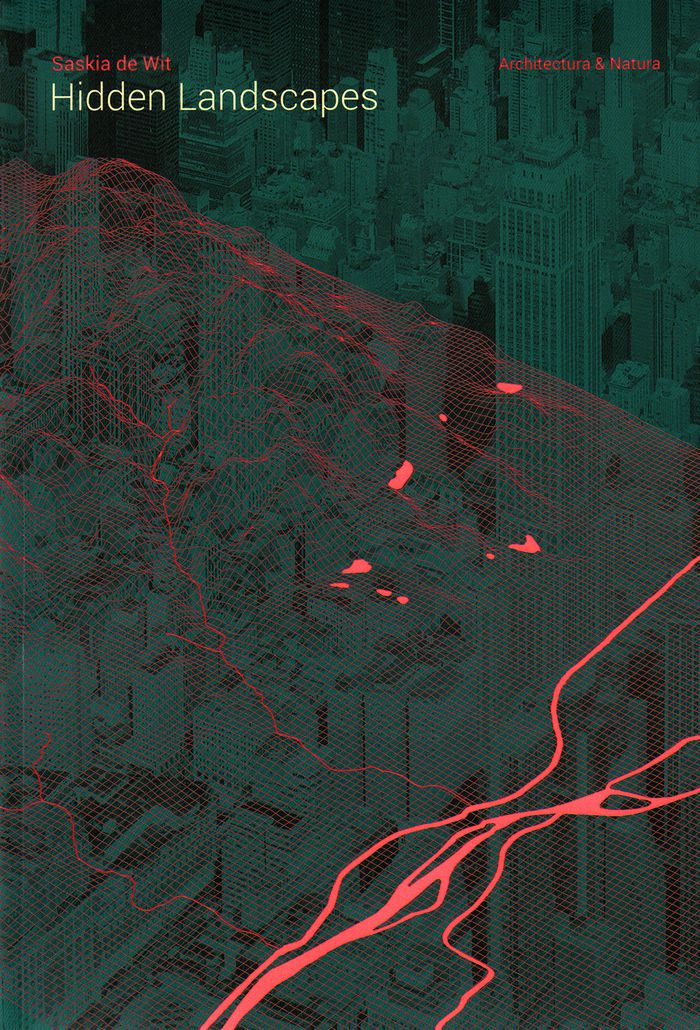
Hidden landscapes: the metropolitan garden as a multi-sensory expression of place
Actions:
Prix:
$85.00
(disponible sur commande)
Résumé:
Authored by Saskia de Wit, this book examines the enclosed garden as an expression of the ‘genius loci’. How can this be made accessible in the contemporary metropolitan landscape? Included are analyses of the spatial, sensorial, and narrative craft patterns of metropolitan gardens ranging from traditional Japanese masterpieces to contemporary European landscape architecture. The metropolitan garden, as a defined space in the continuous metropolitan field, provides an alternative way to access the landscape horizon, references to nature, and connections to the underlying landscape, providing a new perspective on two quintessential themes: nature and place.
Hidden landscapes: the metropolitan garden as a multi-sensory expression of place
Actions:
Prix:
$85.00
(disponible sur commande)
Résumé:
Authored by Saskia de Wit, this book examines the enclosed garden as an expression of the ‘genius loci’. How can this be made accessible in the contemporary metropolitan landscape? Included are analyses of the spatial, sensorial, and narrative craft patterns of metropolitan gardens ranging from traditional Japanese masterpieces to contemporary European landscape architecture. The metropolitan garden, as a defined space in the continuous metropolitan field, provides an alternative way to access the landscape horizon, references to nature, and connections to the underlying landscape, providing a new perspective on two quintessential themes: nature and place.
Classification:
livres
livres
Publication:
avril 2018
avril 2018
Sujet:
Théorie du paysage
Théorie du paysage


