


496 Résultats
Classification:
livres
livres
Titre:
Les carnets du paysage n.33
Les carnets du paysage n.33
Actions:
Prix:
$54.95
(disponible sur commande)
Résumé:
Aujourd'hui la gestion des ressources naturelles, la propriété privée et l'usage collectif des biens, la construction et l'entretien du cadre de vie ou les formes alternatives d'organisation de la vie collective sont devenus des questions centrales dans le débat public. Ces questions concernent également le paysage. Les paysages font-ils partie des biens communs ? Et en(...)
$54.95
(disponible sur commande)
Résumé:
Aujourd'hui la gestion des ressources naturelles, la propriété privée et l'usage collectif des biens, la construction et l'entretien du cadre de vie ou les formes alternatives d'organisation de la vie collective sont devenus des questions centrales dans le débat public. Ces questions concernent également le paysage. Les paysages font-ils partie des biens communs ? Et en(...)
Titre:
Les carnets du paysage n.33
Actions:
Prix:
$54.95
(disponible sur commande)
Résumé:
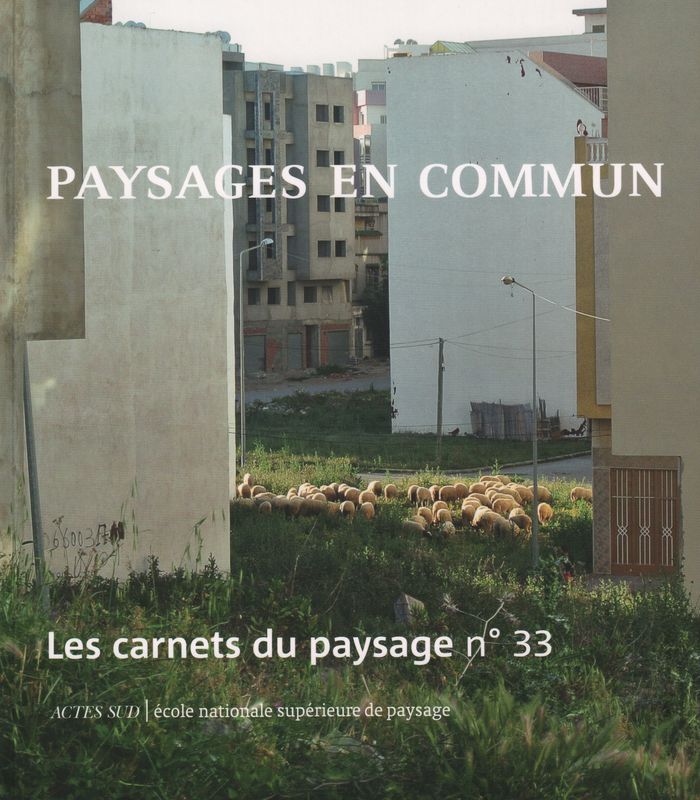
Aujourd'hui la gestion des ressources naturelles, la propriété privée et l'usage collectif des biens, la construction et l'entretien du cadre de vie ou les formes alternatives d'organisation de la vie collective sont devenus des questions centrales dans le débat public. Ces questions concernent également le paysage. Les paysages font-ils partie des biens communs ? Et en quoi peut-on considérer que les paysages jouent un rôle dans la fabrication collective du commun ? Telles sont les questions que Les Carnets du paysage ont décidé d'explorer dans ce numéro, dont l'ambition est à la fois de décrire des expériences de construction collective de communs, de clarifier les termes des discussions actuelles sur le commun, et de témoigner de plusieurs initiatives où les paysagistes ont été impliqués. Les enjeux sont considérables : notre hypothèse est que le paysage non seulement relève des biens communs, mais qu'il constitue en outre un élément décisif dans la reformulation d'une écologie politique.
Les carnets du paysage n.33
Actions:
Prix:
$54.95
(disponible sur commande)
Résumé:
Aujourd'hui la gestion des ressources naturelles, la propriété privée et l'usage collectif des biens, la construction et l'entretien du cadre de vie ou les formes alternatives d'organisation de la vie collective sont devenus des questions centrales dans le débat public. Ces questions concernent également le paysage. Les paysages font-ils partie des biens communs ? Et en quoi peut-on considérer que les paysages jouent un rôle dans la fabrication collective du commun ? Telles sont les questions que Les Carnets du paysage ont décidé d'explorer dans ce numéro, dont l'ambition est à la fois de décrire des expériences de construction collective de communs, de clarifier les termes des discussions actuelles sur le commun, et de témoigner de plusieurs initiatives où les paysagistes ont été impliqués. Les enjeux sont considérables : notre hypothèse est que le paysage non seulement relève des biens communs, mais qu'il constitue en outre un élément décisif dans la reformulation d'une écologie politique.
Classification:
livres
livres
Publication:
mai 2018
mai 2018
Sujet:
Théorie du paysage
Théorie du paysage
Classification:
livres
livres
Prix:
$39.95
(disponible sur commande)
Résumé:
A call for landscape architects to leave the office and return to the garden. Addressing one of the most repressed subjects in landscape architecture, this book could only have been written by someone who is both an experienced gardener and a landscape architect. With "Overgrown", Julian Raxworthy offers a watershed work in the tradition of Ian McHarg, Anne Whiston Spirn,(...)
$39.95
(disponible sur commande)
Résumé:
A call for landscape architects to leave the office and return to the garden. Addressing one of the most repressed subjects in landscape architecture, this book could only have been written by someone who is both an experienced gardener and a landscape architect. With "Overgrown", Julian Raxworthy offers a watershed work in the tradition of Ian McHarg, Anne Whiston Spirn,(...)
Titre:
Overgrown: practices between landscape architecture and gardening
Actions:
Prix:
$39.95
(disponible sur commande)
Résumé:
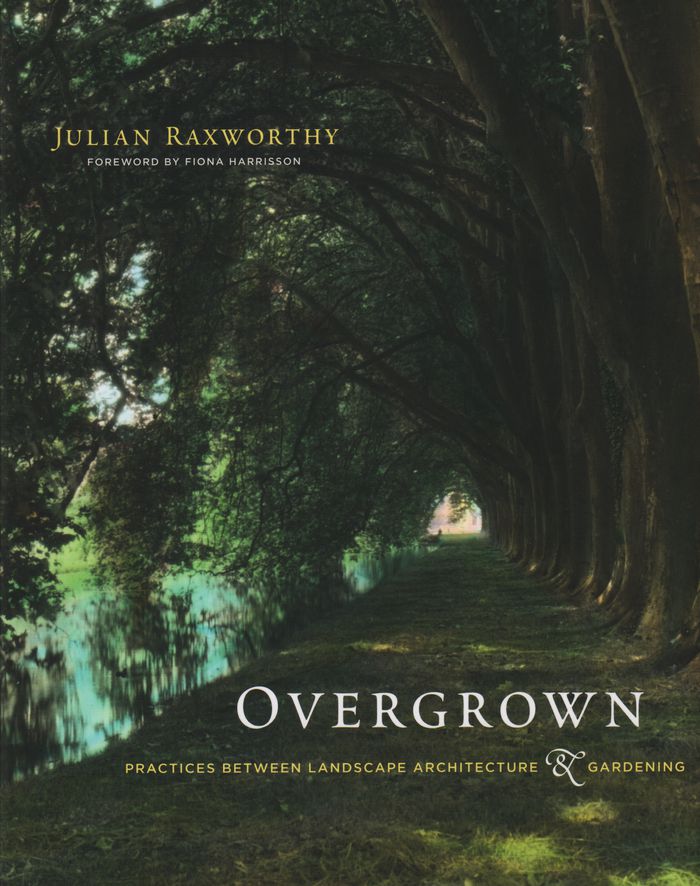
A call for landscape architects to leave the office and return to the garden. Addressing one of the most repressed subjects in landscape architecture, this book could only have been written by someone who is both an experienced gardener and a landscape architect. With "Overgrown", Julian Raxworthy offers a watershed work in the tradition of Ian McHarg, Anne Whiston Spirn, Kevin Lynch, and J. B. Jackson.
Overgrown: practices between landscape architecture and gardening
Actions:
Prix:
$39.95
(disponible sur commande)
Résumé:
A call for landscape architects to leave the office and return to the garden. Addressing one of the most repressed subjects in landscape architecture, this book could only have been written by someone who is both an experienced gardener and a landscape architect. With "Overgrown", Julian Raxworthy offers a watershed work in the tradition of Ian McHarg, Anne Whiston Spirn, Kevin Lynch, and J. B. Jackson.
Classification:
livres
livres
Publication:
novembre 2018
novembre 2018
Sujet:
Théorie du paysage
Théorie du paysage
Classification:
livres
livres
Titre:
Birch
Birch
Actions:
Prix:
$39.95
(disponible sur commande)
Résumé:
For thousands of years they have given people of the northern forests and beyond raw materials in the form of leaves, twigs, branches and bark, as well as wood and sap, not simply to survive but to flourish and express their identity in practical and spiritual ways. Tough, waterproof and flexible, birch bark has been used for everything from basketry and clothing to(...)
$39.95
(disponible sur commande)
Résumé:
For thousands of years they have given people of the northern forests and beyond raw materials in the form of leaves, twigs, branches and bark, as well as wood and sap, not simply to survive but to flourish and express their identity in practical and spiritual ways. Tough, waterproof and flexible, birch bark has been used for everything from basketry and clothing to(...)
Titre:
Birch
Actions:
Prix:
$39.95
(disponible sur commande)
Résumé:
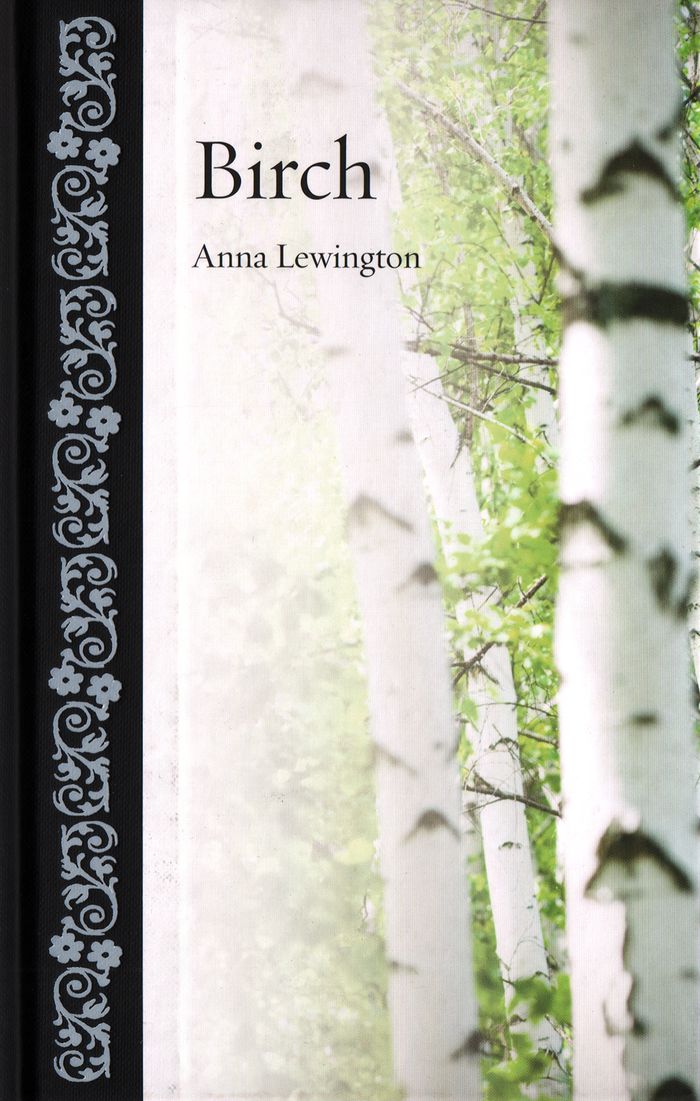
For thousands of years they have given people of the northern forests and beyond raw materials in the form of leaves, twigs, branches and bark, as well as wood and sap, not simply to survive but to flourish and express their identity in practical and spiritual ways. Tough, waterproof and flexible, birch bark has been used for everything from basketry and clothing to housing and transport, musical instruments and medicines, as well as a means to communicate and record sacred beliefs: some of our most ancient Buddhist texts and other historic documents are written on birch bark. Birches have not only shaped regional cultures – creating, for example, the Native American wigwam and the birch bark canoe – but continue to supply raw materials of global economic importance today. "Birch" explores the multiple uses of these versatile trees as well as the ancient beliefs and folklore with which they are associated.
Birch
Actions:
Prix:
$39.95
(disponible sur commande)
Résumé:
For thousands of years they have given people of the northern forests and beyond raw materials in the form of leaves, twigs, branches and bark, as well as wood and sap, not simply to survive but to flourish and express their identity in practical and spiritual ways. Tough, waterproof and flexible, birch bark has been used for everything from basketry and clothing to housing and transport, musical instruments and medicines, as well as a means to communicate and record sacred beliefs: some of our most ancient Buddhist texts and other historic documents are written on birch bark. Birches have not only shaped regional cultures – creating, for example, the Native American wigwam and the birch bark canoe – but continue to supply raw materials of global economic importance today. "Birch" explores the multiple uses of these versatile trees as well as the ancient beliefs and folklore with which they are associated.
Classification:
livres
livres
Publication:
novembre 2018
novembre 2018
Sujet:
Théorie du paysage
Théorie du paysage
Classification:
livres
livres
Actions:
Prix:
$56.95
(disponible sur commande)
Résumé:
"Monsters under Glass" explores our enduring fascination with hothouses and exotic blooms, from their rise in ancient times, through the Victorian vogue for plant collecting, to the vegetable monsters of twentieth-century science fiction and the movies, comics, and video games of the present day. Our interest in hothouses can be traced back to the Roman emperor Tiberius,(...)
$56.95
(disponible sur commande)
Résumé:
"Monsters under Glass" explores our enduring fascination with hothouses and exotic blooms, from their rise in ancient times, through the Victorian vogue for plant collecting, to the vegetable monsters of twentieth-century science fiction and the movies, comics, and video games of the present day. Our interest in hothouses can be traced back to the Roman emperor Tiberius,(...)
Titre:
Monsters under glass: a cultural history of hothouse flowers from 1850 to the present
Actions:
Prix:
$56.95
(disponible sur commande)
Résumé:
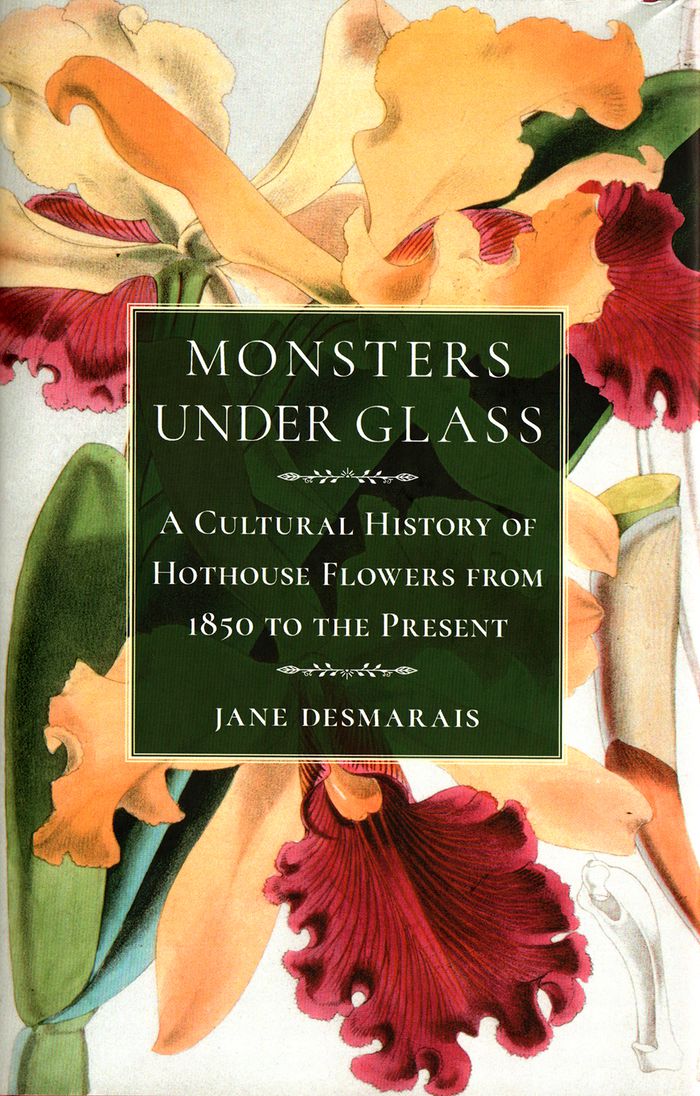
"Monsters under Glass" explores our enduring fascination with hothouses and exotic blooms, from their rise in ancient times, through the Victorian vogue for plant collecting, to the vegetable monsters of twentieth-century science fiction and the movies, comics, and video games of the present day. Our interest in hothouses can be traced back to the Roman emperor Tiberius, but it was only in the early nineteenth century that a boom in exotic plant collecting and new glasshouse technologies stimulated the imagination of novelists, poets, and artists, and the hothouse entered the creative language in a highly charged way. Decadent writers in England and Europe—including Charles Baudelaire and Oscar Wilde—transformed the hothouse from a functional object to a powerful metaphor of metropolitan life, sexuality, and being replete with a dark underside of decay and death; and of consciousness itself, nurtured and dissected under glass.
Monsters under glass: a cultural history of hothouse flowers from 1850 to the present
Actions:
Prix:
$56.95
(disponible sur commande)
Résumé:
"Monsters under Glass" explores our enduring fascination with hothouses and exotic blooms, from their rise in ancient times, through the Victorian vogue for plant collecting, to the vegetable monsters of twentieth-century science fiction and the movies, comics, and video games of the present day. Our interest in hothouses can be traced back to the Roman emperor Tiberius, but it was only in the early nineteenth century that a boom in exotic plant collecting and new glasshouse technologies stimulated the imagination of novelists, poets, and artists, and the hothouse entered the creative language in a highly charged way. Decadent writers in England and Europe—including Charles Baudelaire and Oscar Wilde—transformed the hothouse from a functional object to a powerful metaphor of metropolitan life, sexuality, and being replete with a dark underside of decay and death; and of consciousness itself, nurtured and dissected under glass.
Classification:
livres
livres
Publication:
août 2018
août 2018
Sujet:
Théorie du paysage
Théorie du paysage
Classification:
livres
livres
Actions:
Prix:
$33.00
(disponible sur commande)
Résumé:
The smell of fresh-cut grass and the look of a well-kept lawn evoke strong feelings in many of us, but this book is the story of two men who took that feeling and made it into an obsession with the lawn mower. Edwin Beard Budding (1796–1846) invented the lawnmower; Clive Gravett, the author, has built both a museum and charity dedicated to Budding, and he has assembled a(...)
$33.00
(disponible sur commande)
Résumé:
The smell of fresh-cut grass and the look of a well-kept lawn evoke strong feelings in many of us, but this book is the story of two men who took that feeling and made it into an obsession with the lawn mower. Edwin Beard Budding (1796–1846) invented the lawnmower; Clive Gravett, the author, has built both a museum and charity dedicated to Budding, and he has assembled a(...)
Titre:
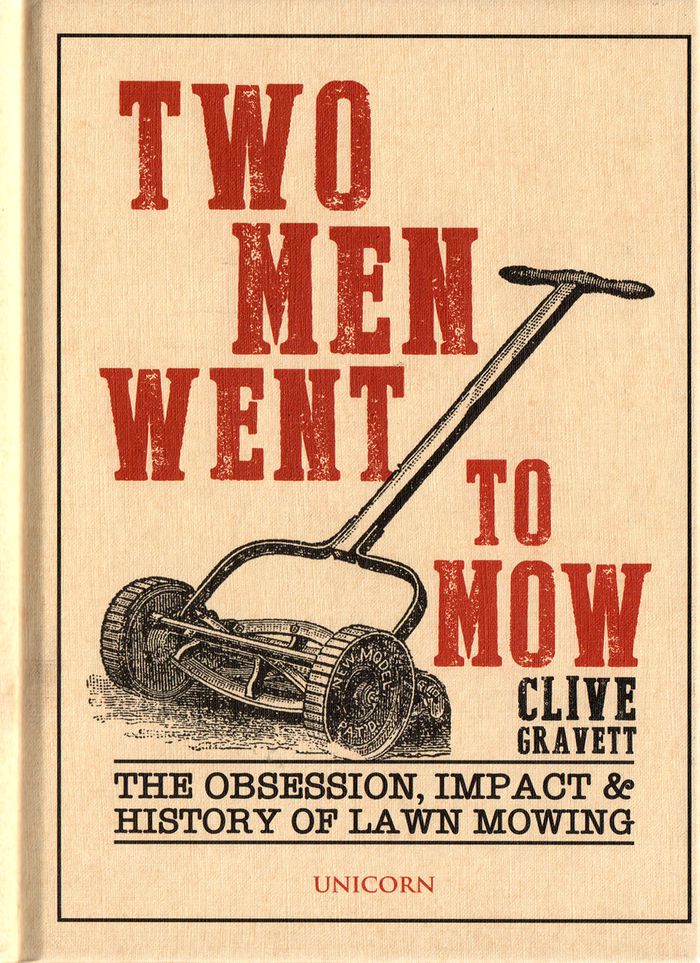
Two men went to mow: the obsession, impact and history of lawn mowing
Actions:
Prix:
$33.00
(disponible sur commande)
Résumé:
The smell of fresh-cut grass and the look of a well-kept lawn evoke strong feelings in many of us, but this book is the story of two men who took that feeling and made it into an obsession with the lawn mower. Edwin Beard Budding (1796–1846) invented the lawnmower; Clive Gravett, the author, has built both a museum and charity dedicated to Budding, and he has assembled a vast collection of mowers spanning a century and a half. "Two Men Went to Mow" tells the full story of this world-changing piece of machinery. From its use in family yards, to its impact on the turf-based sports so many of us watch and love, Gravett takes us on an extraordinary and informative journey, showing how the mower developed, linking its rise to other trends in social history, and exploring the mowing habits of many famous and even infamous people.
Two men went to mow: the obsession, impact and history of lawn mowing
Actions:
Prix:
$33.00
(disponible sur commande)
Résumé:
The smell of fresh-cut grass and the look of a well-kept lawn evoke strong feelings in many of us, but this book is the story of two men who took that feeling and made it into an obsession with the lawn mower. Edwin Beard Budding (1796–1846) invented the lawnmower; Clive Gravett, the author, has built both a museum and charity dedicated to Budding, and he has assembled a vast collection of mowers spanning a century and a half. "Two Men Went to Mow" tells the full story of this world-changing piece of machinery. From its use in family yards, to its impact on the turf-based sports so many of us watch and love, Gravett takes us on an extraordinary and informative journey, showing how the mower developed, linking its rise to other trends in social history, and exploring the mowing habits of many famous and even infamous people.
Classification:
livres
livres
Publication:
mars 2019
mars 2019
Sujet:
Théorie du paysage
Théorie du paysage
Classification:
livres
livres
Actions:
Prix:
$69.95
(disponible sur commande)
Résumé:
Pour Jean Mus comme pour Jean-Michel Wilmotte, c'est un élan vers le Beau qui a déterminé leur travail et leur vie. Mais chacun semble aborder cet objectif d'un point de vue diamétralement opposé : l'intellect et la rationalité pour l'un, la sensualité et l'émotionnel pour l'autre. À l'esprit cartésien ou « apollinien » de Wilmotte, faut-il opposer l'esprit instinctif, «(...)
$69.95
(disponible sur commande)
Résumé:
Pour Jean Mus comme pour Jean-Michel Wilmotte, c'est un élan vers le Beau qui a déterminé leur travail et leur vie. Mais chacun semble aborder cet objectif d'un point de vue diamétralement opposé : l'intellect et la rationalité pour l'un, la sensualité et l'émotionnel pour l'autre. À l'esprit cartésien ou « apollinien » de Wilmotte, faut-il opposer l'esprit instinctif, «(...)
Sujet:
Théorie du paysage
Théorie du paysage
Publication:
décembre 2018
décembre 2018
Titre:
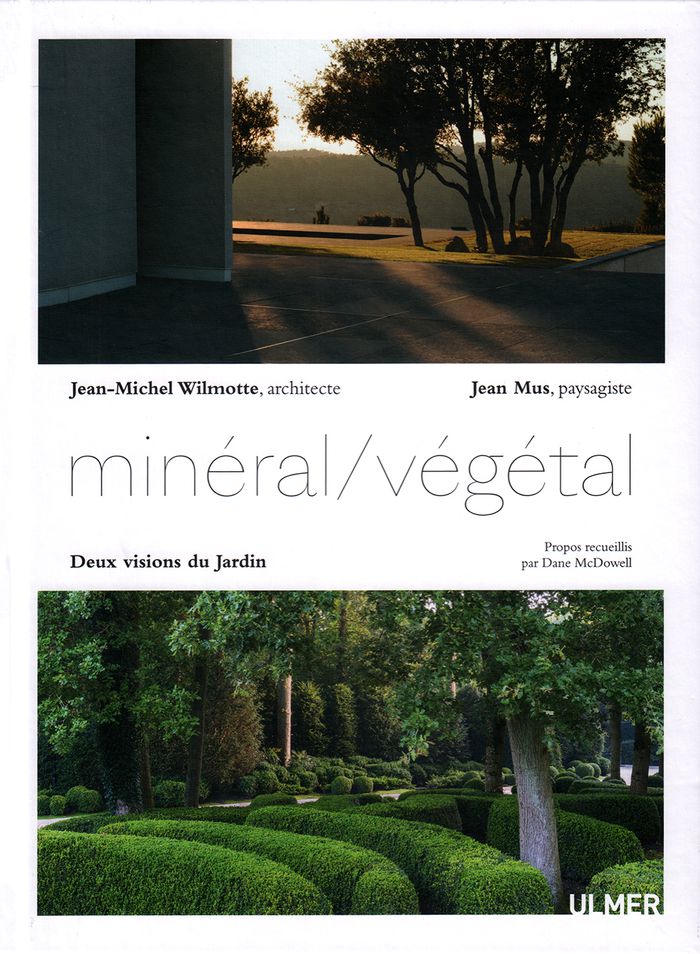
Minéral / Végétal : deux visions du jardin
Actions:
Prix:
$69.95
(disponible sur commande)
Résumé:
Pour Jean Mus comme pour Jean-Michel Wilmotte, c'est un élan vers le Beau qui a déterminé leur travail et leur vie. Mais chacun semble aborder cet objectif d'un point de vue diamétralement opposé : l'intellect et la rationalité pour l'un, la sensualité et l'émotionnel pour l'autre. À l'esprit cartésien ou « apollinien » de Wilmotte, faut-il opposer l'esprit instinctif, « dionysiaque » de Mus ? La ligne pour l'un, la courbe pour l'autre ; le minéral pour l'architecte, le végétal pour le paysagiste ? À travers un dialogue fécond entre ces deux grands créateurs, recueilli par Dane McDowell, le lecteur comprendra en quoi ces deux points de vue antinomiques fondent leur processus créatif respectif, comment ils s'expriment dans leur travail, s'opposent, se confrontent et, au final, se rejoignent souvent.
Minéral / Végétal : deux visions du jardin
Actions:
Prix:
$69.95
(disponible sur commande)
Résumé:
Pour Jean Mus comme pour Jean-Michel Wilmotte, c'est un élan vers le Beau qui a déterminé leur travail et leur vie. Mais chacun semble aborder cet objectif d'un point de vue diamétralement opposé : l'intellect et la rationalité pour l'un, la sensualité et l'émotionnel pour l'autre. À l'esprit cartésien ou « apollinien » de Wilmotte, faut-il opposer l'esprit instinctif, « dionysiaque » de Mus ? La ligne pour l'un, la courbe pour l'autre ; le minéral pour l'architecte, le végétal pour le paysagiste ? À travers un dialogue fécond entre ces deux grands créateurs, recueilli par Dane McDowell, le lecteur comprendra en quoi ces deux points de vue antinomiques fondent leur processus créatif respectif, comment ils s'expriment dans leur travail, s'opposent, se confrontent et, au final, se rejoignent souvent.
Classification:
livres
livres
Publication:
décembre 2018
décembre 2018
Sujet:
Théorie du paysage
Théorie du paysage
Classification:
livres
livres
Titre:
La nécéssité du paysage
La nécéssité du paysage
Actions:
Prix:
$26.95
(disponible sur commande)
Résumé:
Une des questions majeures que rencontre aujourd’hui l’humanité, en tant qu’espèce et en tant que société, est celle qui concerne la condition écologique de son existence. Elle est en crise et connaît de profonds et vastes bouleversements qui se traduisent dans les paysages et leurs dégradations, qui en sont comme le reflet et le dépôt. Ce livre et la collection qu’il(...)
$26.95
(disponible sur commande)
Résumé:
Une des questions majeures que rencontre aujourd’hui l’humanité, en tant qu’espèce et en tant que société, est celle qui concerne la condition écologique de son existence. Elle est en crise et connaît de profonds et vastes bouleversements qui se traduisent dans les paysages et leurs dégradations, qui en sont comme le reflet et le dépôt. Ce livre et la collection qu’il(...)
Titre:
La nécéssité du paysage
Actions:
Prix:
$26.95
(disponible sur commande)
Résumé:
Une des questions majeures que rencontre aujourd’hui l’humanité, en tant qu’espèce et en tant que société, est celle qui concerne la condition écologique de son existence. Elle est en crise et connaît de profonds et vastes bouleversements qui se traduisent dans les paysages et leurs dégradations, qui en sont comme le reflet et le dépôt. Ce livre et la collection qu’il introduit voudraient orienter l’attention vers le paysage considéré non comme une conséquence mais plutôt comme une condition de départ de l’existence humaine. S’il y a une nécessité du paysage, c’est avant tout parce qu’il est une donnée constitutive et incontournable de l’existence humaine, individuelle et sociale.
La nécéssité du paysage
Actions:
Prix:
$26.95
(disponible sur commande)
Résumé:
Une des questions majeures que rencontre aujourd’hui l’humanité, en tant qu’espèce et en tant que société, est celle qui concerne la condition écologique de son existence. Elle est en crise et connaît de profonds et vastes bouleversements qui se traduisent dans les paysages et leurs dégradations, qui en sont comme le reflet et le dépôt. Ce livre et la collection qu’il introduit voudraient orienter l’attention vers le paysage considéré non comme une conséquence mais plutôt comme une condition de départ de l’existence humaine. S’il y a une nécessité du paysage, c’est avant tout parce qu’il est une donnée constitutive et incontournable de l’existence humaine, individuelle et sociale.
Classification:
livres
livres
Publication:
janvier 2019
janvier 2019
Sujet:
Théorie du paysage
Théorie du paysage
Classification:
livres
livres
Titre:
Le blanc
Le blanc
Actions:
Prix:
$35.00
(disponible en magasin)
Résumé:
« Je ne me serais pas intéressé au blanc s’il n’apparaissait constamment comme une anomalie du paysage, tantôt le valorisant, tantôt le dégradant. "Dans la nature, le blanc n’existe pas". Assertion frappante. Je la tiens de Bernard Lassus, alors enseignant en art plastique à l’École du paysage de Versailles. D’une manière ou d’une autre, les composantes inertes du paysage(...)
$35.00
(disponible en magasin)
Résumé:
« Je ne me serais pas intéressé au blanc s’il n’apparaissait constamment comme une anomalie du paysage, tantôt le valorisant, tantôt le dégradant. "Dans la nature, le blanc n’existe pas". Assertion frappante. Je la tiens de Bernard Lassus, alors enseignant en art plastique à l’École du paysage de Versailles. D’une manière ou d’une autre, les composantes inertes du paysage(...)
Titre:
Le blanc
Actions:
Prix:
$35.00
(disponible en magasin)
Résumé:
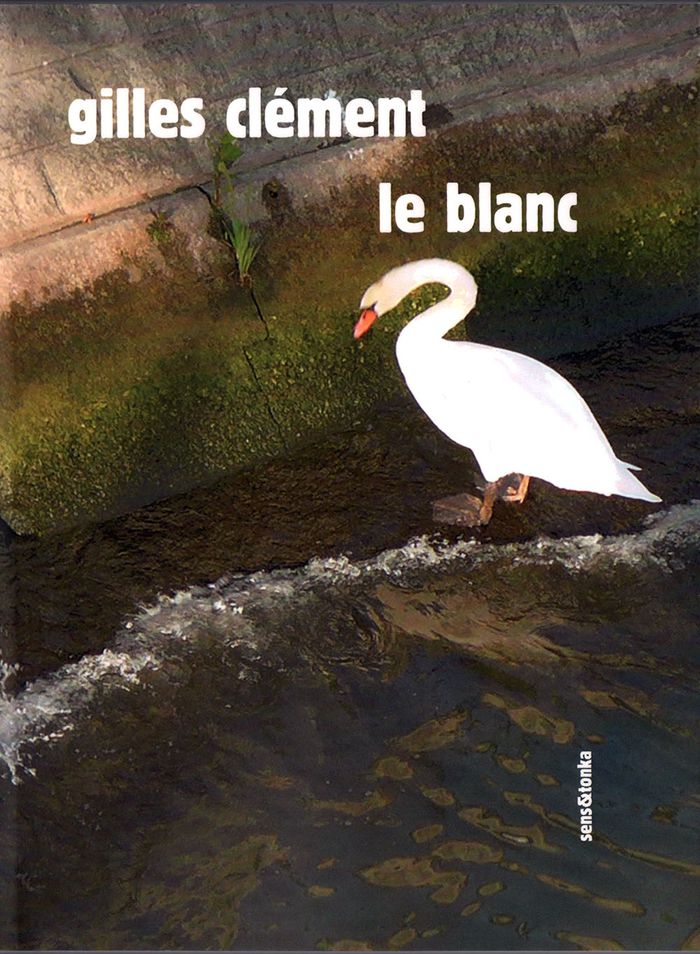
« Je ne me serais pas intéressé au blanc s’il n’apparaissait constamment comme une anomalie du paysage, tantôt le valorisant, tantôt le dégradant. "Dans la nature, le blanc n’existe pas". Assertion frappante. Je la tiens de Bernard Lassus, alors enseignant en art plastique à l’École du paysage de Versailles. D’une manière ou d’une autre, les composantes inertes du paysage se trouvent liées au vivant en tant que système mais il arrive qu’on les perçoive pour elles-mêmes sans identifier les êtres auxquels elles se trouvent associées : une plage de sable blanc, une cime enneigée, une falaise de craie. Le blanc intervient alors de façon massive, occupant tout le regard et, même s’il s’agit d’un phénomène temporaire – le ciel, l’écume, la neige – il peut identifier un territoire durablement. » G. C.
Le blanc
Actions:
Prix:
$35.00
(disponible en magasin)
Résumé:
« Je ne me serais pas intéressé au blanc s’il n’apparaissait constamment comme une anomalie du paysage, tantôt le valorisant, tantôt le dégradant. "Dans la nature, le blanc n’existe pas". Assertion frappante. Je la tiens de Bernard Lassus, alors enseignant en art plastique à l’École du paysage de Versailles. D’une manière ou d’une autre, les composantes inertes du paysage se trouvent liées au vivant en tant que système mais il arrive qu’on les perçoive pour elles-mêmes sans identifier les êtres auxquels elles se trouvent associées : une plage de sable blanc, une cime enneigée, une falaise de craie. Le blanc intervient alors de façon massive, occupant tout le regard et, même s’il s’agit d’un phénomène temporaire – le ciel, l’écume, la neige – il peut identifier un territoire durablement. » G. C.
Classification:
livres
livres
Publication:
octobre 2018
octobre 2018
Sujet:
Théorie du paysage
Théorie du paysage
Classification:
livres
livres
Prix:
$38.50
(disponible sur commande)
Résumé:
A celebrated figure in myth, song, and story, the nightingale has captivated the imagination for millennia, its complex song evoking a prism of human emotions,-from melancholy to joy, from the fear of death to the immortality of art. As philosopher and musician David Rothenberg shows in this searching and personal new book, the nightingale's song is so peculiar in part(...)
$38.50
(disponible sur commande)
Résumé:
A celebrated figure in myth, song, and story, the nightingale has captivated the imagination for millennia, its complex song evoking a prism of human emotions,-from melancholy to joy, from the fear of death to the immortality of art. As philosopher and musician David Rothenberg shows in this searching and personal new book, the nightingale's song is so peculiar in part(...)
Titre:
Nightingales in Berlin: searching for the perfect sound
Actions:
Prix:
$38.50
(disponible sur commande)
Résumé:
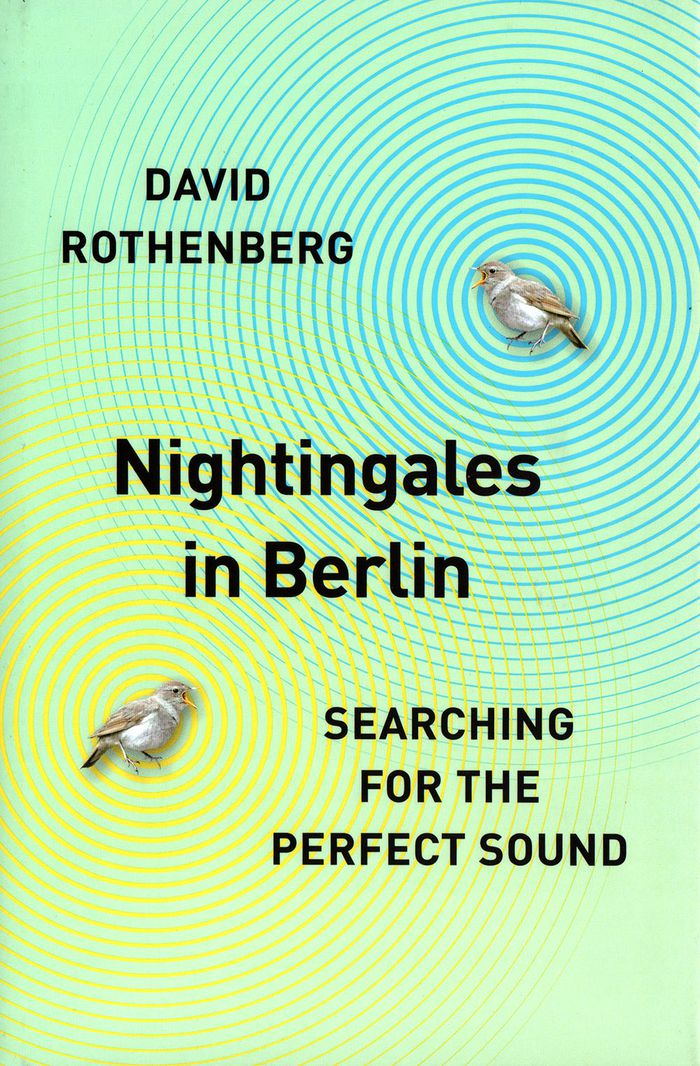
A celebrated figure in myth, song, and story, the nightingale has captivated the imagination for millennia, its complex song evoking a prism of human emotions,-from melancholy to joy, from the fear of death to the immortality of art. As philosopher and musician David Rothenberg shows in this searching and personal new book, the nightingale's song is so peculiar in part because it reflects our own cacophony back at us. As vocal learners, nightingales acquire their music through the world around them, singing amidst the sounds of humanity in all its contradictions of noise and beauty, hard machinery and soft melody. Rather than try to capture a sound not made for us to understand, Rothenberg seeks these musical creatures out, clarinet in tow, and makes a new sound with them. He takes us to the urban landscape of Berlin—longtime home to nightingale colonies where the birds sing ever louder in order to be heard—and invites us to listen in on their remarkable collaboration as birds and instruments riff off of each other's sounds. Through dialogue, travel records, sonograms, tours of Berlin's city parks, and musings on the place animal music occupies in our collective imagination, Rothenberg takes us on a quest for a new sonic alchemy, a music impossible for any one species to make alone.
Nightingales in Berlin: searching for the perfect sound
Actions:
Prix:
$38.50
(disponible sur commande)
Résumé:
A celebrated figure in myth, song, and story, the nightingale has captivated the imagination for millennia, its complex song evoking a prism of human emotions,-from melancholy to joy, from the fear of death to the immortality of art. As philosopher and musician David Rothenberg shows in this searching and personal new book, the nightingale's song is so peculiar in part because it reflects our own cacophony back at us. As vocal learners, nightingales acquire their music through the world around them, singing amidst the sounds of humanity in all its contradictions of noise and beauty, hard machinery and soft melody. Rather than try to capture a sound not made for us to understand, Rothenberg seeks these musical creatures out, clarinet in tow, and makes a new sound with them. He takes us to the urban landscape of Berlin—longtime home to nightingale colonies where the birds sing ever louder in order to be heard—and invites us to listen in on their remarkable collaboration as birds and instruments riff off of each other's sounds. Through dialogue, travel records, sonograms, tours of Berlin's city parks, and musings on the place animal music occupies in our collective imagination, Rothenberg takes us on a quest for a new sonic alchemy, a music impossible for any one species to make alone.
Classification:
livres
livres
Publication:
mai 2019
mai 2019
Sujet:
Théorie du paysage
Théorie du paysage
Classification:
livres
livres
Actions:
Prix:
$40.00
(disponible sur commande)
Résumé:
For ancient Romans, genius loci was literally "the genius of the place,"the presiding divinity who inhabited a site and gave it meaning. While we are less attuned to divinity today, we still sense that a place has significance. In this book, eminent garden historian John Dixon Hunt explores genius loci in many settings, including contemporary land art, the paintings of(...)
$40.00
(disponible sur commande)
Résumé:
For ancient Romans, genius loci was literally "the genius of the place,"the presiding divinity who inhabited a site and gave it meaning. While we are less attuned to divinity today, we still sense that a place has significance. In this book, eminent garden historian John Dixon Hunt explores genius loci in many settings, including contemporary land art, the paintings of(...)
Titre:
Genius Loci: An essay on the meanings of place
Actions:
Prix:
$40.00
(disponible sur commande)
Résumé:
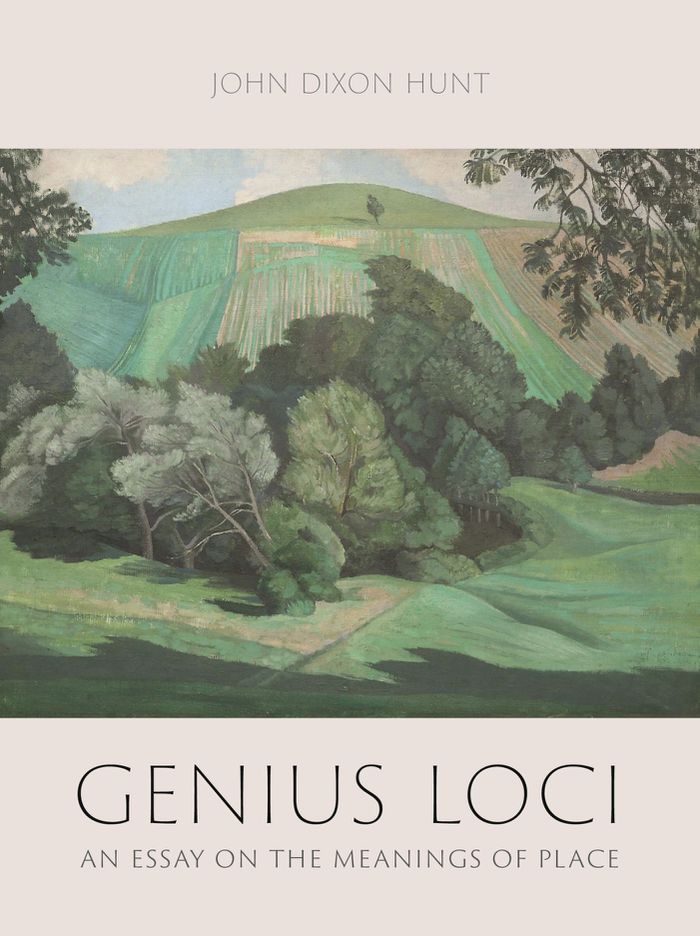
For ancient Romans, genius loci was literally "the genius of the place,"the presiding divinity who inhabited a site and gave it meaning. While we are less attuned to divinity today, we still sense that a place has significance. In this book, eminent garden historian John Dixon Hunt explores genius loci in many settings, including contemporary land art, the paintings of Paul and John Nash, travel writers such as Henry James, Paul Theroux, and Lawrence Durrell on Provence, Mexico, and Cyprus, and landscape architects who invent new meanings for a site. This book is a nuanced, thoughtful exploration of how places become more significant to us through the myriad ways we see, talk about, and remember them.
Genius Loci: An essay on the meanings of place
Actions:
Prix:
$40.00
(disponible sur commande)
Résumé:
For ancient Romans, genius loci was literally "the genius of the place,"the presiding divinity who inhabited a site and gave it meaning. While we are less attuned to divinity today, we still sense that a place has significance. In this book, eminent garden historian John Dixon Hunt explores genius loci in many settings, including contemporary land art, the paintings of Paul and John Nash, travel writers such as Henry James, Paul Theroux, and Lawrence Durrell on Provence, Mexico, and Cyprus, and landscape architects who invent new meanings for a site. This book is a nuanced, thoughtful exploration of how places become more significant to us through the myriad ways we see, talk about, and remember them.
Classification:
livres
livres
Publication:
octobre 2022
octobre 2022
Sujet:
Théorie du paysage
Théorie du paysage


