


496 Résultats
Classification:
livres
livres
Actions:
Prix:
$47.25
(disponible sur commande)
Résumé:
"The Planetary Garden" is an environmental manifesto that outlines Clément's interpretation of the laws that govern the natural world and the principles that should guide our stewardship of the global garden of Earth. These are among the tenets of a humanist ecology, which posits that the natural world and humankind cannot be understood as separate from one another. This(...)
$47.25
(disponible sur commande)
Résumé:
"The Planetary Garden" is an environmental manifesto that outlines Clément's interpretation of the laws that govern the natural world and the principles that should guide our stewardship of the global garden of Earth. These are among the tenets of a humanist ecology, which posits that the natural world and humankind cannot be understood as separate from one another. This(...)
Titre:
"The planetary garden" and other writings
Actions:
Prix:
$47.25
(disponible sur commande)
Résumé:
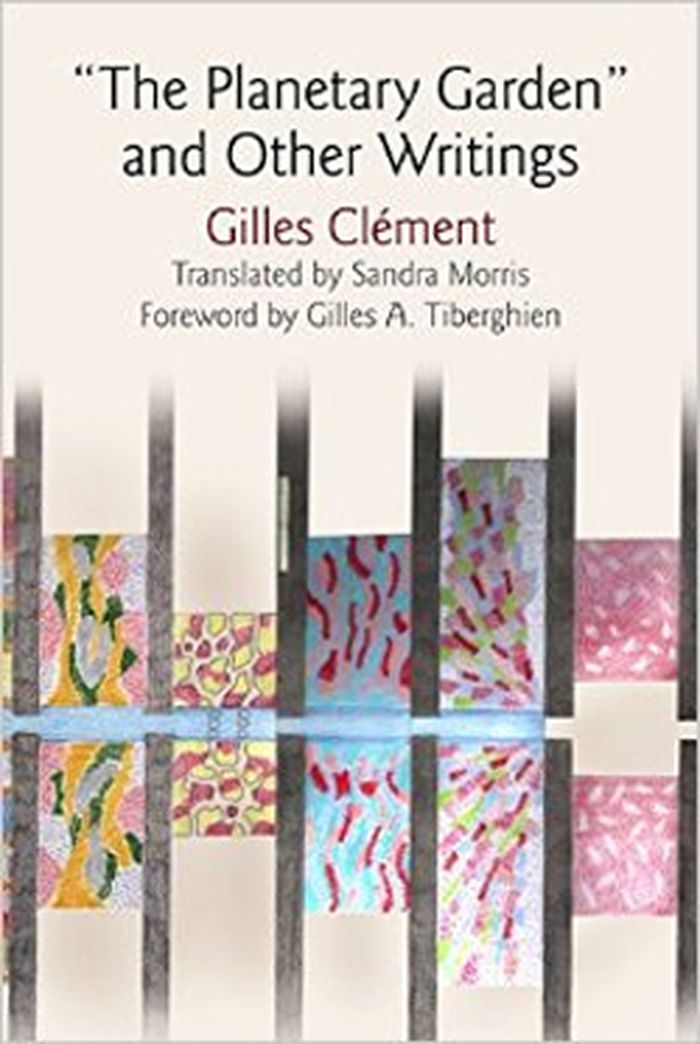
"The Planetary Garden" is an environmental manifesto that outlines Clément's interpretation of the laws that govern the natural world and the principles that should guide our stewardship of the global garden of Earth. These are among the tenets of a humanist ecology, which posits that the natural world and humankind cannot be understood as separate from one another. This philosophy forms a thread that is woven through the accompanying essays of this volume: "Life, Constantly Inventive: Reflections of a Humanist Ecologist" and "The Wisdom of the Gardener." Brought together and translated into English for the first time, these three texts make a powerful statement about the nature of the world and humanity's place within it.
"The planetary garden" and other writings
Actions:
Prix:
$47.25
(disponible sur commande)
Résumé:
"The Planetary Garden" is an environmental manifesto that outlines Clément's interpretation of the laws that govern the natural world and the principles that should guide our stewardship of the global garden of Earth. These are among the tenets of a humanist ecology, which posits that the natural world and humankind cannot be understood as separate from one another. This philosophy forms a thread that is woven through the accompanying essays of this volume: "Life, Constantly Inventive: Reflections of a Humanist Ecologist" and "The Wisdom of the Gardener." Brought together and translated into English for the first time, these three texts make a powerful statement about the nature of the world and humanity's place within it.
Classification:
livres
livres
Publication:
juin 2015
juin 2015
Sujet:
Théorie du paysage
Théorie du paysage
Classification:
livres
livres
Prix:
$39.95
(disponible sur commande)
Résumé:
Cet ouvrage a pour objectifs de préciser les étapes essentielles à une démarche de projet de paysage ; de développer des outils et des méthodes de caractérisation et d'évaluation ; d'appliquer et de valider la démarche proposée. Il s'adresse aux étudiants et aux professionnels de l'aménagement pour leur permettre de faire un choix éclairé parmi les méthodes et les(...)
$39.95
(disponible sur commande)
Résumé:
Cet ouvrage a pour objectifs de préciser les étapes essentielles à une démarche de projet de paysage ; de développer des outils et des méthodes de caractérisation et d'évaluation ; d'appliquer et de valider la démarche proposée. Il s'adresse aux étudiants et aux professionnels de l'aménagement pour leur permettre de faire un choix éclairé parmi les méthodes et les(...)
Titre:
Paysages ruraux : méthodes d'état des lieux et de diagnostic
Actions:
Prix:
$39.95
(disponible sur commande)
Résumé:
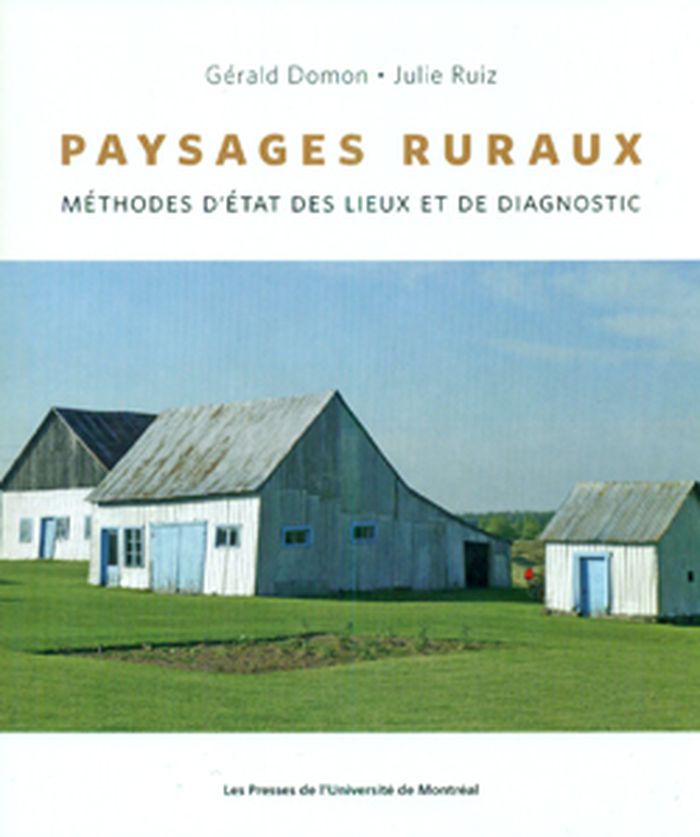
Cet ouvrage a pour objectifs de préciser les étapes essentielles à une démarche de projet de paysage ; de développer des outils et des méthodes de caractérisation et d'évaluation ; d'appliquer et de valider la démarche proposée. Il s'adresse aux étudiants et aux professionnels de l'aménagement pour leur permettre de faire un choix éclairé parmi les méthodes et les outils existants afin de dresser un état des lieux des paysages ruraux, ainsi que de penser à de nouvelles méthodes de travail.
Paysages ruraux : méthodes d'état des lieux et de diagnostic
Actions:
Prix:
$39.95
(disponible sur commande)
Résumé:
Cet ouvrage a pour objectifs de préciser les étapes essentielles à une démarche de projet de paysage ; de développer des outils et des méthodes de caractérisation et d'évaluation ; d'appliquer et de valider la démarche proposée. Il s'adresse aux étudiants et aux professionnels de l'aménagement pour leur permettre de faire un choix éclairé parmi les méthodes et les outils existants afin de dresser un état des lieux des paysages ruraux, ainsi que de penser à de nouvelles méthodes de travail.
Classification:
livres
livres
Publication:
mai 2015
mai 2015
Sujet:
Théorie du paysage
Théorie du paysage
Classification:
livres
livres
Actions:
Prix:
$67.95
(disponible sur commande)
Résumé:
In The Mountain, geographers Bernard Debarbieux and Gilles Rudaz trace the origins of the very concept of a mountain, showing how it is not a mere geographic feature but ultimately an idea, one that has evolved over time, influenced by changes in political climates and cultural attitudes. To truly understand mountains, they argue, we must view them not only as material(...)
$67.95
(disponible sur commande)
Résumé:
In The Mountain, geographers Bernard Debarbieux and Gilles Rudaz trace the origins of the very concept of a mountain, showing how it is not a mere geographic feature but ultimately an idea, one that has evolved over time, influenced by changes in political climates and cultural attitudes. To truly understand mountains, they argue, we must view them not only as material(...)
Titre:
The Mountain: a political history from the enlightment to the present
Actions:
Prix:
$67.95
(disponible sur commande)
Résumé:
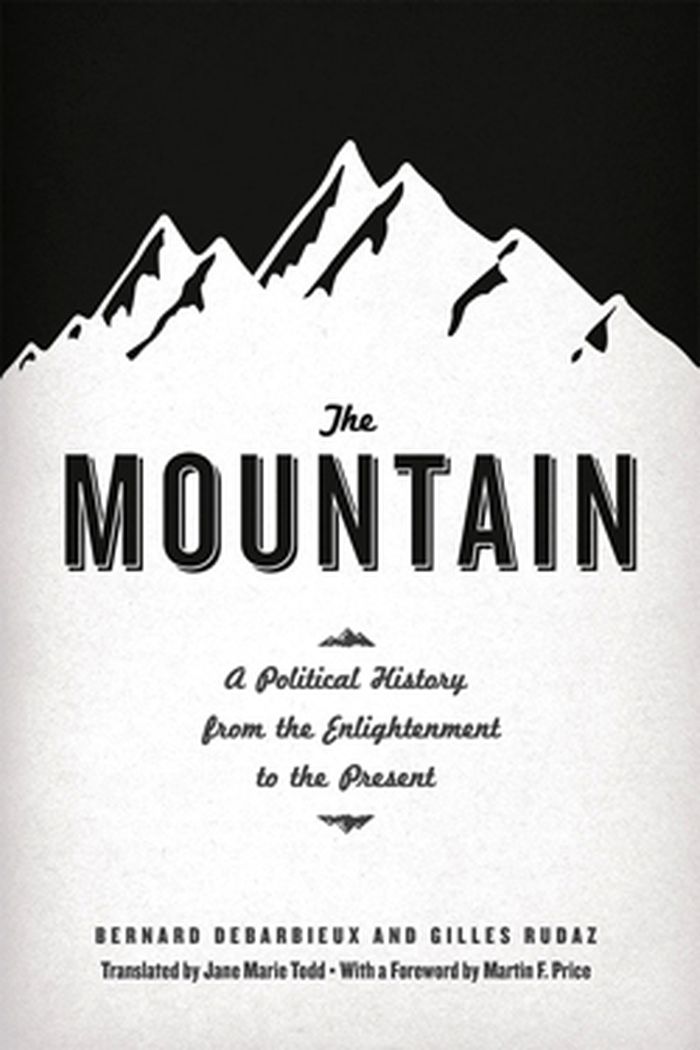
In The Mountain, geographers Bernard Debarbieux and Gilles Rudaz trace the origins of the very concept of a mountain, showing how it is not a mere geographic feature but ultimately an idea, one that has evolved over time, influenced by changes in political climates and cultural attitudes. To truly understand mountains, they argue, we must view them not only as material realities but as social constructs, ones that can mean radically different things to different people in different settings.
The Mountain: a political history from the enlightment to the present
Actions:
Prix:
$67.95
(disponible sur commande)
Résumé:
In The Mountain, geographers Bernard Debarbieux and Gilles Rudaz trace the origins of the very concept of a mountain, showing how it is not a mere geographic feature but ultimately an idea, one that has evolved over time, influenced by changes in political climates and cultural attitudes. To truly understand mountains, they argue, we must view them not only as material realities but as social constructs, ones that can mean radically different things to different people in different settings.
Classification:
livres
livres
Publication:
septembre 2015
septembre 2015
Sujet:
Théorie du paysage
Théorie du paysage
Classification:
livres
livres
Actions:
Prix:
$30.95
(disponible sur commande)
Résumé:
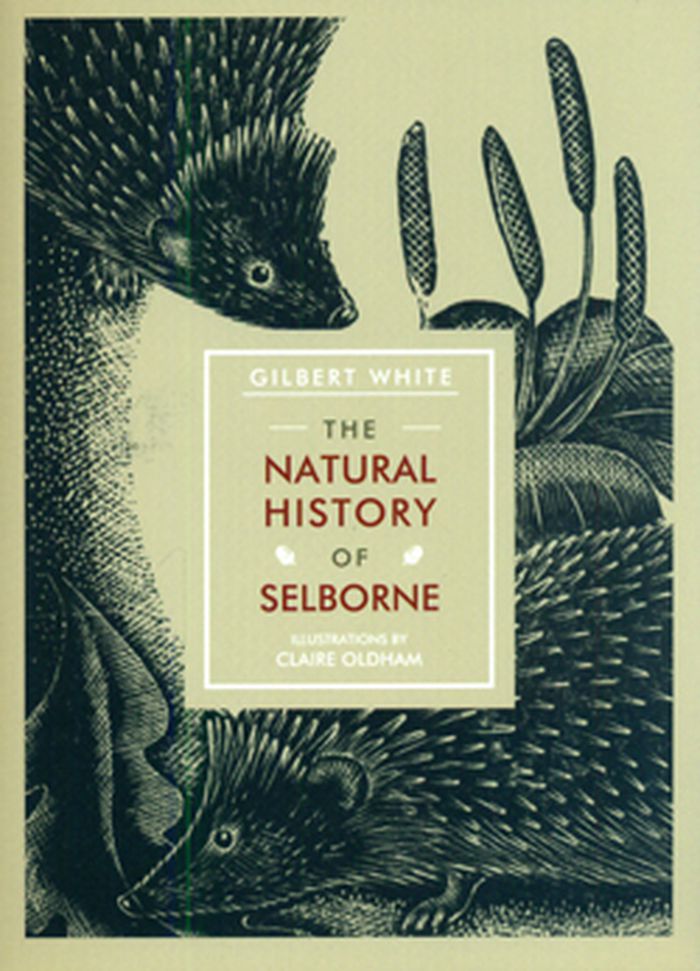
Written by Gilbert White and first published in 1789, this book is compiled from a mixture of White's letters to other naturalists - Thomas Pennant and Daines Barrington; a 'Naturalist's Calendar' detailing phenology observations of the first appearances in the year of different animals and plants; and observations of natural history.
$30.95
(disponible sur commande)
Résumé:
Written by Gilbert White and first published in 1789, this book is compiled from a mixture of White's letters to other naturalists - Thomas Pennant and Daines Barrington; a 'Naturalist's Calendar' detailing phenology observations of the first appearances in the year of different animals and plants; and observations of natural history.
Titre:
The natural history of Selborne
Actions:
Prix:
$30.95
(disponible sur commande)
Résumé:
Written by Gilbert White and first published in 1789, this book is compiled from a mixture of White's letters to other naturalists - Thomas Pennant and Daines Barrington; a 'Naturalist's Calendar' detailing phenology observations of the first appearances in the year of different animals and plants; and observations of natural history.
The natural history of Selborne
Actions:
Prix:
$30.95
(disponible sur commande)
Résumé:
Written by Gilbert White and first published in 1789, this book is compiled from a mixture of White's letters to other naturalists - Thomas Pennant and Daines Barrington; a 'Naturalist's Calendar' detailing phenology observations of the first appearances in the year of different animals and plants; and observations of natural history.
Classification:
livres
livres
Publication:
août 2015
août 2015
Sujet:
Théorie du paysage
Théorie du paysage
Classification:
livres
livres
Titre:
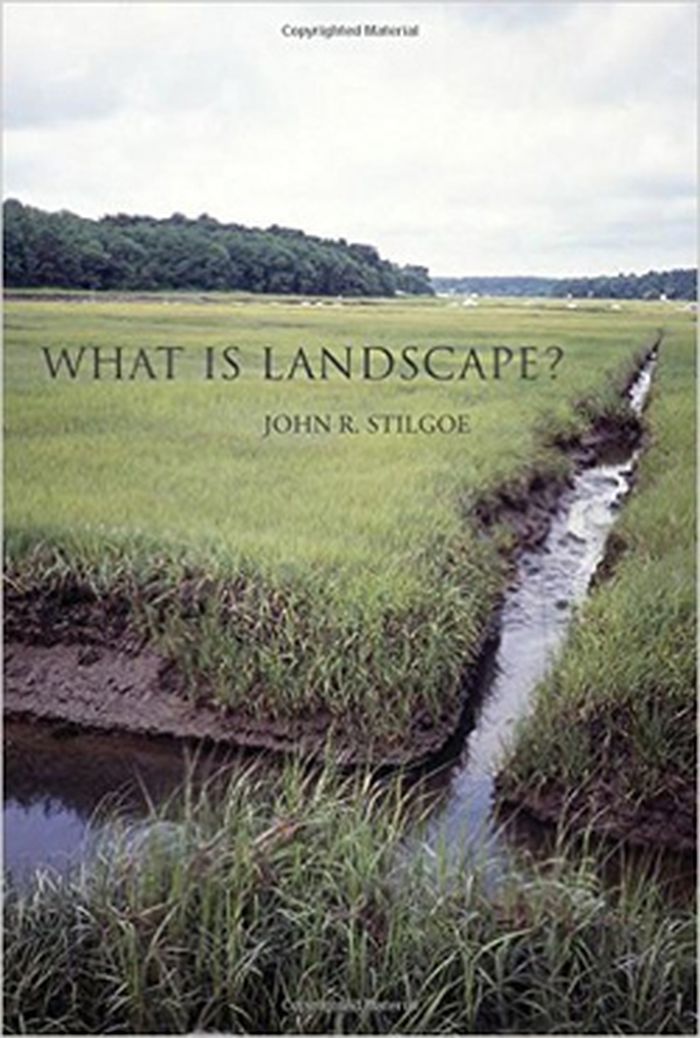
What is landscape?
What is landscape?
Actions:
Prix:
$29.50
(disponible sur commande)
Résumé:
Landscape, John Stilgoe tells us, is a noun. From the old Frisian language (once spoken in coastal parts of the Netherlands and Germany), it meant shoveled land: landschop. Sixteenth-century Englishmen misheard or mispronounced this as landskep, which became landskip, then landscape, designating the surface of the earth shaped for human habitation. In What Is Landscape?(...)
$29.50
(disponible sur commande)
Résumé:
Landscape, John Stilgoe tells us, is a noun. From the old Frisian language (once spoken in coastal parts of the Netherlands and Germany), it meant shoveled land: landschop. Sixteenth-century Englishmen misheard or mispronounced this as landskep, which became landskip, then landscape, designating the surface of the earth shaped for human habitation. In What Is Landscape?(...)
Titre:
What is landscape?
Actions:
Prix:
$29.50
(disponible sur commande)
Résumé:
Landscape, John Stilgoe tells us, is a noun. From the old Frisian language (once spoken in coastal parts of the Netherlands and Germany), it meant shoveled land: landschop. Sixteenth-century Englishmen misheard or mispronounced this as landskep, which became landskip, then landscape, designating the surface of the earth shaped for human habitation. In What Is Landscape? Stilgoe maps the discovery of landscape by putting words to things, zeroing in on landscape’s essence but also leading sideways expeditions through such sources as children’s picture books, folklore, deeds, antique terminology, out-of-print dictionaries, and conversations with locals. (“What is that?” “Well, it’s not really a slough, not really, it’s a bayou . . .”) He offers a written narrative lexicon of landscape as word, concept, and path to discoveries. What Is Landscape? is an invitation to walk, to notice, to ask: to see a sandcastle with a pinwheel at the beach and think of Dutch windmills—icons of triumph, markers of territory won from the sea; to walk in the woods and be amused by the Elizabethans’ misuse of the Latin silvaticus (people of the woods) to coin the word savages; to see in a suburban front lawn a representation of the meadow of a medieval freehold.
What is landscape?
Actions:
Prix:
$29.50
(disponible sur commande)
Résumé:
Landscape, John Stilgoe tells us, is a noun. From the old Frisian language (once spoken in coastal parts of the Netherlands and Germany), it meant shoveled land: landschop. Sixteenth-century Englishmen misheard or mispronounced this as landskep, which became landskip, then landscape, designating the surface of the earth shaped for human habitation. In What Is Landscape? Stilgoe maps the discovery of landscape by putting words to things, zeroing in on landscape’s essence but also leading sideways expeditions through such sources as children’s picture books, folklore, deeds, antique terminology, out-of-print dictionaries, and conversations with locals. (“What is that?” “Well, it’s not really a slough, not really, it’s a bayou . . .”) He offers a written narrative lexicon of landscape as word, concept, and path to discoveries. What Is Landscape? is an invitation to walk, to notice, to ask: to see a sandcastle with a pinwheel at the beach and think of Dutch windmills—icons of triumph, markers of territory won from the sea; to walk in the woods and be amused by the Elizabethans’ misuse of the Latin silvaticus (people of the woods) to coin the word savages; to see in a suburban front lawn a representation of the meadow of a medieval freehold.
Classification:
livres
livres
Publication:
août 2015
août 2015
Sujet:
Théorie du paysage
Théorie du paysage
Classification:
livres
livres
Actions:
Prix:
$49.00
(disponible sur commande)
Résumé:
In the later part of the nineteenth century, American bicyclists were explorers, cycling through both charted and uncharted territory. These wheelmen and wheelwomen became keen observers of suburban and rural landscapes, and left copious records of their journeys—in travel narratives, journalism, maps, photographs, illustrations. They were also instrumental in the(...)
$49.00
(disponible sur commande)
Résumé:
In the later part of the nineteenth century, American bicyclists were explorers, cycling through both charted and uncharted territory. These wheelmen and wheelwomen became keen observers of suburban and rural landscapes, and left copious records of their journeys—in travel narratives, journalism, maps, photographs, illustrations. They were also instrumental in the(...)
Titre:
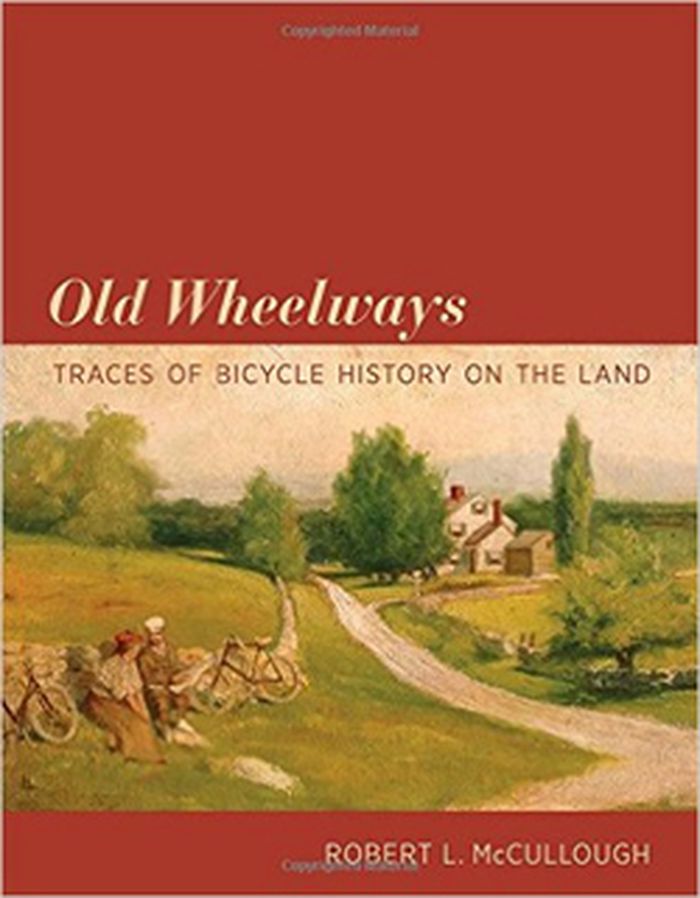
Old wheelways traces of bicycle history on the land
Actions:
Prix:
$49.00
(disponible sur commande)
Résumé:
In the later part of the nineteenth century, American bicyclists were explorers, cycling through both charted and uncharted territory. These wheelmen and wheelwomen became keen observers of suburban and rural landscapes, and left copious records of their journeys—in travel narratives, journalism, maps, photographs, illustrations. They were also instrumental in the construction of roads and paths (“wheelways”)—building them, funding them, and lobbying legislators for them. Their explorations shaped the landscape and the way we look at it, yet with few exceptions their writings have been largely overlooked by landscape scholars, and many of the paths cyclists cleared have disappeared. In Old Wheelways, Robert McCullough restores the pioneering cyclists of the nineteenth century to the history of American landscapes.
Old wheelways traces of bicycle history on the land
Actions:
Prix:
$49.00
(disponible sur commande)
Résumé:
In the later part of the nineteenth century, American bicyclists were explorers, cycling through both charted and uncharted territory. These wheelmen and wheelwomen became keen observers of suburban and rural landscapes, and left copious records of their journeys—in travel narratives, journalism, maps, photographs, illustrations. They were also instrumental in the construction of roads and paths (“wheelways”)—building them, funding them, and lobbying legislators for them. Their explorations shaped the landscape and the way we look at it, yet with few exceptions their writings have been largely overlooked by landscape scholars, and many of the paths cyclists cleared have disappeared. In Old Wheelways, Robert McCullough restores the pioneering cyclists of the nineteenth century to the history of American landscapes.
Classification:
livres
livres
Publication:
août 2015
août 2015
Sujet:
Théorie du paysage
Théorie du paysage
Classification:
livres
livres
Actions:
Prix:
$34.00
(disponible sur commande)
Résumé:
Nature no longer exists apart from humanity. Henceforth, the world we will inhabit is the one we have made. Geologists have called this new planetary epoch the Anthropocene, the Age of Humans. The geological strata we are now creating record industrial emissions, industrial-scale crop pollens, and the disappearance of species driven to extinction. Climate change is(...)
$34.00
(disponible sur commande)
Résumé:
Nature no longer exists apart from humanity. Henceforth, the world we will inhabit is the one we have made. Geologists have called this new planetary epoch the Anthropocene, the Age of Humans. The geological strata we are now creating record industrial emissions, industrial-scale crop pollens, and the disappearance of species driven to extinction. Climate change is(...)
Titre:
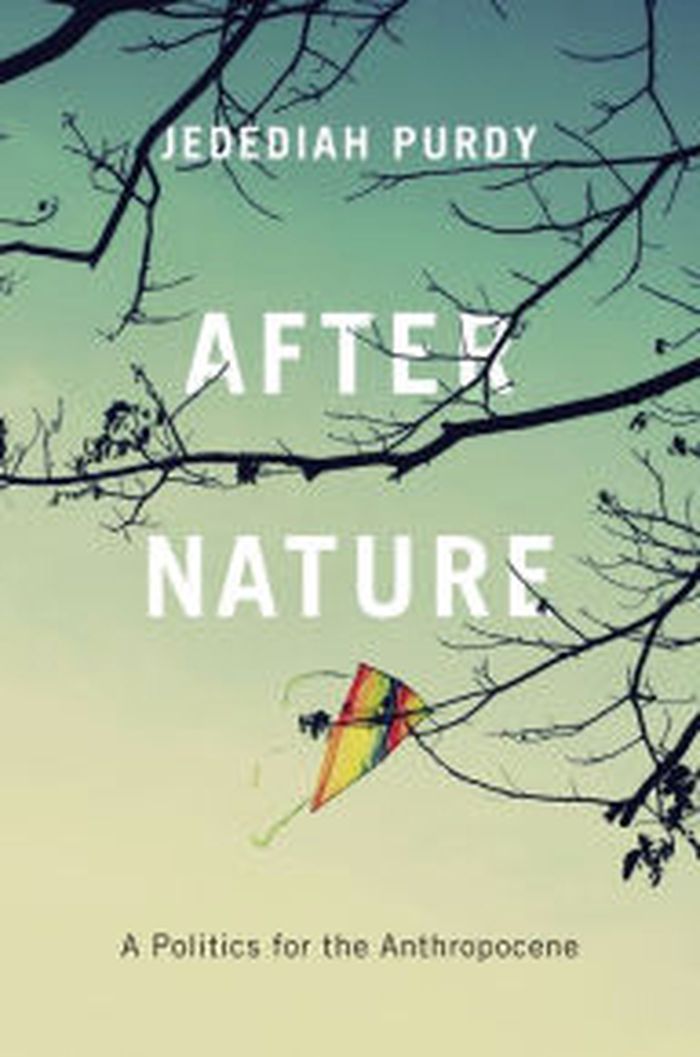
After nature : a politics for the anthropocene
Actions:
Prix:
$34.00
(disponible sur commande)
Résumé:
Nature no longer exists apart from humanity. Henceforth, the world we will inhabit is the one we have made. Geologists have called this new planetary epoch the Anthropocene, the Age of Humans. The geological strata we are now creating record industrial emissions, industrial-scale crop pollens, and the disappearance of species driven to extinction. Climate change is planetary engineering without design. These facts of the Anthropocene are scientific, but its shape and meaning are questions for politics—a politics that does not yet exist. After Nature develops a politics for this post-natural world.
After nature : a politics for the anthropocene
Actions:
Prix:
$34.00
(disponible sur commande)
Résumé:
Nature no longer exists apart from humanity. Henceforth, the world we will inhabit is the one we have made. Geologists have called this new planetary epoch the Anthropocene, the Age of Humans. The geological strata we are now creating record industrial emissions, industrial-scale crop pollens, and the disappearance of species driven to extinction. Climate change is planetary engineering without design. These facts of the Anthropocene are scientific, but its shape and meaning are questions for politics—a politics that does not yet exist. After Nature develops a politics for this post-natural world.
Classification:
livres
livres
Publication:
août 2015
août 2015
Sujet:
Théorie du paysage
Théorie du paysage
Classification:
livres
livres

Actions:
Prix:
$27.95
(disponible sur commande)
Résumé:
À l’échelle de la vie, les « voyages » des plantes et des animaux à travers la planète ont toujours existé. Mais ce grand « brassage planétaire » des êtres vivants s’accélère singulièrement depuis quelques dizaines d’années, avec l’accroissement des activités humaines sur la planète. Vitesse des transports, augmentation de possibles rencontres, naturalisations,(...)
$27.95
(disponible sur commande)
Résumé:
À l’échelle de la vie, les « voyages » des plantes et des animaux à travers la planète ont toujours existé. Mais ce grand « brassage planétaire » des êtres vivants s’accélère singulièrement depuis quelques dizaines d’années, avec l’accroissement des activités humaines sur la planète. Vitesse des transports, augmentation de possibles rencontres, naturalisations,(...)
Titre:
Espèces vagabondes : menace ou bienfait?
Actions:
Prix:
$27.95
(disponible sur commande)
Résumé:
À l’échelle de la vie, les « voyages » des plantes et des animaux à travers la planète ont toujours existé. Mais ce grand « brassage planétaire » des êtres vivants s’accélère singulièrement depuis quelques dizaines d’années, avec l’accroissement des activités humaines sur la planète. Vitesse des transports, augmentation de possibles rencontres, naturalisations, hybridations... Tout cela crée des bouleversements écologiques, des opportunités aussi, pour des nouveaux « écosystèmes émergents » issus de ces rencontres. Tandis qu’une part de la diversité biologique en souffre, une autre part en bénéficie. Le temps d’un échange, Gilles Clément, Francis Hallé et François Letourneux se sont retrouvés lors d’une conférence au centre Pompidou à Paris. Une discussion s’est engagée entre ces trois hommes, ces trois points de vue sur le brassage planétaire. Est-il un mécanisme ordinaire de l’évolution ? Quels sont ces plantes et ces animaux vagabonds ? Doit-on les contrôler et comment ? Et quel rôle doit jouer l’homme dans tout ça ?...
Espèces vagabondes : menace ou bienfait?
Actions:
Prix:
$27.95
(disponible sur commande)
Résumé:
À l’échelle de la vie, les « voyages » des plantes et des animaux à travers la planète ont toujours existé. Mais ce grand « brassage planétaire » des êtres vivants s’accélère singulièrement depuis quelques dizaines d’années, avec l’accroissement des activités humaines sur la planète. Vitesse des transports, augmentation de possibles rencontres, naturalisations, hybridations... Tout cela crée des bouleversements écologiques, des opportunités aussi, pour des nouveaux « écosystèmes émergents » issus de ces rencontres. Tandis qu’une part de la diversité biologique en souffre, une autre part en bénéficie. Le temps d’un échange, Gilles Clément, Francis Hallé et François Letourneux se sont retrouvés lors d’une conférence au centre Pompidou à Paris. Une discussion s’est engagée entre ces trois hommes, ces trois points de vue sur le brassage planétaire. Est-il un mécanisme ordinaire de l’évolution ? Quels sont ces plantes et ces animaux vagabonds ? Doit-on les contrôler et comment ? Et quel rôle doit jouer l’homme dans tout ça ?...
Classification:
livres
livres
Publication:
mars 2015
mars 2015
Sujet:
Théorie du paysage
Théorie du paysage
Classification:
livres
livres
Prix:
$64.95
(disponible en magasin)
Résumé:
Lucius Burckhardt (1925-2003)founded the science of strollology -¨promenadology¨ - in the 1980s then further developped it as a complex and far-sighted planning and design discipline. Strollology is a sprinboard for a realistic approach to perception of the world around us, for an alternative reading of landscape and urban space, and for a new vision of architecture and(...)
$64.95
(disponible en magasin)
Résumé:
Lucius Burckhardt (1925-2003)founded the science of strollology -¨promenadology¨ - in the 1980s then further developped it as a complex and far-sighted planning and design discipline. Strollology is a sprinboard for a realistic approach to perception of the world around us, for an alternative reading of landscape and urban space, and for a new vision of architecture and(...)
Sujet:
Théorie du paysage
Théorie du paysage
Publication:
septembre 2015
septembre 2015
Titre:
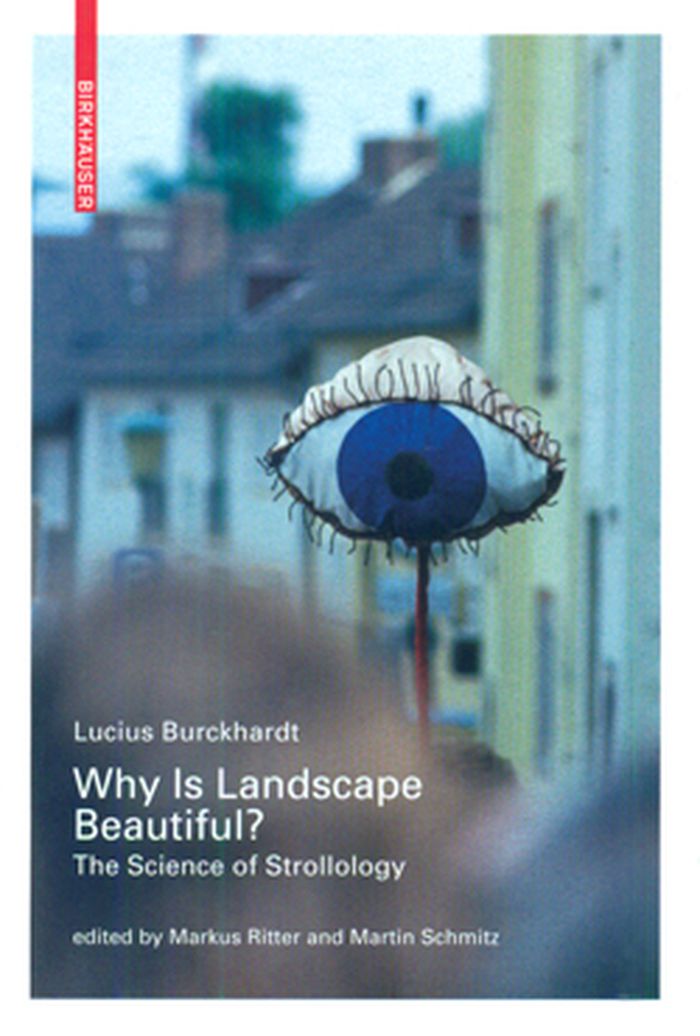
Why is landscape beautiful? The science of strollology
Actions:
Prix:
$64.95
(disponible en magasin)
Résumé:
Lucius Burckhardt (1925-2003)founded the science of strollology -¨promenadology¨ - in the 1980s then further developped it as a complex and far-sighted planning and design discipline. Strollology is a sprinboard for a realistic approach to perception of the world around us, for an alternative reading of landscape and urban space, and for a new vision of architecture and urban planning.
Why is landscape beautiful? The science of strollology
Actions:
Prix:
$64.95
(disponible en magasin)
Résumé:
Lucius Burckhardt (1925-2003)founded the science of strollology -¨promenadology¨ - in the 1980s then further developped it as a complex and far-sighted planning and design discipline. Strollology is a sprinboard for a realistic approach to perception of the world around us, for an alternative reading of landscape and urban space, and for a new vision of architecture and urban planning.
Classification:
livres
livres
Publication:
septembre 2015
septembre 2015
Sujet:
Théorie du paysage
Théorie du paysage
Classification:
livres
livres
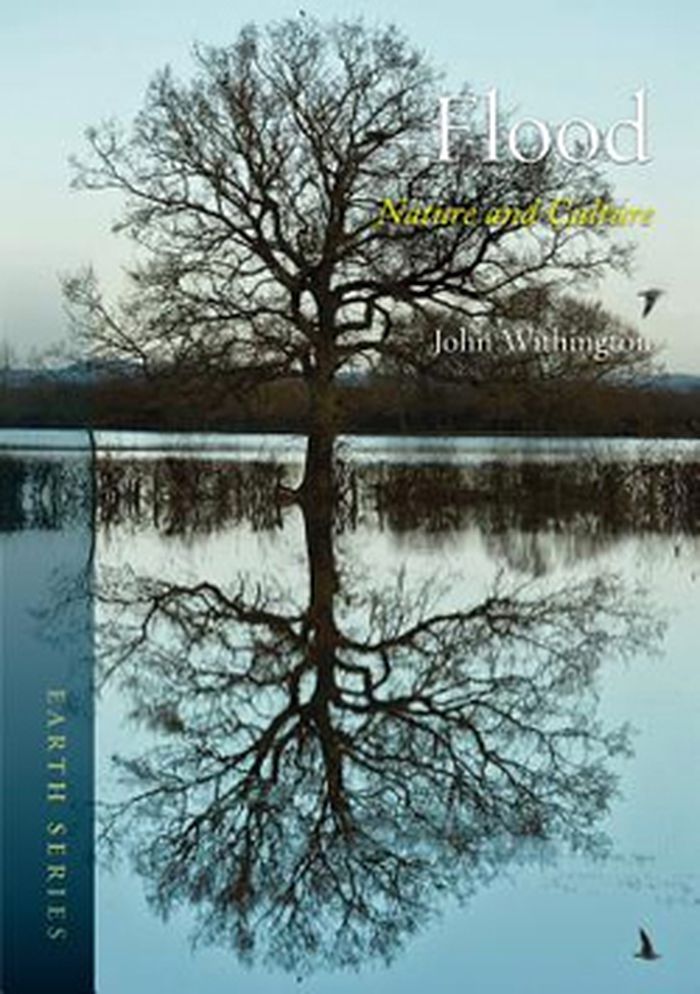
Titre:
Flood : nature and culture
Flood : nature and culture
Actions:
Prix:
$27.95
(disponible sur commande)
Résumé:
Withington describes how aspects of floods—the power of nature, human drama, changed landscapes—have fascinated artists, novelists, and filmmakers. He examines the ancient, catastrophic flood that appears in many religions and cultures and considers how the symbol of the flood has become a key icon in world literatures and a component of the contemporary disaster movie.
$27.95
(disponible sur commande)
Résumé:
Withington describes how aspects of floods—the power of nature, human drama, changed landscapes—have fascinated artists, novelists, and filmmakers. He examines the ancient, catastrophic flood that appears in many religions and cultures and considers how the symbol of the flood has become a key icon in world literatures and a component of the contemporary disaster movie.
Titre:
Flood : nature and culture
Actions:
Prix:
$27.95
(disponible sur commande)
Résumé:
Withington describes how aspects of floods—the power of nature, human drama, changed landscapes—have fascinated artists, novelists, and filmmakers. He examines the ancient, catastrophic flood that appears in many religions and cultures and considers how the symbol of the flood has become a key icon in world literatures and a component of the contemporary disaster movie.
Flood : nature and culture
Actions:
Prix:
$27.95
(disponible sur commande)
Résumé:
Withington describes how aspects of floods—the power of nature, human drama, changed landscapes—have fascinated artists, novelists, and filmmakers. He examines the ancient, catastrophic flood that appears in many religions and cultures and considers how the symbol of the flood has become a key icon in world literatures and a component of the contemporary disaster movie.
Classification:
livres
livres
Publication:
novembre 2013
novembre 2013
Sujet:
Théorie du paysage
Théorie du paysage


