


223 Résultats
Classification:
livres
livres
Actions:
Prix:
$40.00
(disponible sur commande)
Résumé:
An unprecedented event in architecture history, the Case Study Houses program gave America new models for residential living. This comprehensive account of the project presents each of the 36 prototype homes through floor plans, sketches, and photographs, and explores how architects like Richard Neutra, Charles and Ray Eames, and Eero Saarinen redefined the Los Angeles(...)
$40.00
(disponible sur commande)
Résumé:
An unprecedented event in architecture history, the Case Study Houses program gave America new models for residential living. This comprehensive account of the project presents each of the 36 prototype homes through floor plans, sketches, and photographs, and explores how architects like Richard Neutra, Charles and Ray Eames, and Eero Saarinen redefined the Los Angeles(...)
Sujet:
Modernisme
Modernisme
Publication:
septembre 2021
septembre 2021
Titre:
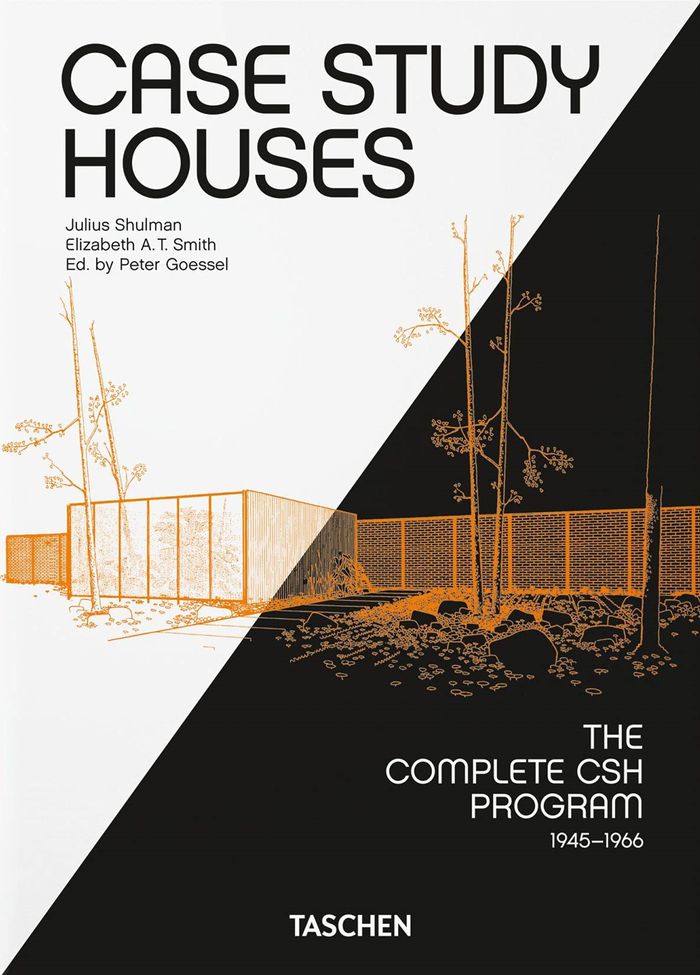
Case study houses: the complete CSH program 1945-1966. 40th edition
Actions:
Prix:
$40.00
(disponible sur commande)
Résumé:
An unprecedented event in architecture history, the Case Study Houses program gave America new models for residential living. This comprehensive account of the project presents each of the 36 prototype homes through floor plans, sketches, and photographs, and explores how architects like Richard Neutra, Charles and Ray Eames, and Eero Saarinen redefined the Los Angeles landscape and the modern home.
Case study houses: the complete CSH program 1945-1966. 40th edition
Actions:
Prix:
$40.00
(disponible sur commande)
Résumé:
An unprecedented event in architecture history, the Case Study Houses program gave America new models for residential living. This comprehensive account of the project presents each of the 36 prototype homes through floor plans, sketches, and photographs, and explores how architects like Richard Neutra, Charles and Ray Eames, and Eero Saarinen redefined the Los Angeles landscape and the modern home.
Classification:
livres
livres
Publication:
septembre 2021
septembre 2021
Sujet:
Modernisme
Modernisme
Classification:
livres
livres

Actions:
Prix:
$47.95
(disponible sur commande)
Résumé:
This volume is the first comparative parallel study of Soviet architecture and planning to create a narrative arc across a vast geography. The narrative binds together three critical industrial-residential projects in Baku, Magnitogorsk, and Kharkiv, built during the first fifteen years of the Soviet project and followed attentively worldwide after the collapse of(...)
$47.95
(disponible sur commande)
Résumé:
This volume is the first comparative parallel study of Soviet architecture and planning to create a narrative arc across a vast geography. The narrative binds together three critical industrial-residential projects in Baku, Magnitogorsk, and Kharkiv, built during the first fifteen years of the Soviet project and followed attentively worldwide after the collapse of(...)
Titre:
Spatial Revolution: Architecture and planning in the early Soviet Union
Actions:
Prix:
$47.95
(disponible sur commande)
Résumé:
This volume is the first comparative parallel study of Soviet architecture and planning to create a narrative arc across a vast geography. The narrative binds together three critical industrial-residential projects in Baku, Magnitogorsk, and Kharkiv, built during the first fifteen years of the Soviet project and followed attentively worldwide after the collapse of capitalist markets in 1929. The book answers important questions of how the first Soviet industrialization drive was a catalyst for construction of thousands of new enterprises on remote sites across the Eurasian continent, an effort that spread to far-flung sites in other socialist states—and capitalist welfare states—for decades to follow.
Spatial Revolution: Architecture and planning in the early Soviet Union
Actions:
Prix:
$47.95
(disponible sur commande)
Résumé:
This volume is the first comparative parallel study of Soviet architecture and planning to create a narrative arc across a vast geography. The narrative binds together three critical industrial-residential projects in Baku, Magnitogorsk, and Kharkiv, built during the first fifteen years of the Soviet project and followed attentively worldwide after the collapse of capitalist markets in 1929. The book answers important questions of how the first Soviet industrialization drive was a catalyst for construction of thousands of new enterprises on remote sites across the Eurasian continent, an effort that spread to far-flung sites in other socialist states—and capitalist welfare states—for decades to follow.
Classification:
livres
livres
Publication:
février 2022
février 2022
Sujet:
Modernisme
Modernisme
Classification:
livres
livres
Prix:
$40.00
(disponible en magasin)
Résumé:
Golconde is an astonishing architectural accomplishment. With technical finesse and extraordinary craft, it offers a living testament to the original modernist credo – architecture as the manifest union of technology, aesthetics, and social reform. Here exists an undiluted view of a wholly triumphant tropical Modernism, built during the tumultuous years of the second world war.
$40.00
(disponible en magasin)
Résumé:
Golconde is an astonishing architectural accomplishment. With technical finesse and extraordinary craft, it offers a living testament to the original modernist credo – architecture as the manifest union of technology, aesthetics, and social reform. Here exists an undiluted view of a wholly triumphant tropical Modernism, built during the tumultuous years of the second world war.
Titre:
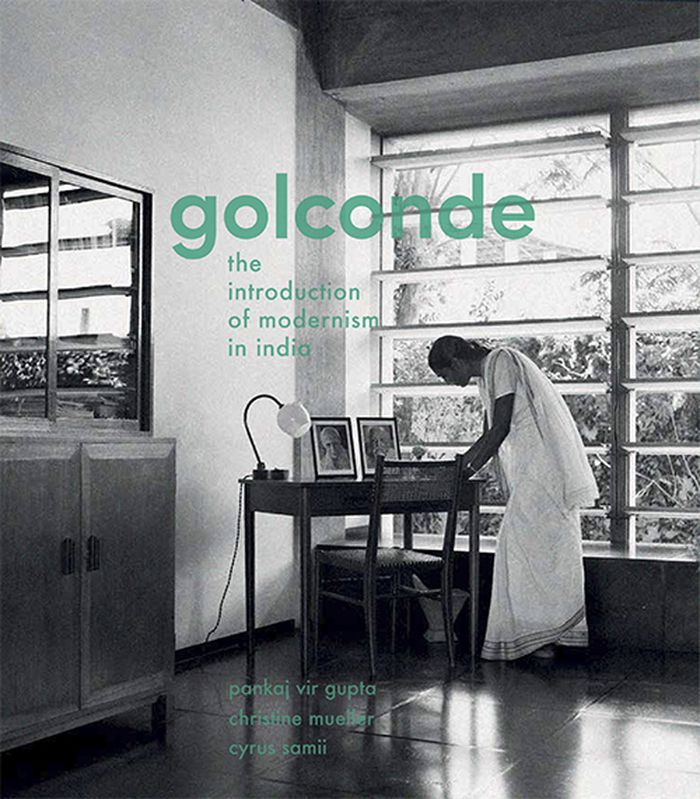
Golconde: the introduction of modernism in India. 2nd edition
Actions:
Prix:
$40.00
(disponible en magasin)
Résumé:
Golconde is an astonishing architectural accomplishment. With technical finesse and extraordinary craft, it offers a living testament to the original modernist credo – architecture as the manifest union of technology, aesthetics, and social reform. Here exists an undiluted view of a wholly triumphant tropical Modernism, built during the tumultuous years of the second world war.
Golconde: the introduction of modernism in India. 2nd edition
Actions:
Prix:
$40.00
(disponible en magasin)
Résumé:
Golconde is an astonishing architectural accomplishment. With technical finesse and extraordinary craft, it offers a living testament to the original modernist credo – architecture as the manifest union of technology, aesthetics, and social reform. Here exists an undiluted view of a wholly triumphant tropical Modernism, built during the tumultuous years of the second world war.
Classification:
livres
livres
Publication:
janvier 2022
janvier 2022
Sujet:
Modernisme
Modernisme
Classification:
livres
livres
Actions:
Prix:
$88.00
(disponible sur commande)
Résumé:
South Asia holds a unique place among the many regions of the world where modern architecture was understood as both a tool for social progress and a global lingua franca in the second half of the 20th century. Following the end of British rule in 1947-48, architects in the newly formed nations of India, Pakistan, Bangladesh (East Pakistan until 1971) and Ceylon (now Sri(...)
$88.00
(disponible sur commande)
Résumé:
South Asia holds a unique place among the many regions of the world where modern architecture was understood as both a tool for social progress and a global lingua franca in the second half of the 20th century. Following the end of British rule in 1947-48, architects in the newly formed nations of India, Pakistan, Bangladesh (East Pakistan until 1971) and Ceylon (now Sri(...)
Titre:
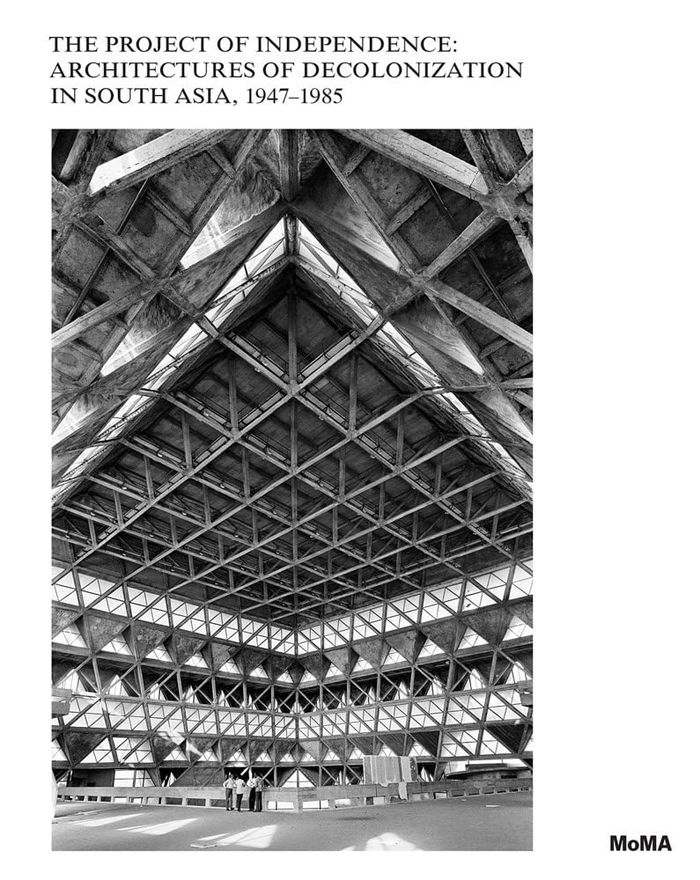
The project of independence: Architectures of decolonization in South Asia, 1947-1985
Actions:
Prix:
$88.00
(disponible sur commande)
Résumé:
South Asia holds a unique place among the many regions of the world where modern architecture was understood as both a tool for social progress and a global lingua franca in the second half of the 20th century. Following the end of British rule in 1947-48, architects in the newly formed nations of India, Pakistan, Bangladesh (East Pakistan until 1971) and Ceylon (now Sri Lanka) proposed a novel understanding of modernity, disrupting the colonial hierarchy of center and periphery by challenging modernism's universalist claims. Architecture offered multiple ways to break with the colonial past. Through the establishment of institutions that embodied the societal aspirations of the period, and the creation of new cities and spaces for political representation, South Asian architects produced a distinct body of work in dialogue with global developments while advancing the theory and practice of low-cost, climatically and socially responsive design.
The project of independence: Architectures of decolonization in South Asia, 1947-1985
Actions:
Prix:
$88.00
(disponible sur commande)
Résumé:
South Asia holds a unique place among the many regions of the world where modern architecture was understood as both a tool for social progress and a global lingua franca in the second half of the 20th century. Following the end of British rule in 1947-48, architects in the newly formed nations of India, Pakistan, Bangladesh (East Pakistan until 1971) and Ceylon (now Sri Lanka) proposed a novel understanding of modernity, disrupting the colonial hierarchy of center and periphery by challenging modernism's universalist claims. Architecture offered multiple ways to break with the colonial past. Through the establishment of institutions that embodied the societal aspirations of the period, and the creation of new cities and spaces for political representation, South Asian architects produced a distinct body of work in dialogue with global developments while advancing the theory and practice of low-cost, climatically and socially responsive design.
Classification:
livres
livres
Publication:
mars 2022
mars 2022
Sujet:
Modernisme
Modernisme
Classification:
livres
livres
Prix:
$73.95
(disponible sur commande)
Résumé:
This volume looks at a unique period of synergy and exchange in the postwar United States, when sculpture profoundly shaped architecture, and vice versa. Leading architects such as Gordon Bunshaft and Eero Saarinen turned to sculptors including Harry Bertoia, Alexander Calder, Richard Lippold, and Isamu Noguchi to produce site-determined, large-scale sculptures tailored(...)
$73.95
(disponible sur commande)
Résumé:
This volume looks at a unique period of synergy and exchange in the postwar United States, when sculpture profoundly shaped architecture, and vice versa. Leading architects such as Gordon Bunshaft and Eero Saarinen turned to sculptors including Harry Bertoia, Alexander Calder, Richard Lippold, and Isamu Noguchi to produce site-determined, large-scale sculptures tailored(...)
Titre:
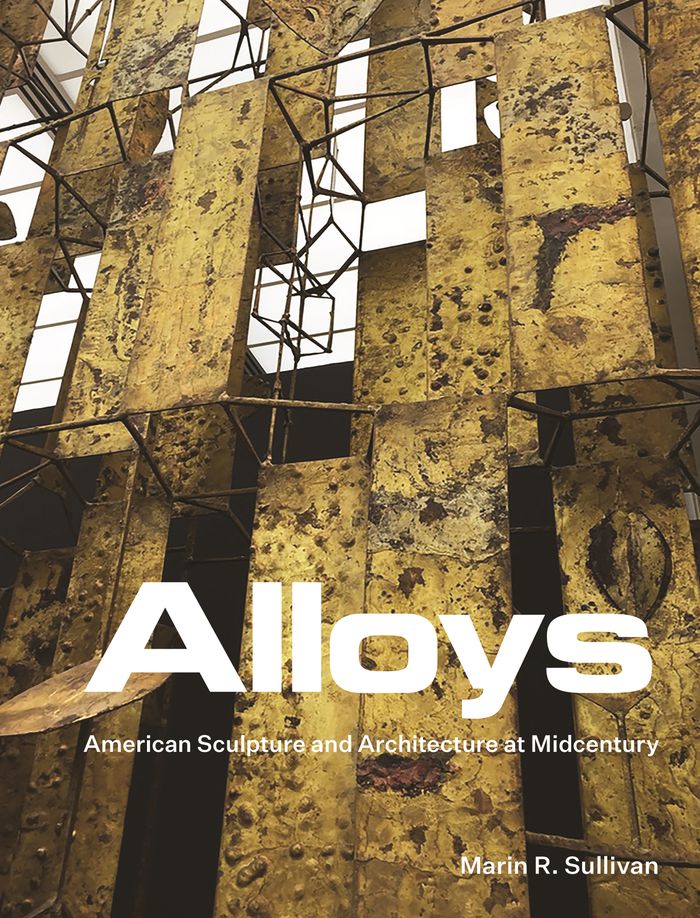
Alloys: American sculpture and architecture at midcentury
Actions:
Prix:
$73.95
(disponible sur commande)
Résumé:
This volume looks at a unique period of synergy and exchange in the postwar United States, when sculpture profoundly shaped architecture, and vice versa. Leading architects such as Gordon Bunshaft and Eero Saarinen turned to sculptors including Harry Bertoia, Alexander Calder, Richard Lippold, and Isamu Noguchi to produce site-determined, large-scale sculptures tailored for their buildings’ highly visible and well-traversed threshold spaces. The parameters of these spaces—atriums, lobbies, plazas, and entryways—led to various designs like sculptural walls, ceilings, and screens that not only embraced new industrial materials and processes, but also demonstrated art’s ability to merge with lived architectural spaces. Marin Sullivan argues that these sculptural commissions represent an alternate history of midcentury American art.
Alloys: American sculpture and architecture at midcentury
Actions:
Prix:
$73.95
(disponible sur commande)
Résumé:
This volume looks at a unique period of synergy and exchange in the postwar United States, when sculpture profoundly shaped architecture, and vice versa. Leading architects such as Gordon Bunshaft and Eero Saarinen turned to sculptors including Harry Bertoia, Alexander Calder, Richard Lippold, and Isamu Noguchi to produce site-determined, large-scale sculptures tailored for their buildings’ highly visible and well-traversed threshold spaces. The parameters of these spaces—atriums, lobbies, plazas, and entryways—led to various designs like sculptural walls, ceilings, and screens that not only embraced new industrial materials and processes, but also demonstrated art’s ability to merge with lived architectural spaces. Marin Sullivan argues that these sculptural commissions represent an alternate history of midcentury American art.
Classification:
livres
livres
Publication:
avril 2022
avril 2022
Sujet:
Modernisme
Modernisme
Classification:
livres
livres
Titre:
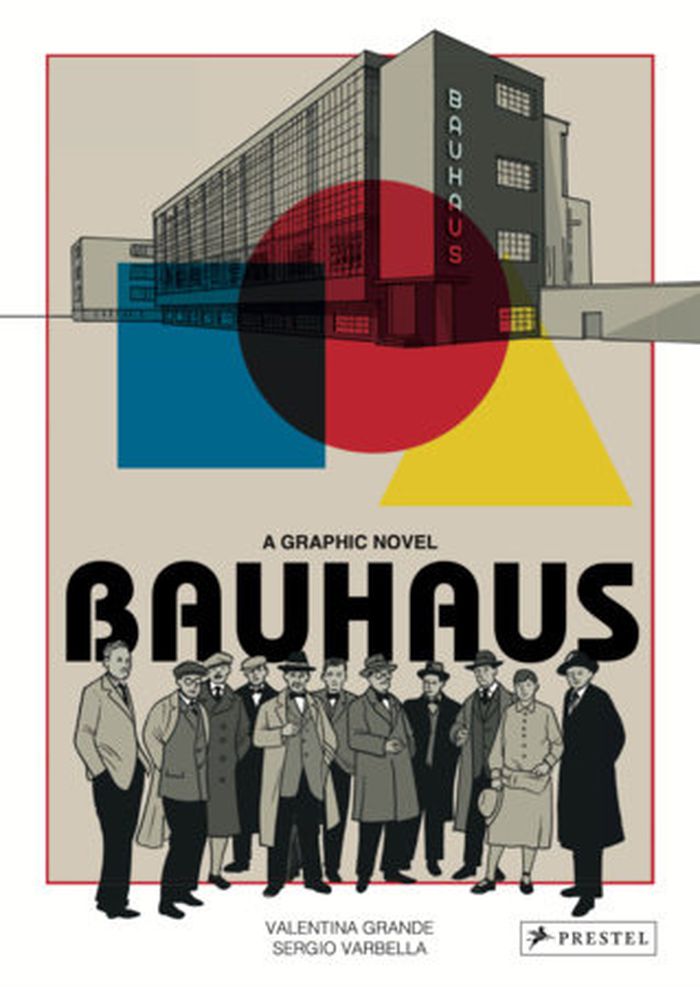
Bauhaus: a graphic novel
Bauhaus: a graphic novel
Actions:
Prix:
$33.95
(disponible sur commande)
Résumé:
The main character of this extraordinary graphic novel is not a person but an idea—the school of Bauhaus, which arose in the wake of World War I, and emerged as the fundamental reference point for virtually every avant-garde artistic movement that followed. Visually arresting illustrations and engaging texts place the novel’s protagonist squarely in the middle of the(...)
$33.95
(disponible sur commande)
Résumé:
The main character of this extraordinary graphic novel is not a person but an idea—the school of Bauhaus, which arose in the wake of World War I, and emerged as the fundamental reference point for virtually every avant-garde artistic movement that followed. Visually arresting illustrations and engaging texts place the novel’s protagonist squarely in the middle of the(...)
Titre:
Bauhaus: a graphic novel
Actions:
Prix:
$33.95
(disponible sur commande)
Résumé:
The main character of this extraordinary graphic novel is not a person but an idea—the school of Bauhaus, which arose in the wake of World War I, and emerged as the fundamental reference point for virtually every avant-garde artistic movement that followed. Visually arresting illustrations and engaging texts place the novel’s protagonist squarely in the middle of the twentieth-century debate on the relationship between technology and culture.
Bauhaus: a graphic novel
Actions:
Prix:
$33.95
(disponible sur commande)
Résumé:
The main character of this extraordinary graphic novel is not a person but an idea—the school of Bauhaus, which arose in the wake of World War I, and emerged as the fundamental reference point for virtually every avant-garde artistic movement that followed. Visually arresting illustrations and engaging texts place the novel’s protagonist squarely in the middle of the twentieth-century debate on the relationship between technology and culture.
Classification:
livres
livres
Publication:
mai 2022
mai 2022
Sujet:
Modernisme
Modernisme
Classification:
livres
livres
Actions:
Prix:
$66.95
(disponible sur commande)
Résumé:
Le présent ouvrage, qui a pour objet central l’étude du Plan général de reconstruction de Moscou de 1935, propose de nuancer l’histoire urbaine soviétique écrite à travers l’unique prisme de la verticalité du pouvoir. Il met en évidence les nombreuses permanences, matérielles, idéelles et humaines, ainsi que les approches pragmatiques du projet de la part des décideurs,(...)
$66.95
(disponible sur commande)
Résumé:
Le présent ouvrage, qui a pour objet central l’étude du Plan général de reconstruction de Moscou de 1935, propose de nuancer l’histoire urbaine soviétique écrite à travers l’unique prisme de la verticalité du pouvoir. Il met en évidence les nombreuses permanences, matérielles, idéelles et humaines, ainsi que les approches pragmatiques du projet de la part des décideurs,(...)
Titre:
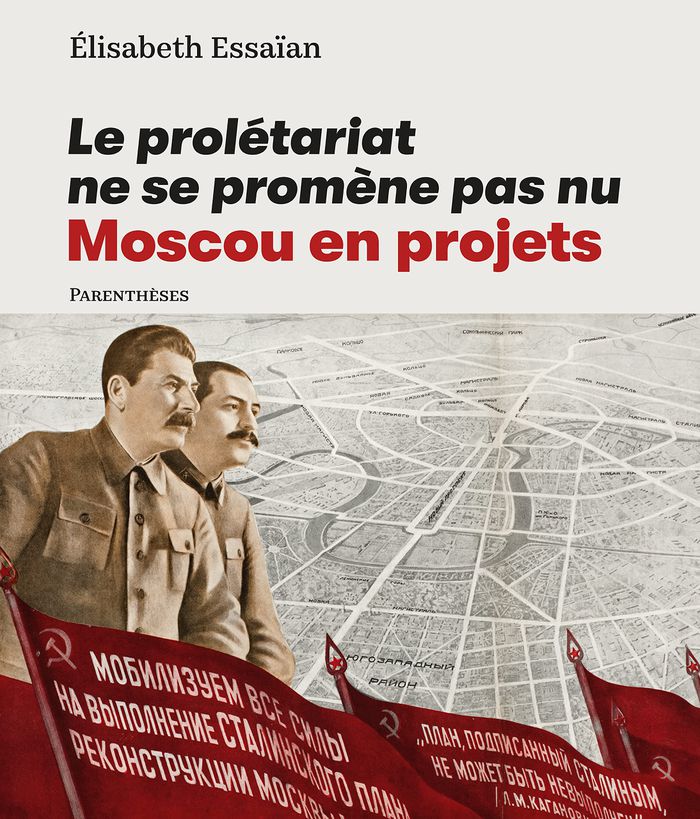
Le prolétariat ne se promène pas nu
Actions:
Prix:
$66.95
(disponible sur commande)
Résumé:
Le présent ouvrage, qui a pour objet central l’étude du Plan général de reconstruction de Moscou de 1935, propose de nuancer l’histoire urbaine soviétique écrite à travers l’unique prisme de la verticalité du pouvoir. Il met en évidence les nombreuses permanences, matérielles, idéelles et humaines, ainsi que les approches pragmatiques du projet de la part des décideurs, en premier lieu Staline et Kaganovitch. Servie par une riche iconographie, cette analyse, au-delà du cas moscovite, met en lumière comment les architectes et les urbanistes se positionnent, créent et innovent, dans et malgré un contexte de contrôle absolu.
Le prolétariat ne se promène pas nu
Actions:
Prix:
$66.95
(disponible sur commande)
Résumé:
Le présent ouvrage, qui a pour objet central l’étude du Plan général de reconstruction de Moscou de 1935, propose de nuancer l’histoire urbaine soviétique écrite à travers l’unique prisme de la verticalité du pouvoir. Il met en évidence les nombreuses permanences, matérielles, idéelles et humaines, ainsi que les approches pragmatiques du projet de la part des décideurs, en premier lieu Staline et Kaganovitch. Servie par une riche iconographie, cette analyse, au-delà du cas moscovite, met en lumière comment les architectes et les urbanistes se positionnent, créent et innovent, dans et malgré un contexte de contrôle absolu.
Classification:
livres
livres
Publication:
avril 2022
avril 2022
Sujet:
Modernisme
Modernisme
Classification:
livres
livres
Titre:
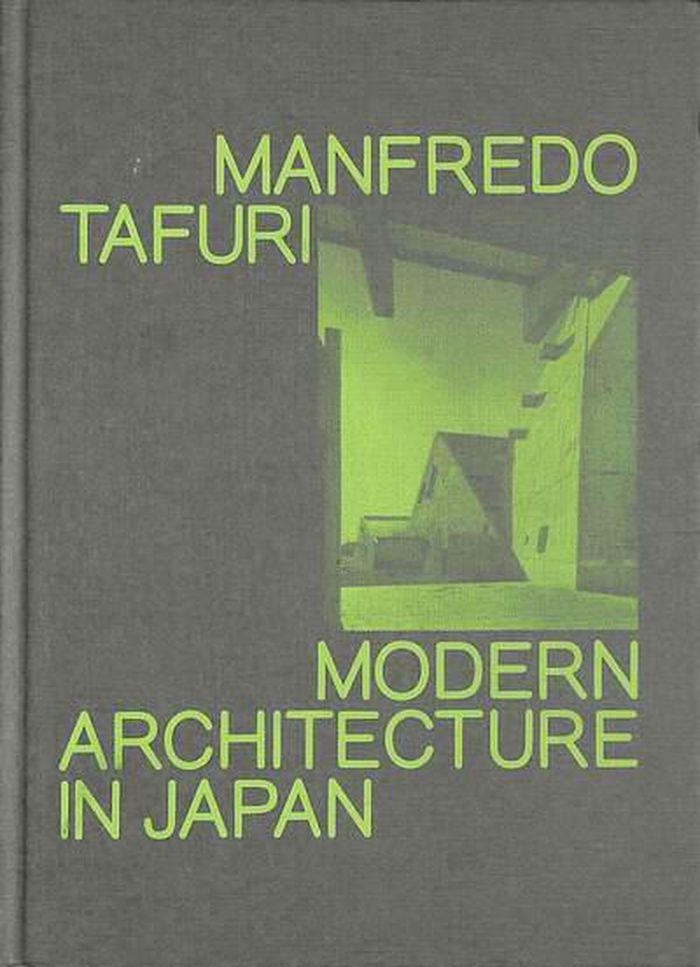
Modern architecture in Japan
Modern architecture in Japan
Actions:
Prix:
$40.00
(disponible sur commande)
Résumé:
Manfredo Tafuri (1935–1994), the celebrated Italian architectural historian, published "L’architettura moderna" in Giappone in 1964. At the time, Tafuri was twenty-nine years old and had not visited Japan. Here, translated into English for the first time, the book presents a rare outsider’s view of the Metabolist movement and figures such as Kenzo Tange by one of the most(...)
$40.00
(disponible sur commande)
Résumé:
Manfredo Tafuri (1935–1994), the celebrated Italian architectural historian, published "L’architettura moderna" in Giappone in 1964. At the time, Tafuri was twenty-nine years old and had not visited Japan. Here, translated into English for the first time, the book presents a rare outsider’s view of the Metabolist movement and figures such as Kenzo Tange by one of the most(...)
Titre:
Modern architecture in Japan
Actions:
Prix:
$40.00
(disponible sur commande)
Résumé:
Manfredo Tafuri (1935–1994), the celebrated Italian architectural historian, published "L’architettura moderna" in Giappone in 1964. At the time, Tafuri was twenty-nine years old and had not visited Japan. Here, translated into English for the first time, the book presents a rare outsider’s view of the Metabolist movement and figures such as Kenzo Tange by one of the most astute critics of the second part of the twentieth century. Tafuri’s ideas about Japanese architecture were primarily formed through texts, including magazine articles and contemporary photographs. How did Tafuri come to select the achievements of Japanese architects as the focus of his reflections on modern architecture? What happens when a historian of architecture relies purely on photographs for making judgments about a building? Edited and introduced by Mohsen Mostafavi, this volume reflects on these questions, and more, and includes a rich collection of images.
Modern architecture in Japan
Actions:
Prix:
$40.00
(disponible sur commande)
Résumé:
Manfredo Tafuri (1935–1994), the celebrated Italian architectural historian, published "L’architettura moderna" in Giappone in 1964. At the time, Tafuri was twenty-nine years old and had not visited Japan. Here, translated into English for the first time, the book presents a rare outsider’s view of the Metabolist movement and figures such as Kenzo Tange by one of the most astute critics of the second part of the twentieth century. Tafuri’s ideas about Japanese architecture were primarily formed through texts, including magazine articles and contemporary photographs. How did Tafuri come to select the achievements of Japanese architects as the focus of his reflections on modern architecture? What happens when a historian of architecture relies purely on photographs for making judgments about a building? Edited and introduced by Mohsen Mostafavi, this volume reflects on these questions, and more, and includes a rich collection of images.
Classification:
livres
livres
Publication:
septembre 2022
septembre 2022
Sujet:
Modernisme
Modernisme
Classification:
livres
livres
Actions:
Prix:
$42.95
(disponible sur commande)
Résumé:
In the early years of the Cold War, the skyline of Moscow was forever transformed by a citywide skyscraper building project. As the steel girders of the monumental towers went up, the centuries-old metropolis was reinvented to embody the greatness of Stalinist society. This volume explores how the quintessential architectural works of the late Stalin era fundamentally(...)
$42.95
(disponible sur commande)
Résumé:
In the early years of the Cold War, the skyline of Moscow was forever transformed by a citywide skyscraper building project. As the steel girders of the monumental towers went up, the centuries-old metropolis was reinvented to embody the greatness of Stalinist society. This volume explores how the quintessential architectural works of the late Stalin era fundamentally(...)
Titre:
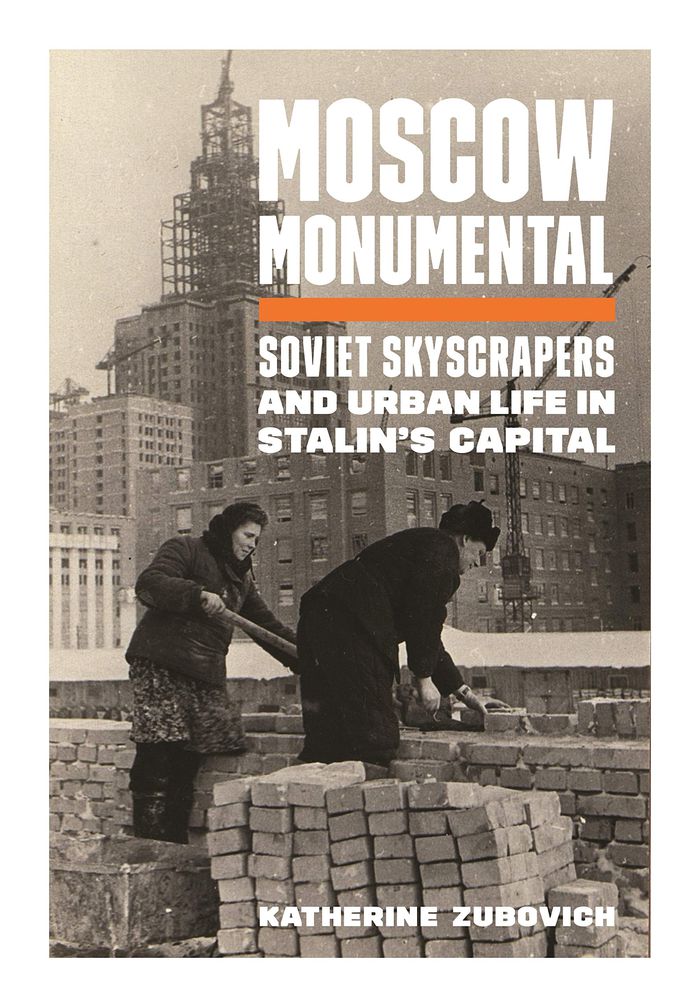
Moscow monumental: Soviet skyscrapers and urban life in stalin's capital
Actions:
Prix:
$42.95
(disponible sur commande)
Résumé:
In the early years of the Cold War, the skyline of Moscow was forever transformed by a citywide skyscraper building project. As the steel girders of the monumental towers went up, the centuries-old metropolis was reinvented to embody the greatness of Stalinist society. This volume explores how the quintessential architectural works of the late Stalin era fundamentally reshaped daily life in the Soviet capital. It tells a story that is both local and broadly transnational, taking readers from the streets of interwar Moscow and New York to the marble-clad halls of the bombastic postwar structures that continue to define the Russian capital today.
Moscow monumental: Soviet skyscrapers and urban life in stalin's capital
Actions:
Prix:
$42.95
(disponible sur commande)
Résumé:
In the early years of the Cold War, the skyline of Moscow was forever transformed by a citywide skyscraper building project. As the steel girders of the monumental towers went up, the centuries-old metropolis was reinvented to embody the greatness of Stalinist society. This volume explores how the quintessential architectural works of the late Stalin era fundamentally reshaped daily life in the Soviet capital. It tells a story that is both local and broadly transnational, taking readers from the streets of interwar Moscow and New York to the marble-clad halls of the bombastic postwar structures that continue to define the Russian capital today.
Classification:
livres
livres
Publication:
janvier 2023
janvier 2023
Sujet:
Modernisme
Modernisme
Classification:
livres
livres
Titre:
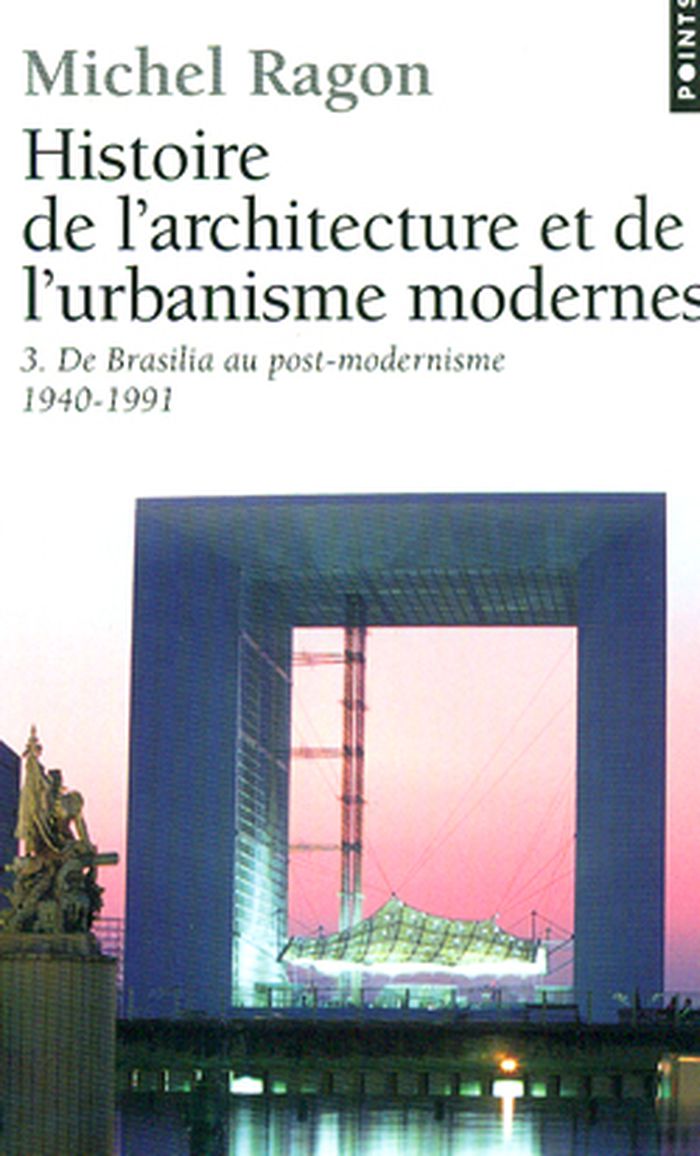
Histoire de l'architecture et de l'urbanisme modernes: 3. De Brasilia au post-modernisme 1940-1991
Histoire de l'architecture et de l'urbanisme modernes: 3. De Brasilia au post-modernisme 1940-1991
Actions:
Prix:
$20.95
(disponible en magasin)
Résumé:
Cette publication montre et explique l'habitat humain dans ses réalisations et ses projets, de l'aube des temps contemporains jusqu'à nos jours. Une irremplaçable synthèse illustrée, comprenant une chronologie générale, une bibliographie et un index des noms cités.
$20.95
(disponible en magasin)
Résumé:
Cette publication montre et explique l'habitat humain dans ses réalisations et ses projets, de l'aube des temps contemporains jusqu'à nos jours. Une irremplaçable synthèse illustrée, comprenant une chronologie générale, une bibliographie et un index des noms cités.
Titre:
Histoire de l'architecture et de l'urbanisme modernes: 3. De Brasilia au post-modernisme 1940-1991
Actions:
Prix:
$20.95
(disponible en magasin)
Résumé:
Cette publication montre et explique l'habitat humain dans ses réalisations et ses projets, de l'aube des temps contemporains jusqu'à nos jours. Une irremplaçable synthèse illustrée, comprenant une chronologie générale, une bibliographie et un index des noms cités.
Histoire de l'architecture et de l'urbanisme modernes: 3. De Brasilia au post-modernisme 1940-1991
Actions:
Prix:
$20.95
(disponible en magasin)
Résumé:
Cette publication montre et explique l'habitat humain dans ses réalisations et ses projets, de l'aube des temps contemporains jusqu'à nos jours. Une irremplaçable synthèse illustrée, comprenant une chronologie générale, une bibliographie et un index des noms cités.
Classification:
livres
livres
Publication:
septembre 2010
septembre 2010
Sujet:
Modernisme
Modernisme


