


265 Résultats
Classification:
livres
livres
Actions:
Prix:
$27.95
(disponible en magasin)
Résumé:
Le musée occidental est un champ de bataille - idéologique, politique et économique. Si à peu près tout le monde veut aujourd'hui « repenser le musée », peu ont pourtant l'audace d'interroger les présupposés mêmes du musée universel, produit des Lumières et du colonialisme, d'une Europe qui se présente comme la gardienne du patrimoine de l'humanité tout entière. En(...)
$27.95
(disponible en magasin)
Résumé:
Le musée occidental est un champ de bataille - idéologique, politique et économique. Si à peu près tout le monde veut aujourd'hui « repenser le musée », peu ont pourtant l'audace d'interroger les présupposés mêmes du musée universel, produit des Lumières et du colonialisme, d'une Europe qui se présente comme la gardienne du patrimoine de l'humanité tout entière. En(...)
Titre:
Programme de désordre absolu : décoloniser le musée
Actions:
Prix:
$27.95
(disponible en magasin)
Résumé:
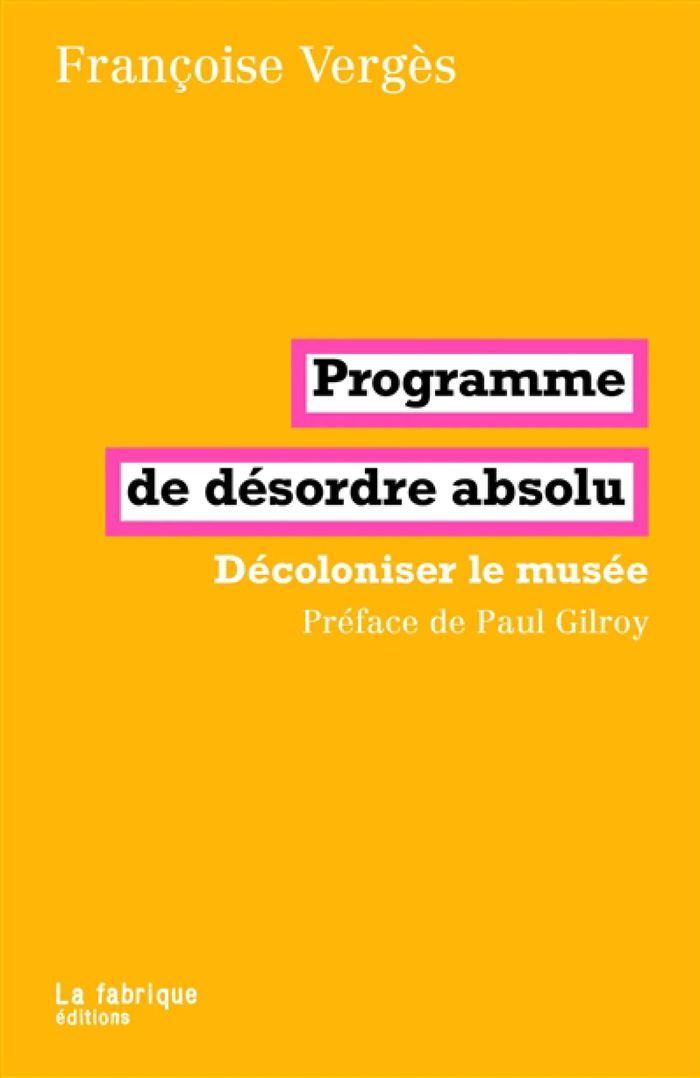
Le musée occidental est un champ de bataille - idéologique, politique et économique. Si à peu près tout le monde veut aujourd'hui « repenser le musée », peu ont pourtant l'audace d'interroger les présupposés mêmes du musée universel, produit des Lumières et du colonialisme, d'une Europe qui se présente comme la gardienne du patrimoine de l'humanité tout entière. En arpentant l'histoire du Louvre, en discutant les impasses de la représentation de l'esclavage, en examinant des tentatives inabouties de subvertir l'institution muséale, Françoise Vergès esquisse un horizon radical : décoloniser le musée, c'est mettre en oeuvre un « programme de désordre absolu », inventer d'autres manières d'appréhender le monde humain et non humain qui nourrissent la créativité collective et rendent justice et dignité aux populations qui en ont été dépossédées.
Programme de désordre absolu : décoloniser le musée
Actions:
Prix:
$27.95
(disponible en magasin)
Résumé:
Le musée occidental est un champ de bataille - idéologique, politique et économique. Si à peu près tout le monde veut aujourd'hui « repenser le musée », peu ont pourtant l'audace d'interroger les présupposés mêmes du musée universel, produit des Lumières et du colonialisme, d'une Europe qui se présente comme la gardienne du patrimoine de l'humanité tout entière. En arpentant l'histoire du Louvre, en discutant les impasses de la représentation de l'esclavage, en examinant des tentatives inabouties de subvertir l'institution muséale, Françoise Vergès esquisse un horizon radical : décoloniser le musée, c'est mettre en oeuvre un « programme de désordre absolu », inventer d'autres manières d'appréhender le monde humain et non humain qui nourrissent la créativité collective et rendent justice et dignité aux populations qui en ont été dépossédées.
Classification:
livres
livres
Publication:
août 2025
août 2025
Sujet:
Muséologie
Muséologie
Classification:
livres
livres
Actions:
Prix:
$70.00
(disponible sur commande)
Résumé:
In "Building a museum: This is not a manual," seasoned design professionals from the award-winning integrated design firm SmithGroup condense their decades of experience guiding numerous cultural institutions through successful projects, emphasizing best practices in organizing a capital project and offering suggestions to keep projects moving toward completion. "Building(...)
$70.00
(disponible sur commande)
Résumé:
In "Building a museum: This is not a manual," seasoned design professionals from the award-winning integrated design firm SmithGroup condense their decades of experience guiding numerous cultural institutions through successful projects, emphasizing best practices in organizing a capital project and offering suggestions to keep projects moving toward completion. "Building(...)
Titre:
Building a museum: This is not a manual
Actions:
Prix:
$70.00
(disponible sur commande)
Résumé:
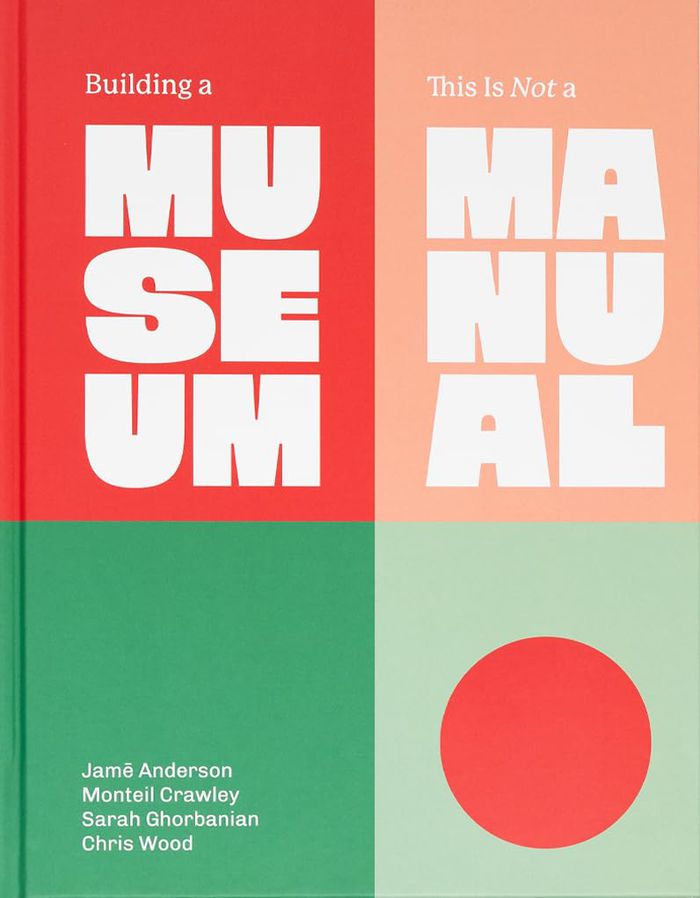
In "Building a museum: This is not a manual," seasoned design professionals from the award-winning integrated design firm SmithGroup condense their decades of experience guiding numerous cultural institutions through successful projects, emphasizing best practices in organizing a capital project and offering suggestions to keep projects moving toward completion. "Building a museum" is a user-friendly tool for museum leaders to easily understand every aspect of the building process and includes intuitive graphics and a handy glossary for common terms. It encourages readers to rethink the traditional approaches and embrace forward-thinking and collegial strategies that could revolutionize their projects. Collaboration and inclusivity in the process is encouraged, with an emphasis on the importance of building a strong network and leveraging professional connections.
Building a museum: This is not a manual
Actions:
Prix:
$70.00
(disponible sur commande)
Résumé:
In "Building a museum: This is not a manual," seasoned design professionals from the award-winning integrated design firm SmithGroup condense their decades of experience guiding numerous cultural institutions through successful projects, emphasizing best practices in organizing a capital project and offering suggestions to keep projects moving toward completion. "Building a museum" is a user-friendly tool for museum leaders to easily understand every aspect of the building process and includes intuitive graphics and a handy glossary for common terms. It encourages readers to rethink the traditional approaches and embrace forward-thinking and collegial strategies that could revolutionize their projects. Collaboration and inclusivity in the process is encouraged, with an emphasis on the importance of building a strong network and leveraging professional connections.
Classification:
livres
livres
Publication:
mai 2026
mai 2026
Sujet:
Muséologie
Muséologie
Classification:
livres
livres
Titre:
The Manifesta decade : debates on contemporary art exhibitions and biennials in post-wall Europe
The Manifesta decade : debates on contemporary art exhibitions and biennials in post-wall Europe
Actions:
Prix:
$43.95
(disponible sur commande)
Résumé:
Manifesta, the first itinerant European biennial for contemporary art, emerged in a post-wall, globalizing Europe. Founded in 1993, it organized traveling exhibitions aimed at providing a new framework for cultural exchange and collaboration between artists and curators from across the continent. "The Manifesta decade" marks Manifesta's ten years of exhibits with original(...)
$43.95
(disponible sur commande)
Résumé:
Manifesta, the first itinerant European biennial for contemporary art, emerged in a post-wall, globalizing Europe. Founded in 1993, it organized traveling exhibitions aimed at providing a new framework for cultural exchange and collaboration between artists and curators from across the continent. "The Manifesta decade" marks Manifesta's ten years of exhibits with original(...)
Sujet:
Muséologie
Muséologie
Publication:
septembre 2005, Cambridge, Mass.
septembre 2005, Cambridge, Mass.
Titre:
The Manifesta decade : debates on contemporary art exhibitions and biennials in post-wall Europe
Actions:
Prix:
$43.95
(disponible sur commande)
Résumé:
Manifesta, the first itinerant European biennial for contemporary art, emerged in a post-wall, globalizing Europe. Founded in 1993, it organized traveling exhibitions aimed at providing a new framework for cultural exchange and collaboration between artists and curators from across the continent. "The Manifesta decade" marks Manifesta's ten years of exhibits with original essays, unpublished images, and texts that not only document the different Manifesta exhibits but also examine the cultural, curatorial, and political terrain of the Europe from which they sprang. Including contributions from philosophers, historians, and anthropologists, interviews with architect Rem Koolhaas and historian Jacques Le Goff, and essays by such curators and writers as Okwui Enwezor, Boris Groys, Maria Hlavajova, and Hans Ulrich Obrist, the collection traces the cultural and political developments of Europe in the 1990s. It reflects the debates incited by exhibitions such as "Magiciens de la terre", Documenta, and "After the wall" and explores the changing roles of curators and artists in the new geo-political context. The issues discussed include the effect of communism's collapse on Eastern Europe, the role of biennials in the context of globalization, and the ephemerality of exhibitions versus the permanence of the museum. The book's second section traces the history of Manifesta, from its conceptual foundations and contributions to artistic practices of the 1990s to the relationship of a roving biennial to themes of multiculturalism, migration and diaspora. At a moment when biennials continue to proliferate worldwide, "The Manifesta decade" takes Manifesta as a case study to look critically at the landscape from which new exhibition paradigms have emerged. The book's 100 images, both color and black and white, include unpublished installation shots of each Manifesta exhibition.
The Manifesta decade : debates on contemporary art exhibitions and biennials in post-wall Europe
Actions:
Prix:
$43.95
(disponible sur commande)
Résumé:
Manifesta, the first itinerant European biennial for contemporary art, emerged in a post-wall, globalizing Europe. Founded in 1993, it organized traveling exhibitions aimed at providing a new framework for cultural exchange and collaboration between artists and curators from across the continent. "The Manifesta decade" marks Manifesta's ten years of exhibits with original essays, unpublished images, and texts that not only document the different Manifesta exhibits but also examine the cultural, curatorial, and political terrain of the Europe from which they sprang. Including contributions from philosophers, historians, and anthropologists, interviews with architect Rem Koolhaas and historian Jacques Le Goff, and essays by such curators and writers as Okwui Enwezor, Boris Groys, Maria Hlavajova, and Hans Ulrich Obrist, the collection traces the cultural and political developments of Europe in the 1990s. It reflects the debates incited by exhibitions such as "Magiciens de la terre", Documenta, and "After the wall" and explores the changing roles of curators and artists in the new geo-political context. The issues discussed include the effect of communism's collapse on Eastern Europe, the role of biennials in the context of globalization, and the ephemerality of exhibitions versus the permanence of the museum. The book's second section traces the history of Manifesta, from its conceptual foundations and contributions to artistic practices of the 1990s to the relationship of a roving biennial to themes of multiculturalism, migration and diaspora. At a moment when biennials continue to proliferate worldwide, "The Manifesta decade" takes Manifesta as a case study to look critically at the landscape from which new exhibition paradigms have emerged. The book's 100 images, both color and black and white, include unpublished installation shots of each Manifesta exhibition.
Classification:
livres
livres
Publication:
septembre 2005, Cambridge, Mass.
septembre 2005, Cambridge, Mass.
Sujet:
Muséologie
Muséologie
Classification:
livres
livres
Prix:
$62.00
(disponible sur commande)
Résumé:
Artificial intelligence is becoming an increasingly important topic in the cultural sector. While museums have long focused on building digital object databases, the existing data can now become a field of application for machine learning, deep learning and foundation model approaches. This goes hand in hand with new artistic practices, curation tools, visitor analytics,(...)
$62.00
(disponible sur commande)
Résumé:
Artificial intelligence is becoming an increasingly important topic in the cultural sector. While museums have long focused on building digital object databases, the existing data can now become a field of application for machine learning, deep learning and foundation model approaches. This goes hand in hand with new artistic practices, curation tools, visitor analytics,(...)
Titre:
AI in museums: Reflections, perspectives and applications
Actions:
Prix:
$62.00
(disponible sur commande)
Résumé:
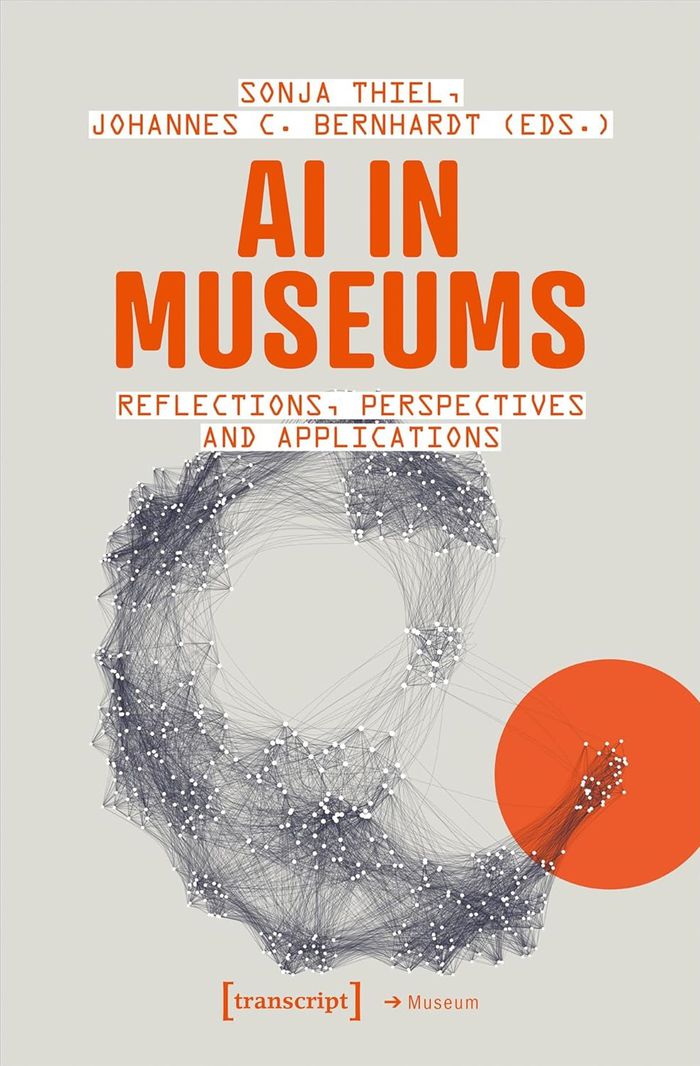
Artificial intelligence is becoming an increasingly important topic in the cultural sector. While museums have long focused on building digital object databases, the existing data can now become a field of application for machine learning, deep learning and foundation model approaches. This goes hand in hand with new artistic practices, curation tools, visitor analytics, chatbots, automatic translations and tailor-made text generation. With a decidedly interdisciplinary approach, the volume brings together a wide range of critical reflections, practical perspectives and concrete applications of artificial intelligence in museums, and provides an overview of the current state of the debate.
AI in museums: Reflections, perspectives and applications
Actions:
Prix:
$62.00
(disponible sur commande)
Résumé:
Artificial intelligence is becoming an increasingly important topic in the cultural sector. While museums have long focused on building digital object databases, the existing data can now become a field of application for machine learning, deep learning and foundation model approaches. This goes hand in hand with new artistic practices, curation tools, visitor analytics, chatbots, automatic translations and tailor-made text generation. With a decidedly interdisciplinary approach, the volume brings together a wide range of critical reflections, practical perspectives and concrete applications of artificial intelligence in museums, and provides an overview of the current state of the debate.
Classification:
livres
livres
Publication:
avril 2024
avril 2024
Sujet:
Muséologie
Muséologie
Classification:
livres
livres
Prix:
$46.99
(disponible en magasin)
Résumé:
''The Art Institution of Tomorrow'' is a unique manifesto for raising the standard of institutional practices across the world. It suggests that existing art institutions are not equipped to deal with the radical social, economic and environmental change we are living through and engage with advancement in the arts, and that unless they re-focus on their core purpose and(...)
$46.99
(disponible en magasin)
Résumé:
''The Art Institution of Tomorrow'' is a unique manifesto for raising the standard of institutional practices across the world. It suggests that existing art institutions are not equipped to deal with the radical social, economic and environmental change we are living through and engage with advancement in the arts, and that unless they re-focus on their core purpose and(...)
Titre:
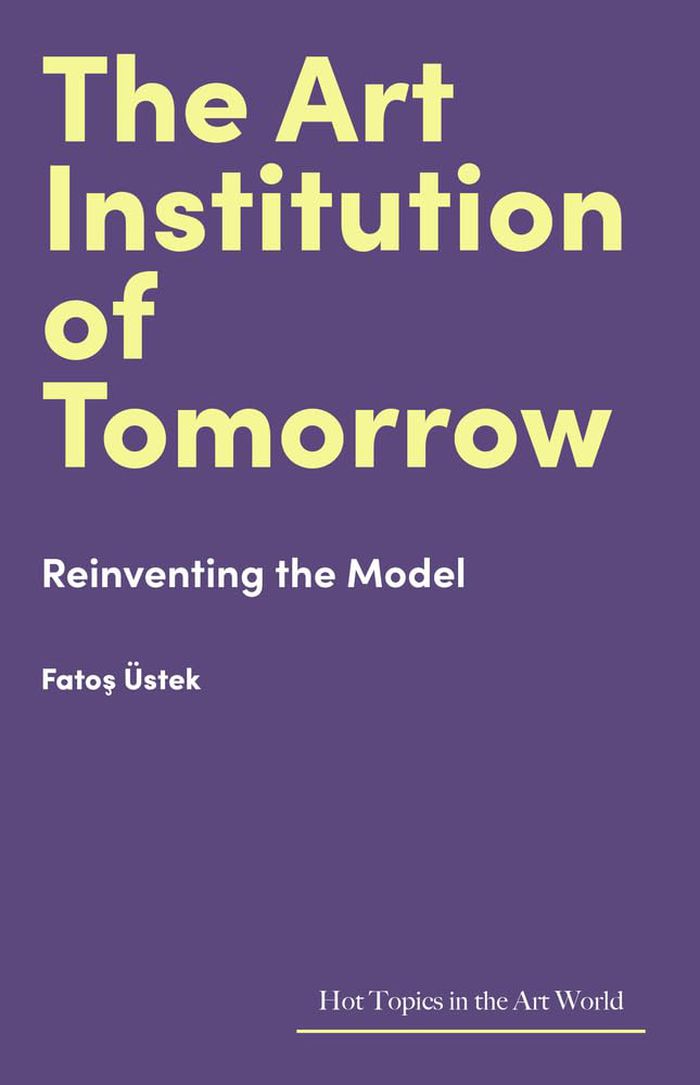
The art institution of tomorrow: Reinventing the model
Actions:
Prix:
$46.99
(disponible en magasin)
Résumé:
''The Art Institution of Tomorrow'' is a unique manifesto for raising the standard of institutional practices across the world. It suggests that existing art institutions are not equipped to deal with the radical social, economic and environmental change we are living through and engage with advancement in the arts, and that unless they re-focus on their core purpose and fundamentally transform their organisational structure and operational models, they will start to lose their relevance and influence.
The art institution of tomorrow: Reinventing the model
Actions:
Prix:
$46.99
(disponible en magasin)
Résumé:
''The Art Institution of Tomorrow'' is a unique manifesto for raising the standard of institutional practices across the world. It suggests that existing art institutions are not equipped to deal with the radical social, economic and environmental change we are living through and engage with advancement in the arts, and that unless they re-focus on their core purpose and fundamentally transform their organisational structure and operational models, they will start to lose their relevance and influence.
Classification:
livres
livres
Publication:
décembre 2024
décembre 2024
Sujet:
Muséologie
Muséologie
Classification:
livres
livres
Actions:
Prix:
$13.50
(disponible sur commande)
Résumé:
"1. The tropics is a state of mind. A different perception of space, time and geography that resists neoliberalism’s efficiency, overproduction, overconsumption, and over accumulation."
$13.50
(disponible sur commande)
Résumé:
"1. The tropics is a state of mind. A different perception of space, time and geography that resists neoliberalism’s efficiency, overproduction, overconsumption, and over accumulation."
Titre:
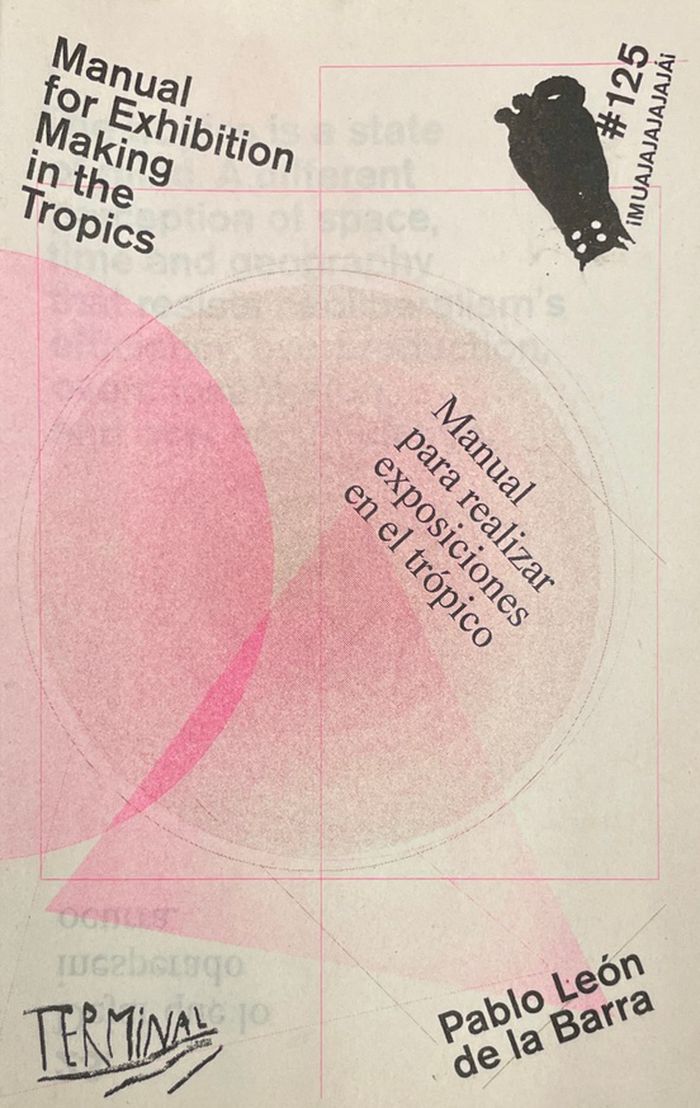
Manual for exhibition making in the Tropics #125
Actions:
Prix:
$13.50
(disponible sur commande)
Résumé:
"1. The tropics is a state of mind. A different perception of space, time and geography that resists neoliberalism’s efficiency, overproduction, overconsumption, and over accumulation."
Manual for exhibition making in the Tropics #125
Actions:
Prix:
$13.50
(disponible sur commande)
Résumé:
"1. The tropics is a state of mind. A different perception of space, time and geography that resists neoliberalism’s efficiency, overproduction, overconsumption, and over accumulation."
Classification:
livres
livres
Publication:
avril 2024
avril 2024
Sujet:
Muséologie
Muséologie
Classification:
livres
livres
Titre:
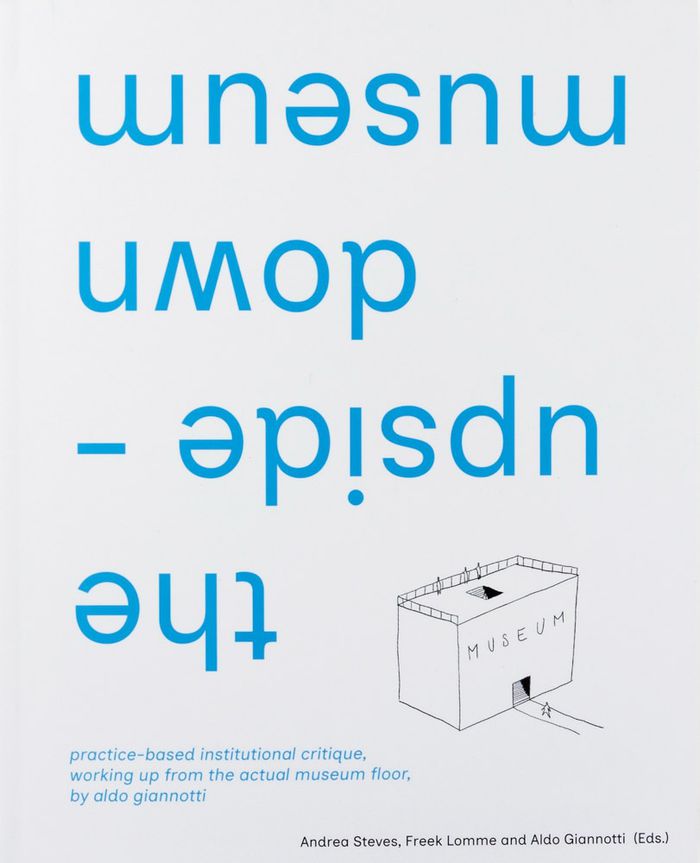
The upside-down museum: Practice-based institutional critique, working up frm the actual museum floo
The upside-down museum: Practice-based institutional critique, working up frm the actual museum floo
Actions:
Prix:
$40.00
(disponible en magasin)
Résumé:
Through onsite interventions, Giannotti challenges the existing order of public art institutions. Responding to the museum status quo, Aldo Giannotti's concepts and props reshape the institution’s social and spatial architecture. Through dialogue with staff, guards and visitors, Giannotti engages with the museum and its underlying purpose.
$40.00
(disponible en magasin)
Résumé:
Through onsite interventions, Giannotti challenges the existing order of public art institutions. Responding to the museum status quo, Aldo Giannotti's concepts and props reshape the institution’s social and spatial architecture. Through dialogue with staff, guards and visitors, Giannotti engages with the museum and its underlying purpose.
Titre:
The upside-down museum: Practice-based institutional critique, working up frm the actual museum floo
Actions:
Prix:
$40.00
(disponible en magasin)
Résumé:
Through onsite interventions, Giannotti challenges the existing order of public art institutions. Responding to the museum status quo, Aldo Giannotti's concepts and props reshape the institution’s social and spatial architecture. Through dialogue with staff, guards and visitors, Giannotti engages with the museum and its underlying purpose.
The upside-down museum: Practice-based institutional critique, working up frm the actual museum floo
Actions:
Prix:
$40.00
(disponible en magasin)
Résumé:
Through onsite interventions, Giannotti challenges the existing order of public art institutions. Responding to the museum status quo, Aldo Giannotti's concepts and props reshape the institution’s social and spatial architecture. Through dialogue with staff, guards and visitors, Giannotti engages with the museum and its underlying purpose.
Classification:
livres
livres
Publication:
juillet 2024
juillet 2024
Sujet:
Muséologie
Muséologie
Classification:
livres
livres
Actions:
Prix:
$36.95
(disponible en magasin)
Résumé:
In recent years, the intersection between ecological thought and contemporary art has sparked a generative reflection encompassing sustainability, conservation, and survivability. Confronted with the climate catastrophe, ecology questions the feasibility of conserving collapsing ecosystems as well as our imperative of survival, alongside other humans, and non-humans,(...)
$36.95
(disponible en magasin)
Résumé:
In recent years, the intersection between ecological thought and contemporary art has sparked a generative reflection encompassing sustainability, conservation, and survivability. Confronted with the climate catastrophe, ecology questions the feasibility of conserving collapsing ecosystems as well as our imperative of survival, alongside other humans, and non-humans,(...)
Titre:
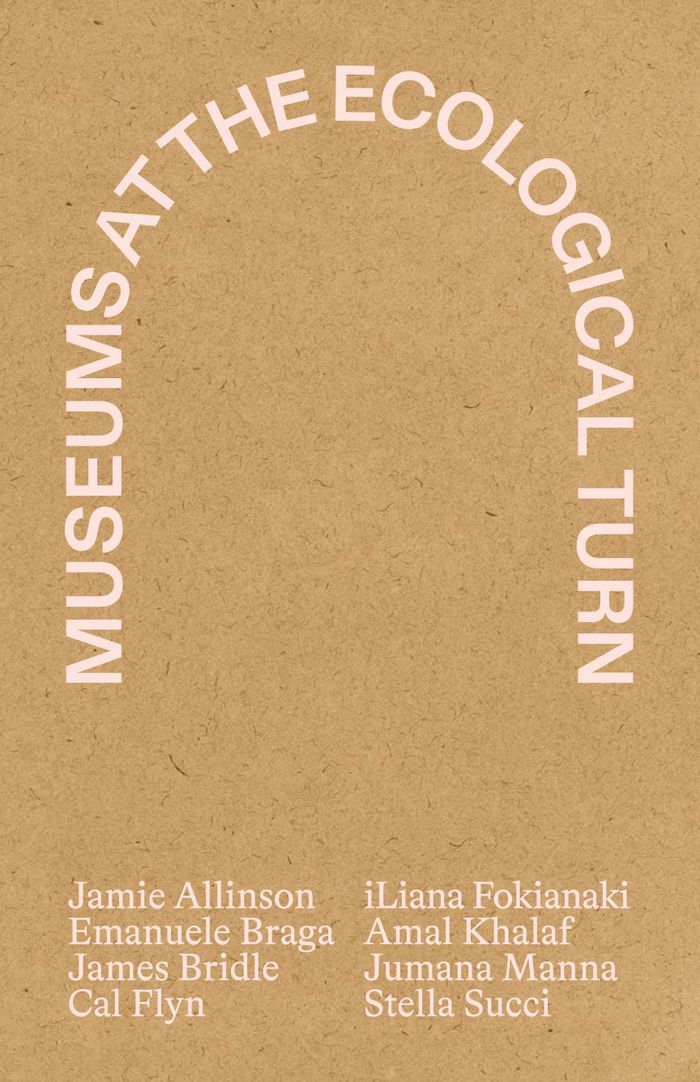
Museums at the ecological turn
Actions:
Prix:
$36.95
(disponible en magasin)
Résumé:
In recent years, the intersection between ecological thought and contemporary art has sparked a generative reflection encompassing sustainability, conservation, and survivability. Confronted with the climate catastrophe, ecology questions the feasibility of conserving collapsing ecosystems as well as our imperative of survival, alongside other humans, and non-humans, amidst the ruins of a world we have already irreversibly altered. In November 2023, the second edition of the Museo Ventuno conference, Museums at the Ecological Turn, curated for AMACI by Caterina Riva together with NERO, brought together voices and perspectives from inside and outside of the art institutions to intercept and amplify the debate around these issues. Reflecting on the role of museums and how they must embrace new forms of responsibility and awareness, this book gathers contributions from curators, philosophers and activists, artists and writers.
Museums at the ecological turn
Actions:
Prix:
$36.95
(disponible en magasin)
Résumé:
In recent years, the intersection between ecological thought and contemporary art has sparked a generative reflection encompassing sustainability, conservation, and survivability. Confronted with the climate catastrophe, ecology questions the feasibility of conserving collapsing ecosystems as well as our imperative of survival, alongside other humans, and non-humans, amidst the ruins of a world we have already irreversibly altered. In November 2023, the second edition of the Museo Ventuno conference, Museums at the Ecological Turn, curated for AMACI by Caterina Riva together with NERO, brought together voices and perspectives from inside and outside of the art institutions to intercept and amplify the debate around these issues. Reflecting on the role of museums and how they must embrace new forms of responsibility and awareness, this book gathers contributions from curators, philosophers and activists, artists and writers.
Classification:
livres
livres
Publication:
juin 2024
juin 2024
Sujet:
Muséologie
Muséologie
Classification:
livres
livres

Actions:
Prix:
$36.95
(disponible sur commande)
Résumé:
Les musées d’art privés sont un phénomène culturel, social et économique de notre siècle. Depuis une vingtaine d’années, ils prolifèrent dans le monde entier, et sont plus de 400 aujourd’hui. La journaliste Georgina Adam, spécialiste du marché de l’art, dresse un état des lieux de la situation d’après ses récentes visites aux États-Unis, en Europe, en Chine et ailleurs,(...)
$36.95
(disponible sur commande)
Résumé:
Les musées d’art privés sont un phénomène culturel, social et économique de notre siècle. Depuis une vingtaine d’années, ils prolifèrent dans le monde entier, et sont plus de 400 aujourd’hui. La journaliste Georgina Adam, spécialiste du marché de l’art, dresse un état des lieux de la situation d’après ses récentes visites aux États-Unis, en Europe, en Chine et ailleurs,(...)
Titre:
L'essor des musées privés dans le monde
Actions:
Prix:
$36.95
(disponible sur commande)
Résumé:
Les musées d’art privés sont un phénomène culturel, social et économique de notre siècle. Depuis une vingtaine d’années, ils prolifèrent dans le monde entier, et sont plus de 400 aujourd’hui. La journaliste Georgina Adam, spécialiste du marché de l’art, dresse un état des lieux de la situation d’après ses récentes visites aux États-Unis, en Europe, en Chine et ailleurs, qui est bien plus complexe et nuancé qu’il n’y paraît. Elle explore les raisons de ce boom, les différentes motivations des collectionneurs et les divers modes de financement des institutions. Les musées privés peuvent apporter une contribution importante à la vie culturelle, mais leur relation avec les institutions publiques peut également s’avérer problématique. Les musées privés doivent-ils intervenir pour combler le vide laissé par le déclin des investissements publics dans la culture ? Quelles sont les implications pour la société et les arts ? À l’heure où le secteur des musées est en crise, ce livre se révèle incontournable et incite à la réflexion.
L'essor des musées privés dans le monde
Actions:
Prix:
$36.95
(disponible sur commande)
Résumé:
Les musées d’art privés sont un phénomène culturel, social et économique de notre siècle. Depuis une vingtaine d’années, ils prolifèrent dans le monde entier, et sont plus de 400 aujourd’hui. La journaliste Georgina Adam, spécialiste du marché de l’art, dresse un état des lieux de la situation d’après ses récentes visites aux États-Unis, en Europe, en Chine et ailleurs, qui est bien plus complexe et nuancé qu’il n’y paraît. Elle explore les raisons de ce boom, les différentes motivations des collectionneurs et les divers modes de financement des institutions. Les musées privés peuvent apporter une contribution importante à la vie culturelle, mais leur relation avec les institutions publiques peut également s’avérer problématique. Les musées privés doivent-ils intervenir pour combler le vide laissé par le déclin des investissements publics dans la culture ? Quelles sont les implications pour la société et les arts ? À l’heure où le secteur des musées est en crise, ce livre se révèle incontournable et incite à la réflexion.
Classification:
livres
livres
Publication:
mai 2024
mai 2024
Sujet:
Muséologie
Muséologie
Classification:
livres
livres
Actions:
Prix:
$25.95
(disponible en magasin)
Résumé:
For this fourth volume of the series "Thoughts on Curating", twenty renowned curators and collectives from across the globe write about a single exhibition or curatorial project they created that transformed their thinking and the way they have curated ever since. Their innovations, practical considerations, and ways of grappling with the most urgent issues of the day(...)
$25.95
(disponible en magasin)
Résumé:
For this fourth volume of the series "Thoughts on Curating", twenty renowned curators and collectives from across the globe write about a single exhibition or curatorial project they created that transformed their thinking and the way they have curated ever since. Their innovations, practical considerations, and ways of grappling with the most urgent issues of the day(...)
Titre:
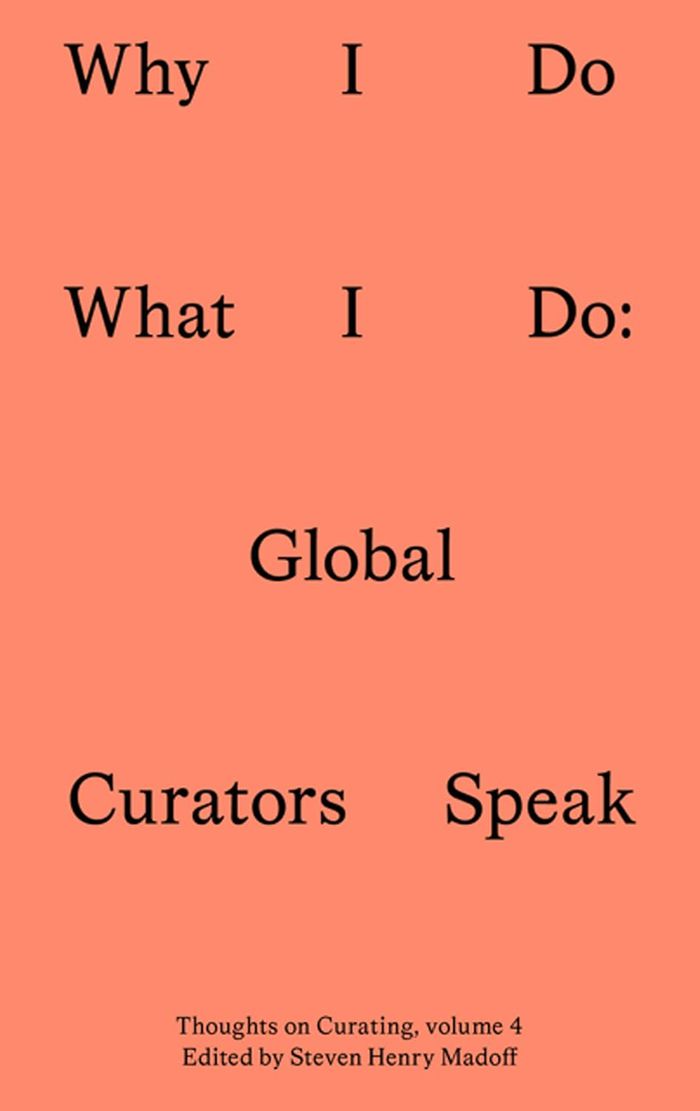
Why I do what I do: Twenty global curators speak
Actions:
Prix:
$25.95
(disponible en magasin)
Résumé:
For this fourth volume of the series "Thoughts on Curating", twenty renowned curators and collectives from across the globe write about a single exhibition or curatorial project they created that transformed their thinking and the way they have curated ever since. Their innovations, practical considerations, and ways of grappling with the most urgent issues of the day offer a unique handbook of curatorial ideas—rational and whimsical, poetic and political—and serve as a fascinating record of exhibition-making in the twenty-first century.
Why I do what I do: Twenty global curators speak
Actions:
Prix:
$25.95
(disponible en magasin)
Résumé:
For this fourth volume of the series "Thoughts on Curating", twenty renowned curators and collectives from across the globe write about a single exhibition or curatorial project they created that transformed their thinking and the way they have curated ever since. Their innovations, practical considerations, and ways of grappling with the most urgent issues of the day offer a unique handbook of curatorial ideas—rational and whimsical, poetic and political—and serve as a fascinating record of exhibition-making in the twenty-first century.
Classification:
livres
livres
Publication:
octobre 2024
octobre 2024
Sujet:
Muséologie
Muséologie


