


226 Résultats
Classification:
livres
livres
Actions:
Prix:
$53.95
(disponible sur commande)
Résumé:
How have art museums changed in the past century? Where are they headed in the future? Charles Saumarez Smith is uniquely qualified to answer these questions, having been at the helm of three major institutions over the course of his distinguished career. For "The art museum in modern times," Saumarez Smith has undertaken an odyssey, visiting art museums across the globe(...)
$53.95
(disponible sur commande)
Résumé:
How have art museums changed in the past century? Where are they headed in the future? Charles Saumarez Smith is uniquely qualified to answer these questions, having been at the helm of three major institutions over the course of his distinguished career. For "The art museum in modern times," Saumarez Smith has undertaken an odyssey, visiting art museums across the globe(...)
Titre:
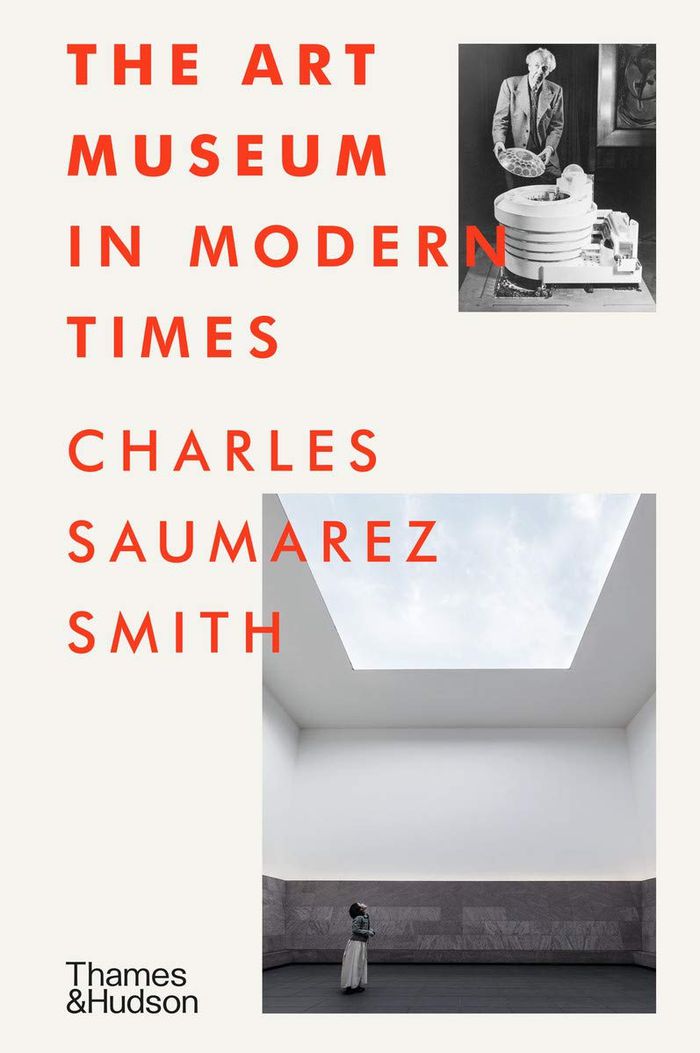
The art museum in modern times
Actions:
Prix:
$53.95
(disponible sur commande)
Résumé:
How have art museums changed in the past century? Where are they headed in the future? Charles Saumarez Smith is uniquely qualified to answer these questions, having been at the helm of three major institutions over the course of his distinguished career. For "The art museum in modern times," Saumarez Smith has undertaken an odyssey, visiting art museums across the globe and examining how the experience of art is shaped by the buildings that house it. His story starts with the Museum of Modern Art in New York, one of the first museums to focus squarely on the art of the present rather than the past. When it opened in 1939, MoMA’s boldly modernist building represented a stark riposte to the neoclassicism of most earlier art museums. From there, Saumarez Smith investigates dozens of other museums, including the Tate Modern in London, the Getty Center in Los Angeles, the West Bund Museum in Shanghai, and the Centre Pompidou in Paris. He explores our shifting reasons for visiting museums, changes to the way exhibits are organized and displayed, and the spectacular new architectural landmarks that have become destinations in their own right.
The art museum in modern times
Actions:
Prix:
$53.95
(disponible sur commande)
Résumé:
How have art museums changed in the past century? Where are they headed in the future? Charles Saumarez Smith is uniquely qualified to answer these questions, having been at the helm of three major institutions over the course of his distinguished career. For "The art museum in modern times," Saumarez Smith has undertaken an odyssey, visiting art museums across the globe and examining how the experience of art is shaped by the buildings that house it. His story starts with the Museum of Modern Art in New York, one of the first museums to focus squarely on the art of the present rather than the past. When it opened in 1939, MoMA’s boldly modernist building represented a stark riposte to the neoclassicism of most earlier art museums. From there, Saumarez Smith investigates dozens of other museums, including the Tate Modern in London, the Getty Center in Los Angeles, the West Bund Museum in Shanghai, and the Centre Pompidou in Paris. He explores our shifting reasons for visiting museums, changes to the way exhibits are organized and displayed, and the spectacular new architectural landmarks that have become destinations in their own right.
Classification:
livres
livres
Publication:
avril 2021
avril 2021
Classification:
livres
livres
Actions:
Prix:
$65.00
(disponible en magasin)
Résumé:
To commemorate the official opening of the Inuit Art Centre, now named Qaumajuq, Winnipeg Art Gallery director and CEO, Dr. Stephen Borys, set out to share the story of this extraordinary museum and building project. His book, Journey North: The Inuit Art Centre Project, traces the history of the centre beginning with the establishment of the Winnipeg Art Gallery in 1912,(...)
$65.00
(disponible en magasin)
Résumé:
To commemorate the official opening of the Inuit Art Centre, now named Qaumajuq, Winnipeg Art Gallery director and CEO, Dr. Stephen Borys, set out to share the story of this extraordinary museum and building project. His book, Journey North: The Inuit Art Centre Project, traces the history of the centre beginning with the establishment of the Winnipeg Art Gallery in 1912,(...)
Titre:
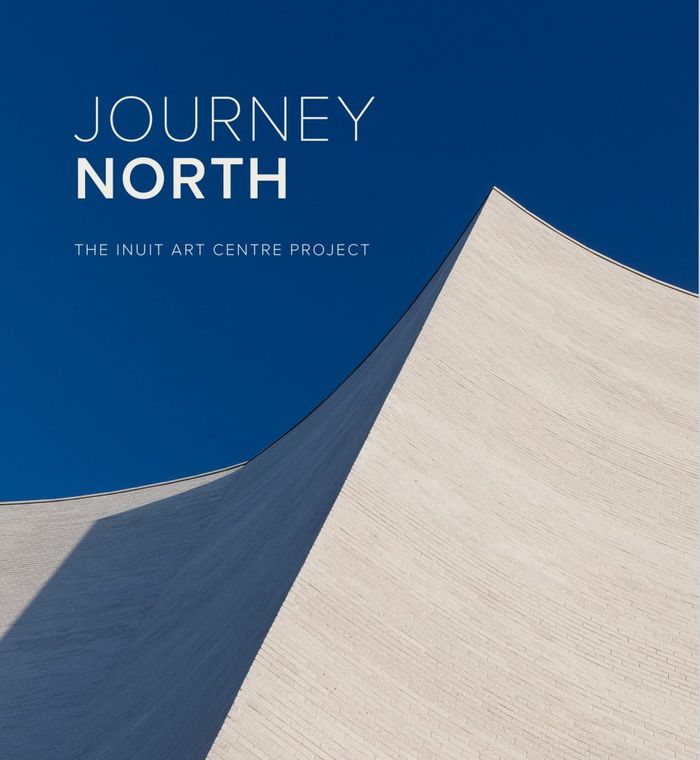
Journey North: The Inuit Art Centre Project
Actions:
Prix:
$65.00
(disponible en magasin)
Résumé:
To commemorate the official opening of the Inuit Art Centre, now named Qaumajuq, Winnipeg Art Gallery director and CEO, Dr. Stephen Borys, set out to share the story of this extraordinary museum and building project. His book, Journey North: The Inuit Art Centre Project, traces the history of the centre beginning with the establishment of the Winnipeg Art Gallery in 1912, when the foundation was laid to support a diverse and far-reaching mission that could embrace both historical and contemporary artmaking on national and international levels. By the time director Dr. Ferdinand Eckhardt arrived at the gallery in 1953, and discovered Inuit stone carving at the Hudson’s Bay Company department store located across the street from the WAG, the idea of assembling a collection to celebrate this Indigenous art form moved closer to reality. This account of the development of the Inuit Art Centre includes different historical and contemporary perspectives and voices through a compilation of texts and images. In addition to the key essay by the book’s author Stephen Borys, several writers from across the country have shared their stories about the gallery, the Inuit art collection, and the building project.
Journey North: The Inuit Art Centre Project
Actions:
Prix:
$65.00
(disponible en magasin)
Résumé:
To commemorate the official opening of the Inuit Art Centre, now named Qaumajuq, Winnipeg Art Gallery director and CEO, Dr. Stephen Borys, set out to share the story of this extraordinary museum and building project. His book, Journey North: The Inuit Art Centre Project, traces the history of the centre beginning with the establishment of the Winnipeg Art Gallery in 1912, when the foundation was laid to support a diverse and far-reaching mission that could embrace both historical and contemporary artmaking on national and international levels. By the time director Dr. Ferdinand Eckhardt arrived at the gallery in 1953, and discovered Inuit stone carving at the Hudson’s Bay Company department store located across the street from the WAG, the idea of assembling a collection to celebrate this Indigenous art form moved closer to reality. This account of the development of the Inuit Art Centre includes different historical and contemporary perspectives and voices through a compilation of texts and images. In addition to the key essay by the book’s author Stephen Borys, several writers from across the country have shared their stories about the gallery, the Inuit art collection, and the building project.
Classification:
livres
livres
Publication:
avril 2021
avril 2021
Classification:
livres
livres
Titre:
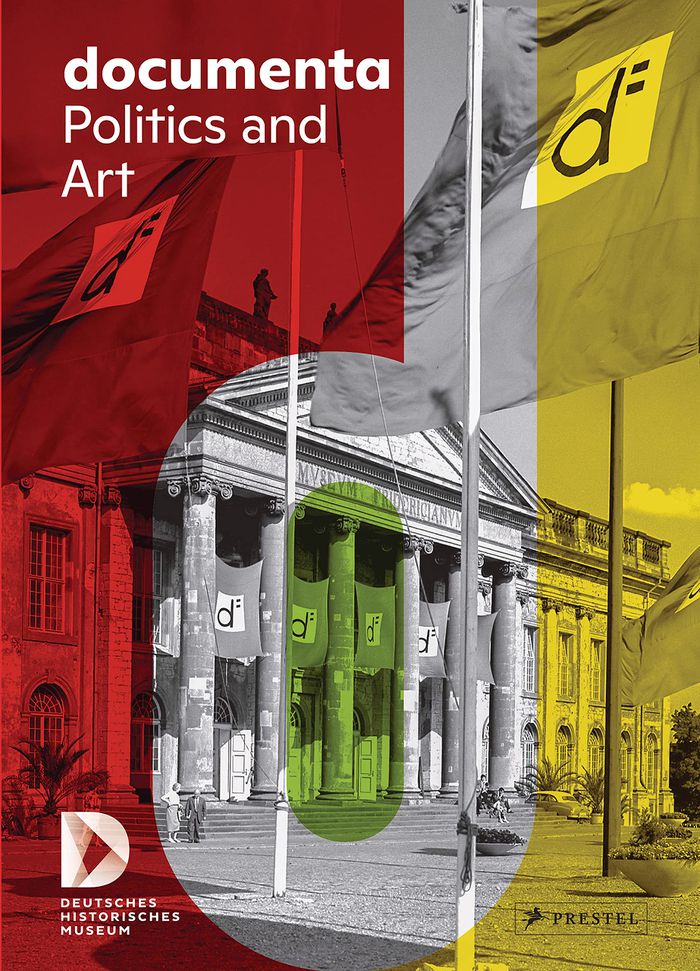
documenta: politics and art
documenta: politics and art
Actions:
Prix:
$73.00
(disponible sur commande)
Résumé:
Despite its name, documenta’s primary concerns are neither with the simple documentation of individual artists and their work nor with developments in art history, but instead with providing a historical space where art reflects and comments on social constellations and political or social change, or demands it through art interventions. documenta is not only a historical(...)
$73.00
(disponible sur commande)
Résumé:
Despite its name, documenta’s primary concerns are neither with the simple documentation of individual artists and their work nor with developments in art history, but instead with providing a historical space where art reflects and comments on social constellations and political or social change, or demands it through art interventions. documenta is not only a historical(...)
Publication:
novembre 2021
novembre 2021
Titre:
documenta: politics and art
Actions:
Prix:
$73.00
(disponible sur commande)
Résumé:
Despite its name, documenta’s primary concerns are neither with the simple documentation of individual artists and their work nor with developments in art history, but instead with providing a historical space where art reflects and comments on social constellations and political or social change, or demands it through art interventions. documenta is not only a historical testimony and event, but also a show at which – through the medium of art— self-interpretation becomes the catalyst for debate and historical change. For the first time, this book places the history of documenta in the context of the political, cultural and societal development of Germany during the second half of the twentieth century, illustrating how art and history can be explored in terms of a mutually dependent relationship.
documenta: politics and art
Actions:
Prix:
$73.00
(disponible sur commande)
Résumé:
Despite its name, documenta’s primary concerns are neither with the simple documentation of individual artists and their work nor with developments in art history, but instead with providing a historical space where art reflects and comments on social constellations and political or social change, or demands it through art interventions. documenta is not only a historical testimony and event, but also a show at which – through the medium of art— self-interpretation becomes the catalyst for debate and historical change. For the first time, this book places the history of documenta in the context of the political, cultural and societal development of Germany during the second half of the twentieth century, illustrating how art and history can be explored in terms of a mutually dependent relationship.
Classification:
livres
livres
Publication:
novembre 2021
novembre 2021
Classification:
livres
livres
Actions:
Prix:
$79.95
(disponible sur commande)
Résumé:
This book is split into six chapters that proceed more or less chronologically. It begins by exploring the origins of the museum both as a cultural phenomenon and as a particular type of space. Central to this, as the first chapter explores, was the ‘princely collection’, that is, collections of painting and sculpture assembled by royalty and the nobility across Europe(...)
$79.95
(disponible sur commande)
Résumé:
This book is split into six chapters that proceed more or less chronologically. It begins by exploring the origins of the museum both as a cultural phenomenon and as a particular type of space. Central to this, as the first chapter explores, was the ‘princely collection’, that is, collections of painting and sculpture assembled by royalty and the nobility across Europe(...)
Titre:
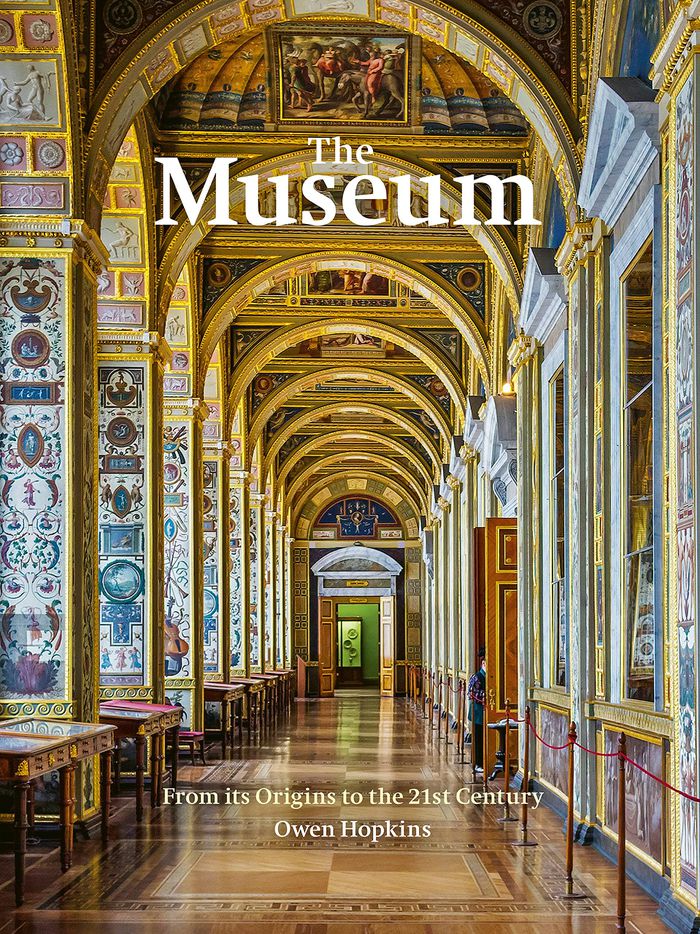
The Museum : from its origins to the 21st century
Actions:
Prix:
$79.95
(disponible sur commande)
Résumé:
This book is split into six chapters that proceed more or less chronologically. It begins by exploring the origins of the museum both as a cultural phenomenon and as a particular type of space. Central to this, as the first chapter explores, was the ‘princely collection’, that is, collections of painting and sculpture assembled by royalty and the nobility across Europe that began during the Renaissance and continued during the seventeenth and eighteenth centuries. Although varying both in extent and artistic focus, the motivations driving the establishing of these early collections generally derived from their creators’ desires to fashion learned and enlightened images of themselves and their courts. With some exceptions, admission to these collections was limited to the social elite and those that they were trying to impress. The idea that collections should be open to a wider social group began to emerge during the eighteenth century with the advent of the wunderkammer, or cabinet of curiosities. These contained not just works of art, but all manner of objects, from natural history specimens to religious or cult artefacts, and everything in between.
The Museum : from its origins to the 21st century
Actions:
Prix:
$79.95
(disponible sur commande)
Résumé:
This book is split into six chapters that proceed more or less chronologically. It begins by exploring the origins of the museum both as a cultural phenomenon and as a particular type of space. Central to this, as the first chapter explores, was the ‘princely collection’, that is, collections of painting and sculpture assembled by royalty and the nobility across Europe that began during the Renaissance and continued during the seventeenth and eighteenth centuries. Although varying both in extent and artistic focus, the motivations driving the establishing of these early collections generally derived from their creators’ desires to fashion learned and enlightened images of themselves and their courts. With some exceptions, admission to these collections was limited to the social elite and those that they were trying to impress. The idea that collections should be open to a wider social group began to emerge during the eighteenth century with the advent of the wunderkammer, or cabinet of curiosities. These contained not just works of art, but all manner of objects, from natural history specimens to religious or cult artefacts, and everything in between.
Classification:
livres
livres
Publication:
novembre 2021
novembre 2021
Classification:
livres
livres
Actions:
Prix:
$155.00
(disponible sur commande)
Résumé:
''Expo 2020 Dubai : Site, themes, architecture'' is the catalog of Expo 2020 Dubai. An exploration of the Expo site, the title explores the iconic architecture and spaces, from the pavilions and programming to the public realm and beyond, with a focus on the three main themes—opportunity, mobility, sustainability. Each of the pavilions making up Expo 2020 Dubai is(...)
$155.00
(disponible sur commande)
Résumé:
''Expo 2020 Dubai : Site, themes, architecture'' is the catalog of Expo 2020 Dubai. An exploration of the Expo site, the title explores the iconic architecture and spaces, from the pavilions and programming to the public realm and beyond, with a focus on the three main themes—opportunity, mobility, sustainability. Each of the pavilions making up Expo 2020 Dubai is(...)
Titre:
Expo 2020 Dubai: Site, themes, architecture
Actions:
Prix:
$155.00
(disponible sur commande)
Résumé:
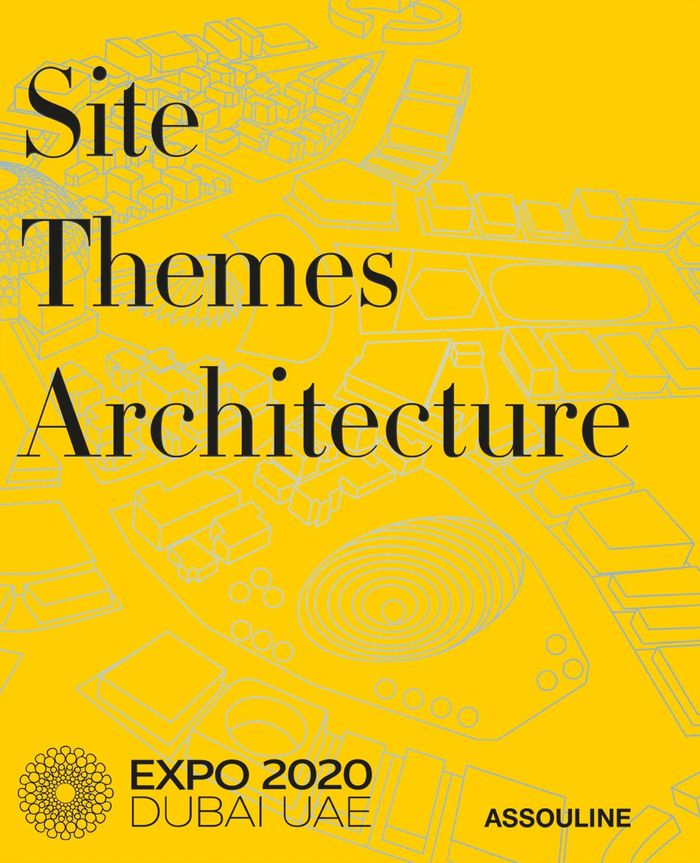
''Expo 2020 Dubai : Site, themes, architecture'' is the catalog of Expo 2020 Dubai. An exploration of the Expo site, the title explores the iconic architecture and spaces, from the pavilions and programming to the public realm and beyond, with a focus on the three main themes—opportunity, mobility, sustainability. Each of the pavilions making up Expo 2020 Dubai is featured with a special emphasis on prominent architects such as Adrian Smith + Gordon Gill, AECOM and Hopkins Architects. Essays written by a variety of contributors offer a detailed view of the ideas and meanings behind the themes and architecture at the Expo. Public spaces are explored highlighting individual features from the gardens and flora to the calligraphy-inspired benches. The catalog is both a tribute to the participants and a special memento for visitors.
Expo 2020 Dubai: Site, themes, architecture
Actions:
Prix:
$155.00
(disponible sur commande)
Résumé:
''Expo 2020 Dubai : Site, themes, architecture'' is the catalog of Expo 2020 Dubai. An exploration of the Expo site, the title explores the iconic architecture and spaces, from the pavilions and programming to the public realm and beyond, with a focus on the three main themes—opportunity, mobility, sustainability. Each of the pavilions making up Expo 2020 Dubai is featured with a special emphasis on prominent architects such as Adrian Smith + Gordon Gill, AECOM and Hopkins Architects. Essays written by a variety of contributors offer a detailed view of the ideas and meanings behind the themes and architecture at the Expo. Public spaces are explored highlighting individual features from the gardens and flora to the calligraphy-inspired benches. The catalog is both a tribute to the participants and a special memento for visitors.
Classification:
livres
livres
Publication:
novembre 2021
novembre 2021
Classification:
livres
livres
Prix:
$19.95
(disponible en magasin)
Résumé:
This publication accompanies the exhibition “Making the Museum Reinhard Ernst”. The exhibition’s focus is not on finished items or images, but on the work in progress – highlighting the acts of thinking, making, and construction, rather than presentation. Based on four thematic areas – Context, Form, Detail and Construction – a large number of sketches, drawings and(...)
$19.95
(disponible en magasin)
Résumé:
This publication accompanies the exhibition “Making the Museum Reinhard Ernst”. The exhibition’s focus is not on finished items or images, but on the work in progress – highlighting the acts of thinking, making, and construction, rather than presentation. Based on four thematic areas – Context, Form, Detail and Construction – a large number of sketches, drawings and(...)
Titre:
Making the museum Reinhard Ernst : Maki and Associates
Actions:
Prix:
$19.95
(disponible en magasin)
Résumé:
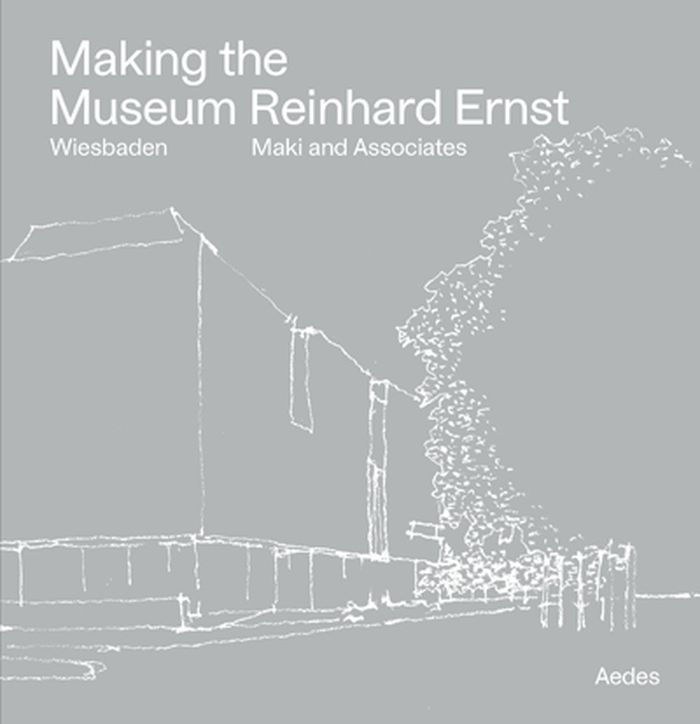
This publication accompanies the exhibition “Making the Museum Reinhard Ernst”. The exhibition’s focus is not on finished items or images, but on the work in progress – highlighting the acts of thinking, making, and construction, rather than presentation. Based on four thematic areas – Context, Form, Detail and Construction – a large number of sketches, drawings and models by Maki and Associates as well as artefacts and video material provide insights into the complex process of creating the new building. The exhibited items presented on the four thematic quadrants at Aedes are supplemented by photos from the photographers Klaus Helbig and Frank Marburger, who have documented the making of the museum from the beginning.
Making the museum Reinhard Ernst : Maki and Associates
Actions:
Prix:
$19.95
(disponible en magasin)
Résumé:
This publication accompanies the exhibition “Making the Museum Reinhard Ernst”. The exhibition’s focus is not on finished items or images, but on the work in progress – highlighting the acts of thinking, making, and construction, rather than presentation. Based on four thematic areas – Context, Form, Detail and Construction – a large number of sketches, drawings and models by Maki and Associates as well as artefacts and video material provide insights into the complex process of creating the new building. The exhibited items presented on the four thematic quadrants at Aedes are supplemented by photos from the photographers Klaus Helbig and Frank Marburger, who have documented the making of the museum from the beginning.
Classification:
livres
livres
Publication:
juin 2022
juin 2022
Classification:
livres
livres
Actions:
Prix:
$40.95
(disponible sur commande)
Résumé:
Le 4 juin 2022 a été une date importante dans l’histoire de Marseille. Un nouveau musée a ouvert, installant, entre La Major et le Mucem, des œuvres nées de la nuit des temps et arrachées à la mer par Henri Cosquer. Ce musée extraordinaire est venu donner un projet, et un sens, à la Villa Méditerranée construite sur l’esplanade du Mucem comme signe d’une liaison des deux(...)
$40.95
(disponible sur commande)
Résumé:
Le 4 juin 2022 a été une date importante dans l’histoire de Marseille. Un nouveau musée a ouvert, installant, entre La Major et le Mucem, des œuvres nées de la nuit des temps et arrachées à la mer par Henri Cosquer. Ce musée extraordinaire est venu donner un projet, et un sens, à la Villa Méditerranée construite sur l’esplanade du Mucem comme signe d’une liaison des deux(...)
Titre:
Quand la grotte Cosquer sort de l'eau : La Villa Méditerranée en porte-à-faux
Actions:
Prix:
$40.95
(disponible sur commande)
Résumé:
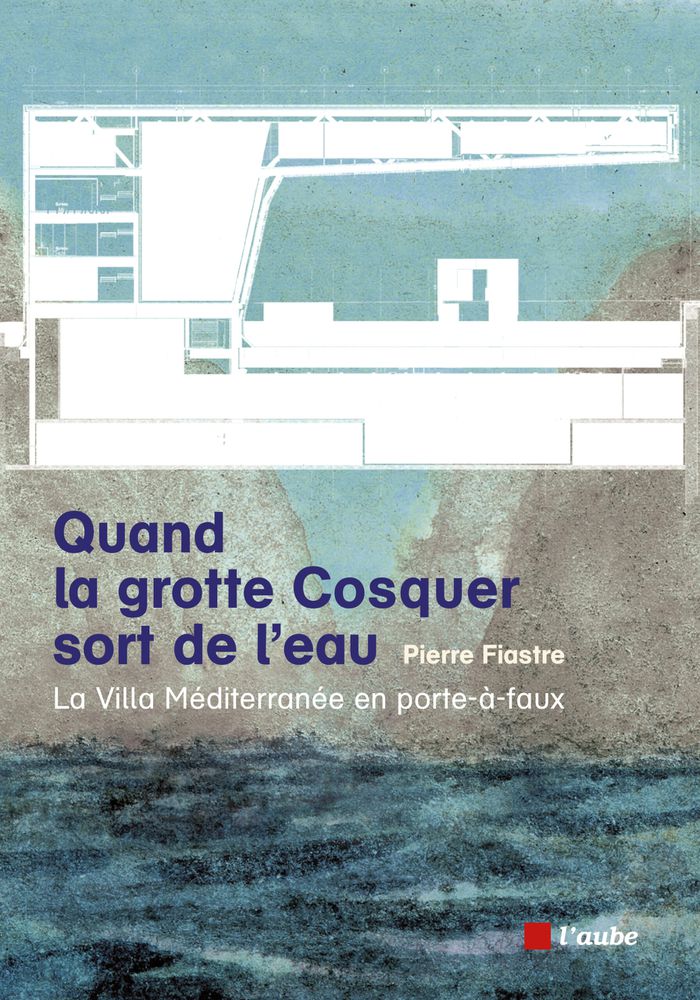
Le 4 juin 2022 a été une date importante dans l’histoire de Marseille. Un nouveau musée a ouvert, installant, entre La Major et le Mucem, des œuvres nées de la nuit des temps et arrachées à la mer par Henri Cosquer. Ce musée extraordinaire est venu donner un projet, et un sens, à la Villa Méditerranée construite sur l’esplanade du Mucem comme signe d’une liaison des deux rives qui n’a jamais abouti. Pierre Fiastre, qui fut un acteur de cette histoire, fait raconter ici cette aventure par le bâtiment lui-même, qui s’exprime à la première personne. Un ensemble de croquis et de très belles photographies permet en outre de suivre son évolution visuelle. Un livre passionnant pour tous les amoureux de Marseille.
Quand la grotte Cosquer sort de l'eau : La Villa Méditerranée en porte-à-faux
Actions:
Prix:
$40.95
(disponible sur commande)
Résumé:
Le 4 juin 2022 a été une date importante dans l’histoire de Marseille. Un nouveau musée a ouvert, installant, entre La Major et le Mucem, des œuvres nées de la nuit des temps et arrachées à la mer par Henri Cosquer. Ce musée extraordinaire est venu donner un projet, et un sens, à la Villa Méditerranée construite sur l’esplanade du Mucem comme signe d’une liaison des deux rives qui n’a jamais abouti. Pierre Fiastre, qui fut un acteur de cette histoire, fait raconter ici cette aventure par le bâtiment lui-même, qui s’exprime à la première personne. Un ensemble de croquis et de très belles photographies permet en outre de suivre son évolution visuelle. Un livre passionnant pour tous les amoureux de Marseille.
Classification:
livres
livres
Publication:
octobre 2022
octobre 2022
Classification:
livres
livres
Actions:
Prix:
$35.00
(disponible sur commande)
Résumé:
This book explores how the National Museum of African American History & Culture, an unparalleled museum, found its place in the nation’s collective memory and on its public commons. Mabel O. Wilson explores how the "four pillars" of the museum's mission shaped its powerful structure, and she teases out the rich cultural symbols and homages layered into the design of the(...)
$35.00
(disponible sur commande)
Résumé:
This book explores how the National Museum of African American History & Culture, an unparalleled museum, found its place in the nation’s collective memory and on its public commons. Mabel O. Wilson explores how the "four pillars" of the museum's mission shaped its powerful structure, and she teases out the rich cultural symbols and homages layered into the design of the(...)
Titre:
Begin with the past: Building the National Museum of African American History and Culture
Actions:
Prix:
$35.00
(disponible sur commande)
Résumé:
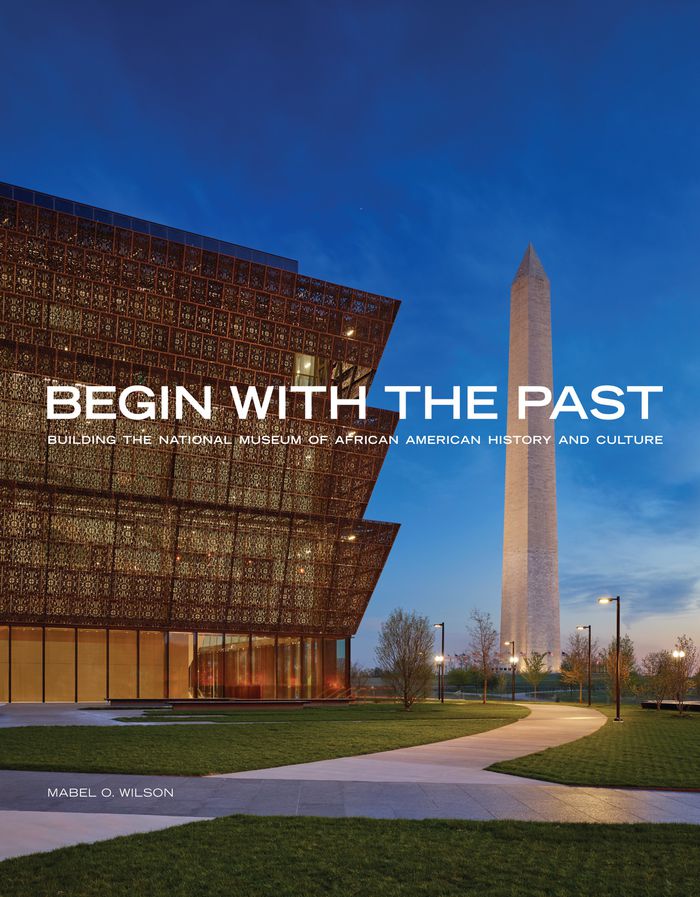
This book explores how the National Museum of African American History & Culture, an unparalleled museum, found its place in the nation’s collective memory and on its public commons. Mabel O. Wilson explores how the "four pillars" of the museum's mission shaped its powerful structure, and she teases out the rich cultural symbols and homages layered into the design of the building and its surrounding landscape. This is an important inside look at the making of a monument.
Begin with the past: Building the National Museum of African American History and Culture
Actions:
Prix:
$35.00
(disponible sur commande)
Résumé:
This book explores how the National Museum of African American History & Culture, an unparalleled museum, found its place in the nation’s collective memory and on its public commons. Mabel O. Wilson explores how the "four pillars" of the museum's mission shaped its powerful structure, and she teases out the rich cultural symbols and homages layered into the design of the building and its surrounding landscape. This is an important inside look at the making of a monument.
Classification:
livres
livres
Publication:
décembre 2022
décembre 2022
Classification:
livres
livres
Prix:
$23.95
(disponible sur commande)
Résumé:
En s'opposant aux destructions révolutionnaires et en exposant les chefs-d'oeuvre sauvés, Alexandre Lenoir a été le précurseur d'une conscience patrimoniale. Mais en dehors de ces circonstances exceptionnelles, l'architecture n'a pas vocation à être transportée pour être exposée grandeur nature. Comment alors la montrer ? Eugène Viollet-le-Duc, en 1879, réussit à faire(...)
$23.95
(disponible sur commande)
Résumé:
En s'opposant aux destructions révolutionnaires et en exposant les chefs-d'oeuvre sauvés, Alexandre Lenoir a été le précurseur d'une conscience patrimoniale. Mais en dehors de ces circonstances exceptionnelles, l'architecture n'a pas vocation à être transportée pour être exposée grandeur nature. Comment alors la montrer ? Eugène Viollet-le-Duc, en 1879, réussit à faire(...)
Titre:
L'architecture exposée: la cité de l'architecture et du patrimoine
Actions:
Prix:
$23.95
(disponible sur commande)
Résumé:
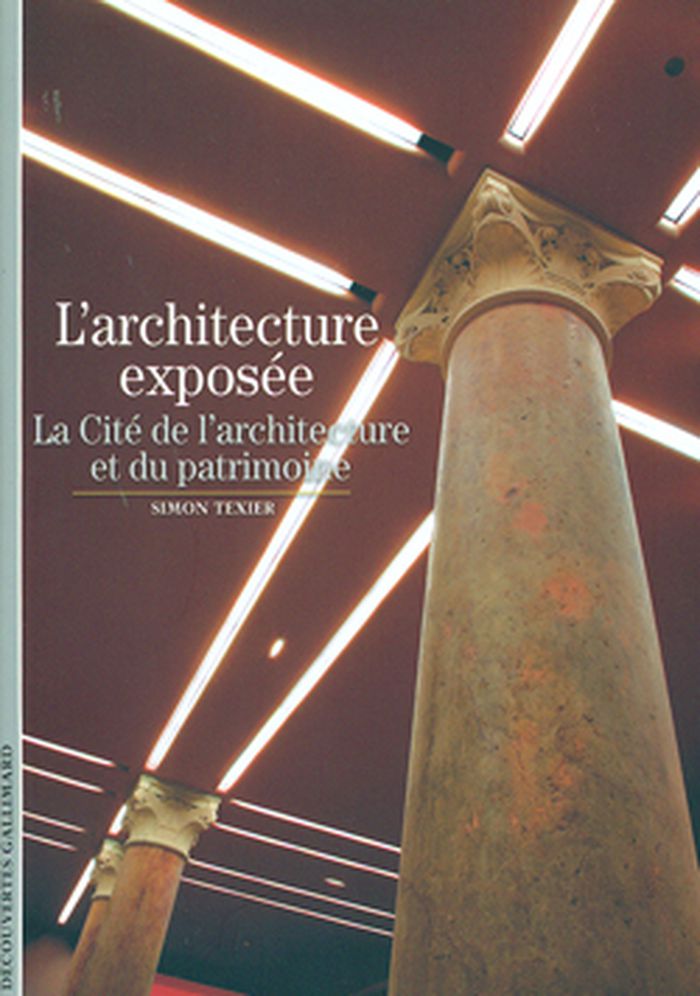
En s'opposant aux destructions révolutionnaires et en exposant les chefs-d'oeuvre sauvés, Alexandre Lenoir a été le précurseur d'une conscience patrimoniale. Mais en dehors de ces circonstances exceptionnelles, l'architecture n'a pas vocation à être transportée pour être exposée grandeur nature. Comment alors la montrer ? Eugène Viollet-le-Duc, en 1879, réussit à faire accepter l'idée d'un musée de moulages, comprenant aussi photographies et maquettes d'architecture, installé dans le palais du Trocadéro. Exposer l'architecture est aujourd'hui la vocation de la Cité de l'architecture et du patrimoine, qui hérite de cette conscience patrimoniale et la projette dans l'avenir, en associant la conservation à la création, insistant sur l'idée d'un patrimoine vivant et d'une architecture contemporaine respectueuse du contexte où elle s'inscrit. Simon Texier, historien de l'architecture, raconte ici l'aventure fondatrice de la Cité - toute jeune institution culturelle qui réunit trois institutions préexistantes : le musée des Monuments français, l'École de Chaillot et l'Institut français d'architecture. Son ambition est immense : construire et faire partager par le plus grand nombre une culture architecturale et urbaine.
L'architecture exposée: la cité de l'architecture et du patrimoine
Actions:
Prix:
$23.95
(disponible sur commande)
Résumé:
En s'opposant aux destructions révolutionnaires et en exposant les chefs-d'oeuvre sauvés, Alexandre Lenoir a été le précurseur d'une conscience patrimoniale. Mais en dehors de ces circonstances exceptionnelles, l'architecture n'a pas vocation à être transportée pour être exposée grandeur nature. Comment alors la montrer ? Eugène Viollet-le-Duc, en 1879, réussit à faire accepter l'idée d'un musée de moulages, comprenant aussi photographies et maquettes d'architecture, installé dans le palais du Trocadéro. Exposer l'architecture est aujourd'hui la vocation de la Cité de l'architecture et du patrimoine, qui hérite de cette conscience patrimoniale et la projette dans l'avenir, en associant la conservation à la création, insistant sur l'idée d'un patrimoine vivant et d'une architecture contemporaine respectueuse du contexte où elle s'inscrit. Simon Texier, historien de l'architecture, raconte ici l'aventure fondatrice de la Cité - toute jeune institution culturelle qui réunit trois institutions préexistantes : le musée des Monuments français, l'École de Chaillot et l'Institut français d'architecture. Son ambition est immense : construire et faire partager par le plus grand nombre une culture architecturale et urbaine.
Classification:
livres
livres
Publication:
juin 2009
juin 2009
Classification:
livres
livres
Actions:
Prix:
$48.00
(disponible sur commande)
Résumé:
With its technical innovations in lighting and ecologically sound climate control, Matthias Sauerbruch and Louisa Hutton's new building for the Udo and Anette Brandhorst Collection of Modern and Contemporary Art in Munich's state museum complex sets new standards for museum architecture.
$48.00
(disponible sur commande)
Résumé:
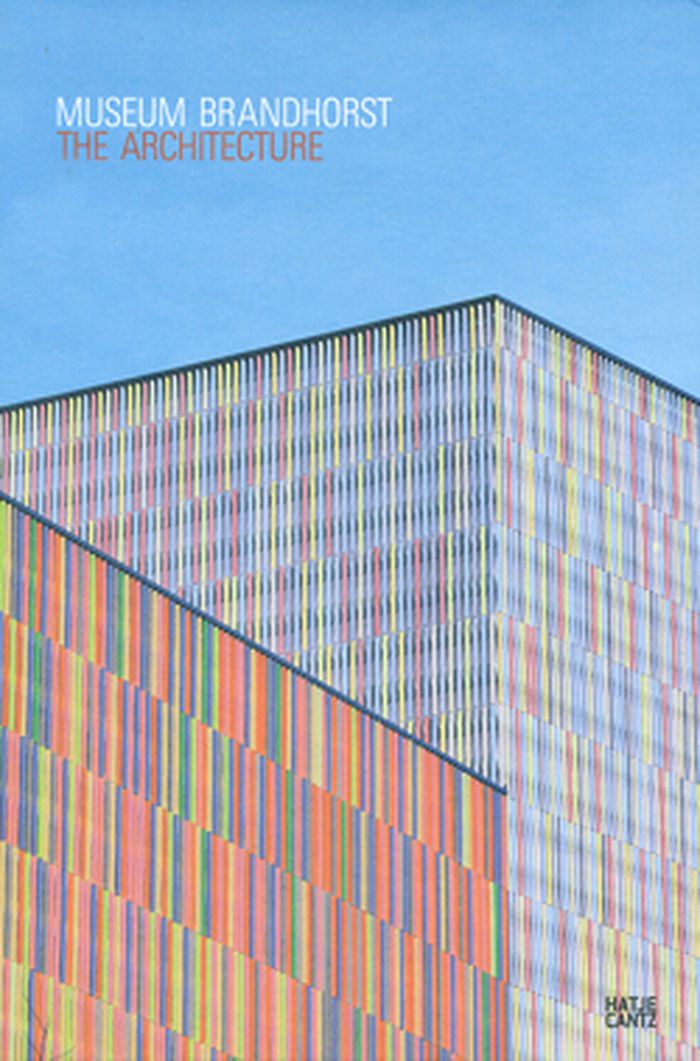
With its technical innovations in lighting and ecologically sound climate control, Matthias Sauerbruch and Louisa Hutton's new building for the Udo and Anette Brandhorst Collection of Modern and Contemporary Art in Munich's state museum complex sets new standards for museum architecture.
Publication:
juillet 2009
juillet 2009
Titre:
Museum Brandhorst: Sauerbruch Hutton architects
Actions:
Prix:
$48.00
(disponible sur commande)
Résumé:
With its technical innovations in lighting and ecologically sound climate control, Matthias Sauerbruch and Louisa Hutton's new building for the Udo and Anette Brandhorst Collection of Modern and Contemporary Art in Munich's state museum complex sets new standards for museum architecture.
Museum Brandhorst: Sauerbruch Hutton architects
Actions:
Prix:
$48.00
(disponible sur commande)
Résumé:
With its technical innovations in lighting and ecologically sound climate control, Matthias Sauerbruch and Louisa Hutton's new building for the Udo and Anette Brandhorst Collection of Modern and Contemporary Art in Munich's state museum complex sets new standards for museum architecture.
Classification:
livres
livres
Publication:
juillet 2009
juillet 2009


