


31 Résultats
Classification:
livres
livres
Prix:
$60.00
(disponible sur commande)
Résumé:
Since the Boyer of 1996 of "Building Communities: A New future for Architectural Education and Practice" there has been some movements in architectural and design schools and practitioners exploring ways to inculcate a concern for larger social issues in the design process. Several alternative approaches to the education, practice of architecture and urban design have(...)
$60.00
(disponible sur commande)
Résumé:
Since the Boyer of 1996 of "Building Communities: A New future for Architectural Education and Practice" there has been some movements in architectural and design schools and practitioners exploring ways to inculcate a concern for larger social issues in the design process. Several alternative approaches to the education, practice of architecture and urban design have(...)
Publication:
janvier 2024
janvier 2024
Titre:
Participatory design thinking in urban design education
Actions:
Prix:
$60.00
(disponible sur commande)
Résumé:
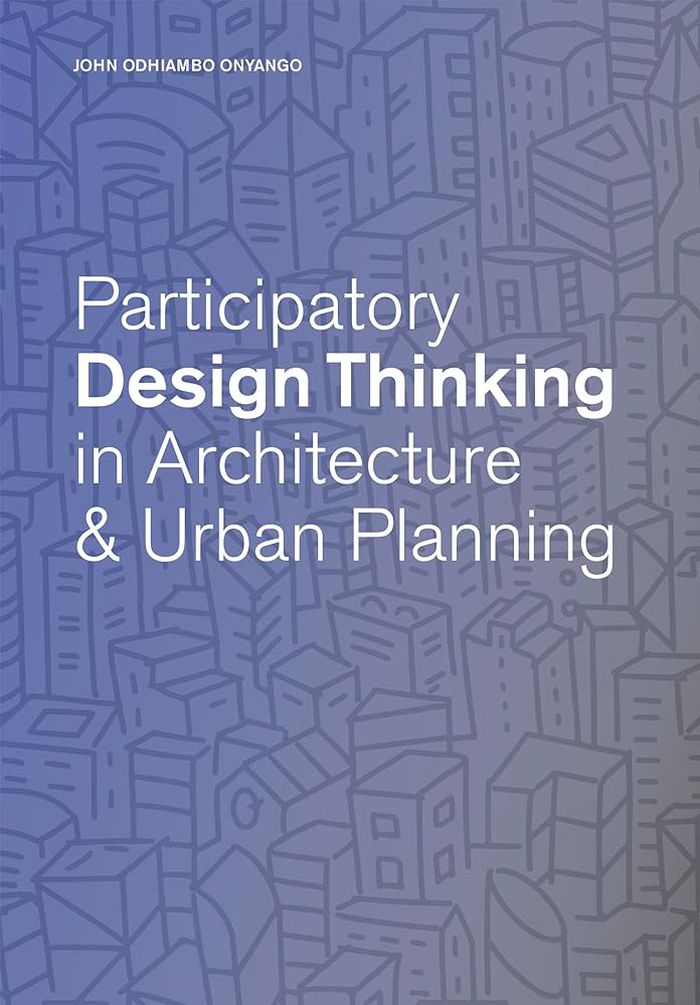
Since the Boyer of 1996 of "Building Communities: A New future for Architectural Education and Practice" there has been some movements in architectural and design schools and practitioners exploring ways to inculcate a concern for larger social issues in the design process. Several alternative approaches to the education, practice of architecture and urban design have emerged rooted in the Social Architecture based on four groups of participants; the private visionary; the public professional with a vision; the professional based at non-profit organizations and the activist university. The urban laboratory model is one such model housed in the activist university. One of the arguments for this methodology is that it would lead to a better place-making process.
Participatory design thinking in urban design education
Actions:
Prix:
$60.00
(disponible sur commande)
Résumé:
Since the Boyer of 1996 of "Building Communities: A New future for Architectural Education and Practice" there has been some movements in architectural and design schools and practitioners exploring ways to inculcate a concern for larger social issues in the design process. Several alternative approaches to the education, practice of architecture and urban design have emerged rooted in the Social Architecture based on four groups of participants; the private visionary; the public professional with a vision; the professional based at non-profit organizations and the activist university. The urban laboratory model is one such model housed in the activist university. One of the arguments for this methodology is that it would lead to a better place-making process.
Classification:
livres
livres
Publication:
janvier 2024
janvier 2024
Classification:
livres
livres
Actions:
Prix:
$45.00
(disponible en magasin)
Résumé:
Mouna Andraos and Melissa Mongiat—together with their team at Daily tous les jours—have been creating celebrated interactive art and narrative experiences for public spaces around the world for over 15 years. Their groundbreaking work is part of an emergent practice that combines technology, storytelling, performance, and placemaking to build a new infrastructure for the(...)
$45.00
(disponible en magasin)
Résumé:
Mouna Andraos and Melissa Mongiat—together with their team at Daily tous les jours—have been creating celebrated interactive art and narrative experiences for public spaces around the world for over 15 years. Their groundbreaking work is part of an emergent practice that combines technology, storytelling, performance, and placemaking to build a new infrastructure for the(...)
Publication:
août 2025
août 2025
Titre:
Strangers need strange moments together: Designing interaction for public spaces
Actions:
Prix:
$45.00
(disponible en magasin)
Résumé:
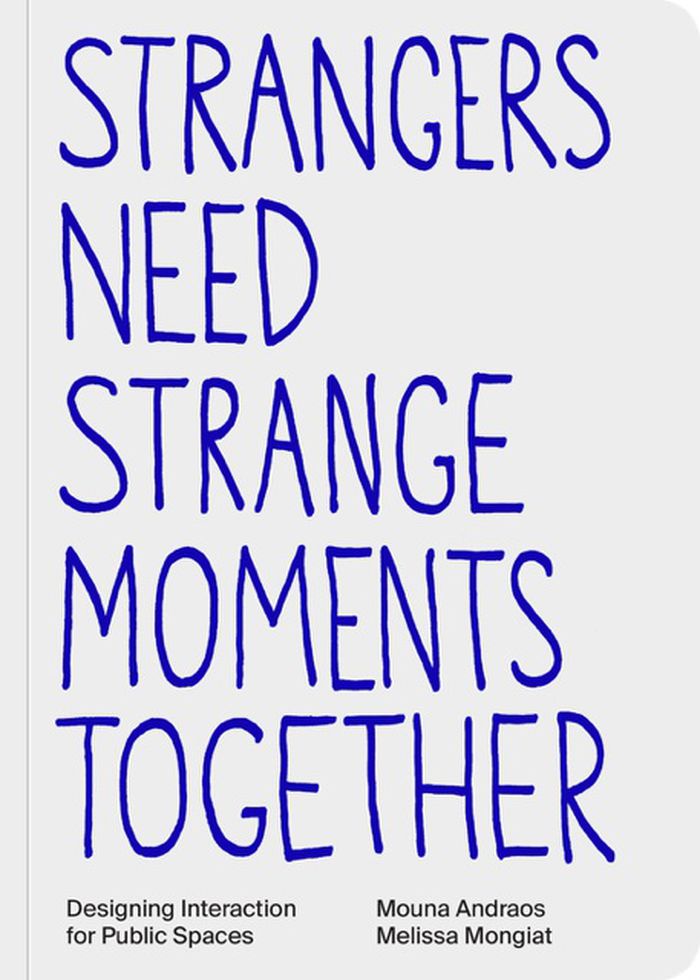
Mouna Andraos and Melissa Mongiat—together with their team at Daily tous les jours—have been creating celebrated interactive art and narrative experiences for public spaces around the world for over 15 years. Their groundbreaking work is part of an emergent practice that combines technology, storytelling, performance, and placemaking to build a new infrastructure for the human spirit. In ''Strangers Need Strange Moments Together'', Andraos and Mongiat invite a broad range of readers—fellow practitioners, urbanists, policy makers, educators, and engaged citizens—to take a joyful approach to building resilient urban communities and re-enchanting public space. In times of unprecedented pace of urban growth, with increasing loneliness and division, they shed light on the importance of moving beyond purely data-driven urban planning methodologies—which prioritize productivity, efficiency, and automation—and forging new modes of public interaction. Cities must be spaces for the whimsical, unexpected, and weird, and for the wasted time and strange moments of serendipitous encounter. Andraos and Mongiat use the raw material of the “daily everyday” to propose new models of living together in the 21st century, and to foreground the dimensions of life that characterize what it means to be human in the first place.
Strangers need strange moments together: Designing interaction for public spaces
Actions:
Prix:
$45.00
(disponible en magasin)
Résumé:
Mouna Andraos and Melissa Mongiat—together with their team at Daily tous les jours—have been creating celebrated interactive art and narrative experiences for public spaces around the world for over 15 years. Their groundbreaking work is part of an emergent practice that combines technology, storytelling, performance, and placemaking to build a new infrastructure for the human spirit. In ''Strangers Need Strange Moments Together'', Andraos and Mongiat invite a broad range of readers—fellow practitioners, urbanists, policy makers, educators, and engaged citizens—to take a joyful approach to building resilient urban communities and re-enchanting public space. In times of unprecedented pace of urban growth, with increasing loneliness and division, they shed light on the importance of moving beyond purely data-driven urban planning methodologies—which prioritize productivity, efficiency, and automation—and forging new modes of public interaction. Cities must be spaces for the whimsical, unexpected, and weird, and for the wasted time and strange moments of serendipitous encounter. Andraos and Mongiat use the raw material of the “daily everyday” to propose new models of living together in the 21st century, and to foreground the dimensions of life that characterize what it means to be human in the first place.
Classification:
livres
livres
Publication:
août 2025
août 2025
Classification:
livres
livres

Prix:
$51.95
(disponible sur commande)
Résumé:
Just like the rebels in Star Wars fighting for freedom against oppressive forces, urban planner, architect and political scientist Caroline Newton was drawn to the struggles over space and rights around the world. Over the years, her work has been driven by a desire to understand – and intervene in – the spatial conditions that shape human lives and social relations.(...)
$51.95
(disponible sur commande)
Résumé:
Just like the rebels in Star Wars fighting for freedom against oppressive forces, urban planner, architect and political scientist Caroline Newton was drawn to the struggles over space and rights around the world. Over the years, her work has been driven by a desire to understand – and intervene in – the spatial conditions that shape human lives and social relations.(...)
Titre:
Envisioning spatial justice: Explorations, Reflections, Design
Actions:
Prix:
$51.95
(disponible sur commande)
Résumé:
Just like the rebels in Star Wars fighting for freedom against oppressive forces, urban planner, architect and political scientist Caroline Newton was drawn to the struggles over space and rights around the world. Over the years, her work has been driven by a desire to understand – and intervene in – the spatial conditions that shape human lives and social relations. Envisioning Spatial Justice is both a reflection and a proposition. It synthesises insights accumulated through research and teaching and from years of collaborating with students whose graduation projects placed justice at the core of their spatial investigations. Structured around theory, reflection, and design, the book explores what it means to design with justice in mind. Challenging neoliberal paradigms and drawing on feminist, post-colonial, and radical urban theory, it insists on the political power of imagination. Part provocation, part toolkit, part manifesto, "Envisioning spatial justice" speaks to urbanists, designers, educators, and activists committed to co-creating more just and inclusive futures.
Envisioning spatial justice: Explorations, Reflections, Design
Actions:
Prix:
$51.95
(disponible sur commande)
Résumé:
Just like the rebels in Star Wars fighting for freedom against oppressive forces, urban planner, architect and political scientist Caroline Newton was drawn to the struggles over space and rights around the world. Over the years, her work has been driven by a desire to understand – and intervene in – the spatial conditions that shape human lives and social relations. Envisioning Spatial Justice is both a reflection and a proposition. It synthesises insights accumulated through research and teaching and from years of collaborating with students whose graduation projects placed justice at the core of their spatial investigations. Structured around theory, reflection, and design, the book explores what it means to design with justice in mind. Challenging neoliberal paradigms and drawing on feminist, post-colonial, and radical urban theory, it insists on the political power of imagination. Part provocation, part toolkit, part manifesto, "Envisioning spatial justice" speaks to urbanists, designers, educators, and activists committed to co-creating more just and inclusive futures.
Classification:
livres
livres
Publication:
juin 2025
juin 2025
Classification:
livres
livres
Actions:
Prix:
$25.95
(disponible sur commande)
Résumé:
In "Democratic design – Space for cooperation, collaboration and compromise," Aedes explores how architecture, planning processes and public spaces can foster democratic engagement and social cohesion – both more urgent than ever in times of profound societal uncertainty. The programme consists of an exhibition, a series of four Lab Talks and a catalogue featuring(...)
$25.95
(disponible sur commande)
Résumé:
In "Democratic design – Space for cooperation, collaboration and compromise," Aedes explores how architecture, planning processes and public spaces can foster democratic engagement and social cohesion – both more urgent than ever in times of profound societal uncertainty. The programme consists of an exhibition, a series of four Lab Talks and a catalogue featuring(...)
Titre:
Democratic design: Space for cooperation, collaboration and compromise
Actions:
Prix:
$25.95
(disponible sur commande)
Résumé:
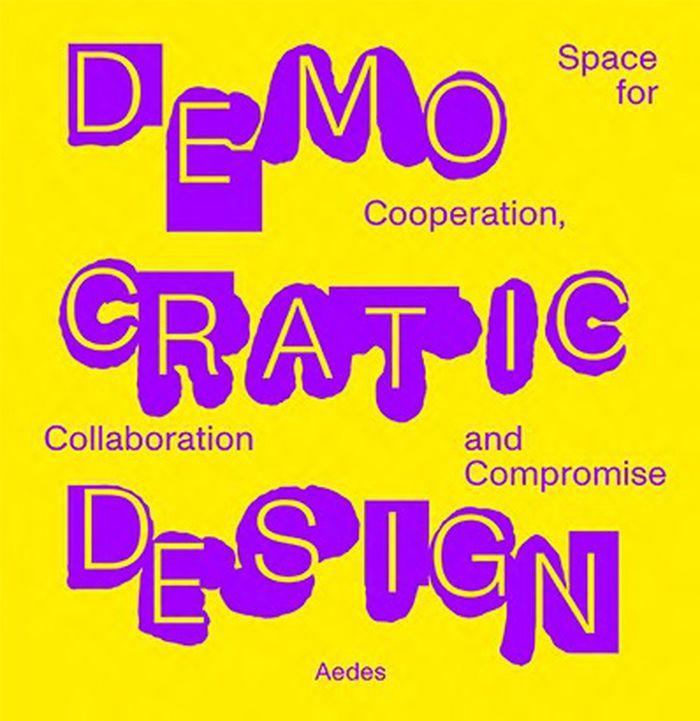
In "Democratic design – Space for cooperation, collaboration and compromise," Aedes explores how architecture, planning processes and public spaces can foster democratic engagement and social cohesion – both more urgent than ever in times of profound societal uncertainty. The programme consists of an exhibition, a series of four Lab Talks and a catalogue featuring contributions from practitioners in Berlin, Germany and across Europe, selected through an open call in collaboration with European architecture centres and through research conducted by the Aedes team. The presented projects amplify marginalised voices, encourage participation and inspire collective visions for the future. Dialogue and exchange are essential conditions for democracy, cultivating the ability to accept differing viewpoints and to compromise – the very foundations of democratic culture.
Democratic design: Space for cooperation, collaboration and compromise
Actions:
Prix:
$25.95
(disponible sur commande)
Résumé:
In "Democratic design – Space for cooperation, collaboration and compromise," Aedes explores how architecture, planning processes and public spaces can foster democratic engagement and social cohesion – both more urgent than ever in times of profound societal uncertainty. The programme consists of an exhibition, a series of four Lab Talks and a catalogue featuring contributions from practitioners in Berlin, Germany and across Europe, selected through an open call in collaboration with European architecture centres and through research conducted by the Aedes team. The presented projects amplify marginalised voices, encourage participation and inspire collective visions for the future. Dialogue and exchange are essential conditions for democracy, cultivating the ability to accept differing viewpoints and to compromise – the very foundations of democratic culture.
Classification:
livres
livres
Publication:
décembre 2025
décembre 2025
Classification:
livres
livres

Actions:
Prix:
$56.00
(disponible en magasin)
Résumé:
How do we foster trust in our public spaces, communities and each other? Trustmaking, edited by the eponymous European collective, introduces an approach to intergenerational connection, grounded in strategies such as arts-based interventions and place-making, which contradict and counteract urban paradigms. For planners, policymakers and anyone invested in inclusive(...)
$56.00
(disponible en magasin)
Résumé:
How do we foster trust in our public spaces, communities and each other? Trustmaking, edited by the eponymous European collective, introduces an approach to intergenerational connection, grounded in strategies such as arts-based interventions and place-making, which contradict and counteract urban paradigms. For planners, policymakers and anyone invested in inclusive(...)
Publication:
septembre 2026
septembre 2026
Titre:
Trustmaking: A guidebook on youth empowerment in urban transformation
Actions:
Prix:
$56.00
(disponible en magasin)
Résumé:
How do we foster trust in our public spaces, communities and each other? Trustmaking, edited by the eponymous European collective, introduces an approach to intergenerational connection, grounded in strategies such as arts-based interventions and place-making, which contradict and counteract urban paradigms. For planners, policymakers and anyone invested in inclusive cities, Trustmaking offers actionable, arts-based tools to bridge generational gaps and foster collaboration.
Trustmaking: A guidebook on youth empowerment in urban transformation
Actions:
Prix:
$56.00
(disponible en magasin)
Résumé:
How do we foster trust in our public spaces, communities and each other? Trustmaking, edited by the eponymous European collective, introduces an approach to intergenerational connection, grounded in strategies such as arts-based interventions and place-making, which contradict and counteract urban paradigms. For planners, policymakers and anyone invested in inclusive cities, Trustmaking offers actionable, arts-based tools to bridge generational gaps and foster collaboration.
Classification:
livres
livres
Publication:
septembre 2026
septembre 2026
Classification:
livres
livres
Actions:
Prix:
$43.00
(disponible en magasin)
Résumé:
In recent decades, citizens active in urban governance have taken up their roles as autonomous subjects, negotiating with governmental actors on the reuse of vacant buildings while representing the wishes of fellow residents to create self-managed communal spaces that are open to neighbourhood residents. They have appropriated vacant properties — and, where possible,(...)
$43.00
(disponible en magasin)
Résumé:
In recent decades, citizens active in urban governance have taken up their roles as autonomous subjects, negotiating with governmental actors on the reuse of vacant buildings while representing the wishes of fellow residents to create self-managed communal spaces that are open to neighbourhood residents. They have appropriated vacant properties — and, where possible,(...)
Publication:
avril 2026
avril 2026
Titre:
Citizen professional: reclaiming collective spaces
Actions:
Prix:
$43.00
(disponible en magasin)
Résumé:
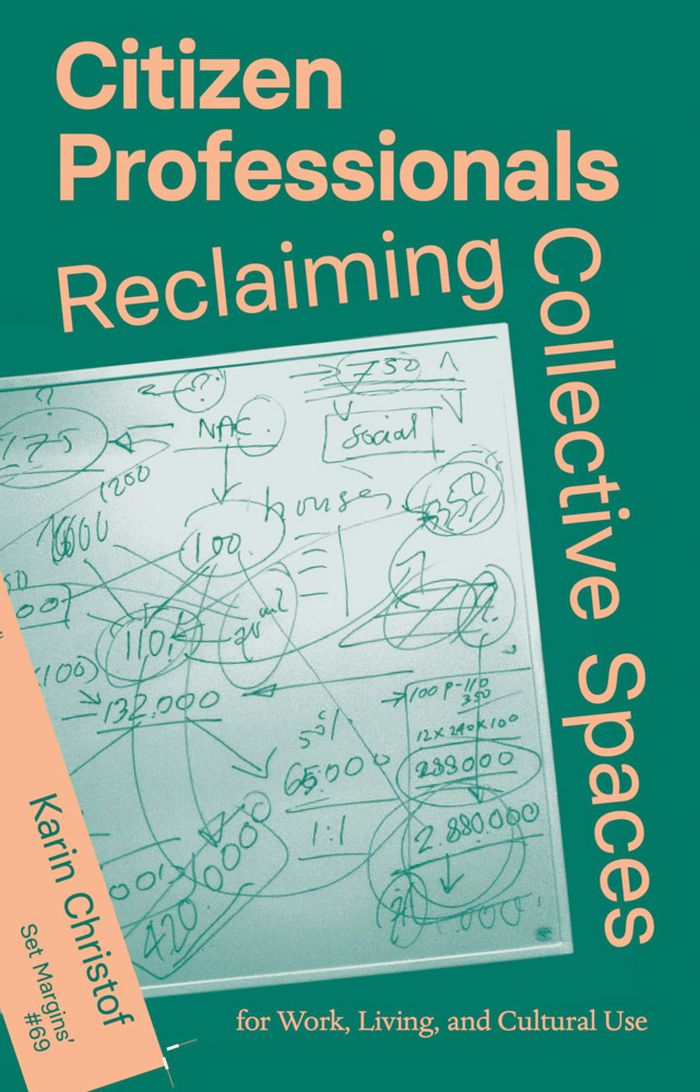
In recent decades, citizens active in urban governance have taken up their roles as autonomous subjects, negotiating with governmental actors on the reuse of vacant buildings while representing the wishes of fellow residents to create self-managed communal spaces that are open to neighbourhood residents. They have appropriated vacant properties — and, where possible, constructed new buildings — in line with their own interests, those of civic groups, and the common good. They work to create affordable working, living, cultural and community places in an increasingly commercialised urban environment. In this publication, these civic actors are referred to as citizen professionals (CPs).
Citizen professional: reclaiming collective spaces
Actions:
Prix:
$43.00
(disponible en magasin)
Résumé:
In recent decades, citizens active in urban governance have taken up their roles as autonomous subjects, negotiating with governmental actors on the reuse of vacant buildings while representing the wishes of fellow residents to create self-managed communal spaces that are open to neighbourhood residents. They have appropriated vacant properties — and, where possible, constructed new buildings — in line with their own interests, those of civic groups, and the common good. They work to create affordable working, living, cultural and community places in an increasingly commercialised urban environment. In this publication, these civic actors are referred to as citizen professionals (CPs).
Classification:
livres
livres
Publication:
avril 2026
avril 2026
Classification:
livres
livres
Titre:
Commons in design
Commons in design
Actions:
Prix:
$47.00
(disponible en magasin)
Résumé:
The scarcity of resources, climate change, and the digitalization of everyday life are fuelling the economy of swapping, sharing, and lending—all of which are in some way linked to a culture of commoning. In this context, we understand commons as community-based processes that use, collectively manage, and organize generally accessible resources—referring to both goods(...)
$47.00
(disponible en magasin)
Résumé:
The scarcity of resources, climate change, and the digitalization of everyday life are fuelling the economy of swapping, sharing, and lending—all of which are in some way linked to a culture of commoning. In this context, we understand commons as community-based processes that use, collectively manage, and organize generally accessible resources—referring to both goods(...)
Titre:
Commons in design
Actions:
Prix:
$47.00
(disponible en magasin)
Résumé:
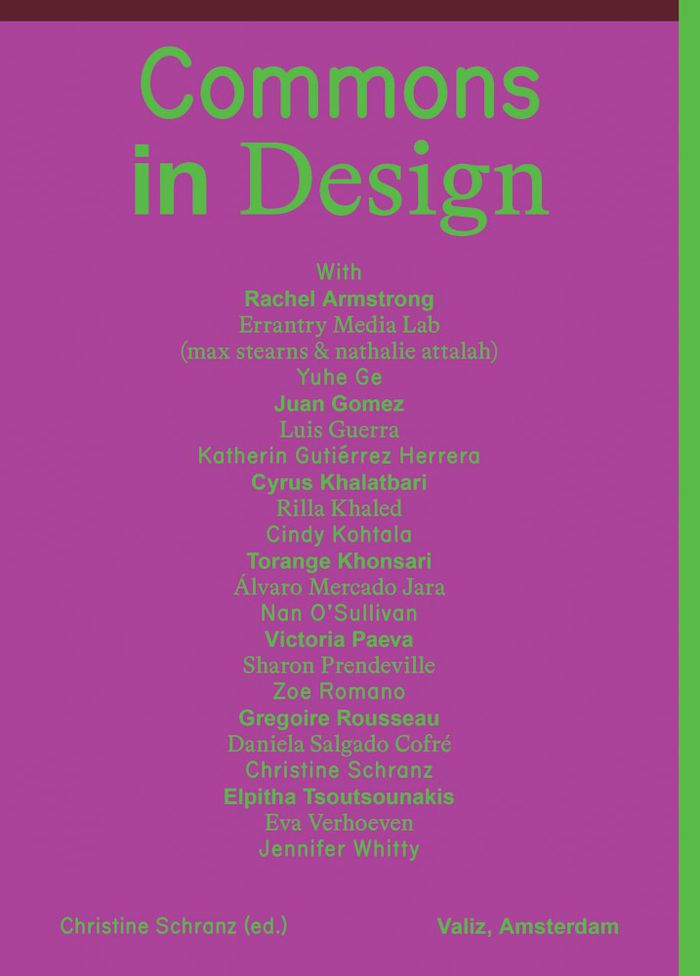
The scarcity of resources, climate change, and the digitalization of everyday life are fuelling the economy of swapping, sharing, and lending—all of which are in some way linked to a culture of commoning. In this context, we understand commons as community-based processes that use, collectively manage, and organize generally accessible resources—referring to both goods and knowledge. "Commons in design" explores the meaning and impact of commons—especially knowledge-based peer commons—and acts of commoning in design. It discusses networked, participatory, and open procedures based on the commons and commoning, testing models that negotiate the use of commons within design processes. In doing so, it critically engages with questions regarding designers’ positionings, everyday practices, self-understandings, ways of working, and approaches to education.
Commons in design
Actions:
Prix:
$47.00
(disponible en magasin)
Résumé:
The scarcity of resources, climate change, and the digitalization of everyday life are fuelling the economy of swapping, sharing, and lending—all of which are in some way linked to a culture of commoning. In this context, we understand commons as community-based processes that use, collectively manage, and organize generally accessible resources—referring to both goods and knowledge. "Commons in design" explores the meaning and impact of commons—especially knowledge-based peer commons—and acts of commoning in design. It discusses networked, participatory, and open procedures based on the commons and commoning, testing models that negotiate the use of commons within design processes. In doing so, it critically engages with questions regarding designers’ positionings, everyday practices, self-understandings, ways of working, and approaches to education.
Classification:
livres
livres
Publication:
février 2024
février 2024
Classification:
livres
livres
Actions:
Prix:
$72.00
(disponible sur commande)
Résumé:
The SMOTIES network is a partnership of ten design universities, research centres, creative agencies, and national associations. Each partner selected a small and remote place in their country to benefit from the design of cultural and creative regenerations within public spaces and in collaboration with local stakeholders. The project is part of the Human Cities(...)
$72.00
(disponible sur commande)
Résumé:
The SMOTIES network is a partnership of ten design universities, research centres, creative agencies, and national associations. Each partner selected a small and remote place in their country to benefit from the design of cultural and creative regenerations within public spaces and in collaboration with local stakeholders. The project is part of the Human Cities(...)
Publication:
octobre 2024
octobre 2024
Titre:
Remote places, public spaces: The story of creative works with ten small communities
Actions:
Prix:
$72.00
(disponible sur commande)
Résumé:
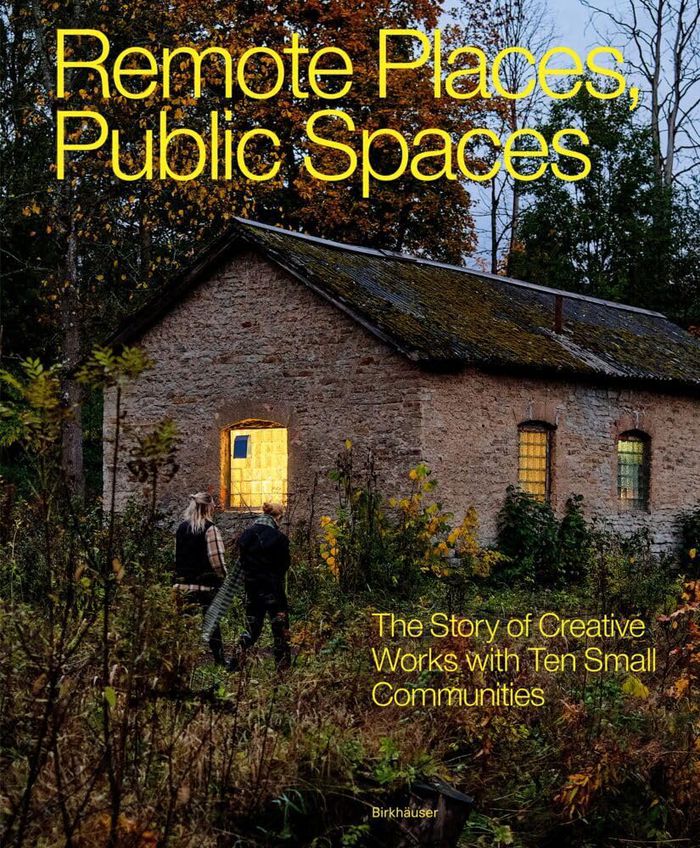
The SMOTIES network is a partnership of ten design universities, research centres, creative agencies, and national associations. Each partner selected a small and remote place in their country to benefit from the design of cultural and creative regenerations within public spaces and in collaboration with local stakeholders. The project is part of the Human Cities network, a platform for interdisciplinary exchange, examining and acting to improve the livability of indoor and outdoor public spaces to incubate innovative processes for social cohesion through participatory design.
Remote places, public spaces: The story of creative works with ten small communities
Actions:
Prix:
$72.00
(disponible sur commande)
Résumé:
The SMOTIES network is a partnership of ten design universities, research centres, creative agencies, and national associations. Each partner selected a small and remote place in their country to benefit from the design of cultural and creative regenerations within public spaces and in collaboration with local stakeholders. The project is part of the Human Cities network, a platform for interdisciplinary exchange, examining and acting to improve the livability of indoor and outdoor public spaces to incubate innovative processes for social cohesion through participatory design.
Classification:
livres
livres
Publication:
octobre 2024
octobre 2024
Classification:
livres
livres
Prix:
$34.95
(disponible sur commande)
Résumé:
“That’s what we do really: we do miracles,” said Anne-Marie Nyiranshimiyimana, who learned masonry in helping to build the Butaro Hospital, a project designed for and with the people of Rwanda using local materials. This, and other projects designed with dignity, show the power of good design. Almost nothing influences the quality of our lives more than the design of our(...)
$34.95
(disponible sur commande)
Résumé:
“That’s what we do really: we do miracles,” said Anne-Marie Nyiranshimiyimana, who learned masonry in helping to build the Butaro Hospital, a project designed for and with the people of Rwanda using local materials. This, and other projects designed with dignity, show the power of good design. Almost nothing influences the quality of our lives more than the design of our(...)
Titre:
Design for good: a new era of architecture for everyone
Actions:
Prix:
$34.95
(disponible sur commande)
Résumé:
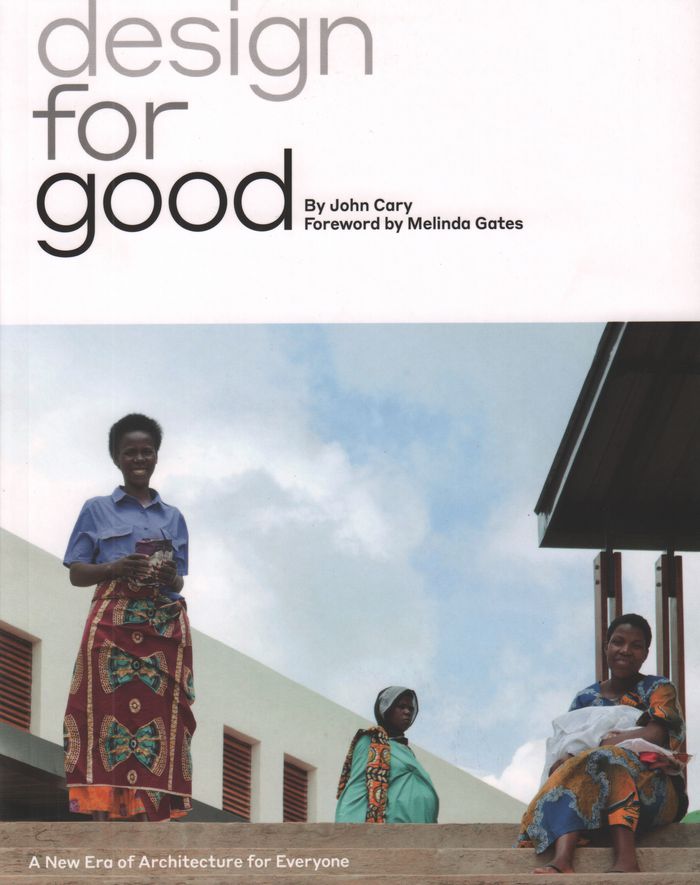
“That’s what we do really: we do miracles,” said Anne-Marie Nyiranshimiyimana, who learned masonry in helping to build the Butaro Hospital, a project designed for and with the people of Rwanda using local materials. This, and other projects designed with dignity, show the power of good design. Almost nothing influences the quality of our lives more than the design of our homes, our schools, our workplaces, and our public spaces. Yet, design is often taken for granted and people don’t realize that they deserve better, or that better is even possible. In Design for Good, John Cary offers character-driven, real-world stories about projects around the globe that offer more—buildings that are designed and created with and for the people who will use them. The book reveals a new understanding of the ways that design shapes our lives and gives professionals and interested citizens the tools to seek out and demand designs that dignify.
Design for good: a new era of architecture for everyone
Actions:
Prix:
$34.95
(disponible sur commande)
Résumé:
“That’s what we do really: we do miracles,” said Anne-Marie Nyiranshimiyimana, who learned masonry in helping to build the Butaro Hospital, a project designed for and with the people of Rwanda using local materials. This, and other projects designed with dignity, show the power of good design. Almost nothing influences the quality of our lives more than the design of our homes, our schools, our workplaces, and our public spaces. Yet, design is often taken for granted and people don’t realize that they deserve better, or that better is even possible. In Design for Good, John Cary offers character-driven, real-world stories about projects around the globe that offer more—buildings that are designed and created with and for the people who will use them. The book reveals a new understanding of the ways that design shapes our lives and gives professionals and interested citizens the tools to seek out and demand designs that dignify.
Classification:
livres
livres
Publication:
novembre 2017
novembre 2017
Classification:
livres
livres
Prix:
$39.95
(disponible sur commande)
Résumé:
This book shows how, even in the most difficult conditions–forced displacement, trauma, and struggle–design can help create a life worth living. ''Design to live'' documents designs, inventions, and artworks created by Syrian refugees living in the Azraq Refugee Camp in Jordan. Through these ingenious and creative innovations–including the vertical garden, an arrangement(...)
$39.95
(disponible sur commande)
Résumé:
This book shows how, even in the most difficult conditions–forced displacement, trauma, and struggle–design can help create a life worth living. ''Design to live'' documents designs, inventions, and artworks created by Syrian refugees living in the Azraq Refugee Camp in Jordan. Through these ingenious and creative innovations–including the vertical garden, an arrangement(...)
Publication:
octobre 2021
octobre 2021
Titre:
Design to live: Everyday inventions from a refugee camp
Actions:
Prix:
$39.95
(disponible sur commande)
Résumé:
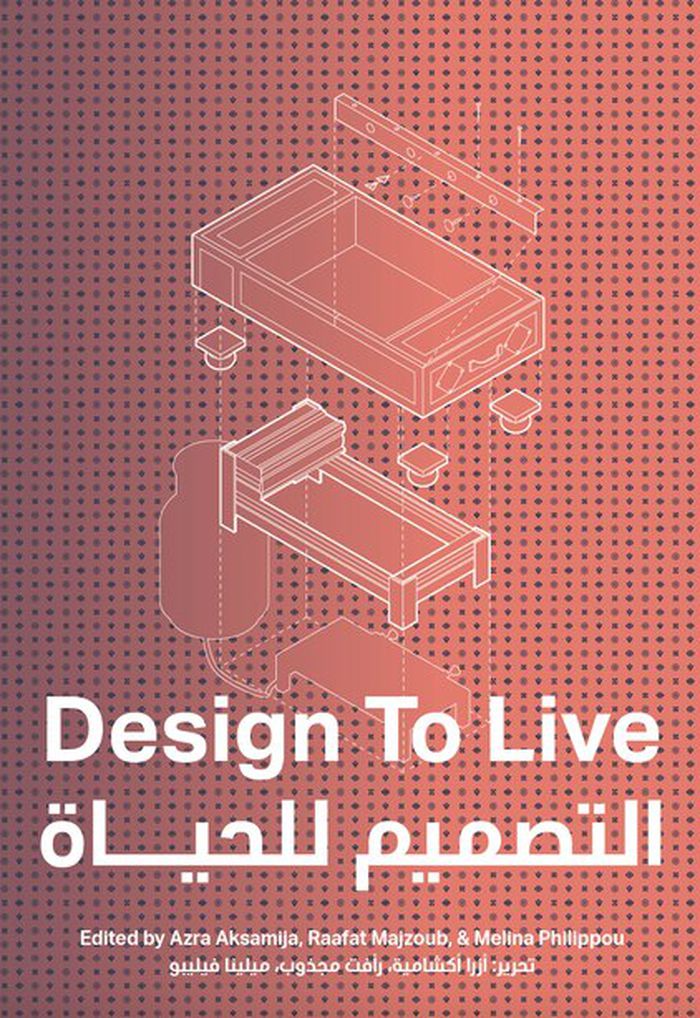
This book shows how, even in the most difficult conditions–forced displacement, trauma, and struggle–design can help create a life worth living. ''Design to live'' documents designs, inventions, and artworks created by Syrian refugees living in the Azraq Refugee Camp in Jordan. Through these ingenious and creative innovations–including the vertical garden, an arrangement necessitated by regulations that forbid planting in the ground; a front hall, fashioned to protect privacy; a baby swing made from recycled desks; and a chess set carved from a broomstick–refugees defy the material scarcity, unforgiving desert climate, and cultural isolation of the camp. Written in close collaboration with the residents of the camp, with text in both English and Arabic, ''Design to live,'' reflects two perspectives on the camp: people living and working in Azraq and designers reflecting on humanitarian architecture within the broader field of socially engaged art and design. Architectural drawings, illustrations, photographs, narratives, and stories offer vivid testimony to the imaginative and artful ways that residents alter and reconstruct the standardized humanitarian design of the camp–and provide models that can be replicated elsewhere. The book is the product of a three-year project undertaken by MIT Future Heritage Lab, researchers and students with Syrian refugees at the Azraq Refugee Camp, CARE, Jordan, and the German-Jordanian University.
Design to live: Everyday inventions from a refugee camp
Actions:
Prix:
$39.95
(disponible sur commande)
Résumé:
This book shows how, even in the most difficult conditions–forced displacement, trauma, and struggle–design can help create a life worth living. ''Design to live'' documents designs, inventions, and artworks created by Syrian refugees living in the Azraq Refugee Camp in Jordan. Through these ingenious and creative innovations–including the vertical garden, an arrangement necessitated by regulations that forbid planting in the ground; a front hall, fashioned to protect privacy; a baby swing made from recycled desks; and a chess set carved from a broomstick–refugees defy the material scarcity, unforgiving desert climate, and cultural isolation of the camp. Written in close collaboration with the residents of the camp, with text in both English and Arabic, ''Design to live,'' reflects two perspectives on the camp: people living and working in Azraq and designers reflecting on humanitarian architecture within the broader field of socially engaged art and design. Architectural drawings, illustrations, photographs, narratives, and stories offer vivid testimony to the imaginative and artful ways that residents alter and reconstruct the standardized humanitarian design of the camp–and provide models that can be replicated elsewhere. The book is the product of a three-year project undertaken by MIT Future Heritage Lab, researchers and students with Syrian refugees at the Azraq Refugee Camp, CARE, Jordan, and the German-Jordanian University.
Classification:
livres
livres
Publication:
octobre 2021
octobre 2021


