


150 Résultats
Classification:
livres
livres
Titre:
Let's talk wild!
Let's talk wild!
Actions:
Prix:
$32.95
(disponible sur commande)
Résumé:
Urban design and wildness may seem at odds, yet as cities evolve, wildness is increasingly seen as a resource - shaping how we think about and create our living environments. From urban gardening to rewilding projects, wild practices are gaining ground. Are these trends signs of genuine transformation or just the commercialization of sustainability? How are other(...)
$32.95
(disponible sur commande)
Résumé:
Urban design and wildness may seem at odds, yet as cities evolve, wildness is increasingly seen as a resource - shaping how we think about and create our living environments. From urban gardening to rewilding projects, wild practices are gaining ground. Are these trends signs of genuine transformation or just the commercialization of sustainability? How are other(...)
Titre:
Let's talk wild!
Actions:
Prix:
$32.95
(disponible sur commande)
Résumé:
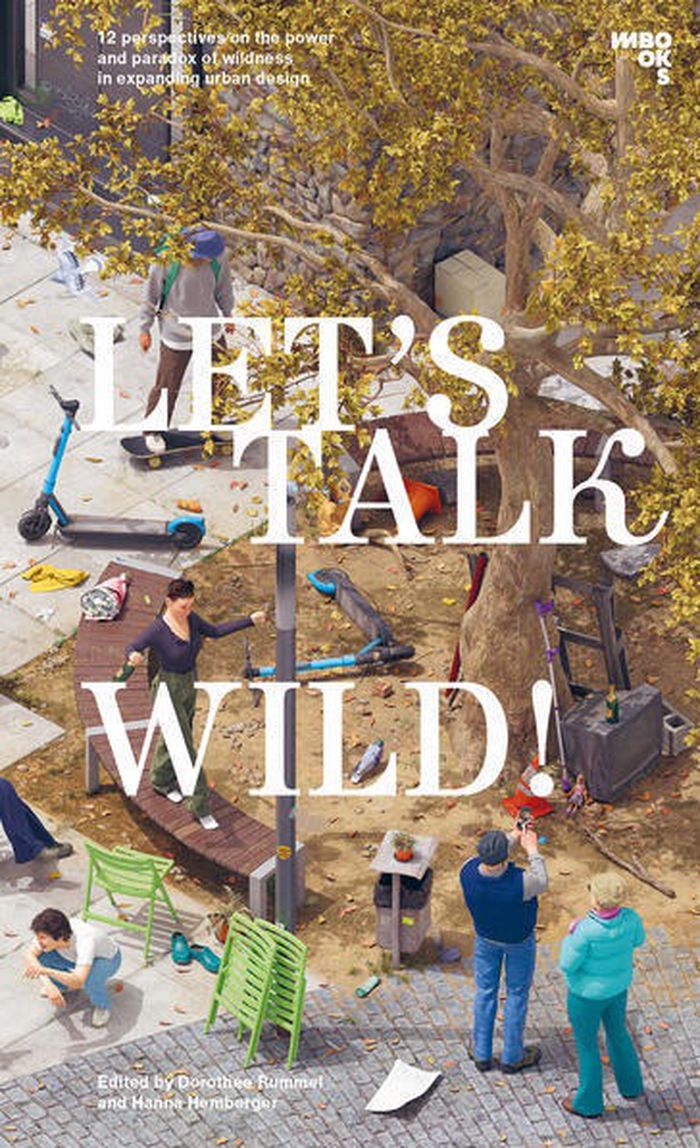
Urban design and wildness may seem at odds, yet as cities evolve, wildness is increasingly seen as a resource - shaping how we think about and create our living environments. From urban gardening to rewilding projects, wild practices are gaining ground. Are these trends signs of genuine transformation or just the commercialization of sustainability? How are other disciplines rethinking wildness? And how can architects and planners engage critically with these ideas? "Let’s Talk Wild!" brings together 12 interdisciplinary voices in a multi-layered dialogue on chaos, creativity, and the complex meanings of wildness.
Let's talk wild!
Actions:
Prix:
$32.95
(disponible sur commande)
Résumé:
Urban design and wildness may seem at odds, yet as cities evolve, wildness is increasingly seen as a resource - shaping how we think about and create our living environments. From urban gardening to rewilding projects, wild practices are gaining ground. Are these trends signs of genuine transformation or just the commercialization of sustainability? How are other disciplines rethinking wildness? And how can architects and planners engage critically with these ideas? "Let’s Talk Wild!" brings together 12 interdisciplinary voices in a multi-layered dialogue on chaos, creativity, and the complex meanings of wildness.
Classification:
livres
livres
Publication:
septembre 2025
septembre 2025
Sujet:
Paysages urbains
Paysages urbains
Classification:
livres
livres
Titre:
Nightscapes
Nightscapes
Actions:
Prix:
$55.00
(disponible sur commande)
Résumé:
This book shows how night redefines the framework of thought and action in the realm of the imaginary, of territorial planning and of the practice of landscape, the aim being to arrive at a contemporary urbanism based on perceptual experience. The book is structured in three parts: the first covers the originality and value of the experience of the nocturnal landscape(...)
$55.00
(disponible sur commande)
Résumé:
This book shows how night redefines the framework of thought and action in the realm of the imaginary, of territorial planning and of the practice of landscape, the aim being to arrive at a contemporary urbanism based on perceptual experience. The book is structured in three parts: the first covers the originality and value of the experience of the nocturnal landscape(...)
Titre:
Nightscapes
Actions:
Prix:
$55.00
(disponible sur commande)
Résumé:
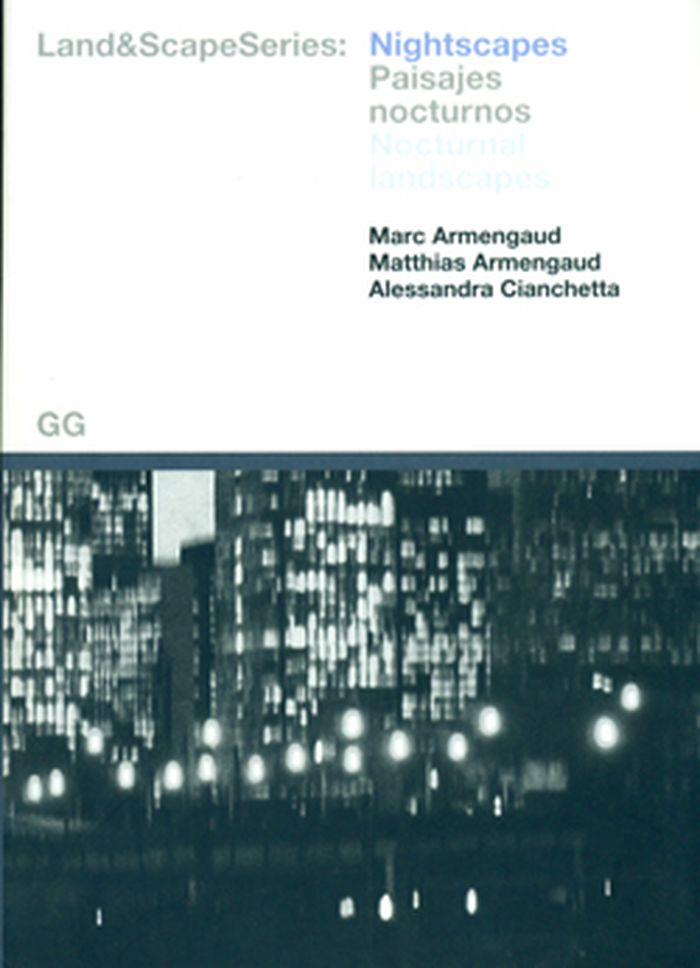
This book shows how night redefines the framework of thought and action in the realm of the imaginary, of territorial planning and of the practice of landscape, the aim being to arrive at a contemporary urbanism based on perceptual experience. The book is structured in three parts: the first covers the originality and value of the experience of the nocturnal landscape for thought and creativity, the second defines infrastructure as the nocturnal landscape’s real scale and strategy, while the third illustrates examples of nocturnal contemporary architecture and landscape.
Nightscapes
Actions:
Prix:
$55.00
(disponible sur commande)
Résumé:
This book shows how night redefines the framework of thought and action in the realm of the imaginary, of territorial planning and of the practice of landscape, the aim being to arrive at a contemporary urbanism based on perceptual experience. The book is structured in three parts: the first covers the originality and value of the experience of the nocturnal landscape for thought and creativity, the second defines infrastructure as the nocturnal landscape’s real scale and strategy, while the third illustrates examples of nocturnal contemporary architecture and landscape.
Classification:
livres
livres
Publication:
juillet 2009
juillet 2009
Sujet:
Paysages urbains
Paysages urbains
Classification:
livres
livres
Actions:
Prix:
$55.00
(disponible en magasin)
Résumé:
Latinscapes tries to display an attitude common to various countries: that of landscape understood as raw material, as a search procedure for successfully defining a group portrait made up of different faces that have certain common origins and histories.
$55.00
(disponible en magasin)
Résumé:
Latinscapes tries to display an attitude common to various countries: that of landscape understood as raw material, as a search procedure for successfully defining a group portrait made up of different faces that have certain common origins and histories.
Titre:
Latinscapes: Landscape as raw material
Actions:
Prix:
$55.00
(disponible en magasin)
Résumé:
Latinscapes tries to display an attitude common to various countries: that of landscape understood as raw material, as a search procedure for successfully defining a group portrait made up of different faces that have certain common origins and histories.
Latinscapes: Landscape as raw material
Actions:
Prix:
$55.00
(disponible en magasin)
Résumé:
Latinscapes tries to display an attitude common to various countries: that of landscape understood as raw material, as a search procedure for successfully defining a group portrait made up of different faces that have certain common origins and histories.
Classification:
livres
livres
Publication:
septembre 2007
septembre 2007
Sujet:
Paysages urbains
Paysages urbains
Classification:
livres
livres
Actions:
Prix:
$52.50
(disponible sur commande)
Résumé:
"Landscape + 100 words to inhabit it" is a title that intends to present a condition of contemporary landscape by measuring it through a direct and immediate form : terms, definitions, ideas, microstories, short texts, notes. It is a collection of instant snaps rather than a complete critical and theoretical look at the subject. It is a group of terms asked for and(...)
$52.50
(disponible sur commande)
Résumé:
"Landscape + 100 words to inhabit it" is a title that intends to present a condition of contemporary landscape by measuring it through a direct and immediate form : terms, definitions, ideas, microstories, short texts, notes. It is a collection of instant snaps rather than a complete critical and theoretical look at the subject. It is a group of terms asked for and(...)
Titre:
Landscape + 100 words to inhabit it
Actions:
Prix:
$52.50
(disponible sur commande)
Résumé:
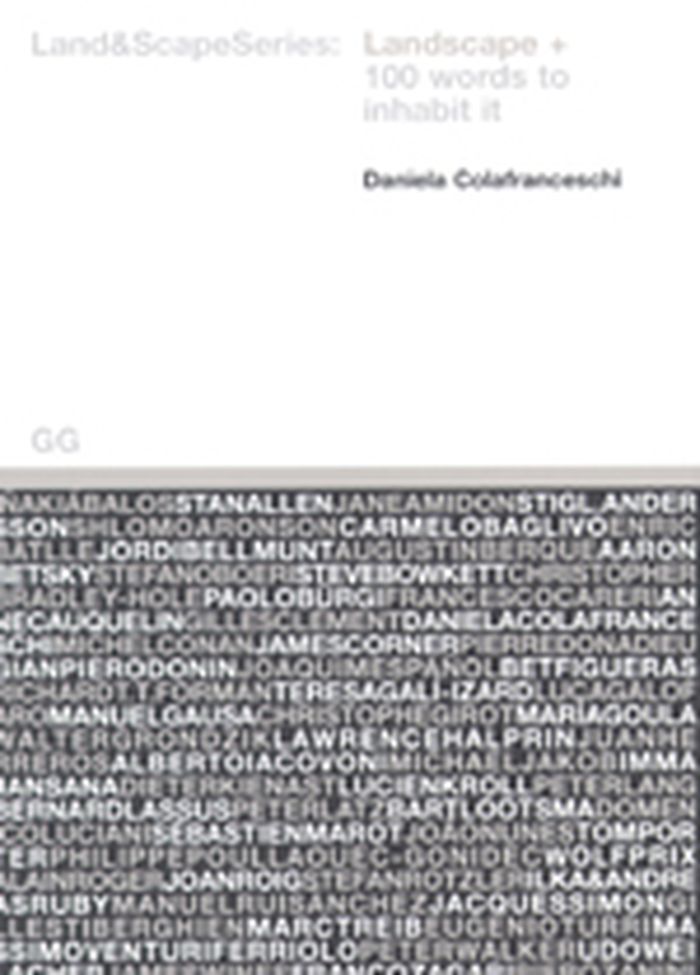
"Landscape + 100 words to inhabit it" is a title that intends to present a condition of contemporary landscape by measuring it through a direct and immediate form : terms, definitions, ideas, microstories, short texts, notes. It is a collection of instant snaps rather than a complete critical and theoretical look at the subject. It is a group of terms asked for and formulated by authors that are not only architects and landscape architects, but also urbanists, philosophers, critics, poets, geographers and writers. It is a collection of reflections that underlie aesthetic and cultural categories as much as technical-professional values and practices. It is a Tower of Babel of meanings, each having its specific characteristics, which, far from exhausting all the issues of a particular point, propose 'listening' to it from various multifaceted standpoints. These concepts do not guide this book towards a definition of landscape but towards a search for the most suitable instruments for dealing with it.
Landscape + 100 words to inhabit it
Actions:
Prix:
$52.50
(disponible sur commande)
Résumé:
"Landscape + 100 words to inhabit it" is a title that intends to present a condition of contemporary landscape by measuring it through a direct and immediate form : terms, definitions, ideas, microstories, short texts, notes. It is a collection of instant snaps rather than a complete critical and theoretical look at the subject. It is a group of terms asked for and formulated by authors that are not only architects and landscape architects, but also urbanists, philosophers, critics, poets, geographers and writers. It is a collection of reflections that underlie aesthetic and cultural categories as much as technical-professional values and practices. It is a Tower of Babel of meanings, each having its specific characteristics, which, far from exhausting all the issues of a particular point, propose 'listening' to it from various multifaceted standpoints. These concepts do not guide this book towards a definition of landscape but towards a search for the most suitable instruments for dealing with it.
Classification:
livres
livres
Publication:
juillet 2007, Barcelona
juillet 2007, Barcelona
Sujet:
Paysages urbains
Paysages urbains
Classification:
livres
livres
Actions:
Prix:
$62.95
(disponible en magasin)
Résumé:
En ce début de millénaire, quel regard porter sur la production récente de l'espace public ? Loin des grands aménagements urbains, ce livre explore la question de l'invention du paysage urbain dans des petites ou moyennes communes et au travers d'opérations modestes, situées dans de grandes villes ou non. Le "paysage intime" résulte du fragile équilibre obtenu par une(...)
$62.95
(disponible en magasin)
Résumé:
En ce début de millénaire, quel regard porter sur la production récente de l'espace public ? Loin des grands aménagements urbains, ce livre explore la question de l'invention du paysage urbain dans des petites ou moyennes communes et au travers d'opérations modestes, situées dans de grandes villes ou non. Le "paysage intime" résulte du fragile équilibre obtenu par une(...)
Titre:
Paysages urbains, une France intime
Actions:
Prix:
$62.95
(disponible en magasin)
Résumé:
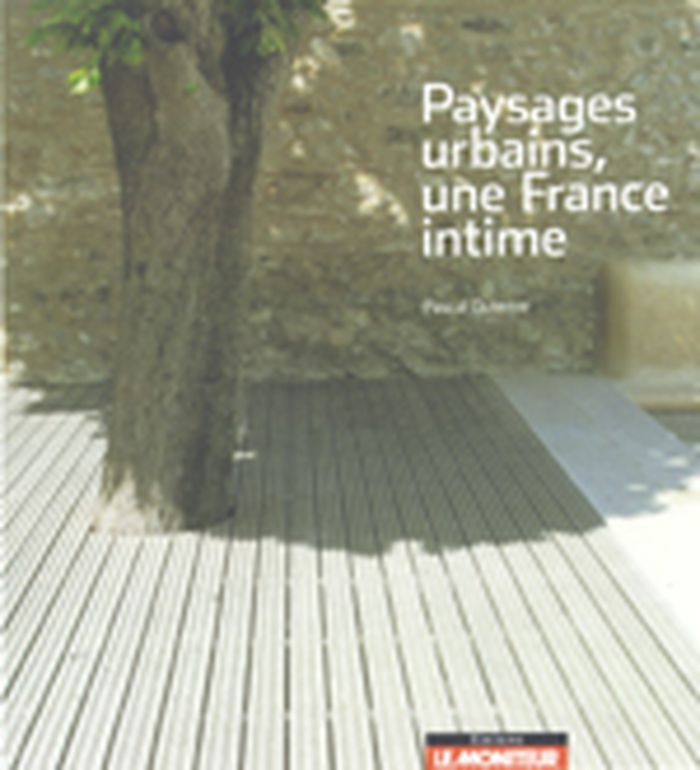
En ce début de millénaire, quel regard porter sur la production récente de l'espace public ? Loin des grands aménagements urbains, ce livre explore la question de l'invention du paysage urbain dans des petites ou moyennes communes et au travers d'opérations modestes, situées dans de grandes villes ou non. Le "paysage intime" résulte du fragile équilibre obtenu par une évolution lente de la matière bâtie et non bâtie, en fonction des techniques, des particularités culturelles, des usages et du climat de chaque région. Or, force est de constater que, souvent, la production courante de l'aménagement urbain et le traitement infligé aux espaces publics manquent d'attention et de pertinence. L'objet de cet ouvrage est de montrer qu'il est pourtant possible de faire évoluer le cadre urbain avec intelligence et sensibilité tout en évitant les pièges d'un conservatisme frileux ou d'un "modernisme" tapageur. Vingt opérations ont été choisies pour leur qualité de conception et de réalisation, leur caractère innovant ou simplement pour la justesse de leur réponse. Elles prennent en compte les particularités des sites dans lesquels elles s'inscrivent ainsi que les demandes en termes d'usage et de fonctionnalité, pour créer des paysages "à valeur ajoutée", loin des solutions toutes faites qui banalisent et dénaturent généralement les paysages urbains. Ce recueil de projets remarquables par leur qualité devrait contribuer à relever le niveau d'exigence dans la réalisation des espaces publics et à encourager les initiatives ambitieuses.
Paysages urbains, une France intime
Actions:
Prix:
$62.95
(disponible en magasin)
Résumé:
En ce début de millénaire, quel regard porter sur la production récente de l'espace public ? Loin des grands aménagements urbains, ce livre explore la question de l'invention du paysage urbain dans des petites ou moyennes communes et au travers d'opérations modestes, situées dans de grandes villes ou non. Le "paysage intime" résulte du fragile équilibre obtenu par une évolution lente de la matière bâtie et non bâtie, en fonction des techniques, des particularités culturelles, des usages et du climat de chaque région. Or, force est de constater que, souvent, la production courante de l'aménagement urbain et le traitement infligé aux espaces publics manquent d'attention et de pertinence. L'objet de cet ouvrage est de montrer qu'il est pourtant possible de faire évoluer le cadre urbain avec intelligence et sensibilité tout en évitant les pièges d'un conservatisme frileux ou d'un "modernisme" tapageur. Vingt opérations ont été choisies pour leur qualité de conception et de réalisation, leur caractère innovant ou simplement pour la justesse de leur réponse. Elles prennent en compte les particularités des sites dans lesquels elles s'inscrivent ainsi que les demandes en termes d'usage et de fonctionnalité, pour créer des paysages "à valeur ajoutée", loin des solutions toutes faites qui banalisent et dénaturent généralement les paysages urbains. Ce recueil de projets remarquables par leur qualité devrait contribuer à relever le niveau d'exigence dans la réalisation des espaces publics et à encourager les initiatives ambitieuses.
Classification:
livres
livres
Publication:
février 2007, Paris
février 2007, Paris
Sujet:
Paysages urbains
Paysages urbains
Classification:
livres
livres
Titre:
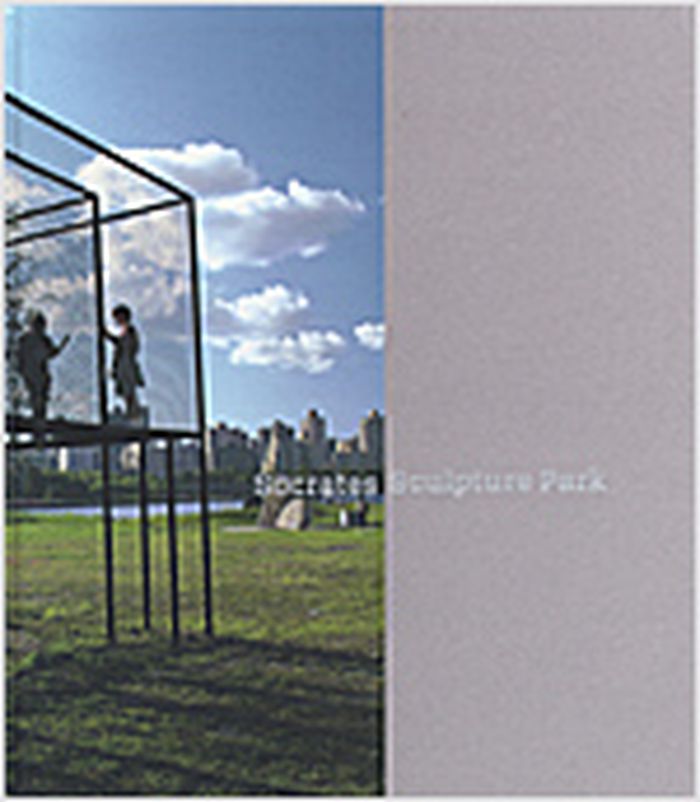
Socrates sculpture park
Socrates sculpture park
Actions:
Prix:
$72.95
(disponible sur commande)
Résumé:
Socrates Sculpture Park is a public art spaces. The Park opened in 1986 and has been an outdoor studio to over 500 artists, a venue presenting more than 40 exhibitions of large-scale sculpture, and a vital park attracting a diverse audience to Long Island City’s East River waterfront. This book is published to celebrate the 20th anniversary of Socrates Sculpture Park, and(...)
$72.95
(disponible sur commande)
Résumé:
Socrates Sculpture Park is a public art spaces. The Park opened in 1986 and has been an outdoor studio to over 500 artists, a venue presenting more than 40 exhibitions of large-scale sculpture, and a vital park attracting a diverse audience to Long Island City’s East River waterfront. This book is published to celebrate the 20th anniversary of Socrates Sculpture Park, and(...)
Sujet:
Paysages urbains
Paysages urbains
Publication:
octobre 2006, New Haven, London
octobre 2006, New Haven, London
Titre:
Socrates sculpture park
Actions:
Prix:
$72.95
(disponible sur commande)
Résumé:
Socrates Sculpture Park is a public art spaces. The Park opened in 1986 and has been an outdoor studio to over 500 artists, a venue presenting more than 40 exhibitions of large-scale sculpture, and a vital park attracting a diverse audience to Long Island City’s East River waterfront. This book is published to celebrate the 20th anniversary of Socrates Sculpture Park, and it is the first major publication on this unique outdoor museum. Sculptor Mark di Suvero founded the Park with the assistance of fellow artists, community members, and city officials who transformed an abandoned lot into an award-winning urban renewal project. The history, spirit, and nature of this collaborative enterprise is presented through photographs and essays that reveal the beauty, energy, and import of this successful public art space.
Socrates sculpture park
Actions:
Prix:
$72.95
(disponible sur commande)
Résumé:
Socrates Sculpture Park is a public art spaces. The Park opened in 1986 and has been an outdoor studio to over 500 artists, a venue presenting more than 40 exhibitions of large-scale sculpture, and a vital park attracting a diverse audience to Long Island City’s East River waterfront. This book is published to celebrate the 20th anniversary of Socrates Sculpture Park, and it is the first major publication on this unique outdoor museum. Sculptor Mark di Suvero founded the Park with the assistance of fellow artists, community members, and city officials who transformed an abandoned lot into an award-winning urban renewal project. The history, spirit, and nature of this collaborative enterprise is presented through photographs and essays that reveal the beauty, energy, and import of this successful public art space.
Classification:
livres
livres
Publication:
octobre 2006, New Haven, London
octobre 2006, New Haven, London
Sujet:
Paysages urbains
Paysages urbains
Classification:
livres
livres
Actions:
Prix:
$46.95
(disponible sur commande)
Résumé:
Hester argues that it is only by combining the powerful forces of ecology and democracy that the needed revolution in design will take place. Democracy bestows freedom; ecology creates responsible freedom by explaining our interconnectedness with all creatures. Hester's new design principles are founded on three fundamental issues that integrate democracy and ecology:(...)
$46.95
(disponible sur commande)
Résumé:
Hester argues that it is only by combining the powerful forces of ecology and democracy that the needed revolution in design will take place. Democracy bestows freedom; ecology creates responsible freedom by explaining our interconnectedness with all creatures. Hester's new design principles are founded on three fundamental issues that integrate democracy and ecology:(...)
Titre:
Design for ecological democracy
Actions:
Prix:
$46.95
(disponible sur commande)
Résumé:
Hester argues that it is only by combining the powerful forces of ecology and democracy that the needed revolution in design will take place. Democracy bestows freedom; ecology creates responsible freedom by explaining our interconnectedness with all creatures. Hester's new design principles are founded on three fundamental issues that integrate democracy and ecology: enabling form, resilient form, and impelling form. Urban design must enable us to be communities rather than zoning-segregated enclaves and to function as informed democracies. A simple bench at a centrally located post office, for example, provides an opportunity for connection and shared experience. Cities must be ecologically resilient rather than ecologically imperiled, adaptable to the surrounding ecology rather than dependent on technological fixes. Resilient form turns increased urban density, for example, into an advantage. And cities should impel us by joy rather than compel us by fear; good cities enrich us rather than limit us. Design for Ecological Democracy is essential reading for designers, planners, environmentalists, community activists, and anyone else who wants to improve a local community.
Design for ecological democracy
Actions:
Prix:
$46.95
(disponible sur commande)
Résumé:
Hester argues that it is only by combining the powerful forces of ecology and democracy that the needed revolution in design will take place. Democracy bestows freedom; ecology creates responsible freedom by explaining our interconnectedness with all creatures. Hester's new design principles are founded on three fundamental issues that integrate democracy and ecology: enabling form, resilient form, and impelling form. Urban design must enable us to be communities rather than zoning-segregated enclaves and to function as informed democracies. A simple bench at a centrally located post office, for example, provides an opportunity for connection and shared experience. Cities must be ecologically resilient rather than ecologically imperiled, adaptable to the surrounding ecology rather than dependent on technological fixes. Resilient form turns increased urban density, for example, into an advantage. And cities should impel us by joy rather than compel us by fear; good cities enrich us rather than limit us. Design for Ecological Democracy is essential reading for designers, planners, environmentalists, community activists, and anyone else who wants to improve a local community.
Classification:
livres
livres
Publication:
septembre 2006, Cambridge, Mass.
septembre 2006, Cambridge, Mass.
Sujet:
Paysages urbains
Paysages urbains
Classification:
livres
livres
Actions:
Prix:
$22.95
(disponible sur commande)
Résumé:
"Green city : people, nature, and urban places" looks at eleven cities the world over to see how people and nature have interacted over the course of history, and how people attempt to bring nature into cities. In each of these locations, Soderstrom examines how people have tried to make a connection with nature — how well they’ve done is both a lesson in hope and, often,(...)
$22.95
(disponible sur commande)
Résumé:
"Green city : people, nature, and urban places" looks at eleven cities the world over to see how people and nature have interacted over the course of history, and how people attempt to bring nature into cities. In each of these locations, Soderstrom examines how people have tried to make a connection with nature — how well they’ve done is both a lesson in hope and, often,(...)
Titre:
Green city : people, nature and urban places
Actions:
Prix:
$22.95
(disponible sur commande)
Résumé:
"Green city : people, nature, and urban places" looks at eleven cities the world over to see how people and nature have interacted over the course of history, and how people attempt to bring nature into cities. In each of these locations, Soderstrom examines how people have tried to make a connection with nature — how well they’ve done is both a lesson in hope and, often, a warning. Featuring chapters on Babylon, Provins (France), London and Bloomsbury, Hamilton, Chicago, Irvine, Singapore, Tanga (Tanzania), Kochi (India), Shanghai, and São Paulo, as well as recommendations on what must be done so that everyone has a bit of green to call their own. Also includes photographs and extensive notes.
Green city : people, nature and urban places
Actions:
Prix:
$22.95
(disponible sur commande)
Résumé:
"Green city : people, nature, and urban places" looks at eleven cities the world over to see how people and nature have interacted over the course of history, and how people attempt to bring nature into cities. In each of these locations, Soderstrom examines how people have tried to make a connection with nature — how well they’ve done is both a lesson in hope and, often, a warning. Featuring chapters on Babylon, Provins (France), London and Bloomsbury, Hamilton, Chicago, Irvine, Singapore, Tanga (Tanzania), Kochi (India), Shanghai, and São Paulo, as well as recommendations on what must be done so that everyone has a bit of green to call their own. Also includes photographs and extensive notes.
Classification:
livres
livres
Publication:
août 2006, Montréal
août 2006, Montréal
Sujet:
Paysages urbains
Paysages urbains
Classification:
livres
livres
Titre:
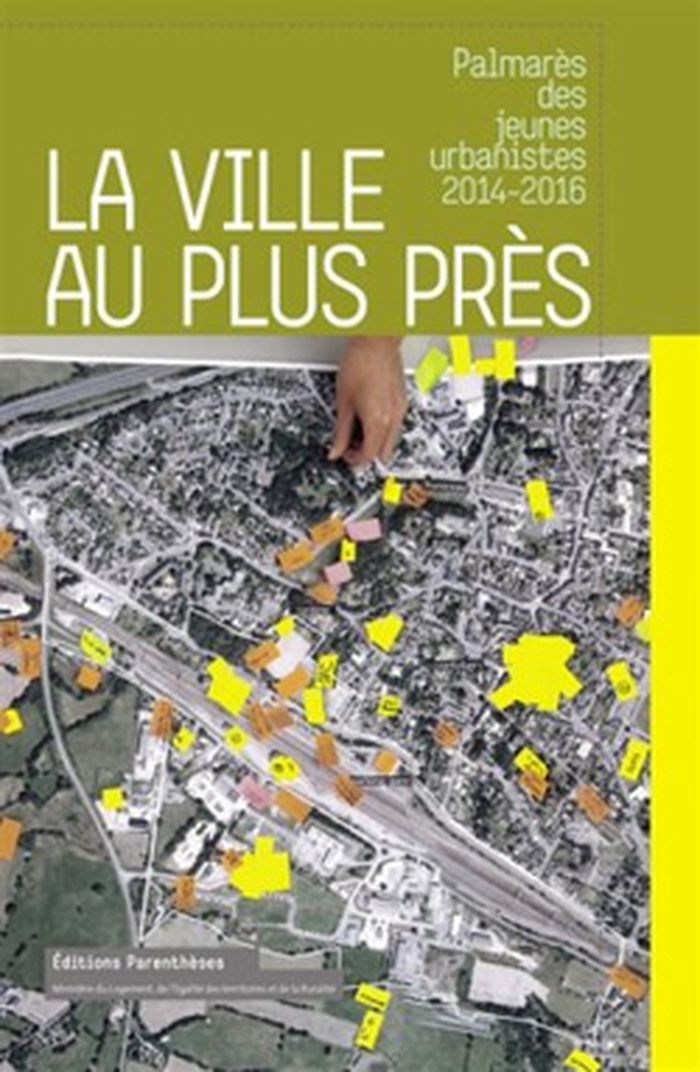
La ville au plus près
La ville au plus près
Actions:
Prix:
$29.95
(disponible sur commande)
Résumé:
Le palmarès des jeunes urbanistes a été créé en 2005 par le ministère en charge de l'urbanisme. Les lauréats de cette cinquième édition, urbanistes ou collectifs d'urbanistes, offrent des pistes d'innovation en termes de projets, de pratiques et de méthodes, pour répondre aux défis de la ville contemporaine.
$29.95
(disponible sur commande)
Résumé:
Le palmarès des jeunes urbanistes a été créé en 2005 par le ministère en charge de l'urbanisme. Les lauréats de cette cinquième édition, urbanistes ou collectifs d'urbanistes, offrent des pistes d'innovation en termes de projets, de pratiques et de méthodes, pour répondre aux défis de la ville contemporaine.
Titre:
La ville au plus près
Actions:
Prix:
$29.95
(disponible sur commande)
Résumé:
Le palmarès des jeunes urbanistes a été créé en 2005 par le ministère en charge de l'urbanisme. Les lauréats de cette cinquième édition, urbanistes ou collectifs d'urbanistes, offrent des pistes d'innovation en termes de projets, de pratiques et de méthodes, pour répondre aux défis de la ville contemporaine.
La ville au plus près
Actions:
Prix:
$29.95
(disponible sur commande)
Résumé:
Le palmarès des jeunes urbanistes a été créé en 2005 par le ministère en charge de l'urbanisme. Les lauréats de cette cinquième édition, urbanistes ou collectifs d'urbanistes, offrent des pistes d'innovation en termes de projets, de pratiques et de méthodes, pour répondre aux défis de la ville contemporaine.
Classification:
livres
livres
Publication:
février 2016
février 2016
Sujet:
Paysages urbains
Paysages urbains
Classification:
livres
livres
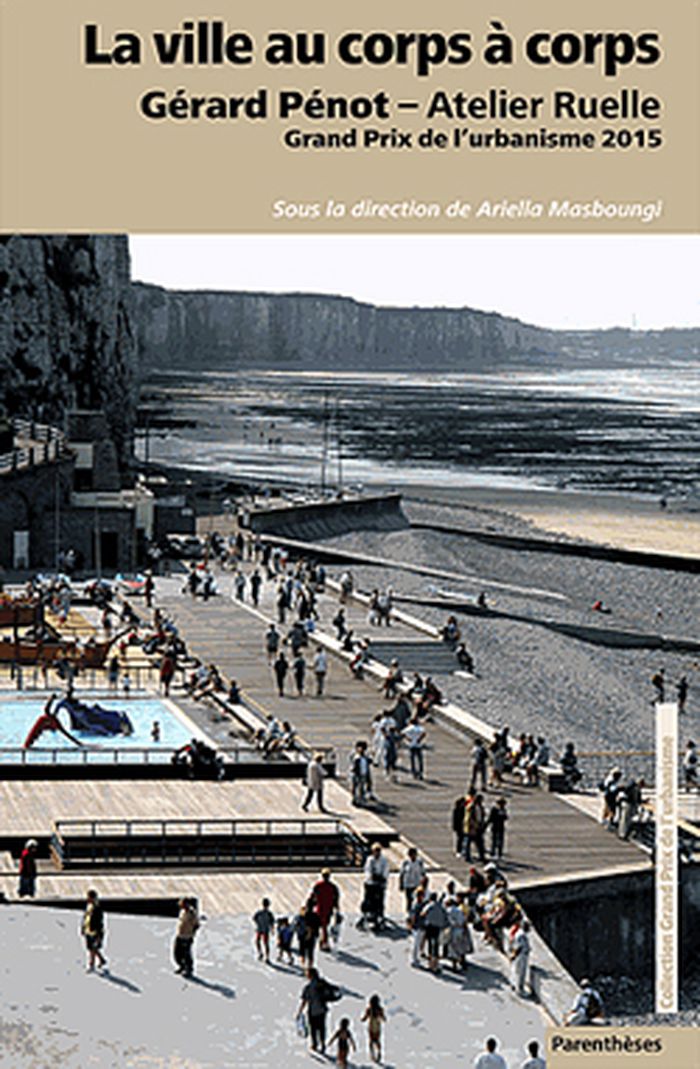
Titre:
La ville au corps à corps
La ville au corps à corps
Actions:
Prix:
$26.95
(disponible sur commande)
Résumé:
Présentation du travail de l'urbaniste spécialisé dans la création d'espaces publics économes, à hauteur d'homme et respectueux du piéton.
$26.95
(disponible sur commande)
Résumé:
Présentation du travail de l'urbaniste spécialisé dans la création d'espaces publics économes, à hauteur d'homme et respectueux du piéton.
Titre:
La ville au corps à corps
Actions:
Prix:
$26.95
(disponible sur commande)
Résumé:
Présentation du travail de l'urbaniste spécialisé dans la création d'espaces publics économes, à hauteur d'homme et respectueux du piéton.
La ville au corps à corps
Actions:
Prix:
$26.95
(disponible sur commande)
Résumé:
Présentation du travail de l'urbaniste spécialisé dans la création d'espaces publics économes, à hauteur d'homme et respectueux du piéton.
Classification:
livres
livres
Publication:
février 2016
février 2016
Sujet:
Paysages urbains
Paysages urbains


