


2476 Résultats
Classification:
livres
livres

Titre:
Joel Sternfeld : iDubai
Joel Sternfeld : iDubai
Actions:
Prix:
$58.00
(disponible sur commande)
Résumé:
Joel Sternfeld is an artist known for work which explores utopic and dystopic possibilities.
$58.00
(disponible sur commande)
Résumé:
Joel Sternfeld is an artist known for work which explores utopic and dystopic possibilities.
Titre:
Joel Sternfeld : iDubai
Actions:
Prix:
$58.00
(disponible sur commande)
Résumé:
Joel Sternfeld is an artist known for work which explores utopic and dystopic possibilities.
Joel Sternfeld : iDubai
Actions:
Prix:
$58.00
(disponible sur commande)
Résumé:
Joel Sternfeld is an artist known for work which explores utopic and dystopic possibilities.
Classification:
livres
livres
Publication:
décembre 2009
décembre 2009
Sujet:
Monographies photo
Monographies photo
Classification:
livres
livres
Titre:
Scrapbook
Scrapbook
Actions:
Prix:
$45.00
(disponible sur commande)
Résumé:
For about three centuries in many different countries, a scrapbook or album became the most immediate manner of diary making. In Ireland, this often took on a particular and idiosyncratic form. From the late 1960s until the early 1990s, the turmoil of Northern Ireland was often reflected in these hand-constructed books. Clippings from newspapers, family photos and(...)
$45.00
(disponible sur commande)
Résumé:
For about three centuries in many different countries, a scrapbook or album became the most immediate manner of diary making. In Ireland, this often took on a particular and idiosyncratic form. From the late 1960s until the early 1990s, the turmoil of Northern Ireland was often reflected in these hand-constructed books. Clippings from newspapers, family photos and(...)
Titre:
Scrapbook
Actions:
Prix:
$45.00
(disponible sur commande)
Résumé:
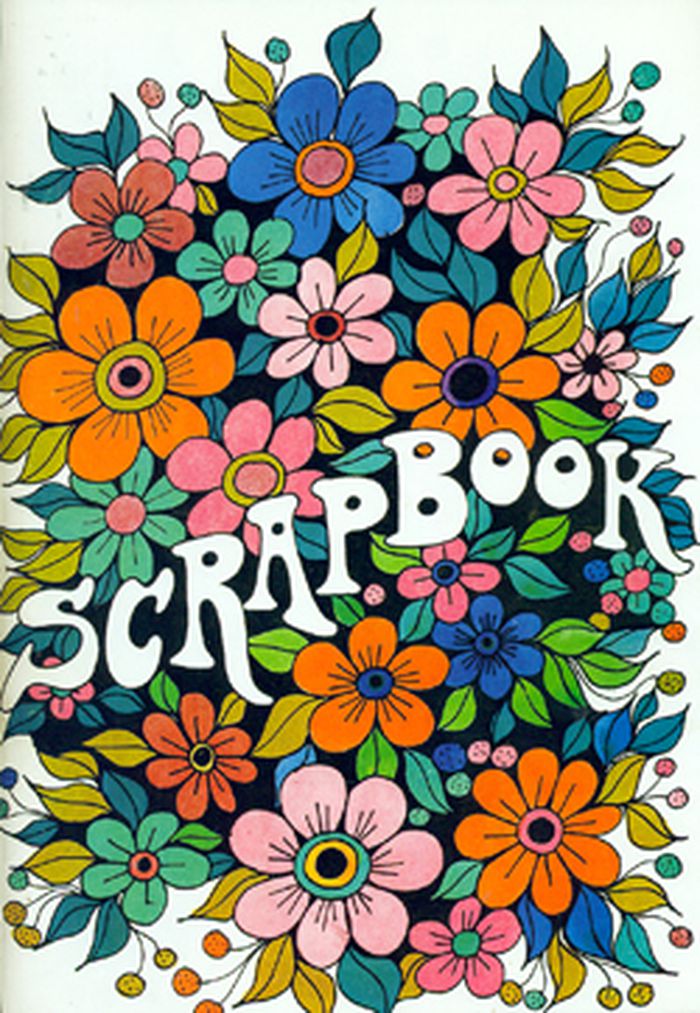
For about three centuries in many different countries, a scrapbook or album became the most immediate manner of diary making. In Ireland, this often took on a particular and idiosyncratic form. From the late 1960s until the early 1990s, the turmoil of Northern Ireland was often reflected in these hand-constructed books. Clippings from newspapers, family photos and personal mementos often found their way into highly individual collaged records of daily life. Donovan Wylie and Timothy Prus have recreated a non-sectarian version with the benefit of hindsight.
Scrapbook
Actions:
Prix:
$45.00
(disponible sur commande)
Résumé:
For about three centuries in many different countries, a scrapbook or album became the most immediate manner of diary making. In Ireland, this often took on a particular and idiosyncratic form. From the late 1960s until the early 1990s, the turmoil of Northern Ireland was often reflected in these hand-constructed books. Clippings from newspapers, family photos and personal mementos often found their way into highly individual collaged records of daily life. Donovan Wylie and Timothy Prus have recreated a non-sectarian version with the benefit of hindsight.
Classification:
livres
livres
Publication:
juin 2009
juin 2009
Sujet:
Monographies photo
Monographies photo
Classification:
livres
livres
Actions:
Prix:
$48.00
(disponible sur commande)
Résumé:
This book comprises photographs of all those ominous, forbidding Los Angeles locations so hauntingly described by Chandler in his novels. From Malibu Pier to the Hollywood Sign, from Union Station to the Beverly Hills Hotel, from MGM Studios to Musso and Frank's Grill, these locales form the geography of Chandler's imagination, and conjure a world not yet entirely(...)
$48.00
(disponible sur commande)
Résumé:
This book comprises photographs of all those ominous, forbidding Los Angeles locations so hauntingly described by Chandler in his novels. From Malibu Pier to the Hollywood Sign, from Union Station to the Beverly Hills Hotel, from MGM Studios to Musso and Frank's Grill, these locales form the geography of Chandler's imagination, and conjure a world not yet entirely(...)
Titre:
Daylight noir, Raymond Chandler's imagined city
Actions:
Prix:
$48.00
(disponible sur commande)
Résumé:
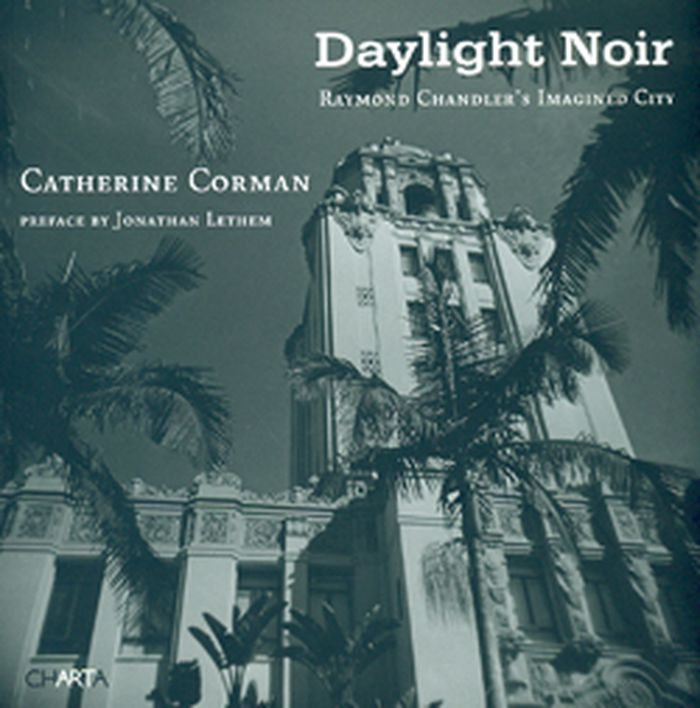
This book comprises photographs of all those ominous, forbidding Los Angeles locations so hauntingly described by Chandler in his novels. From Malibu Pier to the Hollywood Sign, from Union Station to the Beverly Hills Hotel, from MGM Studios to Musso and Frank's Grill, these locales form the geography of Chandler's imagination, and conjure a world not yet entirely vanished. Clive James wrote of Chandler's fascination with Los Angeles that when he said that it had as much personality as a paper cup, he was saying what he liked about it. But Chandler was also drawn to the Hopperesque loneliness of the city, to that sense of isolate existences that never merge.
Daylight noir, Raymond Chandler's imagined city
Actions:
Prix:
$48.00
(disponible sur commande)
Résumé:
This book comprises photographs of all those ominous, forbidding Los Angeles locations so hauntingly described by Chandler in his novels. From Malibu Pier to the Hollywood Sign, from Union Station to the Beverly Hills Hotel, from MGM Studios to Musso and Frank's Grill, these locales form the geography of Chandler's imagination, and conjure a world not yet entirely vanished. Clive James wrote of Chandler's fascination with Los Angeles that when he said that it had as much personality as a paper cup, he was saying what he liked about it. But Chandler was also drawn to the Hopperesque loneliness of the city, to that sense of isolate existences that never merge.
Classification:
livres
livres
Publication:
octobre 2009
octobre 2009
Sujet:
Monographies photo
Monographies photo
Classification:
livres
livres
Actions:
Prix:
$74.95
(disponible en magasin)
Résumé:
In his recent work ‘The Rape of Africa’ the artist draws inspiration in, and provides a response to, Botticelli’s painting ‘Venus and Mars’. LaChappelle’s contemporary tableau tells a story of innocence, war, destruction and material consumption balanced alongside beauty and desire. This catalogue explores this piece through a double-page, full-colour spread of the work,(...)
$74.95
(disponible en magasin)
Résumé:
In his recent work ‘The Rape of Africa’ the artist draws inspiration in, and provides a response to, Botticelli’s painting ‘Venus and Mars’. LaChappelle’s contemporary tableau tells a story of innocence, war, destruction and material consumption balanced alongside beauty and desire. This catalogue explores this piece through a double-page, full-colour spread of the work,(...)
Sujet:
Monographies photo
Monographies photo
Publication:
août 2009, Amsterdam
août 2009, Amsterdam
Titre:
Daivd Lachapelle: the rape of Africa
Actions:
Prix:
$74.95
(disponible en magasin)
Résumé:
In his recent work ‘The Rape of Africa’ the artist draws inspiration in, and provides a response to, Botticelli’s painting ‘Venus and Mars’. LaChappelle’s contemporary tableau tells a story of innocence, war, destruction and material consumption balanced alongside beauty and desire. This catalogue explores this piece through a double-page, full-colour spread of the work, various sketches, preparatory watercolours and two essays.
Daivd Lachapelle: the rape of Africa
Actions:
Prix:
$74.95
(disponible en magasin)
Résumé:
In his recent work ‘The Rape of Africa’ the artist draws inspiration in, and provides a response to, Botticelli’s painting ‘Venus and Mars’. LaChappelle’s contemporary tableau tells a story of innocence, war, destruction and material consumption balanced alongside beauty and desire. This catalogue explores this piece through a double-page, full-colour spread of the work, various sketches, preparatory watercolours and two essays.
Classification:
livres
livres
Publication:
août 2009, Amsterdam
août 2009, Amsterdam
Sujet:
Monographies photo
Monographies photo
Classification:
livres
livres
Actions:
Prix:
$66.00
(disponible sur commande)
Résumé:
This volume collects new work by the Helsinki School photographer, set in the deserted Russian mining town, Spitzbergen.
$66.00
(disponible sur commande)
Résumé:
This volume collects new work by the Helsinki School photographer, set in the deserted Russian mining town, Spitzbergen.
Titre:
Ville Lenkkeri: the place of no roads
Actions:
Prix:
$66.00
(disponible sur commande)
Résumé:
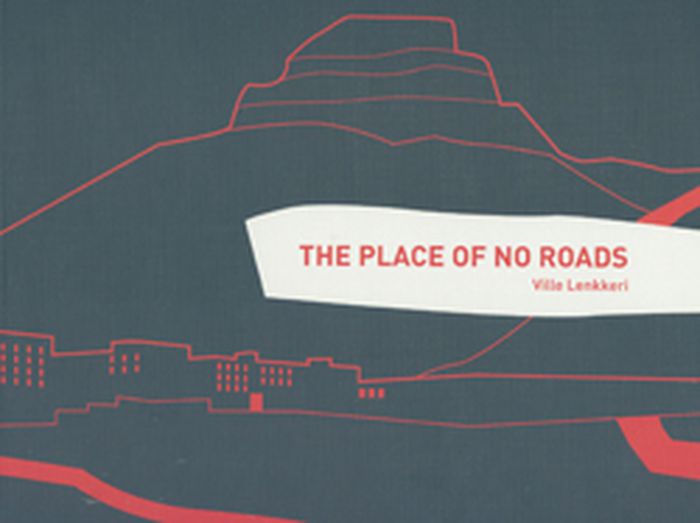
This volume collects new work by the Helsinki School photographer, set in the deserted Russian mining town, Spitzbergen.
Ville Lenkkeri: the place of no roads
Actions:
Prix:
$66.00
(disponible sur commande)
Résumé:
This volume collects new work by the Helsinki School photographer, set in the deserted Russian mining town, Spitzbergen.
Classification:
livres
livres
Publication:
août 2009
août 2009
Sujet:
Monographies photo
Monographies photo
Classification:
livres
livres
Actions:
Prix:
$22.95
(disponible sur commande)
Résumé:
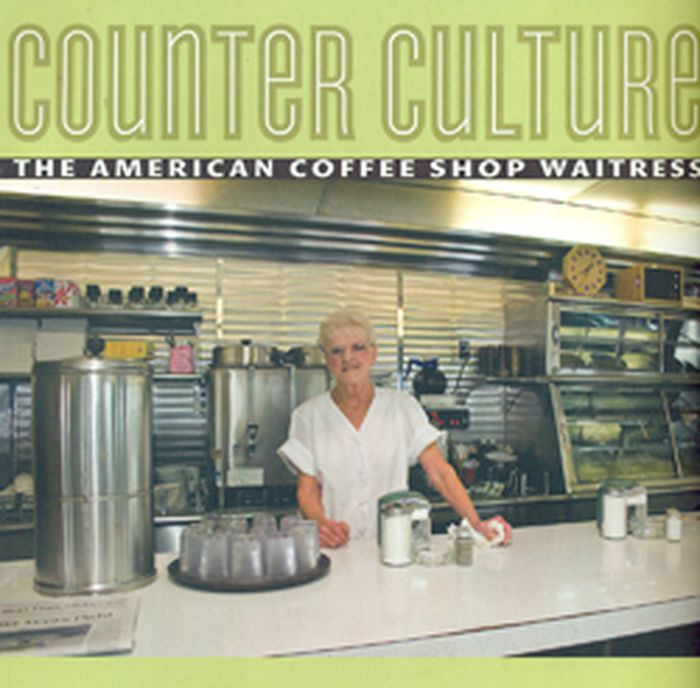
Photographer, cultural critic, and erstwhile waitress Candacy A. Taylor traveled through 43 U.S. cities collecting stories from career diner waitresses for this respectful, celebratory collection of oral histories and photographs.
$22.95
(disponible sur commande)
Résumé:
Photographer, cultural critic, and erstwhile waitress Candacy A. Taylor traveled through 43 U.S. cities collecting stories from career diner waitresses for this respectful, celebratory collection of oral histories and photographs.
Titre:
Counter culture, the american cofee shop waitress
Actions:
Prix:
$22.95
(disponible sur commande)
Résumé:
Photographer, cultural critic, and erstwhile waitress Candacy A. Taylor traveled through 43 U.S. cities collecting stories from career diner waitresses for this respectful, celebratory collection of oral histories and photographs.
Counter culture, the american cofee shop waitress
Actions:
Prix:
$22.95
(disponible sur commande)
Résumé:
Photographer, cultural critic, and erstwhile waitress Candacy A. Taylor traveled through 43 U.S. cities collecting stories from career diner waitresses for this respectful, celebratory collection of oral histories and photographs.
Classification:
livres
livres
Publication:
septembre 2009
septembre 2009
Sujet:
Monographies photo
Monographies photo
Classification:
livres
livres
Actions:
Prix:
$77.95
(disponible sur commande)
Résumé:
Cette rétrospective de l'oeuvre de Patrick Zachmann retrace un itinéraire de 25 ans en banlieue. Initié à l'occasion d'un travail personnel sur l'identité, la mémoire et la famille dans les années 1980, ce bilan photographique se poursuit en Ile-de-France, dans les Bouches-du-Rhône et dans le Nord, et propose un regard intimiste et respectueux sur des populations et des(...)
$77.95
(disponible sur commande)
Résumé:
Cette rétrospective de l'oeuvre de Patrick Zachmann retrace un itinéraire de 25 ans en banlieue. Initié à l'occasion d'un travail personnel sur l'identité, la mémoire et la famille dans les années 1980, ce bilan photographique se poursuit en Ile-de-France, dans les Bouches-du-Rhône et dans le Nord, et propose un regard intimiste et respectueux sur des populations et des(...)
Titre:
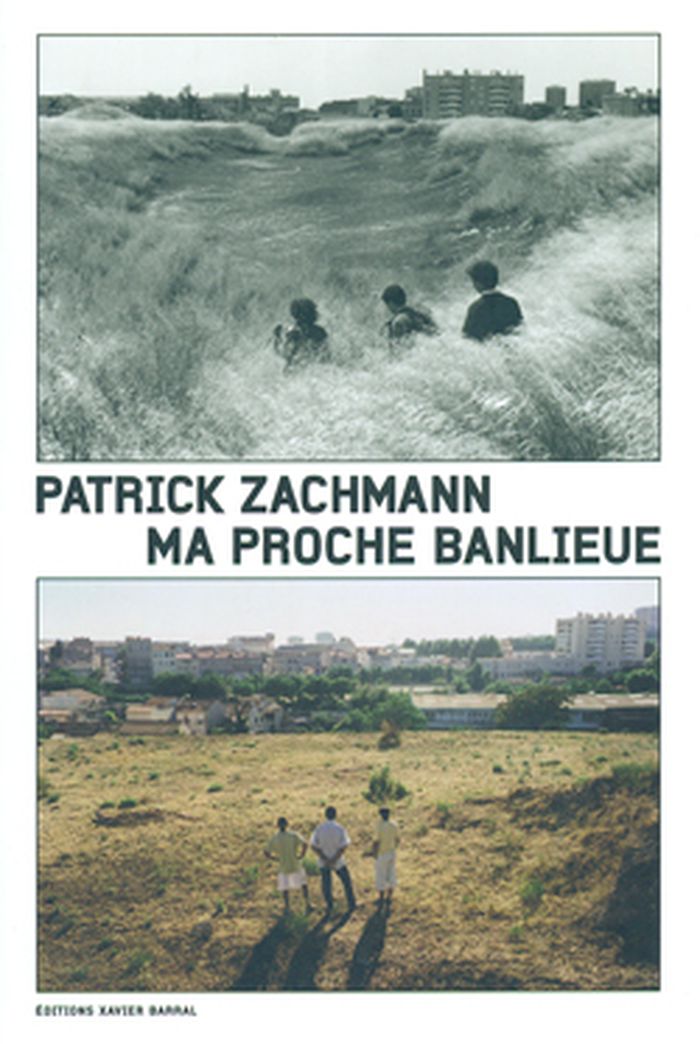
Patrick Zachmann: ma proche banlieue
Actions:
Prix:
$77.95
(disponible sur commande)
Résumé:
Cette rétrospective de l'oeuvre de Patrick Zachmann retrace un itinéraire de 25 ans en banlieue. Initié à l'occasion d'un travail personnel sur l'identité, la mémoire et la famille dans les années 1980, ce bilan photographique se poursuit en Ile-de-France, dans les Bouches-du-Rhône et dans le Nord, et propose un regard intimiste et respectueux sur des populations et des espaces méconnus. ***AVEC 1 DVD / INCLUDES 1 DVD
Patrick Zachmann: ma proche banlieue
Actions:
Prix:
$77.95
(disponible sur commande)
Résumé:
Cette rétrospective de l'oeuvre de Patrick Zachmann retrace un itinéraire de 25 ans en banlieue. Initié à l'occasion d'un travail personnel sur l'identité, la mémoire et la famille dans les années 1980, ce bilan photographique se poursuit en Ile-de-France, dans les Bouches-du-Rhône et dans le Nord, et propose un regard intimiste et respectueux sur des populations et des espaces méconnus. ***AVEC 1 DVD / INCLUDES 1 DVD
Classification:
livres
livres
Publication:
septembre 2009
septembre 2009
Sujet:
Monographies photo
Monographies photo
Classification:
livres
livres
Actions:
Prix:
$55.00
(disponible sur commande)
Résumé:
Influential American photographer Robert Adams revisits the classic collection of nocturnal landscapes that he began making in the mid-1970s near his former home in Longmont, Colorado. Originally published by Aperture in 1985 as Summer Nights, this new edition has been carefully reedited and resequenced by the photographer, who has added 39 previously unpublished images.(...)
$55.00
(disponible sur commande)
Résumé:
Influential American photographer Robert Adams revisits the classic collection of nocturnal landscapes that he began making in the mid-1970s near his former home in Longmont, Colorado. Originally published by Aperture in 1985 as Summer Nights, this new edition has been carefully reedited and resequenced by the photographer, who has added 39 previously unpublished images.(...)
Titre:
Robert Adams: summer nights, walking
Actions:
Prix:
$55.00
(disponible sur commande)
Résumé:
Influential American photographer Robert Adams revisits the classic collection of nocturnal landscapes that he began making in the mid-1970s near his former home in Longmont, Colorado. Originally published by Aperture in 1985 as Summer Nights, this new edition has been carefully reedited and resequenced by the photographer, who has added 39 previously unpublished images. Illuminated by moonlight and streetlamp, the houses, roads, sidewalks and fields in Summer Nights, Walking retain the wonder and stillness of the original edition, while adopting the artist's intention of a dreamy fluidity, befitting his nighttime perambulations.
Robert Adams: summer nights, walking
Actions:
Prix:
$55.00
(disponible sur commande)
Résumé:
Influential American photographer Robert Adams revisits the classic collection of nocturnal landscapes that he began making in the mid-1970s near his former home in Longmont, Colorado. Originally published by Aperture in 1985 as Summer Nights, this new edition has been carefully reedited and resequenced by the photographer, who has added 39 previously unpublished images. Illuminated by moonlight and streetlamp, the houses, roads, sidewalks and fields in Summer Nights, Walking retain the wonder and stillness of the original edition, while adopting the artist's intention of a dreamy fluidity, befitting his nighttime perambulations.
Classification:
livres
livres
Publication:
septembre 2009
septembre 2009
Sujet:
Monographies photo
Monographies photo
Classification:
livres
livres
Titre:
William Eggleston: Paris
William Eggleston: Paris
Actions:
Prix:
$60.00
(disponible sur commande)
Résumé:
For photographers, the city of Paris must constitute a genre of its own (alongside "nudes" or "botanical"), so perennially photogenic are its streets, skylines, storefronts and people. Here, William Eggleston--"The Father of Color Photography"--offers a brilliant, unusual take on Paris today, with depictions that completely revitalize our sense of this most picturesque of cities.
$60.00
(disponible sur commande)
Résumé:
For photographers, the city of Paris must constitute a genre of its own (alongside "nudes" or "botanical"), so perennially photogenic are its streets, skylines, storefronts and people. Here, William Eggleston--"The Father of Color Photography"--offers a brilliant, unusual take on Paris today, with depictions that completely revitalize our sense of this most picturesque of cities.
Titre:
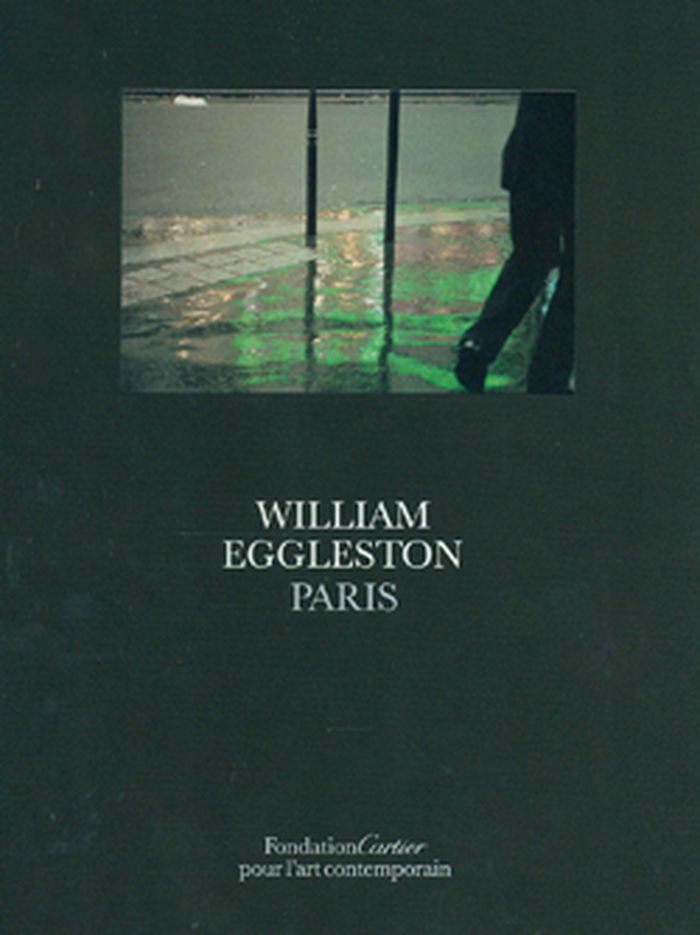
William Eggleston: Paris
Actions:
Prix:
$60.00
(disponible sur commande)
Résumé:
For photographers, the city of Paris must constitute a genre of its own (alongside "nudes" or "botanical"), so perennially photogenic are its streets, skylines, storefronts and people. Here, William Eggleston--"The Father of Color Photography"--offers a brilliant, unusual take on Paris today, with depictions that completely revitalize our sense of this most picturesque of cities.
William Eggleston: Paris
Actions:
Prix:
$60.00
(disponible sur commande)
Résumé:
For photographers, the city of Paris must constitute a genre of its own (alongside "nudes" or "botanical"), so perennially photogenic are its streets, skylines, storefronts and people. Here, William Eggleston--"The Father of Color Photography"--offers a brilliant, unusual take on Paris today, with depictions that completely revitalize our sense of this most picturesque of cities.
Classification:
livres
livres
Publication:
septembre 2009
septembre 2009
Sujet:
Monographies photo
Monographies photo
Classification:
livres
livres
Actions:
Prix:
$89.95
(disponible sur commande)
Résumé:
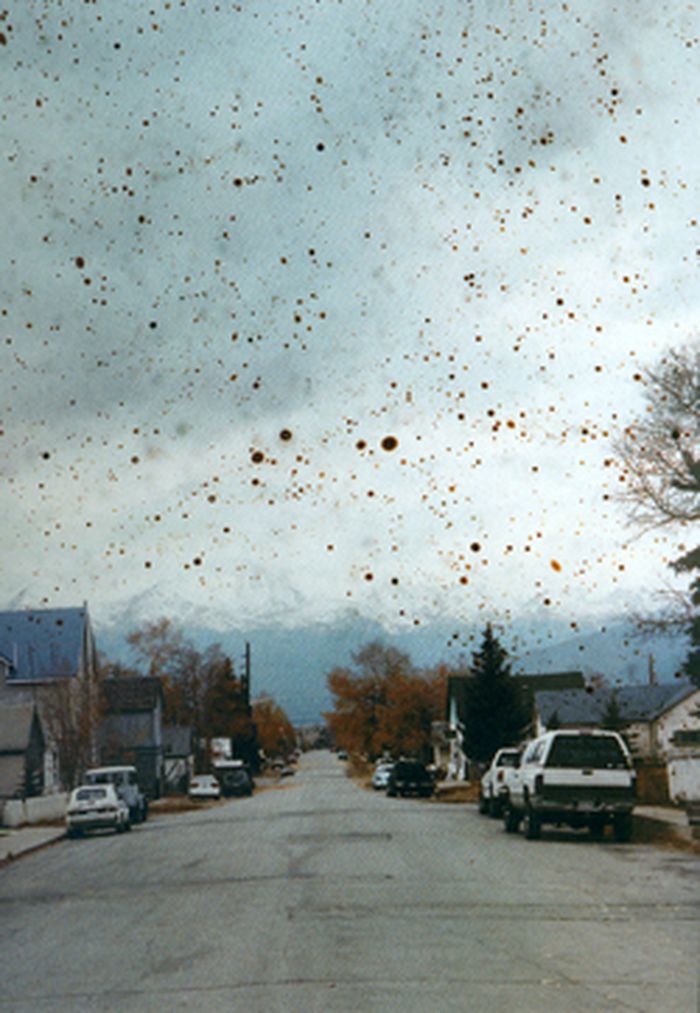
With a title that refers to the manipulation and illusion that features in their photographs, the images of Swiss artists Onorato and Krebs also contain a healthy dosage of whimsical humor that helps them explore the American landscape and its peculiar details. Tricks of the eye, accidents of nature, spectacular views, and clever interventions flow through the pages of(...)
$89.95
(disponible sur commande)
Résumé:
With a title that refers to the manipulation and illusion that features in their photographs, the images of Swiss artists Onorato and Krebs also contain a healthy dosage of whimsical humor that helps them explore the American landscape and its peculiar details. Tricks of the eye, accidents of nature, spectacular views, and clever interventions flow through the pages of(...)
Titre:
Taiyo Onorato and Nico Krebs: the great unreal
Actions:
Prix:
$89.95
(disponible sur commande)
Résumé:
With a title that refers to the manipulation and illusion that features in their photographs, the images of Swiss artists Onorato and Krebs also contain a healthy dosage of whimsical humor that helps them explore the American landscape and its peculiar details. Tricks of the eye, accidents of nature, spectacular views, and clever interventions flow through the pages of this image filled book.
Taiyo Onorato and Nico Krebs: the great unreal
Actions:
Prix:
$89.95
(disponible sur commande)
Résumé:
With a title that refers to the manipulation and illusion that features in their photographs, the images of Swiss artists Onorato and Krebs also contain a healthy dosage of whimsical humor that helps them explore the American landscape and its peculiar details. Tricks of the eye, accidents of nature, spectacular views, and clever interventions flow through the pages of this image filled book.
Classification:
livres
livres
Publication:
septembre 2009
septembre 2009
Sujet:
Monographies photo
Monographies photo


