


315 Résultats
Classification:
livres
livres
Titre:
Machine paralysis
Machine paralysis
Actions:
Prix:
$28.00
(disponible en magasin)
Résumé:
The Mechanicos (meaning ‘machinic’ in Greek) is a folk dance performed by the sponge divers of Kalymnos island, recording the crippling effects of decompression sickness and paralysis caused by increasing industrial exploitation. Today, a disproportionate number of persons with physical impairments and debilitating conditions remain largely invisible. The writing in this(...)
$28.00
(disponible en magasin)
Résumé:
The Mechanicos (meaning ‘machinic’ in Greek) is a folk dance performed by the sponge divers of Kalymnos island, recording the crippling effects of decompression sickness and paralysis caused by increasing industrial exploitation. Today, a disproportionate number of persons with physical impairments and debilitating conditions remain largely invisible. The writing in this(...)
Titre:
Machine paralysis
Actions:
Prix:
$28.00
(disponible en magasin)
Résumé:
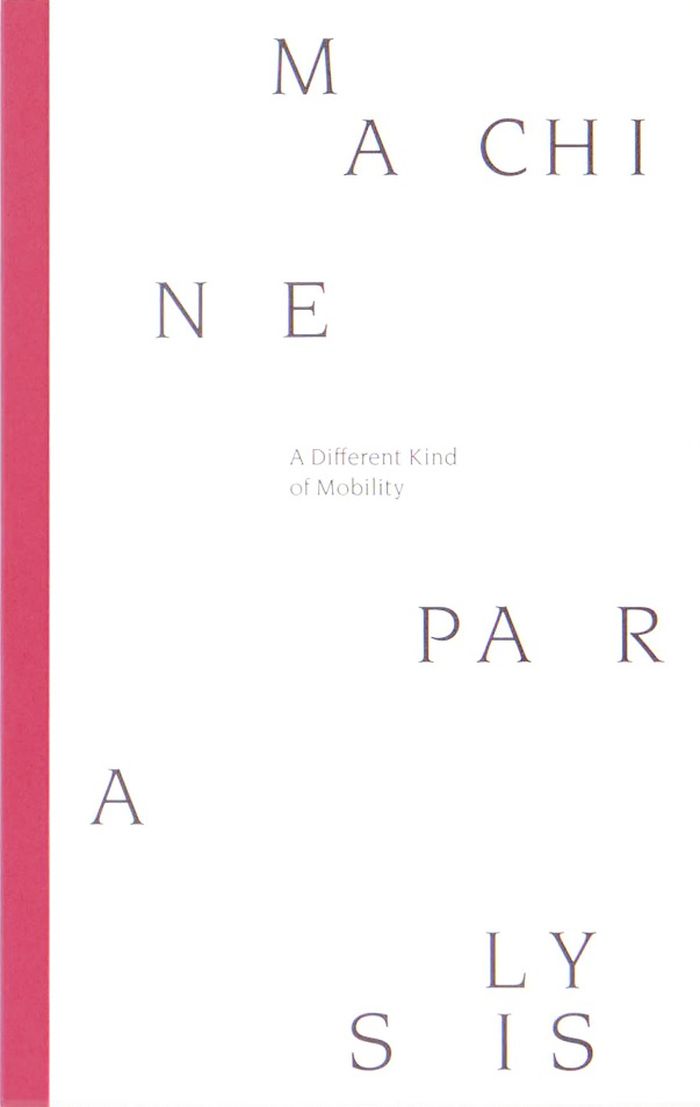
The Mechanicos (meaning ‘machinic’ in Greek) is a folk dance performed by the sponge divers of Kalymnos island, recording the crippling effects of decompression sickness and paralysis caused by increasing industrial exploitation. Today, a disproportionate number of persons with physical impairments and debilitating conditions remain largely invisible. The writing in this book points to different experiences of movement, time, and space: Whether through the creation of a vernacular sign language; a different pacing of time and projection of futurity; exchanging forms of care around a healing spring; recording the ways in which 3 generations navigate everyday interactions through a ‘broken telephone line’ of connection; or the friendship between a woman with visual impairment and her dog, Mercy, who helps her navigate the narrow busy sidewalks of central Athens. These stories contribute to imagining a different kind of mobility.
Machine paralysis
Actions:
Prix:
$28.00
(disponible en magasin)
Résumé:
The Mechanicos (meaning ‘machinic’ in Greek) is a folk dance performed by the sponge divers of Kalymnos island, recording the crippling effects of decompression sickness and paralysis caused by increasing industrial exploitation. Today, a disproportionate number of persons with physical impairments and debilitating conditions remain largely invisible. The writing in this book points to different experiences of movement, time, and space: Whether through the creation of a vernacular sign language; a different pacing of time and projection of futurity; exchanging forms of care around a healing spring; recording the ways in which 3 generations navigate everyday interactions through a ‘broken telephone line’ of connection; or the friendship between a woman with visual impairment and her dog, Mercy, who helps her navigate the narrow busy sidewalks of central Athens. These stories contribute to imagining a different kind of mobility.
Classification:
livres
livres
Publication:
mars 2025
mars 2025
Sujet:
Social
Social
Classification:
livres
livres
Actions:
Prix:
$30.00
(disponible en magasin)
Résumé:
In 1995, a scandal erupted when the New York Times revealed that the Smithsonian possessed a century’s worth of nude “posture” photos of college students. In this riveting history, Beth Linker tells why these photos were only a small part of the incredible story of twentieth-century America’s largely forgotten posture panic—a decades-long episode in which it was widely(...)
$30.00
(disponible en magasin)
Résumé:
In 1995, a scandal erupted when the New York Times revealed that the Smithsonian possessed a century’s worth of nude “posture” photos of college students. In this riveting history, Beth Linker tells why these photos were only a small part of the incredible story of twentieth-century America’s largely forgotten posture panic—a decades-long episode in which it was widely(...)
Titre:
Slouch: Posture panic in modern America
Actions:
Prix:
$30.00
(disponible en magasin)
Résumé:
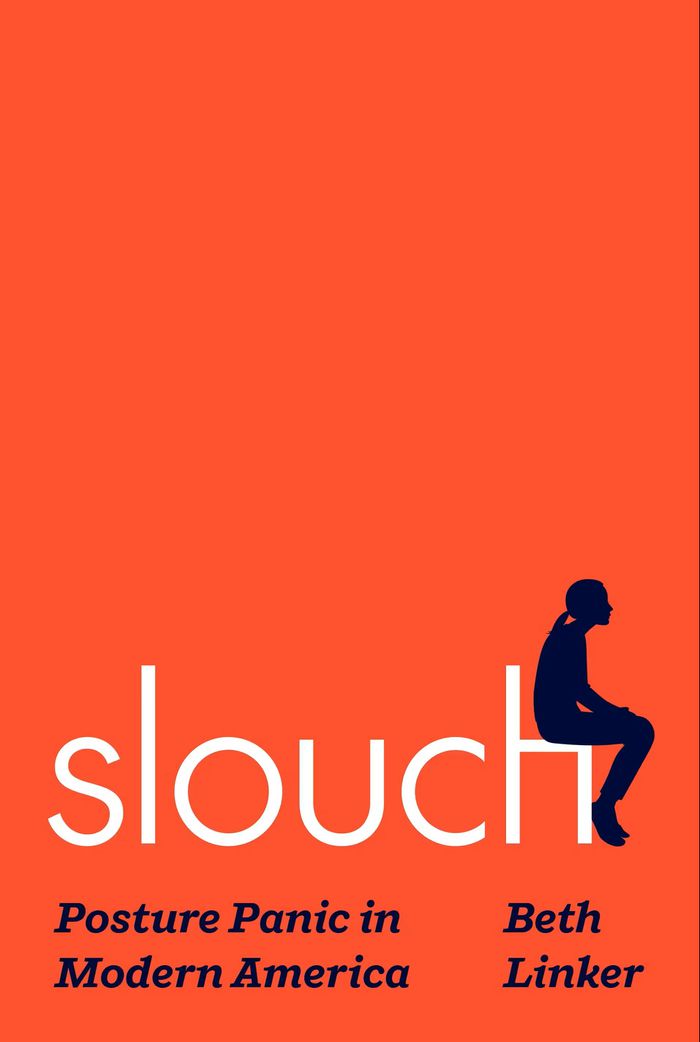
In 1995, a scandal erupted when the New York Times revealed that the Smithsonian possessed a century’s worth of nude “posture” photos of college students. In this riveting history, Beth Linker tells why these photos were only a small part of the incredible story of twentieth-century America’s largely forgotten posture panic—a decades-long episode in which it was widely accepted as scientific fact that Americans were suffering from an epidemic of bad posture, with potentially catastrophic health consequences. Tracing the rise and fall of this socially manufactured epidemic, ''Slouch'' also tells how this period continues to feed today’s widespread anxieties about posture. In the early twentieth century, the eugenics movement and fears of disability gave slouching a new scientific relevance. Bad posture came to be seen as an individual health threat, an affront to conventional race hierarchies, and a sign of American decline. What followed were massive efforts to measure, track, and prevent slouching and, later, back pain—campaigns that reached schools, workplaces, and beyond, from the creation of the American Posture League to posture pageants. The popularity of posture-enhancing products, such as girdles and lumbar supports, exploded, as did new fitness programs focused on postural muscles, such as Pilates and modern yoga. By 1970, student protests largely brought an end to school posture exams and photos, but many efforts to fight bad posture continued, despite a lack of scientific evidence.
Slouch: Posture panic in modern America
Actions:
Prix:
$30.00
(disponible en magasin)
Résumé:
In 1995, a scandal erupted when the New York Times revealed that the Smithsonian possessed a century’s worth of nude “posture” photos of college students. In this riveting history, Beth Linker tells why these photos were only a small part of the incredible story of twentieth-century America’s largely forgotten posture panic—a decades-long episode in which it was widely accepted as scientific fact that Americans were suffering from an epidemic of bad posture, with potentially catastrophic health consequences. Tracing the rise and fall of this socially manufactured epidemic, ''Slouch'' also tells how this period continues to feed today’s widespread anxieties about posture. In the early twentieth century, the eugenics movement and fears of disability gave slouching a new scientific relevance. Bad posture came to be seen as an individual health threat, an affront to conventional race hierarchies, and a sign of American decline. What followed were massive efforts to measure, track, and prevent slouching and, later, back pain—campaigns that reached schools, workplaces, and beyond, from the creation of the American Posture League to posture pageants. The popularity of posture-enhancing products, such as girdles and lumbar supports, exploded, as did new fitness programs focused on postural muscles, such as Pilates and modern yoga. By 1970, student protests largely brought an end to school posture exams and photos, but many efforts to fight bad posture continued, despite a lack of scientific evidence.
Classification:
livres
livres
Publication:
mars 2026
mars 2026
Sujet:
Social
Social
Classification:
livres
livres
Prix:
$26.50
(disponible en magasin)
Résumé:
In this sequel to her enduring bestseller ''Hope in the Dark'', Solnit surveys a world that has changed dramatically since the year 1960. Despite the forces seeking to turn back the clock on history, change is not a possibility; it is an inevitability. The changes amount to nothing less than dismantling an old civilization and building a new one, whose newness is often(...)
$26.50
(disponible en magasin)
Résumé:
In this sequel to her enduring bestseller ''Hope in the Dark'', Solnit surveys a world that has changed dramatically since the year 1960. Despite the forces seeking to turn back the clock on history, change is not a possibility; it is an inevitability. The changes amount to nothing less than dismantling an old civilization and building a new one, whose newness is often(...)
Titre:
The beginning comes after the end: Notes on a world of change
Actions:
Prix:
$26.50
(disponible en magasin)
Résumé:
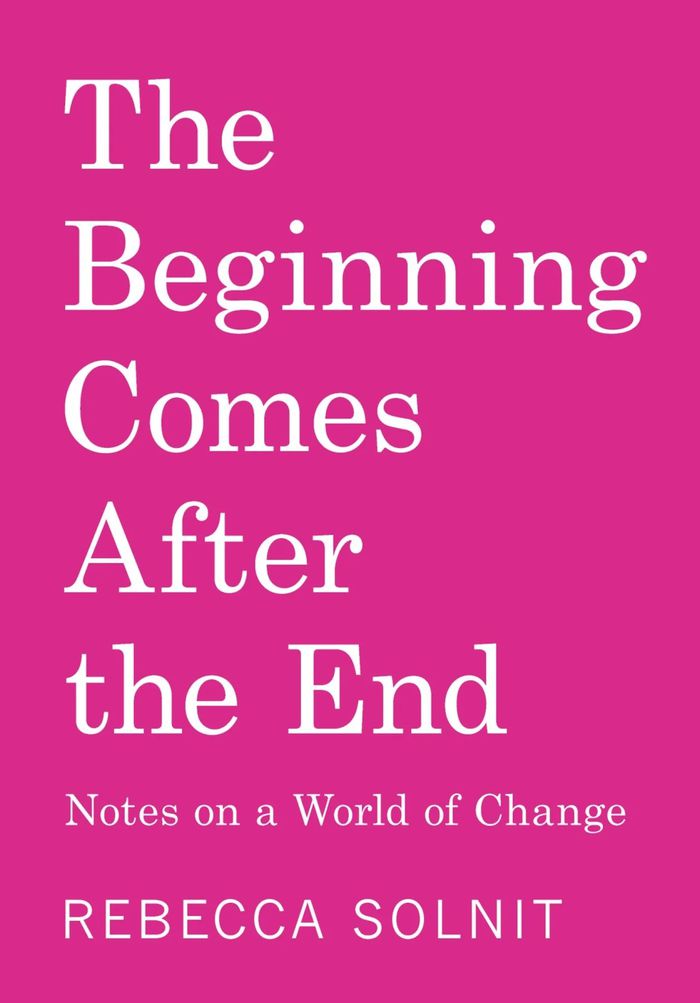
In this sequel to her enduring bestseller ''Hope in the Dark'', Solnit surveys a world that has changed dramatically since the year 1960. Despite the forces seeking to turn back the clock on history, change is not a possibility; it is an inevitability. The changes amount to nothing less than dismantling an old civilization and building a new one, whose newness is often the return of the old ways and wisdoms. In this rising worldview, interconnection is a core idea and value. But because the transformation is obscured within a longer arc of history, its scale is seldom recognized. While the white nationalist and authoritarian backlash drives individualism and isolation, this new world embraces antiracism, feminism, a more expansive understanding of gender, environmental thinking, scientific breakthroughs, and Indigenous and non-Western ideas, pointing toward a more interconnected, relational world.
The beginning comes after the end: Notes on a world of change
Actions:
Prix:
$26.50
(disponible en magasin)
Résumé:
In this sequel to her enduring bestseller ''Hope in the Dark'', Solnit surveys a world that has changed dramatically since the year 1960. Despite the forces seeking to turn back the clock on history, change is not a possibility; it is an inevitability. The changes amount to nothing less than dismantling an old civilization and building a new one, whose newness is often the return of the old ways and wisdoms. In this rising worldview, interconnection is a core idea and value. But because the transformation is obscured within a longer arc of history, its scale is seldom recognized. While the white nationalist and authoritarian backlash drives individualism and isolation, this new world embraces antiracism, feminism, a more expansive understanding of gender, environmental thinking, scientific breakthroughs, and Indigenous and non-Western ideas, pointing toward a more interconnected, relational world.
Classification:
livres
livres
Publication:
avril 2026
avril 2026
Sujet:
Social
Social
Classification:
livres
livres
Prix:
$26.50
(disponible sur commande)
Résumé:
Beginning with an essay about a three-hundred-year-old violin and what it can tell us about forests, abundance, and climate, and ending with on about a prisoner dreaming of seeing the ocean, ''No Straight Road Takes You There'' deftly bridges the political and the literary, offering unique insights, nuanced understanding, and inspiration for the challenging work ahead. In(...)
$26.50
(disponible sur commande)
Résumé:
Beginning with an essay about a three-hundred-year-old violin and what it can tell us about forests, abundance, and climate, and ending with on about a prisoner dreaming of seeing the ocean, ''No Straight Road Takes You There'' deftly bridges the political and the literary, offering unique insights, nuanced understanding, and inspiration for the challenging work ahead. In(...)
Titre:
No straight road takes you there: essays for uneven terrain
Actions:
Prix:
$26.50
(disponible sur commande)
Résumé:
Beginning with an essay about a three-hundred-year-old violin and what it can tell us about forests, abundance, and climate, and ending with on about a prisoner dreaming of seeing the ocean, ''No Straight Road Takes You There'' deftly bridges the political and the literary, offering unique insights, nuanced understanding, and inspiration for the challenging work ahead. In her latest essay collection, the award-winning author explores climate change, feminism, democracy, hope, and power and its abuse. Throughout she asks us to heed the stories we tell or have been told, and the ways those stories can be, or should be changed. Solnit offers a reappraisal of the value of indirect consequences, an embrace of unpredictability, slowness, and imperfection in the politics of how to change the world.
No straight road takes you there: essays for uneven terrain
Actions:
Prix:
$26.50
(disponible sur commande)
Résumé:
Beginning with an essay about a three-hundred-year-old violin and what it can tell us about forests, abundance, and climate, and ending with on about a prisoner dreaming of seeing the ocean, ''No Straight Road Takes You There'' deftly bridges the political and the literary, offering unique insights, nuanced understanding, and inspiration for the challenging work ahead. In her latest essay collection, the award-winning author explores climate change, feminism, democracy, hope, and power and its abuse. Throughout she asks us to heed the stories we tell or have been told, and the ways those stories can be, or should be changed. Solnit offers a reappraisal of the value of indirect consequences, an embrace of unpredictability, slowness, and imperfection in the politics of how to change the world.
Classification:
livres
livres
Publication:
mai 2025
mai 2025
Sujet:
Social
Social
Classification:
livres
livres
Actions:
Prix:
$35.95
(disponible en magasin)
Résumé:
Over the last twenty-five years, the concept of personhood has become central to many contentious debates. Corporations have won free speech protections, as if they were individuals. The right to life or freedom has been claimed on behalf of fetuses, trees, and elephants. The fund of human rights is spilling over into the nonhuman. ''The Problem of Personhood'' reveals(...)
$35.95
(disponible en magasin)
Résumé:
Over the last twenty-five years, the concept of personhood has become central to many contentious debates. Corporations have won free speech protections, as if they were individuals. The right to life or freedom has been claimed on behalf of fetuses, trees, and elephants. The fund of human rights is spilling over into the nonhuman. ''The Problem of Personhood'' reveals(...)
Titre:
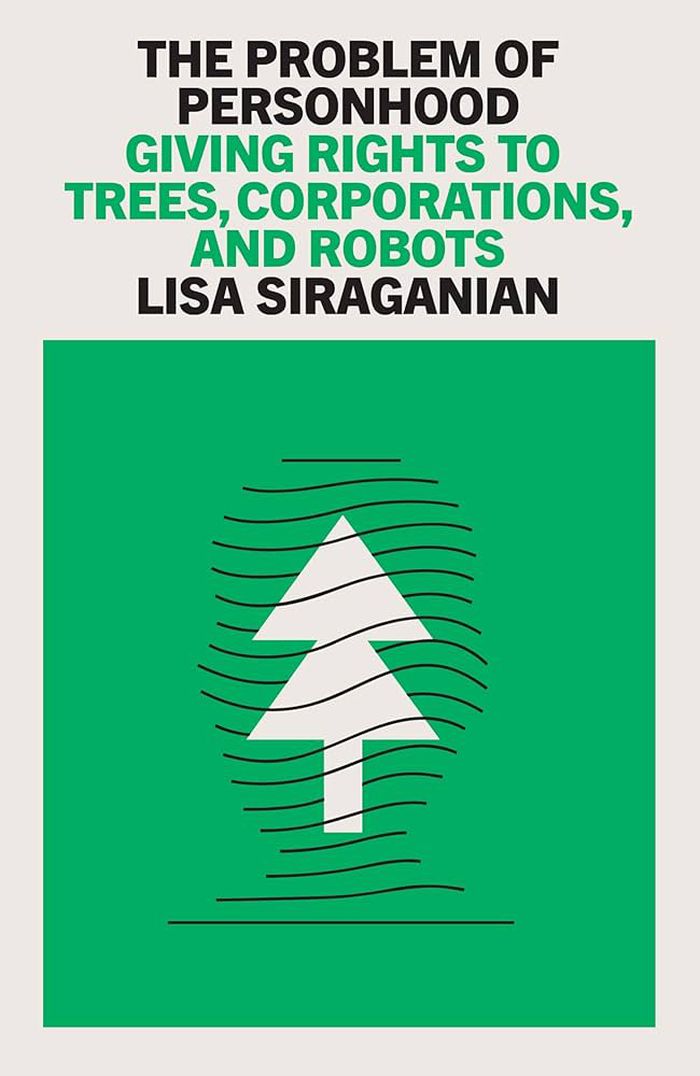
The problem of personhood: Giving rights to trees, corporations and robots
Actions:
Prix:
$35.95
(disponible en magasin)
Résumé:
Over the last twenty-five years, the concept of personhood has become central to many contentious debates. Corporations have won free speech protections, as if they were individuals. The right to life or freedom has been claimed on behalf of fetuses, trees, and elephants. The fund of human rights is spilling over into the nonhuman. ''The Problem of Personhood'' reveals the unsettling consequences of granting rights to imagined persons, such as Sophia the robot citizen or New Zealand’s Whanganui River. Synthesizing the political and philosophical debates on personhood and drawing on a varied cast of thinkers that includes Simone Weil, Hannah Arendt, and Dr. Seuss, Lisa Siraganian uncovers the disturbing impact of this contemporary development. Awarding rights to robots and rivers all too easily becomes a legal tool to turn people into capital. When robot Sophia is made a citizen, “she” is transformed into a subject in the law without the corresponding legal duties that protect us from her. At the root of this trend is the US Supreme Court’s Citizens United ruling that grants First Amendment rights to corporations as if they were individuals. The result has not been the transformation of things into humans so much as humans into things, when animals and the environment would be better protected with reference to our humanity rather than to theirs.
The problem of personhood: Giving rights to trees, corporations and robots
Actions:
Prix:
$35.95
(disponible en magasin)
Résumé:
Over the last twenty-five years, the concept of personhood has become central to many contentious debates. Corporations have won free speech protections, as if they were individuals. The right to life or freedom has been claimed on behalf of fetuses, trees, and elephants. The fund of human rights is spilling over into the nonhuman. ''The Problem of Personhood'' reveals the unsettling consequences of granting rights to imagined persons, such as Sophia the robot citizen or New Zealand’s Whanganui River. Synthesizing the political and philosophical debates on personhood and drawing on a varied cast of thinkers that includes Simone Weil, Hannah Arendt, and Dr. Seuss, Lisa Siraganian uncovers the disturbing impact of this contemporary development. Awarding rights to robots and rivers all too easily becomes a legal tool to turn people into capital. When robot Sophia is made a citizen, “she” is transformed into a subject in the law without the corresponding legal duties that protect us from her. At the root of this trend is the US Supreme Court’s Citizens United ruling that grants First Amendment rights to corporations as if they were individuals. The result has not been the transformation of things into humans so much as humans into things, when animals and the environment would be better protected with reference to our humanity rather than to theirs.
Classification:
livres
livres
Publication:
avril 2026
avril 2026
Sujet:
Social
Social
Classification:
livres
livres

Prix:
$41.99
(disponible en magasin)
Résumé:
Americans spend, on average, 90 percent of their lives indoors, with two-thirds of that time spent in their homes. Globally, the construction and maintenance of residential buildings account for a staggering portion of carbon emissions. In this timely and fascinating work, architect and urban-planning scholar Stefan Al deftly weaves together archaeology, engineering,(...)
$41.99
(disponible en magasin)
Résumé:
Americans spend, on average, 90 percent of their lives indoors, with two-thirds of that time spent in their homes. Globally, the construction and maintenance of residential buildings account for a staggering portion of carbon emissions. In this timely and fascinating work, architect and urban-planning scholar Stefan Al deftly weaves together archaeology, engineering,(...)
Titre:
Dwelling on Earth: the past and future of the places we call home
Actions:
Prix:
$41.99
(disponible en magasin)
Résumé:
Americans spend, on average, 90 percent of their lives indoors, with two-thirds of that time spent in their homes. Globally, the construction and maintenance of residential buildings account for a staggering portion of carbon emissions. In this timely and fascinating work, architect and urban-planning scholar Stefan Al deftly weaves together archaeology, engineering, social history, and environmental science to explain how our homes have developed through the ages and in turn shaped civilization and the planet itself. From tiny pit-houses in the Levant and Mesoamerica thousands of years ago to soaring skyscrapers in Dubai, New York, and Shanghai today, ''Dwelling on Earth'' takes readers on a swift and absorbing tour of the evolution of human habitation. Whisking readers from ancient Pompeii to contemporary Hong Kong, industrial-age Liverpool to postwar Levittown, Al shows how our choices in housing have both reflected and affected ideas about gender roles, privacy, and comfort. Discover how seemingly mundane elements—like door-knockers and corridors—have altered everyday interactions, and how material choices have remade the planet's surface. He also confronts the darker side of domesticity, exposing the unintended consequences of our architectural choices across millennia, including smoke-filled Neolithic dwellings, deadly fires in crowded Roman apartment buildings, and worsening social isolation in car-dependent suburbs. Finally, he examines the myths and reality of future housing, including 3D-printed homes and space architecture built by robots.
Dwelling on Earth: the past and future of the places we call home
Actions:
Prix:
$41.99
(disponible en magasin)
Résumé:
Americans spend, on average, 90 percent of their lives indoors, with two-thirds of that time spent in their homes. Globally, the construction and maintenance of residential buildings account for a staggering portion of carbon emissions. In this timely and fascinating work, architect and urban-planning scholar Stefan Al deftly weaves together archaeology, engineering, social history, and environmental science to explain how our homes have developed through the ages and in turn shaped civilization and the planet itself. From tiny pit-houses in the Levant and Mesoamerica thousands of years ago to soaring skyscrapers in Dubai, New York, and Shanghai today, ''Dwelling on Earth'' takes readers on a swift and absorbing tour of the evolution of human habitation. Whisking readers from ancient Pompeii to contemporary Hong Kong, industrial-age Liverpool to postwar Levittown, Al shows how our choices in housing have both reflected and affected ideas about gender roles, privacy, and comfort. Discover how seemingly mundane elements—like door-knockers and corridors—have altered everyday interactions, and how material choices have remade the planet's surface. He also confronts the darker side of domesticity, exposing the unintended consequences of our architectural choices across millennia, including smoke-filled Neolithic dwellings, deadly fires in crowded Roman apartment buildings, and worsening social isolation in car-dependent suburbs. Finally, he examines the myths and reality of future housing, including 3D-printed homes and space architecture built by robots.
Classification:
livres
livres
Publication:
avril 2026
avril 2026
Sujet:
Social
Social
Classification:
livres
livres
Actions:
Prix:
$45.95
(disponible en magasin)
Résumé:
For decades, David Harvey has been teaching Marx's work, particularly Capital, to great acclaim. He has analysed chapter by chapter - sometimes line-by-line - Marx's three volumes and the Grundrisse. This new book opens up the mental universe of that work for a general reader. In ''The Story of Capital'', Harvey takes a synoptic approach to the conceptual architecture(...)
$45.95
(disponible en magasin)
Résumé:
For decades, David Harvey has been teaching Marx's work, particularly Capital, to great acclaim. He has analysed chapter by chapter - sometimes line-by-line - Marx's three volumes and the Grundrisse. This new book opens up the mental universe of that work for a general reader. In ''The Story of Capital'', Harvey takes a synoptic approach to the conceptual architecture(...)
Titre:
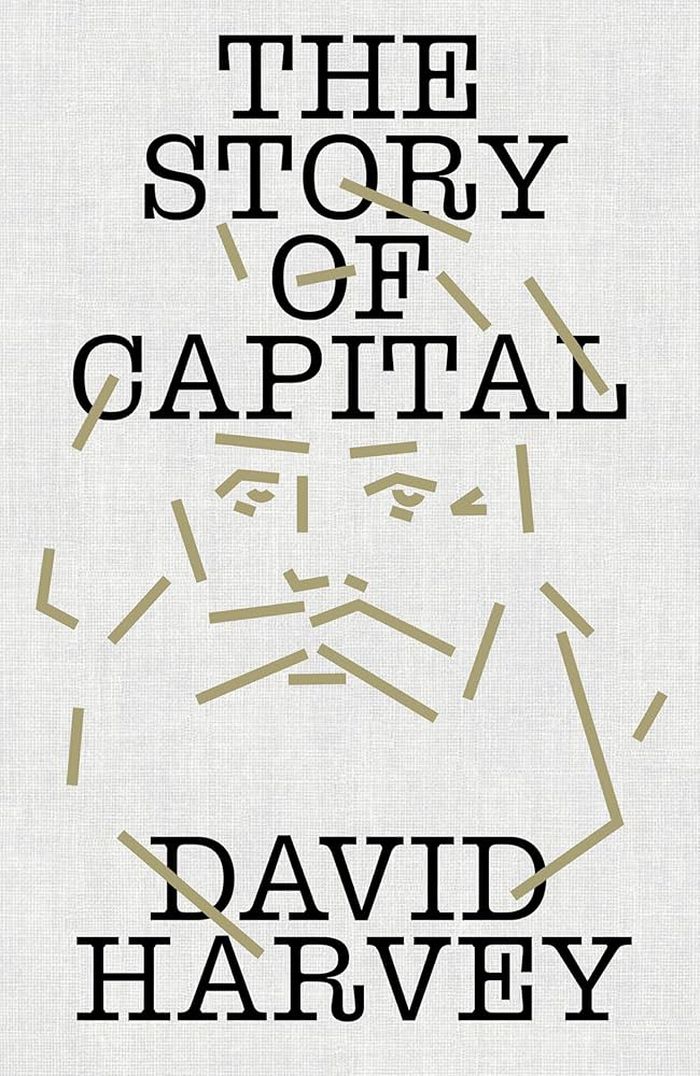
The story of capital: What everyone should know about how capital works
Actions:
Prix:
$45.95
(disponible en magasin)
Résumé:
For decades, David Harvey has been teaching Marx's work, particularly Capital, to great acclaim. He has analysed chapter by chapter - sometimes line-by-line - Marx's three volumes and the Grundrisse. This new book opens up the mental universe of that work for a general reader. In ''The Story of Capital'', Harvey takes a synoptic approach to the conceptual architecture as a whole and guides us through the key moments, from labour and technology to the state and geopolitics, via the profit rate, social reproduction, the relationship to nature, fictitious capital and the return of the rentiers. In doing so, Harvey has produced a work which will become a key reference for all those trying to grasp the nature of contemporary capitalism.
The story of capital: What everyone should know about how capital works
Actions:
Prix:
$45.95
(disponible en magasin)
Résumé:
For decades, David Harvey has been teaching Marx's work, particularly Capital, to great acclaim. He has analysed chapter by chapter - sometimes line-by-line - Marx's three volumes and the Grundrisse. This new book opens up the mental universe of that work for a general reader. In ''The Story of Capital'', Harvey takes a synoptic approach to the conceptual architecture as a whole and guides us through the key moments, from labour and technology to the state and geopolitics, via the profit rate, social reproduction, the relationship to nature, fictitious capital and the return of the rentiers. In doing so, Harvey has produced a work which will become a key reference for all those trying to grasp the nature of contemporary capitalism.
Classification:
livres
livres
Publication:
avril 2026
avril 2026
Sujet:
Social
Social
Classification:
livres
livres

Prix:
$30.00
(disponible en magasin)
Résumé:
À partir de l'histoire d'Ann Lee, fondatrice en 1774 de la secte égalitaire des Shakers, « Sorcières du design » croise le design shaker – célèbre pour ses fauteuils à bascule, ses balais plats et d'autres objets emblématiques – avec la figure séditieuse de la sorcière. En 1837, des transes extatiques bousculent l'ordre établi des rituels : la secte entre alors dans «(...)
$30.00
(disponible en magasin)
Résumé:
À partir de l'histoire d'Ann Lee, fondatrice en 1774 de la secte égalitaire des Shakers, « Sorcières du design » croise le design shaker – célèbre pour ses fauteuils à bascule, ses balais plats et d'autres objets emblématiques – avec la figure séditieuse de la sorcière. En 1837, des transes extatiques bousculent l'ordre établi des rituels : la secte entre alors dans «(...)
Titre:
Sorcières du design - Ann Lee: design, transes et féminisme
Actions:
Prix:
$30.00
(disponible en magasin)
Résumé:
À partir de l'histoire d'Ann Lee, fondatrice en 1774 de la secte égalitaire des Shakers, « Sorcières du design » croise le design shaker – célèbre pour ses fauteuils à bascule, ses balais plats et d'autres objets emblématiques – avec la figure séditieuse de la sorcière. En 1837, des transes extatiques bousculent l'ordre établi des rituels : la secte entre alors dans « l'ère des manifestations ». Animées par l'esprit d'Ann Lee, des sœurs indociles se mettent à vibrer, tournoyer et détourner les objets du design pour reconquérir la liberté qui leur a été insidieusement enlevée au fil des décennies. Un récit où l'histoire du design se mêle à l'insoumission, la transe et la puissance créatrice des femmes. « Sorcières du design » croise le design et la figure séditieuse et féministe de la sorcière, à partir de l'histoire de la secte messianique, socialiste, utopique et égalitaire des Shakers au XVIIIe siècle.
Sorcières du design - Ann Lee: design, transes et féminisme
Actions:
Prix:
$30.00
(disponible en magasin)
Résumé:
À partir de l'histoire d'Ann Lee, fondatrice en 1774 de la secte égalitaire des Shakers, « Sorcières du design » croise le design shaker – célèbre pour ses fauteuils à bascule, ses balais plats et d'autres objets emblématiques – avec la figure séditieuse de la sorcière. En 1837, des transes extatiques bousculent l'ordre établi des rituels : la secte entre alors dans « l'ère des manifestations ». Animées par l'esprit d'Ann Lee, des sœurs indociles se mettent à vibrer, tournoyer et détourner les objets du design pour reconquérir la liberté qui leur a été insidieusement enlevée au fil des décennies. Un récit où l'histoire du design se mêle à l'insoumission, la transe et la puissance créatrice des femmes. « Sorcières du design » croise le design et la figure séditieuse et féministe de la sorcière, à partir de l'histoire de la secte messianique, socialiste, utopique et égalitaire des Shakers au XVIIIe siècle.
Classification:
livres
livres
Publication:
avril 2026
avril 2026
Sujet:
Social
Social
Classification:
livres
livres
Actions:
Prix:
$47.95
(disponible en magasin)
Résumé:
This catalogue of methods draws on the wealth of cutting-edge critical and creative social research from the Goldsmiths Sociology Department to offer an engaged guide to doing research with a range of unexpected relations. The collection focuses on multiple assemblages of objects, media, materials, practices, relations, devices, and atmospheres, spanning methods and(...)
$47.95
(disponible en magasin)
Résumé:
This catalogue of methods draws on the wealth of cutting-edge critical and creative social research from the Goldsmiths Sociology Department to offer an engaged guide to doing research with a range of unexpected relations. The collection focuses on multiple assemblages of objects, media, materials, practices, relations, devices, and atmospheres, spanning methods and(...)
Titre:
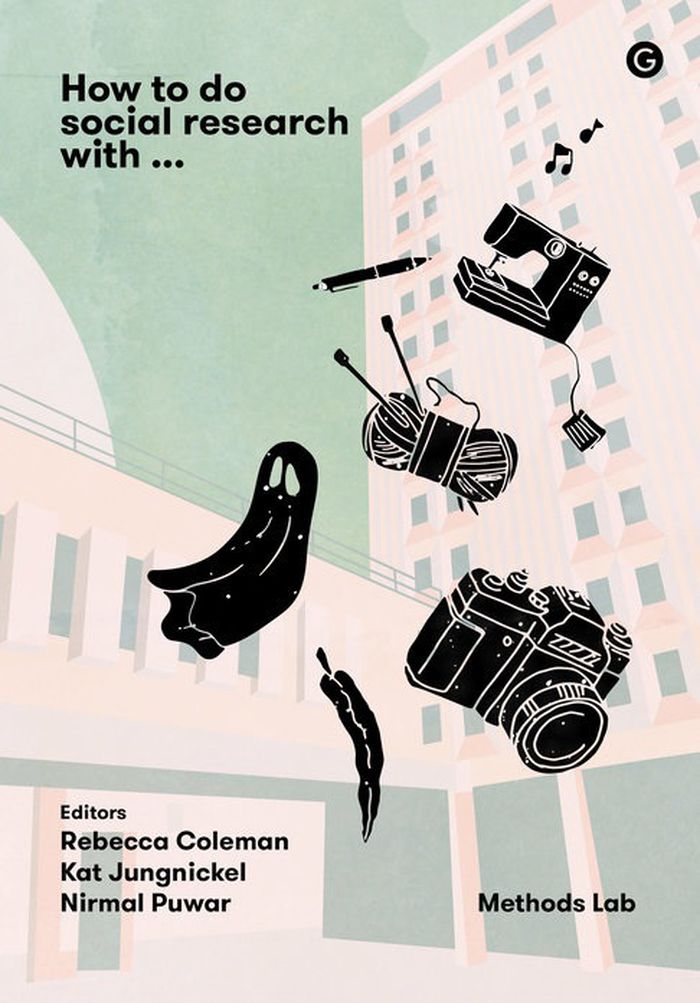
How to do social research with...
Actions:
Prix:
$47.95
(disponible en magasin)
Résumé:
This catalogue of methods draws on the wealth of cutting-edge critical and creative social research from the Goldsmiths Sociology Department to offer an engaged guide to doing research with a range of unexpected relations. The collection focuses on multiple assemblages of objects, media, materials, practices, relations, devices, and atmospheres, spanning methods and topics involving food to activism, knitting to ghosts, theater to documents, collaging to corridors. Through hands-on discussions of the practicalities, ethics, and politics of doing social research, the catalogue showcases a wide range of examples of what methods might mean and do. It builds a case for an understanding of contemporary social research as interdisciplinary, responsive, dynamic, vital, and urgent in studying and shaping social worlds.
How to do social research with...
Actions:
Prix:
$47.95
(disponible en magasin)
Résumé:
This catalogue of methods draws on the wealth of cutting-edge critical and creative social research from the Goldsmiths Sociology Department to offer an engaged guide to doing research with a range of unexpected relations. The collection focuses on multiple assemblages of objects, media, materials, practices, relations, devices, and atmospheres, spanning methods and topics involving food to activism, knitting to ghosts, theater to documents, collaging to corridors. Through hands-on discussions of the practicalities, ethics, and politics of doing social research, the catalogue showcases a wide range of examples of what methods might mean and do. It builds a case for an understanding of contemporary social research as interdisciplinary, responsive, dynamic, vital, and urgent in studying and shaping social worlds.
Classification:
livres
livres
Publication:
janvier 2024
janvier 2024
Sujet:
Social
Social
Classification:
périodiques
périodiques

Prix:
$21.95
(disponible en magasin)
Résumé:
Notre époque voit se multiplier les publications promettant de nous apprendre en trois «zooms» comment « travailler sur soi » et gérer intelligemment nos émotions, prévenir le burn out, etc. Mais paradoxalement, les enjeux de santé mentale se diversifient et se multiplient. On parle à présent d’anxiété de performance chez les jeunes, tandis que les femmes et les(...)
$21.95
(disponible en magasin)
Résumé:
Notre époque voit se multiplier les publications promettant de nous apprendre en trois «zooms» comment « travailler sur soi » et gérer intelligemment nos émotions, prévenir le burn out, etc. Mais paradoxalement, les enjeux de santé mentale se diversifient et se multiplient. On parle à présent d’anxiété de performance chez les jeunes, tandis que les femmes et les(...)
Sujet:
Social
Social
Publication:
octobre 2023
octobre 2023
Titre:
Nouveaux Cahiers du socialisme n.30 : Le mal-être pluriel
Actions:
Prix:
$21.95
(disponible en magasin)
Résumé:
Notre époque voit se multiplier les publications promettant de nous apprendre en trois «zooms» comment « travailler sur soi » et gérer intelligemment nos émotions, prévenir le burn out, etc. Mais paradoxalement, les enjeux de santé mentale se diversifient et se multiplient. On parle à présent d’anxiété de performance chez les jeunes, tandis que les femmes et les immigrants sont toujours plus pressurisés par des normes de comportement. Dans ce dossier sur Le mal être pluriel, nous abordons comment nous sommes piégés, mais aussi consentants, par un discours idéologique et des représentations sociales constituant la marque de fabrique de cette ère néolibérale, qui réclame un engagement total au travail, aux études et nous prescrit d’être autonomes, alors que nous sommes surveillés plus que jamais.
Nouveaux Cahiers du socialisme n.30 : Le mal-être pluriel
Actions:
Prix:
$21.95
(disponible en magasin)
Résumé:
Notre époque voit se multiplier les publications promettant de nous apprendre en trois «zooms» comment « travailler sur soi » et gérer intelligemment nos émotions, prévenir le burn out, etc. Mais paradoxalement, les enjeux de santé mentale se diversifient et se multiplient. On parle à présent d’anxiété de performance chez les jeunes, tandis que les femmes et les immigrants sont toujours plus pressurisés par des normes de comportement. Dans ce dossier sur Le mal être pluriel, nous abordons comment nous sommes piégés, mais aussi consentants, par un discours idéologique et des représentations sociales constituant la marque de fabrique de cette ère néolibérale, qui réclame un engagement total au travail, aux études et nous prescrit d’être autonomes, alors que nous sommes surveillés plus que jamais.
Classification:
périodiques
périodiques
Publication:
octobre 2023
octobre 2023
Sujet:
Social
Social


