


884 Résultats
Classification:
livres
livres
Actions:
Prix:
$18.50
(disponible sur commande)
Résumé:
In this collection of brief lives (and deaths) of nearly two hundred of the world's greatest thinkers, philosopher Simon Critchley creates a register of mortality that is tragic, amusing, absurd, and exemplary. From the self-mocking haikus of Zen masters on their deathbeds to the last words of Christian saints and modern-day sages, this irresistible book contains much to(...)
$18.50
(disponible sur commande)
Résumé:
In this collection of brief lives (and deaths) of nearly two hundred of the world's greatest thinkers, philosopher Simon Critchley creates a register of mortality that is tragic, amusing, absurd, and exemplary. From the self-mocking haikus of Zen masters on their deathbeds to the last words of Christian saints and modern-day sages, this irresistible book contains much to(...)
Titre:
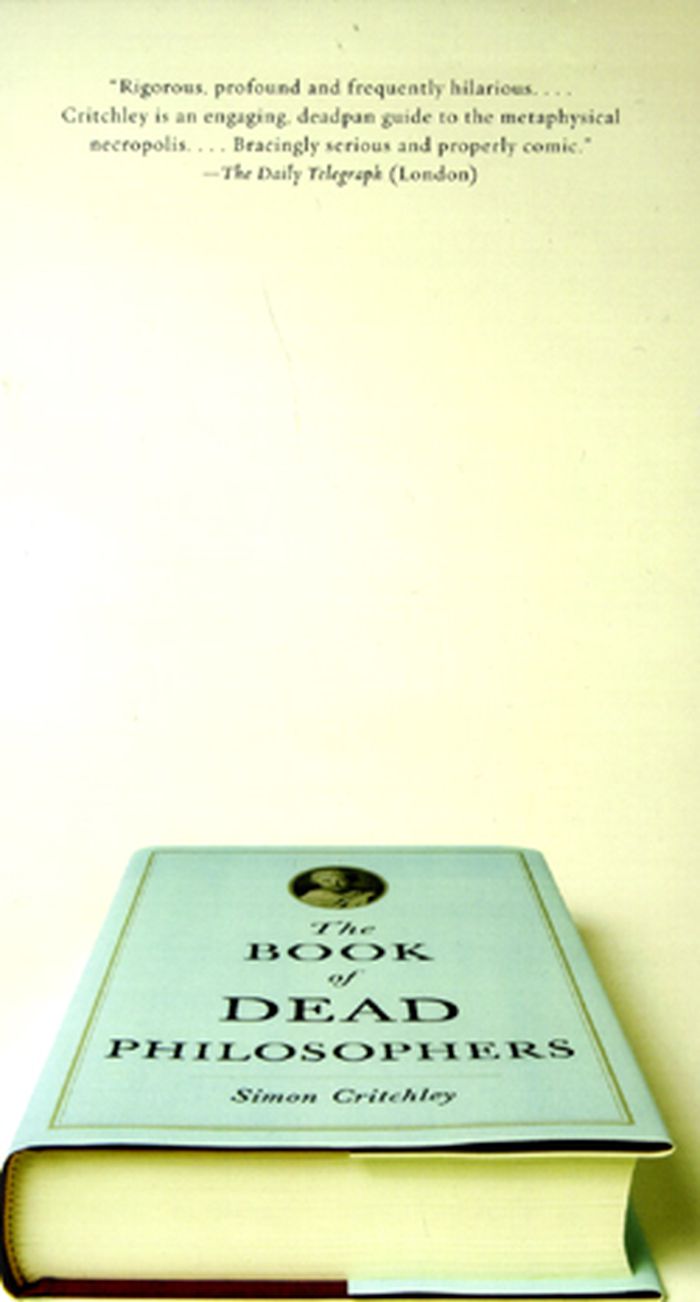
The book of dead philosophers
Actions:
Prix:
$18.50
(disponible sur commande)
Résumé:
In this collection of brief lives (and deaths) of nearly two hundred of the world's greatest thinkers, philosopher Simon Critchley creates a register of mortality that is tragic, amusing, absurd, and exemplary. From the self-mocking haikus of Zen masters on their deathbeds to the last words of Christian saints and modern-day sages, this irresistible book contains much to inspire both amusement and reflection. Each entry tells its own tale, but collected together they add up to a profound and moving investigation of meaning and the possibility of happiness for us all.
The book of dead philosophers
Actions:
Prix:
$18.50
(disponible sur commande)
Résumé:
In this collection of brief lives (and deaths) of nearly two hundred of the world's greatest thinkers, philosopher Simon Critchley creates a register of mortality that is tragic, amusing, absurd, and exemplary. From the self-mocking haikus of Zen masters on their deathbeds to the last words of Christian saints and modern-day sages, this irresistible book contains much to inspire both amusement and reflection. Each entry tells its own tale, but collected together they add up to a profound and moving investigation of meaning and the possibility of happiness for us all.
Classification:
livres
livres
Publication:
février 2009, New York
février 2009, New York
Sujet:
Théorie/ philosophie
Théorie/ philosophie
Classification:
livres
livres
Actions:
Prix:
$16.95
(disponible sur commande)
Résumé:
In The Aesthetics of Disappearance, Paul Virilio traces out the relationship of biological optics to the technological ''production of appearance.'' In the perceptual gaps demanding illusions of continuity, Virilio posits a hyper-opportunity for the production of art in speed. Jumping from Old Testament parable to the history of contemporary cinema, to the history of(...)
$16.95
(disponible sur commande)
Résumé:
In The Aesthetics of Disappearance, Paul Virilio traces out the relationship of biological optics to the technological ''production of appearance.'' In the perceptual gaps demanding illusions of continuity, Virilio posits a hyper-opportunity for the production of art in speed. Jumping from Old Testament parable to the history of contemporary cinema, to the history of(...)
Titre:
The aesthetics of disappearance
Actions:
Prix:
$16.95
(disponible sur commande)
Résumé:
In The Aesthetics of Disappearance, Paul Virilio traces out the relationship of biological optics to the technological ''production of appearance.'' In the perceptual gaps demanding illusions of continuity, Virilio posits a hyper-opportunity for the production of art in speed. Jumping from Old Testament parable to the history of contemporary cinema, to the history of philosophy and contemporary technology, Virilio teleports among an irregular constellation of high-speed artifice where love is a motion faster than light and the paradoxes of empiricism mire science in ''motion without mobility.''
The aesthetics of disappearance
Actions:
Prix:
$16.95
(disponible sur commande)
Résumé:
In The Aesthetics of Disappearance, Paul Virilio traces out the relationship of biological optics to the technological ''production of appearance.'' In the perceptual gaps demanding illusions of continuity, Virilio posits a hyper-opportunity for the production of art in speed. Jumping from Old Testament parable to the history of contemporary cinema, to the history of philosophy and contemporary technology, Virilio teleports among an irregular constellation of high-speed artifice where love is a motion faster than light and the paradoxes of empiricism mire science in ''motion without mobility.''
Classification:
livres
livres
Publication:
mai 2009
mai 2009
Sujet:
Théorie/ philosophie
Théorie/ philosophie
Classification:
livres
livres

Titre:
Political geography
Political geography
Actions:
Prix:
$39.95
(disponible sur commande)
Résumé:
Revised and updated, this is a new edition of a core undergraduate resource on political geography. Unique in the teaching literature, Political Geography retains its focus on the social and cultural, while systematically giving an overview of the entire discipline. Comprehensive, accessible, and illustrated with real world examples, Political Geography provides(...)
$39.95
(disponible sur commande)
Résumé:
Revised and updated, this is a new edition of a core undergraduate resource on political geography. Unique in the teaching literature, Political Geography retains its focus on the social and cultural, while systematically giving an overview of the entire discipline. Comprehensive, accessible, and illustrated with real world examples, Political Geography provides(...)
Sujet:
Théorie/ philosophie
Théorie/ philosophie
Publication:
mars 2009, Los Angeles, London, New Delhi
mars 2009, Los Angeles, London, New Delhi
Titre:
Political geography
Actions:
Prix:
$39.95
(disponible sur commande)
Résumé:
Revised and updated, this is a new edition of a core undergraduate resource on political geography. Unique in the teaching literature, Political Geography retains its focus on the social and cultural, while systematically giving an overview of the entire discipline. Comprehensive, accessible, and illustrated with real world examples, Political Geography provides undergraduates with a thorough understanding of the relationship between geography and politics.
Political geography
Actions:
Prix:
$39.95
(disponible sur commande)
Résumé:
Revised and updated, this is a new edition of a core undergraduate resource on political geography. Unique in the teaching literature, Political Geography retains its focus on the social and cultural, while systematically giving an overview of the entire discipline. Comprehensive, accessible, and illustrated with real world examples, Political Geography provides undergraduates with a thorough understanding of the relationship between geography and politics.
Classification:
livres
livres
Publication:
mars 2009, Los Angeles, London, New Delhi
mars 2009, Los Angeles, London, New Delhi
Sujet:
Théorie/ philosophie
Théorie/ philosophie
Classification:
livres
livres

Prix:
$53.95
(disponible sur commande)
Résumé:
These essays show Angela McRobbie reflecting on a range of issues which have political consequence for women, particularly young women, in a context where it is frequently assumed that progress has been made in the last 30 years, and that with gender issues now 'mainstreamed' in cultural and social life, the moment of feminism per se is now passed. McRobbie trenchantly(...)
$53.95
(disponible sur commande)
Résumé:
These essays show Angela McRobbie reflecting on a range of issues which have political consequence for women, particularly young women, in a context where it is frequently assumed that progress has been made in the last 30 years, and that with gender issues now 'mainstreamed' in cultural and social life, the moment of feminism per se is now passed. McRobbie trenchantly(...)
Titre:
The aftermath of feminism: gender, culture and social change
Actions:
Prix:
$53.95
(disponible sur commande)
Résumé:
These essays show Angela McRobbie reflecting on a range of issues which have political consequence for women, particularly young women, in a context where it is frequently assumed that progress has been made in the last 30 years, and that with gender issues now 'mainstreamed' in cultural and social life, the moment of feminism per se is now passed. McRobbie trenchantly argues that it is precisely on these grounds that invidious forms of gender -re-stabilisation are able to be re-established. Consumer culture, she argues, encroaches on the terrain of so called female freedom, appears supportive of female success only to tie women into new post-feminist neurotic dependencies.
The aftermath of feminism: gender, culture and social change
Actions:
Prix:
$53.95
(disponible sur commande)
Résumé:
These essays show Angela McRobbie reflecting on a range of issues which have political consequence for women, particularly young women, in a context where it is frequently assumed that progress has been made in the last 30 years, and that with gender issues now 'mainstreamed' in cultural and social life, the moment of feminism per se is now passed. McRobbie trenchantly argues that it is precisely on these grounds that invidious forms of gender -re-stabilisation are able to be re-established. Consumer culture, she argues, encroaches on the terrain of so called female freedom, appears supportive of female success only to tie women into new post-feminist neurotic dependencies.
Classification:
livres
livres
Publication:
décembre 2008, Los Angeles, London
décembre 2008, Los Angeles, London
Sujet:
Théorie/ philosophie
Théorie/ philosophie
Classification:
livres
livres
Titre:
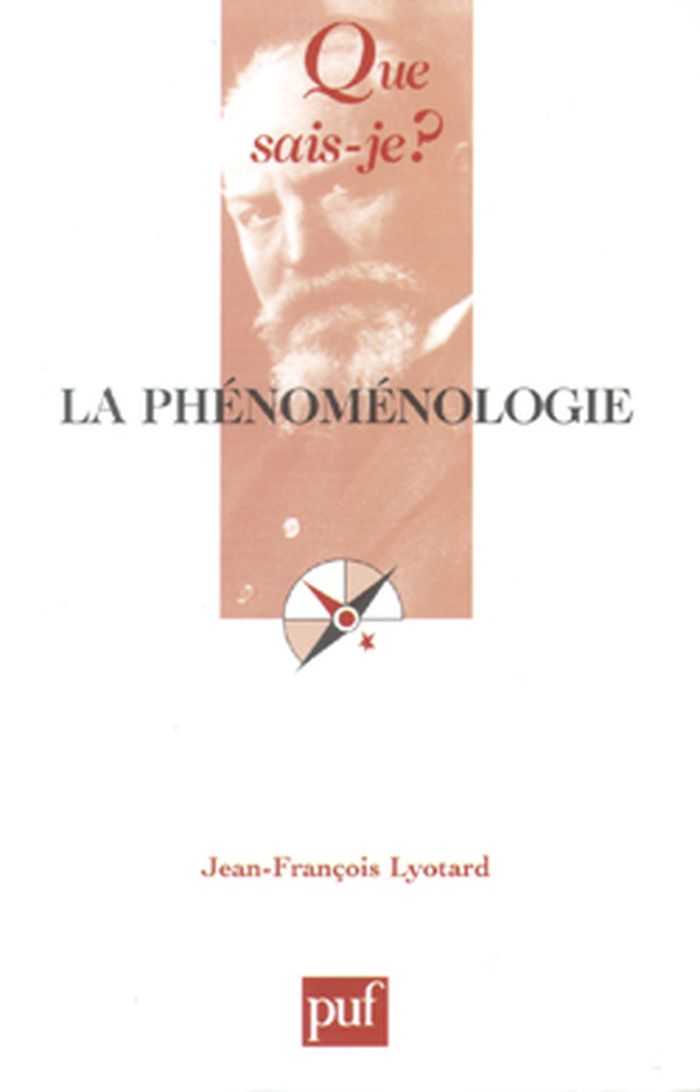
La phénoménologie
La phénoménologie
Actions:
Prix:
$15.95
(disponible sur commande)
Résumé:
Première édition en 1954. " Faut-il souligner l'importance de la phénoménologie ? Elle est une étape de la pensée "européenne", et elle s'est comprise elle-même comme telle, ainsi que le montre Husserl dans la Krisis. Nous aurons à fixer sa signification historique, encore que celle-ci ne soit pas assignable une fois pour toutes parce qu'il y a présentement des(...)
$15.95
(disponible sur commande)
Résumé:
Première édition en 1954. " Faut-il souligner l'importance de la phénoménologie ? Elle est une étape de la pensée "européenne", et elle s'est comprise elle-même comme telle, ainsi que le montre Husserl dans la Krisis. Nous aurons à fixer sa signification historique, encore que celle-ci ne soit pas assignable une fois pour toutes parce qu'il y a présentement des(...)
Titre:
La phénoménologie
Actions:
Prix:
$15.95
(disponible sur commande)
Résumé:
Première édition en 1954. " Faut-il souligner l'importance de la phénoménologie ? Elle est une étape de la pensée "européenne", et elle s'est comprise elle-même comme telle, ainsi que le montre Husserl dans la Krisis. Nous aurons à fixer sa signification historique, encore que celle-ci ne soit pas assignable une fois pour toutes parce qu'il y a présentement des phénoménologues et parce que son sens est en cours, inachevé en tant qu'historique. Il y a des accentuations différentes, de Heidegger à Fink, de Merleau-Ponty à Ricœur, de Pos ou Thevenaz à Levinas, qui justifient la prudence [...]. Mais il reste un "style" phénoménologique commun, [...] c'est ce style surtout que nous chercherons à cerner, après avoir rendu à Husserl ce qui lui revient : avoir commencé. " Jean-François Lyotard était professeur à l'Université Paris VIII et à l'Université de Californie, Irvine.
La phénoménologie
Actions:
Prix:
$15.95
(disponible sur commande)
Résumé:
Première édition en 1954. " Faut-il souligner l'importance de la phénoménologie ? Elle est une étape de la pensée "européenne", et elle s'est comprise elle-même comme telle, ainsi que le montre Husserl dans la Krisis. Nous aurons à fixer sa signification historique, encore que celle-ci ne soit pas assignable une fois pour toutes parce qu'il y a présentement des phénoménologues et parce que son sens est en cours, inachevé en tant qu'historique. Il y a des accentuations différentes, de Heidegger à Fink, de Merleau-Ponty à Ricœur, de Pos ou Thevenaz à Levinas, qui justifient la prudence [...]. Mais il reste un "style" phénoménologique commun, [...] c'est ce style surtout que nous chercherons à cerner, après avoir rendu à Husserl ce qui lui revient : avoir commencé. " Jean-François Lyotard était professeur à l'Université Paris VIII et à l'Université de Californie, Irvine.
Classification:
livres
livres
Publication:
janvier 2004, Paris
janvier 2004, Paris
Sujet:
Théorie/ philosophie
Théorie/ philosophie
Classification:
livres
livres
Actions:
Prix:
$26.00
(disponible sur commande)
Résumé:
The authors combine elements of the work of Marx, Freud, and Nietzsche to develop a political analysis of desire as it is repressed or expressed in Western culture. Originally publisged as L'Anti-Oedipe, 1972.
$26.00
(disponible sur commande)
Résumé:
The authors combine elements of the work of Marx, Freud, and Nietzsche to develop a political analysis of desire as it is repressed or expressed in Western culture. Originally publisged as L'Anti-Oedipe, 1972.
Sujet:
Théorie/ philosophie
Théorie/ philosophie
Publication:
juillet 1985, Minneapolis, Longon
juillet 1985, Minneapolis, Longon
Titre:
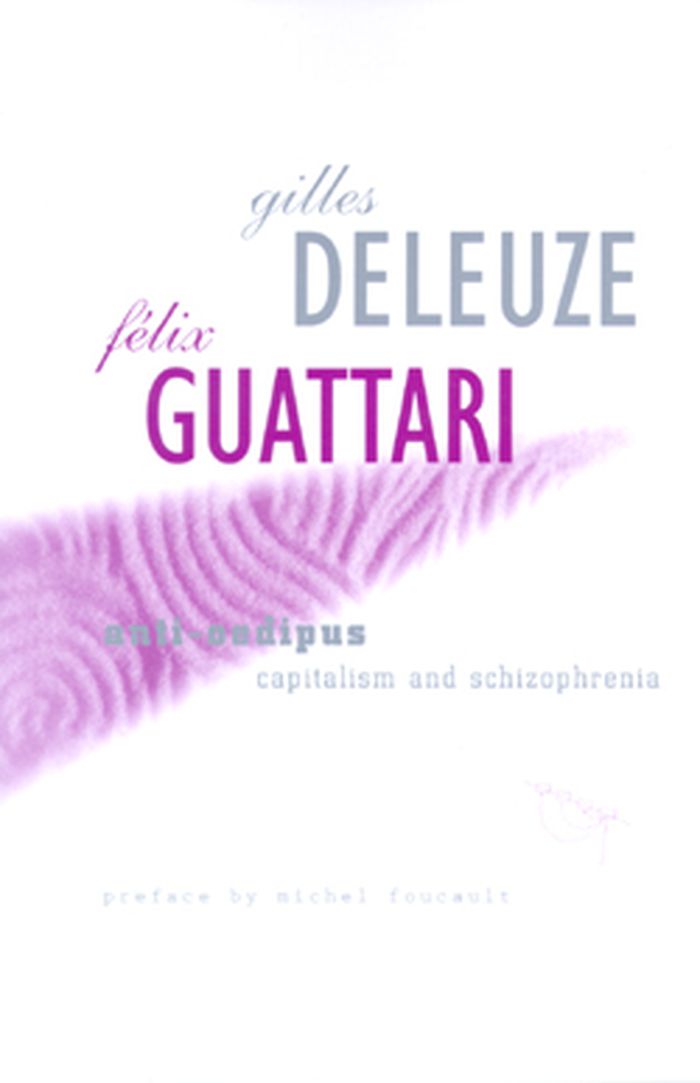
Anti-oedipus capitalism and schizophrenia
Actions:
Prix:
$26.00
(disponible sur commande)
Résumé:
The authors combine elements of the work of Marx, Freud, and Nietzsche to develop a political analysis of desire as it is repressed or expressed in Western culture. Originally publisged as L'Anti-Oedipe, 1972.
Anti-oedipus capitalism and schizophrenia
Actions:
Prix:
$26.00
(disponible sur commande)
Résumé:
The authors combine elements of the work of Marx, Freud, and Nietzsche to develop a political analysis of desire as it is repressed or expressed in Western culture. Originally publisged as L'Anti-Oedipe, 1972.
Classification:
livres
livres
Publication:
juillet 1985, Minneapolis, Longon
juillet 1985, Minneapolis, Longon
Sujet:
Théorie/ philosophie
Théorie/ philosophie
Classification:
livres
livres
Titre:
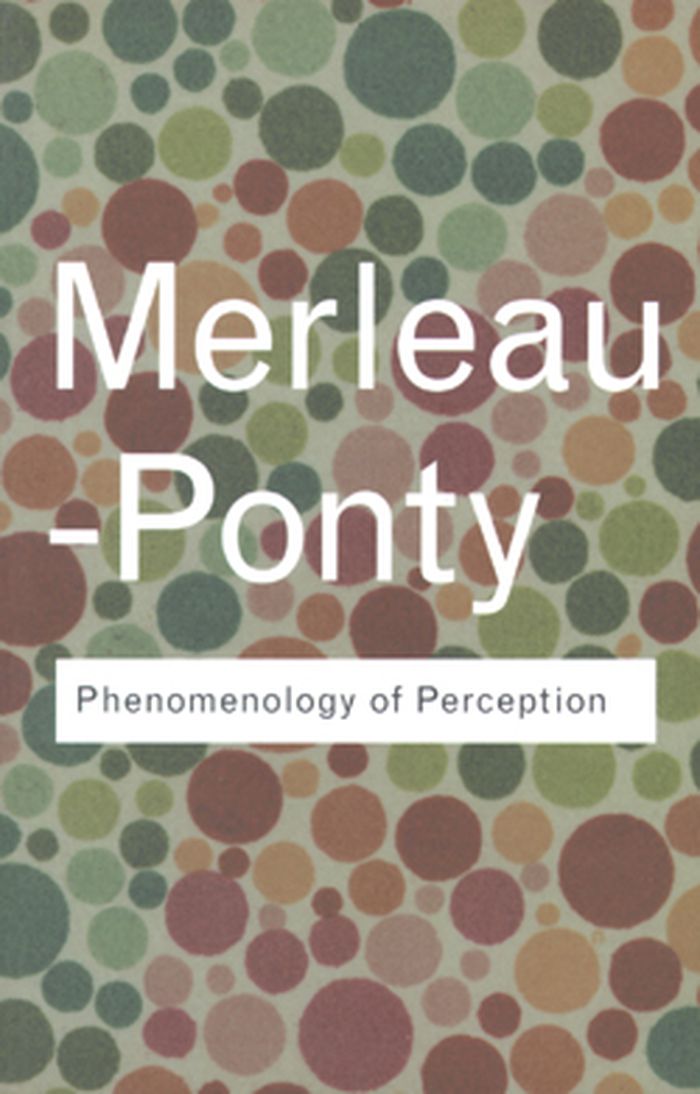
Phenomenology of perception
Phenomenology of perception
Actions:
Prix:
$30.95
(disponible sur commande)
Résumé:
Phénoménologie de la perception published in 1945. English edition first published in 1962. Maurice Merleau-Ponty (1908-1961) is a french philosopher and phenomenologist. Phenomenology of perception is it's most famous work.
$30.95
(disponible sur commande)
Résumé:
Phénoménologie de la perception published in 1945. English edition first published in 1962. Maurice Merleau-Ponty (1908-1961) is a french philosopher and phenomenologist. Phenomenology of perception is it's most famous work.
Titre:
Phenomenology of perception
Actions:
Prix:
$30.95
(disponible sur commande)
Résumé:
Phénoménologie de la perception published in 1945. English edition first published in 1962. Maurice Merleau-Ponty (1908-1961) is a french philosopher and phenomenologist. Phenomenology of perception is it's most famous work.
Phenomenology of perception
Actions:
Prix:
$30.95
(disponible sur commande)
Résumé:
Phénoménologie de la perception published in 1945. English edition first published in 1962. Maurice Merleau-Ponty (1908-1961) is a french philosopher and phenomenologist. Phenomenology of perception is it's most famous work.
Classification:
livres
livres
Publication:
mai 2002, London, New York
mai 2002, London, New York
Sujet:
Théorie/ philosophie
Théorie/ philosophie
Classification:
livres
livres
Titre:
La structure du comportement
La structure du comportement
Actions:
Prix:
$25.95
(disponible sur commande)
Résumé:
Notre but est de comprendre les rapports de la conscience et de la nature, organique, psychologique ou même sociale. On entend ici par nature une multiplicité d'événements extérieurs les uns aux autres et liés par des rapports de causalité. " Dans cet ouvrage publié en 1942, complété en 1945 par la Phénoménologie de la perception, " s'affirme pour la première fois une(...)
$25.95
(disponible sur commande)
Résumé:
Notre but est de comprendre les rapports de la conscience et de la nature, organique, psychologique ou même sociale. On entend ici par nature une multiplicité d'événements extérieurs les uns aux autres et liés par des rapports de causalité. " Dans cet ouvrage publié en 1942, complété en 1945 par la Phénoménologie de la perception, " s'affirme pour la première fois une(...)
Titre:
La structure du comportement
Actions:
Prix:
$25.95
(disponible sur commande)
Résumé:
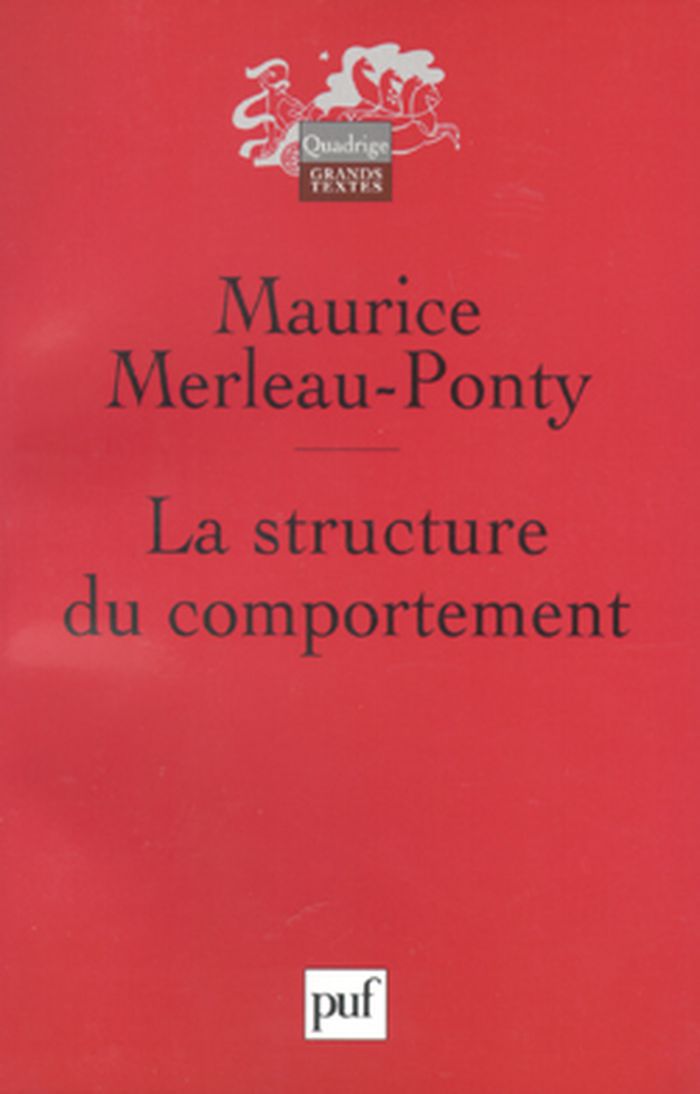
Notre but est de comprendre les rapports de la conscience et de la nature, organique, psychologique ou même sociale. On entend ici par nature une multiplicité d'événements extérieurs les uns aux autres et liés par des rapports de causalité. " Dans cet ouvrage publié en 1942, complété en 1945 par la Phénoménologie de la perception, " s'affirme pour la première fois une philosophie existentielle où le mode d'être ultime du pour-soi ne s'avère pas être, en dépit des intentions et des descriptions contraires, celui d'une conscience-témoin " (A. de Waelhens, Préface). La structure du comportement se place au niveau de l'expérience non pas naturelle mais scientifique et s'efforce de prouver que cette expérience, c'est-à-dire l'ensemble des faits qui constituent le comportement, n'est pas compréhensible dans les perspectives ontologiques que la science adopte spontanément.
La structure du comportement
Actions:
Prix:
$25.95
(disponible sur commande)
Résumé:
Notre but est de comprendre les rapports de la conscience et de la nature, organique, psychologique ou même sociale. On entend ici par nature une multiplicité d'événements extérieurs les uns aux autres et liés par des rapports de causalité. " Dans cet ouvrage publié en 1942, complété en 1945 par la Phénoménologie de la perception, " s'affirme pour la première fois une philosophie existentielle où le mode d'être ultime du pour-soi ne s'avère pas être, en dépit des intentions et des descriptions contraires, celui d'une conscience-témoin " (A. de Waelhens, Préface). La structure du comportement se place au niveau de l'expérience non pas naturelle mais scientifique et s'efforce de prouver que cette expérience, c'est-à-dire l'ensemble des faits qui constituent le comportement, n'est pas compréhensible dans les perspectives ontologiques que la science adopte spontanément.
Classification:
livres
livres
Publication:
janvier 2006, Paris
janvier 2006, Paris
Sujet:
Théorie/ philosophie
Théorie/ philosophie
Classification:
livres
livres
Actions:
Prix:
$32.50
(disponible sur commande)
Résumé:
C'est dans les notes de cours ici publiées que Merleau-Ponty donne, pour la première fois, une inflexion décisive à la phénoménologie en direction d'une nouvelle ontologie. Il s'attaque à la racine de la philosophie du sujet en même temps qu'il s'évade du cadre de la théorie de l'Histoire auquel ses critiques du hégélianisme et du marxisme étaient encore demeurées assujetties.
$32.50
(disponible sur commande)
Résumé:
C'est dans les notes de cours ici publiées que Merleau-Ponty donne, pour la première fois, une inflexion décisive à la phénoménologie en direction d'une nouvelle ontologie. Il s'attaque à la racine de la philosophie du sujet en même temps qu'il s'évade du cadre de la théorie de l'Histoire auquel ses critiques du hégélianisme et du marxisme étaient encore demeurées assujetties.
Titre:
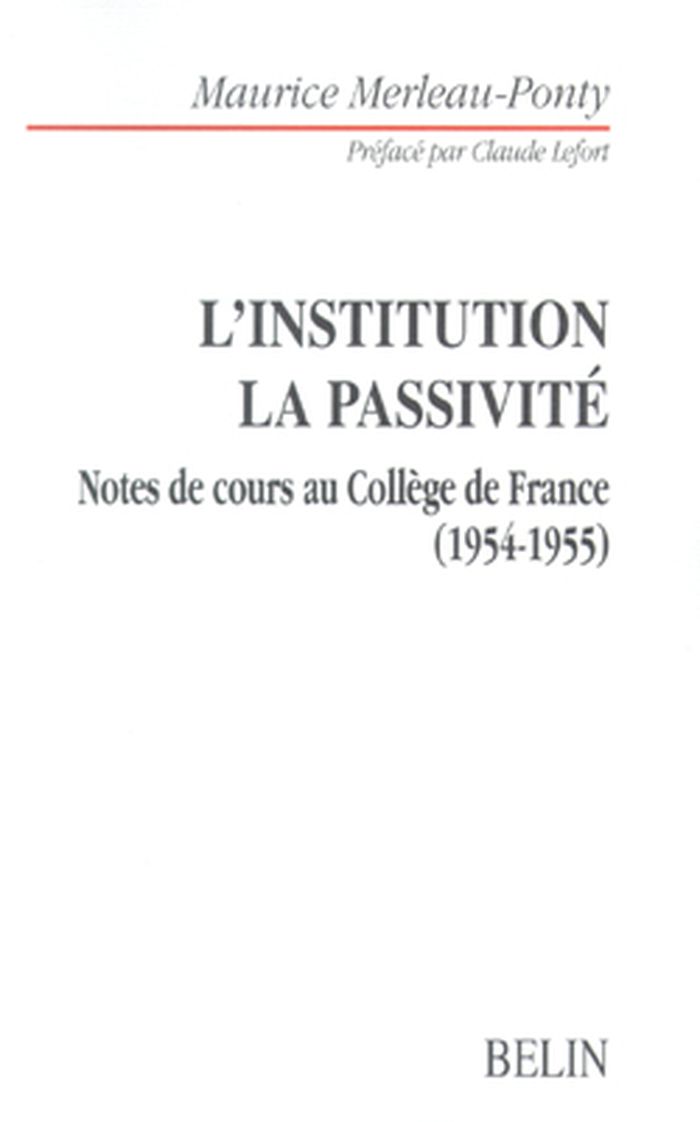
L'institution la passivité: notes de cours au Collège de France (1954-1955)
Actions:
Prix:
$32.50
(disponible sur commande)
Résumé:
C'est dans les notes de cours ici publiées que Merleau-Ponty donne, pour la première fois, une inflexion décisive à la phénoménologie en direction d'une nouvelle ontologie. Il s'attaque à la racine de la philosophie du sujet en même temps qu'il s'évade du cadre de la théorie de l'Histoire auquel ses critiques du hégélianisme et du marxisme étaient encore demeurées assujetties.
L'institution la passivité: notes de cours au Collège de France (1954-1955)
Actions:
Prix:
$32.50
(disponible sur commande)
Résumé:
C'est dans les notes de cours ici publiées que Merleau-Ponty donne, pour la première fois, une inflexion décisive à la phénoménologie en direction d'une nouvelle ontologie. Il s'attaque à la racine de la philosophie du sujet en même temps qu'il s'évade du cadre de la théorie de l'Histoire auquel ses critiques du hégélianisme et du marxisme étaient encore demeurées assujetties.
Classification:
livres
livres
Publication:
janvier 2002, Paris
janvier 2002, Paris
Sujet:
Théorie/ philosophie
Théorie/ philosophie
Classification:
livres
livres
Prix:
$24.95
(disponible sur commande)
Résumé:
Ces trois textes (les deux premiers datent de 1933-1934, l'auteur a 25 ans; 'Le primat' de novembre 1946) inédit en volume, inaugurent une recherche sur la perception et restent encore la meilleure introduction à l'oeuvre de Maurice Merleau-Ponty.
$24.95
(disponible sur commande)
Résumé:
Ces trois textes (les deux premiers datent de 1933-1934, l'auteur a 25 ans; 'Le primat' de novembre 1946) inédit en volume, inaugurent une recherche sur la perception et restent encore la meilleure introduction à l'oeuvre de Maurice Merleau-Ponty.
Titre:
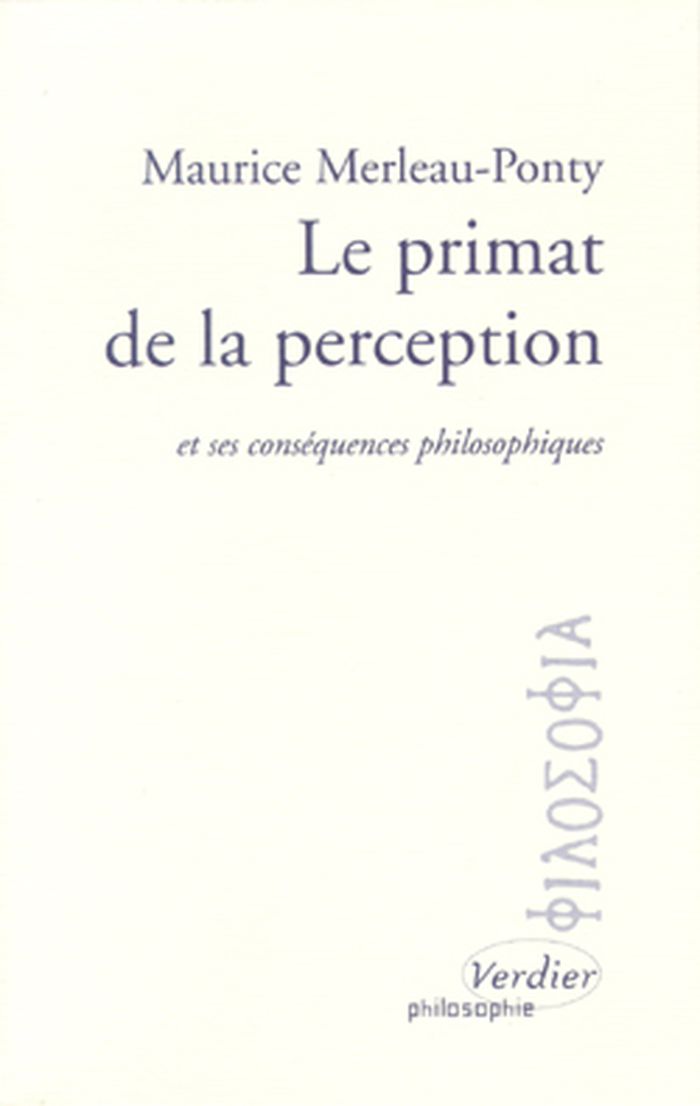
Le primat de la perception et ses conséquences philosophiques
Actions:
Prix:
$24.95
(disponible sur commande)
Résumé:
Ces trois textes (les deux premiers datent de 1933-1934, l'auteur a 25 ans; 'Le primat' de novembre 1946) inédit en volume, inaugurent une recherche sur la perception et restent encore la meilleure introduction à l'oeuvre de Maurice Merleau-Ponty.
Le primat de la perception et ses conséquences philosophiques
Actions:
Prix:
$24.95
(disponible sur commande)
Résumé:
Ces trois textes (les deux premiers datent de 1933-1934, l'auteur a 25 ans; 'Le primat' de novembre 1946) inédit en volume, inaugurent une recherche sur la perception et restent encore la meilleure introduction à l'oeuvre de Maurice Merleau-Ponty.
Classification:
livres
livres
Publication:
janvier 1900, Paris
janvier 1900, Paris
Sujet:
Théorie/ philosophie
Théorie/ philosophie


