


2221 Résultats
Classification:
livres
livres
Actions:
Prix:
$37.99
(disponible en magasin)
Résumé:
Digital tools have launched architecture into a dizzying new era, one in which wood, stone, metal, glass, and other traditional materials are augmented by pixels and code. In this ambitious exploration, an eminent thinker examines what, exactly, the building blocks of architecture have meant over the centuries and how technology may-or may not-be changing how we think(...)
$37.99
(disponible en magasin)
Résumé:
Digital tools have launched architecture into a dizzying new era, one in which wood, stone, metal, glass, and other traditional materials are augmented by pixels and code. In this ambitious exploration, an eminent thinker examines what, exactly, the building blocks of architecture have meant over the centuries and how technology may-or may not-be changing how we think(...)
Titre:
The materiality of architecture
Actions:
Prix:
$37.99
(disponible en magasin)
Résumé:
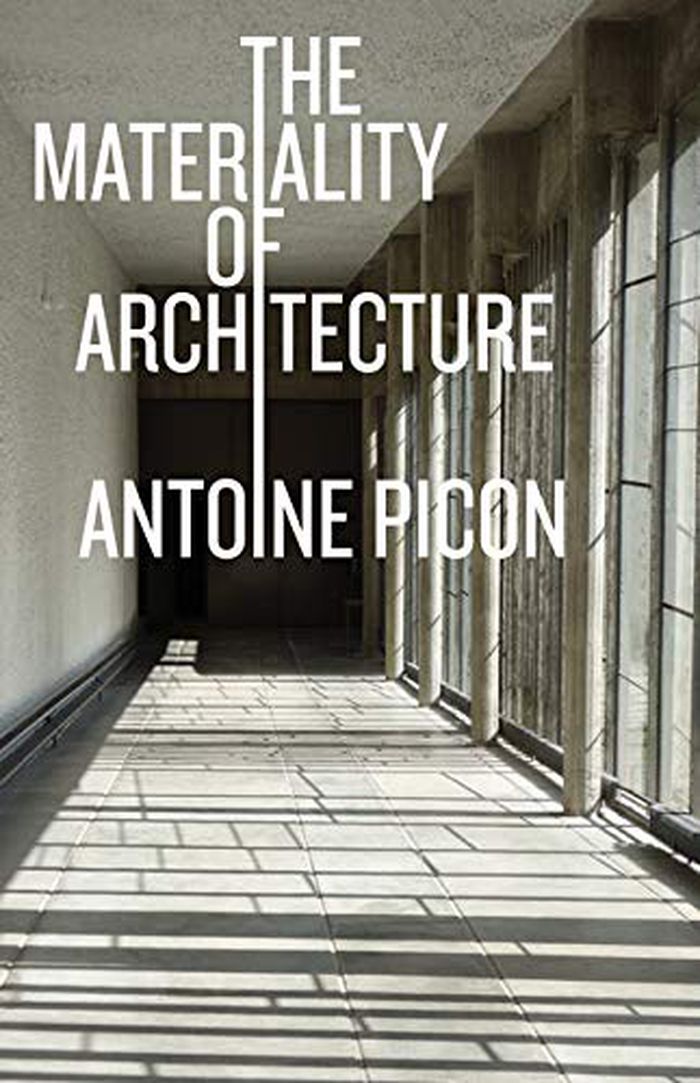
Digital tools have launched architecture into a dizzying new era, one in which wood, stone, metal, glass, and other traditional materials are augmented by pixels and code. In this ambitious exploration, an eminent thinker examines what, exactly, the building blocks of architecture have meant over the centuries and how technology may-or may not-be changing how we think about them. Antoine Picon argues that materiality is not only about matter and that the silence and inscrutability-the otherness-of raw materials work against humanity's need to live in a meaningful world. He describes how people define who they are, in part, through their specific physical experience of architectural materials and spaces. Indeed, Picon asserts, the entire paradox of the architectural discipline consists in its desire to render matter expressive to human beings. Through a retrospective review of canonical moments in Western European architecture, Picon offers an original perspective on the ways materiality has varied throughout centuries, demonstrating how experiences of the physical world have changed in relation to the evolution of human subjectivity. Ultimately, Picon concludes that computer-based design methods are not an abrupt departure from previous architectural traditions but rather a new way for architects to control material resources. The result reinforces the fundamentally humanistic nature of architectural endeavor with an increasing sense of design freedom and a release from material constraint in the digital era.
The materiality of architecture
Actions:
Prix:
$37.99
(disponible en magasin)
Résumé:
Digital tools have launched architecture into a dizzying new era, one in which wood, stone, metal, glass, and other traditional materials are augmented by pixels and code. In this ambitious exploration, an eminent thinker examines what, exactly, the building blocks of architecture have meant over the centuries and how technology may-or may not-be changing how we think about them. Antoine Picon argues that materiality is not only about matter and that the silence and inscrutability-the otherness-of raw materials work against humanity's need to live in a meaningful world. He describes how people define who they are, in part, through their specific physical experience of architectural materials and spaces. Indeed, Picon asserts, the entire paradox of the architectural discipline consists in its desire to render matter expressive to human beings. Through a retrospective review of canonical moments in Western European architecture, Picon offers an original perspective on the ways materiality has varied throughout centuries, demonstrating how experiences of the physical world have changed in relation to the evolution of human subjectivity. Ultimately, Picon concludes that computer-based design methods are not an abrupt departure from previous architectural traditions but rather a new way for architects to control material resources. The result reinforces the fundamentally humanistic nature of architectural endeavor with an increasing sense of design freedom and a release from material constraint in the digital era.
Classification:
livres
livres
Publication:
janvier 2021
janvier 2021
Sujet:
Théorie de l’architecture
Théorie de l’architecture
Classification:
livres
livres
Actions:
Prix:
$59.95
(disponible sur commande)
Résumé:
Ce livre revient sur les formes que prennent les pédagogies en architecture en France, mais aussi en Amérique du Nord, Amérique du Sud, Moyen-Orient, et au Japon, dans les années 1960-1970, au moment où différents facteurs contribuent à légitimer des changements de paradigmes de l’architecture. Il permet d’envisager ce moment historique de bascule, d’élan et de très(...)
$59.95
(disponible sur commande)
Résumé:
Ce livre revient sur les formes que prennent les pédagogies en architecture en France, mais aussi en Amérique du Nord, Amérique du Sud, Moyen-Orient, et au Japon, dans les années 1960-1970, au moment où différents facteurs contribuent à légitimer des changements de paradigmes de l’architecture. Il permet d’envisager ce moment historique de bascule, d’élan et de très(...)
Sujet:
Théorie de l’architecture
Théorie de l’architecture
Publication:
septembre 2020
septembre 2020
Titre:
Architecture 68 : panorama international des renouveaux pédagogiques
Actions:
Prix:
$59.95
(disponible sur commande)
Résumé:
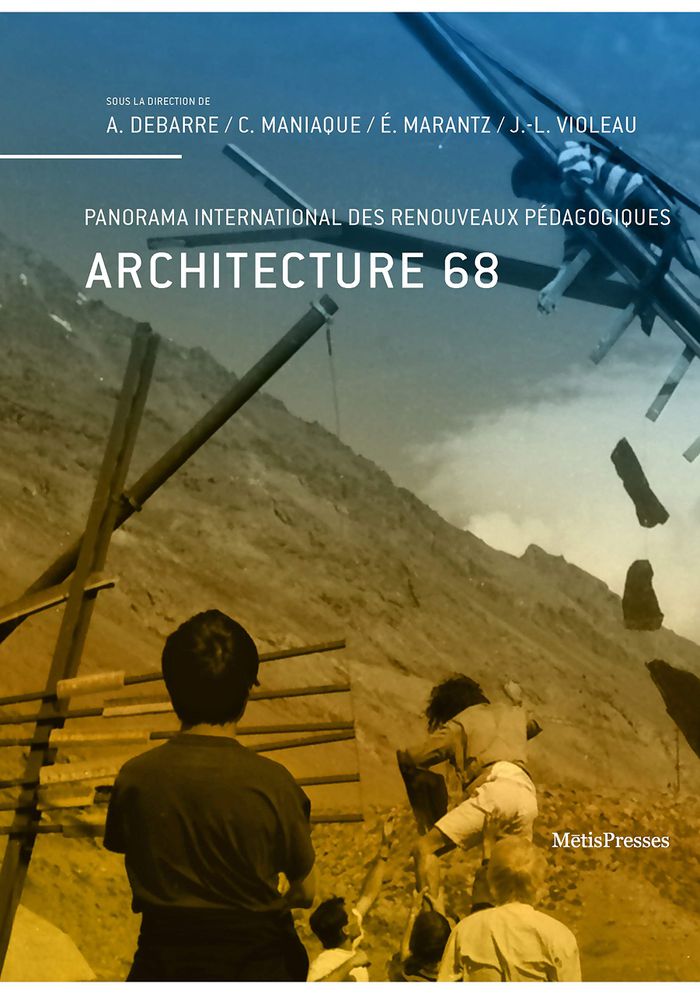
Ce livre revient sur les formes que prennent les pédagogies en architecture en France, mais aussi en Amérique du Nord, Amérique du Sud, Moyen-Orient, et au Japon, dans les années 1960-1970, au moment où différents facteurs contribuent à légitimer des changements de paradigmes de l’architecture. Il permet d’envisager ce moment historique de bascule, d’élan et de très grande créativité dans toute sa contemporanéité.
Architecture 68 : panorama international des renouveaux pédagogiques
Actions:
Prix:
$59.95
(disponible sur commande)
Résumé:
Ce livre revient sur les formes que prennent les pédagogies en architecture en France, mais aussi en Amérique du Nord, Amérique du Sud, Moyen-Orient, et au Japon, dans les années 1960-1970, au moment où différents facteurs contribuent à légitimer des changements de paradigmes de l’architecture. Il permet d’envisager ce moment historique de bascule, d’élan et de très grande créativité dans toute sa contemporanéité.
Classification:
livres
livres
Publication:
septembre 2020
septembre 2020
Sujet:
Théorie de l’architecture
Théorie de l’architecture
Classification:
livres
livres
Actions:
Prix:
$19.95
(disponible en magasin)
Résumé:
'L'architecture mobile' est le premier essai de Yona Friedman, paru en 1958 et tiré à une dizaine d’exemplaires destinés à des architectes, dont Le Corbusier. Il fut réédité ensuite en 1961, 1963, 1968, enrichi à chaque fois de textes et dessins nouveaux jusqu'à l'édition de 1970. Cette présente édition rassemble tous les textes des différentes éditions et permet d'en(...)
$19.95
(disponible en magasin)
Résumé:
'L'architecture mobile' est le premier essai de Yona Friedman, paru en 1958 et tiré à une dizaine d’exemplaires destinés à des architectes, dont Le Corbusier. Il fut réédité ensuite en 1961, 1963, 1968, enrichi à chaque fois de textes et dessins nouveaux jusqu'à l'édition de 1970. Cette présente édition rassemble tous les textes des différentes éditions et permet d'en(...)
Titre:
L'architecture mobile : vers une cité conçue par ses habitants (1958-2020)
Actions:
Prix:
$19.95
(disponible en magasin)
Résumé:
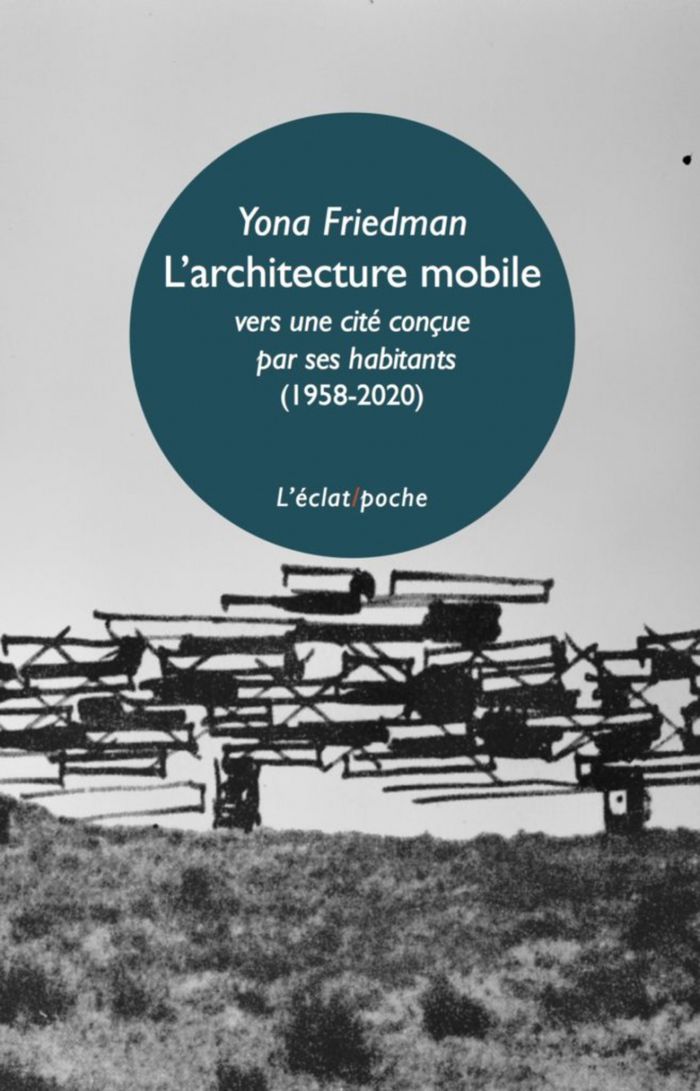
'L'architecture mobile' est le premier essai de Yona Friedman, paru en 1958 et tiré à une dizaine d’exemplaires destinés à des architectes, dont Le Corbusier. Il fut réédité ensuite en 1961, 1963, 1968, enrichi à chaque fois de textes et dessins nouveaux jusqu'à l'édition de 1970. Cette présente édition rassemble tous les textes des différentes éditions et permet d'en suivre l'évolution et d'en identifier les strates.
L'architecture mobile : vers une cité conçue par ses habitants (1958-2020)
Actions:
Prix:
$19.95
(disponible en magasin)
Résumé:
'L'architecture mobile' est le premier essai de Yona Friedman, paru en 1958 et tiré à une dizaine d’exemplaires destinés à des architectes, dont Le Corbusier. Il fut réédité ensuite en 1961, 1963, 1968, enrichi à chaque fois de textes et dessins nouveaux jusqu'à l'édition de 1970. Cette présente édition rassemble tous les textes des différentes éditions et permet d'en suivre l'évolution et d'en identifier les strates.
Classification:
livres
livres
Publication:
septembre 2020
septembre 2020
Sujet:
Théorie de l’architecture
Théorie de l’architecture
Classification:
livres
livres
Titre:
L'émotion Notre-Dame
L'émotion Notre-Dame
Actions:
Prix:
$44.95
(disponible sur commande)
Résumé:
Rarement « l'architecture » défraie « les médias ». Qu’avons-nous vu à Notre-Dame de Paris le soir du 15 avril 2019 ? Un incendie, un drame du patrimoine évidemment, mais pas seulement. En quelques heures, l’édifice s’est métamorphosé en un monument mondial composé d’images et de tweets, de discours et de stories Instagram. Chacun a raconté sa cathédrale, a exprimé sa(...)
$44.95
(disponible sur commande)
Résumé:
Rarement « l'architecture » défraie « les médias ». Qu’avons-nous vu à Notre-Dame de Paris le soir du 15 avril 2019 ? Un incendie, un drame du patrimoine évidemment, mais pas seulement. En quelques heures, l’édifice s’est métamorphosé en un monument mondial composé d’images et de tweets, de discours et de stories Instagram. Chacun a raconté sa cathédrale, a exprimé sa(...)
Sujet:
Théorie de l’architecture
Théorie de l’architecture
Publication:
mars 2020
mars 2020
Titre:
L'émotion Notre-Dame
Actions:
Prix:
$44.95
(disponible sur commande)
Résumé:
Rarement « l'architecture » défraie « les médias ». Qu’avons-nous vu à Notre-Dame de Paris le soir du 15 avril 2019 ? Un incendie, un drame du patrimoine évidemment, mais pas seulement. En quelques heures, l’édifice s’est métamorphosé en un monument mondial composé d’images et de tweets, de discours et de stories Instagram. Chacun a raconté sa cathédrale, a exprimé sa tristesse. Ce livre s’attache à explorer cette émotion collective, en envisageant la construction médiatique de l’incendie de la cathédrale comme fait social, culturel et d’actualité suscitant passions et angoisses – de la nostalgie du roman national à la peur du terrorisme. Bref, une visite guidée du dédale médiatique, citoyen et individuel dans lequel s’est forgée « l’émotion Notre-Dame ».
L'émotion Notre-Dame
Actions:
Prix:
$44.95
(disponible sur commande)
Résumé:
Rarement « l'architecture » défraie « les médias ». Qu’avons-nous vu à Notre-Dame de Paris le soir du 15 avril 2019 ? Un incendie, un drame du patrimoine évidemment, mais pas seulement. En quelques heures, l’édifice s’est métamorphosé en un monument mondial composé d’images et de tweets, de discours et de stories Instagram. Chacun a raconté sa cathédrale, a exprimé sa tristesse. Ce livre s’attache à explorer cette émotion collective, en envisageant la construction médiatique de l’incendie de la cathédrale comme fait social, culturel et d’actualité suscitant passions et angoisses – de la nostalgie du roman national à la peur du terrorisme. Bref, une visite guidée du dédale médiatique, citoyen et individuel dans lequel s’est forgée « l’émotion Notre-Dame ».
Classification:
livres
livres
Publication:
mars 2020
mars 2020
Sujet:
Théorie de l’architecture
Théorie de l’architecture
Classification:
livres
livres

Actions:
Prix:
$28.00
(disponible sur commande)
Résumé:
As Angela Y. Davis has proposed, the ''path to prison,'' which so disproportionately affects communities of colour, is most acutely guided by the conditions of daily life. Architecture, then, as fundamental to shaping these conditions of civil existence, must be interrogated for its involvement along this diffuse and mobile path. ''Paths to prison: on the architectures of(...)
$28.00
(disponible sur commande)
Résumé:
As Angela Y. Davis has proposed, the ''path to prison,'' which so disproportionately affects communities of colour, is most acutely guided by the conditions of daily life. Architecture, then, as fundamental to shaping these conditions of civil existence, must be interrogated for its involvement along this diffuse and mobile path. ''Paths to prison: on the architectures of(...)
Titre:
Paths to prison: on the architecture of carcerality
Actions:
Prix:
$28.00
(disponible sur commande)
Résumé:
As Angela Y. Davis has proposed, the ''path to prison,'' which so disproportionately affects communities of colour, is most acutely guided by the conditions of daily life. Architecture, then, as fundamental to shaping these conditions of civil existence, must be interrogated for its involvement along this diffuse and mobile path. ''Paths to prison: on the architectures of carcerality'' aims to expand the ways the built environment’s relationship to and participation in the carceral state is understood in architecture. The collected essays in this book implicate architecture in the more longstanding and pervasive legacies of racialized coercion in the United States- and follow the premise that to understand how the prison enacts its violence in the present one must shift the epistemological frame elsewhere: to places, discourses, and narratives assumed to be outside of the sphere of incarceration. ''Paths to prison: on the architectures of carcerality'' offers not a fixed or inexorable account of how things are but rather a set of starting points and methodologies for reevaluating the architecture of carceral society and for undoing it altogether.
Paths to prison: on the architecture of carcerality
Actions:
Prix:
$28.00
(disponible sur commande)
Résumé:
As Angela Y. Davis has proposed, the ''path to prison,'' which so disproportionately affects communities of colour, is most acutely guided by the conditions of daily life. Architecture, then, as fundamental to shaping these conditions of civil existence, must be interrogated for its involvement along this diffuse and mobile path. ''Paths to prison: on the architectures of carcerality'' aims to expand the ways the built environment’s relationship to and participation in the carceral state is understood in architecture. The collected essays in this book implicate architecture in the more longstanding and pervasive legacies of racialized coercion in the United States- and follow the premise that to understand how the prison enacts its violence in the present one must shift the epistemological frame elsewhere: to places, discourses, and narratives assumed to be outside of the sphere of incarceration. ''Paths to prison: on the architectures of carcerality'' offers not a fixed or inexorable account of how things are but rather a set of starting points and methodologies for reevaluating the architecture of carceral society and for undoing it altogether.
Classification:
livres
livres
Publication:
septembre 2020
septembre 2020
Sujet:
Théorie de l’architecture
Théorie de l’architecture
Classification:
livres
livres
Actions:
Prix:
$65.95
(disponible en magasin)
Résumé:
We enter the public pool, the sauna, or the beach with a heightened awareness of our bodies and the bodies of others. The phenomenology of bathing opens all of our senses toward the physical world entwined with the social, while the history of bathing is one of shared space, in both natural and built environments. In ''The architecture of bathing,'' Christie Pearson(...)
$65.95
(disponible en magasin)
Résumé:
We enter the public pool, the sauna, or the beach with a heightened awareness of our bodies and the bodies of others. The phenomenology of bathing opens all of our senses toward the physical world entwined with the social, while the history of bathing is one of shared space, in both natural and built environments. In ''The architecture of bathing,'' Christie Pearson(...)
Titre:
The architecture of bathing: body, landscape, art
Actions:
Prix:
$65.95
(disponible en magasin)
Résumé:
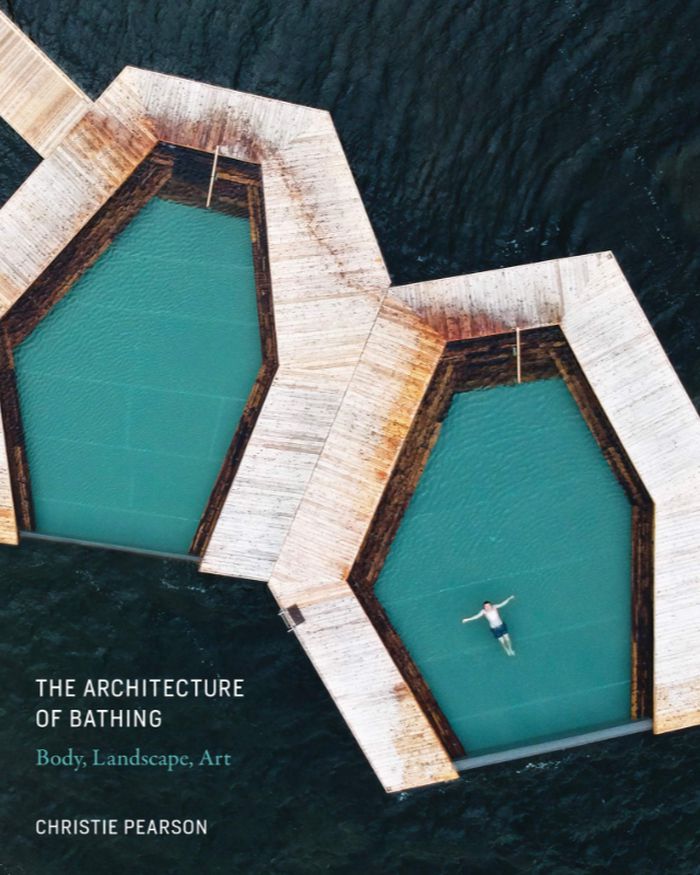
We enter the public pool, the sauna, or the beach with a heightened awareness of our bodies and the bodies of others. The phenomenology of bathing opens all of our senses toward the physical world entwined with the social, while the history of bathing is one of shared space, in both natural and built environments. In ''The architecture of bathing,'' Christie Pearson offers a unique examination of communal bathing and its history from the perspective of architecture and landscape. This book offers a celebration of spaces in which public and private, sacred and profane, ritual and habitual, pure and impure, nature and culture commingle.
The architecture of bathing: body, landscape, art
Actions:
Prix:
$65.95
(disponible en magasin)
Résumé:
We enter the public pool, the sauna, or the beach with a heightened awareness of our bodies and the bodies of others. The phenomenology of bathing opens all of our senses toward the physical world entwined with the social, while the history of bathing is one of shared space, in both natural and built environments. In ''The architecture of bathing,'' Christie Pearson offers a unique examination of communal bathing and its history from the perspective of architecture and landscape. This book offers a celebration of spaces in which public and private, sacred and profane, ritual and habitual, pure and impure, nature and culture commingle.
Classification:
livres
livres
Publication:
octobre 2020
octobre 2020
Sujet:
Théorie de l’architecture
Théorie de l’architecture
Classification:
livres
livres
Actions:
Prix:
$24.00
(disponible en magasin)
Résumé:
Avec ses élèves Zvi Hecker et Eldar Sharon, Alfred Neumann (1900-1968) déploya une architecture polyédrique, notamment mise en œuvre à Tel Aviv pendant les années 60. À l'âge des structures « spatiales » et « tridimensionnelles », Neumann et ses amis se tournent vers la géométrie cristalline trouvée en nature. Partant de processus évoquant la biologie et la(...)
$24.00
(disponible en magasin)
Résumé:
Avec ses élèves Zvi Hecker et Eldar Sharon, Alfred Neumann (1900-1968) déploya une architecture polyédrique, notamment mise en œuvre à Tel Aviv pendant les années 60. À l'âge des structures « spatiales » et « tridimensionnelles », Neumann et ses amis se tournent vers la géométrie cristalline trouvée en nature. Partant de processus évoquant la biologie et la(...)
Titre:
L'architecture de la morphologie
Actions:
Prix:
$24.00
(disponible en magasin)
Résumé:
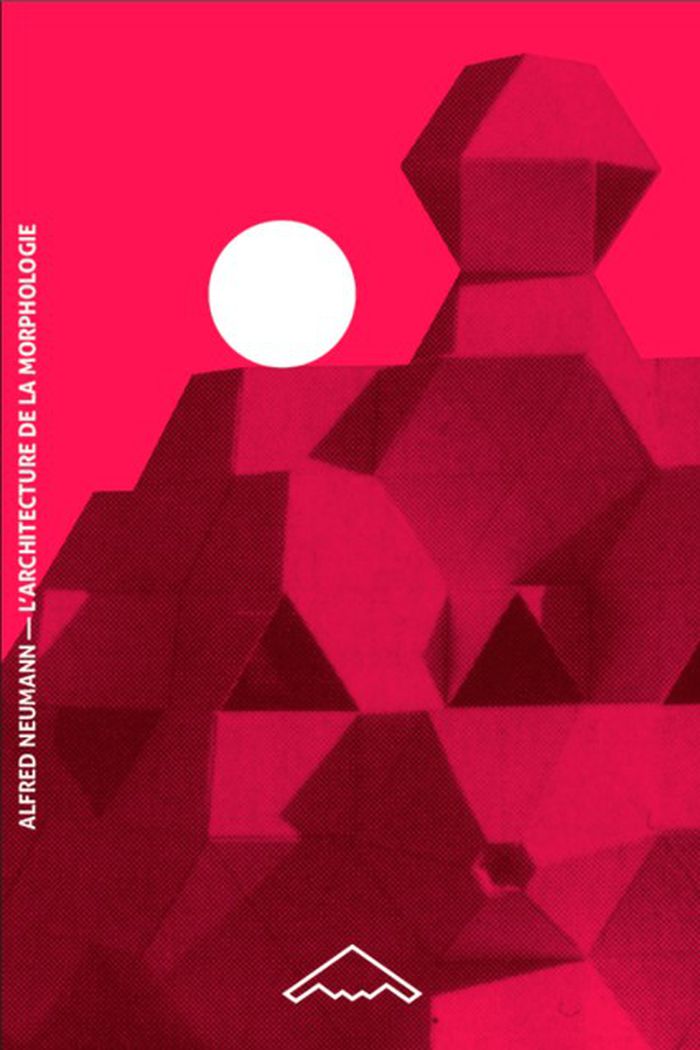
Avec ses élèves Zvi Hecker et Eldar Sharon, Alfred Neumann (1900-1968) déploya une architecture polyédrique, notamment mise en œuvre à Tel Aviv pendant les années 60. À l'âge des structures « spatiales » et « tridimensionnelles », Neumann et ses amis se tournent vers la géométrie cristalline trouvée en nature. Partant de processus évoquant la biologie et la cristallographie, Neumann conçoit l'espace à travers des assemblages solides, une « grammaire de l'espace » donnant lieu à une « discipline topologique » qu'il enseignera jusqu'à sa mort à l'école d'architecture de l'Université de Laval, à Québec. Augmenté des présentations de Georges Teyssot et Samuel Bernier-Lavigne, le présent essai, dévoilé à Toronto en 1963, précède de peu la mise en chantier de l'Expo 67 à Montréal.
L'architecture de la morphologie
Actions:
Prix:
$24.00
(disponible en magasin)
Résumé:
Avec ses élèves Zvi Hecker et Eldar Sharon, Alfred Neumann (1900-1968) déploya une architecture polyédrique, notamment mise en œuvre à Tel Aviv pendant les années 60. À l'âge des structures « spatiales » et « tridimensionnelles », Neumann et ses amis se tournent vers la géométrie cristalline trouvée en nature. Partant de processus évoquant la biologie et la cristallographie, Neumann conçoit l'espace à travers des assemblages solides, une « grammaire de l'espace » donnant lieu à une « discipline topologique » qu'il enseignera jusqu'à sa mort à l'école d'architecture de l'Université de Laval, à Québec. Augmenté des présentations de Georges Teyssot et Samuel Bernier-Lavigne, le présent essai, dévoilé à Toronto en 1963, précède de peu la mise en chantier de l'Expo 67 à Montréal.
Classification:
livres
livres
Publication:
octobre 2020
octobre 2020
Sujet:
Théorie de l’architecture
Théorie de l’architecture
Classification:
livres
livres
Actions:
Prix:
$32.00
(disponible sur commande)
Résumé:
Disparu en 2020 (après les morts de Roberto Magris en 2003 et Cristiano Toraldo di Francia en 2019), Adolfo Natalini datait le dénouement de « l'utopie Superstudio » à trois « fins de l'histoire » possibles : 1972-1973, après les trois expositions de New-York, Graz et Minneapolis venant clore le grand cycle de leur architecture « radicale » ; 1978, après la fin de charges(...)
$32.00
(disponible sur commande)
Résumé:
Disparu en 2020 (après les morts de Roberto Magris en 2003 et Cristiano Toraldo di Francia en 2019), Adolfo Natalini datait le dénouement de « l'utopie Superstudio » à trois « fins de l'histoire » possibles : 1972-1973, après les trois expositions de New-York, Graz et Minneapolis venant clore le grand cycle de leur architecture « radicale » ; 1978, après la fin de charges(...)
Titre:
La vie secrète de Superstudio
Actions:
Prix:
$32.00
(disponible sur commande)
Résumé:
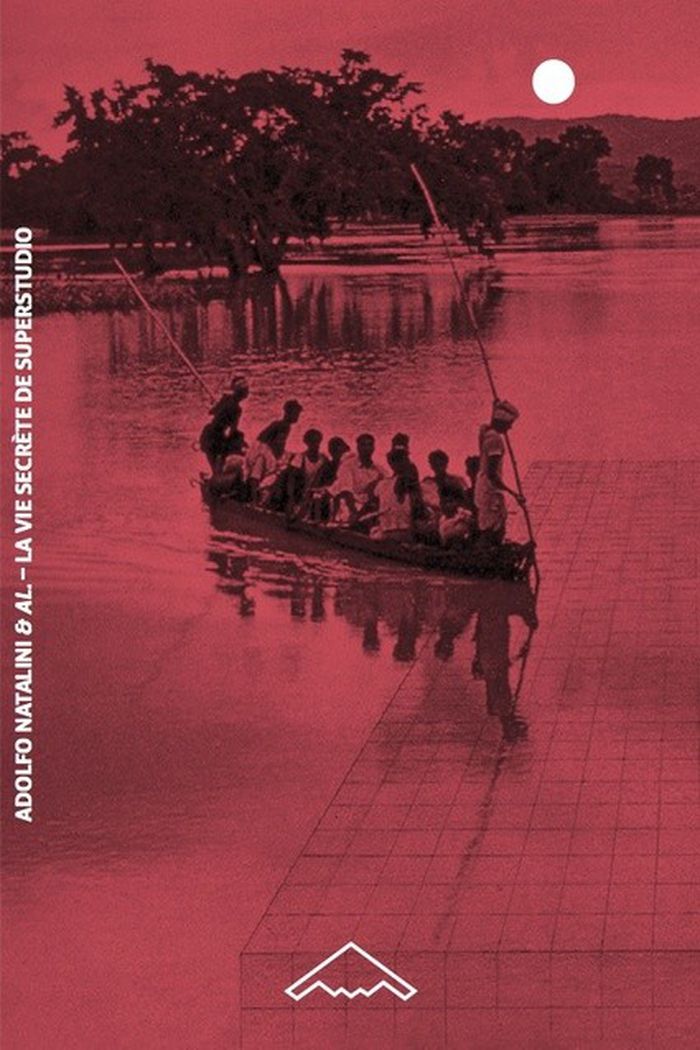
Disparu en 2020 (après les morts de Roberto Magris en 2003 et Cristiano Toraldo di Francia en 2019), Adolfo Natalini datait le dénouement de « l'utopie Superstudio » à trois « fins de l'histoire » possibles : 1972-1973, après les trois expositions de New-York, Graz et Minneapolis venant clore le grand cycle de leur architecture « radicale » ; 1978, après la fin de charges de cours et l'échec de Global Tools ayant mis un terme à leur « recherche sur la culture matérielle » ; puis 1986, après une agonie à petit feu, où « nous avons continué à signer du nom de Superstudio – apposé tel un label », jusqu'au moment où « nous avons décidé que le temps était venu d'y mettre un terme ». Au-delà de la légende, la « vie secrète » des membres de Superstudio devenait enfin déclassifiable.
La vie secrète de Superstudio
Actions:
Prix:
$32.00
(disponible sur commande)
Résumé:
Disparu en 2020 (après les morts de Roberto Magris en 2003 et Cristiano Toraldo di Francia en 2019), Adolfo Natalini datait le dénouement de « l'utopie Superstudio » à trois « fins de l'histoire » possibles : 1972-1973, après les trois expositions de New-York, Graz et Minneapolis venant clore le grand cycle de leur architecture « radicale » ; 1978, après la fin de charges de cours et l'échec de Global Tools ayant mis un terme à leur « recherche sur la culture matérielle » ; puis 1986, après une agonie à petit feu, où « nous avons continué à signer du nom de Superstudio – apposé tel un label », jusqu'au moment où « nous avons décidé que le temps était venu d'y mettre un terme ». Au-delà de la légende, la « vie secrète » des membres de Superstudio devenait enfin déclassifiable.
Classification:
livres
livres
Publication:
octobre 2020
octobre 2020
Sujet:
Théorie de l’architecture
Théorie de l’architecture
Classification:
livres
livres
Titre:
Écrits climatiques
Écrits climatiques
Actions:
Prix:
$26.00
(disponible sur commande)
Résumé:
Depuis l'Hormonorium à la Biennale de Venise de 2002, où les Lausannois Décosterd & Rahm avaient rafraîchi la lagune par un climat artificiel des Alpes, le néomodernisme de Philippe Rahm s'est maintes fois reconfiguré. Les premiers effets du réchauffement climatique et des pandémies ont ainsi transformé l'historiographie environnementale de ce qui, chez lui, faisait(...)
$26.00
(disponible sur commande)
Résumé:
Depuis l'Hormonorium à la Biennale de Venise de 2002, où les Lausannois Décosterd & Rahm avaient rafraîchi la lagune par un climat artificiel des Alpes, le néomodernisme de Philippe Rahm s'est maintes fois reconfiguré. Les premiers effets du réchauffement climatique et des pandémies ont ainsi transformé l'historiographie environnementale de ce qui, chez lui, faisait(...)
Titre:
Écrits climatiques
Actions:
Prix:
$26.00
(disponible sur commande)
Résumé:
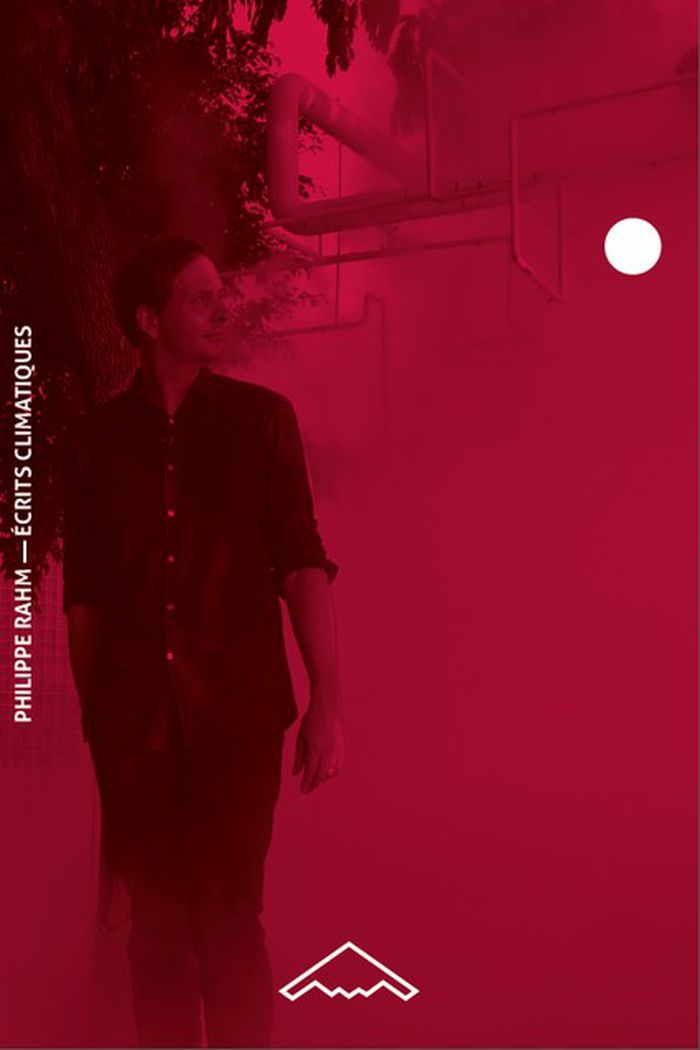
Depuis l'Hormonorium à la Biennale de Venise de 2002, où les Lausannois Décosterd & Rahm avaient rafraîchi la lagune par un climat artificiel des Alpes, le néomodernisme de Philippe Rahm s'est maintes fois reconfiguré. Les premiers effets du réchauffement climatique et des pandémies ont ainsi transformé l'historiographie environnementale de ce qui, chez lui, faisait l'architecture : un abri individuel ; une symbolicité socio-politique limitée ; à tout le moins une pure solution écotechnique et « objective ». Le présent recueil rassemble une trentaine de contributions contemporaines de ses projets urbains pour Taichung, Milan ou La Défense. Toujours à l'affût des météores changeants de l'époque, l'auteur esquisse ce que pourrait bien devenir un « Monde d'Après ».
Écrits climatiques
Actions:
Prix:
$26.00
(disponible sur commande)
Résumé:
Depuis l'Hormonorium à la Biennale de Venise de 2002, où les Lausannois Décosterd & Rahm avaient rafraîchi la lagune par un climat artificiel des Alpes, le néomodernisme de Philippe Rahm s'est maintes fois reconfiguré. Les premiers effets du réchauffement climatique et des pandémies ont ainsi transformé l'historiographie environnementale de ce qui, chez lui, faisait l'architecture : un abri individuel ; une symbolicité socio-politique limitée ; à tout le moins une pure solution écotechnique et « objective ». Le présent recueil rassemble une trentaine de contributions contemporaines de ses projets urbains pour Taichung, Milan ou La Défense. Toujours à l'affût des météores changeants de l'époque, l'auteur esquisse ce que pourrait bien devenir un « Monde d'Après ».
Classification:
livres
livres
Publication:
octobre 2020
octobre 2020
Sujet:
Théorie de l’architecture
Théorie de l’architecture
Classification:
livres
livres
Titre:
Octobre rouge
Octobre rouge
Actions:
Prix:
$40.00
(disponible sur commande)
Résumé:
Popularisés par le roman « À la poursuite d'Octobre rouge » de Tom Clancy (1984) adapté au cinéma en 1990, les six sous-marins de la classe Typhoon sont les plus gros jamais construits. Livrés entre 1979 et 1989, ces monstres de 170 m et 48 000 tonnes en plongée (5 tours Eiffel) restent le symbole et l'un des fleurons de la Guerre la plus froide. à leur apparition, ces «(...)
$40.00
(disponible sur commande)
Résumé:
Popularisés par le roman « À la poursuite d'Octobre rouge » de Tom Clancy (1984) adapté au cinéma en 1990, les six sous-marins de la classe Typhoon sont les plus gros jamais construits. Livrés entre 1979 et 1989, ces monstres de 170 m et 48 000 tonnes en plongée (5 tours Eiffel) restent le symbole et l'un des fleurons de la Guerre la plus froide. à leur apparition, ces «(...)
Titre:
Octobre rouge
Actions:
Prix:
$40.00
(disponible sur commande)
Résumé:
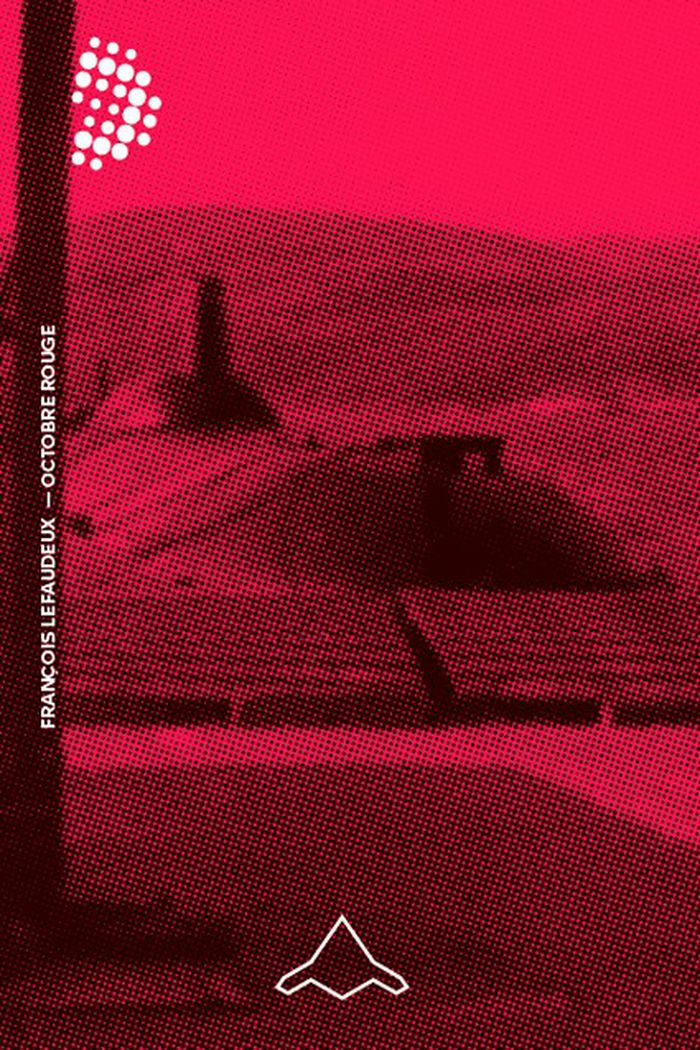
Popularisés par le roman « À la poursuite d'Octobre rouge » de Tom Clancy (1984) adapté au cinéma en 1990, les six sous-marins de la classe Typhoon sont les plus gros jamais construits. Livrés entre 1979 et 1989, ces monstres de 170 m et 48 000 tonnes en plongée (5 tours Eiffel) restent le symbole et l'un des fleurons de la Guerre la plus froide. à leur apparition, ces « requins » (Akoula, leur nom en russe) laissèrent sidérés les services occidentaux par leur déplacement et l'exceptionnelle capacité d’emport de missiles stratégiques. Toutefois, avec leurs qualités et leurs faiblesses, ils n’ont pas survécu – tant leur coût de mise en œuvre et d’entretien était prohibitif. Cet ouvrage retrace les arcanes de la guerre sous-marine et l'architecture unique qui en a résulté.
Octobre rouge
Actions:
Prix:
$40.00
(disponible sur commande)
Résumé:
Popularisés par le roman « À la poursuite d'Octobre rouge » de Tom Clancy (1984) adapté au cinéma en 1990, les six sous-marins de la classe Typhoon sont les plus gros jamais construits. Livrés entre 1979 et 1989, ces monstres de 170 m et 48 000 tonnes en plongée (5 tours Eiffel) restent le symbole et l'un des fleurons de la Guerre la plus froide. à leur apparition, ces « requins » (Akoula, leur nom en russe) laissèrent sidérés les services occidentaux par leur déplacement et l'exceptionnelle capacité d’emport de missiles stratégiques. Toutefois, avec leurs qualités et leurs faiblesses, ils n’ont pas survécu – tant leur coût de mise en œuvre et d’entretien était prohibitif. Cet ouvrage retrace les arcanes de la guerre sous-marine et l'architecture unique qui en a résulté.
Classification:
livres
livres
Publication:
octobre 2020
octobre 2020
Sujet:
Théorie de l’architecture
Théorie de l’architecture


