


2221 Résultats
Classification:
livres
livres
Titre:
The century of bed
The century of bed
Actions:
Prix:
$35.00
(disponible sur commande)
Résumé:
The Century of the Bed addresses the use of the bed as an office and workspace. How can we define and reexamine the bed as an architectural space? This publication offers insight into the diverse artistic research on this topic.
$35.00
(disponible sur commande)
Résumé:
The Century of the Bed addresses the use of the bed as an office and workspace. How can we define and reexamine the bed as an architectural space? This publication offers insight into the diverse artistic research on this topic.
Sujet:
Théorie de l’architecture
Théorie de l’architecture
Publication:
février 2015
février 2015
Titre:
The century of bed
Actions:
Prix:
$35.00
(disponible sur commande)
Résumé:
The Century of the Bed addresses the use of the bed as an office and workspace. How can we define and reexamine the bed as an architectural space? This publication offers insight into the diverse artistic research on this topic.
The century of bed
Actions:
Prix:
$35.00
(disponible sur commande)
Résumé:
The Century of the Bed addresses the use of the bed as an office and workspace. How can we define and reexamine the bed as an architectural space? This publication offers insight into the diverse artistic research on this topic.
Classification:
livres
livres
Publication:
février 2015
février 2015
Sujet:
Théorie de l’architecture
Théorie de l’architecture
Classification:
livres
livres
Actions:
Prix:
$13.99
(disponible en magasin)
Résumé:
Reinhold Martin’s Mediators is a series of linked meditations on the globalized city. Focusing on infrastructural, technical, and social systems, Martin explores how the aesthetics and the political economy of cities overlap and interact. He discusses a range of subjects, including the architecture of finance written into urban policy, regimes of enumeration that remix(...)
$13.99
(disponible en magasin)
Résumé:
Reinhold Martin’s Mediators is a series of linked meditations on the globalized city. Focusing on infrastructural, technical, and social systems, Martin explores how the aesthetics and the political economy of cities overlap and interact. He discusses a range of subjects, including the architecture of finance written into urban policy, regimes of enumeration that remix(...)
Titre:
Mediators: aesthetics, politics, and the City
Actions:
Prix:
$13.99
(disponible en magasin)
Résumé:
Reinhold Martin’s Mediators is a series of linked meditations on the globalized city. Focusing on infrastructural, technical, and social systems, Martin explores how the aesthetics and the political economy of cities overlap and interact. He discusses a range of subjects, including the architecture of finance written into urban policy, regimes of enumeration that remix city and country, fictional ecologies that rewrite biopolitics, the ruins of socialism strewn amid the transnational commons, and memories of revolution stored in everyday urban hardware. For Martin, these mediators—the objects, processes, and imaginaries from which these phenomena emerge—serve to explain disparate fragments of a global urbanity.
Mediators: aesthetics, politics, and the City
Actions:
Prix:
$13.99
(disponible en magasin)
Résumé:
Reinhold Martin’s Mediators is a series of linked meditations on the globalized city. Focusing on infrastructural, technical, and social systems, Martin explores how the aesthetics and the political economy of cities overlap and interact. He discusses a range of subjects, including the architecture of finance written into urban policy, regimes of enumeration that remix city and country, fictional ecologies that rewrite biopolitics, the ruins of socialism strewn amid the transnational commons, and memories of revolution stored in everyday urban hardware. For Martin, these mediators—the objects, processes, and imaginaries from which these phenomena emerge—serve to explain disparate fragments of a global urbanity.
Classification:
livres
livres
Publication:
mars 2015
mars 2015
Sujet:
Théorie de l’architecture
Théorie de l’architecture
Classification:
livres
livres
Actions:
Prix:
$32.00
(disponible sur commande)
Résumé:
Cet ouvrage réunit les rares textes autographes de Carlo Scarpa et une expographie détaillée, de l'immédiat Après-guerre aux années 1970. Il rend compte de sa pensée artistique globale comme de ses qualités scénographiques. Ses réalisations pour la Biennale de Venise, ses monographies de Piet Mondrian et Marcel Duchamp, ses collaborations avec Lucio Fontana et Arturo(...)
$32.00
(disponible sur commande)
Résumé:
Cet ouvrage réunit les rares textes autographes de Carlo Scarpa et une expographie détaillée, de l'immédiat Après-guerre aux années 1970. Il rend compte de sa pensée artistique globale comme de ses qualités scénographiques. Ses réalisations pour la Biennale de Venise, ses monographies de Piet Mondrian et Marcel Duchamp, ses collaborations avec Lucio Fontana et Arturo(...)
Titre:
Carlo Scarpa: l'art d'exposer
Actions:
Prix:
$32.00
(disponible sur commande)
Résumé:
Cet ouvrage réunit les rares textes autographes de Carlo Scarpa et une expographie détaillée, de l'immédiat Après-guerre aux années 1970. Il rend compte de sa pensée artistique globale comme de ses qualités scénographiques. Ses réalisations pour la Biennale de Venise, ses monographies de Piet Mondrian et Marcel Duchamp, ses collaborations avec Lucio Fontana et Arturo Martini et ses interventions dans de nombreux monuments historiques dessinent le parcours de l'un des architectes les plus subtils et originaux du XXe siècle, dont la prolifique carrière a profondément renouvelé l'art de l'exposition.
Carlo Scarpa: l'art d'exposer
Actions:
Prix:
$32.00
(disponible sur commande)
Résumé:
Cet ouvrage réunit les rares textes autographes de Carlo Scarpa et une expographie détaillée, de l'immédiat Après-guerre aux années 1970. Il rend compte de sa pensée artistique globale comme de ses qualités scénographiques. Ses réalisations pour la Biennale de Venise, ses monographies de Piet Mondrian et Marcel Duchamp, ses collaborations avec Lucio Fontana et Arturo Martini et ses interventions dans de nombreux monuments historiques dessinent le parcours de l'un des architectes les plus subtils et originaux du XXe siècle, dont la prolifique carrière a profondément renouvelé l'art de l'exposition.
Classification:
livres
livres
Publication:
mars 2015
mars 2015
Sujet:
Théorie de l’architecture
Théorie de l’architecture
Classification:
livres
livres
Titre:
En vain!
En vain!
Actions:
Prix:
$20.00
(disponible en magasin)
Résumé:
Si ses créations architecturales mondialement célèbres ont fait la renommée de Rudy Ricciotti, son franc-parler est tout aussi mythique. L'ouvrage En vain ! en est une illustration. L'architecte y égrenne ses considérations, tantôt mordantes, tantôt admiratives, mais toujours percutantes, au sujet de cinquante-neuf personnalités, d'Andy Warhol à Ettore Sottsass en(...)
$20.00
(disponible en magasin)
Résumé:
Si ses créations architecturales mondialement célèbres ont fait la renommée de Rudy Ricciotti, son franc-parler est tout aussi mythique. L'ouvrage En vain ! en est une illustration. L'architecte y égrenne ses considérations, tantôt mordantes, tantôt admiratives, mais toujours percutantes, au sujet de cinquante-neuf personnalités, d'Andy Warhol à Ettore Sottsass en(...)
Titre:
En vain!
Actions:
Prix:
$20.00
(disponible en magasin)
Résumé:
Si ses créations architecturales mondialement célèbres ont fait la renommée de Rudy Ricciotti, son franc-parler est tout aussi mythique. L'ouvrage En vain ! en est une illustration. L'architecte y égrenne ses considérations, tantôt mordantes, tantôt admiratives, mais toujours percutantes, au sujet de cinquante-neuf personnalités, d'Andy Warhol à Ettore Sottsass en passant par Pierre Soulages, Francis Bacon ou Claude Viallat. Ainsi, Malevitch se voit-il qualifier d' « assassin », tandis qu'Oscar Niemeyer se retrouve « à la droite de Dieu » mais « vit en enfer à cause de la bétonnière », tandis que Beuys est réduit à un « piètre pilote, dompteur de coyotes et grand reporter au Wall Street Journal ».
En vain!
Actions:
Prix:
$20.00
(disponible en magasin)
Résumé:
Si ses créations architecturales mondialement célèbres ont fait la renommée de Rudy Ricciotti, son franc-parler est tout aussi mythique. L'ouvrage En vain ! en est une illustration. L'architecte y égrenne ses considérations, tantôt mordantes, tantôt admiratives, mais toujours percutantes, au sujet de cinquante-neuf personnalités, d'Andy Warhol à Ettore Sottsass en passant par Pierre Soulages, Francis Bacon ou Claude Viallat. Ainsi, Malevitch se voit-il qualifier d' « assassin », tandis qu'Oscar Niemeyer se retrouve « à la droite de Dieu » mais « vit en enfer à cause de la bétonnière », tandis que Beuys est réduit à un « piètre pilote, dompteur de coyotes et grand reporter au Wall Street Journal ».
Classification:
livres
livres
Publication:
mars 2015
mars 2015
Sujet:
Théorie de l’architecture
Théorie de l’architecture
Classification:
livres
livres
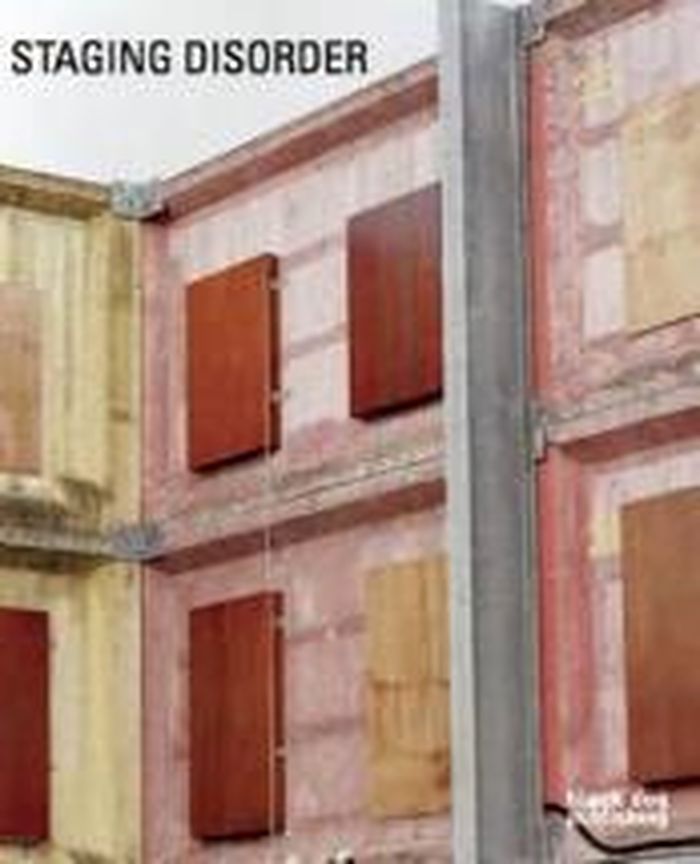
Titre:
Staging disorder
Staging disorder
Actions:
Prix:
$29.95
(disponible sur commande)
Résumé:
The publication develops a thesis on contemporary photography at a point when we are currently witnessing a shift away from a critical discourse that has been preoccupied by theoretical concerns related to artifice and illusion. Staging Disorder sits alongside an exhibition and symposium curated by Christopher Stewart (Associate Professor in Photography, Faculty of(...)
$29.95
(disponible sur commande)
Résumé:
The publication develops a thesis on contemporary photography at a point when we are currently witnessing a shift away from a critical discourse that has been preoccupied by theoretical concerns related to artifice and illusion. Staging Disorder sits alongside an exhibition and symposium curated by Christopher Stewart (Associate Professor in Photography, Faculty of(...)
Sujet:
Théorie de l’architecture
Théorie de l’architecture
Publication:
mars 2015
mars 2015
Titre:
Staging disorder
Actions:
Prix:
$29.95
(disponible sur commande)
Résumé:
The publication develops a thesis on contemporary photography at a point when we are currently witnessing a shift away from a critical discourse that has been preoccupied by theoretical concerns related to artifice and illusion. Staging Disorder sits alongside an exhibition and symposium curated by Christopher Stewart (Associate Professor in Photography, Faculty of Design, Architecture and Built Environment, University of Technology Sydney) and Dr Esther Teichmann (Senior Lecturer in Photography, LCC, UAL).
Staging disorder
Actions:
Prix:
$29.95
(disponible sur commande)
Résumé:
The publication develops a thesis on contemporary photography at a point when we are currently witnessing a shift away from a critical discourse that has been preoccupied by theoretical concerns related to artifice and illusion. Staging Disorder sits alongside an exhibition and symposium curated by Christopher Stewart (Associate Professor in Photography, Faculty of Design, Architecture and Built Environment, University of Technology Sydney) and Dr Esther Teichmann (Senior Lecturer in Photography, LCC, UAL).
Classification:
livres
livres
Publication:
mars 2015
mars 2015
Sujet:
Théorie de l’architecture
Théorie de l’architecture
Classification:
livres
livres
Actions:
Prix:
$32.00
(disponible en magasin)
Résumé:
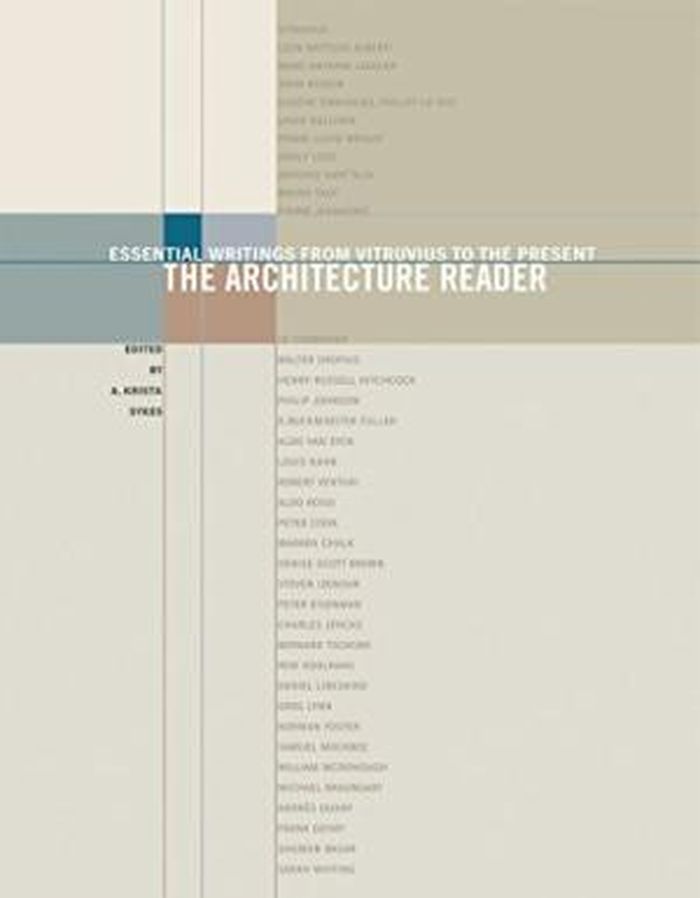
''The Architecture Reader'' brings together for the first time texts written by architects of international esteem. Encompassing two thousand years of building history, ''The Architecture Reader'' includes 40 key texts from Alberti, Lloyd Wright, Le Corbusier, Gropius, Venturi, Gehry, and many more. The writings address persistent concerns in architecture and design,(...)
$32.00
(disponible en magasin)
Résumé:
''The Architecture Reader'' brings together for the first time texts written by architects of international esteem. Encompassing two thousand years of building history, ''The Architecture Reader'' includes 40 key texts from Alberti, Lloyd Wright, Le Corbusier, Gropius, Venturi, Gehry, and many more. The writings address persistent concerns in architecture and design,(...)
Titre:
The architecture reader: essential writings from Vitrivius to the present
Actions:
Prix:
$32.00
(disponible en magasin)
Résumé:
''The Architecture Reader'' brings together for the first time texts written by architects of international esteem. Encompassing two thousand years of building history, ''The Architecture Reader'' includes 40 key texts from Alberti, Lloyd Wright, Le Corbusier, Gropius, Venturi, Gehry, and many more. The writings address persistent concerns in architecture and design, including the role of the architect and the relationship of architecture to nature, art, and science.
The architecture reader: essential writings from Vitrivius to the present
Actions:
Prix:
$32.00
(disponible en magasin)
Résumé:
''The Architecture Reader'' brings together for the first time texts written by architects of international esteem. Encompassing two thousand years of building history, ''The Architecture Reader'' includes 40 key texts from Alberti, Lloyd Wright, Le Corbusier, Gropius, Venturi, Gehry, and many more. The writings address persistent concerns in architecture and design, including the role of the architect and the relationship of architecture to nature, art, and science.
Classification:
livres
livres
Publication:
mai 2015
mai 2015
Sujet:
Théorie de l’architecture
Théorie de l’architecture
Classification:
livres
livres
Prix:
$17.00
(disponible sur commande)
Résumé:
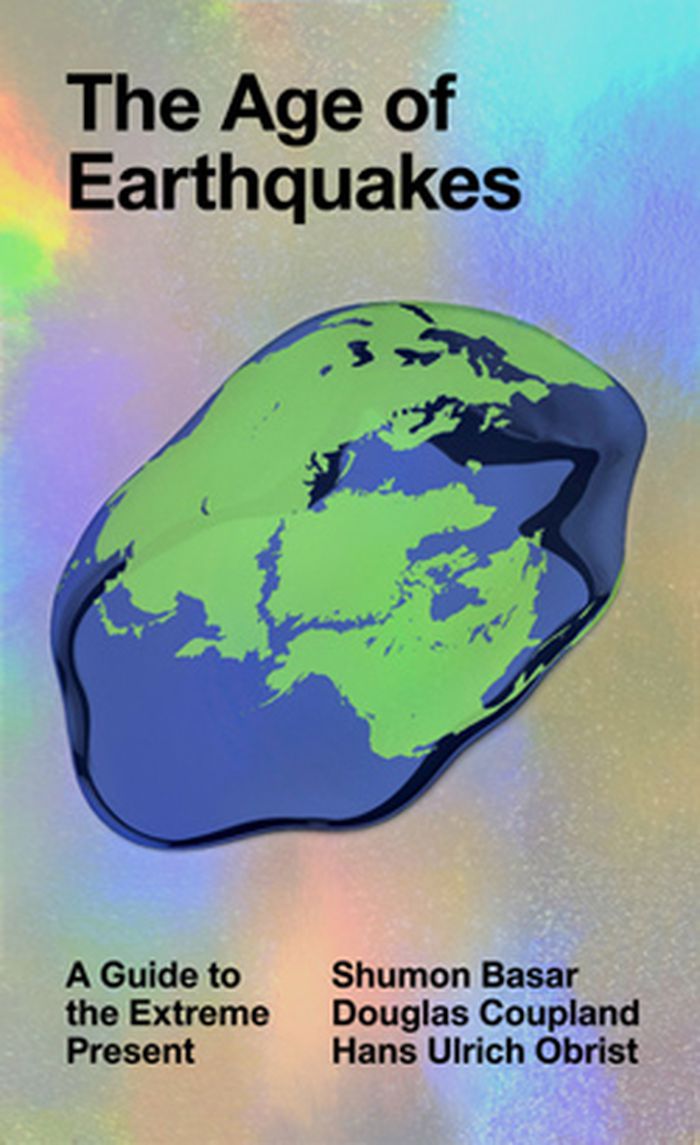
The Age Of Earthquakes is a quick-fire paperback, harnessing the images, language and perceptions of our unfurling digital lives. The authors offer five characteristics of the Extreme Present; invent a glossary of new words to describe how we are truly feeling today; and ‘mindsource’ images and illustrations from over 30 contemporary artists. Wayne Daly’s striking graphic(...)
$17.00
(disponible sur commande)
Résumé:
The Age Of Earthquakes is a quick-fire paperback, harnessing the images, language and perceptions of our unfurling digital lives. The authors offer five characteristics of the Extreme Present; invent a glossary of new words to describe how we are truly feeling today; and ‘mindsource’ images and illustrations from over 30 contemporary artists. Wayne Daly’s striking graphic(...)
Sujet:
Théorie de l’architecture
Théorie de l’architecture
Publication:
mai 2015
mai 2015
Titre:
The age of earthquakes : a guide to the extreme present
Actions:
Prix:
$17.00
(disponible sur commande)
Résumé:
The Age Of Earthquakes is a quick-fire paperback, harnessing the images, language and perceptions of our unfurling digital lives. The authors offer five characteristics of the Extreme Present; invent a glossary of new words to describe how we are truly feeling today; and ‘mindsource’ images and illustrations from over 30 contemporary artists. Wayne Daly’s striking graphic design imports the surreal, juxtaposed, mashed mannerisms of screen to page.
The age of earthquakes : a guide to the extreme present
Actions:
Prix:
$17.00
(disponible sur commande)
Résumé:
The Age Of Earthquakes is a quick-fire paperback, harnessing the images, language and perceptions of our unfurling digital lives. The authors offer five characteristics of the Extreme Present; invent a glossary of new words to describe how we are truly feeling today; and ‘mindsource’ images and illustrations from over 30 contemporary artists. Wayne Daly’s striking graphic design imports the surreal, juxtaposed, mashed mannerisms of screen to page.
Classification:
livres
livres
Publication:
mai 2015
mai 2015
Sujet:
Théorie de l’architecture
Théorie de l’architecture
Classification:
livres
livres
Actions:
Prix:
$43.00
(disponible sur commande)
Résumé:
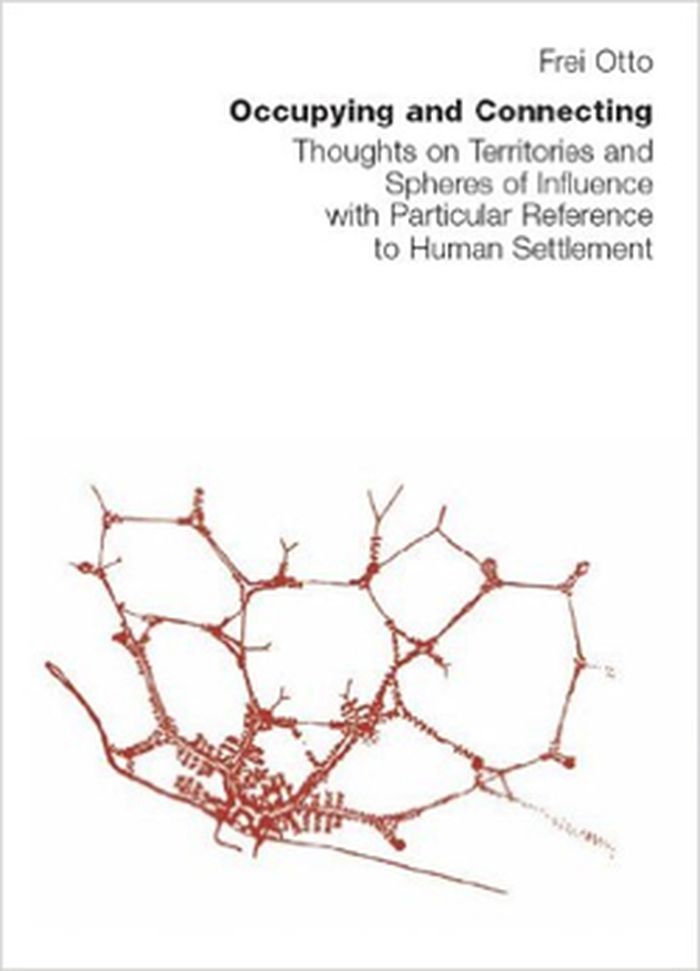
Cities, estates and routing systems develop, change constantly and fundamentally cannot be planned. Claims to ownership, land and building regulations, planning decisions and political interventions make it difficult for settlement structures to adapt to constantly changing requirements to such an extent that meaningful and totally ecological use of the surface of the(...)
$43.00
(disponible sur commande)
Résumé:
Cities, estates and routing systems develop, change constantly and fundamentally cannot be planned. Claims to ownership, land and building regulations, planning decisions and political interventions make it difficult for settlement structures to adapt to constantly changing requirements to such an extent that meaningful and totally ecological use of the surface of the(...)
Titre:
Occupying and connecting: thoughts on territories and spheres of influence with particular reference to human settlement
Actions:
Prix:
$43.00
(disponible sur commande)
Résumé:
Cities, estates and routing systems develop, change constantly and fundamentally cannot be planned. Claims to ownership, land and building regulations, planning decisions and political interventions make it difficult for settlement structures to adapt to constantly changing requirements to such an extent that meaningful and totally ecological use of the surface of the earth is becoming increasingly difficult, although new techniques and flexible planning models mean that a connection could be found with the self-designing processes of urban-development history.
Occupying and connecting: thoughts on territories and spheres of influence with particular reference to human settlement
Actions:
Prix:
$43.00
(disponible sur commande)
Résumé:
Cities, estates and routing systems develop, change constantly and fundamentally cannot be planned. Claims to ownership, land and building regulations, planning decisions and political interventions make it difficult for settlement structures to adapt to constantly changing requirements to such an extent that meaningful and totally ecological use of the surface of the earth is becoming increasingly difficult, although new techniques and flexible planning models mean that a connection could be found with the self-designing processes of urban-development history.
Classification:
livres
livres
Publication:
mars 2009
mars 2009
Sujet:
Théorie de l’architecture
Théorie de l’architecture
Classification:
livres
livres
Actions:
Prix:
$16.50
(disponible sur commande)
Résumé:
Una città in forma di palazzo : dans le dernier tiers du Quattrocento, à Urbino, Mantoue ou Milan, des princes voulurent faire de leur résidence des cités idéales, à l’écart de la ville mais s’imposant à elle, l’ordonnant. Ils suivaient en cela la leçon d’Alberti, qui avait fait de son De re aedificatoria un traité non pas de l’art de bâtir, mais de sa politisation. Car(...)
$16.50
(disponible sur commande)
Résumé:
Una città in forma di palazzo : dans le dernier tiers du Quattrocento, à Urbino, Mantoue ou Milan, des princes voulurent faire de leur résidence des cités idéales, à l’écart de la ville mais s’imposant à elle, l’ordonnant. Ils suivaient en cela la leçon d’Alberti, qui avait fait de son De re aedificatoria un traité non pas de l’art de bâtir, mais de sa politisation. Car(...)
Titre:
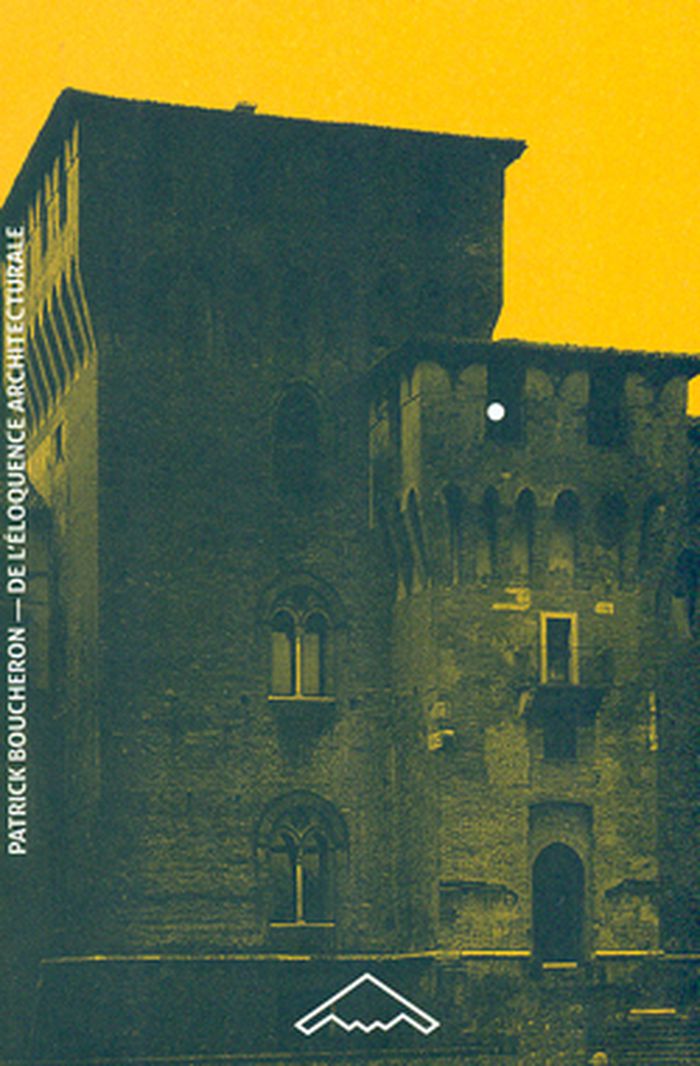
De l'éloquence architecturale
Actions:
Prix:
$16.50
(disponible sur commande)
Résumé:
Una città in forma di palazzo : dans le dernier tiers du Quattrocento, à Urbino, Mantoue ou Milan, des princes voulurent faire de leur résidence des cités idéales, à l’écart de la ville mais s’imposant à elle, l’ordonnant. Ils suivaient en cela la leçon d’Alberti, qui avait fait de son De re aedificatoria un traité non pas de l’art de bâtir, mais de sa politisation. Car l’architecture humaniste devenait un art de la persuasion. Elle était chargée d’exprimer ce que les mots n’osaient pas encore dire : l’absolutisation du pouvoir princier. Ce petit livre confronte cette folle ambition au déniaisement machiavélien, rappelant que s’il existe un langage architectural, alors celui-ci ménage aussi des non-dits, suscite des incompréhensions, trahit des lapsus.
De l'éloquence architecturale
Actions:
Prix:
$16.50
(disponible sur commande)
Résumé:
Una città in forma di palazzo : dans le dernier tiers du Quattrocento, à Urbino, Mantoue ou Milan, des princes voulurent faire de leur résidence des cités idéales, à l’écart de la ville mais s’imposant à elle, l’ordonnant. Ils suivaient en cela la leçon d’Alberti, qui avait fait de son De re aedificatoria un traité non pas de l’art de bâtir, mais de sa politisation. Car l’architecture humaniste devenait un art de la persuasion. Elle était chargée d’exprimer ce que les mots n’osaient pas encore dire : l’absolutisation du pouvoir princier. Ce petit livre confronte cette folle ambition au déniaisement machiavélien, rappelant que s’il existe un langage architectural, alors celui-ci ménage aussi des non-dits, suscite des incompréhensions, trahit des lapsus.
Classification:
livres
livres
Publication:
mars 2015
mars 2015
Sujet:
Théorie de l’architecture
Théorie de l’architecture
Classification:
livres
livres
Prix:
$49.99
(disponible sur commande)
Résumé:
This is a book conceived in the ever-widening realm of design practice and education. It is premised on the belief that the forces of globalization—that have affected design practice for decades—have, in recent years, manifest themselves in design education as well. Consequently, it brings authors, practitioners, and educators together from 10 countries across six(...)
$49.99
(disponible sur commande)
Résumé:
This is a book conceived in the ever-widening realm of design practice and education. It is premised on the belief that the forces of globalization—that have affected design practice for decades—have, in recent years, manifest themselves in design education as well. Consequently, it brings authors, practitioners, and educators together from 10 countries across six(...)
Titre:
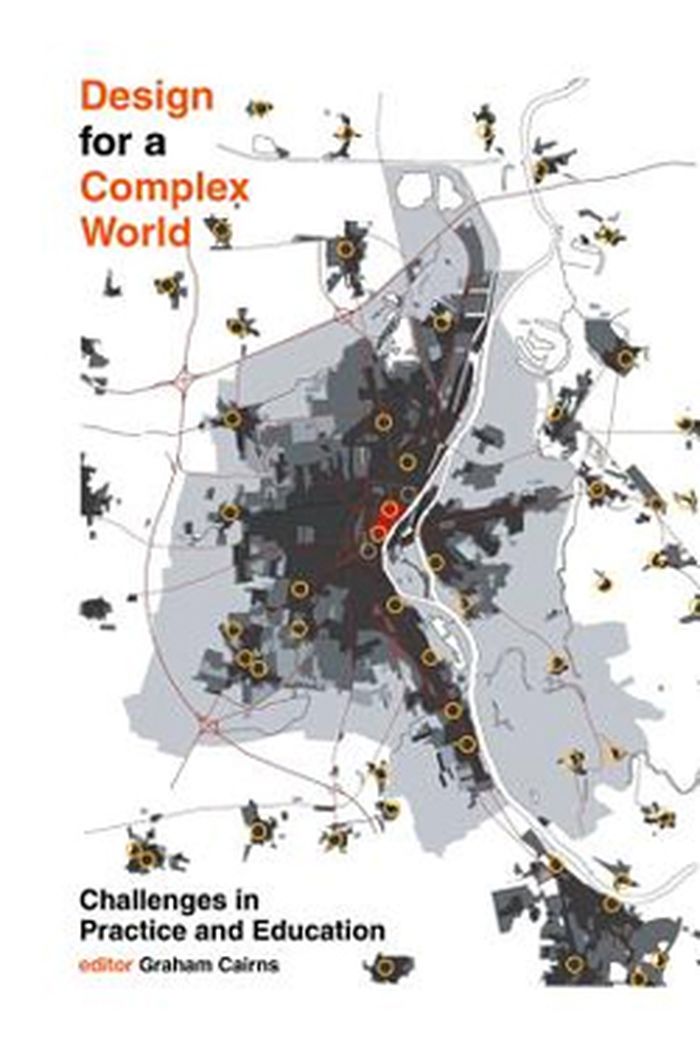
Design for a complex world: challenges in practice and education
Actions:
Prix:
$49.99
(disponible sur commande)
Résumé:
This is a book conceived in the ever-widening realm of design practice and education. It is premised on the belief that the forces of globalization—that have affected design practice for decades—have, in recent years, manifest themselves in design education as well. Consequently, it brings authors, practitioners, and educators together from 10 countries across six continents. They each offer an overview of the socio-cultural and economic factors that affect the built environment in their particular region of the world.
Design for a complex world: challenges in practice and education
Actions:
Prix:
$49.99
(disponible sur commande)
Résumé:
This is a book conceived in the ever-widening realm of design practice and education. It is premised on the belief that the forces of globalization—that have affected design practice for decades—have, in recent years, manifest themselves in design education as well. Consequently, it brings authors, practitioners, and educators together from 10 countries across six continents. They each offer an overview of the socio-cultural and economic factors that affect the built environment in their particular region of the world.
Classification:
livres
livres
Publication:
mai 2015
mai 2015
Sujet:
Théorie de l’architecture
Théorie de l’architecture


