


1200 Résultats
Classification:
livres
livres
Titre:
Dadaglobe reconstructed
Dadaglobe reconstructed
Actions:
Prix:
$80.95
(disponible sur commande)
Résumé:
Dadaglobe was to be the definitive anthology of the Dada movement. Had it been published in 1921 as planned, it would have constituted more than one hundred artworks by some thirty artists from seven countries, showing Dada to be an artistic and literary movement with truly global reach. Yet, mainly due to a lack of funding, it remained unpublished, a remarkable void in(...)
$80.95
(disponible sur commande)
Résumé:
Dadaglobe was to be the definitive anthology of the Dada movement. Had it been published in 1921 as planned, it would have constituted more than one hundred artworks by some thirty artists from seven countries, showing Dada to be an artistic and literary movement with truly global reach. Yet, mainly due to a lack of funding, it remained unpublished, a remarkable void in(...)
Titre:
Dadaglobe reconstructed
Actions:
Prix:
$80.95
(disponible sur commande)
Résumé:
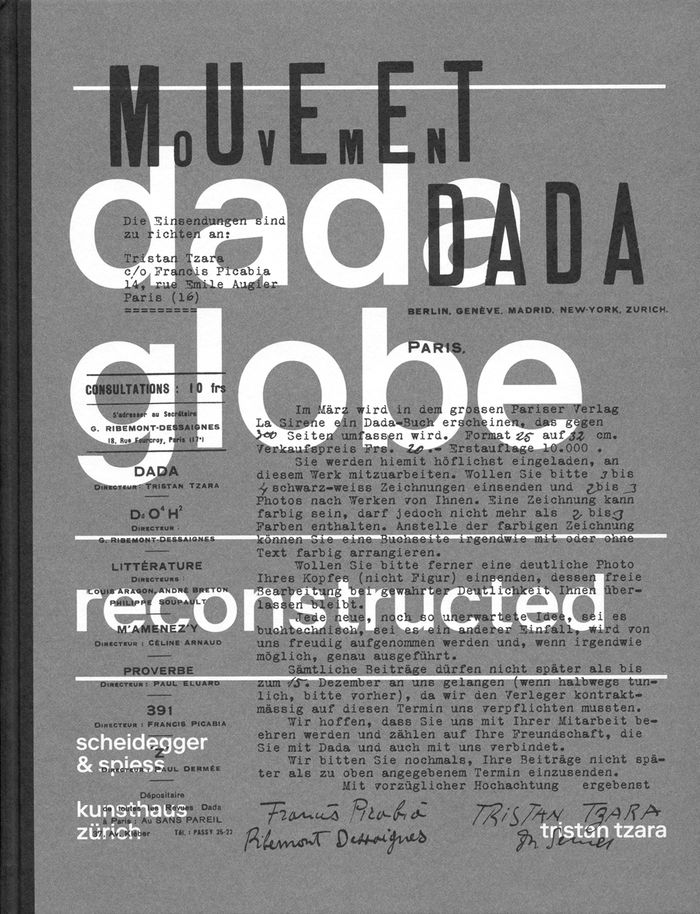
Dadaglobe was to be the definitive anthology of the Dada movement. Had it been published in 1921 as planned, it would have constituted more than one hundred artworks by some thirty artists from seven countries, showing Dada to be an artistic and literary movement with truly global reach. Yet, mainly due to a lack of funding, it remained unpublished, a remarkable void in the literature on this early-twentieth-century movement. On the one-hundredth anniversary of the founding of Dada in Zurich, Dadaglobe Reconstructed restores this fascinating literary artifact with reproductions of the works of art received by the Romanian poet and cofounder of the Dada movement Tristan Tzara. Tzara’s call for submissions in four categories—drawings, photographs of artworks, photographic self-portraits, and book layouts—was met not merely with existing works. In fact, the parameters for production also served as a catalyst for the creation of many new ones, including some of the Dada movement’s most iconic works. For the first time, the collection is presented here in full color and alongside essays examining Tzara’s concept and the history of Dada and Dadaglobe.
Dadaglobe reconstructed
Actions:
Prix:
$80.95
(disponible sur commande)
Résumé:
Dadaglobe was to be the definitive anthology of the Dada movement. Had it been published in 1921 as planned, it would have constituted more than one hundred artworks by some thirty artists from seven countries, showing Dada to be an artistic and literary movement with truly global reach. Yet, mainly due to a lack of funding, it remained unpublished, a remarkable void in the literature on this early-twentieth-century movement. On the one-hundredth anniversary of the founding of Dada in Zurich, Dadaglobe Reconstructed restores this fascinating literary artifact with reproductions of the works of art received by the Romanian poet and cofounder of the Dada movement Tristan Tzara. Tzara’s call for submissions in four categories—drawings, photographs of artworks, photographic self-portraits, and book layouts—was met not merely with existing works. In fact, the parameters for production also served as a catalyst for the creation of many new ones, including some of the Dada movement’s most iconic works. For the first time, the collection is presented here in full color and alongside essays examining Tzara’s concept and the history of Dada and Dadaglobe.
Classification:
livres
livres
Publication:
mai 2016
mai 2016
Sujet:
Théorie de l’art
Théorie de l’art
Classification:
livres
livres
Titre:
Picturing
Picturing
Actions:
Prix:
$36.00
(disponible sur commande)
Résumé:
The first volume in a new series on critical concerns in the history of American art, 'Picturing' brings together essays by scholars who discuss the creation and consumption of images from the early modern period through the end of the twentieth century. Some of the contributions focus on art critical texts, like Gertrude Stein’s portrait of Cézanne, while others have as(...)
$36.00
(disponible sur commande)
Résumé:
The first volume in a new series on critical concerns in the history of American art, 'Picturing' brings together essays by scholars who discuss the creation and consumption of images from the early modern period through the end of the twentieth century. Some of the contributions focus on art critical texts, like Gertrude Stein’s portrait of Cézanne, while others have as(...)
Titre:
Picturing
Actions:
Prix:
$36.00
(disponible sur commande)
Résumé:
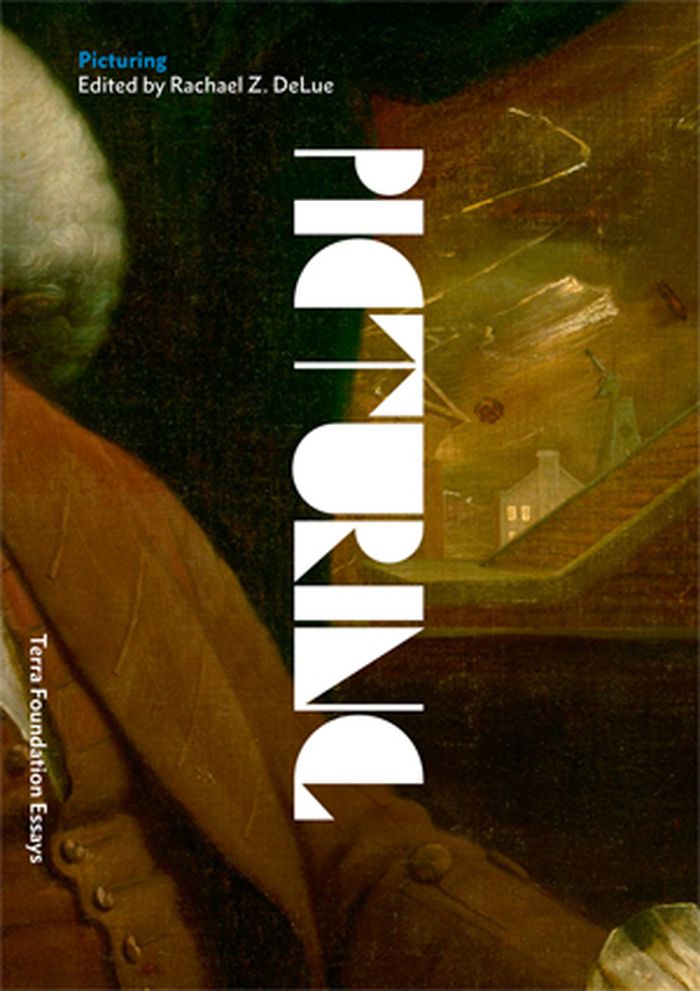
The first volume in a new series on critical concerns in the history of American art, 'Picturing' brings together essays by scholars who discuss the creation and consumption of images from the early modern period through the end of the twentieth century. Some of the contributions focus on art critical texts, like Gertrude Stein’s portrait of Cézanne, while others have as their point of departure particular artworks, from a portrait of Benjamin Franklin to Eadweard Muybridge’s nineteenth-century photographs of the California Coast. Works that addressed images and image making were not confined to the academy; they spilled out into poetry, literature, theater, and philosophy, and the essays’ considerations likewise range freely, from painting to natural history illustrations, travel narratives, and popular fiction. Together, the contributions demonstrate a rich deliberation that thoroughly debunks the notion that American art is merely derivative of a European tradition.
Picturing
Actions:
Prix:
$36.00
(disponible sur commande)
Résumé:
The first volume in a new series on critical concerns in the history of American art, 'Picturing' brings together essays by scholars who discuss the creation and consumption of images from the early modern period through the end of the twentieth century. Some of the contributions focus on art critical texts, like Gertrude Stein’s portrait of Cézanne, while others have as their point of departure particular artworks, from a portrait of Benjamin Franklin to Eadweard Muybridge’s nineteenth-century photographs of the California Coast. Works that addressed images and image making were not confined to the academy; they spilled out into poetry, literature, theater, and philosophy, and the essays’ considerations likewise range freely, from painting to natural history illustrations, travel narratives, and popular fiction. Together, the contributions demonstrate a rich deliberation that thoroughly debunks the notion that American art is merely derivative of a European tradition.
Classification:
livres
livres
Publication:
mai 2016
mai 2016
Sujet:
Théorie de l’art
Théorie de l’art
Classification:
livres
livres
Actions:
Prix:
$46.95
(disponible sur commande)
Résumé:
This first collection reveals the remarkably eloquent writings and conversations of sculptor Barbara Hepworth (1903–1975). The compilation finally makes available previously out-of-print and inaccessible writings, and includes a significant number of unpublished texts. A surprisingly large body of work, it spans almost the whole of Hepworth’s artistic life. Her gift for(...)
$46.95
(disponible sur commande)
Résumé:
This first collection reveals the remarkably eloquent writings and conversations of sculptor Barbara Hepworth (1903–1975). The compilation finally makes available previously out-of-print and inaccessible writings, and includes a significant number of unpublished texts. A surprisingly large body of work, it spans almost the whole of Hepworth’s artistic life. Her gift for(...)
Titre:
Barbara Hepworth: writings and conversations
Actions:
Prix:
$46.95
(disponible sur commande)
Résumé:
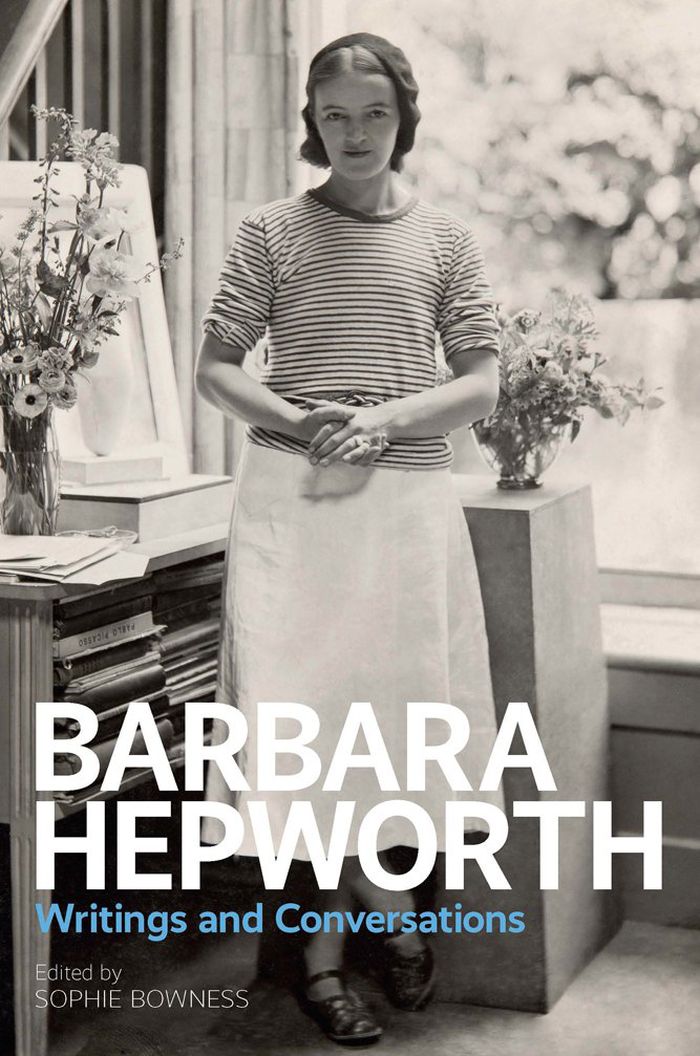
This first collection reveals the remarkably eloquent writings and conversations of sculptor Barbara Hepworth (1903–1975). The compilation finally makes available previously out-of-print and inaccessible writings, and includes a significant number of unpublished texts. A surprisingly large body of work, it spans almost the whole of Hepworth’s artistic life. Her gift for language and desire to communicate to a public are evident throughout. Alongside the writings are Hepworth’s lectures and speeches, a selection of interviews and conversations with writers and journalists, and radio and television broadcasts. The collection sheds new light on Hepworth’s life, her artistic practices, the sources of her inspiration, the breadth of her intellectual interests, and her deep engagement with contemporary politics and society, from the United Nations to St. Ives. Images include replications of the sculptor’s manuscripts and archive photographs from Hepworth’s own collection.
Barbara Hepworth: writings and conversations
Actions:
Prix:
$46.95
(disponible sur commande)
Résumé:
This first collection reveals the remarkably eloquent writings and conversations of sculptor Barbara Hepworth (1903–1975). The compilation finally makes available previously out-of-print and inaccessible writings, and includes a significant number of unpublished texts. A surprisingly large body of work, it spans almost the whole of Hepworth’s artistic life. Her gift for language and desire to communicate to a public are evident throughout. Alongside the writings are Hepworth’s lectures and speeches, a selection of interviews and conversations with writers and journalists, and radio and television broadcasts. The collection sheds new light on Hepworth’s life, her artistic practices, the sources of her inspiration, the breadth of her intellectual interests, and her deep engagement with contemporary politics and society, from the United Nations to St. Ives. Images include replications of the sculptor’s manuscripts and archive photographs from Hepworth’s own collection.
Classification:
livres
livres
Publication:
avril 2016
avril 2016
Sujet:
Théorie de l’art
Théorie de l’art
Classification:
livres
livres
Actions:
Prix:
$28.95
(disponible sur commande)
Résumé:
Paula Modersohn-Becker voulait peindre et c’est tout. Elle était amie avec Rilke. Elle n’aimait pas tellement être mariée. Elle aimait le riz au lait, la compote de pommes, marcher dans la lande, Gauguin, Cézanne, les bains de mer, être nue au soleil, lire plutôt que gagner sa vie, et Paris. Elle voulait peut-être un enfant - sur ce point ses journaux et ses lettres sont(...)
$28.95
(disponible sur commande)
Résumé:
Paula Modersohn-Becker voulait peindre et c’est tout. Elle était amie avec Rilke. Elle n’aimait pas tellement être mariée. Elle aimait le riz au lait, la compote de pommes, marcher dans la lande, Gauguin, Cézanne, les bains de mer, être nue au soleil, lire plutôt que gagner sa vie, et Paris. Elle voulait peut-être un enfant - sur ce point ses journaux et ses lettres sont(...)
Titre:
Étre ici est une splendeur : vie de Paula M. Becker
Actions:
Prix:
$28.95
(disponible sur commande)
Résumé:
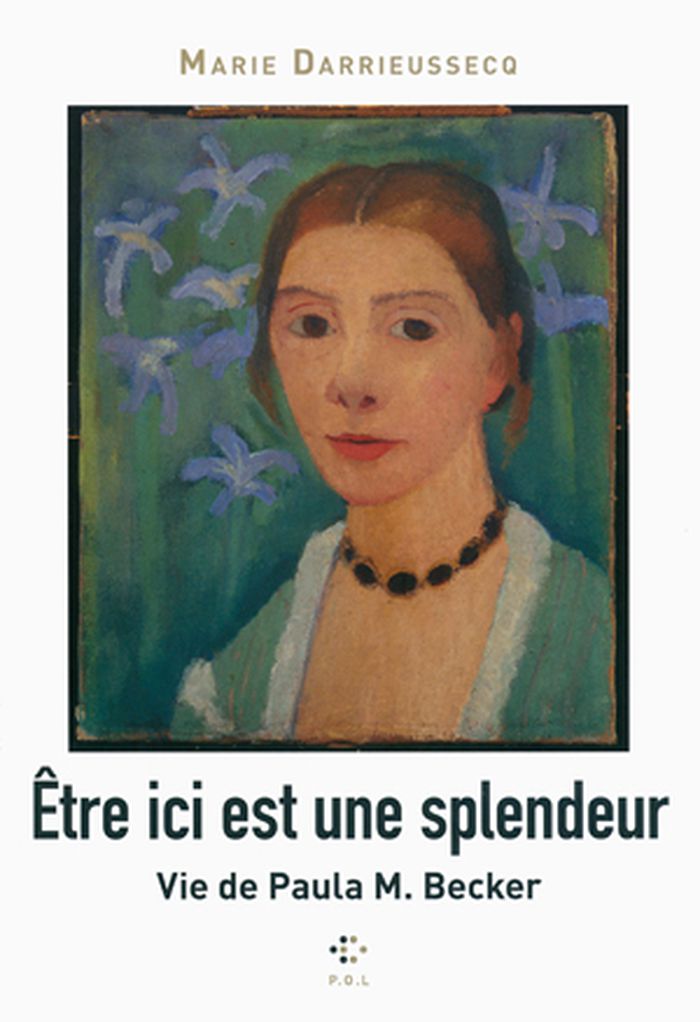
Paula Modersohn-Becker voulait peindre et c’est tout. Elle était amie avec Rilke. Elle n’aimait pas tellement être mariée. Elle aimait le riz au lait, la compote de pommes, marcher dans la lande, Gauguin, Cézanne, les bains de mer, être nue au soleil, lire plutôt que gagner sa vie, et Paris. Elle voulait peut-être un enfant - sur ce point ses journaux et ses lettres sont ambigus. Elle a existé en vrai, de 1876 à 1907.
Étre ici est une splendeur : vie de Paula M. Becker
Actions:
Prix:
$28.95
(disponible sur commande)
Résumé:
Paula Modersohn-Becker voulait peindre et c’est tout. Elle était amie avec Rilke. Elle n’aimait pas tellement être mariée. Elle aimait le riz au lait, la compote de pommes, marcher dans la lande, Gauguin, Cézanne, les bains de mer, être nue au soleil, lire plutôt que gagner sa vie, et Paris. Elle voulait peut-être un enfant - sur ce point ses journaux et ses lettres sont ambigus. Elle a existé en vrai, de 1876 à 1907.
Classification:
livres
livres
Publication:
avril 2016
avril 2016
Sujet:
Théorie de l’art
Théorie de l’art
Classification:
livres
livres
Titre:
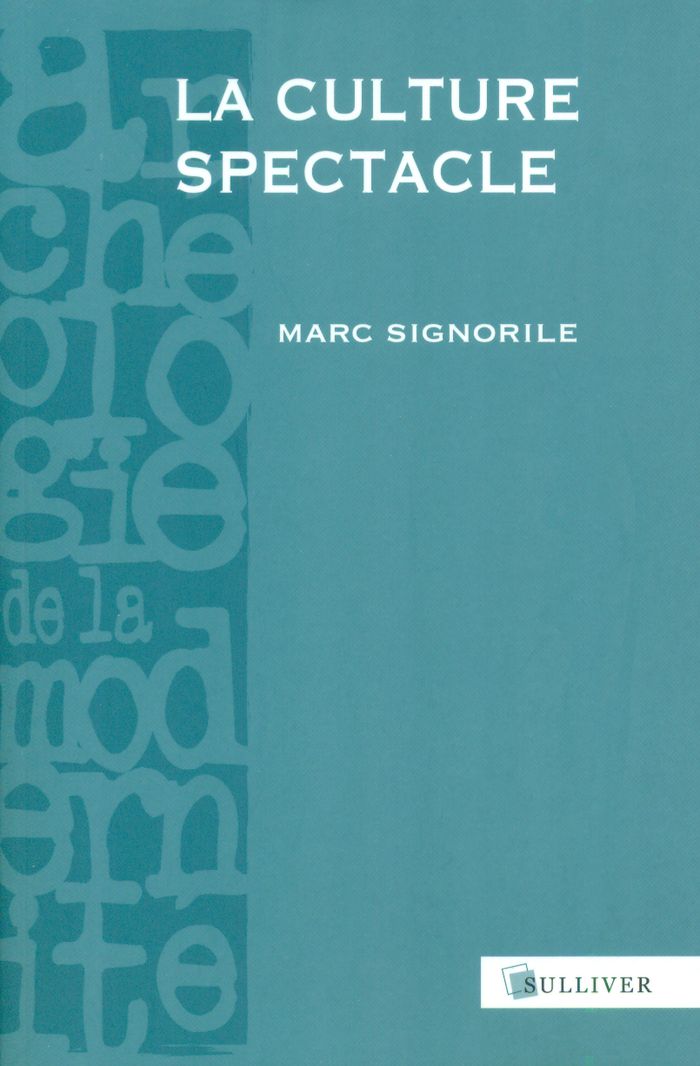
La culture spectacle
La culture spectacle
Actions:
Prix:
$32.95
(disponible sur commande)
Résumé:
L'auteur met en lumière l'assujettissement de la création artistique au pouvoir et à l'idéologie politique à travers les siècles. Il appuie son propos sur une analyse de l'opéra et montre comment, de la tragédie lyrique au drame wagnérien, cet art a été particulièrement investi d'une mission de propagande associant finalité politique et stratégie spectaculaire.
$32.95
(disponible sur commande)
Résumé:
L'auteur met en lumière l'assujettissement de la création artistique au pouvoir et à l'idéologie politique à travers les siècles. Il appuie son propos sur une analyse de l'opéra et montre comment, de la tragédie lyrique au drame wagnérien, cet art a été particulièrement investi d'une mission de propagande associant finalité politique et stratégie spectaculaire.
Titre:
La culture spectacle
Actions:
Prix:
$32.95
(disponible sur commande)
Résumé:
L'auteur met en lumière l'assujettissement de la création artistique au pouvoir et à l'idéologie politique à travers les siècles. Il appuie son propos sur une analyse de l'opéra et montre comment, de la tragédie lyrique au drame wagnérien, cet art a été particulièrement investi d'une mission de propagande associant finalité politique et stratégie spectaculaire.
La culture spectacle
Actions:
Prix:
$32.95
(disponible sur commande)
Résumé:
L'auteur met en lumière l'assujettissement de la création artistique au pouvoir et à l'idéologie politique à travers les siècles. Il appuie son propos sur une analyse de l'opéra et montre comment, de la tragédie lyrique au drame wagnérien, cet art a été particulièrement investi d'une mission de propagande associant finalité politique et stratégie spectaculaire.
Classification:
livres
livres
Publication:
mai 2016
mai 2016
Sujet:
Théorie de l’art
Théorie de l’art
Classification:
livres
livres
Actions:
Prix:
$37.50
(disponible sur commande)
Résumé:
Working from her own lived experience in a New Mexico village and inspired by gravel pits in the landscape, author, curator, and activist Lucy R. Lippard weaves a number of fascinating themes—among them fracking, mining, land art, adobe buildings, ruins, Indian land rights, the Old West, tourism, photography, and water—into a tapestry that illuminates the relationship(...)
$37.50
(disponible sur commande)
Résumé:
Working from her own lived experience in a New Mexico village and inspired by gravel pits in the landscape, author, curator, and activist Lucy R. Lippard weaves a number of fascinating themes—among them fracking, mining, land art, adobe buildings, ruins, Indian land rights, the Old West, tourism, photography, and water—into a tapestry that illuminates the relationship(...)
Titre:
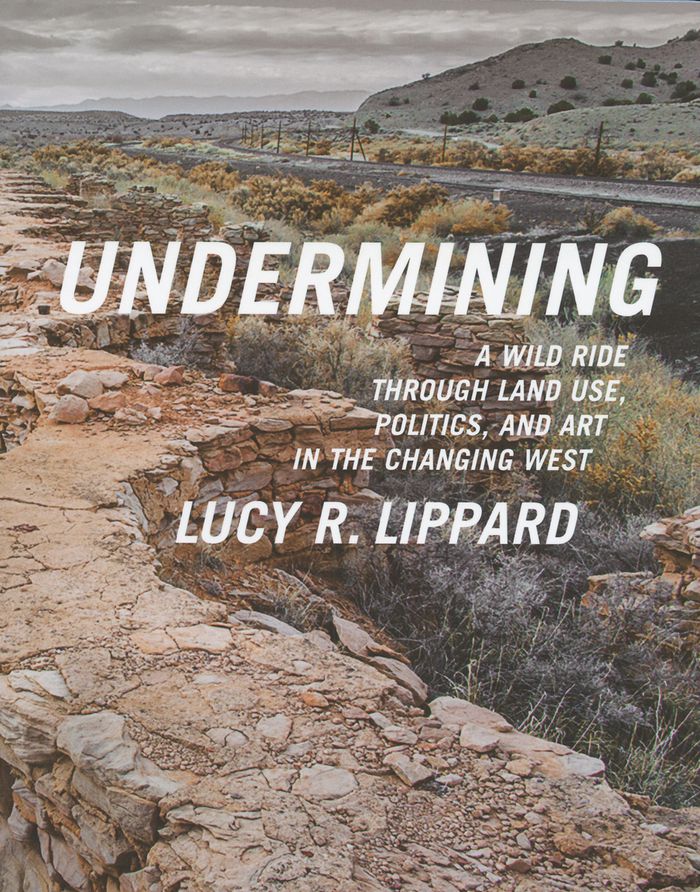
Undermining: a wild ride through land use, politics and art in the changing west
Actions:
Prix:
$37.50
(disponible sur commande)
Résumé:
Working from her own lived experience in a New Mexico village and inspired by gravel pits in the landscape, author, curator, and activist Lucy R. Lippard weaves a number of fascinating themes—among them fracking, mining, land art, adobe buildings, ruins, Indian land rights, the Old West, tourism, photography, and water—into a tapestry that illuminates the relationship between culture and the land. From threatened Native American sacred sites to the history of uranium mining, she offers a skeptical examination of the 'subterranean economy.' ''Undermining'' is a must-read for anyone eager to explore a new way of understanding the relationship between art and place in a rapidly shifting society.
Undermining: a wild ride through land use, politics and art in the changing west
Actions:
Prix:
$37.50
(disponible sur commande)
Résumé:
Working from her own lived experience in a New Mexico village and inspired by gravel pits in the landscape, author, curator, and activist Lucy R. Lippard weaves a number of fascinating themes—among them fracking, mining, land art, adobe buildings, ruins, Indian land rights, the Old West, tourism, photography, and water—into a tapestry that illuminates the relationship between culture and the land. From threatened Native American sacred sites to the history of uranium mining, she offers a skeptical examination of the 'subterranean economy.' ''Undermining'' is a must-read for anyone eager to explore a new way of understanding the relationship between art and place in a rapidly shifting society.
Classification:
livres
livres
Publication:
mai 2014
mai 2014
Sujet:
Théorie de l’art
Théorie de l’art
Classification:
livres
livres
Titre:
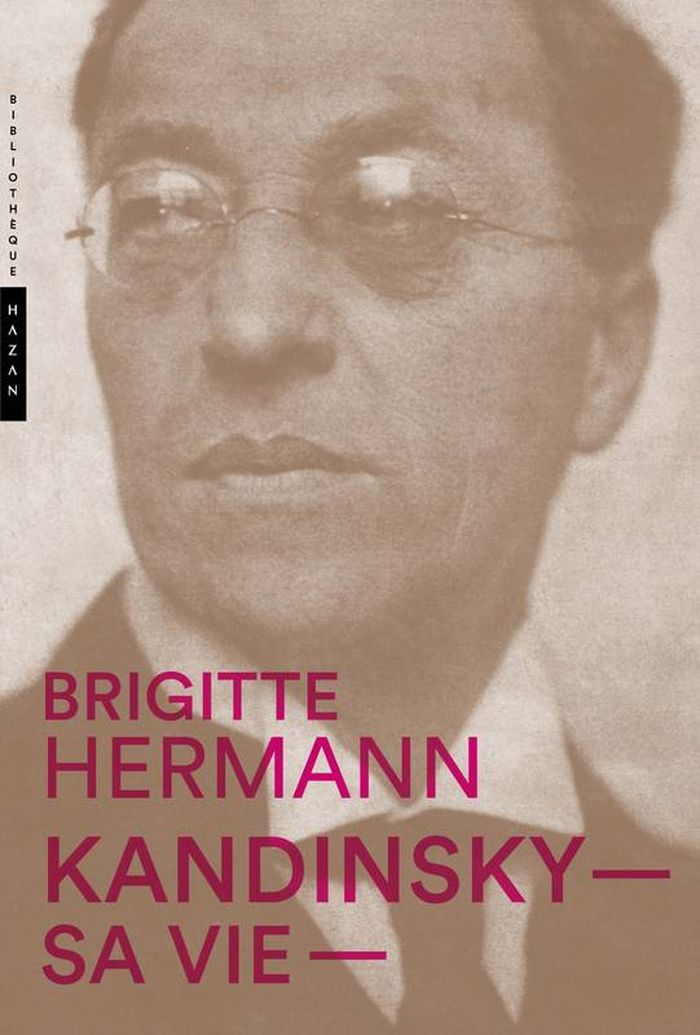
Kandinsky : sa vie
Kandinsky : sa vie
Actions:
Prix:
$25.95
(disponible sur commande)
Résumé:
Première biographie de l'inventeur de l'abstraction, ce livre sensible a été établi à partir d'un ensemble de sources considérable. Il évoque à la fois la vie traditionnelle russe et celle de la Russie des avant-gardes. De Munich à Moscou, du Bauhaus à Paris, livré aux turbulences des guerres, de la révolution russe et de la montée du nazisme, Kandinsky (1866-1944)(...)
$25.95
(disponible sur commande)
Résumé:
Première biographie de l'inventeur de l'abstraction, ce livre sensible a été établi à partir d'un ensemble de sources considérable. Il évoque à la fois la vie traditionnelle russe et celle de la Russie des avant-gardes. De Munich à Moscou, du Bauhaus à Paris, livré aux turbulences des guerres, de la révolution russe et de la montée du nazisme, Kandinsky (1866-1944)(...)
Titre:
Kandinsky : sa vie
Actions:
Prix:
$25.95
(disponible sur commande)
Résumé:
Première biographie de l'inventeur de l'abstraction, ce livre sensible a été établi à partir d'un ensemble de sources considérable. Il évoque à la fois la vie traditionnelle russe et celle de la Russie des avant-gardes. De Munich à Moscou, du Bauhaus à Paris, livré aux turbulences des guerres, de la révolution russe et de la montée du nazisme, Kandinsky (1866-1944) apparaît ici dans toutes ses dimensions de peintre, de poète et de scénographe, animé jusqu'au bout par la ferme croyance qu'un jour adviendra l'ère du "Grand Spirituel".
Kandinsky : sa vie
Actions:
Prix:
$25.95
(disponible sur commande)
Résumé:
Première biographie de l'inventeur de l'abstraction, ce livre sensible a été établi à partir d'un ensemble de sources considérable. Il évoque à la fois la vie traditionnelle russe et celle de la Russie des avant-gardes. De Munich à Moscou, du Bauhaus à Paris, livré aux turbulences des guerres, de la révolution russe et de la montée du nazisme, Kandinsky (1866-1944) apparaît ici dans toutes ses dimensions de peintre, de poète et de scénographe, animé jusqu'au bout par la ferme croyance qu'un jour adviendra l'ère du "Grand Spirituel".
Classification:
livres
livres
Publication:
juin 2016
juin 2016
Sujet:
Théorie de l’art
Théorie de l’art
Classification:
livres
livres
Titre:
Hitler et les neuf muses
Hitler et les neuf muses
Actions:
Prix:
$20.00
(disponible sur commande)
Résumé:
Alfred Baar, fondateur du MOMA à New-York dans les années 20, se retrouve en convalescence à Stuttgart dès 33. Il connaît très bien la culture allemande et a déjà exposé de nombreux peintres allemands au MOMA. Il assiste donc à l'arrivée des Nazis au pouvoir et raconte à chaud ce qui se passe dans les milieux artistiques, répression, autodafé et redéfinitions des lignes(...)
$20.00
(disponible sur commande)
Résumé:
Alfred Baar, fondateur du MOMA à New-York dans les années 20, se retrouve en convalescence à Stuttgart dès 33. Il connaît très bien la culture allemande et a déjà exposé de nombreux peintres allemands au MOMA. Il assiste donc à l'arrivée des Nazis au pouvoir et raconte à chaud ce qui se passe dans les milieux artistiques, répression, autodafé et redéfinitions des lignes(...)
Titre:
Hitler et les neuf muses
Actions:
Prix:
$20.00
(disponible sur commande)
Résumé:
Alfred Baar, fondateur du MOMA à New-York dans les années 20, se retrouve en convalescence à Stuttgart dès 33. Il connaît très bien la culture allemande et a déjà exposé de nombreux peintres allemands au MOMA. Il assiste donc à l'arrivée des Nazis au pouvoir et raconte à chaud ce qui se passe dans les milieux artistiques, répression, autodafé et redéfinitions des lignes dures de l'esthétique nazie. Il étudie dans les 3 textes qui composent ce livre les milieux du cinéma, de la peinture et de l'architecture. Rentré aux U.S.A., il propose ces textes à un éditeur, mais personne n'en voudra. Si ce livre paraît bien après, il ne le sera jamais sous le titre choisi par Baar. En plus d'être un document rare sur la prise de pouvoir nazie et sa mainmise sur l'art, le style de Baar est distant, froid, presque glacial, ce qui ajoute à l'objectivité de son analyse.
Hitler et les neuf muses
Actions:
Prix:
$20.00
(disponible sur commande)
Résumé:
Alfred Baar, fondateur du MOMA à New-York dans les années 20, se retrouve en convalescence à Stuttgart dès 33. Il connaît très bien la culture allemande et a déjà exposé de nombreux peintres allemands au MOMA. Il assiste donc à l'arrivée des Nazis au pouvoir et raconte à chaud ce qui se passe dans les milieux artistiques, répression, autodafé et redéfinitions des lignes dures de l'esthétique nazie. Il étudie dans les 3 textes qui composent ce livre les milieux du cinéma, de la peinture et de l'architecture. Rentré aux U.S.A., il propose ces textes à un éditeur, mais personne n'en voudra. Si ce livre paraît bien après, il ne le sera jamais sous le titre choisi par Baar. En plus d'être un document rare sur la prise de pouvoir nazie et sa mainmise sur l'art, le style de Baar est distant, froid, presque glacial, ce qui ajoute à l'objectivité de son analyse.
Classification:
livres
livres
Publication:
mai 2005
mai 2005
Sujet:
Théorie de l’art
Théorie de l’art
Classification:
livres
livres
Actions:
Prix:
$34.95
(disponible sur commande)
Résumé:
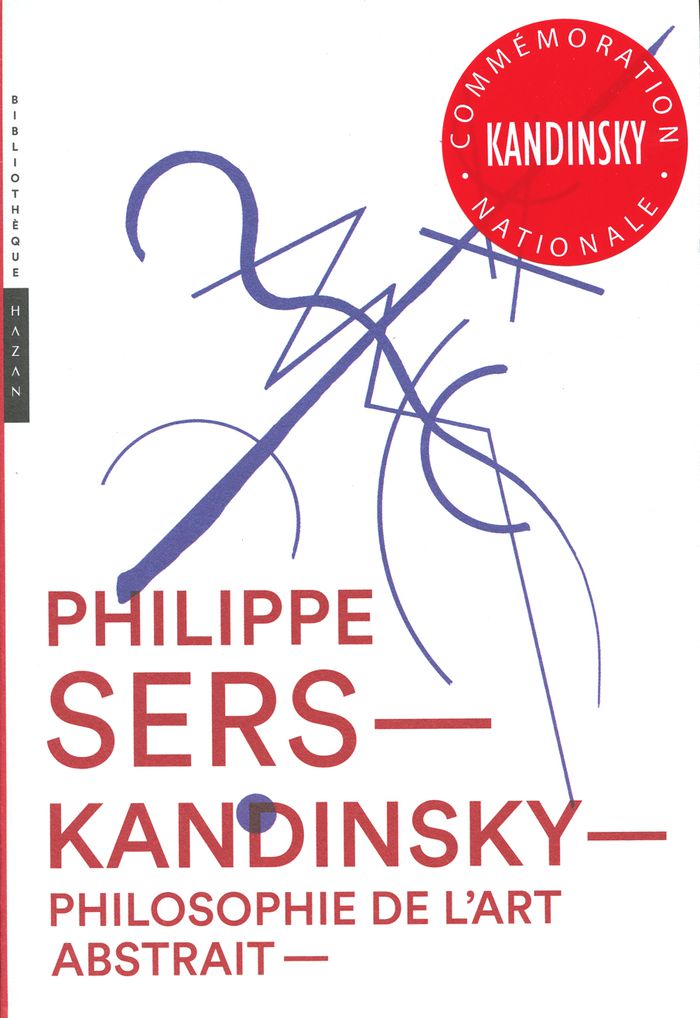
L'auteur réunit une diversité d'éléments présents dans la peinture et l'oeuvre graphique mais aussi dans les textes théoriques, poétiques et scénographiques de Kandinsky pour reconstituer une unité philosophique. Il met en place une nouvelle problématique de l'image qui voit s'affronter le monde du pouvoir sur l'autre et celui de l'accueil de la transcendance et de l'altérité.
$34.95
(disponible sur commande)
Résumé:
L'auteur réunit une diversité d'éléments présents dans la peinture et l'oeuvre graphique mais aussi dans les textes théoriques, poétiques et scénographiques de Kandinsky pour reconstituer une unité philosophique. Il met en place une nouvelle problématique de l'image qui voit s'affronter le monde du pouvoir sur l'autre et celui de l'accueil de la transcendance et de l'altérité.
Titre:
Kandinsky, philosophie de l'art abstrait : peinture, poésie, scénographie
Actions:
Prix:
$34.95
(disponible sur commande)
Résumé:
L'auteur réunit une diversité d'éléments présents dans la peinture et l'oeuvre graphique mais aussi dans les textes théoriques, poétiques et scénographiques de Kandinsky pour reconstituer une unité philosophique. Il met en place une nouvelle problématique de l'image qui voit s'affronter le monde du pouvoir sur l'autre et celui de l'accueil de la transcendance et de l'altérité.
Kandinsky, philosophie de l'art abstrait : peinture, poésie, scénographie
Actions:
Prix:
$34.95
(disponible sur commande)
Résumé:
L'auteur réunit une diversité d'éléments présents dans la peinture et l'oeuvre graphique mais aussi dans les textes théoriques, poétiques et scénographiques de Kandinsky pour reconstituer une unité philosophique. Il met en place une nouvelle problématique de l'image qui voit s'affronter le monde du pouvoir sur l'autre et celui de l'accueil de la transcendance et de l'altérité.
Classification:
livres
livres
Publication:
mai 2016
mai 2016
Sujet:
Théorie de l’art
Théorie de l’art
Classification:
livres
livres
Prix:
$35.00
(disponible sur commande)
Résumé:
Liam Gillick has written a holistic genealogy of contemporary art that addresses art’s engagement with history, even when it seems apathetic or blind to current events. Rather than focus on dominant works or special cases, Gillick takes a broad view of artistic creation from 1820 to today, underscoring the industry and intelligence of artists as they have responded to(...)
$35.00
(disponible sur commande)
Résumé:
Liam Gillick has written a holistic genealogy of contemporary art that addresses art’s engagement with history, even when it seems apathetic or blind to current events. Rather than focus on dominant works or special cases, Gillick takes a broad view of artistic creation from 1820 to today, underscoring the industry and intelligence of artists as they have responded to(...)
Titre:
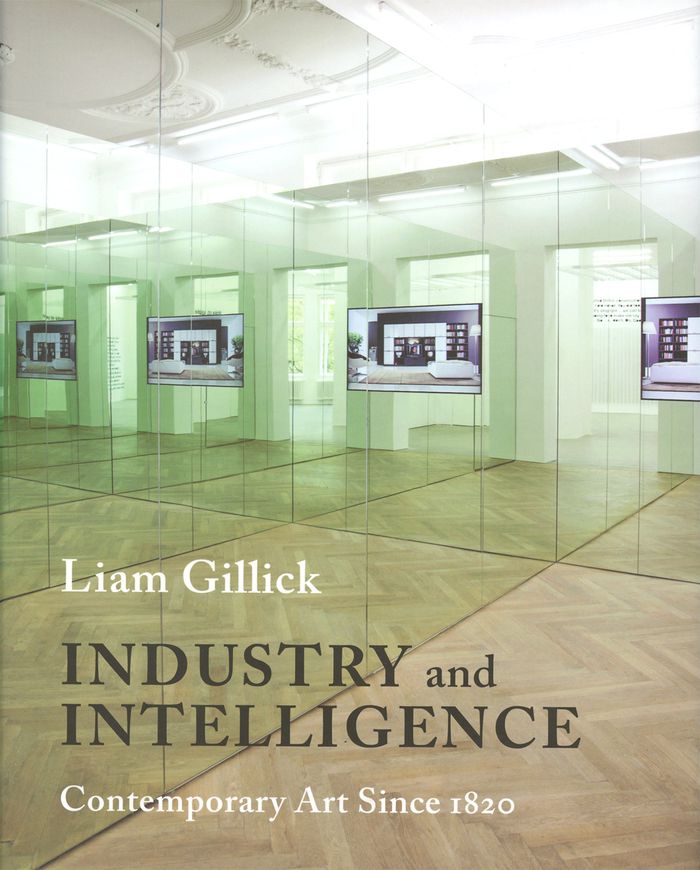
Industry and intelligence: contemporary art since 1820
Actions:
Prix:
$35.00
(disponible sur commande)
Résumé:
Liam Gillick has written a holistic genealogy of contemporary art that addresses art’s engagement with history, even when it seems apathetic or blind to current events. Rather than focus on dominant works or special cases, Gillick takes a broad view of artistic creation from 1820 to today, underscoring the industry and intelligence of artists as they have responded to incremental developments in science, politics, and technology. The great innovations and dislocations of the nineteenth and twentieth centuries have their place in this timeline, but their traces are alternately amplified and diminished as Gillick moves through artistic reactions to liberalism, mass manufacturing, psychology, nuclear physics, automobiles, and a host of other advances. He intimately ties the origins of the contemporary artist to the social and technological adjustments of modern life, which artists struggled to incorporate truthfully into their works.
Industry and intelligence: contemporary art since 1820
Actions:
Prix:
$35.00
(disponible sur commande)
Résumé:
Liam Gillick has written a holistic genealogy of contemporary art that addresses art’s engagement with history, even when it seems apathetic or blind to current events. Rather than focus on dominant works or special cases, Gillick takes a broad view of artistic creation from 1820 to today, underscoring the industry and intelligence of artists as they have responded to incremental developments in science, politics, and technology. The great innovations and dislocations of the nineteenth and twentieth centuries have their place in this timeline, but their traces are alternately amplified and diminished as Gillick moves through artistic reactions to liberalism, mass manufacturing, psychology, nuclear physics, automobiles, and a host of other advances. He intimately ties the origins of the contemporary artist to the social and technological adjustments of modern life, which artists struggled to incorporate truthfully into their works.
Classification:
livres
livres
Publication:
mars 2016
mars 2016
Sujet:
Théorie de l’art
Théorie de l’art


