


1200 Résultats
Classification:
livres
livres
Titre:
The fragility of plaster
The fragility of plaster
Actions:
Prix:
$17.95
(disponible sur commande)
Résumé:
The distant past is commonly characterized in terms of dominant materials of the time – the Stone Age, the Bronze Age, the Iron Age, etc. Since the dawn of writing, however, characterizing eras in terms of materials has fallen by the wayside, and yet materials have continued to exert a powerful influence on our collective imagination. Viewed from this perspective, France(...)
$17.95
(disponible sur commande)
Résumé:
The distant past is commonly characterized in terms of dominant materials of the time – the Stone Age, the Bronze Age, the Iron Age, etc. Since the dawn of writing, however, characterizing eras in terms of materials has fallen by the wayside, and yet materials have continued to exert a powerful influence on our collective imagination. Viewed from this perspective, France(...)
Titre:
The fragility of plaster
Actions:
Prix:
$17.95
(disponible sur commande)
Résumé:
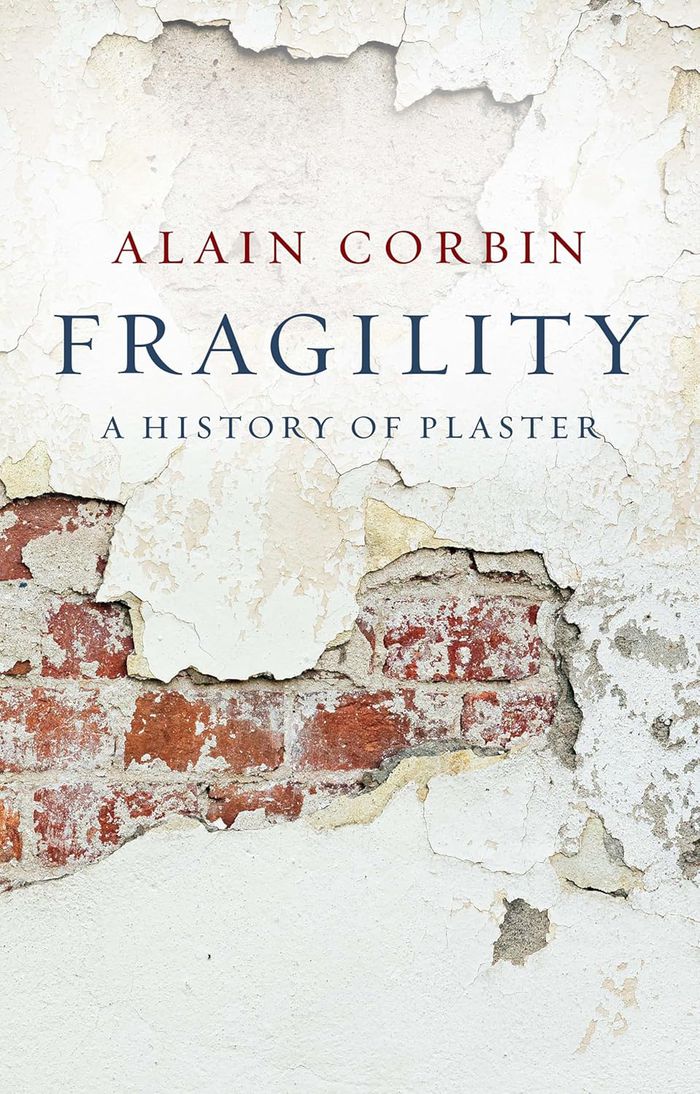
The distant past is commonly characterized in terms of dominant materials of the time – the Stone Age, the Bronze Age, the Iron Age, etc. Since the dawn of writing, however, characterizing eras in terms of materials has fallen by the wayside, and yet materials have continued to exert a powerful influence on our collective imagination. Viewed from this perspective, France in the period from 1815 to 1855 could be seen as the half-century of plaster. After the French Revolution, plaster was used for a great variety of things: building, moulding, sculpting, decorating. Cheap and easy to use, plaster was everywhere, from Napoleon’s death mask to household ornaments, from walls to elaborate mouldings. Plaster was king – but a fragile king that easily crumbled and fell apart. The age of plaster was also the reign of the ephemeral and the transient, the vulgar and the eclectic, and the men and women of the time struggled to maintain stability and continuity with the past.
The fragility of plaster
Actions:
Prix:
$17.95
(disponible sur commande)
Résumé:
The distant past is commonly characterized in terms of dominant materials of the time – the Stone Age, the Bronze Age, the Iron Age, etc. Since the dawn of writing, however, characterizing eras in terms of materials has fallen by the wayside, and yet materials have continued to exert a powerful influence on our collective imagination. Viewed from this perspective, France in the period from 1815 to 1855 could be seen as the half-century of plaster. After the French Revolution, plaster was used for a great variety of things: building, moulding, sculpting, decorating. Cheap and easy to use, plaster was everywhere, from Napoleon’s death mask to household ornaments, from walls to elaborate mouldings. Plaster was king – but a fragile king that easily crumbled and fell apart. The age of plaster was also the reign of the ephemeral and the transient, the vulgar and the eclectic, and the men and women of the time struggled to maintain stability and continuity with the past.
Classification:
livres
livres
Publication:
juillet 2025
juillet 2025
Sujet:
Théorie de l’art
Théorie de l’art
Classification:
livres
livres

Titre:
A dream of stone
A dream of stone
Actions:
Prix:
$20.00
(disponible sur commande)
Résumé:
Best known for her seminal novel "Memoirs of Hadrian" (1951), an imagined autobiography of the Roman emperor, Yourcenar brings the same depth of inquiry and inventive speculation to her lyric prose on art and artists in this newest title in the ekphrasis series. In these five jewel-like essays, Yourcenar meditates on the decay of time, the desire both satiated and refused(...)
$20.00
(disponible sur commande)
Résumé:
Best known for her seminal novel "Memoirs of Hadrian" (1951), an imagined autobiography of the Roman emperor, Yourcenar brings the same depth of inquiry and inventive speculation to her lyric prose on art and artists in this newest title in the ekphrasis series. In these five jewel-like essays, Yourcenar meditates on the decay of time, the desire both satiated and refused(...)
Titre:
A dream of stone
Actions:
Prix:
$20.00
(disponible sur commande)
Résumé:
Best known for her seminal novel "Memoirs of Hadrian" (1951), an imagined autobiography of the Roman emperor, Yourcenar brings the same depth of inquiry and inventive speculation to her lyric prose on art and artists in this newest title in the ekphrasis series. In these five jewel-like essays, Yourcenar meditates on the decay of time, the desire both satiated and refused by art, and the imagery animating the lives, works, and dreams of Michelangelo, Dürer, and Piranesi. And in an intimate mediation on the historical novel, Yourcenar describes her own encounters with how language and sound reveal the past. Together these exquisite essays explore that fundamental awe—perhaps even the terror—at the heart of an encounter with beauty.
A dream of stone
Actions:
Prix:
$20.00
(disponible sur commande)
Résumé:
Best known for her seminal novel "Memoirs of Hadrian" (1951), an imagined autobiography of the Roman emperor, Yourcenar brings the same depth of inquiry and inventive speculation to her lyric prose on art and artists in this newest title in the ekphrasis series. In these five jewel-like essays, Yourcenar meditates on the decay of time, the desire both satiated and refused by art, and the imagery animating the lives, works, and dreams of Michelangelo, Dürer, and Piranesi. And in an intimate mediation on the historical novel, Yourcenar describes her own encounters with how language and sound reveal the past. Together these exquisite essays explore that fundamental awe—perhaps even the terror—at the heart of an encounter with beauty.
Classification:
livres
livres
Publication:
novembre 2025
novembre 2025
Sujet:
Théorie de l’art
Théorie de l’art
Classification:
livres
livres
Titre:
Diffracting the North: Contemporary Latinx Canadian experiences and practices in film, new media
Diffracting the North: Contemporary Latinx Canadian experiences and practices in film, new media
Actions:
Prix:
$49.95
(disponible en magasin)
Résumé:
"Diffracting the North" is the first book to collect and share the experiences and material realities of Latinx Canadian creators of film, media, and visual arts. Bringing together scholars, filmmakers, curators, and artists from a range of Latin American backgrounds, this publication is a forthright and practitioner-driven reflection on the circumstances of producing and(...)
$49.95
(disponible en magasin)
Résumé:
"Diffracting the North" is the first book to collect and share the experiences and material realities of Latinx Canadian creators of film, media, and visual arts. Bringing together scholars, filmmakers, curators, and artists from a range of Latin American backgrounds, this publication is a forthright and practitioner-driven reflection on the circumstances of producing and(...)
Sujet:
Théorie de l’art
Théorie de l’art
Publication:
février 2026
février 2026
Titre:
Diffracting the North: Contemporary Latinx Canadian experiences and practices in film, new media
Actions:
Prix:
$49.95
(disponible en magasin)
Résumé:
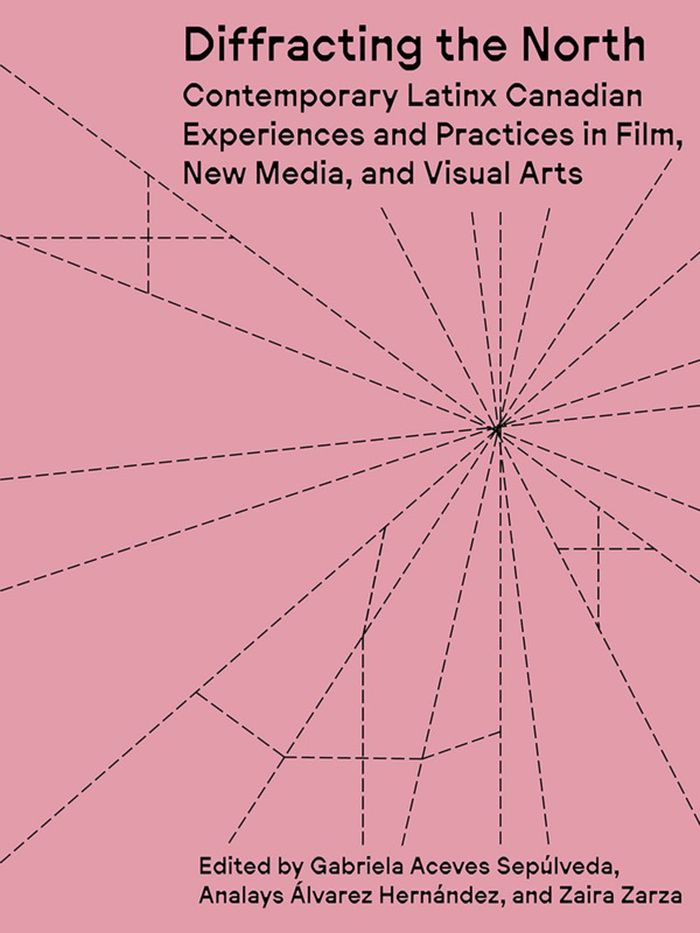
"Diffracting the North" is the first book to collect and share the experiences and material realities of Latinx Canadian creators of film, media, and visual arts. Bringing together scholars, filmmakers, curators, and artists from a range of Latin American backgrounds, this publication is a forthright and practitioner-driven reflection on the circumstances of producing and disseminating work in a country of predominantly anglophone and francophone environments. Contributors to the volume explore topics including how Latinx Canadian identity is constructed, negotiated, and expressed, as well as the networks and solidarities that shape Latinx Canadian experiences. These connections include intergenerational mentorships, cross-cultural alliances, and collaborations with Indigenous and other marginalized communities within racialized and gendered frameworks.
Diffracting the North: Contemporary Latinx Canadian experiences and practices in film, new media
Actions:
Prix:
$49.95
(disponible en magasin)
Résumé:
"Diffracting the North" is the first book to collect and share the experiences and material realities of Latinx Canadian creators of film, media, and visual arts. Bringing together scholars, filmmakers, curators, and artists from a range of Latin American backgrounds, this publication is a forthright and practitioner-driven reflection on the circumstances of producing and disseminating work in a country of predominantly anglophone and francophone environments. Contributors to the volume explore topics including how Latinx Canadian identity is constructed, negotiated, and expressed, as well as the networks and solidarities that shape Latinx Canadian experiences. These connections include intergenerational mentorships, cross-cultural alliances, and collaborations with Indigenous and other marginalized communities within racialized and gendered frameworks.
Classification:
livres
livres
Publication:
février 2026
février 2026
Sujet:
Théorie de l’art
Théorie de l’art
Classification:
livres
livres
Actions:
Prix:
$69.95
(disponible en magasin)
Résumé:
Surveying some 50 years of groundbreaking art related to digital technology and the screen, "I’ll be your mirror" examines how technologies such as home computers, smartphones and TV have affected art and life over the past five decades. It traces a trajectory stretching back to the late 1960s, a watershed moment in the rise of the screen in the home. Today, accelerated(...)
$69.95
(disponible en magasin)
Résumé:
Surveying some 50 years of groundbreaking art related to digital technology and the screen, "I’ll be your mirror" examines how technologies such as home computers, smartphones and TV have affected art and life over the past five decades. It traces a trajectory stretching back to the late 1960s, a watershed moment in the rise of the screen in the home. Today, accelerated(...)
Titre:
I'll be your mirror: Art and the digital screen
Actions:
Prix:
$69.95
(disponible en magasin)
Résumé:
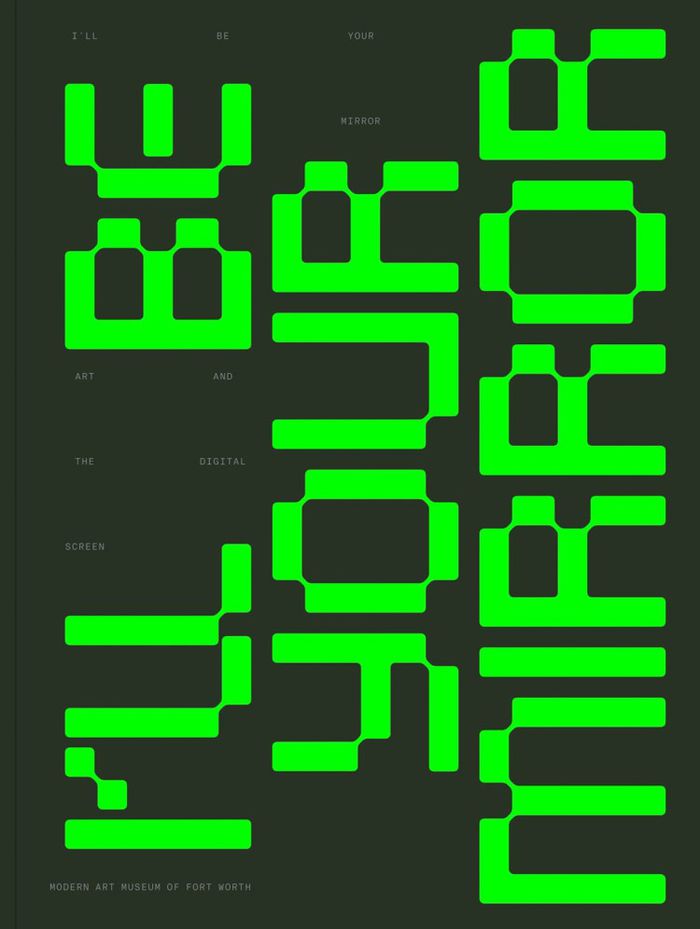
Surveying some 50 years of groundbreaking art related to digital technology and the screen, "I’ll be your mirror" examines how technologies such as home computers, smartphones and TV have affected art and life over the past five decades. It traces a trajectory stretching back to the late 1960s, a watershed moment in the rise of the screen in the home. Today, accelerated by the pandemic, our daily life is mediated through screens for work, entertainment and sociality.
I'll be your mirror: Art and the digital screen
Actions:
Prix:
$69.95
(disponible en magasin)
Résumé:
Surveying some 50 years of groundbreaking art related to digital technology and the screen, "I’ll be your mirror" examines how technologies such as home computers, smartphones and TV have affected art and life over the past five decades. It traces a trajectory stretching back to the late 1960s, a watershed moment in the rise of the screen in the home. Today, accelerated by the pandemic, our daily life is mediated through screens for work, entertainment and sociality.
Classification:
livres
livres
Publication:
janvier 2023
janvier 2023
Sujet:
Théorie de l’art
Théorie de l’art
Classification:
livres
livres
Titre:
The last pictures
The last pictures
Actions:
Prix:
$52.00
(disponible en magasin)
Résumé:
Human civilizations' longest lasting artifacts are not the great Pyramids of Giza, nor the cave paintings at Lascaux, but the communications satellites that circle our planet. In a stationary orbit above the equator, the satellites that broadcast our TV signals, route our phone calls, and process our credit card transactions experience no atmospheric drag. Their inert(...)
$52.00
(disponible en magasin)
Résumé:
Human civilizations' longest lasting artifacts are not the great Pyramids of Giza, nor the cave paintings at Lascaux, but the communications satellites that circle our planet. In a stationary orbit above the equator, the satellites that broadcast our TV signals, route our phone calls, and process our credit card transactions experience no atmospheric drag. Their inert(...)
Titre:
The last pictures
Actions:
Prix:
$52.00
(disponible en magasin)
Résumé:
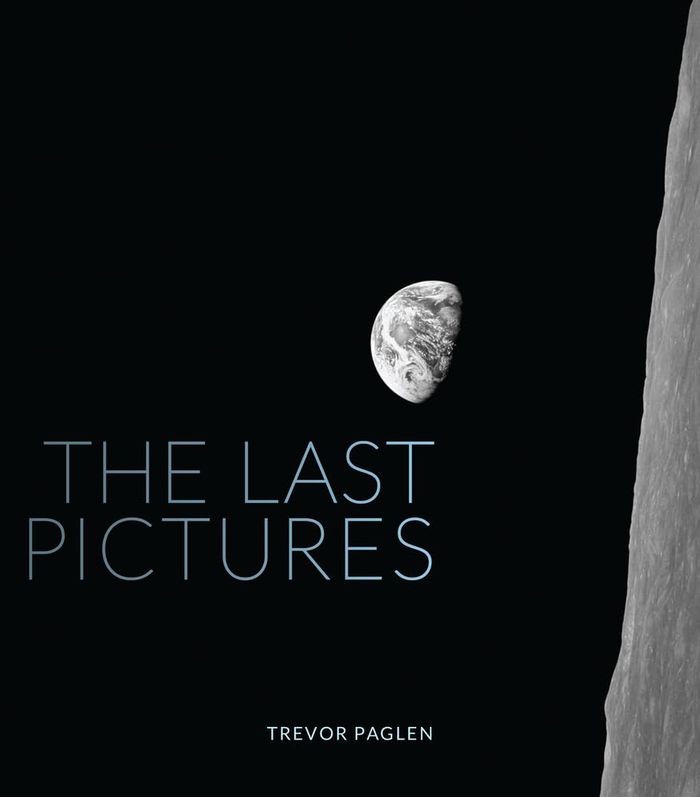
Human civilizations' longest lasting artifacts are not the great Pyramids of Giza, nor the cave paintings at Lascaux, but the communications satellites that circle our planet. In a stationary orbit above the equator, the satellites that broadcast our TV signals, route our phone calls, and process our credit card transactions experience no atmospheric drag. Their inert hulls will continue to drift around Earth until the Sun expands into a red giant and engulfs them about 4.5 billion years from now. he Last Pictures, co-published by Creative Time Books, is rooted in the premise that these communications satellites will ultimately become the cultural and material ruins of the late 20th and early 21st centuries, far outlasting anything else humans have created. Inspired in part by ancient cave paintings, nuclear waste warning signs, and Carl Sagan's Golden Records of the 1970s, artist/geographer and MacArthur "Genius" Fellow Trevor Paglen has developed a collection of one hundred images that will be etched onto an ultra-archival, golden silicon disc.
The last pictures
Actions:
Prix:
$52.00
(disponible en magasin)
Résumé:
Human civilizations' longest lasting artifacts are not the great Pyramids of Giza, nor the cave paintings at Lascaux, but the communications satellites that circle our planet. In a stationary orbit above the equator, the satellites that broadcast our TV signals, route our phone calls, and process our credit card transactions experience no atmospheric drag. Their inert hulls will continue to drift around Earth until the Sun expands into a red giant and engulfs them about 4.5 billion years from now. he Last Pictures, co-published by Creative Time Books, is rooted in the premise that these communications satellites will ultimately become the cultural and material ruins of the late 20th and early 21st centuries, far outlasting anything else humans have created. Inspired in part by ancient cave paintings, nuclear waste warning signs, and Carl Sagan's Golden Records of the 1970s, artist/geographer and MacArthur "Genius" Fellow Trevor Paglen has developed a collection of one hundred images that will be etched onto an ultra-archival, golden silicon disc.
Classification:
livres
livres
Publication:
septembre 2012
septembre 2012
Sujet:
Théorie de l’art
Théorie de l’art
Classification:
livres
livres

Actions:
Prix:
$78.00
(disponible sur commande)
Résumé:
This historical survey focuses on female artists who were either working with computer technologies or taking up the subject of computing and cybernetics in their work in the early years of the computer revolution. It documents a lesser-known history of the inception of digital art, countering conventional narratives by focusing entirely on female figures. Comprising more(...)
$78.00
(disponible sur commande)
Résumé:
This historical survey focuses on female artists who were either working with computer technologies or taking up the subject of computing and cybernetics in their work in the early years of the computer revolution. It documents a lesser-known history of the inception of digital art, countering conventional narratives by focusing entirely on female figures. Comprising more(...)
Titre:
Radical Software: Women, Art & Computing: 1960-1991
Actions:
Prix:
$78.00
(disponible sur commande)
Résumé:
This historical survey focuses on female artists who were either working with computer technologies or taking up the subject of computing and cybernetics in their work in the early years of the computer revolution. It documents a lesser-known history of the inception of digital art, countering conventional narratives by focusing entirely on female figures. Comprising more than 100 works by 50 artists from 14 countries, it spans a period from the first years of integrated circuit computing in the 1960s to the "microcomputer revolution," which led to the birth of home computing in the 1980s. This extensive publication includes three new essays by Tina Rivers Ryan, Margit Rosen and the exhibition's curator, Michelle Cotton. It also features a richly illustrated timeline covering the period between 1613 and 1991 and includes 27 new interviews with artists and over 200 illustrations.
Radical Software: Women, Art & Computing: 1960-1991
Actions:
Prix:
$78.00
(disponible sur commande)
Résumé:
This historical survey focuses on female artists who were either working with computer technologies or taking up the subject of computing and cybernetics in their work in the early years of the computer revolution. It documents a lesser-known history of the inception of digital art, countering conventional narratives by focusing entirely on female figures. Comprising more than 100 works by 50 artists from 14 countries, it spans a period from the first years of integrated circuit computing in the 1960s to the "microcomputer revolution," which led to the birth of home computing in the 1980s. This extensive publication includes three new essays by Tina Rivers Ryan, Margit Rosen and the exhibition's curator, Michelle Cotton. It also features a richly illustrated timeline covering the period between 1613 and 1991 and includes 27 new interviews with artists and over 200 illustrations.
Classification:
livres
livres
Publication:
septembre 2025
septembre 2025
Sujet:
Théorie de l’art
Théorie de l’art
Classification:
livres
livres
Actions:
Prix:
$25.00
(disponible en magasin)
Résumé:
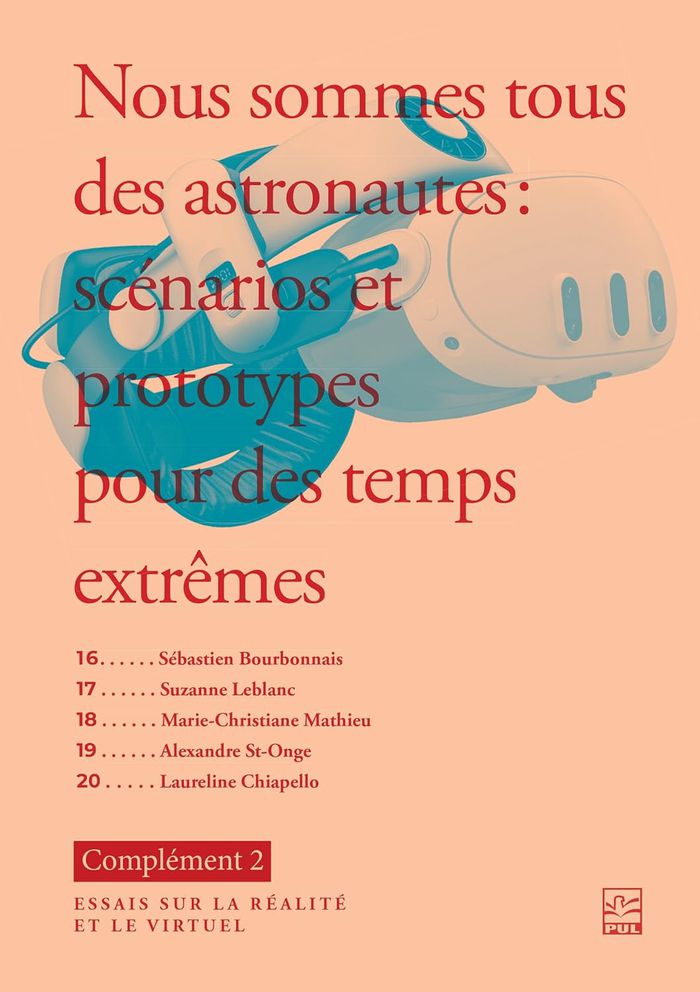
"Nous sommes tous des astronautes : scénarios et prototypes pour des temps extrêmes" accueille son deuxième complément. Chercheurs et chercheuses, artistes, philosophes, professeurs et professeures repensent la réalité virtuelle dans le monde et les arts.
$25.00
(disponible en magasin)
Résumé:
"Nous sommes tous des astronautes : scénarios et prototypes pour des temps extrêmes" accueille son deuxième complément. Chercheurs et chercheuses, artistes, philosophes, professeurs et professeures repensent la réalité virtuelle dans le monde et les arts.
Titre:
Nous sommes tous des astronautes : Complément 2
Actions:
Prix:
$25.00
(disponible en magasin)
Résumé:
"Nous sommes tous des astronautes : scénarios et prototypes pour des temps extrêmes" accueille son deuxième complément. Chercheurs et chercheuses, artistes, philosophes, professeurs et professeures repensent la réalité virtuelle dans le monde et les arts.
Nous sommes tous des astronautes : Complément 2
Actions:
Prix:
$25.00
(disponible en magasin)
Résumé:
"Nous sommes tous des astronautes : scénarios et prototypes pour des temps extrêmes" accueille son deuxième complément. Chercheurs et chercheuses, artistes, philosophes, professeurs et professeures repensent la réalité virtuelle dans le monde et les arts.
Classification:
livres
livres
Publication:
mars 2026
mars 2026
Sujet:
Théorie de l’art
Théorie de l’art
Classification:
livres
livres
Actions:
Prix:
$63.00
(disponible en magasin)
Résumé:
Video is everywhere. Since its debut as a consumer medium in the 1960s, video has shaped our opinions, our politics and our societies. On our phones and computer screens, walls and streets, it defines new spaces and experiences—spreading memes, lies, fervor, fact and fiction. In other words, video has transformed the world. Featuring works from the collection of the(...)
$63.00
(disponible en magasin)
Résumé:
Video is everywhere. Since its debut as a consumer medium in the 1960s, video has shaped our opinions, our politics and our societies. On our phones and computer screens, walls and streets, it defines new spaces and experiences—spreading memes, lies, fervor, fact and fiction. In other words, video has transformed the world. Featuring works from the collection of the(...)
Titre:
Signals: How video transformed the world
Actions:
Prix:
$63.00
(disponible en magasin)
Résumé:
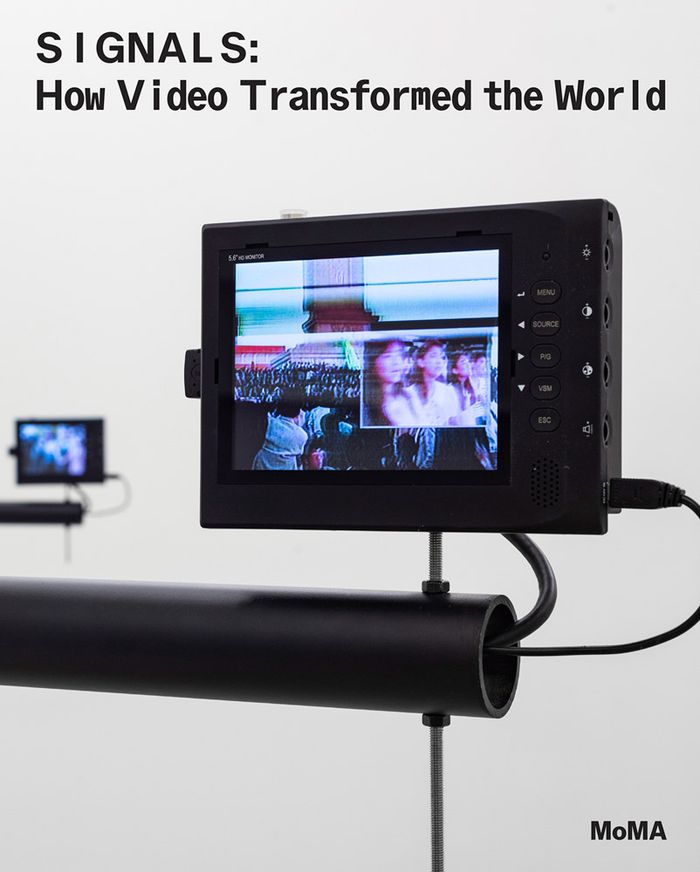
Video is everywhere. Since its debut as a consumer medium in the 1960s, video has shaped our opinions, our politics and our societies. On our phones and computer screens, walls and streets, it defines new spaces and experiences—spreading memes, lies, fervor, fact and fiction. In other words, video has transformed the world. Featuring works from the collection of the Museum of Modern Art, New York, this illuminating exhibition catalog—MoMA’s first major publication on video art in nearly 30 years—explores the ways in which artists have both championed and questioned video’s promise, some hoping to create new networks of communication, democratic engagement and public participation, others protesting commercial and state control over information, vision and truth itself.
Signals: How video transformed the world
Actions:
Prix:
$63.00
(disponible en magasin)
Résumé:
Video is everywhere. Since its debut as a consumer medium in the 1960s, video has shaped our opinions, our politics and our societies. On our phones and computer screens, walls and streets, it defines new spaces and experiences—spreading memes, lies, fervor, fact and fiction. In other words, video has transformed the world. Featuring works from the collection of the Museum of Modern Art, New York, this illuminating exhibition catalog—MoMA’s first major publication on video art in nearly 30 years—explores the ways in which artists have both championed and questioned video’s promise, some hoping to create new networks of communication, democratic engagement and public participation, others protesting commercial and state control over information, vision and truth itself.
Classification:
livres
livres
Publication:
avril 2023
avril 2023
Sujet:
Théorie de l’art
Théorie de l’art
Classification:
livres
livres
Titre:
Carousel: An essay on seeing
Carousel: An essay on seeing
Actions:
Prix:
$39.95
(disponible en magasin)
Résumé:
''Carousel'' opens as a professor begins delivering a lecture to a hot room. Her students have the internet in their pockets, screens on their wrists, seeing in more directions than students ever could before. But what, in fact, are they looking at? In the spirit of John Berger’s ''Ways of Seeing'', Sarah Minor’s ''Carousel'' explores how the pursuit of panoramic(...)
$39.95
(disponible en magasin)
Résumé:
''Carousel'' opens as a professor begins delivering a lecture to a hot room. Her students have the internet in their pockets, screens on their wrists, seeing in more directions than students ever could before. But what, in fact, are they looking at? In the spirit of John Berger’s ''Ways of Seeing'', Sarah Minor’s ''Carousel'' explores how the pursuit of panoramic(...)
Titre:
Carousel: An essay on seeing
Actions:
Prix:
$39.95
(disponible en magasin)
Résumé:
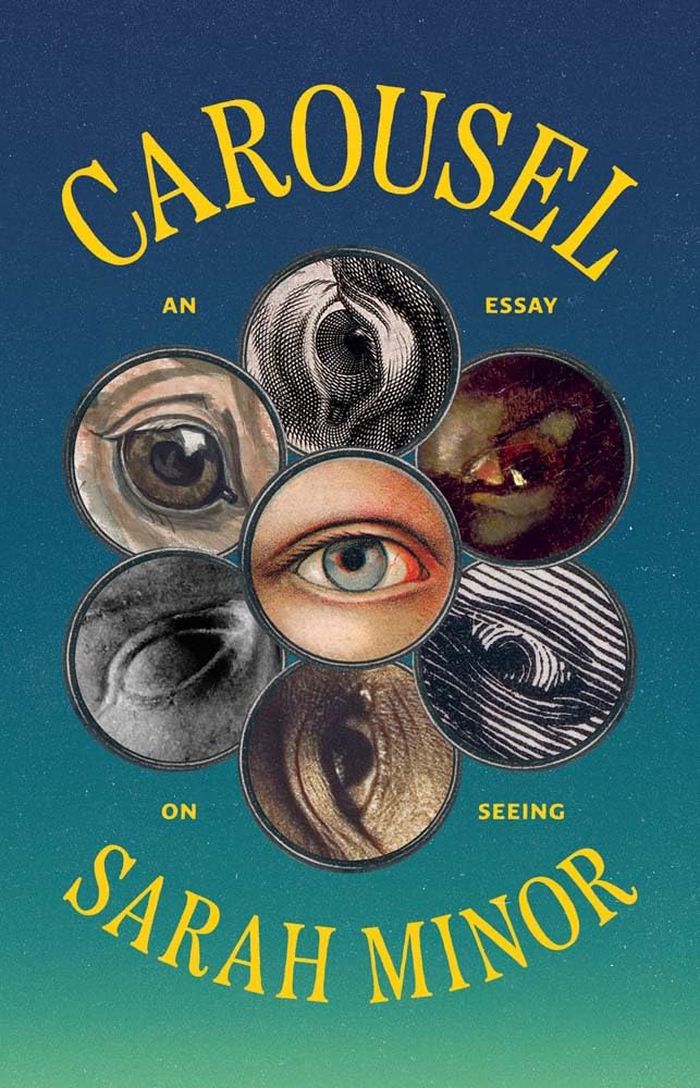
''Carousel'' opens as a professor begins delivering a lecture to a hot room. Her students have the internet in their pockets, screens on their wrists, seeing in more directions than students ever could before. But what, in fact, are they looking at? In the spirit of John Berger’s ''Ways of Seeing'', Sarah Minor’s ''Carousel'' explores how the pursuit of panoramic vision frames power, distorts reality, and implicates both viewer and subject. Across short, loping sections that weave history with memoir, close looking with confession, Minor masterfully fuses the slide lecture with the lyric essay, tying medieval tapestries to surrealism and Instagram reels to predator drones. In language that captures the disorientation of that other carousel, the whirling carnival ride, Minor shows how the more we strive to see, the more we ultimately reveal ourselves.
Carousel: An essay on seeing
Actions:
Prix:
$39.95
(disponible en magasin)
Résumé:
''Carousel'' opens as a professor begins delivering a lecture to a hot room. Her students have the internet in their pockets, screens on their wrists, seeing in more directions than students ever could before. But what, in fact, are they looking at? In the spirit of John Berger’s ''Ways of Seeing'', Sarah Minor’s ''Carousel'' explores how the pursuit of panoramic vision frames power, distorts reality, and implicates both viewer and subject. Across short, loping sections that weave history with memoir, close looking with confession, Minor masterfully fuses the slide lecture with the lyric essay, tying medieval tapestries to surrealism and Instagram reels to predator drones. In language that captures the disorientation of that other carousel, the whirling carnival ride, Minor shows how the more we strive to see, the more we ultimately reveal ourselves.
Classification:
livres
livres
Publication:
juillet 2026
juillet 2026
Sujet:
Théorie de l’art
Théorie de l’art
Classification:
livres
livres
Titre:
Art & Histories: Volume 1
Art & Histories: Volume 1
Actions:
Prix:
$45.00
(disponible en magasin)
Résumé:
Each essay in this groundbreaking volume—the first in an exciting new series from the ''Center for Advanced Study in the Visual Arts'' —engages aesthetic and cultural debates that situate research on the arts at the intersection of various disciplines, including architecture, film, literature, curatorial and museum studies, and the arts of performance. Reflecting the(...)
$45.00
(disponible en magasin)
Résumé:
Each essay in this groundbreaking volume—the first in an exciting new series from the ''Center for Advanced Study in the Visual Arts'' —engages aesthetic and cultural debates that situate research on the arts at the intersection of various disciplines, including architecture, film, literature, curatorial and museum studies, and the arts of performance. Reflecting the(...)
Titre:
Art & Histories: Volume 1
Actions:
Prix:
$45.00
(disponible en magasin)
Résumé:
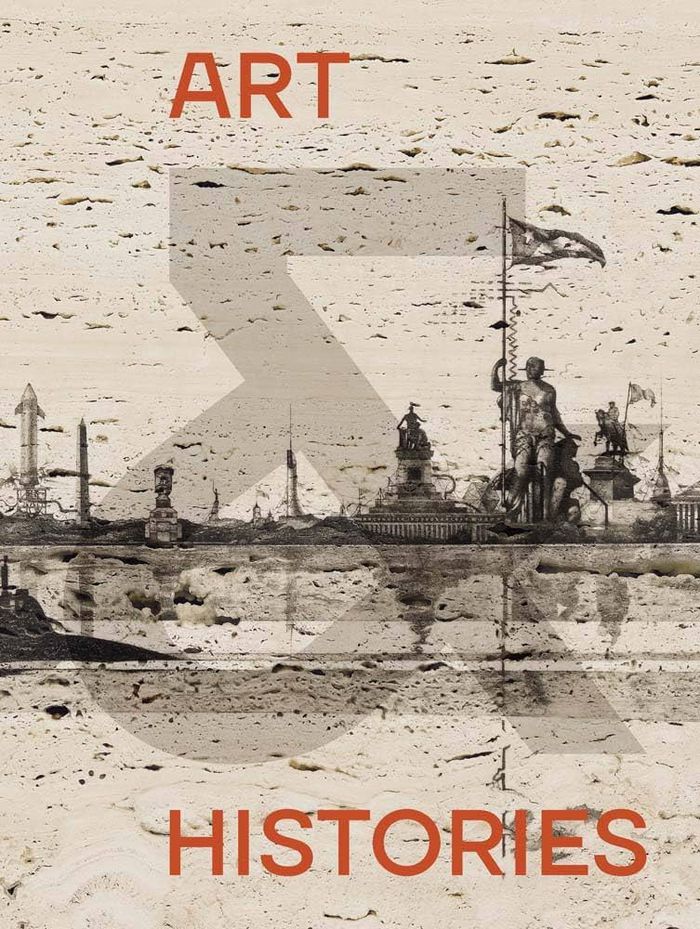
Each essay in this groundbreaking volume—the first in an exciting new series from the ''Center for Advanced Study in the Visual Arts'' —engages aesthetic and cultural debates that situate research on the arts at the intersection of various disciplines, including architecture, film, literature, curatorial and museum studies, and the arts of performance. Reflecting the series’ goal to engage with different cultural contexts and time periods, newly commissioned essays from emerging and established scholars address subjects ranging from medieval dance and ancient Assyrian reliefs to expressions of gender embodiment and the art of the Afro-Atlantic. First-person narratives ground theoretical considerations of the theme. Reflecting a commitment to embracing the book form as a space for art itself, ''Art & Histories'' includes a detachable accordion-fold insert with a work from Miami-based artist Glexis Novoa. One of his signature horizon lines unites Washington, DC, and the artist’s native Havana. Meticulous drawings executed on travertine marble entangle the two cities and their monuments, symbolizing both violent and triumphant histories and their ideological reversals.
Art & Histories: Volume 1
Actions:
Prix:
$45.00
(disponible en magasin)
Résumé:
Each essay in this groundbreaking volume—the first in an exciting new series from the ''Center for Advanced Study in the Visual Arts'' —engages aesthetic and cultural debates that situate research on the arts at the intersection of various disciplines, including architecture, film, literature, curatorial and museum studies, and the arts of performance. Reflecting the series’ goal to engage with different cultural contexts and time periods, newly commissioned essays from emerging and established scholars address subjects ranging from medieval dance and ancient Assyrian reliefs to expressions of gender embodiment and the art of the Afro-Atlantic. First-person narratives ground theoretical considerations of the theme. Reflecting a commitment to embracing the book form as a space for art itself, ''Art & Histories'' includes a detachable accordion-fold insert with a work from Miami-based artist Glexis Novoa. One of his signature horizon lines unites Washington, DC, and the artist’s native Havana. Meticulous drawings executed on travertine marble entangle the two cities and their monuments, symbolizing both violent and triumphant histories and their ideological reversals.
Classification:
livres
livres
Publication:
janvier 2026
janvier 2026
Sujet:
Théorie de l’art
Théorie de l’art


